How to meditate for life purpose offers a transformative journey toward self-discovery and clarity. By engaging in mindful reflection, individuals can uncover their deepest passions and align their daily actions with meaningful long-term goals. This practice not only cultivates inner peace but also guides purposeful decision-making, ultimately leading to a more fulfilling life. Whether you are new to meditation or seeking to deepen your existing practice, understanding how to harness meditation for discovering your life’s purpose can be a powerful tool for personal growth.
Understanding the Connection Between Meditation and Life Purpose
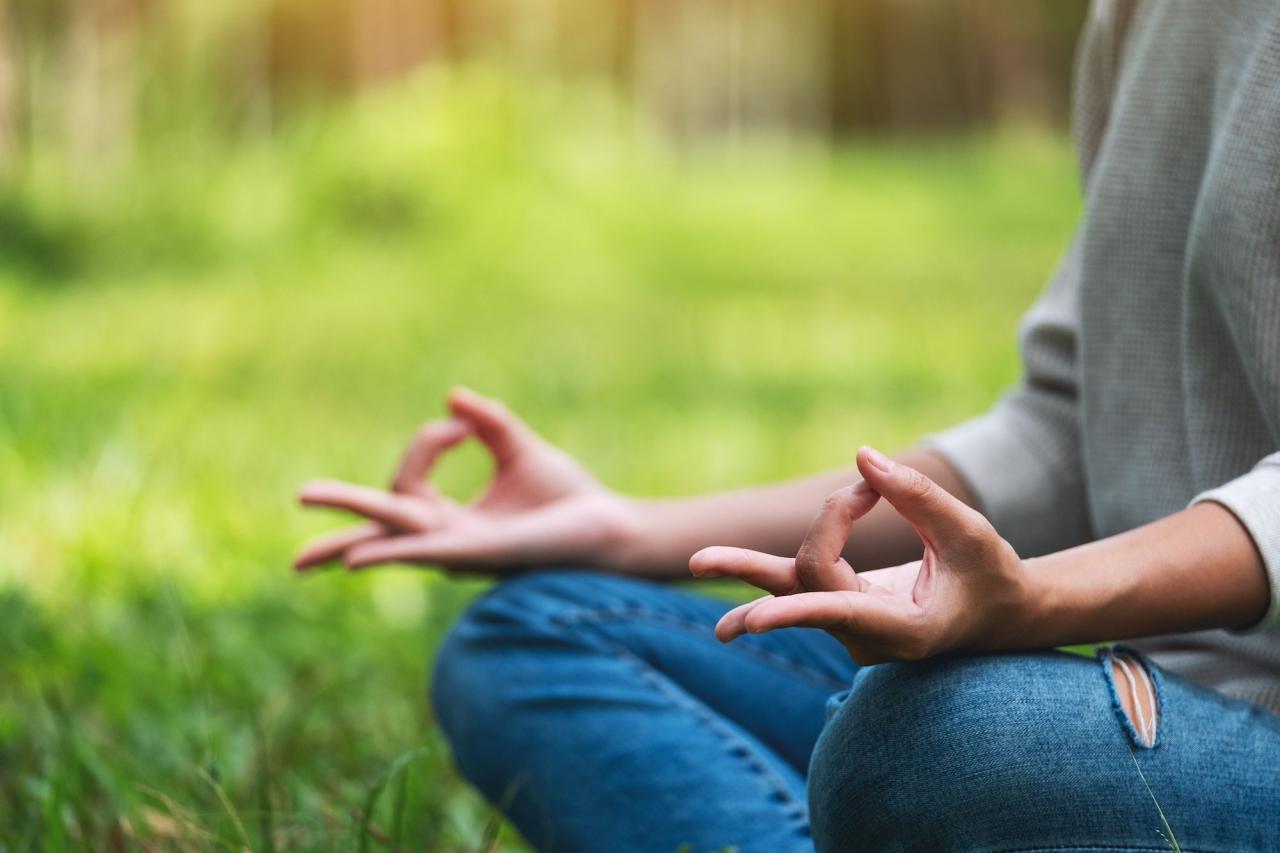
Meditation serves as a profound tool in the journey toward discovering one’s true life purpose. It offers a space for introspection, clarity, and alignment, enabling individuals to connect with their innermost aspirations and values. Recognizing this connection can transform everyday actions into meaningful steps toward fulfilling one’s long-term goals.
Engaging in regular meditation cultivates awareness of mental patterns, emotional states, and subconscious influences that shape our sense of purpose. By practicing mindfulness and deep reflection, individuals can uncover their authentic desires, align their goals with their core values, and navigate life with intentionality. This process not only enhances self-understanding but also fosters resilience and confidence in pursuing personal aspirations.
Significance of Meditation in Discovering Personal Life Purpose
Meditation enables individuals to detach from external distractions and societal expectations, creating a fertile environment for inner exploration. Through consistent practice, one develops clarity about what truly matters, distinguishing fleeting desires from enduring passions. This clarity provides a foundation for setting meaningful goals that resonate deeply with one’s authentic self.
Many people find that meditation helps unveil subconscious motivations that influence their career choices, relationships, and personal development. For example, a person feeling unfulfilled in their profession might, through meditation, realize a long-held passion for creative arts or social service. This insight often leads to decisive actions aligned with true purpose.
Aligning Daily Actions with Long-Term Goals
To ensure that daily activities support one’s life purpose, meditation fosters a heightened state of awareness and intentionality. When practiced regularly, it cultivates mindfulness, allowing individuals to evaluate whether their actions reflect their core values and aspirations. This alignment creates consistency in pursuing meaningful endeavors while reducing distractions that veer one off course.
For example, a person committed to environmental advocacy might use meditation sessions to reaffirm their commitment, helping them make conscious choices such as reducing waste, volunteering, or advocating for policy changes. Over time, this alignment between inner clarity and external actions fosters a sense of fulfillment and progress toward long-term goals.
Stories of Clarity Through Meditation
Real-life stories exemplify how meditation can illuminate one’s purpose. Consider Sarah, a corporate professional feeling unfulfilled despite her career success. Through daily meditation, she connected with her passion for community service, eventually transitioning into a nonprofit role focused on youth education. Her clarity was born from introspective meditation sessions that helped her identify her true calling.
Similarly, Raj, a young entrepreneur, used meditation to manage stress and gain insight into his business vision. During his practice, he realized his desire to create sustainable products that benefit society. This clarity prompted him to pivot his startup towards eco-friendly solutions, aligning his business with his values and purpose.
These stories highlight that meditation not only uncovers personal passions but also empowers individuals to take authentic steps in their lives, fostering both personal growth and societal contribution.
Preparing for Meditation Practice Focused on Life Purpose
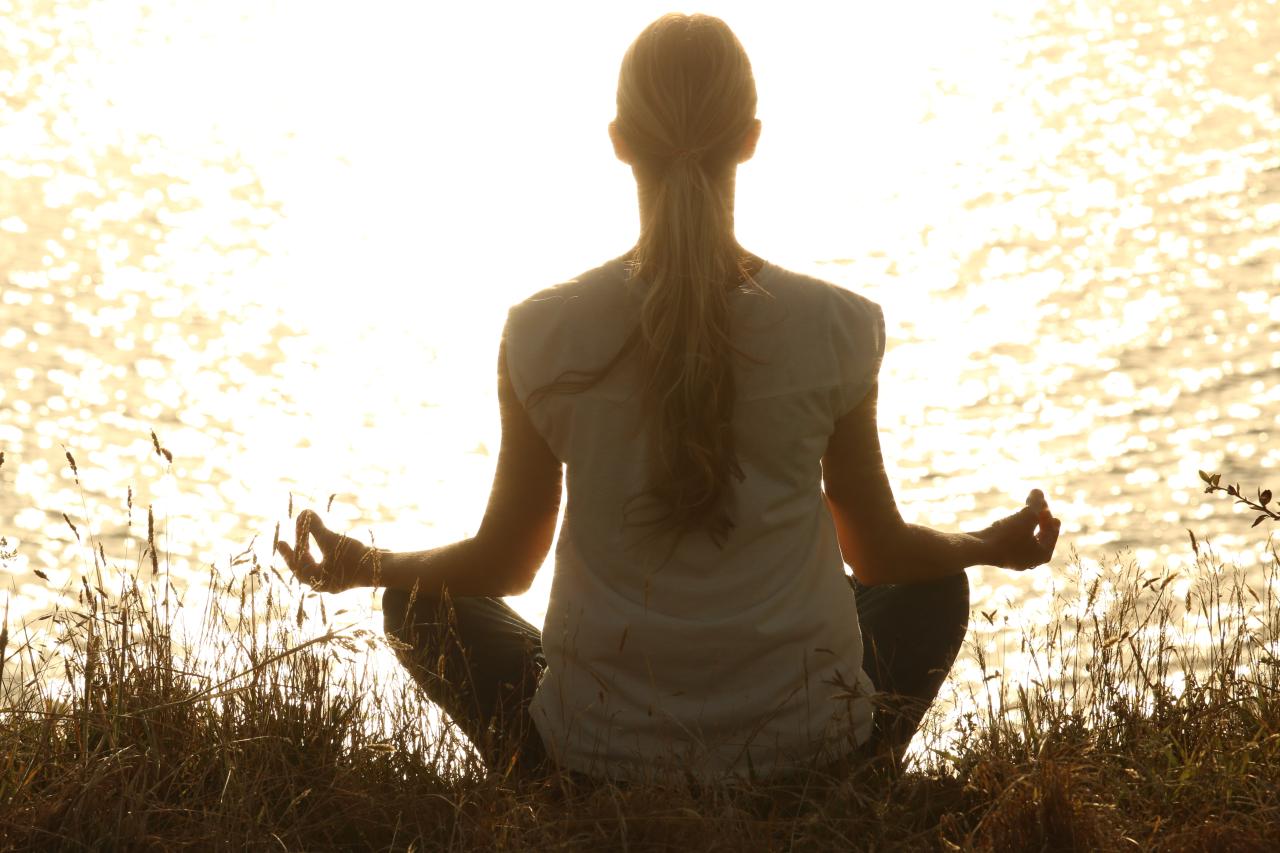
Establishing a dedicated and mindful environment is essential to deepen your meditation practice centered on discovering and aligning with your life purpose. Proper preparation not only fosters concentration but also cultivates a receptive mindset that facilitates meaningful self-reflection and insight. By thoughtfully organizing your space, gathering suitable tools, and setting clear intentions, you create an optimal foundation for your meditation sessions, paving the way for profound personal growth and clarity.
Preparing effectively involves attention to both physical surroundings and mental focus. A well-configured environment minimizes distractions, enhances comfort, and nurtures a tranquil atmosphere conducive to introspection. Additionally, intentional pre-meditation practices help anchor your awareness inward, ensuring each session remains aligned with your purpose-driven goals. The following detailed steps guide you through creating an ideal setting and mindset for meditation dedicated to exploring your life purpose.
Creating a Peaceful Meditation Environment
Constructing a serene space that encourages self-reflection requires deliberate choices in your physical environment. An environment free from interruptions enhances your ability to connect deeply with your inner self and your life purpose. The following steps Artikel how to establish such a space:
- Select a Quiet Location: Choose a spot in your home or outdoors where external noise and disturbances are minimal. This could be a corner of a room, a garden nook, or any place where you feel calm and undisturbed.
- Ensure Cleanliness and Organization: Keep the space tidy and free of clutter. A neat environment promotes mental clarity and reduces distractions, allowing your focus to remain on your inner journey.
- Incorporate Natural Elements: Adding plants, natural light, or calming natural imagery can enhance tranquility. Natural elements help ground your energy and foster a connection with the earth, which can be beneficial when exploring life purpose.
- Control Lighting and Sound: Use soft, adjustable lighting such as candles or lamps to create a warm ambiance. Consider ambient sounds or nature recordings to drown out background noise and cultivate a peaceful atmosphere.
- Maintain Comfort: Use comfortable seating or floor cushions to support prolonged meditation sessions. Wear loose, comfortable clothing to prevent physical discomfort that might distract you during practice.
Items and Tools to Enhance Meditation Sessions
Utilizing specific items and tools can significantly support your meditation practice, especially when aligning with your quest for life purpose. These tools serve as aids in grounding, focus, and creating a sacred space for self-discovery. The following list details essential items commonly used:
| Item | Purpose and Benefits |
|---|---|
| Cushions or Meditation Benches | Provide physical comfort and proper posture, reducing fatigue and allowing longer, more focused sessions. |
| Soft Lighting or Candles | Establish a calming ambiance, help signal the start of meditation, and foster relaxation. |
| Ambient Music or Nature Sounds | Enhance concentration, mask disruptive noises, and deepen relaxation, facilitating deeper introspection. |
| Incense or Aromatherapy Diffusers | Introduce soothing scents such as lavender, sandalwood, or frankincense to promote mental clarity and emotional balance. |
| Journals or Reflection Notebooks | Allow for recording insights, intentions, or revelations that arise during meditation, reinforcing self-awareness and purpose exploration. |
| Guided Meditation Recordings or Apps | Support focus with structured guidance tailored to discovering life purpose and aligning intentions. |
Setting Intentions Before Each Meditation
Clarifying your purpose and intentions prior to each meditation session enhances focus and directs your inner awareness toward your life goals. Intentions serve as mental anchors, helping you stay aligned with your exploration and ensuring each session contributes to your personal growth. The following step-by-step guide assists in establishing meaningful intentions:
- Begin with a Clear Mindset: Take a few deep breaths to center yourself. Let go of daily stressors and mental clutter to arrive fully present.
- Identify Your Focus Area: Reflect on what aspect of your life purpose you wish to explore — whether it’s clarity about your passions, understanding your values, or seeking guidance for future steps.
- Formulate a Specific Intention: Craft a concise, positive statement that encapsulates your goal. For example, “I intend to open my heart to insights about my true calling” or “I am receptive to understanding my life’s purpose.”
- Use Affirmative Language: Frame intentions in a present tense, affirmative manner to reinforce commitment and openness.
- Visualize Your Intention: Briefly imagine yourself already embodying or experiencing the insight or clarity you desire. Visualization enhances the effectiveness of your intention.
- Repeat and Reinforce: Mentally or aloud, repeat your intention a few times to solidify your focus and set a clear purpose for your meditation session.
Effective intention setting transforms your meditation from a passive activity into a purposeful exploration, guiding your consciousness toward discovering and aligning with your life purpose.
Techniques for Meditating to Uncover Life Purpose
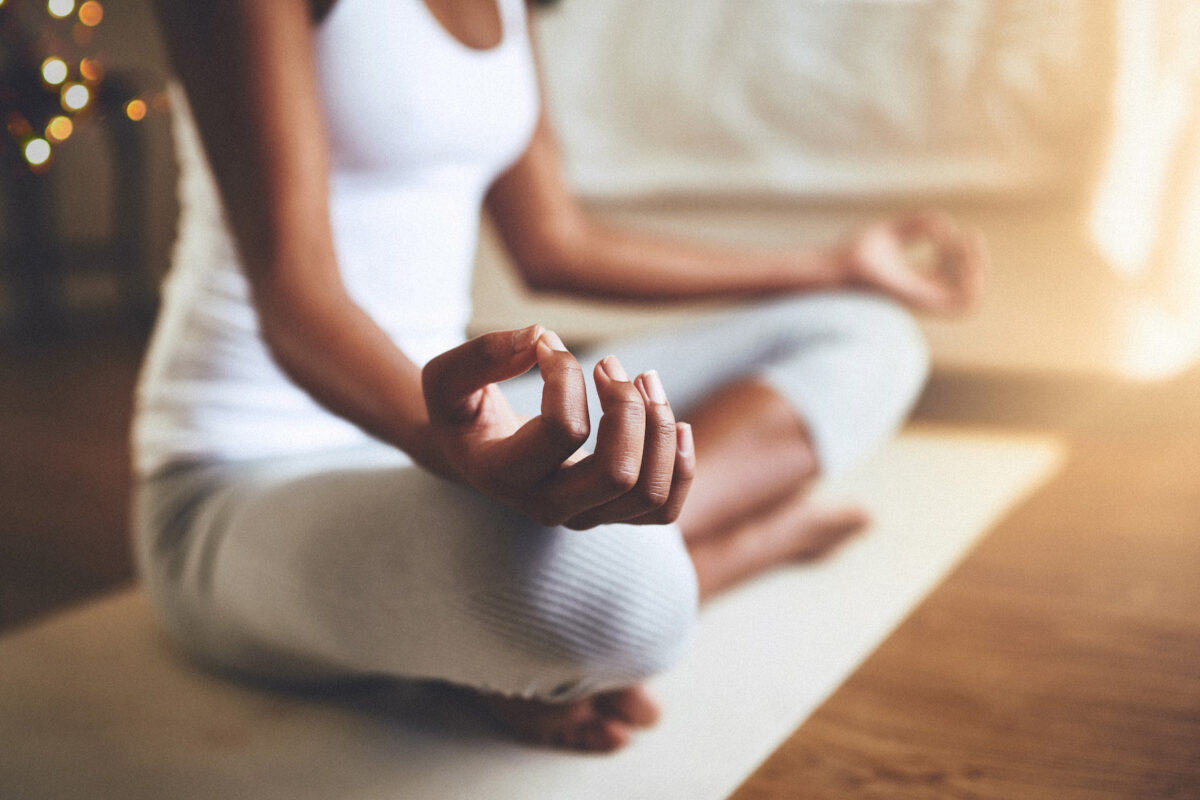
Discovering one’s life purpose through meditation involves exploring various techniques that facilitate self-awareness, clarity, and insight. Different methods resonate with individuals uniquely, offering pathways to connect deeply with one’s inner self and uncover the aspirations, values, and passions that define their true calling. Understanding and practicing these techniques can significantly aid in aligning daily actions with overarching life goals.
Each meditation method employs distinct approaches—guided visualization, mindfulness, or contemplative prayer—that serve as tools to access subconscious insights and foster a profound understanding of personal purpose. Incorporating specific breathing exercises further enhances these practices by deepening self-awareness, calming mental chatter, and creating a receptive state for meaningful revelations.
Guided Visualization
This technique involves listening to or following a recorded or live meditation where an instructor guides you through a vivid mental journey. The visualization often begins with relaxation, then progresses into imagining future scenarios where you are living your ideal life aligned with your purpose. Through this immersive experience, subconscious insights about passions and values may surface, providing clarity on your life’s direction.
- Duration: Typically 10-30 minutes depending on the depth of visualization.
- Focus Points: Imagining personal success, ideal environments, and emotional states associated with fulfilling your purpose.
- Expected Outcomes: Enhanced clarity, motivation, and emotional alignment with your life goals.
Incorporating breathing exercises, such as slow diaphragmatic breathing during visualization, can deepen relaxation, making mental images more vivid and insightful. Deep breathing elevates oxygen flow to the brain, supporting better concentration and emotional regulation during the process.
Mindfulness Meditation
Mindfulness meditation emphasizes present-moment awareness without judgment. Regular practice involves observing thoughts, feelings, and bodily sensations as they arise, helping individuals recognize patterns, desires, and internal conflicts that may point toward their true purpose. This practice cultivates non-reactive awareness, allowing insights to emerge organically over time.
- Duration: Ranges from 10 to 45 minutes per session, adaptable to personal schedules.
- Focus Points: Present sensations, thoughts about life direction, emotional states, and subtle internal cues.
- Expected Outcomes: Increased self-awareness, reduced mental clutter, and a clearer understanding of authentic desires.
Deep breathing, especially mindful breathing exercises, enhances mindfulness practice. Focusing on the breath anchors attention, stabilizes the mind, and creates a calm mental state conducive to uncovering intuitive insights about one’s life purpose.
Contemplative Prayer
Contemplative prayer is a meditative practice rooted in spiritual traditions that involves silent communication with a higher power or divine presence. This method encourages openness, surrender, and receptivity, allowing profound insights and guidance to surface regarding one’s life’s calling. It often includes repeating a sacred word or phrase, fostering unity with the divine and internal clarity.
- Duration: Usually 15-30 minutes, with flexibility based on individual preference.
- Focus Points: Surrender to divine guidance, openness to spiritual insights, and reflection on life’s meaning.
- Expected Outcomes: Inner peace, spiritual alignment, and clearer understanding of purpose rooted in faith or higher values.
Breathing exercises integrated into contemplative prayer, such as slow, rhythmic breathing, help maintain stillness and deepen the spiritual connection. Conscious breathing supports a tranquil mental state, allowing divine inspiration to flow freely.
Comparison of Meditation Techniques for Uncovering Life Purpose
| Technique | Duration | Focus Points | Expected Outcomes |
|---|---|---|---|
| Guided Visualization | 10-30 minutes | Imaginary scenarios, future visions, emotional states | Clarity, motivation, emotional alignment |
| Mindfulness Meditation | 10-45 minutes | Present moment awareness, internal patterns | Self-awareness, reduced mental clutter |
| Contemplative Prayer | 15-30 minutes | Spiritual reflection, divine connection | Inner peace, spiritual clarity |
Integrating breathing exercises into each technique enhances their effectiveness. Slow, intentional breathing not only relaxes the nervous system but also sharpens focus, helping practitioners access deeper layers of consciousness and intuition. For example, in guided visualization, deep diaphragmatic breathing fosters vivid mental imagery; in mindfulness, it anchors attention; and in contemplative prayer, it facilitates spiritual receptivity.
Developing a Routine for Long-term Clarity and Insight
Establishing a consistent meditation routine centered around discovering and maintaining a clear understanding of one’s life purpose is vital for ongoing personal growth. Consistency nurtures deeper insights, allows for reflection on progress, and cultivates a sustained connection with one’s core intentions. By integrating specific rituals and tracking methods, individuals can create a sustainable practice that continually refines their sense of purpose over time.A well-structured routine serves as the foundation for sustained clarity.
It transforms meditation from a sporadic activity into a daily or weekly discipline that consistently nurtures insight and self-awareness. Such routines help embed meditation into daily life, making it a habitual and essential part of personal development. When routines are aligned with personal goals, they foster a disciplined yet flexible approach to uncovering and enriching one’s life purpose.
Establishing a Consistent Meditation Schedule
The foundation of a long-term meditation routine lies in developing a schedule that aligns with personal lifestyle and goals. Consistency is key; choosing specific times each day or week helps reinforce the habit and enhances the depth of insight gained. For example, early morning meditation can set a positive tone for the day, while evening sessions allow reflection on daily experiences related to purpose.To create an effective schedule, consider the following procedures:
- Assess your daily routine to identify optimal times when mental clarity is highest, such as early mornings or late evenings.
- Set realistic goals for meditation duration, starting with durations that feel manageable, such as 10–15 minutes daily, then gradually increasing as comfort grows.
- Use digital reminders or calendar alerts to reinforce the habit and maintain consistency.
- Designate a dedicated space for meditation that remains accessible and free from distractions, fostering a sense of ritual and focus.
- Incorporate flexibility to accommodate life’s unpredictabilities, ensuring the routine remains sustainable rather than burdensome.
Maintaining a routine requires discipline but also compassion for oneself. Recognizing that consistency over time yields the greatest insights encourages perseverance and patience.
Supporting Rituals for Ongoing Reflection on Life Purpose
Complementing meditation sessions with rituals can deepen insight and sustain motivation. Rituals create meaningful cues that reinforce commitments to personal growth and purpose exploration. These practices serve as anchors, guiding reflection during and outside of meditation.Examples of effective rituals include:
- Beginning meditation with a personal affirmation or intention statement aligned with your life purpose, such as “I seek clarity and understanding of my true calling.”
- Using symbolic objects, like a stone or a feather, placed nearby to serve as physical reminders of your commitment to purpose-focused meditation.
- Maintaining a dedicated journal for recording insights, revelations, or questions that arise during meditation sessions, fostering ongoing reflection.
- Ending each session with a gratitude practice, acknowledging progress made and insights gained, which reinforces positive reinforcement and motivation.
- Engaging in periodic review sessions—weekly or monthly—to revisit journal entries, reflect on progress, and recalibrate goals as needed.
Integrating these rituals into your routine helps cultivate a mindful approach and ensures that reflection on life purpose becomes an intrinsic part of your daily life.
Methods for Tracking Progress and Insights
Monitoring your meditation journey over time is essential for recognizing growth, understanding patterns, and deepening your connection with your life purpose. Effective tracking methods enable you to quantify progress and adapt your practice accordingly.Key methods include:
- Meditation Journals: Keeping a dedicated journal to record daily or weekly insights, emotional states, and questions that emerge during meditation. Over time, this provides a valuable archive to identify recurring themes or breakthroughs.
- Progress Logs: Using structured logs that note the duration, type of meditation, and specific focus areas, helping to observe correlations between practice consistency and clarity gained.
- Reflective Reviews: Setting regular intervals—such as monthly—to review journal entries and logs. This process reveals patterns, progress, and areas needing adjustment, fostering ongoing growth.
- Mind Maps or Visual Charts: Creating visual representations of insights, goals, and realizations can help clarify complex ideas and track evolving understanding of life purpose.
- Feedback from Mentors or Coaches: Engaging with a trusted guide can provide external perspectives on your progress, helping you interpret insights and refine your practice further.
By systematically tracking your meditation experiences, you develop a clearer picture of your evolving purpose, enabling more conscious adjustments to your routine and practices. This continuous feedback loop ensures sustained engagement and meaningful breakthroughs on your journey to lifelong clarity.
Overcoming Challenges in Meditating for Life Purpose

Meditating to discover and align with one’s life purpose can be a deeply fulfilling journey, yet it often presents obstacles that may hinder progress. Recognizing and addressing these challenges is essential to maintaining a consistent and meaningful practice. By developing strategies to overcome common hurdles such as distraction, impatience, and self-doubt, practitioners can deepen their connection to their inner selves and sustain motivation for long-term clarity.Understanding these obstacles and implementing tailored approaches ensures that meditation remains a powerful tool for uncovering life purpose, even during moments of stress or busyness.
This section explores practical methods to navigate such difficulties, empowering individuals to stay committed to their meditative journey.
Common Obstacles in Meditation for Life Purpose and Strategies to Overcome Them
Practitioners often face a variety of challenges that can disrupt or diminish the effectiveness of their meditation practice. Addressing these barriers with practical techniques can significantly enhance their ability to stay focused and motivated.
Distraction is one of the most prevalent issues during meditation. The mind’s tendency to wander into unrelated thoughts or external stimuli can dilute concentration and impede insight. To counteract this, establishing a dedicated, quiet space for meditation, along with focusing on specific objects like the breath or a mantra, can help anchor attention. Gentle acknowledgment of distraction without judgment allows the mind to refocus more easily over time.
Impatience and the desire for quick results often lead practitioners to become discouraged. Recognizing that uncovering life purpose is a gradual process encourages patience. Incorporating mindfulness techniques that emphasize acceptance and presence fosters a sense of calm and reduces the urge to rush progress.
Self-doubt may emerge when individuals question their ability to achieve clarity or doubt the validity of their insights. Building confidence through consistent practice and affirming one’s intentions can mitigate this doubt. Journaling reflections post-meditation also reinforces progress and affirms commitment.
Techniques to Maintain Motivation and Deepen Engagement
Maintaining motivation is vital for sustained success in meditation. The following approaches help deepen engagement and reinforce the significance of the practice:
- Setting Clear Intentions: Clarifying specific goals related to uncovering or understanding life purpose provides direction and purpose to each session. Regularly revisiting these intentions sustains focus and motivation.
- Tracking Progress: Keeping a meditation journal to record insights, challenges, and breakthroughs fosters a sense of achievement and highlights growth over time.
- Seeking Support and Community: Participating in meditation groups or workshops creates a sense of accountability and offers new perspectives, reinforcing commitment.
- Celebrating Small Wins: Recognizing and appreciating minor breakthroughs or moments of clarity boosts morale and encourages continued effort.
Adapting Meditation Practices During Stressful or Busy Periods
Life’s inherent unpredictability often introduces stress and time constraints, which can challenge consistent meditation practice. Adapting techniques during such times ensures ongoing clarity and connection to life purpose:
During high-stress periods, shorter, mindful practices can be more effective than extended sessions, helping maintain a sense of calm and focus.
Practitioners can incorporate brief mindfulness exercises into daily routines, such as a five-minute breathing exercise during breaks or before sleep. Utilizing guided meditations specifically designed for stress relief can also facilitate quick mental resets. Even during busy schedules, maintaining a flexible approach—like practicing gratitude or mindful awareness during daily activities—keeps the connection to inner purpose intact.
Understanding that consistency is more important than duration encourages practitioners to integrate small, meaningful moments of meditation into their day. This adaptability sustains clarity and insight, even amidst life’s inevitable challenges.
Integrating Meditative Insights into Daily Life
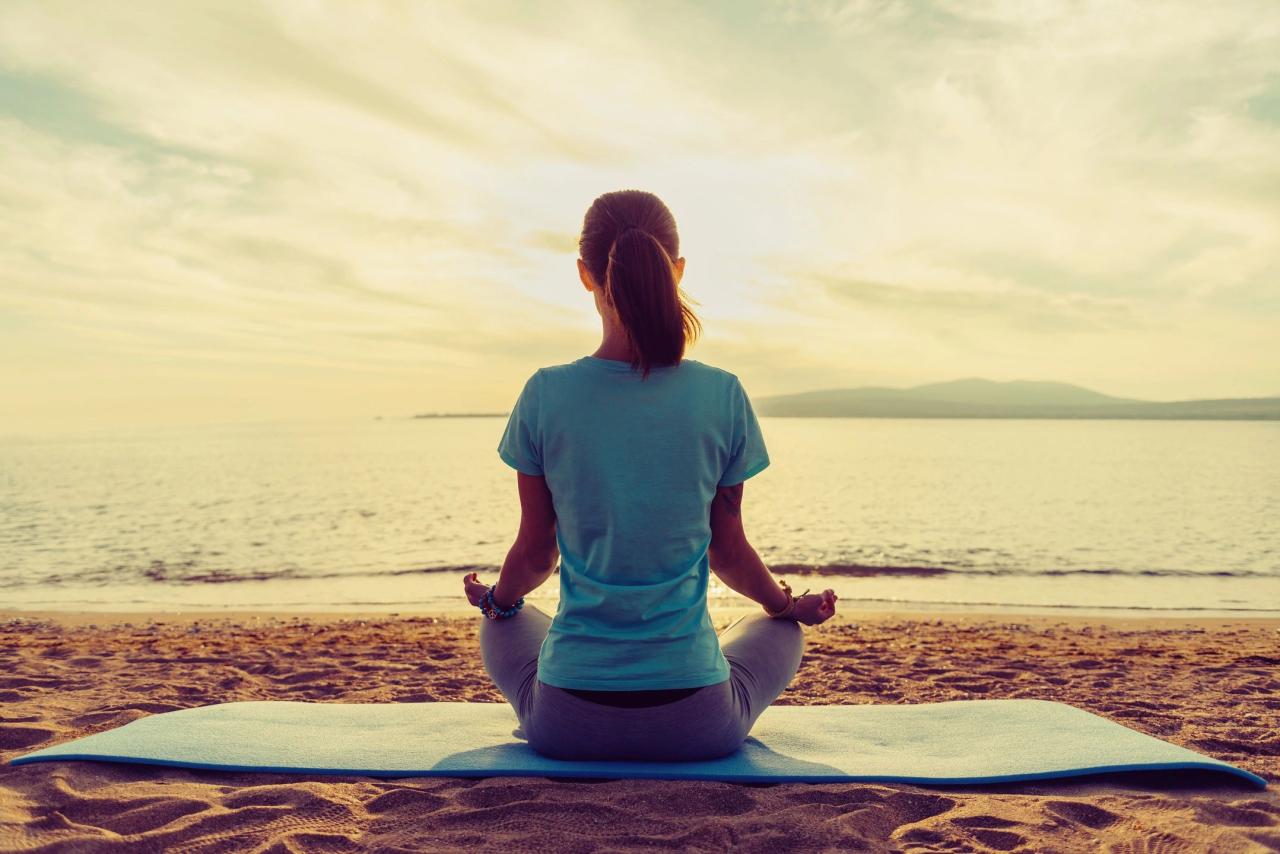
Meditation serves as a powerful tool for uncovering one’s true purpose and aligning daily actions with core values. The insights gained through dedicated practice can significantly influence decision-making, behavior, and overall life direction. Effectively translating these insights into everyday life fosters a more authentic, purpose-driven existence, ensuring that meditation does not remain a separate spiritual exercise but becomes an integral part of living intentionally.Understanding how to incorporate meditative revelations into daily routines enhances personal growth and supports ongoing clarity about one’s life purpose.
The process involves conscious reflection, deliberate action, and continual refinement, making meditation a dynamic part of life’s journey.
Applying Meditation Insights to Daily Activities
To transform insights from meditation into tangible actions, it is essential to develop mindful awareness of everyday moments and decisions. This practice involves consciously recognizing when insights emerge during meditation and intentionally applying them during daily interactions, work, and personal pursuits.Begin by maintaining a journal to record key revelations or themes that arise during meditation sessions. Use these entries as reminders to align daily choices with newfound understanding of your purpose.
For example, if meditation reveals a deep passion for helping others, seek volunteer opportunities or careers that serve this purpose. Practicing mindful presence during routine activities—such as eating, walking, or communicating—allows you to stay connected with your inner guidance. This heightened awareness creates space for deliberate decision-making aligned with your purpose, making each action a reflection of your meditative insights.
Using Meditation as a Decision-Making Tool
Meditation can substantially enhance clarity when faced with complex life choices. By cultivating a calm, centered mind, you can access intuitive guidance that informs your decisions in line with your purpose.Prior to making significant decisions, set aside a few moments of quiet meditation to center yourself. Focus on your breath, and invite your intuition to surface. During this state, observe your feelings and inner responses to potential options without judgment.
This helps distinguish between superficial desires and deeper alignments with your purpose.A practical approach involves formulating specific questions related to life’s major decisions. For instance, ask, “Does this career move resonate with my core values?” or “Will this relationship support my growth and purpose?” Allow answers to emerge naturally through insight or sensations. Over time, this practice develops a reliable internal compass rooted in your meditative awareness.
Revisiting and Refining Your Purpose through Ongoing Meditation
A dynamic understanding of purpose requires continuous reflection and openness to growth. Regular meditation sessions provide a safe space to revisit initial insights and assess their relevance as experiences evolve.Schedule periodic retreats or extended meditation periods dedicated solely to contemplating your purpose. Use guided visualization techniques to explore different facets of your life and how they align with your core intent.
Keep a reflective journal to document shifts, new realizations, or areas needing adjustment.Engage in mindful inquiry by asking yourself questions such as, “Is my current path still aligned with my deepest aspirations?” or “What new insights have emerged that can refine my purpose?” This ongoing process ensures your life purpose remains flexible, receptive to growth, and rooted in authentic understanding, fostering long-term fulfillment and clarity.
Epilogue
In conclusion, incorporating meditation into your routine can unlock profound insights into your life’s purpose, helping you stay aligned and motivated on your journey. By creating a dedicated space, exploring different techniques, and integrating your insights into daily activities, you can foster lasting clarity and purpose. Embracing this mindful approach empowers you to lead a more intentional, authentic life filled with purpose and fulfillment.