Embarking on the practice of how to meditate for kindness opens the door to profound emotional growth and interpersonal harmony. This dedicated approach to meditation centers on nurturing compassion, fostering a more empathetic mindset that benefits both the individual and those around them. By understanding and embracing specific techniques, routines, and visualization methods, practitioners can transform their inner landscape into a sanctuary of kindness and understanding.
The journey into kindness meditation offers not only emotional relief but also a pathway to creating genuine connections in daily life.
This comprehensive overview guides you through preparing for sessions, guided practices, overcoming common challenges, tracking progress, and integrating acts of kindness beyond meditation. With consistent effort, you will discover how these practices enhance your emotional resilience and deepen your sense of interconnectedness with others, ultimately enriching your personal and social experiences.
Introduction to Meditation for Kindness
Meditation for kindness, also known as loving-kindness meditation or Metta meditation, centers on cultivating feelings of genuine compassion, warmth, and goodwill towards oneself and others. This practice encourages individuals to develop an open heart and an empathetic outlook, fostering a sense of interconnectedness and emotional well-being. By intentionally directing positive intentions and affirmations, practitioners can nurture a more compassionate mindset that extends beyond the meditation session into daily interactions.
Engaging regularly in kindness meditation offers profound psychological and emotional benefits. These include increased feelings of happiness, reduced stress levels, and improved resilience against negative emotions such as anger or resentment. Over time, consistent practice can enhance one’s capacity for empathy, patience, and forgiveness, creating healthier relationships and a more harmonious inner life. Unlike some mindfulness practices that emphasize observation and awareness, kindness meditation actively cultivates positive emotional states, aiming to transform the practitioner’s outlook and interactions with the world.
Differences Between Kindness Meditation and Other Mindfulness Practices
While many mindfulness practices focus on observing thoughts, sensations, and emotions with acceptance and non-judgment, kindness meditation specifically emphasizes the intentional cultivation of positive feelings towards oneself and others. This type of meditation involves directing well-wishes, compassion, and love outward, fostering a proactive emotional shift. Its primary goal is to develop an attitude of warmth and understanding that can influence behavior and perceptions beyond the meditation session.
This focus makes kindness meditation particularly effective in promoting emotional healing and social harmony. For example, whereas mindful breathing may help reduce stress and increase present-moment awareness, kindness meditation actively works to dismantle feelings of hostility, envy, or indifference. Practitioners often find that integrating kindness themes into their mindfulness routine enhances overall emotional resilience and encourages a more compassionate worldview.
Preparing for Kindness Meditation Sessions
Creating a suitable environment and setting clear intentions are essential steps to maximize the benefits of kindness meditation. Proper preparation fosters focus, promotes a sense of peace, and nurtures genuine compassion during practice. By establishing the right atmosphere and mindset, practitioners can deepen their experience and cultivate a more profound connection with themselves and others.
Preparation involves both physical arrangements and mental framing. A thoughtfully arranged space minimizes distractions, while intentional focus aligns the mind towards cultivating kindness. Attention to these details ensures that each session becomes a meaningful and effective step toward developing genuine compassion and empathy.
Creating a Peaceful Environment
A tranquil setting enhances concentration and supports a relaxed, open state of mind during meditation. The environment should be free from noise, interruptions, and clutter. Elements that promote serenity include soft lighting, comfortable seating, and a clean, clutter-free space. Incorporating calming scents, such as lavender or sandalwood, can further deepen relaxation. Ensuring good ventilation and a comfortable temperature also contribute to a conducive atmosphere.
It is advisable to designate a specific space for meditation, making it a consistent sanctuary that signals the mind to shift into a calm, receptive state.
Organizing Necessary Items and Settings
Equipping the meditation space with essential items helps streamline the practice and maintains focus. The following checklist provides a comprehensive guide to preparing effectively:
| Item | Purpose |
|---|---|
| Comfortable Seating | Allows for relaxed posture, reducing physical discomfort and facilitating longer sessions. |
| Mat or Cushion | Supports proper alignment and comfort, especially when sitting on the floor. |
| Quiet Environment | Minimizes external noise and distractions, fostering concentration. |
| Lighting | Soft, dim lighting creates a calming ambiance; candles or lamps with warm hue are ideal. |
| Scents or Incense | Use of natural fragrances can enhance relaxation and create a soothing atmosphere. |
| Timer or Bell | Helps in managing session duration and signals the beginning and end of practice. |
| Water or Hydration | Having water nearby supports physical comfort, especially during longer sessions. |
| Optional Items | Items like blankets, meditation aids, or calming visuals can enhance comfort and focus. |
Setting Intentions Before Each Session
Establishing clear, mindful intentions prior to meditation directs focus and fosters a purposeful practice. Intentions serve as a mental anchor, reminding practitioners of their goals, such as cultivating compassion, patience, or self-kindness. Developing a consistent habit of setting intentions enhances mindfulness and reinforces the desired qualities over time.
Best practices for setting intentions include a few moments of quiet reflection, during which practitioners articulate their purpose in a few words or a brief affirmation. For example, silently affirming, “Today, I aim to nurture kindness toward myself and others,” can orient the mind. Writing intentions down beforehand or mentally repeating them at the start of each session reinforces commitment.
This practice cultivates a receptive mindset, supporting the development of genuine kindness through consistent, intentional effort.
Guided Techniques to Cultivate Kindness
Practicing loving-kindness meditation, also known as metta, involves a series of carefully structured steps designed to foster feelings of compassion and warmth towards oneself and others. Guided techniques serve as a valuable tool in establishing a consistent mindfulness practice, creating an environment where kindness naturally blossoms. Through these methods, individuals can deepen their capacity for empathy, patience, and genuine care, both during meditation and in daily interactions.
These guided techniques typically involve visualizations, affirmations, and the deliberate cultivation of positive emotions. They help to reinforce an internal dialogue of kindness and gradually extend these feelings outward, promoting a more compassionate worldview. Implementing a systematic approach ensures that each session effectively nurtures the intent of loving-kindness, transforming internal states into outward expressions of benevolence and understanding.
Step-by-Step Loving-Kindness Meditation Practice
| Stage | Description | Example Phrases | Focus Area |
|---|---|---|---|
| 1. Settling into Comfort | Find a quiet space, sit comfortably, and close your eyes. Take several deep breaths to relax and ground yourself in the present moment. | “I am present and at peace.” | Relaxation and mindfulness |
| 2. Cultivating Self-Compassion | Begin by directing kindness toward yourself. Focus on your heart area and visualize warmth spreading through your body. | “May I be happy. May I be healthy. May I be safe. May I live with ease.” | Self-kindness and acceptance |
| 3. Extending Kindness to a Loved One | Recall someone you care about deeply. Visualize them and repeat phrases that express wishes for their well-being. | “May you be happy. May you be healthy. May you be safe. May you live with ease.” | Empathy and compassion |
| 4. Broadening to All Beings | Expand your focus to encompass everyone, including those you find challenging. Envision a wide circle of beings receiving your kindness. | “May all beings be happy. May all beings be healthy. May all beings be safe. May all beings live with ease.” | Universal compassion |
Examples of Phrases and Affirmations for Cultivating Kindness
Using specific phrases can significantly enhance the efficacy of loving-kindness meditation by reinforcing positive intentions. Below are some examples that foster feelings of compassion, self-love, and goodwill:
- “May I be filled with love and kindness.”
- “May I find peace and happiness within myself.”
- “May you be free from suffering.”
- “May you experience joy and well-being.”
- “May all beings be safe and protected.”
- “May all sentient beings live with compassion and understanding.”
Visualization Techniques to Enhance Compassion
Incorporating visualization into loving-kindness meditation can deepen emotional engagement and foster a stronger sense of empathy. Visualization techniques involve creating vivid mental images that evoke feelings of warmth, care, and connection.
Begin by imagining a luminous, healing light emanating from your heart center. Picture this light expanding gradually, enveloping yourself and then extending outward to include loved ones, acquaintances, strangers, and even those with whom you have difficulties. Visualize this light as a symbol of unconditional love and compassion that heals emotional wounds and fosters understanding.
Important: Focus on sensations and details in your visualization—such as the warmth of the light, the smile of a loved one, or the peaceful expression of a stranger. These sensory details help anchor the feelings of kindness and make the experience more tangible and impactful.
Additionally, imagine that this light carries positive qualities like forgiveness, patience, and empathy, radiating outwards to all beings. Such visualizations can cultivate a sense of interconnectedness, reinforcing the natural human capacity for compassion and kindness.
Daily Practices to Enhance Kindness Meditation
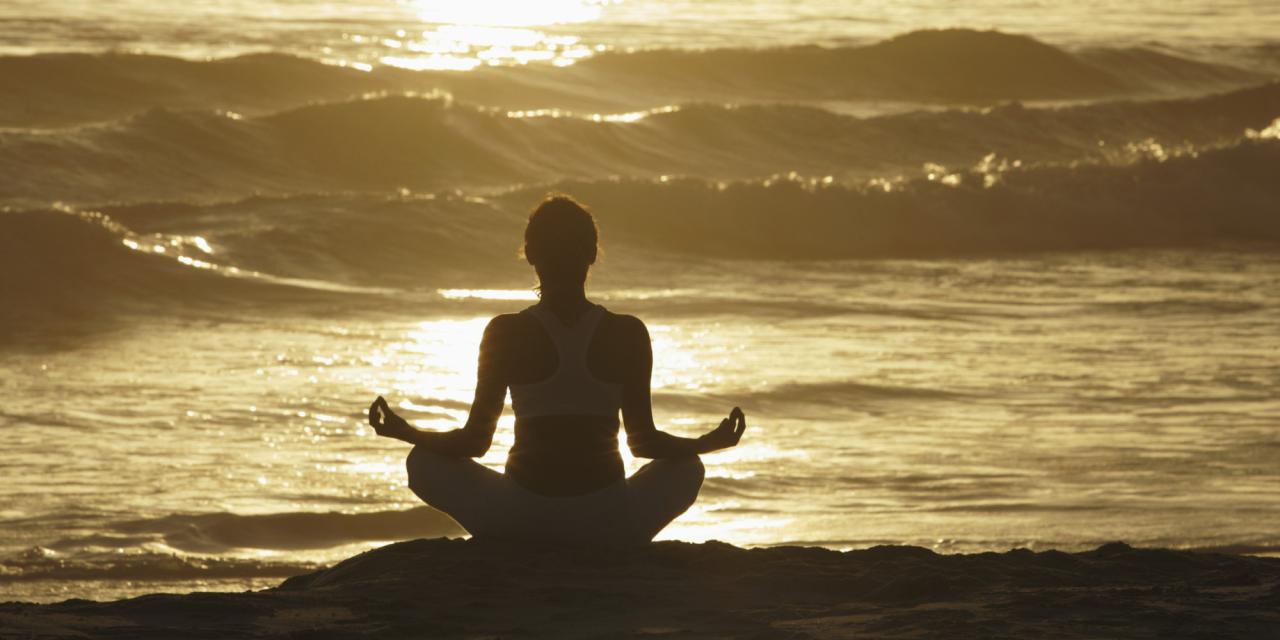
Engaging in regular kindness meditation cultivates a compassionate mindset that extends beyond dedicated sessions, positively influencing daily interactions and decision-making. Establishing consistent routines reinforces the habits of empathy and altruism, enabling individuals to integrate kindness more naturally into their lives. By consciously practicing kindness in everyday moments, practitioners can deepen their emotional resilience and foster a more compassionate community around them.Consistent daily practices serve as the foundation for sustaining and expanding the benefits of kindness meditation.
These routines help embed compassionate attitudes into habitual thinking and behavior, making kindness a seamless part of everyday life. Developing mindful awareness of one’s actions and intentions during daily activities amplifies the effects of meditation, encouraging genuine and spontaneous acts of kindness that resonate in personal relationships, workplaces, and social environments.
Creating a Routine for Incorporating Kindness Meditation into Daily Life
Establishing a structured routine ensures regular engagement with kindness meditation, making it a natural part of daily life.
- Designate specific times during the day, such as morning or evening, for dedicated kindness meditation sessions, even if only for a few minutes. Consistency reinforces habit formation.
- Integrate brief mindfulness moments during routine activities, like while commuting, waiting in line, or taking breaks, focusing on cultivating feelings of warmth and compassion towards oneself and others.
- Create visual cues or reminders, such as sticky notes or digital alerts, to prompt reflection on kindness and compassionate intentions throughout the day.
By embedding these practices into daily routines, individuals develop a sustained compassionate outlook that naturally influences their behavior and thoughts.
Methods for Extending Feelings of Kindness Beyond Meditation Sessions
Transforming meditation-induced kindness into actionable behaviors requires intentional effort and awareness.
- Practice conscious acknowledgment of opportunities to act kindly in daily interactions, such as listening attentively, offering help, or expressing gratitude.
- Maintain a mental or physical “kindness journal” where daily acts of compassion are recorded, fostering gratitude and reinforcing positive behavior.
- Use visualization techniques post-meditation to imagine compassionate responses in challenging situations, preparing the mind to act kindly in real-life scenarios.
- Develop mini mantras or affirmations, like “I choose kindness,” to repeat throughout the day, anchoring compassionate intentions during interactions.
These methods help in translating inner feelings of kindness into outward actions, promoting a more empathetic approach to everyday decisions.
Organizing a Weekly Schedule to Reinforce Kindness Meditation Outcomes
A structured weekly plan helps to deepen practice, evaluate progress, and reinforce kindness habits.
| Day | Activity | Focus Area |
|---|---|---|
| Monday | Morning kindness meditation session focusing on self-compassion. | Building inner kindness and resilience. |
| Tuesday | Practice active listening during conversations; offer genuine compliments. | Enhancing empathetic communication. |
| Wednesday | Reflective journaling on acts of kindness experienced or performed. | Increasing awareness of compassionate behaviors. |
| Thursday | Engage in a community service activity or helping gesture. | Applying kindness beyond personal practice. |
| Friday | Guided meditation session emphasizing extending kindness to difficult persons. | Cultivating forgiveness and patience. |
| Saturday | Share stories of kindness with friends or family to inspire others. | Fostering a collective culture of compassion. |
| Sunday | Review weekly progress; set intentions for the upcoming week. | Consolidating habits and planning continued growth. |
Implementing this weekly schedule supports sustained growth in kindness, helping to embed compassionate attitudes into all aspects of life and promoting a ripple effect of kindness within communities.
Overcoming Challenges in Kindness Meditation

Practicing kindness meditation often presents various hurdles that can hinder progress and diminish the depth of experience. Recognizing these obstacles and learning effective strategies to address them is essential for cultivating a more compassionate and sustained practice. By confronting and working through these difficulties, practitioners can deepen their capacity for genuine kindness and resilience during meditation sessions.In the journey of kindness meditation, common challenges such as impatience, judgment, or emotional resistance may arise.
These obstacles can prevent practitioners from fully immersing in feelings of compassion and may cause frustration or discouragement. Addressing these issues with patience and awareness enables meditation to become a more enriching and transformative experience, fostering genuine kindness that extends beyond the practice itself.
Managing Impatience and Restlessness
Impulsiveness and a desire for immediate results are natural tendencies that can disrupt the flow of kindness meditation. To overcome impatience, practitioners should cultivate patience as a foundational skill. This involves accepting the present moment without judgment and understanding that developing compassion is a gradual process.Effective strategies include:
- Setting realistic expectations: Recognize that cultivating kindness is an ongoing journey, and progress may be subtle. Embrace small increments of growth rather than expecting immediate transformation.
- Practicing mindfulness of the breath: Use breath awareness as an anchor to settle restless energy and bring attention back to the present.
- Implementing gentle reminders: Use affirmations or gentle self-talk, such as “It’s okay to take my time,” to reinforce patience during practice.
Deepening focus involves gently redirecting attention when impatience arises, maintaining a compassionate attitude toward oneself during setbacks.
Addressing Judgment and Self-Criticism
Judgmental thoughts and self-criticism can create barriers to genuine kindness. When practitioners become overly critical of their progress or feel they are not “doing it right,” it can hinder emotional openness and compassion.To mitigate judgment:
- Developing non-judgmental awareness: Observe thoughts and feelings without attaching labels or evaluations. Recognize judgments as transient mental events rather than truths.
- Practicing self-compassion: Extend kindness toward oneself, acknowledging the difficulty of the practice and celebrating small victories.
- Using loving-kindness phrases: Incorporate phrases like “May I be kind to myself” to counteract negative self-assessment and promote acceptance.
Consistency in gentle self-awareness helps in transforming critical thoughts into compassionate understanding, fostering an environment conducive to sincere kindness.
Overcoming Emotional Resistance and Avoidance
Emotional resistance often manifests as discomfort, avoidance, or suppression of feelings that surface during kindness meditation. This resistance can be rooted in past trauma, vulnerability, or fear of emotional overwhelm, making it challenging to engage authentically.Strategies to navigate emotional resistance include:
- Creating a safe mental space: Approach emotional experiences with openness and non-judgment, acknowledging feelings without attempting to suppress or control them.
- Practicing gradual exposure: Gently allowing difficult feelings to surface over time, without forcing or rushing the process, builds emotional resilience.
- Using guided visualizations: Visualize compassionate support or imagine a safe place to foster a sense of security when confronting challenging emotions.
Deepening the meditation involves cultivating patience and compassion for oneself, understanding that emotional resistance is a natural part of personal growth, and maintaining commitment despite discomfort.
“Challenges in meditation are opportunities for growth; patience and compassion are vital companions on this journey.”
Techniques to Measure and Reflect on Progress
Maintaining awareness of personal growth in cultivating kindness through meditation is essential for fostering sustained development and motivation. Implementing effective techniques to track and reflect on your progress helps deepen your understanding of how your emotional and behavioral responses evolve over time. These methods not only provide tangible evidence of improvement but also encourage ongoing commitment to your practice.Reflective practices involve both qualitative and quantitative approaches, enabling practitioners to recognize subtle shifts in their emotional landscape and interpersonal interactions.
Regularly assessing these changes facilitates a more mindful and intentional approach to kindness meditation, ultimately nurturing a more compassionate mindset.
Journaling and Recording Emotional Changes
Journaling after each meditation session provides a personal space to observe and document emotional reactions, thoughts, and behavioral shifts related to kindness. This process encourages introspection and helps identify patterns or triggers that influence one’s capacity for compassion.Practitioners can record specific details such as feelings experienced during the session, notable insights, and any reactions to external stimuli. Over time, these records paint a clear picture of emotional development, highlighting areas of growth and aspects that may require further attention.
Tracking Progress with a Table Template
Creating a structured table facilitates systematic monitoring of meditation practice and its effects. Such a table can serve as a visual overview of personal development, making it easier to identify trends, challenges, and achievements over time.Below is a simple table template designed for tracking kindness meditation progress:
| Date | Feelings Post-Session | Challenges Faced | Observed Progress |
|---|---|---|---|
| 2024-10-01 | Calm, more open | Difficulty maintaining focus | Increased patience with others |
| 2024-10-02 | Warm, more compassionate | Distracting thoughts | Better response to stress |
Reflective Exercises for Personal Growth Analysis
Engaging in structured reflective exercises enhances self-awareness and provides insights into how kindness meditation influences personal development. These exercises should be approached with honesty and openness, allowing practitioners to recognize both progress and areas needing further effort.One effective exercise involves reviewing journal entries to identify recurring themes, emotional shifts, and behavioral changes. For example, noticing a pattern of increased patience or reduced reactivity indicates growth in compassion.
Comparing entries over weeks or months offers a tangible measure of progress.Another exercise includes writing a reflective narrative periodically, describing how the practice has impacted relationships, self-perception, and overall well-being. This narrative helps integrate the emotional and cognitive benefits of meditation, fostering a deeper understanding of one’s journey toward greater kindness.
Regular measurement and reflection cultivate mindfulness of your kindness development, reinforcing positive change and encouraging continued growth.
Incorporating Acts of Kindness with Meditation Practice
Engaging in acts of kindness complements meditation practices by transforming inner intentions into outward actions. When kindness becomes a daily practice, it reinforces the mindset cultivated through meditation, creating a cycle of compassion that benefits both oneself and the wider community. Integrating these acts into everyday life encourages mindfulness in social interactions and helps solidify the emotional and mental benefits gained from meditation.By aligning kindness actions with meditation intentions, practitioners can deepen their experience, fostering a genuine sense of connection and empathy.
These acts serve as practical expressions of the compassion cultivated during meditation sessions, making the practice a living, breathing part of daily existence. Through intentional actions, individuals reinforce their commitment to kindness, ultimately supporting mental well-being, social harmony, and personal growth.
Actions that Reinforce Meditation Intentions
Incorporating specific acts of kindness into daily routines can significantly enhance meditation outcomes. These actions serve as tangible demonstrations of the compassion and mindfulness nurtured during meditation, creating a seamless integration of practice and life.
- Community Service: Volunteering time or resources to local charities, shelters, or environmental projects exemplifies altruism. For instance, dedicating an hour weekly to serve meals at a shelter reinforces a commitment to compassion that aligns with meditation themes of loving-kindness and empathy.
- Daily Affirmations and Intentions: Starting or ending the day with positive affirmations centered on kindness—such as “I choose compassion” or “I extend kindness to all”—helps embed these values into daily consciousness. Writing these affirmations in a journal can deepen their impact.
- Acts of Thoughtfulness: Small gestures like holding the door open, offering sincere compliments, or listening attentively foster kindness in social interactions, reflecting the internal attitudes cultivated during meditation.
- Random Acts of Kindness: Performing spontaneous deeds such as paying for someone’s coffee, leaving encouraging notes, or assisting neighbors promotes kindness in everyday situations, translating meditation’s compassion into real-world actions.
Integrating Kindness Practices into Social Interactions
Social interactions provide fertile ground for practicing kindness and reinforcing meditation intentions. Conscious awareness during conversations and encounters can lead to more compassionate responses and genuine connection.
- Active Listening: Paying full attention to others without judgment demonstrates empathy. During interactions, focus on understanding the speaker’s feelings and perspectives, fostering a sense of being truly present.
- Offering Genuine Compliments: Recognizing others’ efforts and qualities with sincere words nurtures positive social bonds. For example, complimenting a colleague’s dedication can uplift their spirit and reinforce mutual respect.
- Practicing Patience and Tolerance: Responding calmly to misunderstandings or disagreements reflects inner tranquility cultivated through meditation, helping to resolve conflicts peacefully.
- Expressing Gratitude: Regularly thanking others for their kindness or contributions cultivates appreciation and encourages a culture of compassion within social networks.
Chart of Kindness Acts Aligned with Meditation Themes
Below is a structured overview of various kindness acts correlated with specific meditation themes. This chart serves as a guide for intentional action planning, ensuring that acts of kindness are purposeful and aligned with meditation objectives.
| Kindness Act | Aligned Meditation Theme | Description |
|---|---|---|
| Volunteer at a Food Bank | Compassion and Altruism | Engages in service that directly alleviates suffering, embodying loving-kindness in action. |
| Write Encouraging Notes | Empathy and Connection | Creates a tangible expression of kindness that fosters positive feelings and social bonds. |
| Practice Daily Gratitude | Appreciation and Mindfulness | Develops awareness of the good in life, enhancing feelings of compassion and humility. |
| Offer a Helping Hand | Generosity and Patience | Provides practical support to others, reinforcing patience and selflessness themes. |
| Attend Community Clean-Up | Environmental Compassion | Shows care for the environment, aligning with the theme of interconnectedness fostered in meditation. |
Visual and Descriptive Imagery for Kindness Meditation
Utilizing vivid imagery during kindness meditation enhances emotional engagement and deepens feelings of compassion. Through carefully crafted mental pictures, practitioners can evoke empathy, foster interconnectedness, and reinforce their intentions to cultivate kindness both internally and externally. The power of imagination allows individuals to connect more profoundly with the essence of kindness, making the practice more meaningful and impactful.
By engaging the imagination with detailed and compassionate scenarios, meditators can evoke genuine feelings of warmth, understanding, and altruism. This process not only enriches the meditation experience but also helps embed these qualities into daily interactions, leading to a more empathetic and caring outlook on life.
Creating Compassionate Visual Scenarios
Effective kindness meditation employs specific visualizations that evoke warmth and empathy. These visual scenarios are designed to stimulate emotional responses aligned with compassion, allowing practitioners to experience and extend kindness in a visceral way. The following imagery techniques serve as powerful tools for deepening emotional engagement:
- Imagining the Face of a Loved One: Visualize the face of someone you care deeply about, focusing on their smile, warmth in their eyes, or a moment of shared happiness. This visualization helps foster feelings of love and compassion directed toward others, reminding us of the interconnectedness we share.
- Envisioning a Candle Flame: Picture a gentle, flickering candle flame representing the light of kindness within yourself. As you focus on this image, imagine that your kindness radiates outward, touching those around you with warmth and understanding.
- Imagining Acts of Benevolence: Visualize yourself performing random acts of kindness—helping a neighbor, offering comforting words, or volunteering. Picture these actions vividly, emphasizing the feelings of joy and connection they generate.
- Seeing Nature’s Compassion: Imagine a peaceful natural scene such as a gentle waterfall, a blooming garden, or a serene forest. Visualize these elements as symbols of the nurturing, continuous flow of kindness and compassion that sustains all living beings.
Enhancing Emotional Connection through Imagery
Using descriptive imagery deepens emotional resonance by engaging the senses and creating immersive experiences. Such visualization techniques increase empathy and foster a sense of shared humanity, which are essential for genuine kindness. Effective methods include:
- Connecting with Shared Experiences: Visualize a moment when you received kindness from someone else or extended help to someone in need. Recalling these moments vividly allows you to relive the positive feelings and reinforce your capacity for compassion.
- Imagining the Impact of Kindness: Picture how your acts of kindness ripple outward, affecting others’ lives in unforeseen ways. Visualize a chain of positive interactions, emphasizing the interconnectedness of all beings.
- Visualizing a Global Compassionate Network: Envision a web of interconnected lights spanning across the world, symbolizing collective kindness. Imagine your light merging with others, strengthening the sense of unity and shared responsibility to foster kindness universally.
“Vivid imagery bridges the gap between thought and emotion, transforming intellectual intentions into heartfelt compassion.”
This visualization process not only enhances emotional engagement but also nurtures a sense of unity and shared purpose, vital for cultivating lasting kindness both in meditation and daily life.
Final Thoughts

In summary, mastering how to meditate for kindness is a transformative process that nurtures compassion from within and extends outward. By establishing a peaceful practice routine, employing guided visualization, and actively applying acts of kindness, you create a cycle of positivity that benefits all involved. Remember, the journey of cultivating kindness through meditation is ongoing, inviting continuous growth, reflection, and heartfelt connection, leading to a more compassionate world.