Meditation for happiness offers a transformative approach to cultivating joy and emotional balance in daily life. By engaging in mindful practices, individuals can unlock a deeper sense of contentment and mental clarity. Understanding the roots and benefits of meditation provides the foundation for establishing effective routines that foster long-term happiness.
This guide explores the essential techniques, preparation tips, and ways to deepen your practice, empowering you to create a consistent meditation habit that enhances your overall well-being and happiness levels.
Introduction to Meditation for Happiness
Meditation is a practice rooted in focusing the mind and achieving a state of mental clarity and emotional tranquility. In recent decades, it has gained widespread recognition as an effective tool for fostering happiness and overall well-being. By cultivating awareness and presence, meditation helps individuals develop a deeper connection with their inner selves, reducing stress and enhancing positive emotions.
The relationship between meditation and happiness is supported by numerous psychological studies indicating that regular practice can increase levels of neurochemicals associated with joy, such as serotonin and endorphins. Moreover, meditation encourages a shift in perspective, enabling individuals to respond more calmly to life’s challenges, thereby promoting sustained feelings of contentment and life satisfaction.
Historical and Cultural Origins of Meditation Practices Aimed at Happiness
Meditation practices dedicated to enhancing happiness have deep historical roots, originating from various spiritual and philosophical traditions across the world. In Eastern cultures, particularly within Buddhism and Hinduism, meditation has long been used as a means to cultivate compassion, gratitude, and inner peace. Buddhist teachings emphasize mindfulness and loving-kindness meditation as pathways to achieving enduring happiness.
Similarly, in ancient Indian traditions, practices like Yoga incorporated meditation techniques aimed at harmonizing mind and body, with the intent of attaining spiritual bliss and emotional balance. Traditional Chinese practices, such as Taoist meditation, focus on aligning oneself with natural energies to promote well-being and contentment. These centuries-old practices have been adapted and integrated into modern secular meditation techniques, emphasizing mental health and happiness without religious connotations.
Contemporary Western approaches often draw inspiration from these traditional origins, blending mindfulness-based stress reduction (MBSR) and loving-kindness meditations, which are now supported by scientific research to enhance mental resilience and happiness.
Preparing for Meditation Practice
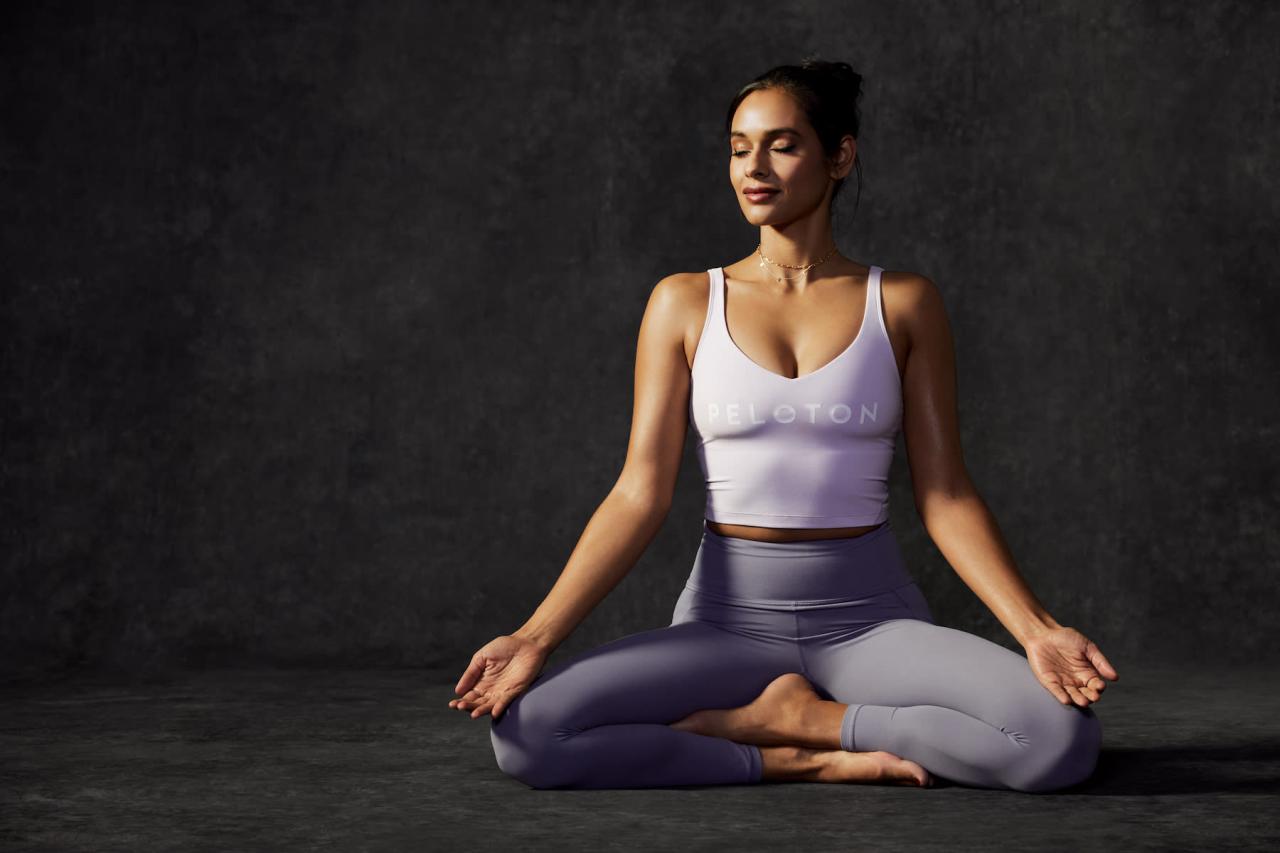
Starting your meditation session with proper preparation enhances focus, fosters a tranquil state of mind, and creates a conducive environment for cultivating happiness. Establishing an ideal setting and gathering necessary tools can significantly improve the quality of your practice, making it a more consistent and enriching experience. Thoughtful preparation allows you to fully immerse yourself in meditation, free from external distractions, and helps develop a routine that nurtures inner peace.Creating an optimal environment involves selecting a quiet, comfortable space that minimizes interruptions.
The time of day also plays a crucial role; early mornings or late evenings are generally recommended as these periods tend to be calmer and less busy, promoting better concentration and relaxation. Consistency in your chosen time fosters habit formation, which is vital for long-term benefits of meditation.In designing your meditation space, focus on layout and decor that evoke serenity.
Use calming colors, natural lighting, and simple furnishings to promote tranquility. The space should be free from clutter, with minimal visual distractions to maintain your focus throughout the session. Incorporating elements such as plants, soft textiles, or soothing sounds can further enhance the ambiance, making the environment inviting and peaceful.
Necessary Tools and Aids for Meditation
Having the right tools can support your meditation practice, making it more comfortable and effective. These aids serve as physical reminders to stay present and facilitate a deeper meditative state. The following table provides an overview of common tools and their benefits:
| Tool or Aid | Description | Purpose |
|---|---|---|
| Cushion or Meditation Mat | A supportive cushion or mat provides elevation and comfort during seated meditation, helping maintain proper posture. | Enhances comfort and stability, reducing physical distractions. |
| Candles or Soft Lighting | Gentle lighting or candles create a calming atmosphere and signify the start of your meditation session. | Promotes relaxation and mental focus. |
| Incense or Aromatherapy | Natural scents like lavender, sandalwood, or chamomile can soothe the mind and improve concentration. | Enhances the sensory environment, supporting a tranquil state. |
| Timer or Meditation App | A timer or guided meditation application helps keep track of session length and provides structured guidance. | Ensures consistency and prevents distraction from checking the clock. |
| Blanket or Shawl | A light covering can help maintain warmth and comfort during longer sessions. | Supports physical ease and focus on inner experience. |
Thoughtful selection and arrangement of these tools contribute to creating a sanctuary for meditation. When your environment feels inviting and free from clutter, your mind naturally aligns with a state of calmness, paving the way for a productive and happiness-oriented meditation practice.
Techniques for Meditating to Cultivate Happiness
Practicing specific meditation techniques can significantly enhance feelings of happiness and overall well-being. These methods help shift focus from stress and negativity to positive emotions, fostering a more joyful and compassionate outlook on life. Incorporating a variety of techniques allows practitioners to discover which methods resonate most deeply with their personal preferences and needs.
Below are some effective meditation techniques designed to cultivate happiness, including visualization, mindfulness, and loving-kindness practices. Each approach offers unique pathways to nurture feelings of joy, contentment, and connectedness.
Guided Imagery and Visualization for Positive Feelings
Guided imagery and visualization techniques involve creating mental images that evoke positive emotions and reinforce feelings of happiness. These practices tap into the power of imagination to stimulate the brain’s reward centers, promoting relaxation and emotional uplift.
- Preparation: Find a quiet, comfortable space where you will not be disturbed. Sit or lie down in a relaxed posture, closing your eyes gently.
- Guided Visualization: Begin by taking deep, slow breaths to center yourself. Visualize a peaceful and joyful scene, such as a sunny meadow, a favorite holiday destination, or a cherished memory with loved ones.
- Enhance Details: Engage all your senses—imagine the colors, sounds, smells, textures, and feelings associated with the scene. For example, if visualizing a beach, feel the warmth of the sun, hear the gentle waves, and smell the salty air.
- Focus on Emotions: Allow yourself to fully experience the positive feelings associated with the scene, such as happiness, gratitude, or love. Let these emotions fill your entire being.
- Duration: Practice for 5–15 minutes, gradually increasing as comfort grows. Regular practice reinforces positive mental associations and cultivates a sustained sense of happiness.
Mindfulness Meditation Focused on Happiness
Mindfulness meditation centers on present-moment awareness and cultivating a non-judgmental attitude toward one’s experiences. When directed toward happiness, this technique encourages recognition and appreciation of joyful moments, fostering a continuous sense of gratitude.
- Settle into Posture: Sit comfortably with your back straight, shoulders relaxed, and eyes gently closed or softly focused.
- Breathing Awareness: Concentrate on the natural rhythm of your breath, noticing the inhalations and exhalations without trying to control them.
- Observe Sensations and Thoughts: As thoughts or feelings of happiness arise, acknowledge them without attachment or judgment. Recognize them as transient experiences.
- Cultivate Gratitude: When noticing moments of joy or contentment, gently expand these feelings, allowing them to grow and permeate your awareness.
- Maintain Presence: Continue observing your experience with openness, returning your focus to your breath whenever your mind wanders.
- Duration: Practice for 10–20 minutes daily, gradually increasing as comfort allows. Consistency enhances the ability to recognize and nurture happiness in everyday life.
Loving-Kindness (Metta) Meditation to Foster Compassion and Joy
Loving-kindness meditation, or metta, is a practice that involves cultivating unconditional positive regard toward oneself and others. It promotes feelings of compassion, joy, and interconnectedness, which are fundamental to genuine happiness.
- Begin with Self-Compassion: Sit comfortably, close your eyes, and silently repeat phrases such as “May I be happy. May I be healthy. May I be safe. May I live with ease.”
- Expand to Loved Ones: Visualize a loved one and repeat similar phrases directed toward them: “May you be happy. May you be healthy…”
- Include Neutral and Difficult Individuals: Extend these wishes to acquaintances or even challenging individuals, fostering forgiveness and understanding.
- Broaden Outward: Gradually encompass all beings, wishing peace and happiness for everyone in the universe.
- Duration: Allocate 10–20 minutes for this meditation, maintaining a gentle and sincere intention throughout. Regular practice enhances feelings of compassion and inner joy.
Meditation Techniques Organized by Type, Description, and Duration
| Technique | Description | Recommended Duration |
|---|---|---|
| Guided Imagery and Visualization | Creating vivid mental images of peaceful and joyful scenes to evoke positive emotions and relaxation. | |
| Mindfulness Meditation Focused on Happiness | Maintaining present-moment awareness with a focus on recognizing and appreciating joyful experiences as they occur. | |
| Loving-Kindness (Metta) Meditation | Practicing the cultivation of unconditional love and compassion toward oneself and others, fostering joy and interconnectedness. | |
| Other Techniques | Breath-focused meditation, body scan, or gratitude meditation can also support happiness, each typically practiced for 10–20 minutes per session. |
Developing a Consistent Meditation Routine
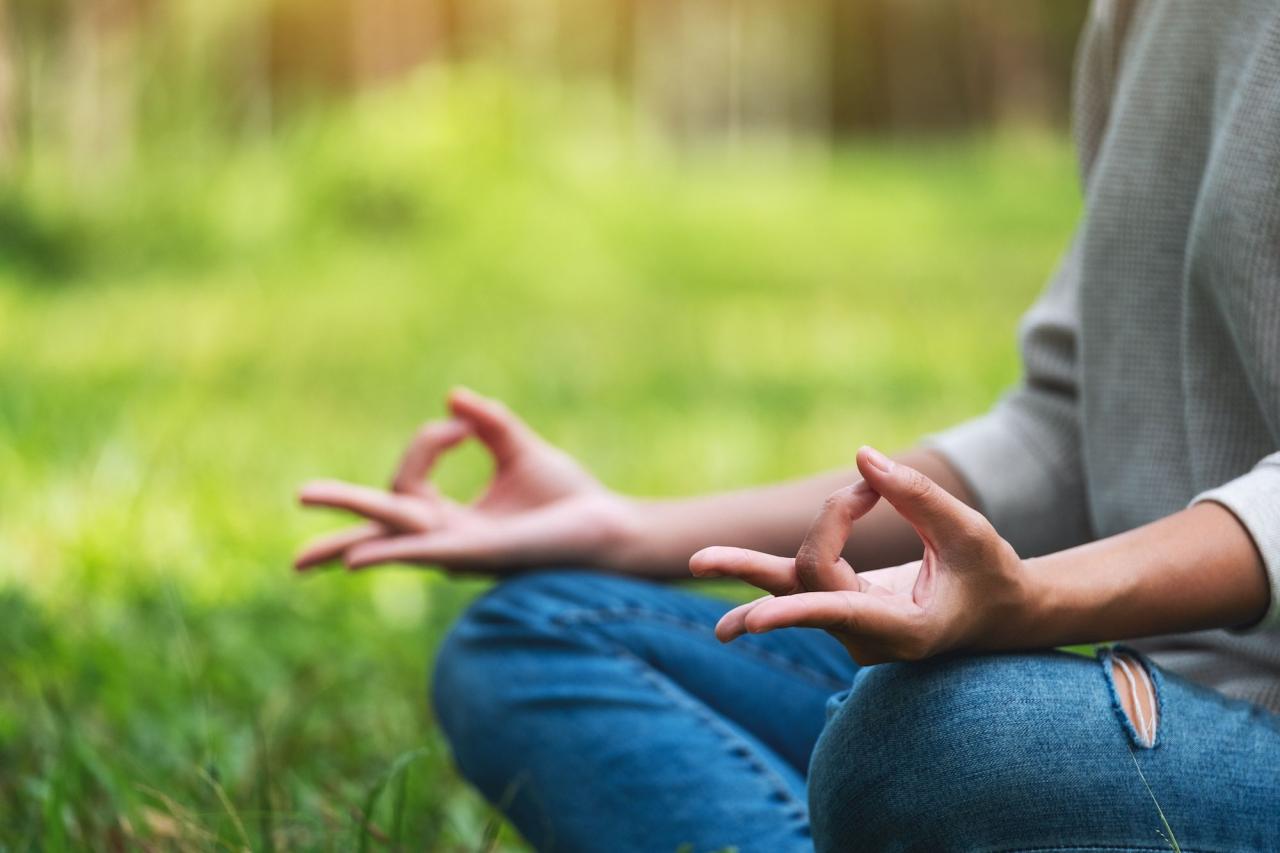
Establishing a regular meditation practice is essential for fostering lasting happiness and mental well-being. Consistency helps deepen the benefits of meditation, making it easier to access feelings of peace, contentment, and emotional resilience over time. Developing a routine requires deliberate planning, patience, and the willingness to adapt as needed to fit your lifestyle.A well-structured routine ensures that meditation becomes a natural part of your daily life, rather than an occasional activity.
It creates a stable environment where your mind anticipates and associates certain times and settings with meditation, thereby reinforcing the habit. Consistency not only accelerates the benefits but also strengthens your commitment to cultivating happiness through mindfulness.
Procedures for Establishing Daily Meditation Habits
To develop a sustainable meditation routine, begin by selecting a specific time each day that aligns with your energy levels and schedule—such as early morning, lunch breaks, or before bedtime. Consistency is key; practicing at the same time helps embed meditation into your daily rhythm. Start with manageable durations, such as five to ten minutes, gradually increasing as your comfort and discipline grow.Create a dedicated, quiet space free from distractions, where you can meditate comfortably and without interruption.
Use reminders, such as alarms or visual cues, to prompt your practice. Incorporate meditation into existing daily activities—pairing it with brushing your teeth or after your morning walk can reinforce the habit. Keeping a meditation journal can also serve as a motivational tool, allowing you to track your progress and reflect on your experiences.
Tips for Overcoming Common Obstacles
While establishing a meditation routine, many individuals encounter challenges such as distraction or impatience. Distractions often stem from external stimuli or wandering thoughts; addressing this involves creating an environment conducive to focus and gently bringing your attention back when it drifts. Recognizing that wandering thoughts are natural and part of the process helps reduce frustration.Impatience can arise when immediate results are expected, but meditation benefits develop gradually.
Cultivating patience involves adopting a non-judgmental attitude toward your practice and celebrating small successes, such as increased calmness or reduced stress. Setting realistic expectations and remembering that consistency outweighs intensity fosters a more relaxed, sustainable approach.
“Consistency in meditation is the foundation for lasting happiness. Patience and persistence transform practice into a meaningful journey.”
Motivational Strategies to Maintain Regular Practice
Maintaining motivation over time can be challenging, but employing effective strategies can help sustain your commitment to daily meditation:
- Set clear, achievable goals that resonate with your personal aspirations for happiness and well-being.
- Remind yourself of the positive impacts meditation has had on your mood, stress levels, and overall outlook.
- Join meditation groups or communities to share experiences and gain encouragement from others.
- Use guided meditations or apps that offer variety and structure, preventing boredom and fostering engagement.
- Integrate meditation into your routine by associating it with other daily habits or rituals, such as morning coffee or evening reflection.
- Celebrate milestones, such as completing one week or one month of consistent practice, to reinforce your commitment.
- Visualize the benefits you seek, such as greater happiness or emotional resilience, to stay inspired during challenging days.
Maintaining a flexible approach and being kind to yourself during setbacks ensures that your meditation routine remains a sustainable and rewarding part of your journey toward happiness.
Enhancing Meditation for Greater Happiness
Incorporating Gratitude Practices into Meditation Sessions
To effectively include gratitude, begin your meditation by reflecting on specific aspects of your life you are thankful for, such as supportive relationships, health, or personal achievements. Visualize these blessings vividly, allowing gratitude to fill your heart. During the session, silently repeat affirmations like
“I am grateful for this moment of peace and for the abundance in my life.”
or focus on a mental list of things you’re thankful for. Regularly practicing gratitude in meditation fosters a positive outlook and deepens your connection to happiness.
Methods to Deepen Emotional Awareness During Meditation
Practices to deepen emotional awareness include body scans, where you systematically observe sensations linked to emotions, and mindful listening to internal cues. Recognize subtle shifts in mood or bodily responses, such as tension, warmth, or lightness. Label your feelings with clarity, like “I notice anger” or “I sense gratitude.” By cultivating non-reactive observation, you strengthen your capacity to manage emotions constructively, fostering a more resilient and joyful state of mind.
Adjusting Meditation Techniques Based on Personal Progress and Feelings
Consider shifting from guided meditations to silent sitting as your confidence deepens, or exploring different techniques such as loving-kindness (metta) or visualization. If certain practices evoke discomfort, modify them by reducing duration or focusing on more neutral themes initially. Pay attention to your emotional reactions post-meditation—if feelings of joy or calm increase, continue along that path; if discomfort persists, seek alternative methods or consult experienced meditation teachers. Regular self-assessment helps identify what techniques resonate most, fostering a personalized and enriching meditation journey.
Enhancement Methods Summary:
- Gratitude Visualization: Focus on thankful thoughts or mental imagery to cultivate appreciation.
- Emotion Body Scan: Systematically observe bodily sensations associated with emotions to deepen awareness.
- Inner Dialogue Adjustment: Use positive affirmations or gentle self-talk to reinforce happiness and resilience.
- Technique Personalization: Modify meditation styles—such as switching between guided, silent, or loving-kindness practices—based on emotional feedback and progress.
- Progress Monitoring: Regularly assess emotional responses and adapt practices accordingly to ensure continued growth.
Measuring the Impact of Meditation on Happiness
Achieving a greater sense of happiness through meditation requires more than just consistent practice; it also involves understanding how these practices influence your emotional well-being over time. Establishing methods to assess your mental state and tracking changes can provide valuable insights into the effectiveness of your meditation routine. By evaluating your progress, you can make informed adjustments that enhance your overall sense of happiness and fulfillment.Understanding the impact of meditation on happiness involves self-assessment and systematic tracking.
These tools help you recognize patterns, identify what practices resonate most with you, and determine when to modify your approach for better results. Through mindful evaluation, you become more aware of your emotional landscape, enabling a more intentional and beneficial meditation journey.
Criteria for Self-Assessment of Emotional Well-Being Post-Meditation
To gauge the immediate and longer-term effects of your meditation sessions, consider the following criteria:
- Emotional Balance: Notice whether you feel calmer, more centered, or more emotionally stable after meditation. A reduction in feelings of anxiety, frustration, or sadness indicates positive progress.
- Sense of Happiness: Pay attention to feelings of contentment, joy, or gratitude that may arise during or after meditation. These feelings can serve as direct indicators of increased happiness.
- Level of Mindfulness: Assess your ability to remain present and aware throughout the day following meditation. Greater mindfulness often correlates with improved emotional health.
- Physical Sensations: Observe physical signs such as relaxed muscles, improved breathing, or decreased tension, which often accompany positive emotional shifts.
- Resilience to Stress: Evaluate your capacity to handle daily stressors more effectively, with less reactivity or negative emotional responses.
“Consistent self-assessment helps translate meditation experiences into tangible insights, fostering a deeper understanding of personal emotional growth.”
Tracking Mood Changes and Happiness Levels Over Time
Regularly documenting your emotional states allows you to identify trends and measure progress objectively. Maintaining a structured record can highlight the cumulative benefits of meditation and guide necessary adjustments.Consider using a mood-tracking table that captures daily or weekly data points:
| Date | Happiness Level (1-10) | Mood Description | Notable Observations | Practice Duration |
|---|---|---|---|---|
| 2024-04-01 | 7 | Calm and optimistic | Less anxious during afternoon meetings | 15 minutes |
| 2024-04-02 | 6 | Neutral, slight fatigue | Sleep was restless; mood slightly subdued | 10 minutes |
| 2024-04-03 | 8 | Joyful, energized | Enjoyed outdoor walk post-meditation | 20 minutes |
This table format helps you visualize how your happiness levels fluctuate and correlate with your meditation practices. Tracking over weeks or months can reveal cumulative benefits and highlight periods where adjustments may be beneficial.
Adjusting Meditation Practices Based on Feedback and Experiences
Continuous feedback from your self-assessment and tracking efforts enables you to refine your meditation approach effectively. If you notice stagnation or a decline in emotional well-being, consider the following strategies:
- Modify Session Duration: Increase or decrease the length of your meditation based on your comfort and observed benefits. For example, extending sessions from 10 to 15 minutes may deepen relaxation.
- Alter Techniques: Explore different meditation styles such as loving-kindness, body scan, or breath awareness to find what resonates most with your current needs.
- Adjust Frequency: Increase the number of sessions per day if you notice more significant benefits from frequent practice, or reduce if fatigue sets in.
- Incorporate Additional Elements: Use guided meditations, ambient music, or visualizations to enhance your practice based on what feels most effective.
- Reflect on External Factors: Recognize how daily circumstances, sleep patterns, or stress levels influence your emotional outcomes and adapt your routine accordingly.
Consistent reflection and willingness to adapt ensure that your meditation practice remains dynamic and responsive to your evolving emotional landscape. Regularly integrating feedback helps foster a sustainable habit that continually supports your happiness and well-being.
Additional Resources and Support
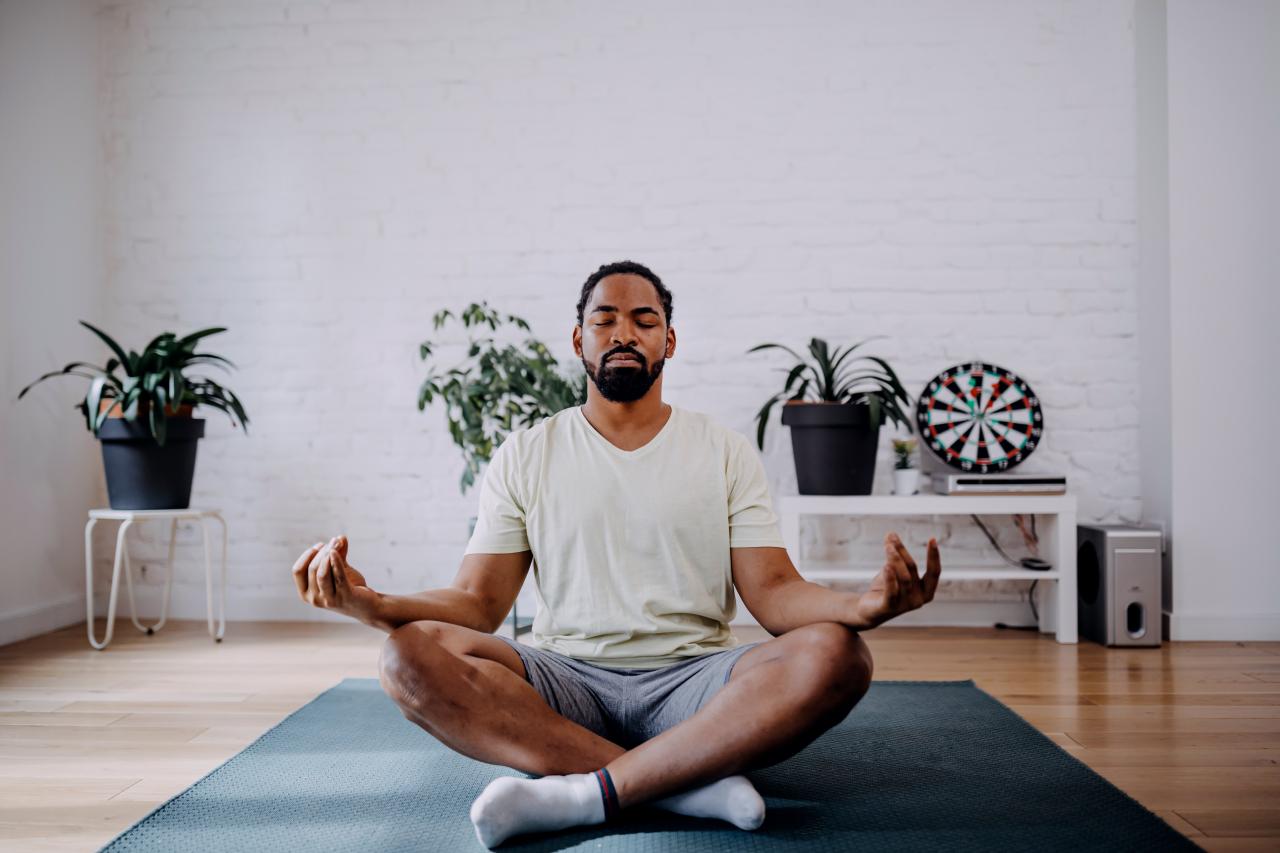
Enhancing your meditation practice for happiness can be greatly supported through the right tools and community engagement. Access to guided recordings, connection with like-minded individuals, and practical methods for integrating meditation into daily routines empower you to sustain and deepen your practice. These resources serve as valuable complements to your personal efforts, fostering continuous growth and inspiration on your journey toward greater happiness.Guided meditation recordings and scripts tailored specifically for cultivating happiness provide structured guidance, making meditation more accessible and effective.
Engaging with online communities or local groups fosters shared motivation, accountability, and exchange of experiences. Additionally, integrating meditation into everyday life becomes more manageable when utilizing visual aids or textual reminders, reinforcing your commitment and making mindfulness a seamless part of your routine.
Guided Meditation Scripts and Recordings for Happiness
Providing a variety of guided meditations designed to uplift and foster positive emotions helps practitioners deepen their experience and achieve a sustained sense of happiness. These resources are often available through reputable platforms and can be accessed via apps or websites.
- Reputable sources include apps like Insight Timer, Calm, and Headspace, which offer a wide selection of recordings specifically focused on happiness, compassion, and gratitude.
- Popular guided scripts include visualizations that evoke feelings of warmth and joy, such as imagining a joyful memory or envisioning a bright, radiant light filling the heart area.
- Recordings typically range from 5 to 20 minutes, catering to different schedules while maintaining effectiveness. They often incorporate breathing exercises, affirmations, and body scans aimed at cultivating positive emotional states.
- For personalized needs, downloadable scripts based on mindfulness and loving-kindness meditation can be used consistently to enhance overall emotional well-being.
“Consistent use of guided meditations enhances emotional resilience and cultivates a long-term sense of happiness.”
Online Communities and Local Groups for Shared Practice
Joining meditation communities enhances motivation, provides social support, and offers opportunities for shared learning. These groups create a sense of belonging and accountability, which can be instrumental in maintaining a consistent practice.
- Online communities such as those hosted on platforms like Reddit (e.g., r/Meditation), Insight Timer, or dedicated Facebook groups offer forums for sharing experiences, asking questions, and exchanging resources.
- Virtual meditation sessions hosted via Zoom or other video conferencing tools allow practitioners globally to meditate together, fostering a collective energy conducive to happiness.
- Local meditation centers, wellness clubs, or spiritual centers often organize weekly or monthly group practices, workshops, and retreats that deepen understanding and commitment.
- Participating regularly in these groups provides encouragement, feedback, and a sense of community that sustains motivation during challenging phases.
“Shared practice amplifies the positive effects of meditation by creating a collective energy and mutual encouragement.”
Methods for Integrating Meditation into Daily Life
Incorporating meditation into your routine ensures its benefits become a natural part of your everyday experience. Using visual cues and textual reminders enhances consistency and mindfulness throughout the day.
- Visual cues include placing sticky notes or posters in prominent locations such as your workspace or bedroom, with affirmations like “Breathe in Happiness” or images of serene nature scenes.
- Textual reminders can be scheduled on your phone or digital calendar to prompt brief meditation breaks, encouraging mindfulness during busy schedules.
- Incorporating short mindfulness pauses during daily activities, such as while waiting in line, commuting, or during lunch breaks, can reinforce a meditative state and promote happiness.
- Creating a dedicated, calming space at home with comforting objects like candles, plants, or calming images serves as a physical anchor for your practice.
- Utilizing apps that send gentle reminders or providing visual daily quotes about happiness and mindfulness supports ongoing engagement and integration.
Consistent visual and textual cues serve as gentle nudge points, seamlessly embedding meditation into the fabric of daily life and reinforcing your commitment to cultivating happiness through mindfulness.
Last Word
Incorporating meditation into your daily routine can significantly influence your emotional resilience and overall happiness. By consistently applying the techniques and strategies discussed, you will find yourself more attuned to positive feelings and better equipped to handle life’s challenges. Embrace this journey toward greater happiness through mindful meditation and enjoy the profound benefits it offers.