Discovering how to meditate for chakras opens the door to a profound journey of self-awareness and energetic harmony. Chakra meditation is a timeless practice rooted in ancient traditions that aims to align and activate the body’s energy centers, fostering physical, emotional, and spiritual well-being.
This guide provides comprehensive insights into preparing for chakra meditation, effective techniques for focusing on each chakra, and practical tools to deepen your practice. Whether you are a beginner or an experienced meditator, understanding these methods can significantly enhance your ability to achieve balance and clarity in daily life.
Introduction to Chakra Meditation
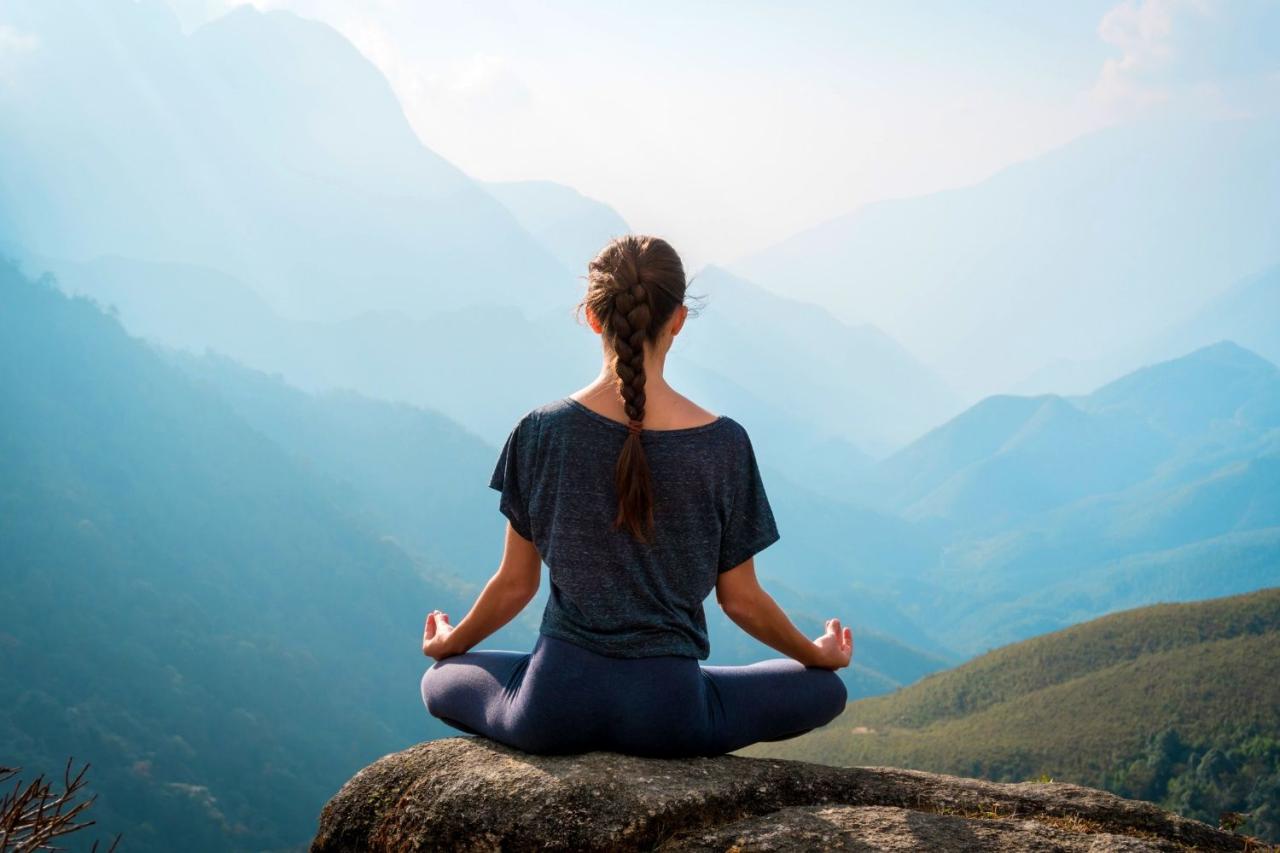
Chakra meditation is a profound practice rooted in ancient spiritual traditions that focuses on the energetic centers within the human body. These centers, known as chakras, are believed to influence physical health, emotional well-being, and spiritual growth. By directing attention to these energy points, practitioners aim to balance and harmonize their internal energies, fostering a deeper sense of peace and vitality.
The concept of chakras originates from early Indian spiritual systems, particularly within Hinduism and Buddhism, where they are integral to understanding the flow of life force energy—prana or chi. Over centuries, these teachings have evolved into various meditation techniques that utilize visualizations, breathwork, and affirmations to activate and align the chakras. Incorporating chakra focus into meditation routines enhances awareness of the body’s subtle energies and supports holistic health.
Significance of Chakras in Meditation Practices
Chakras serve as gateways to understanding the interconnectedness of mind, body, and spirit. Each chakra corresponds to specific physical organs, emotional states, and spiritual qualities, making their balanced functioning essential for overall well-being. When chakras are blocked or imbalanced, individuals may experience physical ailments, emotional distress, or spiritual disconnection.
During meditation, focusing on chakras helps release stagnated energy and fosters internal harmony. This process encourages the flow of vital life force, which can result in enhanced mental clarity, emotional resilience, and physical health. Regular chakra meditation can also support personal growth by increasing self-awareness and fostering a sense of inner peace.
Historical and Cultural Origins of Chakra Meditation
Chakra meditation traces back thousands of years to ancient Indian spiritual traditions, notably within the practices of Yoga and Tantra. The earliest references to chakras are found in texts such as the Vedas and the Upanishads, where they are described as vital energy centers that govern various aspects of existence. The concept was further developed in texts like the Yoga Kundalini and the Tantric scriptures, emphasizing the awakening of spiritual energy through focused practice.
Across different cultures, similar energy systems are recognized, such as the Chinese meridian system in Traditional Chinese Medicine and the Tibetan Buddhist chakras. The integration of chakra meditation into contemporary wellness practices reflects a fusion of these ancient beliefs with modern holistic health approaches, emphasizing the importance of energy balance for overall health.
Benefits of Incorporating Chakra Focus into Meditation Routines
Integrating chakra focus into meditation enhances the depth and effectiveness of the practice by fostering energetic awareness. This approach can lead to multiple benefits, including improved emotional stability, physical healing, and spiritual awakening.
Practitioners often report increased clarity, reduced stress, and a heightened sense of harmony within the body-mind system. Additionally, chakra meditation can assist in addressing specific issues, such as grounding problems (root chakra), emotional blockages (heart chakra), or lack of confidence (solar plexus chakra). By systematically working through each chakra, individuals can experience a comprehensive sense of balance and well-being.
Preparing for Chakra Meditation
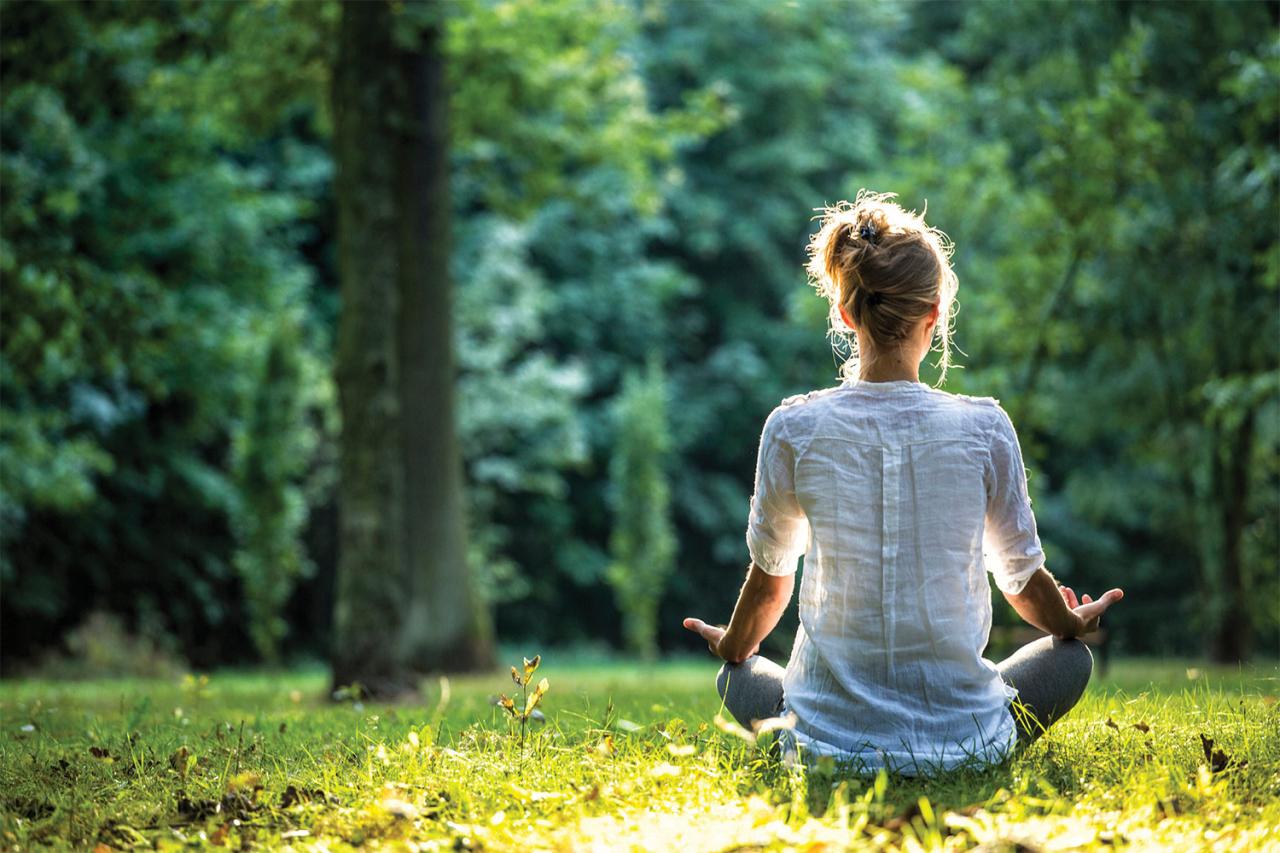
Establishing the right environment and mindset is essential for an effective and fulfilling chakra meditation session. Proper preparation helps in clearing mental distractions, creating a sense of safety, and fostering an atmosphere conducive to deep inner work. By paying attention to the environment, attire, and mental state, practitioners can maximize the benefits of their chakra balancing practice.
Preparation involves a combination of environmental setup, mindful selection of clothing and accessories, and calming techniques that center the mind. These elements serve as the foundation for a focused and harmonious meditation experience, allowing energy to flow freely through the chakras and enhancing overall well-being.
Creating a Peaceful Environment
Transforming your space into a serene sanctuary is a vital step in preparing for chakra meditation. A tranquil environment minimizes external disturbances and encourages relaxation and introspection. Here are key considerations for setting up an ideal meditation space:
- Choose a quiet, clutter-free area where interruptions are unlikely. This could be a dedicated corner in a room, a cozy nook, or an outdoor space that feels safe and undisturbed.
- Ensure adequate lighting, preferably soft and natural. Dim lighting or candles can create a calming atmosphere that fosters tranquility.
- Incorporate elements that promote peace, such as gentle music, nature sounds, or the scent of essential oils like lavender, sandalwood, or frankincense.
- Use comfortable seating or mats that support a relaxed posture. Cushions or meditation benches can help maintain comfort during extended sessions.
- Maintain a clean and organized space to prevent distractions and promote mental clarity.
Choosing Appropriate Meditation Attire and Accessories
Comfortable clothing and suitable accessories enhance your physical ease and focus during meditation. When selecting attire, prioritize ease of movement and breathability to facilitate relaxation and energy flow:
- Opt for loose-fitting, natural fabrics such as cotton, linen, or bamboo that allow the skin to breathe and prevent discomfort during prolonged sitting or lying down.
- Avoid restrictive or tight clothing that may hinder circulation or create tension, which can interfere with meditative concentration.
- Consider wearing layers to adapt to temperature fluctuations, ensuring comfort throughout the session.
- Use accessories such as a headscarf or hair tie to keep hair away from the face, allowing for unobstructed breathing and focus.
- Incorporate meditation tools like a cushion, blanket, or shawl if desired, to support posture and warmth.
Using natural, breathable fabrics and simple accessories helps maintain physical comfort, allowing mental focus to remain undistracted during chakra work.
Techniques for Calming the Mind Before Beginning Chakra Work
Preparing the mind for chakra meditation involves calming mental chatter and creating an inner space of stillness. Various techniques can be employed to achieve this state of mental tranquility:
- Deep Breathing Exercises: Practice slow, diaphragmatic breathing to reduce stress and oxygenate the brain, promoting relaxation. Inhale deeply through the nose, hold briefly, then exhale slowly through the mouth or nose.
- Progressive Muscle Relaxation: Tense and then release muscle groups sequentially, starting from the toes up to the head, to diminish physical tension and quiet the mind.
- Guided Visualization: Use calming imagery, such as imagining a peaceful natural landscape or a gentle flow of energy, to shift attention inward and foster a sense of safety and serenity.
- Mindfulness Meditation: Focus on present moment awareness by observing breath, sensations, or sounds without judgment. This practice cultivates mental clarity and detachment from distracting thoughts.
- Setting Intentions: Clearly define your purpose for the meditation session, such as balancing specific chakras or cultivating inner peace. Intentions serve as a mental anchor and motivation.
Consistent practice of these calming techniques creates a receptive mental state, enabling a deeper connection with the energetic centers during chakra meditation.
Techniques for Meditation on Chakras
Practicing chakra meditation involves specific techniques that help activate, balance, and harmonize the energy centers within the body. Using visualization methods, attention-focused procedures, guided scripts, and affirmations can enhance the effectiveness of your meditation practice, allowing for deeper connection and alignment with each chakra.
These techniques are designed to develop a conscious awareness of each chakra’s unique qualities and facilitate energetic clearing, fostering physical, emotional, and spiritual well-being.
Visualization Methods for Activating Each Chakra
Visualization is a powerful tool for engaging with the chakras. It involves creating vivid mental images that represent each energy center, facilitating its activation and balance.
- Start by sitting comfortably and closing your eyes, taking deep breaths to relax your mind and body.
- Focus your attention on the location of the chakra you wish to activate, visualizing a spinning wheel or luminous orb of its associated color.
- Imagine this orb glowing brightly, radiating energy outward, and spinning smoothly. Visualize any blockages dissolving as the energy flows freely.
- To intensify the visualization, picture rays of light emanating from the chakra, filling your body with vibrant energy.
- Repeat this process for each chakra, visualizing a specific color, symbol, or geometric shape linked to that energy center.
Step-by-Step Procedure to Focus Attention on Individual Chakras
Focusing attention systematically on each chakra helps facilitate clarity and balance. A structured approach ensures thorough engagement with each energy center.
- Begin with a comfortable seated position, ensuring your spine is straight and your body is relaxed.
- Close your eyes and take several deep, calming breaths to center yourself.
- Direct your attention to the first chakra, located at the base of the spine (Root Chakra). Visualize its associated color—red—and breathe into the area.
- Mentally affirm the qualities of the chakra, such as stability and security, as you imagine its energy spinning and expanding.
- Gradually shift your focus upward to the Sacral Chakra, located below the navel, visualizing orange energy and inviting feelings of creativity and emotional balance.
- Proceed sequentially through the Solar Plexus, Heart, Throat, Third Eye, and Crown Chakras, dedicating a few minutes to each.
- Conclude by visualizing all chakras aligned and functioning harmoniously, surrounded by a glowing light that unites their energies.
Guided Meditation Scripts for Specific Chakras
Guided scripts offer detailed verbal frameworks that assist individuals in entering a meditative state focused on particular chakras. These scripts often combine visualization, breathing, and affirmation techniques.
Example: Heart Chakra Guided Script
“Sit comfortably and close your eyes. Take a deep breath in, feeling the air fill your lungs. As you exhale, release tension and open your heart. Visualize a soft green light at the center of your chest, expanding with each breath. Imagine this light growing brighter, radiating love, compassion, and forgiveness.Repeat silently or aloud: ‘I am open to love and compassion.’ Feel the warmth and openness spreading through your entire being.”
Use such scripts to deepen your connection with each chakra, customizing the words to resonate with your personal intentions and experiences. Repeating affirmations during meditation reinforces positive energy, helping shift emotional and energetic blockages.
Using Affirmations During Chakra Meditation
Affirmations serve as powerful tools to reinforce intentions, activate positive qualities, and clear negative patterns associated with each chakra. Integrating affirmations into your meditation enhances focus and encourages a conscious shift in energy.
- Choose affirmations that correspond to the specific qualities of each chakra. For example, for the Root Chakra, use: “I am grounded and secure.”
- Repeat affirmations silently or aloud during your meditation, synchronizing them with your breathing to deepen their impact.
- Visualize the affirmation as a bright, affirmative light or word that manifests at the location of the chakra with each repetition.
- Incorporate positive emotions with affirmations, such as gratitude, love, or confidence, to strengthen their effectiveness.
- Consistently practice affirmations over time to reprogram subconscious patterns and maintain energetic balance.
Chakra-Specific Meditation Procedures

Practicing chakra-specific meditation involves targeted techniques to activate, balance, and harmonize each energy center within the body. Each chakra has unique qualities, locations, and vibrational energies that can be enhanced through specialized visualization, affirmation, sound, and breathwork practices. Developing a focused approach for each chakra allows for deeper self-awareness, emotional stability, and spiritual growth. Below are detailed procedures tailored to each chakra, guiding you through effective meditation strategies to unlock their full potential.
Root Chakra Meditation
The Root chakra, located at the base of the spine near the tailbone, represents grounding, stability, and security. Meditation on this chakra involves visualization of its associated color, imagery of stability, and affirmation of safety.
- Begin by sitting comfortably with your spine straight and feet flat on the ground. Close your eyes and take deep, calming breaths.
- Visualize a vibrant red sphere at the base of your spine. Imagine it radiating warmth, strength, and stability. Envision roots extending from this point deep into the Earth, anchoring you securely.
- Focus on sensations of connection with the earth, feeling grounded and supported by the environment beneath you.
- Repeat affirmations such as:
“I am safe, grounded, and secure.”
to reinforce a sense of stability and trust.
- Maintain this focus for several minutes, allowing the energy of the Root chakra to become balanced and strong.
Sacral Chakra Visualization and Affirmation
The Sacral chakra, situated just below the navel, governs creativity, pleasure, and emotional expression. Effective meditation combines vivid imagery with positive affirmations to activate this energy center.
- Sit comfortably with a relaxed posture. Close your eyes and focus on your breath, inhaling deeply into your abdomen.
- Visualize an orange sphere glowing softly in your lower abdomen. Envision waves of warm, flowing water moving within, symbolizing fluidity and emotional openness.
- Imagine this sphere expanding with each breath, filling your creative and emotional centers with vibrant energy.
- Use affirmations such as:
“I embrace my creativity and allow my emotions to flow freely.”
to foster openness and confidence.
- Hold this visualization for several minutes, feeling the energy of the Sacral chakra harmonize and radiate warmth.
Solar Plexus Chakra Activation and Balancing
The Solar Plexus chakra, located in the upper abdomen around the stomach area, is associated with personal power, confidence, and self-esteem. Techniques focus on energizing this center through visualization and breath control.
- Adopt a seated position, ensuring your spine is upright. Breathe deeply into your diaphragm, expanding your belly with each inhale.
- Visualize a bright yellow sun at the solar plexus, radiating golden light that warms and energizes your core.
- Imagine this light growing brighter, dissolving any feelings of doubt or insecurity, and filling you with confidence.
- Incorporate breathwork by inhaling slowly to energize the chakra and exhaling to release tension or negative beliefs.
- Affirm:
“I am confident, powerful, and in control of my life.”
to reinforce self-empowerment.
- Maintain focus for several minutes, letting the energy of the Solar Plexus become vibrant and balanced.
Heart Chakra Activation through Imagery and Breathwork
The Heart chakra, in the center of the chest, embodies love, compassion, and emotional healing. Effective meditation involves visualizing green or pink light and coordinating breath to open this energy center.
- Sit comfortably, placing your hands over your heart. Take slow, deep breaths, inhaling through the nose and exhaling through the mouth.
- Visualize a lush green or soft pink light emanating from your chest, expanding outward with each breath.
- Imagine this light healing emotional wounds and filling you with unconditional love and compassion.
- Use gentle, rhythmic breathing to deepen the experience, feeling your chest rise and fall in harmony with your intention to open your heart.
- Repeat affirmations such as:
“I open my heart to love and compassion.”
to foster emotional healing and connection.
- Practice for several minutes, allowing the Heart chakra to become luminous and balanced.
Throat Chakra Focus through Sound and Vibration
The Throat chakra, located at the throat, governs communication, expression, and truth. Techniques involve vibrational sounds and focused awareness to activate this center.
- Find a comfortable seated position. Begin with deep, slow breathing to center your attention.
- Produce humming sounds or chant the syllable “HAM,” which resonates with the Throat chakra and helps activate vibrations in this area.
- Visualize a vivid blue sphere at your throat, pulsating with sound and light.
- Feel the vibrations from humming or chanting resonating through your throat and chest, clearing blockages and enhancing clarity.
- Incorporate affirmations like:
“I speak my truth with clarity and confidence.”
to reinforce authentic communication.
- Continue this practice for several minutes, tuning into the vibrational frequency of your voice and throat area.
Third Eye Chakra Visualization and Intuition Exercises
The Third Eye chakra, situated between the eyebrows, is linked to intuition, insight, and imagination. Meditative practices focus on imagery and inner vision to awaken this energy center.
- Close your eyes and sit comfortably, taking slow, deliberate breaths to calm the mind.
- Visualize a deep indigo or violet light at the center of your forehead, expanding with each inhale.
- Imagine a luminous eye opening, revealing clarity, wisdom, and inner guidance.
- Engage in visualization exercises, such as imagining a path ahead illuminated by this inner light, representing insight and understanding.
- Practice intuitive exercises by focusing on a question or problem, then trusting the impressions or images that arise spontaneously.
- Use affirmations like:
“My intuition is clear, and I trust my inner wisdom.”
to enhance perceptiveness.
- Spend several minutes cultivating this awareness, allowing the Third Eye to open and deepen your perception.
Crown Chakra Awakening with Light and Consciousness
The Crown chakra, at the top of the head, represents spiritual connection, enlightenment, and universal consciousness. Techniques emphasize visualizing divine light and expanding awareness.
- Sit peacefully, with your spine straight and eyes closed. Take slow, gentle breaths to center your mind.
- Visualize a radiant white or violet light shining above your head, extending upward into the cosmos.
- Imagine this light connecting you to universal consciousness, filling your entire being with divine energy.
- Focus on the sensation of expansion, as if your awareness is opening to higher dimensions and spiritual truths.
- Repeat affirmations such as:
“I am connected to divine wisdom and universal consciousness.”
to reinforce spiritual alignment.
- Allow this visualization to deepen for several minutes, awakening the energy of the Crown chakra and elevating your consciousness.
Using Tools and Accessories
Enhancing chakra meditation with various tools and accessories can deepen the practice, creating a more immersive and effective experience. These items serve as focal points, amplify energy, and help develop a stronger connection to each chakra’s unique qualities. Incorporating such tools allows practitioners to personalize their meditation sessions, making them more engaging and spiritually resonant.
By thoughtfully selecting and integrating crystals, incense, mandalas, sound healing instruments, and visual aids, individuals can facilitate a more balanced and harmonious flow of energy through the chakras. These accessories act as catalysts that elevate focus, promote relaxation, and foster a heightened sense of awareness during meditation.
Crystals, Incense, and Mandalas
Crystals, incense, and mandalas are traditional tools used across various spiritual practices to enhance chakra meditation. Each element holds specific energetic properties and symbolic significance that align with chakra attributes.
- Crystals: Specific crystals are associated with individual chakras, such as amethyst for the crown chakra or carnelian for the sacral chakra. Placing these crystals on or near the corresponding chakra during meditation helps to amplify the energy flow, clear blockages, and promote healing. For example, using rose quartz on the heart chakra can foster love and emotional balance.
- Incense: Burning incense with particular scents can influence the meditative environment. Sandalwood, frankincense, or lavender are popular choices, each known for their calming, grounding, or purifying qualities. Incense can help set the intention for the session and create a sacred space conducive to chakra work.
- Mandalas: Visual representations of spiritual symbols or geometric patterns, mandalas serve as visual anchors that focus the mind. During chakra meditation, focusing on a mandala associated with a specific chakra can facilitate deeper concentration and energetic alignment. Mandalas can be used as wall hangings or printed guides to assist visualization practices.
Sound Healing Instruments
Sound plays a vital role in balancing and activating chakras. Instruments such as singing bowls and chimes produce harmonic vibrations that resonate with the body’s energy centers, promoting relaxation and energetic harmony.
- Singing Bowls: Typically made of metal or crystal, singing bowls emit pure tones when struck or circled with a mallet. The vibrations correspond to specific chakras, and playing them over the energy centers can clear blockages, elevate mood, and facilitate deep meditation. For instance, a root chakra bowl with a deep, grounding tone helps establish stability and security.
- Chimes and Bells: These produce gentle, resonant sounds that can be used to transition between chakras or to conclude a meditation session. The sound vibrations promote a sense of calm, balance, and spiritual connection, making them ideal tools for sound therapy during chakra work.
Visual Aids and Charts
Creating visual aids or charts can significantly enhance understanding and focus during chakra meditation. Visual representations serve as reference points that reinforce the locations, attributes, and colors associated with each chakra.
- Chakra Location Charts: Diagrams illustrating the human body with marked chakra points help practitioners visualize and memorize precise locations. These charts often include color coding, symbols, and associated mantras, aiding in more effective meditation practices.
- Attribute Summaries: Charts summarizing each chakra’s qualities, such as emotional states, physical organs, and element associations, provide valuable insights that deepen understanding. These tools can be placed in meditation spaces to serve as constant reminders and guides.
- Interactive Visuals: Some practitioners utilize laminated diagrams or digital displays that allow for interactive engagement, such as highlighting specific chakras or displaying affirmations, to reinforce learning and focus during sessions.
Tips for Deepening Chakra Meditation
Engaging in chakra meditation can be profoundly transformative, especially when approached with intentionality and consistent practice. To enhance the depth and effectiveness of your chakra meditation sessions, it is essential to incorporate specific techniques that foster focus, routine, and integration into daily life. Cultivating these habits can lead to a more balanced energetic system and a greater sense of overall well-being.Maintaining sustained focus during meditation can be challenging, particularly as external distractions or wandering thoughts interfere with your inner experience.
Developing strategies to preserve concentration will help you access deeper states of awareness, allowing the energy centers to resonate more fully and harmoniously. Additionally, establishing a regular routine creates a stable foundation for ongoing growth, while tracking your experiences provides insight into your progress and areas for further development. Lastly, integrating chakra balance practices into everyday activities ensures that the benefits extend beyond formal meditation sessions, promoting continuous harmony and vitality throughout your life.
Techniques for Maintaining Focus and Avoiding Distractions
Maintaining unwavering focus during chakra meditation is vital for accessing the subtle energies within. To achieve this:
- Use a consistent meditation environment that is quiet, clean, and free from interruptions. This creates a sacred space conducive to concentration.
- Implement breath awareness as an anchoring technique; focusing on the inhalation and exhalation helps to center the mind and diminish wandering thoughts.
- Visualize a calming light or color associated with each chakra to deepen engagement and keep the mind directed toward the energetic center.
- Employ gentle mental anchors such as silently repeating a mantra or affirmation related to the specific chakra being worked on, which reinforces focus.
- Recognize distractions as natural and gently redirect attention back to your chosen focal point without judgment, cultivating patience and resilience.
To prevent disruptions, it is beneficial to turn off electronic devices and inform others of your meditation time, ensuring an environment free from interruptions.
Organizing Routines for Regular Chakra Meditation Sessions
Consistency is key to experiencing the full benefits of chakra meditation. Establishing a structured routine helps embed the practice into your daily life:
- Decide on a specific time each day that aligns with your energy peaks, whether morning to set intentions or evening to unwind.
- Begin with shorter sessions, such as 10-15 minutes, gradually increasing duration as comfort and focus improve.
- Create a dedicated meditation space that is comfortable, clean, and aesthetically pleasing to reinforce the commitment and signal the brain to enter a meditative state.
- Use a meditation journal or digital app to plan sessions, record intentions, and reflect on experiences, fostering accountability and consistency.
- Integrate complementary practices such as gentle yoga, affirmations, or mindful walking to support the chakra balancing process on different levels.
Adhering to a routine enhances discipline and creates a sense of sacred ritual, amplifying the meditative impact.
Tracking Progress and Experiences Over Time
Monitoring your journey through chakra meditation reveals patterns, breakthroughs, and areas needing attention:
Regular reflection on your experiences helps deepen self-awareness and highlights the subtle shifts in energy and emotional states.
- Maintain a meditation journal to note sensations, insights, emotional responses, or physical symptoms encountered during each session.
- Record the specific focus of each practice—such as which chakra was targeted—and any visualizations, mantras, or tools used.
- Periodically review your entries to identify recurring themes, improvements, or persistent blockages that may require adjusted techniques.
- Use guided check-ins or self-assessment questionnaires to evaluate overall well-being, energy levels, and emotional balance over weeks or months.
- Share experiences with a meditation community or instructor for feedback and additional guidance, fostering motivation and shared learning.
Tracking not only maintains motivation but also provides concrete evidence of growth, encouraging persistence and refinement.
Practices for Integrating Chakra Balance into Daily Life
The benefits of chakra meditation extend beyond the cushion when integrated into everyday activities:
- Begin each day with a brief visualization or affirmation aligned with your intention for energetic balance, such as imagining a vibrant, spinning energy wheel at the relevant chakra location.
- Incorporate mindful breathing or grounding exercises during moments of stress or tension, utilizing techniques learned during meditation to restore equilibrium.
- Use color therapy by surrounding yourself with the hues associated with specific chakras—such as a green plant for the heart chakra or a yellow accessory for the solar plexus—to reinforce energetic harmony.
- Set reminders or alarms with positive affirmations related to your chakras, encouraging conscious awareness throughout the day.
- Engage in physical activities like yoga poses targeted at specific chakras, or perform gentle stretches that stimulate energy flow in the corresponding areas.
Implementing these practices fosters a sustained sense of balance, vitality, and emotional resilience, making chakra awareness an integral part of your lifestyle.
Common Challenges and Solutions
Engaging in chakra meditation can sometimes present obstacles that hinder progress or reduce the effectiveness of the practice. Recognizing these common difficulties and understanding practical solutions can greatly enhance the meditation experience, especially for those new to the practice or facing specific emotional or physical limitations. Addressing these challenges with patience and adaptability ensures that practitioners maintain their commitment and continue to benefit from chakra meditation.Mental and emotional barriers often manifest during meditation sessions, such as wandering thoughts, feelings of frustration, or emotional upheavals.
Physical limitations, including discomfort or health issues, can also pose difficulties. By identifying these challenges early, practitioners can implement targeted strategies to overcome them, fostering a more balanced and fulfilling meditation practice.
Difficulty Maintaining Focus and Presence
Maintaining concentration during chakra meditation is a common challenge, particularly as the mind tends to drift away from the focal point or chakra being worked on. This distraction can lead to frustration and diminished benefits, especially for beginners or individuals experiencing high stress levels.To address this challenge, it is beneficial to incorporate simple grounding techniques before meditation, such as deep breathing or gentle stretching, to calm the mind and body.
Using a visual or tactile focus point, like a gemstone or a soft cloth, can help anchor attention. Practicing guided meditations with soothing voice prompts or background sounds can also enhance concentration, gradually training the mind to stay present.
Emotional Blockages and Resistance
Emotional resistance or unresolved feelings may surface during chakra meditation, making it difficult to access or balance certain energy centers. These emotional blockages can evoke discomfort, anxiety, or even emotional overwhelm, leading practitioners to hesitate or avoid particular chakras altogether.Strategies to overcome emotional blockages include cultivating a compassionate attitude towards oneself, acknowledging feelings without judgment, and allowing space for these emotions to emerge.
Gentle visualization techniques, such as imagining a healing light flowing through the chakra, can facilitate emotional release. It is also helpful to start with shorter sessions and gradually increase duration, creating a safe environment for emotional exploration.
Physical Discomfort or Limitations
Physical issues such as back pain, joint stiffness, or chronic health conditions can interfere with the comfort and duration of meditation sessions. For individuals with limited mobility, traditional seated postures may not be feasible.Adapting practices to suit physical needs is essential. Using supportive props like cushions, chairs, or mats can provide better comfort and stability. Modifying postures to accommodate physical limitations, such as lying down instead of sitting, allows for relaxation without strain.
Practicing gentle, restorative forms of meditation, and consulting healthcare professionals when necessary, ensures that physical challenges do not hinder progress while maintaining safety and comfort.
Strategies for Beginners and Those with Limitations
Beginners often encounter confusion about posture, breath control, and focusing techniques, which can impede their initial progress. Similarly, individuals with physical limitations require tailored approaches to maintain consistency.For beginners, starting with short, frequent sessions that gradually increase in length fosters familiarity and confidence. Using guided meditations specifically designed for newcomers can provide clear instructions and support. For those with physical restrictions, integrating accessible modifications—such as seated or reclined positions—and emphasizing relaxation over effort helps sustain practice.
Patience and gentle persistence are key to overcoming early hurdles and establishing a steady meditation routine.
Concluding Remarks
Incorporating how to meditate for chakras into your routine can bring lasting benefits, from emotional resilience to spiritual growth. With consistent practice and the right techniques, you can unlock the full potential of your energy centers and experience a more harmonious life. Embrace the journey towards self-discovery and holistic wellness through mindful chakra meditation.