Embarking on a morning meditation routine offers a profound way to set a positive tone for the day. Incorporating meditation into your morning can foster clarity, reduce stress, and enhance overall well-being. This practice, rooted in ancient traditions, has evolved across cultures to become a vital component of mindfulness and self-care routines worldwide.
Understanding how to meditate for morning routines involves creating a conducive environment, selecting suitable techniques, and establishing consistent habits. Whether you’re a beginner or looking to refine your practice, this guide provides insights to help you cultivate a peaceful and focused start every day.
Introduction to Morning Meditation Routines
Incorporating meditation into a morning routine offers a multitude of benefits that can profoundly impact one’s overall well-being. Starting the day with a dedicated period of mindfulness and reflection helps establish a positive mindset, enhances focus, and reduces stress. By dedicating a few peaceful moments each morning, individuals can set a tone of calmness and clarity that resonates throughout the day.
The general concept of morning meditation involves engaging in deliberate, mindful practices during the early hours, often before the day’s activities commence. This practice aims to cultivate mental clarity, emotional stability, and physical relaxation. It serves as a foundation for a balanced lifestyle, allowing individuals to approach daily challenges with greater resilience and awareness.
Historical and Cultural Origins of Morning Meditation Practices
The tradition of morning meditation has deep roots in various cultures and spiritual practices around the world. In ancient India, meditation forms a core component of Hindu and Buddhist spiritual disciplines, with early practitioners emphasizing the importance of beginning the day with mindful awareness. Similarly, in Taoist traditions, morning rituals often include meditative exercises aimed at harmonizing the body and mind with the natural energies of the universe.
In the East, practices such as Zen meditation in Japan and Qigong in China have historically been performed during the early hours to align with the natural rhythms of nature and to foster spiritual growth. These traditions highlight the significance of morning meditation as a means to achieve spiritual enlightenment, mental serenity, and physical health. Over centuries, these practices have evolved but continue to influence contemporary wellness routines, emphasizing the universal value of beginning each day with mindfulness and intention.
Preparing for Morning Meditation
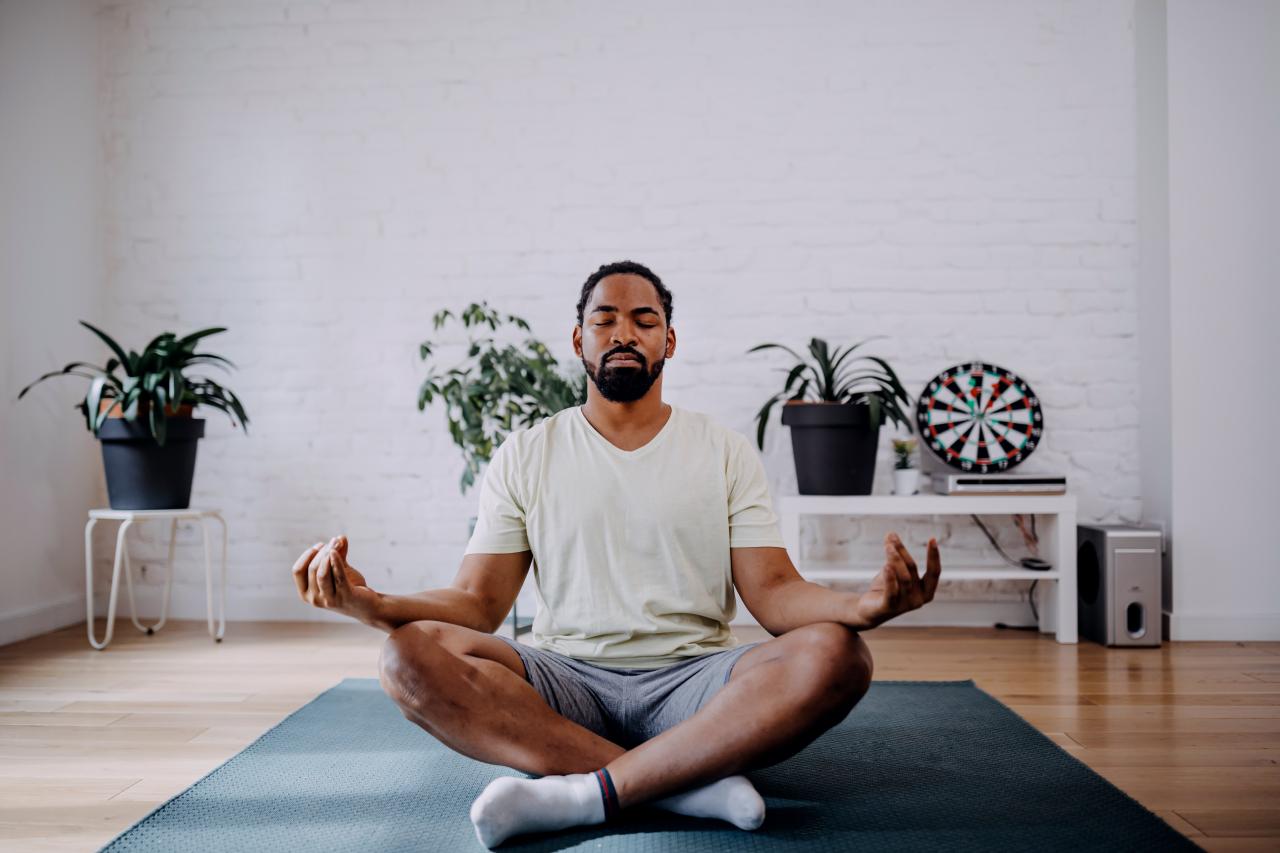
Creating an optimal environment and setting clear intentions are essential steps to ensure a peaceful and effective morning meditation session. Proper preparation helps in cultivating a calm mindset, reducing external distractions, and fostering a sense of purpose as you begin your practice. By paying attention to your surroundings and materials, you can establish a routine that supports consistency and mindfulness throughout your meditation journey.
Effective preparation involves organizing your space, selecting appropriate materials, and consciously setting goals. These elements work together to create a harmonious atmosphere that invites focus, relaxation, and inner clarity, thereby enhancing the benefits of your morning meditation routine.
Creating a Calming Environment
To foster a tranquil ambiance conducive to meditation, consider the following steps to optimize your surroundings:
- Lighting: Use soft, natural light or dimmable lamps to gently illuminate the space. Avoid harsh or fluorescent lighting, which can be jarring and disrupt relaxation.
- Sound: Minimize noise disturbances by choosing a quiet location. Incorporate calming sounds such as gentle instrumental music, nature sounds (like flowing water or birdsong), or white noise machines if necessary.
- Space Arrangement: Dedicate a specific corner or area of your home to meditation. Keep it tidy, clutter-free, and infused with elements that promote serenity, such as plants, calming artwork, or spiritual symbols.
Ensuring your environment is consistently peaceful and welcoming can significantly improve your ability to focus and deepen your meditation experience each morning.
Organizing Necessary Materials
Having the right materials at hand simplifies the meditation process and promotes comfort and mindfulness. Below is a list of commonly used items:
- Cushions or Mats: Provide comfort and support for maintaining proper posture during meditation; meditation cushions or mats can be easily placed on the floor.
- Timer: Helps to maintain a consistent duration for your session without the need to constantly check the clock, allowing you to relax fully.
- Incense or Essential Oils: Aromatherapy enhances relaxation and sets a sacred tone. Use incense sticks or a diffuser with calming scents like lavender or sandalwood.
- Blanket: Keeps you warm and comfortable, especially during early morning sessions when the air might be cooler.
- Notebook or Journal: Useful for reflecting on your intentions or noting insights post-meditation.
Preparing these items beforehand ensures a seamless transition into your practice and minimizes potential distractions, allowing for a more immersive meditation session.
Setting an Intention or Goal
Establishing a clear intention or goal before beginning your meditation fosters focus and purpose. It provides direction for your practice and helps cultivate a mindful attitude throughout the session. Consider the following approaches:
Example intentions include: “To cultivate gratitude,” “To develop patience,” “To find clarity,” or simply “To start the day with calmness.”
Spend a moment before your meditation to silently or verbally articulate your intention. Visualize the outcome you desire, whether it is inner peace, heightened awareness, or emotional balance. Writing down your goal in a journal can further reinforce your commitment and serve as a reminder of your purpose during each session. Regularly revisiting and refining your intentions can deepen your practice and contribute to meaningful personal growth.
Types of Meditation Techniques for Morning Practice
Engaging in different meditation techniques during the morning can set a positive tone for the rest of the day. Each style offers unique benefits and can be tailored to individual preferences and schedules. Understanding the various methods allows practitioners to select the most suitable approach to enhance their mental clarity, emotional stability, and overall well-being from the start of their day.
Below, we explore some popular meditation styles ideal for morning routines, detailing their procedures, benefits, and recommended durations to help you establish an effective and enjoyable practice.
Mindfulness Meditation
Mindfulness meditation involves paying deliberate attention to the present moment without judgment. This technique enhances awareness of thoughts, sensations, and emotions, fostering a sense of calm and clarity. It is especially effective in cultivating a peaceful mindset to carry throughout the day.
| Technique | Procedure | Benefits | Recommended Duration |
|---|---|---|---|
| Mindfulness Meditation | Sit comfortably, focus on your breath or sensations, gently bring your attention back when it wanders. | Reduces stress, enhances concentration, improves emotional regulation. | 10-20 minutes |
Guided Meditation
Guided meditation involves listening to a recorded or live instructor who leads you through visualizations or relaxation exercises. This method provides structure and support, making it suitable for beginners or those seeking focused guidance.
| Technique | Procedure | Benefits | Recommended Duration |
|---|---|---|---|
| Guided Meditation | Find a comfortable position, listen to the guide’s voice, follow the instructions for visualization or relaxation. | Relieves anxiety, improves mood, enhances focus and relaxation. | 10-30 minutes |
Breath Awareness Meditation
This technique centers on observing and controlling the breath. It is a straightforward yet powerful method to anchor your attention and induce a calming effect. Breath awareness can be practiced almost anywhere, making it highly accessible for morning routines.
| Technique | Procedure | Benefits | Recommended Duration |
|---|---|---|---|
| Breath Awareness Meditation | Sit comfortably, notice your natural breathing, observe the inhale and exhale, and gently bring focus back when distracted. | Reduces stress, enhances focus, supports emotional balance. | 5-15 minutes |
Body Scan Meditation
The body scan involves systematically directing attention to different parts of the body, noting sensations without judgment. This method promotes physical relaxation and heightened body awareness, which can be particularly grounding in the morning.
| Technique | Procedure | Benefits | Recommended Duration |
|---|---|---|---|
| Body Scan Meditation | Lie or sit comfortably, focus sequentially on each body part from toes to head, noticing sensations and releasing tension. | Relieves physical tension, increases present-moment awareness, promotes relaxation. | 15-20 minutes |
Step-by-Step Guide to Meditating in the Morning

Starting a morning meditation practice can significantly enhance your day by promoting clarity, calmness, and focus. Establishing a structured approach ensures consistency and allows you to experience the full benefits of meditation. This guide provides a detailed procedural to help you initiate your morning meditation routine effectively, emphasizing breathing exercises, posture alignment, focus maintenance, and managing wandering thoughts.Understanding the importance of each step helps create a seamless process that can be easily integrated into your daily schedule, even on busy mornings.
Consistent practice cultivates mindfulness and gradually trains your mind to remain centered and present throughout the day.
Organizing Breathing Exercises and Posture Alignment
Efficient breathing and proper posture are foundational to effective meditation. They facilitate relaxation, improve oxygen flow, and support mental focus. Before beginning your meditation, allocate a few minutes to set up these elements correctly.Begin by finding a quiet, comfortable space free from distractions. Sit in a position that maintains your spine’s natural curvature, whether cross-legged on a cushion, on a chair with feet flat on the ground, or in a kneeling position.
Keep your shoulders relaxed and slightly back to prevent tension. Rest your hands gently on your lap or knees, ensuring they are comfortable and supported.Focus on your breath to establish a calm rhythm:
“Deep, diaphragmatic breathing enhances relaxation and promotes mental clarity.”
Start with a few slow, deep breaths—inhale gently through your nose, allowing your abdomen to rise, then exhale softly through your nose or mouth. Aim for a rhythmic pattern, such as inhaling for four counts, holding briefly, then exhaling for four counts. This controlled breathing helps activate the parasympathetic nervous system, reducing stress and preparing the mind for meditation.To organize your breathing exercises:
- Maintain a steady, gentle inhalation and exhalation pattern, focusing on the sensation of air moving in and out.
- Use your diaphragm rather than shallow chest breathing to deepen relaxation.
- Incorporate counting or visualization techniques if needed to keep your breathing steady.
Align your posture to ensure comfort and alertness:
- Sit upright but relaxed, with your head aligned over your spine.
- Keep your chin slightly tucked to lengthen the neck.
- Ensure your back is straight but not rigid, facilitating optimal breathing and alertness.
- Close your eyes gently or soften your gaze, whichever feels most natural and relaxing.
Tips for Maintaining Focus and Managing Wandering Thoughts
Maintaining concentration during meditation can be challenging, especially as wandering thoughts naturally arise. Developing strategies to gently redirect your focus without frustration enhances your practice and deepens your mindfulness.Initially, acknowledge wandering thoughts without judgment. Recognize them as a normal part of meditation and gently bring your attention back to your breath, body sensations, or chosen point of focus. Use specific techniques to anchor your attention:
“The breath serves as a reliable anchor—return to it whenever your mind drifts.”
A helpful approach is to silently repeat a calming word or phrase, known as a mantra, or focus on a particular sensation, such as the feeling of air entering your nostrils.Additional tips include:
- Set a gentle timer to avoid checking the clock, allowing you to focus solely on your meditation without distractions.
- Use guided meditation recordings if preferred, which can provide cues to re-center your focus.
- Practice patience and consistency; over time, your ability to maintain attention will improve naturally.
- Implement short sessions initially, gradually increasing duration as your concentration deepens.
Remember that wandering thoughts are part of the process; the key is to observe them with kindness and return your focus calmly. This practice of gentle redirection reinforces mindfulness and enhances overall mental clarity, making your morning meditation more effective and enjoyable.
Establishing a Consistent Morning Meditation Habit
Maintaining a regular meditation routine each morning can significantly enhance overall well-being, mental clarity, and emotional balance. Developing consistency requires deliberate planning, discipline, and the integration of meditation seamlessly into daily life. When meditation becomes a habitual part of your morning, it transforms from an occasional practice into a vital component of your day that supports ongoing growth and mindfulness.A consistent morning meditation habit fosters routine stability, reduces decision fatigue, and reinforces positive behavioral patterns.
It allows your mind and body to anticipate and prepare for a calm, focused day ahead. Building such a routine involves strategic planning, effective use of reminders, and proactive measures to overcome common barriers that may disrupt your practice.
Methods for Integrating Meditation into Daily Routines
Integrating meditation into your daily schedule can be achieved through simple yet effective methods that make the practice a natural part of your morning. Establishing triggers and cues helps reinforce this habit and ensures it remains a priority.
- Using Alarms or Reminders: Set a dedicated alarm on your phone or clock to wake you up slightly earlier, giving ample time for meditation before daily activities commence. You can also utilize reminder notifications or meditation apps that prompt you at the same time each day, reinforcing consistency.
- Journaling Reflections: After your meditation session, spend a few minutes journaling your experiences, intentions for the day, or reflections. This practice can deepen your commitment and provide motivation to maintain your routine.
- Creating a Dedicated Space: Designate a specific corner or area in your home as your meditation zone. Having a physical space associated with calmness and mindfulness encourages regular engagement.
- Linking to Existing Habits: Tie meditation to a current morning activity, such as brushing your teeth, preparing your coffee, or getting dressed. Linking new habits to established routines increases the likelihood of consistency.
Strategies to Overcome Common Distractions or Barriers
Many individuals encounter obstacles that can disrupt their morning meditation routines, including noise, lack of time, or mental restlessness. Recognizing these barriers and applying targeted strategies can help sustain the practice.
Addressing distractions involves both environmental adjustments and mental preparedness. Creating a peaceful environment minimizes external interruptions. Employing gentle reminders or setting boundaries with family members can prevent disturbances during meditation time.
- Managing External Noise: Use noise-canceling headphones or listen to calming background sounds or guided meditations that help drown out environmental distractions.
- Handling Mental Restlessness: Accept occasional wandering thoughts without judgment. Using breath awareness or body scan techniques can anchor your attention and reduce mental chatter.
- Overcoming Time Constraints: Keep meditation sessions brief initially, such as five to ten minutes, gradually increasing as routine becomes established. Prioritize morning meditation by adjusting other activities or waking slightly earlier.
- Maintaining Motivation: Remind yourself of the benefits through affirmations or visual cues placed in your meditation space. Tracking progress in a journal or app provides tangible evidence of consistency and growth.
Sample Schedules Incorporating Meditation Seamlessly
Designing a realistic and sustainable schedule ensures meditation becomes an integral part of your morning routine without feeling burdensome. Flexibility and personalization are key factors in establishing long-term habits.
| Time | Activity | Details |
|---|---|---|
| 6:00 AM | Wake Up | Alarm rings; hydrate with a glass of water to start the day. |
| 6:05 AM | Meditation Session | Practice 10-minute mindfulness or breathing meditation in your designated space. |
| 6:15 AM | Stretching or Light Exercise | Engage in gentle stretches or yoga to awaken your body. |
| 6:30 AM | Morning Routine | Proceed with shower, breakfast, and preparing for the day with a calm mindset. |
Alternatively, a shorter routine might include waking, a quick breath-focused meditation, and journaling, fitting into busy mornings while maintaining consistency. Adjustments based on personal schedules and preferences can make the practice both manageable and enjoyable, helping to solidify it as a daily ritual that sets a positive tone for the entire day.
Enhancing Morning Meditation with Additional Practices
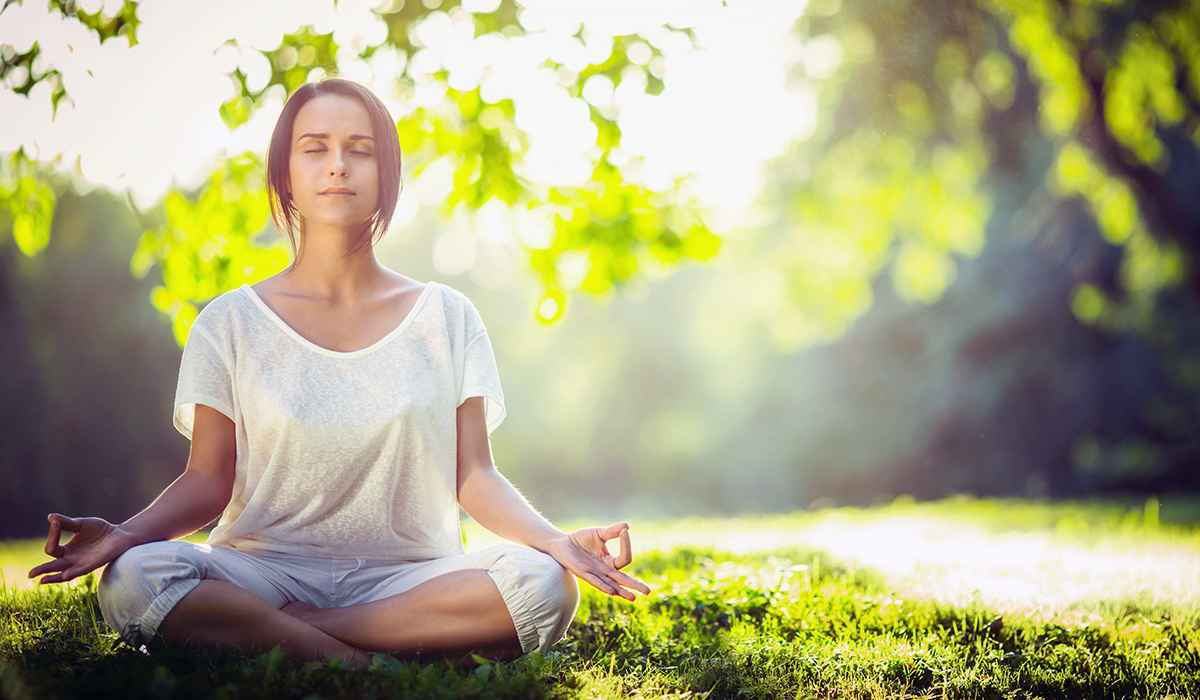
A well-rounded morning meditation routine can be significantly enriched by integrating supplementary practices that promote physical, mental, and emotional well-being. These practices can deepen the meditative experience, foster mindfulness throughout the day, and cultivate a more holistic approach to personal wellness. Incorporating gentle physical movements, positive affirmations, and gratitude exercises helps create a comprehensive morning ritual that nurtures the mind and body in harmony.A thoughtful combination of these practices transforms a simple meditation session into a holistic morning mindfulness practice.
When approached intentionally, these additions serve to energize the body, reinforce positive mental attitudes, and cultivate a sense of gratitude, setting a peaceful and focused tone for the entire day.
Integrating Gentle Stretching or Yoga Before Meditating
Before settling into a seated meditation, engaging in gentle stretching or yoga can loosen the body, improve circulation, and reduce physical tension. Light movements such as neck rolls, shoulder stretches, spinal twists, and gentle forward bends prepare the body for stillness and enhance overall comfort during meditation. These movements are especially beneficial in the morning when muscles tend to be stiff after sleep.
Performing a brief yoga sequence, such as a few rounds of Cat-Cow poses or gentle Sun Salutations, can invigorate the body and help transition from a restless state to a calm, centered one. The key is to choose slow, mindful movements that emphasize breath awareness, encouraging a seamless flow from physical activity into the meditative state.
Combining Meditation with Morning Affirmations or Gratitude Exercises
Incorporating positive affirmations and gratitude practices into the morning meditation session creates a powerful mental framework for the day. Affirmations serve to reinforce self-confidence, focus, and positive intentions, while gratitude exercises shift attention to appreciating life’s blessings, fostering emotional resilience.To effectively blend these practices, start by dedicating a few minutes after meditation for affirmations or gratitude reflections. For example, after a few minutes of quiet sitting, silently repeat affirmations such as “I am centered and capable” or “I approach today with calm and clarity.” Alternatively, express gratitude for specific aspects like health, relationships, or personal growth.
This combination nurtures an optimistic outlook, enhances mental clarity, and encourages the development of a resilient, compassionate mindset.
Creating a Holistic Morning Mindfulness Session
A holistic morning mindfulness session integrates physical, mental, and emotional practices into a cohesive routine that nurtures overall well-being. Such a session typically begins with gentle stretching or yoga to awaken the body, followed by focused meditation to cultivate mental clarity and emotional balance. Concluding with affirmations and gratitude exercises reinforces positive intentions and appreciation.To design this session, allocate approximately 15-20 minutes, starting with 3-5 minutes of gentle movement emphasizing mindful breathing.
Transition into 10 minutes of seated meditation, focusing on breath or a chosen mindfulness object. Finish with 2-3 minutes of affirmations or gratitude reflection, optionally journaling thoughts or feelings that arise. The goal is to create a seamless flow that awakens the senses, calms the mind, and fosters an attitude of gratitude and positivity—setting a resilient foundation for the entire day.
Troubleshooting Common Challenges in Morning Meditation

Morning meditation can significantly enhance your mental clarity and emotional balance, yet many practitioners encounter obstacles that hinder their consistency and effectiveness. Recognizing these challenges and understanding practical solutions can help you develop a more resilient and rewarding meditation routine. Addressing issues such as restlessness, difficulty focusing, and time constraints is essential for maintaining a steady practice and experiencing its full benefits.Sometimes, during morning meditation, individuals experience restlessness or an inability to concentrate.
These issues often stem from lingering sleepiness, an overactive mind, or environmental distractions. By applying specific techniques, you can deepen your focus and extend your meditation periods, even in less-than-ideal conditions. Additionally, adjusting your routine to accommodate time limitations ensures that meditation remains a sustainable part of your daily schedule.
Addressing Restlessness and Difficulty Focusing
Restlessness and difficulty focusing are common hurdles, particularly for beginners or those with busy minds. These challenges can lead to frustration, making it harder to establish a consistent routine. The key is to employ mindfulness strategies that foster a sense of calmness and enhance concentration.To manage restlessness, incorporate gentle body scans or progressive muscle relaxation before beginning your meditation. This helps release physical tension and calms the nervous system.
When focus drifts, gently redirect your attention to your breath or a specific mantra, without judgment or self-criticism. Over time, practicing patience and self-compassion reduces mental agitation and improves concentration.
Techniques to Deepen Focus and Sustain Practice
Deepening focus involves cultivating a state of sustained attention, which can be achieved through various meditation methods and mental exercises. These techniques facilitate a more profound meditative experience and help overcome common distractions.One effective method is to utilize visualizations—such as imagining a calming scene or focusing on an object— to anchor your attention. Breathing techniques like diaphragmatic breathing or box breathing can also serve as reliable focal points, promoting relaxation and mental clarity.
Setting a gentle, consistent intention before each session reinforces your commitment and helps maintain focus throughout the practice.
Adjusting Routines When Time Is Limited
Time constraints are a frequent challenge for many individuals attempting to meditate in the morning. Shortening your sessions without compromising their quality allows you to stay committed without feeling overwhelmed.When time is tight, focus on micro-meditations lasting just 3 to 5 minutes. These can be as simple as mindful breathing exercises, awareness of bodily sensations, or a quick gratitude reflection.
To maximize effectiveness, prepare your meditation space the night before, so you can begin immediately upon waking. Incorporating brief mindfulness moments into daily activities—such as during your commute or while preparing breakfast—also helps sustain your practice when traditional sessions are difficult to fit in.
“Consistent, even brief, meditation practice can lead to meaningful improvements in mental health and emotional resilience over time.”
Closing Summary
Incorporating meditation into your morning routine can significantly transform your daily experience, fostering calmness and mental clarity. By following structured steps and maintaining consistency, you can develop a sustainable practice that enriches your life. Embrace this mindful habit to enjoy the many benefits of a peaceful and centered morning every day.