Understanding how to meditate for yoga practice is essential for deepening your physical and mental well-being. Meditation serves as a foundational element that complements and enhances the effectiveness of your yoga sessions, fostering mindfulness, relaxation, and mental clarity. Incorporating meditation into your routine can lead to profound benefits, including stress reduction, improved focus, and physical harmony. This guide provides a comprehensive overview of techniques, preparation, and practical steps to seamlessly integrate meditation into your yoga practice, ensuring a more enriching experience.
Introduction to Meditation for Yoga Practice
Meditation serves as a fundamental component in enhancing the overall effectiveness and depth of yoga practice. By cultivating mental clarity and emotional stability, meditation allows practitioners to deepen their connection with their body and breath, leading to a more mindful and transformative yoga experience. Incorporating meditation into regular routines creates a harmonious balance between physical postures and mental discipline, fostering holistic wellness.
Engaging in consistent meditation yields numerous health benefits that complement yoga’s physical aspects. These include reduced stress levels, improved concentration, increased emotional resilience, and a greater sense of inner peace. Physically, meditation can help lower blood pressure, enhance immune function, and support better sleep patterns. When integrated systematically, meditation enhances focus during asanas, promotes better breathing techniques, and cultivates a calm, centered mind essential for advanced yoga practices.
Integrating Meditation into Yoga Routines
Successfully incorporating meditation into a yoga session involves a deliberate and structured approach that complements physical postures with mental stillness. The following step-by-step overview provides guidance on blending meditation seamlessly with your yoga practice:
- Preparation and Setting: Begin by choosing a quiet, comfortable space free from distractions. Ensure the environment is conducive to relaxation, with minimal noise and a comfortable temperature. Gathering any necessary props such as cushions or mats enhances comfort.
- Centered Breathing: Start with a few minutes of mindful breathing to anchor your awareness. Focus on slow, deep inhalations and exhalations, paying attention to the sensation of the breath entering and leaving the body. This prepares the mind for meditation.
- Posture Alignment: Sit in a comfortable, upright position, either cross-legged or on a chair, maintaining a straight spine. Rest your hands gently on your lap or knees, ensuring the body remains relaxed yet alert.
- Mindfulness or Focus Technique: Choose a meditation method such as breath awareness, body scan, or visualizations. Maintain gentle focus on the chosen point of attention, bringing the mind back whenever it wanders.
- Transition to Asanas: After practicing meditation for the desired duration, gradually transition into physical postures. Use the mental clarity gained to deepen your yoga poses and maintain mindfulness throughout.
- Concluding Reflection: Finish your session with a few moments of silent reflection, gratitude, or setting intentions for the rest of your day. This reinforces the mental calmness cultivated during meditation.
By following this structured approach, practitioners can create a cohesive yoga session that nurtures both the body and mind. Regular practice of integrating meditation not only enhances the physical benefits of yoga but also fosters mental resilience, equanimity, and inner harmony, enriching the overall yoga journey.
Preparing for Meditation
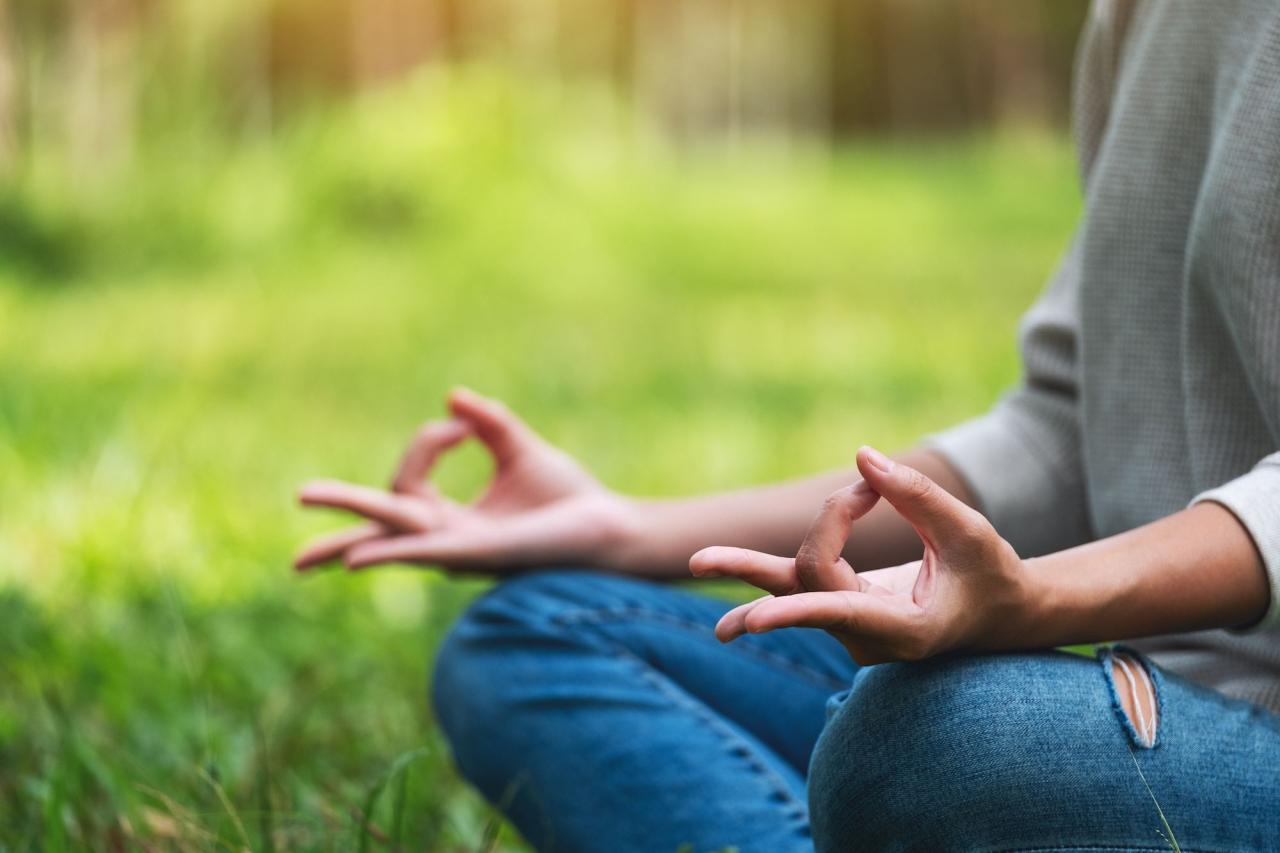
Establishing an optimal environment and mindset is essential for cultivating a focused and effective meditation practice. Proper preparation helps to eliminate distractions, calm the mind, and create a conducive space that encourages mindfulness and relaxation. By paying attention to your surroundings and employing calming techniques, you set a strong foundation for your meditation sessions, enhancing their benefits and consistency.Creating an ideal environment for meditation involves selecting a quiet, clutter-free space that feels safe and comfortable.
It should be free from interruptions, with minimal noise and visual distractions. The atmosphere can be further enhanced through the use of calming scents, soft lighting, or natural elements such as plants or water features, which promote tranquility and focus. Ensuring the temperature is comfortable—neither too hot nor too cold—also contributes to physical ease, allowing you to sustain your practice longer and with greater ease.Necessary items for a successful meditation session include cushions, mats, or props that support proper posture and comfort.
These tools help maintain spinal alignment, prevent discomfort, and facilitate longer periods of sitting or lying down. The following table Artikels common items, their purposes, placement, and notes for effective setup:
| Item | Purpose | Placement | Notes |
|---|---|---|---|
| Cushion or Zafu | Provides support and elevation for the hips, promoting proper spinal alignment | Placed directly on the floor, under the hips if sitting cross-legged | Choose a firm cushion to prevent sinking; adjust height to maintain comfortable posture |
| Meditation Mat or Yogamat | Creates a clean, cushioned surface for sitting or lying | Lay on the floor where you plan to meditate | Ensure the mat is non-slip for stability |
| Blanket or Shawl | Offers warmth and comfort, especially in cooler environments | Wrapped around shoulders or draped over the body | Use breathable fabrics to avoid overheating |
| Props (Blocks, Bolsters) | Support different meditation postures, such as seated or reclined | Placed under knees, back, or neck as needed | Ensure props are stable and comfortable for extended periods |
To calm the mind prior to meditation, engaging in specific breathing exercises and ambient sounds can be highly effective. Controlled breathing techniques, such as diaphragmatic breathing, help reduce stress and activate the parasympathetic nervous system, fostering a sense of calm. Inhale slowly through the nose, expanding the abdomen, hold briefly, then exhale gently through the mouth or nose, focusing on the breath’s rhythm.
Practicing this for several minutes creates a tranquil mental state, readying you for meditation.In addition, ambient sounds like gentle nature sounds, soft instrumental music, or white noise can mask external distractions, further aiding concentration. Playing these sounds at a low volume during the initial phase of meditation can help the mind transition from external chaos to inner calm, making the practice more accessible and enjoyable for beginners and experienced practitioners alike.
Meditation Techniques for Yoga Practice
Incorporating various meditation techniques into your yoga routine can significantly enhance mental clarity, emotional stability, and overall spiritual growth. Different methods cater to diverse preferences and needs, allowing practitioners to find an approach that resonates most effectively with their individual journey. It is essential to understand the procedures, postures, breath control, and mental focus involved in each technique to maximize the benefits and cultivate a consistent meditation practice.
Below, we explore some of the most suitable meditation methods for yoga practitioners, providing detailed procedures, and a comparative overview to assist in selecting the most appropriate technique for your practice.
Mindfulness Meditation
Mindfulness meditation emphasizes present-moment awareness and non-judgmental observation of thoughts, feelings, and bodily sensations. It fosters mental clarity and emotional balance, making it highly compatible with yoga philosophy.
- Find a comfortable seated posture, either cross-legged on the floor or on a chair with feet flat on the ground, ensuring the spine is straight and relaxed.
- Rest your hands on your lap or knees, with palms facing upward or downward, depending on your comfort.
- Close your eyes gently or keep a soft gaze directed downward.
- Take slow, deep breaths to settle into the practice, focusing on the sensation of the breath entering and leaving the body.
- Direct your attention to your breath, bodily sensations, or sounds around you, observing them without attachment or judgment.
- If your mind wanders, gently redirect your focus back to your breath or chosen point of attention.
- Practice for 10-20 minutes, gradually increasing duration as familiarity develops.
Guided Visualization
Guided visualization involves mental imagery guided by recordings or an instructor, helping to deepen relaxation, foster positive emotions, and achieve specific mental states aligned with yoga goals.
- Assume a comfortable seated or lying posture, ensuring the body is relaxed and supported.
- Close your eyes and take several deep, calming breaths to enter a receptive state.
- Begin to visualize a peaceful, inspiring scene—such as a serene forest, a tranquil ocean, or a radiant light—using all your senses to make the image vivid.
- Follow the guided narration or internal script, which might include imagining yourself achieving a specific goal or embodying qualities like strength or compassion.
- Maintain focus on the visualization, allowing any distracting thoughts to drift away like clouds.
- End the session gradually, bringing awareness back to your physical body and surroundings, before opening your eyes.
- Sessions typically last between 10-15 minutes, depending on individual preference.
Mantra Meditation
Mantra meditation involves the repetition of a specific sound, word, or phrase to help focus the mind and transcend mental chatter. It is rooted in ancient spiritual traditions and widely used in yoga practices.
- Sit comfortably with a straight spine, either cross-legged on the floor or on a chair.
- Place your hands on your lap, palms resting gently on your thighs.
- Close your eyes softly and take a few deep breaths to settle into the practice.
- Choose a mantra—such as “Om,” “So Hum,” or a sacred phrase—that resonates with your intention.
- Begin to repeat the mantra silently or aloud, synchronizing it with your breath if desired.
- Focus your mental attention on the sound, vibration, or meaning of the mantra, allowing it to anchor your awareness.
- If your mind wanders, gently return your focus to the mantra without self-criticism.
- Practice for 15-20 minutes, gradually deepening your concentration and internalization of the mantra.
Comparison of Meditation Techniques
Understanding the differences between meditation methods helps tailor your yoga practice to your needs and preferences. The table below summarizes key aspects of each technique:
| Technique | Duration | Focus Area | Suitability |
|---|---|---|---|
| Mindfulness Meditation | 10-20 minutes | Present moment, bodily sensations, thoughts | Beginners, emotional regulation, stress reduction |
| Guided Visualization | 10-15 minutes | Imagery, emotional well-being, goal setting | Relaxation, creativity, mental imagery enthusiasts |
| Mantra Meditation | 15-20 minutes | Sound vibration, mental focus, spiritual connection | Spiritual practitioners, concentration improvement |
“Choosing the right meditation technique depends on your personal goals, comfort level, and yoga practice style, ensuring consistency and meaningful progress.”
Step-by-Step Guide to Meditating Before Yoga
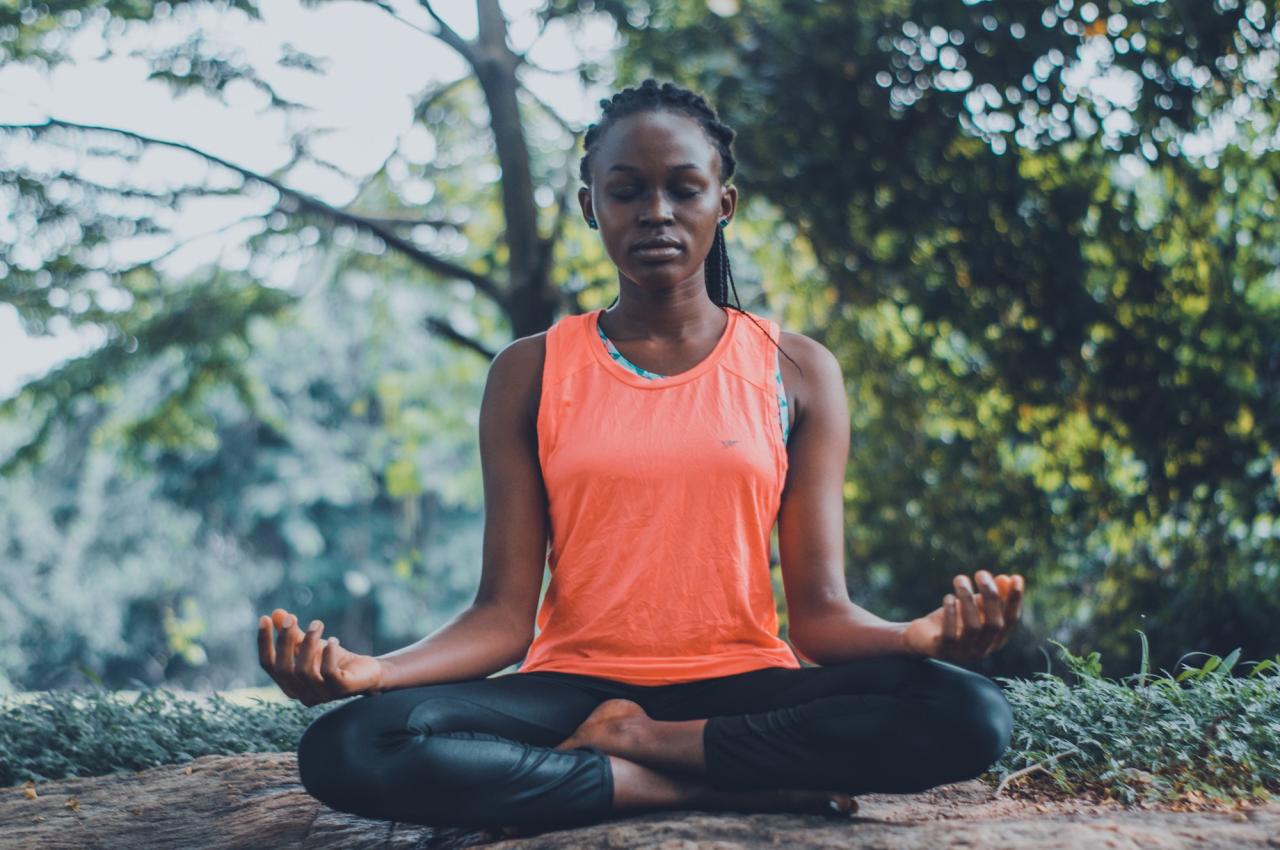
Integrating a dedicated meditation session prior to yoga practice can significantly enhance overall effectiveness, deepen relaxation, and improve focus. This structured approach encourages mindfulness, prepares the mind and body for yoga, and fosters a sense of calm that permeates the entire session. Following a deliberate and mindful sequence ensures that you maximize the benefits of both meditation and yoga, creating a harmonious flow between the two disciplines.
Implementing a pre-yoga meditation routine involves specific postures, breathing patterns, and mental focus techniques. Attention to detail in each step can help in overcoming common challenges such as wandering thoughts, physical discomfort, or external distractions, ensuring a smooth transition into your yoga practice.
Posture Positioning and Breathing Patterns
Starting with a comfortable and stable posture is crucial for effective meditation. Sit in a cross-legged position, such as Sukhasana (Easy Pose), with your spine upright, shoulders relaxed, and hands resting gently on your knees or lap. If sitting on the floor is uncomfortable, use a cushion or chair that supports an aligned spine. The key is maintaining a relaxed yet alert posture that prevents drowsiness or stiffness.
Focus on your breathing by adopting a calm, natural rhythm. Inhale slowly through the nose for a count of four, allowing the breath to fill your abdomen and chest. Exhale gently for a count of four, releasing tension and clearing the mind. For deeper relaxation, practice diaphragmatic breathing, where the abdomen rises and falls with each breath, promoting oxygen flow and reducing stress.
Maintain awareness of your breath throughout the session, gently guiding your attention back whenever the mind drifts. This practice cultivates mindfulness and prepares the mental state necessary for a focused yoga practice.
Tips for Maintaining Focus and Avoiding Distractions
Creating an environment conducive to meditation enhances concentration and minimizes interruptions. Choose a quiet, clutter-free space where external noise is minimal. Using soft lighting or natural light can foster a calming atmosphere. If external distractions are unavoidable, consider using ambient sounds or gentle music to mask disturbances.
Establish a consistent routine that signals the beginning of your meditation session, fostering mental preparedness. Using a meditation timer or app can help you stay aware of elapsed time without obsessively checking the clock, reducing mental clutter. Focus on a specific point of attention, such as your breath, a mantra, or a visual object like a candle flame, to anchor your awareness.
Practicing patience and gentle self-compassion is essential, especially when your focus wanders. Recognize distractions without judgment and softly redirect your attention. Over time, this discipline enhances mental resilience and concentration during yoga practice.
Common Challenges and Solutions
Engaging in pre-yoga meditation can present certain challenges. Below are common issues along with effective strategies to address them:
| Challenge | Solution |
|---|---|
| Restlessness or impatience | Start with shorter sessions, gradually increasing duration. Focus on the present moment rather than the duration. |
| Physical discomfort | Use cushions or chairs to support proper posture. Adjust positions as needed to maintain comfort without sacrificing alignment. |
| External distractions (noise, interruptions) | Choose a quiet space, use earplugs or white noise, and inform others of your practice time to minimize interruptions. |
| Wandering mind or racing thoughts | Implement gentle mindfulness techniques, such as focusing on the breath or a mantra. Be patient and practice non-judgmental awareness. |
| Difficulty maintaining focus | Use visual or auditory anchors, such as a candle or calming sound, to enhance concentration. Shorten sessions if necessary to maintain quality focus. |
Consistent practice, patience, and adaptability are key to overcoming these challenges and cultivating a focused, peaceful meditation routine before yoga. This preparatory step sets a mindful tone for your entire practice, enriching the physical, mental, and emotional benefits of yoga.
Incorporating Meditation During Yoga Practice
Integrating meditation seamlessly into yoga sessions elevates the practice by fostering deeper mindfulness, enhancing focus, and promoting emotional balance. Whether practicing Hatha, Vinyasa, or Kundalini yoga, embedding moments of meditation allows practitioners to cultivate awareness and presence throughout their session. This integration not only refines physical postures but also nurtures mental clarity and serenity, making the overall experience more holistic and transformative.Incorporating meditation during yoga involves strategic placement of mindful pauses, intentional breath focus, and the use of specific techniques suited to each style.
Recognizing the unique rhythm and objectives of each yoga form enables practitioners to customize their approach, ensuring that meditation complements rather than interrupts the flow. By consciously weaving meditation into the fabric of the practice, practitioners can deepen their connection to their body, mind, and breath, leading to greater benefits both on and off the mat.
Seamless Integration of Meditation in Different Yoga Styles
Different yoga styles lend themselves to particular meditation techniques and timings, each enhancing the practice uniquely:
- Hatha Yoga: Emphasizes slow, deliberate movements and holds, providing an ideal environment for extended meditation sessions. Incorporate seated meditation postures like Sukhasana or Padmasana after asanas to settle the mind.
- Vinyasa Yoga: Known for its dynamic flow, this style benefits from short, mindful pauses between sequences. These moments serve as active meditative intervals, allowing practitioners to reset and reconnect with their breath before transitioning into the next pose.
- Kundalini Yoga: Focuses on awakening energy through specific breathing techniques and mantra chanting. Integrate meditation immediately after kriyas or as part of the relaxation phases to harness the energy cultivated during practice.
Each style requires tailored approaches to meditation, respecting the energy flow and physical demands involved. For instance, in Vinyasa, brief mindfulness pauses can be interspersed between sun salutations, while in Kundalini, chanting and breathwork can serve as active meditative components.
Procedural Meditation Breaks Between Poses
Introducing short meditation breaks during yoga sequences enhances mindfulness and prevents mental fatigue. These pauses serve as checkpoints to ground awareness and deepen focus on the present moment:
- Pause briefly after completing a sequence or set of poses, such as after a series of Warrior poses or Sun Salutations.
- Sit comfortably in a cross-legged posture or seated position, ensuring the spine is straight to facilitate proper breathing.
- Close the eyes gently or soften the gaze, bringing attention inward.
- Begin with a few deep, diaphragmatic breaths to settle the nervous system.
- Shift focus to the breath, observing the natural inhalation and exhalation without controlling it.
- Maintain this mindful awareness for 1-3 minutes, gently returning attention to the breath if distracted.
These micro-meditations foster sustained mindfulness, improve concentration, and enhance the overall flow of the practice. They cultivate a sense of presence that carries through subsequent poses, making the practice more intentional and centered.
Breathing Techniques Like Pranayama to Enhance Focus
Breath control practices, or Pranayama, are powerful tools to sharpen concentration, regulate energy, and deepen meditative states during yoga. Incorporating specific techniques can significantly enhance mental clarity and physical vitality:
“The breath is the bridge that connects the body, mind, and spirit.” – Traditional yogic wisdom
- Ujjayi Breathing: Involves slightly constricting the throat to produce a gentle ocean-like sound during inhalation and exhalation. This technique increases focus, warms the body, and creates a rhythmic anchor during dynamic poses or meditation periods.
- Nadi Shodhana (Alternate Nostril Breathing): Balances the nervous system and harmonizes hemispheric activity in the brain. Practicing this before or during yoga sessions enhances mental clarity and stability.
- Kapalabhati (Skull-Shining Breath): Rapid, forceful exhalations followed by passive inhalations energize the mind and body. Use this technique before meditation to invigorate the practitioner and clear mental clutter.
By consciously integrating these breathing techniques, practitioners can transition smoothly into meditative states, maintain heightened awareness throughout their yoga session, and experience a deeper sense of calm and focus. Proper application of Pranayama not only supports physical postures but also elevates the mental and energetic quality of the practice, making meditation a natural, effortless extension of yoga.
Post-Yoga Meditation Practices
Concluding a yoga session with meditation offers numerous benefits that enhance both physical and mental well-being. It provides an opportunity to consolidate the practice, foster inner calmness, and cultivate mindfulness, leaving practitioners feeling rejuvenated and centered. Engaging in dedicated post-yoga meditation also helps deepen relaxation, improve mental clarity, and integrate the benefits of the physical postures into a holistic state of balance.
Implementing specific meditation techniques after yoga can significantly amplify these advantages. The following methods are designed to promote deep relaxation, mental clarity, and emotional stability, ensuring that the transition from active practice to a peaceful state is seamless and effective.
Deep Relaxation Techniques
Deep relaxation exercises after yoga serve to release residual tension in the body, calm the nervous system, and facilitate a peaceful mind. These techniques often involve controlled breathing, body awareness, and visualization to foster a profound sense of tranquility. Regular practice can reduce stress, improve sleep quality, and enhance overall emotional resilience.
Post-Yoga Meditation Exercises
Here are some effective post-yoga meditation exercises, each with detailed steps and anticipated outcomes to help practitioners maximize the benefits of their practice:
-
Body Scan Meditation
This meditation promotes awareness of physical sensations and encourages the release of tension accumulated during yoga.
- Sit or lie down in a comfortable position, ensuring the spine is straight.
- Close your eyes gently and take a few deep breaths to settle into the practice.
- Begin by directing your attention to your toes, noticing any sensations or areas of tension.
- Gradually move your focus upward through your feet, ankles, calves, knees, and thighs, observing each part without judgment.
- Continue scanning through the hips, lower back, abdomen, chest, shoulders, arms, neck, and head.
- If you notice any tension, breathe into those areas and imagine releasing the tightness with each exhale.
- Complete the scan at the top of your head, experiencing a sense of overall relaxation and awareness.
Expected Outcome: Enhanced bodily awareness, reduced physical tension, and a calming mental state that prepares you for continued mindfulness or relaxation.
-
Guided Visualization
This exercise involves imagining a peaceful scene or goal, fostering mental clarity, and emotional balance.
- Sit comfortably with eyes closed and take slow, deep breaths to center yourself.
- Imagine a serene environment, such as a tranquil beach, lush forest, or a calm lake.
- Visualize the details vividly — the sights, sounds, scents, and sensations associated with the scene.
- Allow yourself to fully immerse in this visualization, feeling the sense of peace and safety it provides.
- Stay in this mental space for several minutes, then gradually bring your awareness back to your breath and body.
- Open your eyes slowly, carrying the sense of calm into your daily activities.
Expected Outcome: Increased mental clarity, emotional tranquility, and a refreshed perspective to face everyday challenges.
-
Affirmation Meditation
This practice centers around positive affirmations to reinforce self-confidence and mental resilience after yoga.
- Find a comfortable seated or lying position and close your eyes.
- Take several deep breaths, grounding yourself in the present moment.
- Identify affirmations that resonate with your intentions, such as “I am relaxed,” “I am centered,” or “I am capable.”
- Repeat these affirmations silently or aloud, with gentle conviction, while focusing on their meaning.
- Visualize embodying these qualities as you repeat each affirmation, allowing it to permeate your consciousness.
- Finish with a few moments of silent reflection, then slowly return to regular awareness.
Expected Outcome: Strengthened positive mindset, increased self-awareness, and a sense of empowerment that extends beyond the meditation session.
Tips for Maintaining Regular Meditation Routine
Establishing a consistent meditation practice is essential for reaping the full benefits of yoga. Consistency enhances mental clarity, emotional stability, and physical well-being, creating a harmonious connection between the mind and body. Developing a daily routine requires deliberate effort and commitment, but the rewards are profound and long-lasting. By implementing practical strategies and staying motivated, practitioners can transform meditation from an occasional activity into an integral part of their lifestyle.A stable meditation routine not only improves focus and mindfulness but also reinforces discipline and self-awareness.
To sustain this practice, it is crucial to adopt approaches that accommodate individual preferences and daily schedules. Building habits gradually, setting realistic expectations, and celebrating small achievements can significantly enhance the likelihood of long-term adherence.
Strategies for Establishing a Consistent Meditation Practice
Integrating meditation into daily life involves creating a supportive environment and leveraging effective techniques to make the habit sustainable. The following strategies support practitioners in maintaining regularity:
- Set a Specific Time Each Day: Designating a fixed time for meditation, such as early morning or before bedtime, helps develop a routine. Consistency in timing reinforces habit formation and minimizes the chance of skipping sessions.
- Create a Dedicated Space: Establishing a quiet, clutter-free area exclusively for meditation fosters a sense of ritual and focus. Over time, this space becomes a mental cue for practice.
- Start with Short Sessions: Begin with manageable durations, such as 5-10 minutes daily, gradually increasing as comfort and confidence grow. Short sessions are easier to fit into busy schedules and less intimidating for beginners.
- Use Reminders and Alarms: Digital or physical reminders serve as prompts to meditate, ensuring consistency amidst daily responsibilities.
- Develop Pre-Meditation Rituals: Incorporate calming routines, such as light stretching or deep breathing, to signal the transition into meditation and reinforce habit formation.
Motivational Methods to Sustain Consistency
Maintaining motivation is key to long-term practice. The following methods can help keep practitioners engaged and inspired:
- Track Progress and Celebrate Milestones: Use journals or meditation apps to log sessions. Recognizing consistent streaks or personal improvements bolsters confidence and commitment.
- Set Achievable Goals: Define clear, realistic targets, such as meditating daily for a week or mastering a specific technique. Achieving small goals fosters a sense of accomplishment.
- Join Supportive Communities: Engage with local or online meditation groups or forums. Sharing experiences and receiving encouragement cultivates accountability and motivation.
- Educate and Reflect on Benefits: Regularly revisit the positive effects of meditation, such as reduced stress or improved focus, to reinforce intrinsic motivation.
- Incorporate Variety: Experiment with different meditation styles or techniques to prevent monotony and discover what resonates most.
Ideas for Tracking Progress and Setting Achievable Goals
Effective tracking and goal-setting strategies enhance motivation and provide clear benchmarks for progress:
| Method | Description | Example |
|---|---|---|
| Journaling | Maintain a dedicated journal to record daily meditation experiences, feelings, and insights. | Noting that after two weeks of daily practice, feelings of increased calmness and clarity have become more prominent. |
| Meditation Apps | Utilize apps that monitor streaks, provide reminders, and offer guided sessions. | Achieving a 30-day meditation streak through an app that sends daily notifications. |
| Visual Charts | Create visual progress charts or graphs to track consistency over time. | Using a calendar to mark each day meditated, aiming for a 100-day milestone. |
| Setting SMART Goals | Formulate Specific, Measurable, Achievable, Relevant, and Time-bound objectives. | Practicing meditation for 10 minutes every morning for the next month to build a sustainable habit. |
“Consistency is the foundation of progress. Small, disciplined steps taken daily lead to profound transformation over time.”
Common Challenges and Solutions in Meditation for Yoga
Engaging in meditation as part of a regular yoga practice can sometimes present obstacles that may hinder consistency and effectiveness. Recognizing these challenges early and applying practical solutions can significantly enhance your meditation experience, fostering greater inner peace and focus.
Many practitioners encounter common difficulties such as a restless mind, physical discomfort, or external distractions. Addressing these issues with mindful strategies ensures that meditation remains a beneficial and sustainable component of your yoga routine. Below, we explore prevalent challenges and provide elaborative solutions to overcome them, promoting a more focused and rewarding meditation practice.
Restless Mind and Racing Thoughts
One of the most frequent hurdles faced during meditation is a restless mind filled with racing thoughts, worries, or mental chatter. This mental activity can lead to frustration and a sense of inadequacy, especially for beginners.
To manage a restless mind, it is essential to adopt techniques that anchor your focus and cultivate mental calmness. Using specific strategies can help redirect your attention and gradually quiet the mental noise.
- Practice Mindful Observation: Gently observe your thoughts without judgment, acknowledging their presence and letting them pass like clouds in the sky. This detachment minimizes emotional reactions and reduces mental agitation.
- Use Anchoring Techniques: Focus on a specific object, such as the breath, a mantra, or a visual object, to anchor your attention. When your mind drifts, softly bring it back to your chosen anchor.
- Implement Guided Meditation: Listening to guided meditations can provide structure and direct your focus, making it easier to stay engaged and reduce wandering thoughts.
- Establish a Regular Routine: Consistent meditation timings train your mind to settle more easily, creating familiarity and reducing mental restlessness over time.
Physical Discomfort and Restlessness
Physical discomfort, whether due to prolonged sitting, poor posture, or underlying health issues, can distract from meditation and diminish its benefits. Restlessness in the body often mirrors mental agitation, making it harder to attain a state of calm.
Addressing physical discomfort involves modifying your posture and environment to ensure comfort and support, thus enabling sustained meditation sessions.
- Adjust Posture and Support: Use cushions, chairs, or props to support your back and joints. Sitting on a chair with feet flat on the ground can reduce strain, especially if sitting on the floor is uncomfortable.
- Incorporate Gentle Movement: Engage in light stretching or gentle yoga before meditation to release muscular tension and improve circulation.
- Limit Session Duration: Begin with shorter sessions, gradually increasing as your body adapts, preventing fatigue and discomfort.
- Ensure Proper Clothing and Environment: Wear loose, comfortable clothing and choose a warm, quiet space free from harsh drafts or uneven surfaces.
External Distractions and Environmental Interruptions
Disruptions from external sources such as noise, interruptions, or visual stimuli can break concentration and diminish the depth of meditation. Creating a conducive environment is vital for a focused practice.
Implementing strategies to minimize external distractions can significantly enhance the quality of your meditation sessions.
- Designate a Dedicated Space: Choose a quiet, clutter-free corner or room exclusively for meditation to foster a sense of retreat and minimize interruptions.
- Use Sound Barriers and Noise Masking: Employ earplugs, white noise machines, or calming background sounds like nature recordings to drown out disruptive noises.
- Set Boundaries and Communicate: Inform family members or colleagues of your meditation schedule to reduce unexpected interruptions.
- Establish a Routine Timing: Meditate at times when the environment is naturally quieter, such as early mornings or late evenings, to enhance focus and tranquility.
Additional Troubleshooting Techniques and Modifications
Practitioners can benefit from a variety of tailored approaches to troubleshoot specific challenges they face during meditation. The following techniques provide flexible options for refining your practice:
- Use Guided Visualizations: Visual imagery can help focus the mind and reduce wandering thoughts, especially in environments prone to distractions.
- Practice Body Scan Meditation: Systematically directing attention through different body parts can alleviate physical discomfort and promote relaxation.
- Introduce Shorter, Frequent Sessions: Breaking meditation into several shorter periods throughout the day can be more manageable and less overwhelming.
- Maintain a Meditation Journal: Recording your experiences, challenges, and insights can help identify patterns and tailor solutions effectively.
- Seek Support and Guidance: Joining meditation groups or consulting experienced teachers can offer personalized advice and encouragement to overcome persistent challenges.
“Consistent effort and adaptive strategies are key to overcoming obstacles in meditation, transforming challenges into opportunities for growth and deeper mindfulness.”
Conclusion
In conclusion, mastering how to meditate for yoga practice can significantly elevate your overall well-being and deepen your connection to each session. By preparing properly, choosing suitable techniques, and maintaining consistency, you can unlock the full potential of your yoga journey. Embracing meditation as a core component will not only enhance your physical flexibility but also cultivate mental tranquility, leading to a more balanced and fulfilling practice.