Learning how to meditate for mantra chanting offers a profound pathway to achieve mental clarity and spiritual development. This ancient practice, rooted in diverse cultural traditions, harnesses the power of sound and focused intention to cultivate calmness and insight. Whether you are a beginner or seeking to deepen your existing practice, understanding the fundamentals of mantra meditation can significantly enhance your overall well-being and spiritual journey.
This guide will explore essential steps for preparing your environment, selecting meaningful mantras, mastering effective chanting techniques, and integrating this practice into daily life. By embracing these elements, you can unlock the full benefits of mantra meditation and foster a more centered, peaceful state of mind.
Introduction to Meditation for Mantra Chanting

Meditation plays a pivotal role in the practice of mantra chanting, serving as a gateway to mental clarity, emotional stability, and spiritual growth. By cultivating a focused and serene state of mind, practitioners can deepen their connection to the mantra, allowing its vibrational energy to resonate within and beyond. This disciplined approach not only enhances concentration but also facilitates inner peace, making mantra meditation a profound tool for self-awareness and transcendence.
Historically and culturally, mantra chanting has roots that extend thousands of years across various spiritual traditions. Originating prominently within Hinduism, Buddhism, and Jainism, mantras are considered sacred sounds or phrases imbued with spiritual significance. These sounds are believed to carry vibrational frequencies that influence the subconscious mind and align practitioners with divine energies. Over centuries, different civilizations have adopted and adapted mantra practices, each emphasizing the importance of rhythm, pronunciation, and mental focus to unlock spiritual potential.
Historical and Cultural Origins of Mantra Chanting
Mantra chanting traces its origins to ancient spiritual practices that recognize sound as a fundamental force of creation and consciousness. In Vedic traditions of India, mantras such as “Om” are considered primordial sounds that embody the essence of the universe. The syllable “Om” is regarded as the primordial sound from which all creation emanates, symbolizing the unity of all existence.
In Buddhist traditions, mantras are often used in meditation to invoke enlightened beings or to cultivate specific qualities such as compassion and wisdom. The Tibetan Buddhist practice of reciting mantras like “Om Mani Padme Hum” aims to purify the mind and accumulate positive karma. Historically, these practices have been passed down through oral traditions, with a focus on correct pronunciation and mental concentration to harness their full spiritual efficacy.
Common Mantras and Their Meanings
Many mantras have gained popularity across cultures for their potent spiritual vibrations and their ability to focus the mind. Some of the most widely used include:
- Om: Often considered the universal sound, representing the divine consciousness that pervades everything. It is used at the beginning and end of many meditation sessions to facilitate connection with the divine.
- Om Mani Padme Hum: A Tibetan mantra meaning “Hail the jewel in the lotus,” symbolizing compassion and the awakening of enlightened qualities.
- Sat Nam: A Sanskrit phrase meaning “Truth is my identity,” often used in Kundalini yoga to reinforce one’s true self and purpose.
- Hare Krishna: A chant dedicated to Lord Krishna, emphasizing devotion and love, often repeated in the Hare Krishna movement to attain spiritual awakening.
“The power of a mantra lies not just in the sound, but in the focused intention and consciousness of the practitioner.” – Traditional spiritual teachings
Different mantras carry unique vibrations and are chosen based on individual spiritual goals or cultural backgrounds. Their repetitive chanting cultivates a meditative state, quiets the mind, and opens pathways to higher consciousness.
Preparing for Meditation and Mantra Chanting
Engaging in mantra chanting meditation requires a thoughtful setup to foster an environment conducive to concentration, relaxation, and spiritual connection. Proper preparation enhances the effectiveness of your practice, helping you to attain a deeper state of inner calm and focus. Creating an atmosphere that minimizes distractions and prioritizes comfort allows your mind to settle, making the experience more profound and meaningful.A well-prepared space, combined with correct physical posture and essential supportive items, forms the foundation for a successful meditation session.
This preparation is crucial whether you are practicing at home, in a meditation center, or during a retreat, as it helps establish a sacred, peaceful environment that aligns your physical and mental energies for effective mantra chanting.
Creating a Conducive Environment for Meditation
The environment in which you meditate significantly influences your ability to focus and relax. To establish a setting that supports your practice, consider the following aspects:
- Setting and Location: Choose a quiet, clean, and uncluttered space where external disturbances are minimal. A dedicated corner or room often helps in conditioning your mind to associate that space with meditation and calmness.
- Lighting: Prefer soft, natural lighting or dim artificial lights to create a soothing ambiance. Bright or flickering lights can be distracting and hinder relaxation. Candles or Himalayan salt lamps can add gentle illumination and a calming aura.
- Ambiance and Atmosphere: Incorporate subtle elements like calming fragrances (e.g., sandalwood, lavender), soft instrumental music, or ambient sounds that promote tranquility. Ensure the temperature is comfortable, neither too hot nor too cold, to prevent physical discomfort.
Designing an environment with these considerations fosters a serene space that encourages mindfulness and supports sustained concentration during mantra chanting.
Physical Posture and Positioning Techniques
Maintaining a comfortable and stable posture during meditation is essential to prolong focus and prevent physical discomfort. Proper positioning aligns your spine, relaxes your muscles, and allows effortless breathing, which is integral to effective mantra practice.
- Sitting Position: Sit upright on a cushion or chair, with your back straight but relaxed. If sitting on the floor, cross your legs comfortably in a lotus, half-lotus, or sukhasana (easy pose). Ensure your pelvis is slightly tilted forward to lift the chest.
- Head and Neck Alignment: Keep your head balanced directly above your spine, with chin slightly tucked in to lengthen the back of the neck. This alignment prevents strain and promotes alertness.
- Hand Placement: Rest your hands on your lap with palms facing upward or downward, or place them on your knees. You may also form a mudra, such as the chin mudra, by touching the thumb and index finger together, which aids concentration.
- Comfort and Stability: Use cushions, bolsters, or folded blankets to support your sitting posture if needed, ensuring your hips are slightly higher than your knees. This setup maintains comfort for extended periods of chanting.
Adopting the correct posture not only enhances physical comfort but also signals the mind to enter a focused, receptive state suitable for mantra meditation.
Essential Items and Aids for Mantra Chanting
Having the right tools and aids can deepen your meditation experience and facilitate consistency in your practice. These items serve as physical supports that enhance focus, comfort, and the vibrational quality of your chanting.
Typically, the following items are recommended:
- Malas (Prayer Beads): Used for counting repetitions of the mantra, malas usually contain 108 beads, helping practitioners maintain a steady rhythm and focus during chanting.
- Cushions or Meditation Benches: Provide support and elevate the hips, reducing strain on the knees and lower back. Cushions also help in maintaining an upright, relaxed posture.
- Recording Devices or Audio Recordings: Guided recordings or mantra chants played at a gentle volume help maintain rhythm and consistency, especially for beginners learning the pronunciation and intonation.
- Incense or Essential Oils: Aromatic elements like sandalwood or jasmine can create a calming atmosphere and aid in establishing a sacred space.
- Quiet, Comfortable Clothing: Wear loose, breathable attire that does not restrict movement or cause discomfort during prolonged meditation sessions.
Having these items prepared in advance ensures a smooth, uninterrupted practice, allowing you to immerse fully in the mantra chanting experience without distractions.
Selecting and Understanding Your Mantra
Choosing the right mantra and understanding its significance are vital steps in establishing a meaningful and effective meditation practice. A well-selected mantra serves as a focal point for concentration, spiritual growth, or personal transformation, depending on individual intentions or cultural traditions. Proper comprehension of the mantra’s meaning and pronunciation enhances the quality of chanting, fostering deeper connection and mindfulness during meditation.
By carefully selecting and understanding your mantra, you create a personalized tool that resonates with your inner goals. Whether you opt for a traditional mantra rooted in spiritual teachings or craft a unique affirmation aligned with your personal aspirations, this process sets a strong foundation for meaningful meditation sessions.
Choosing a Personal Mantra Based on Intention or Tradition
Identifying a suitable mantra begins with clarifying your meditation objectives, which may include stress reduction, spiritual awakening, self-empowerment, or emotional healing. Traditional mantras often originate from sacred texts or spiritual lineages, such as the Sanskrit seed sounds like “Om” or “So Hum,” which are widely used in various spiritual practices. Alternatively, a personal mantra may be a word or phrase that embodies your specific intention, such as “Peace,” “Love,” or “I am enough.”
When selecting a mantra, consider cultural and spiritual contexts to ensure reverence and authenticity. If you follow a particular spiritual tradition, adhering to its prescribed mantras can deepen your practice. For those creating their own, focus on words or sounds that evoke positive energy and align with your goals. The key is to choose a mantra that feels natural and inspiring, encouraging consistency and devotion in your meditation routine.
Understanding the Meaning and Pronunciation of the Mantra
Effective chanting requires not only familiarity with the mantra’s sound but also an understanding of its meaning and significance. Comprehending the essence of the mantra enhances focus and cultivates a sense of connection, transforming chanting from mere repetition to a mindful invocation. For traditional mantras, researching their origins and spiritual significance can deepen your appreciation and intent.
Accurate pronunciation is crucial, especially for Sanskrit or other ancient languages, as incorrect articulation can diminish the vibrational energy and the intended spiritual resonance. Listening to authentic pronunciations from qualified practitioners or recordings helps in mastering the correct sounds. When learning a new mantra, break it down into syllables, practice slowly, and gradually increase fluency while maintaining clarity and reverence.
Methods for Customizing or Creating a New Mantra
Personalization of a mantra allows for a deeper alignment with individual aspirations, fostering a more authentic meditation experience. Customizing involves modifying existing mantras or inventing new ones that encapsulate your specific goals or values. This process begins with identifying s or phrases that resonate profoundly with your inner intentions.
To create a personalized mantra, start by reflecting on your core aspirations—such as healing, strength, or compassion—and select words or sounds that embody these qualities. Consider combining meaningful syllables or affirmations into a concise, rhythmic phrase that is easy to repeat and memorize. For example, someone seeking peace might develop a mantra like “Calm and Clear,” while another focused on self-love might choose “I Am Worthy.”
It is beneficial to experiment with different sounds and combinations, paying attention to how they make you feel during practice. Writing down your customized mantra and meditating on its meaning can reinforce your connection. Remember that the effectiveness of a mantra lies in its personal significance and your sincere intention during chanting sessions.
Techniques for Effective Mantra Chanting

Engaging in mantra chanting requires not only the repetition of sacred sounds but also the adoption of proper techniques that enhance focus, deepen concentration, and amplify the vibrational benefits. Mastering these methods ensures that your practice becomes a powerful tool for meditation, mental clarity, and spiritual growth. The effectiveness of mantra chanting depends on mindful execution and the integration of various techniques that resonate with your personal preferences and goals.
Implementing specific techniques can transform a simple repetition into a profound meditative experience. These methods help in aligning your mind and breath, maintaining consistency, and cultivating inner tranquility. Understanding and applying diverse chanting styles allows practitioners to find their most comfortable and effective approach, leading to sustained practice and meaningful results.
Step-by-Step Procedure for Beginning a Mantra Meditation Session
Starting a mantra meditation session involves a structured approach that combines preparation, focused repetition, and mindful breathing. This step-by-step guide ensures that your practice is grounded and effective:
- Choose a Quiet Space: Find a peaceful environment free from distractions to facilitate concentration and relaxation.
- Sit Comfortably: Adopt a seated posture with a straight spine, relaxed shoulders, and hands resting gently on your lap.
- Set an Intention: Decide on your purpose or the specific mantra you wish to focus on during the session.
- Begin with Breath Synchronization: Close your eyes softly, take a few deep breaths to center yourself, and then settle into natural, rhythmic breathing.
- Start Chanting: Begin repeating your mantra slowly, aligning each repetition with an inhalation or exhalation, depending on your preference.
- Maintain Focus: Gently bring your attention back to the mantra whenever your mind wanders, cultivating mindfulness and presence.
- Close the Session: After the allotted time, gradually fade out your chanting, remain seated quietly for a few moments, and then open your eyes slowly.
Methods of Chanting
Different approaches to mantra chanting cater to various temperaments and spiritual practices. Exploring these methods allows practitioners to discover what best supports their meditation journey:
- Silent Repetition: Repeating the mantra mentally without vocalization, fostering inner focus and minimizing external distractions. This method is particularly effective in environments where silence is preferred or required.
- Vocal Chanting Aloud: Out loud repetition of the mantra, which enhances vibrational resonance and energy flow. Vocal chanting can be performed individually or in group settings, such as kirtans, and often creates a sense of communal harmony.
- Mala Beads Technique: Using a mala, a string of 108 beads, to count repetitions. Each bead represents one chant, helping maintain a consistent rhythm and preventing mental distraction. This tactile method is useful for establishing a steady pace and deepening concentration.
Structured Practice Routine
Establishing a regular schedule optimizes the benefits of mantra meditation. Consistency reinforces mental discipline and enhances spiritual growth. Here is a suggested routine:
| Practice Aspect | Details |
|---|---|
| Timing | Choose specific times of day, such as early morning or evening, to cultivate a habit. Morning sessions help set a peaceful tone for the day, while evening practice aids relaxation and reflection. |
| Duration | Begin with 10-15 minutes daily, gradually increasing to 30-45 minutes as comfort and familiarity grow. Longer sessions deepen concentration and energetic effects. |
| Frequency | Perform daily or at least five times a week to establish consistency. Incorporate short sessions during busy days if extended periods are not feasible. |
| Integration | Combine mantra chanting with other meditation techniques or spiritual practices for a comprehensive approach. |
Tip: Maintaining a dedicated space and a specific time for practice enhances discipline and creates a sacred routine conducive to deep meditation.
Styles and Patterns of Chanting
Various styles of mantra chanting influence the vibrational quality and spiritual impact of the practice. Understanding these patterns allows practitioners to choose the method that aligns with their intentions:
| Style | Description |
|---|---|
| Japa | Repetitive chanting of a mantra using mala beads, typically in a quiet, focused manner. Japa emphasizes mindfulness and internalization of the mantra with each repetition. |
| Kirtan | Group chanting often accompanied by music, drums, and singing. Kirtan fosters communal energy, joy, and collective devotion, making it an expressive form of mantra practice. |
| Silent Meditation | Mentally repeating the mantra without vocalization, focusing inward and cultivating inner stillness. This style enhances concentration and subtle vibrational effects. |
| Vedic Chanting | Recitation of mantras in specific tonal patterns and rhythm, often using traditional Vedic pronunciation. This style emphasizes precise intonation and vibrational resonance. |
Deepening Your Meditation Practice
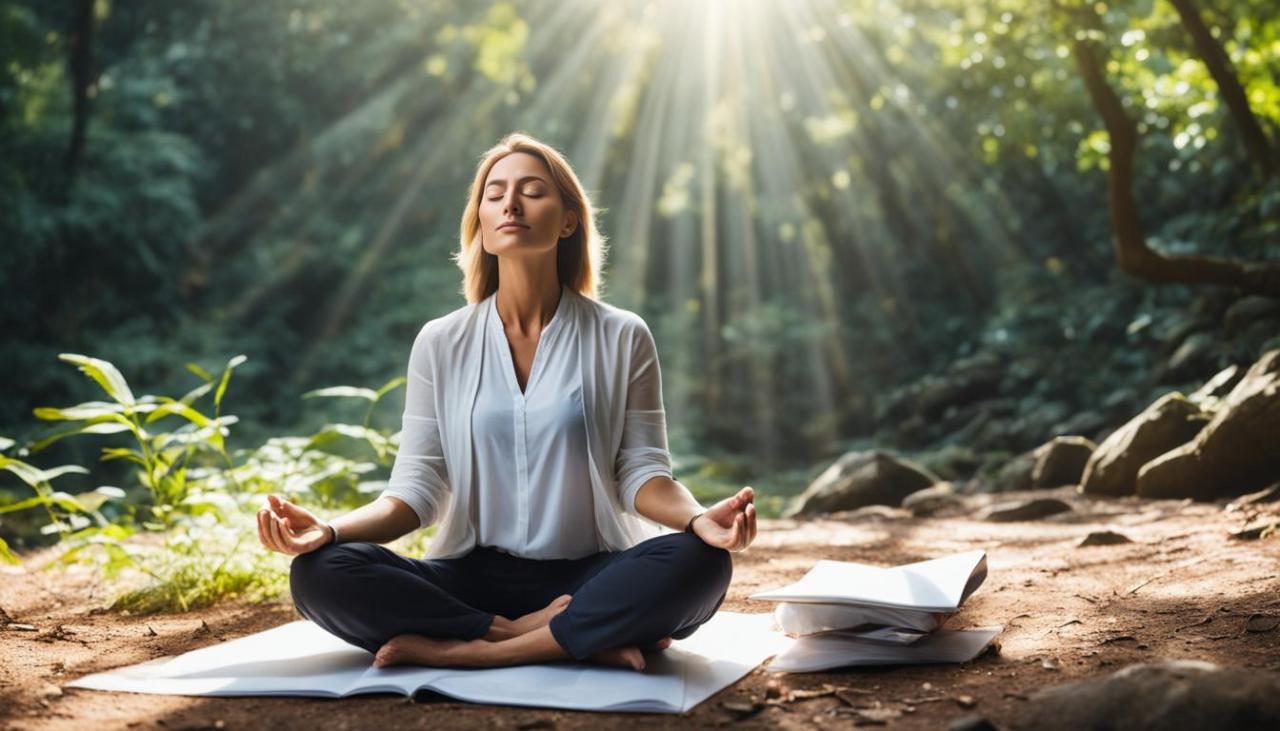
Advancing your meditation through mantra chanting involves cultivating greater focus, incorporating additional techniques, and navigating common challenges. These steps help deepen your spiritual journey, enhance mental clarity, and foster a more immersive experience. Developing a sustained and disciplined practice requires intentionality and patience, enabling you to unlock the full benefits of mantra meditation.
By refining your concentration methods, integrating visualization and affirmation techniques, recognizing obstacles, and gradually extending your practice duration, you can create a more profound connection with your mantra and inner self. This process not only elevates your meditation but also enriches your overall well-being and spiritual growth.
Enhancing Focus and Concentration During Mantra Chanting
The foundation of a deep meditation lies in sustained focus. Improving concentration allows the mind to remain anchored in the mantra, reducing distractions and fostering a state of calmness. Several methods can be employed to enhance focus during chanting sessions:
- Consistent Practice Schedule: Establishing a regular routine helps train the mind to enter a meditative state more easily. Consistency fosters familiarity and reduces wandering thoughts.
- Posture and Environment: Sitting upright in a comfortable yet alert posture minimizes physical discomfort and promotes mental alertness. Choosing a quiet, clutter-free environment minimizes external distractions.
- Breath Awareness: Synchronizing your breath with your chanting or observing the breath during pauses can anchor your attention, preventing the mind from drifting.
- Gentle Mental Reminders: Using subtle mental cues, such as silently affirming “stay present,” can redirect focus back to the mantra when distraction arises.
Incorporating Visualization and Affirmation Techniques
Enhancing mantra meditation with visualization and affirmations can deepen your engagement and evoke more profound effects. These techniques work synergistically with chanting to reinforce positive intentions and cultivate mental clarity:
Visualization involves creating vivid mental images that align with the mantra’s spiritual significance or personal goals. For example, visualizing a luminous light representing inner peace or a divine presence can amplify the calming effect of the chant.
Affirmations are positive statements that reinforce your intentions or desired qualities. Repeating affirmations such as “I am calm and centered” or “Divine energy flows through me” alongside your mantra can reinforce these qualities and promote a sense of empowerment.
“Combining visualization and affirmations with mantra chanting enhances focus, deepens emotional connection, and accelerates spiritual progress.”
Recognizing and Navigating Common Obstacles
In any meditation practice, encountering obstacles like distraction or restlessness is natural. Recognizing these challenges enables you to address them effectively, ensuring continued progress.
- Distraction: When your mind wanders to unrelated thoughts, gently acknowledge the distraction without judgment and redirect your attention back to the mantra. Using a mental note such as “thinking” can facilitate this process.
- Restlessness: Physical discomfort or mental agitation can impair focus. Gentle stretching before meditation, adjusting your posture, or incorporating brief breathing exercises can alleviate these feelings.
- Impatience or Frustration: Accept that progress takes time. Cultivating patience and reminding yourself of the benefits encourages perseverance.
Gradually Extending Meditation Duration
Building a longer, more profound meditation session should be approached gradually. Sudden increases can lead to frustration or physical discomfort, hindering consistency and enjoyment.
- Start by adding 2-5 minutes to your existing practice once you feel comfortable with your current duration.
- Use timer alarms or gentle cues to guide the end of your session, avoiding abrupt interruptions that can disrupt your focus.
- Maintain a steady, relaxed breathing rhythm during extended sessions to support endurance and mental stability.
- Regularly reflect on your experience, noting improvements in concentration and calmness to motivate incremental increases.
As your practice deepens, you may find yourself able to meditate for longer periods with greater ease, ultimately experiencing enhanced clarity, peace, and spiritual connection. Remember, patience and consistency are essential in cultivating a transformative meditation journey.
Incorporating Mantra Meditation into Daily Life
Integrating mantra meditation into daily routines enhances spiritual growth, cultivates mindfulness, and helps maintain a tranquil mind amidst busy schedules. Establishing consistent practice times and environments ensures that meditation becomes a natural and sustainable part of everyday life. By thoughtfully embedding chanting sessions into morning, midday, or evening routines, practitioners can experience increased clarity, reduced stress, and a deeper connection to their inner selves.Consistency and motivation are vital for long-term success in mantra meditation.
Developing habits through scheduled practices, setting achievable goals, and celebrating small milestones reinforce dedication. Additionally, combining mantra chanting with other mindfulness or spiritual activities enriches the practice, offering a holistic approach to well-being. Reflection and journaling after sessions serve as powerful tools to observe progress, clarify insights, and deepen understanding of one’s spiritual journey.
Creating Routine Practices for Different Times of Day
Establishing specific times for mantra meditation can optimize its benefits and integrate seamlessly into daily life. For example:
- Morning Practice: Starting the day with a short session of 10-15 minutes helps set a peaceful tone, align intentions, and foster a calm mindset for the hours ahead.
- Midday Practice: A brief midday chanting session, perhaps during lunch breaks, can serve as a mental reset, alleviating stress and re-centering focus.
- Evening Practice: Concluding the day with meditation allows reflection, releases accumulated tensions, and promotes restful sleep.
Creating environmental cues, such as a dedicated meditation space or specific time alarms, can reinforce these routines.
Maintaining Consistency and Motivation
Sustaining daily mantra practice requires intentional strategies to foster commitment and enthusiasm:
- Set Clear Intentions: Define personal goals for meditation, such as reducing anxiety or enhancing spiritual awareness, to stay motivated.
- Use Reminders: Incorporate visual cues or digital alerts to prompt daily chanting sessions, especially during busy periods.
- Track Progress: Maintain a meditation journal to record experiences, insights, and emotional shifts, which can motivate continued practice.
- Seek Community Support: Engage with meditation groups or online forums to share experiences, gain encouragement, and stay inspired.
Combining Mantra Chanting with Other Practices
Integrating mantra meditation with complementary spiritual or mindfulness practices deepens the overall experience:
- Breathwork: Synchronizing chanting with breath exercises enhances relaxation and focus.
- Visualization: Pairing mantra recitation with mental imagery of peaceful scenes or divine figures can amplify the meditation’s effects.
- Mindfulness Exercises: Applying mindfulness techniques during chanting fosters present-moment awareness and reduces distractions.
- Yoga: Incorporating mantra chanting into yoga sessions creates a cohesive practice that balances physical movement with spiritual reflection.
Reflective Journal Questions Post-Session
Maintaining a journal allows practitioners to process experiences and track spiritual growth:
Reflective questions to consider after each session include:
- What emotions or thoughts arose during the chanting practice?
- Did I notice any physical sensations or shifts in energy?
- How did the mantra influence my state of mind or overall mood?
- Were there any distractions or challenges, and how did I address them?
- What insights or intentions emerged from today’s meditation?
Encouraging honest reflection fosters deeper awareness and guides future practices, ensuring mantra meditation remains a rewarding and integral part of daily living.
Additional Resources and Support

Enriching your mantra meditation practice can be greatly facilitated through access to a variety of educational materials, guidance from experienced teachers, and a supportive community. These resources not only deepen your understanding but also help sustain motivation and address challenges that may arise during your journey. Whether you are a beginner or an experienced practitioner, exploring diverse tools and networks is essential for continuous growth and refinement of your practice.Engaging with reputable books, recordings, teachers, and community groups provides valuable insights and encouragement.
Additionally, understanding different traditional mantras and their specific benefits enables a more personalized and meaningful meditation experience. Troubleshooting common issues ensures that obstacles do not hinder progress, allowing you to maintain consistency and enjoyment in your practice.
Recommended Books, Recordings, and Teachers
To deepen your knowledge of mantra meditation, a curated selection of educational resources offers comprehensive guidance and inspiration. Classic texts such as “The Heart of Meditation” by the Dalai Lama or “Mantra Meditation” by Thomas Ashley-Farrand present foundational principles and advanced techniques. Contemporary authors like Sharon Salzberg and Jack Kornfield also provide accessible insights into meditation practices, including the use of mantras.Audio recordings and guided sessions can enhance your practice, particularly for those who benefit from auditory cues.
Many renowned teachers offer online courses, workshops, and apps that cater to varying levels of experience. Engaging with qualified instructors, either locally or virtually, ensures personalized feedback and nuanced guidance tailored to your unique needs.
Comparative Table of Traditional Mantras and Their Benefits
Understanding the specific benefits associated with different traditional mantras can aid in selecting the most appropriate one for your intentions and spiritual inclinations. The following table summarizes some of the most widely used mantras across different traditions:
| Mantra | Tradition | Purpose/Intended Benefit |
|---|---|---|
| Om | Vedic/Hindu | Universal sound representing the essence of the universe, promoting peace, unity, and spiritual connection. |
| Om Mani Padme Hum | Buddhist (Tibetan) | Compassion and purification, cultivating altruism and emotional balance. |
| Sat Nam | Yogi Sikh and Kundalini Yoga | “Truth is my identity,” fostering authenticity, self-awareness, and inner strength. |
| Hare Krishna Mantra | Bhakti Yoga (Hindu) | Devotion and love for the divine, promoting spiritual awakening and emotional upliftment. |
| So Hum | Vedic/Hindu | “I am that,” emphasizing unity with the universe and self-realization. |
Online Communities and Local Groups for Practice and Guidance
Practicing mantra meditation within a community setting can greatly enhance motivation, provide support, and facilitate shared learning. Online platforms have expanded access to diverse communities where practitioners exchange experiences, ask questions, and participate in group meditations. Websites like Insight Timer, DharmaSeed, and Gaia offer forums, live sessions, and courses led by experienced teachers.Locally, meditation centers, spiritual groups, and yoga studios often organize regular group sessions, workshops, and retreats focused on mantra chanting.
Joining such groups allows for real-time feedback, personalized guidance, and the opportunity to connect with like-minded individuals on a similar spiritual path. Participating in community practice helps develop discipline, introduces new techniques, and cultivates a sense of belonging and shared purpose.
Tips for Troubleshooting Common Practice Issues
Encountering challenges during mantra meditation is common and can be effectively addressed with practical strategies. Common issues include distraction, mental fatigue, or difficulty maintaining focus on the mantra.To mitigate distraction, establish a quiet, comfortable environment free from interruptions. Use a gentle, rhythmic chanting pace to anchor your awareness and prevent wandering thoughts. If mental fatigue occurs, shorten your practice sessions initially, gradually increasing duration as your concentration improves.If you find your mind overly restless or your voice strained, adopt a more relaxed attitude, emphasizing gentle repetition rather than intensity.
Incorporate breathing techniques or brief mindfulness pauses between repetitions to reset focus. Maintaining consistency and patience is key; recognizing that progress in meditation often occurs gradually helps sustain motivation through occasional setbacks.
Remember, persistence and compassion toward yourself are essential components of a successful mantra meditation practice. Challenges are opportunities for growth and deeper understanding.
Conclusion
Embracing how to meditate for mantra chanting as a regular practice can lead to lasting mental serenity and spiritual growth. With patience and consistency, your dedication to this ancient technique will cultivate deeper awareness, inner harmony, and a strong connection to your personal goals. Remember, each session brings you closer to a more peaceful and insightful existence.