Discovering how to meditate for emotional balance can be a transformative journey toward achieving inner calm and resilience. This practice offers a pathway to better manage stress, uplift mood, and foster a sense of well-being amidst life’s challenges. By incorporating effective meditation techniques into daily routines, individuals can cultivate emotional stability and enhance overall mental health.
This guide explores the essential steps for preparing your environment, practicing guided meditations, integrating mindfulness into everyday life, overcoming common obstacles, and tracking your progress. Through these insights, you will be empowered to develop a consistent meditation regimen tailored to support emotional regulation and personal growth.
Understanding Meditation for Emotional Balance
Meditation is a practice that involves focused attention and regulation of the mind to cultivate a state of mental clarity, calmness, and emotional stability. It serves as a valuable tool for managing emotional fluctuations, reducing stress, and fostering a sense of inner peace. By integrating meditation into daily routines, individuals can develop enhanced emotional resilience and improve their overall well-being.
Scientifically, meditation influences both psychological and physiological processes. Psychologically, it promotes mindfulness, reduces anxiety, and enhances emotional regulation by increasing awareness of one’s thoughts and feelings without judgment. Physiologically, meditation can activate the parasympathetic nervous system, leading to lowered heart rate, reduced blood pressure, and decreased production of stress hormones such as cortisol. These combined effects contribute to a more balanced emotional state and a greater capacity to handle life’s challenges with equanimity.
Types of Meditation Techniques for Emotional Stability
Different meditation techniques cater to various preferences and needs, offering diverse pathways to achieve emotional balance. Selecting the appropriate method can depend on individual goals, personality, and specific emotional challenges.
- Mindfulness Meditation: This technique involves paying attention to the present moment without judgment. Practitioners observe their thoughts, feelings, and bodily sensations with acceptance, which helps in reducing emotional reactivity and cultivating a sense of calm. For example, focusing on the breath or bodily sensations during daily activities enhances awareness and emotional regulation.
- Focused Attention Meditation: Concentrating on a single object, sound, or mantra helps in anchoring the mind and diminishing intrusive thoughts. This method can improve emotional resilience by training the mind to maintain focus amidst emotional turbulence, such as during stressful situations.
- Loving-Kindness Meditation (Metta): This practice involves cultivating feelings of compassion and goodwill towards oneself and others. Regular engagement in Loving-Kindness meditation can foster emotional warmth, reduce feelings of anger and resentment, and promote positive social interactions, thereby enhancing emotional stability.
- Body Scan Meditation: By systematically paying attention to different parts of the body, this technique promotes relaxation and awareness of physical sensations associated with emotional states. It helps in recognizing and releasing tension stemming from negative emotions, leading to a calmer mind and body.
“Consistent meditation practice encourages neuroplasticity, enabling the brain to rewire itself towards more positive emotional responses and resilience.”
Incorporating these practices into daily life can profoundly influence emotional health. Whether through formal seated meditation or mindful activities, the consistent application of these techniques supports sustained emotional balance and overall mental well-being.
Preparing for Meditation Practice
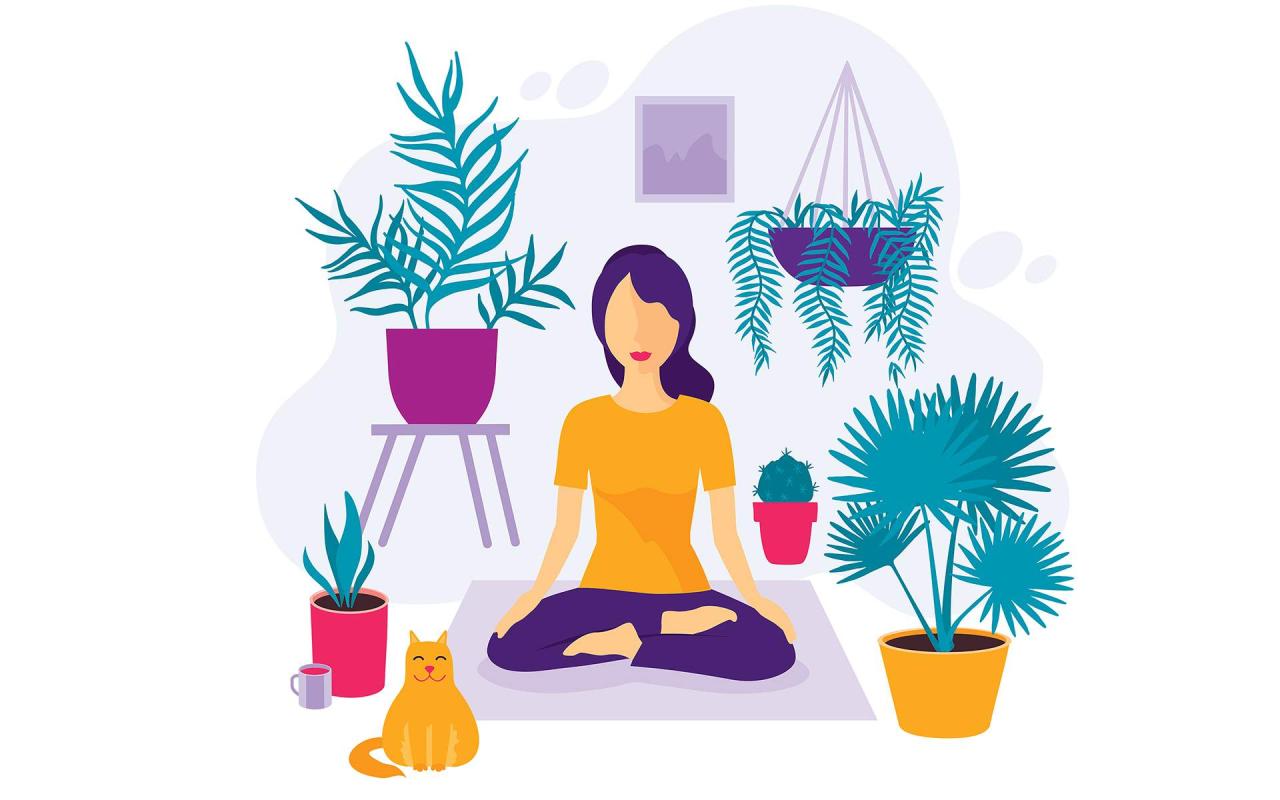
Creating a suitable environment is essential for establishing a consistent and effective meditation routine aimed at emotional balance. A well-prepared space minimizes distractions, promotes relaxation, and fosters a focused mindset, making your meditation sessions more meaningful and restorative. By paying attention to your surroundings and organizing necessary items beforehand, you can enhance your overall experience and deepen your emotional well-being through meditation.
Preparation involves both physical arrangements and mental readiness. Establishing a dedicated space, choosing comfortable seating, and ensuring that the environment supports tranquility are key steps. Additionally, setting up a checklist of essential items helps maintain consistency and ensures that all elements conducive to meditation are readily available. This organized approach encourages a calm, undisturbed practice, enabling you to fully immerse yourself in the process of achieving emotional balance.
Creating a Conducive Environment for Meditation
To foster an atmosphere conducive to meditation, consider the following steps that help cultivate tranquility and focus:
- Select a Quiet Space: Choose a location in your home or outside that remains free from noise interruptions. This could be a corner of a room, a garden nook, or any place where external sounds are minimized, allowing you to concentrate without distraction.
- Control Lighting: Use soft, natural light when possible, or opt for dim lighting to promote relaxation. Avoid harsh or bright lights that may cause discomfort or hinder your ability to settle down.
- Maintain a Comfortable Temperature: Ensure the environment is neither too hot nor too cold. A moderate temperature supports physical ease, which is vital for prolonged meditation sessions.
- Reduce Visual and Auditory Distractions: Turn off electronic devices, or silence notifications to prevent interruptions. Consider using noise-canceling headphones or placing a soft cloth over electronic devices if necessary.
Selecting Comfortable Seating and Minimizing Distractions
Comfortable seating is fundamental to maintaining posture and focus during meditation. Proper seating allows the body to relax without strain, preventing discomfort that could distract from your practice. Simultaneously, minimizing environmental distractions enhances concentration and emotional stability.
- Choosing Seating: Opt for cushions, meditation benches, or chairs that support an upright yet relaxed posture. The spine should be straight to facilitate breathing and alertness, while the body remains relaxed. Use a cushion or folded blanket if sitting on the floor for added comfort.
- Ensuring Stability: Select a stable chair or cushion that prevents wobbling or shifting, which can disturb your focus. The surface should be firm enough to support sustained sitting without sinking or wobbling.
- Eliminating External Distractions: Turn off or silence devices and close doors or windows to reduce noise. If living with others, communicate your meditation time to prevent interruptions. Using visual barriers, such as a curtain or screen, can also help block visual distractions.
Essential Items and Conditions Checklist
Preparing your meditation space with the right items and conditions ensures a smooth and focused practice. Having everything organized beforehand minimizes interruptions and helps you enter a meditative state more easily.
| Item/Condition | Purpose |
|---|---|
| Meditation Cushion or Seat | Provides comfort and proper posture support |
| Quiet Environment | Reduces noise and visual distractions |
| Soft Lighting or Natural Light | Creates a calming atmosphere |
| Blanket or Shawl | Maintains warmth and comfort during meditation |
| Timer or Bell | Tracks meditation duration without requiring constant attention |
| Minimal Electronic Devices | Prevents interruptions; devices should be silenced or turned off |
| Optional Incense or Essential Oils | Enhances ambiance and promotes relaxation (if preferred) |
| Condition | Details |
| Comfortable Temperature | Ensure the environment is neither too hot nor too cold to promote ease and relaxation |
| Clean and Organized Space | A tidy environment reduces mental clutter and promotes focus |
“Preparation is the foundation for a successful meditation practice, allowing you to fully engage in the experience of emotional balance.”
Guided Meditation Techniques for Emotional Regulation
Guided meditation provides a structured approach to managing emotional responses, fostering a calm and centered mind. By engaging in specific techniques, individuals can develop resilience against stressors and cultivate a sense of emotional stability. These practices are accessible and effective tools that can be incorporated into daily routines to enhance overall emotional well-being.
Below are practical guided meditation techniques designed to facilitate emotional regulation. Each method emphasizes mindfulness and intentional focus, enabling practitioners to navigate their emotional landscape with clarity and calmness.
Simple Breathing Meditation Focused on Emotional Calming
This technique centers on conscious breathing to soothe emotional turbulence. When emotions become overwhelming, focusing on the breath acts as an anchor, grounding the mind and reducing reactive tendencies. It is particularly useful during moments of heightened stress, anxiety, or anger.
- Find a quiet, comfortable seated position, maintaining an upright posture that allows for relaxed but alert awareness.
- Close your eyes gently or soften your gaze, directing attention inward.
- Begin by taking a slow, deep inhale through the nose, filling the lungs completely while noticing the expansion of the chest and abdomen.
- Pause briefly at the top of the inhale, then exhale slowly through the mouth or nose, releasing tension and emotional buildup.
- Focus solely on the rhythm of your breath, observing each inhalation and exhalation without trying to control it.
- If your mind drifts to emotional thoughts or worries, gently acknowledge them without judgment, and redirect attention back to your breathing.
- Practice this breathing pattern for 5 to 10 minutes, gradually increasing duration as comfort develops.
“Breathing deeply anchors you in the present moment, dissolving emotional overwhelm and fostering inner calm.”
Visualization Exercise for Emotional Clarity and Resilience
Visualization leverages the power of mental imagery to strengthen emotional resilience and promote clarity. By imagining a serene and empowering scene, individuals can access inner resources to handle emotional challenges with greater ease.
Participants are encouraged to create vivid mental images that evoke strength, calmness, and clarity, which serve as anchors during emotional upheavals.
- Begin with a comfortable seated or lying position, ensuring the body is relaxed and free of tension.
- Close your eyes and take a few deep, calming breaths to settle into the practice.
- Imagine a peaceful natural environment, such as a tranquil lake, a lush forest, or a gentle stream. Visualize the scene in detail—the colors, sounds, textures, and sensations.
- See yourself in this environment, feeling safe, grounded, and emotionally resilient. Notice how your body feels lighter and more centered.
- As emotional tension arises, imagine a wave of calm emanating from this scene, washing over you and dissolving negative feelings.
- Visualize yourself handling emotional stress with patience and clarity, responding with compassion rather than reactivity.
- End the visualization by gradually bringing your awareness back to the present, carrying a sense of emotional strength and clarity.
“Harnessing mental imagery empowers your emotional state, transforming vulnerability into resilience.”
Body Scan Meditation for Releasing Emotional Tension
The body scan meditation helps identify and release physical manifestations of emotional stress. By systematically bringing attention to different parts of the body, practitioners can facilitate the flow of tension and promote emotional release.
This practice is especially effective for those who carry emotional weight physically, such as tight shoulders, clenched fists, or a tense jaw.
- Lie down in a comfortable position, ensuring full support and relaxation of muscles.
- Close your eyes and take a series of deep, slow breaths to center your awareness.
- Begin at the top of the head, gently directing your attention to sensations in the scalp and forehead. Notice any tightness, warmth, or other sensations without judgment.
- Gradually move your focus downward to your face, jaw, neck, and shoulders. Observe areas of emotional tension, allowing them to soften with each exhale.
- Continue this process through your arms, chest, abdomen, back, hips, legs, and feet, systematically scanning for areas of emotional or physical tightness.
- If you encounter tension or emotional distress in any area, imagine breathing into that spot, consciously softening and releasing the buildup.
- Conclude the session by taking a few deep breaths, feeling the entire body as a unified, relaxed whole, embodying emotional release and calmness.
“The body scan facilitates emotional release by recognizing and surrendering physical tension that reflects inner distress.”
Incorporating Mindfulness into Daily Life
Integrating mindfulness into everyday routines can significantly enhance emotional stability and resilience. Mindfulness is not confined to dedicated meditation sessions; it can be woven seamlessly into various activities, allowing individuals to maintain a calm and centered presence despite life’s inevitable stresses. Cultivating present-moment awareness throughout the day encourages a more balanced emotional state and fosters a deeper connection with each moment.
Practicing mindfulness during routine activities helps develop a habit of conscious awareness, making it easier to navigate emotional ups and downs with composure. By intentionally paying attention to our surroundings, bodily sensations, thoughts, and feelings, we create space for clarity and calmness. These practices, when incorporated regularly, serve as effective tools for emotional regulation and promote overall well-being.
Methods of Practicing Mindfulness During Routine Activities
Engaging in mindfulness during everyday tasks involves consciously directing attention to the present experience, without judgment or distraction. This approach transforms mundane activities into opportunities for mindfulness practice, fostering heightened awareness and emotional balance.
- Mindful Breathing: Focus entirely on the sensation of your breath as it enters and exits your body. Whether you are walking, eating, or resting, pause momentarily to observe your breath, noticing its rhythm and depth. This simple practice helps anchor your awareness and calms the nervous system.
- Body Scan During Routine Movements: As you perform daily chores or move through your day, periodically direct your attention to different parts of your body. Notice sensations such as tension, relaxation, temperature, or stiffness. This practice fosters a deeper connection with your physical experience and promotes emotional regulation.
- Mindful Listening: During conversations or while consuming media, focus fully on sounds without planning your response or judgment. Listening with full presence enhances empathy and reduces reactive behaviors driven by emotional turbulence.
- Eating Mindfully: Pay close attention to the taste, texture, and aroma of your food. Eat slowly, savoring each bite, which helps prevent emotional eating and cultivates gratitude and appreciation for nourishing experiences.
Techniques to Cultivate Present-Moment Awareness Amidst Emotional Ups and Downs
Maintaining present-moment awareness during emotional fluctuations involves techniques that ground you in the here and now. These methods help in recognizing emotions without becoming overwhelmed, enabling better emotional regulation and greater resilience.
- Labeling Emotions: When experiencing intense feelings, pause to identify and name them accurately, such as “anger,” “frustration,” or “anxiety.” This practice creates psychological distance and reduces emotional reactivity.
- Deep, Slow Breathing: Use diaphragmatic breathing to calm the nervous system. Inhale slowly through the nose for a count of four, hold for four, then exhale gently for four. Repeating this cycle helps anchor you during emotional storms.
- Grounding Techniques: Engage your senses to connect with the present. For example, identify five things you see, four you touch, three you hear, two you smell, and one you taste. This sensory focus diverts attention from overwhelming emotions and fosters stability.
- Mindful Observation of Emotions: Instead of suppressing or reacting impulsively to emotions, observe them as passing phenomena. Recognize their presence without judgment, which reduces their intensity over time and enhances emotional clarity.
Examples of Brief Mindfulness Exercises for a Busy Schedule
Integrating quick mindfulness exercises into a hectic day can dramatically improve emotional regulation and overall mood. These short practices take only a few minutes but can serve as effective anchors during moments of stress or emotional upheaval.
- One-Minute Breath Awareness: Set a timer for one minute, close your eyes if possible, and focus solely on your breath. Notice the inhale and exhale, and gently redirect your attention whenever it wanders. This practice restores calm rapidly.
- Mindful Hand Washing: During handwashing, pay attention to the temperature, texture, and sensation of water and soap. Feel the movement, smell the scent, and notice the sensation of clean hands, grounding you in the present moment.
- Five-Deep Breaths: Take five slow, deliberate breaths, inhaling deeply through the nose and exhaling through the mouth. Focus on the physical sensations of each breath to quickly reduce anxiety and regain emotional balance.
- Pause for Body Awareness: Throughout the day, pause briefly to scan your body from head to toe, noticing any tension or discomfort. Consciously relax tense muscles, which can alleviate stress and promote emotional steadiness.
- Mini Mindfulness Breaks: During work or daily tasks, set aside a few seconds to pause, take a deep breath, and tune into your surroundings. A moment of presence can prevent emotional overwhelm and enhance focus.
Overcoming Challenges in Meditation for Emotional Balance
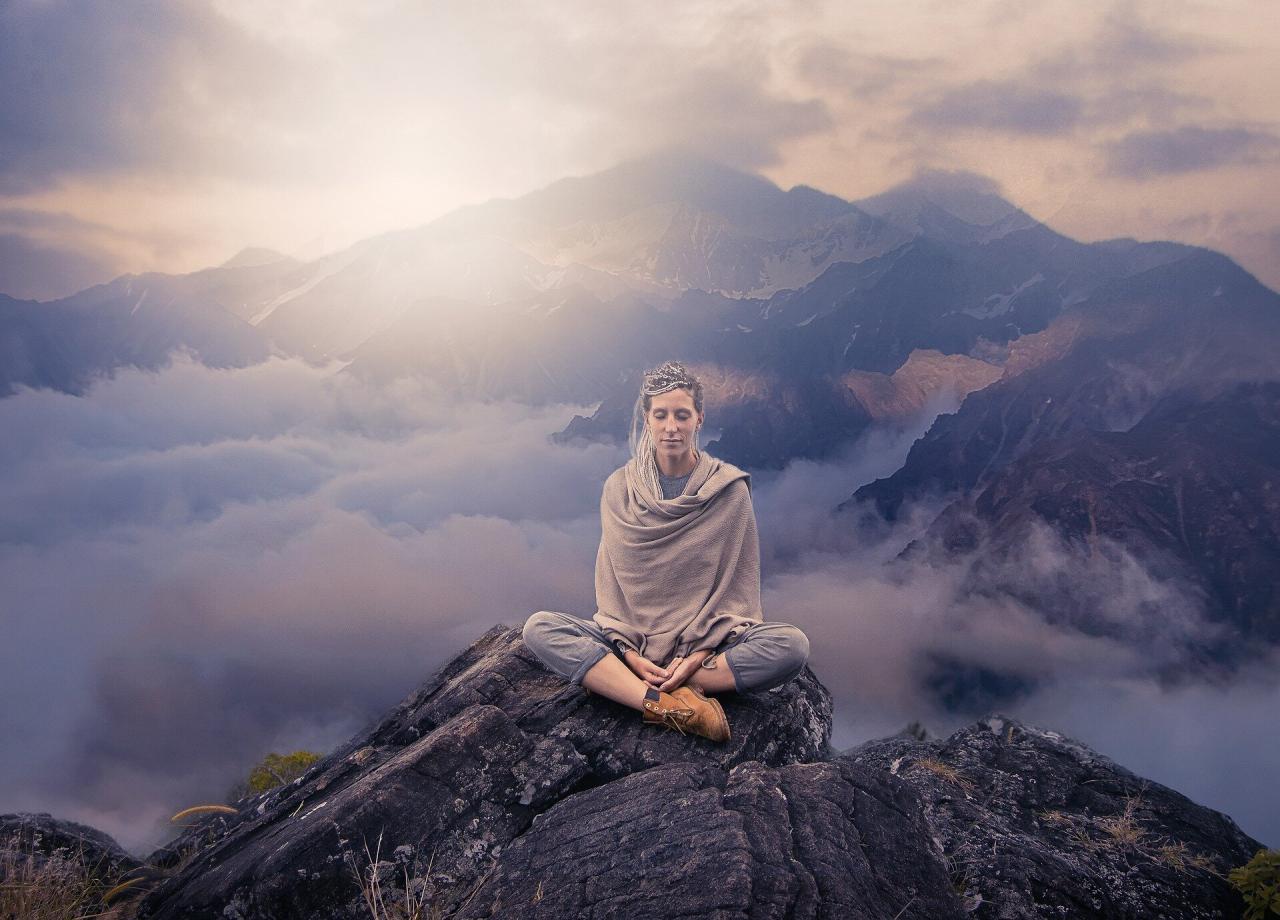
Meditation practice for emotional balance can be profoundly beneficial, yet it often presents various challenges that may hinder progress or discourage practitioners. Recognizing these obstacles and understanding effective strategies to navigate them is vital for maintaining a consistent and rewarding meditation routine. This section explores common difficulties faced during emotional meditative practices, offers practical solutions to sustain motivation, and provides troubleshooting tips for emotional discomfort or resistance that may arise during sessions.
Many individuals encounter emotional turbulence or resistance when engaging in meditation aimed at balancing their feelings. These challenges can stem from deeply rooted habits, overwhelming emotions, or misunderstandings about the practice. Addressing these barriers with patience and informed strategies helps cultivate resilience and encourages ongoing commitment to meditation as a tool for emotional health.
Common Obstacles in Meditation for Emotional Balance
When practicing meditation for emotional regulation, practitioners often face a variety of hurdles that can disrupt their focus or cause discouragement. Understanding these obstacles allows for better preparation and response.
- Restlessness and Wandering Mind: A common experience is an inability to remain focused, with the mind frequently drifting to unrelated thoughts, worries, or distractions. This restlessness can diminish the sense of calm and frustrate practitioners.
- Emotional Intensity or Discomfort: Confronting intense feelings such as sadness, anger, or anxiety during meditation can be overwhelming. These emotions may feel unmanageable or may trigger resistance to continue.
- Physical Discomfort: Prolonged sitting or improper posture can cause physical pain, making it difficult to maintain comfort and focus.
- Lack of Motivation or Consistency: Difficulty establishing a regular practice schedule may lead to irregularities, reducing the effectiveness of meditation for emotional balance.
Strategies to Maintain Consistency and Motivation
Consistent practice is fundamental for experiencing the full benefits of meditation in emotional regulation. Implementing specific strategies can help practitioners stay committed and motivated over time.
- Set Realistic Goals: Establish achievable objectives, such as meditating for five minutes daily, gradually increasing duration to prevent burnout and maintain motivation.
- Create a Dedicated Space: Designate a quiet, comfortable area for meditation to foster a sense of routine and familiarity, which supports habit formation.
- Integrate Meditation into Daily Activities: Incorporate short mindfulness practices into routine activities like walking, commuting, or meal times to reinforce consistency.
- Use Reminders and Journaling: Utilize alarms, reminders, or meditation logs to track progress and reflect on emotional improvements, reinforcing commitment.
- Seek Support: Join meditation groups or online communities that provide encouragement, shared experiences, and accountability.
Troubleshooting Emotional Discomfort or Resistance During Meditation
Encountering emotional discomfort or resistance during meditation is common, especially when addressing deeply rooted feelings. Recognizing and managing these reactions is crucial for a safe and effective practice.
“Approach difficult emotions with curiosity and compassion rather than judgment or avoidance.”
When emotional resistance arises, consider the following tips:
- Pause and Breathe: If emotions become overwhelming, gently return focus to the breath, using deep, slow breaths to create space and regain composure.
- Practice Self-Compassion: Accept that emotional reactions are natural and part of the healing process. Avoid self-criticism for experiencing discomfort.
- Adjust Meditation Technique: Switch to a different method, such as guided visualization or body scan, to find what feels most supportive and less triggering.
- Limit Session Duration: Shorten meditation periods initially to prevent emotional fatigue, gradually increasing as comfort levels improve.
- Seek Professional Support: When emotional responses feel unmanageable, consulting a mental health professional can provide additional guidance and safety.
Incorporating patience and gentle persistence, along with these troubleshooting strategies, empowers practitioners to overcome emotional barriers and deepen their meditation practice for sustained emotional balance.
Ultimate Conclusion
In conclusion, mastering how to meditate for emotional balance can significantly improve your emotional resilience and mental clarity. By embracing these practices and maintaining consistency, you will find yourself better equipped to navigate life’s emotional landscape with calmness and confidence. Remember, patience and dedication are key to experiencing lasting benefits from meditation.