Learning how to meditate for deep breathing offers a powerful way to cultivate serenity and mental clarity amidst daily life. This practice, rooted in ancient traditions, has gained recognition for its ability to reduce stress, enhance focus, and promote overall well-being. By understanding the fundamental techniques and integrating them into your routine, you can unlock the numerous benefits of mindful breathing, transforming your approach to health and relaxation.
This guide provides comprehensive insights into preparing your environment, mastering basic techniques, exploring guided exercises, and incorporating deep breathing meditation into your busy schedule. Whether you’re a beginner or seeking to deepen your practice, these strategies will help you develop a sustainable and effective meditation routine aimed at achieving deep relaxation and mental balance.
Introduction to Deep Breathing Meditation
Deep breathing meditation is a mindful practice that centers on consciously controlling and extending one’s breathing patterns to promote relaxation, mental clarity, and overall well-being. It involves focusing attention on the breath, allowing individuals to anchor themselves in the present moment while reducing stress and anxiety.
Engaging regularly in deep breathing meditation offers a multitude of benefits, including enhanced respiratory function, lower blood pressure, improved emotional regulation, and increased resilience to daily stressors. By cultivating a habit of mindful breathing, practitioners can foster a sense of calmness that extends beyond meditation sessions into everyday life.
Historical and Cultural Origins of Breathing Meditation Techniques
Deep breathing practices have origins that date back thousands of years, woven into the spiritual and philosophical traditions of various cultures around the world. In ancient India, breathing techniques form a core component of yoga and pranayama practices, which aim to harness vital life energy and promote spiritual awakening.
Similarly, Taoist practices in China have emphasized controlled breathing as a means of balancing internal energy, or Qi, to support health and longevity. In Buddhist traditions, mindful breathing is integral to meditation routines that cultivate mindfulness, compassion, and mental clarity. These practices have been meticulously preserved and adapted over centuries, evolving into modern techniques embraced globally for their mental and physical health benefits.
Preparing for Meditation
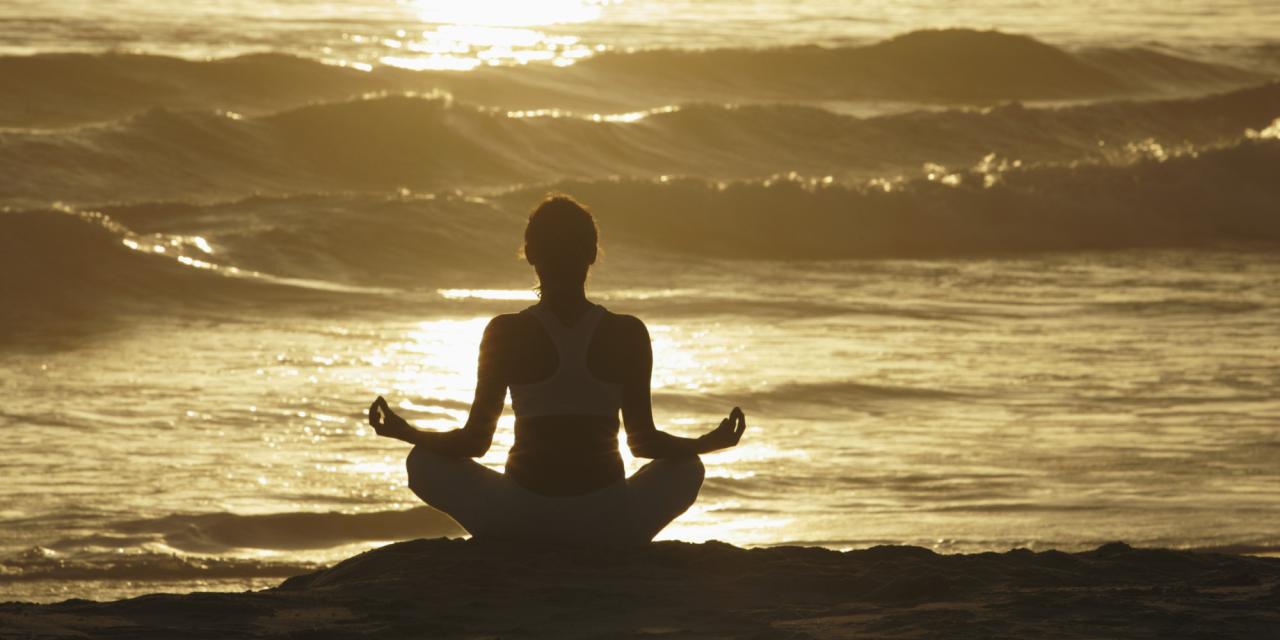
Creating an optimal environment and establishing proper posture are essential steps to ensure a successful deep breathing meditation session. Adequate preparation not only enhances your comfort but also facilitates focus, allowing you to fully experience the calming benefits of your practice. Taking time to set the right scene and position your body correctly can significantly improve the effectiveness of your meditation routine.
In this section, we will explore the key elements involved in preparing for deep breathing exercises, including how to establish a tranquil space, the necessary items to facilitate your practice, and the ideal body positioning to maximize breathing efficiency and promote relaxation.
Creating a Calming Environment for Deep Breathing Exercises
Establishing a serene and distraction-free environment is fundamental to deep breathing meditation. The chosen space should invoke a sense of peace and safety, enabling you to focus entirely on your breath without interruptions. The environment’s ambiance, lighting, and acoustics play a crucial role in setting the mood for meditation.
- Choose a Quiet Space: Select a location that minimizes external noise and disruptions, such as a dedicated corner in a quiet room or a peaceful outdoor area.
- Control Lighting: Use soft, natural lighting or dim the lights to foster a cozy atmosphere. Avoid harsh or flickering illumination that may distract your focus.
- Maintain Temperature Comfort: Ensure the environment is neither too hot nor too cold, as extreme temperatures can hinder relaxation.
- Remove Clutter: Keep the area tidy by removing unnecessary objects or distractions, creating a clean and organized space conducive to meditation.
- Incorporate Nature Elements: If possible, include plants, natural sounds, or gentle water features to enhance tranquility and connection with nature.
Checklist of Necessary Items for Deep Breathing Meditation
Having the right items readily available helps streamline your meditation practice and ensures comfort throughout the session. Below is an essential checklist to prepare your meditation space:
| Item | Description |
|---|---|
| Comfortable Seating | A cushion, meditation bench, or chair that supports an upright posture without causing discomfort. |
| Quiet Space | An area free from noise disturbances, allowing undistracted focus on breathing. |
| Blanket or Shawl | Optional, to maintain warmth and comfort, especially if the environment is cool. |
| Timer or Stopwatch | Helps to allocate specific time for meditation without frequent checking of clocks. |
| Optional Items | Incense, essential oils, or calming music to enhance relaxation, used as per personal preference. |
Proper Posture and Body Positioning for Deep Breathing
Achieving the correct posture is vital to facilitate deep, unobstructed breaths and maintain alertness during meditation. Proper alignment supports the diaphragm and lungs, enabling more efficient oxygen intake and promoting relaxation.
- Seated Posture: Sit with your back straight and shoulders relaxed. Use a cushion or chair that allows your hips to be slightly higher than your knees, supporting an upright yet comfortable position.
- Head and Neck Alignment: Keep your head balanced above your spine, with your chin slightly tucked in. This alignment prevents strain and encourages alertness.
- Hand Placement: Rest your hands comfortably on your lap or knees, with palms facing upward or downward, depending on your preference.
- Feet Position: Keep your feet flat on the ground if seated in a chair, or cross-legged on a cushion if sitting on the floor, ensuring stability.
- Relaxation of the Body: Release tension in your jaw, face, and shoulders. Your body should feel supported yet relaxed, allowing deep breaths to fill the lungs fully.
“An upright, relaxed posture enables the diaphragm to move freely, facilitating deep, calming breaths essential for meditation.”
Basic Techniques of Deep Breathing
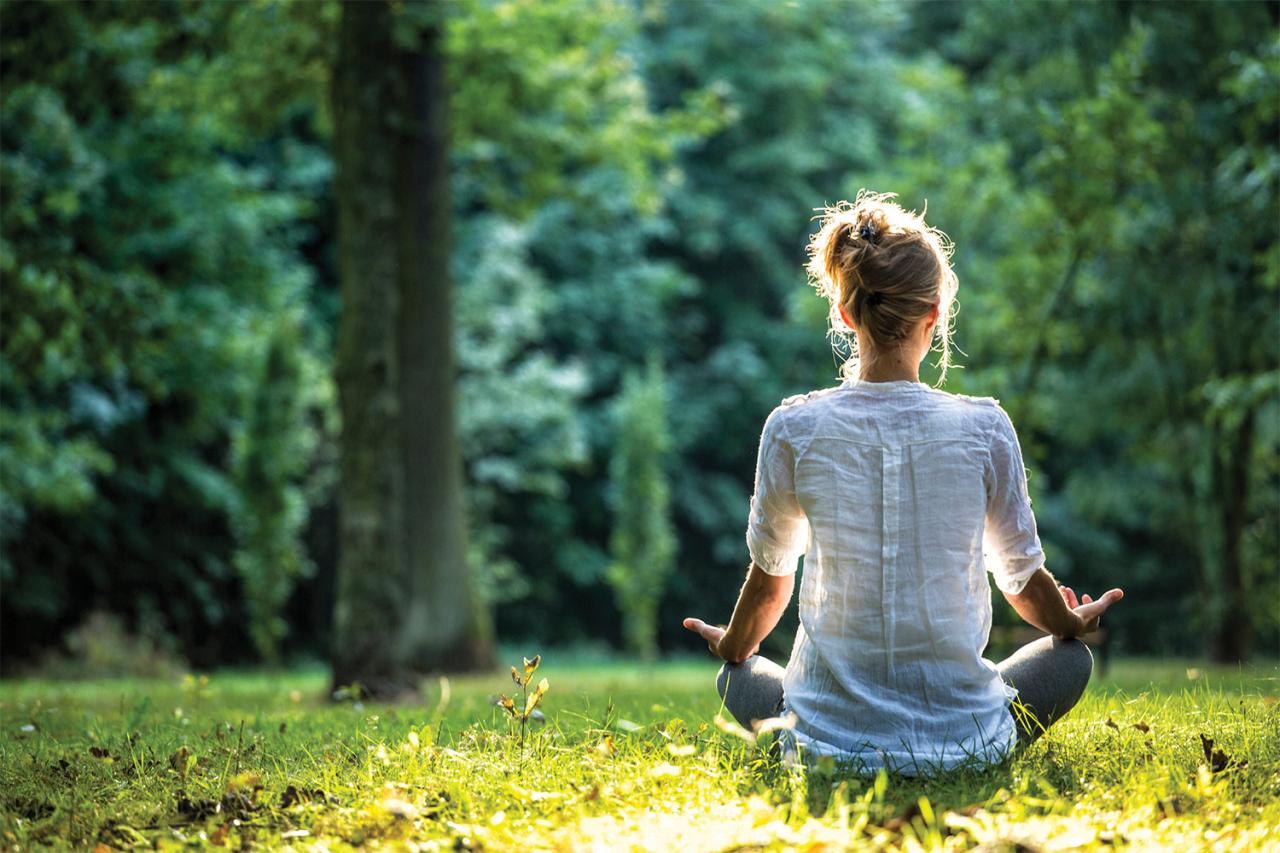
Deep breathing is a fundamental practice in meditation that helps promote relaxation, reduce stress, and enhance overall well-being. For beginners, mastering the proper technique is essential to experience the full benefits of diaphragmatic breathing. In this section, we will explore a simple, step-by-step guide to perform deep breathing effectively, ensuring you develop a solid foundation for your meditation practice.
Correct execution of diaphragmatic breathing involves conscious awareness of your breath and engaging specific muscle groups. Clear instructions and visual cues can significantly aid in developing proper technique, leading to more profound relaxation and mindfulness during meditation.
Step-by-Step Guide for Diaphragmatic Breathing
Practicing diaphragmatic breathing involves a series of intentional actions aimed at engaging the diaphragm, the primary muscle involved in respiration. The following procedural steps are designed to be easy to follow, especially for beginners seeking to incorporate deep breathing into their routine:
- Find a Comfortable Position: Sit or lie down in a quiet, relaxed environment. Ensure your back is straight but not stiff, allowing your lungs to expand freely. Rest your hands gently on your abdomen just below your ribcage.
- Inhale Slowly Through Your Nose: Breathe in deeply through your nose, aiming to fill your lungs from the bottom up. Visualize your diaphragm moving downward as your lungs expand. You should notice your abdomen rising gently, providing a visual cue of proper diaphragmatic engagement.
- Focus on Your Breath: As you breathe in, pay attention to the sensation of air entering your nostrils and your abdomen rising. Keep your shoulders relaxed and avoid lifting your chest or forcing the breath.
- Exhale Calmly and Fully: Slowly exhale through your mouth or nose, whichever feels most natural. Allow your abdomen to fall as the diaphragm relaxes. A longer, controlled exhalation helps activate the parasympathetic nervous system, promoting relaxation.
- Repeat the Process: Continue this cycle of inhaling and exhaling at a comfortable pace, ideally taking slow, deep breaths for several minutes. Focus on maintaining smooth, rhythmic breaths and visual cues of your abdomen moving with each cycle.
Visual and Descriptive Cues for Proper Technique
To ensure proper execution of diaphragmatic breathing, visual and descriptive cues serve as helpful reminders and guides:
- Abdominal Movement: Visualize your belly as a balloon that expands outward as you inhale and deflates inward as you exhale. This imagery can reinforce the correct engagement of the diaphragm, distinguishing diaphragmatic breathing from shallow chest breathing.
- Relaxed Shoulders: Keep shoulders relaxed and away from your ears, as tension here indicates shallow breathing. A gentle focus on releasing tension in this area can improve breathing depth and comfort.
- Breath Rhythm: Maintain a steady rhythm, aiming for a ratio of approximately 4 seconds inhaling and 6 seconds exhaling. Using a mental count or a timer can help establish consistency and deepen relaxation.
- Posture Alignment: Visualize a string lifting your head slightly upward, elongating your spine. Proper posture facilitates unobstructed airflow and enhances the effectiveness of diaphragmatic breathing.
Remember that consistency and patience are key. With regular practice, diaphragmatic breathing becomes more natural, allowing you to access its calming effects with greater ease during meditation and daily life.
Guided Deep Breathing Exercises
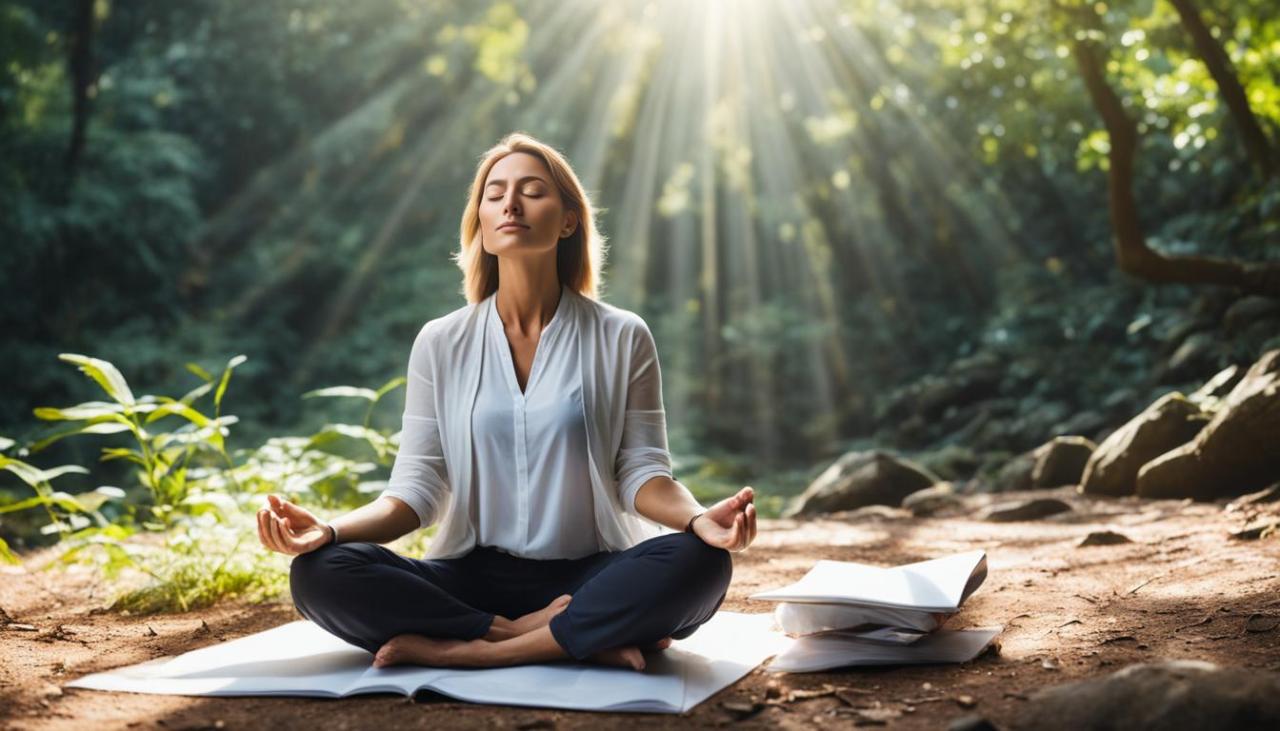
Guided deep breathing exercises serve as an effective approach to help individuals focus their attention, deepen their breathing, and cultivate mindfulness during meditation. These sessions often involve verbal instructions, imagery, or music designed to support relaxation and enhance the overall experience.
Implementing guided exercises can be particularly beneficial for beginners or those seeking a structured framework for their practice. They can be delivered via audio recordings, apps, or live guidance from a facilitator, ensuring consistency and ease of use.
Structured Guided Meditation Scripts and Techniques
Effective guided meditation scripts typically incorporate a step-by-step approach, encouraging practitioners to focus on their breath, release tension, and cultivate awareness. These scripts often begin with a calming introduction, followed by specific instructions on breath control, visualization, and body awareness. For example, a session might start with a gentle reminder to sit comfortably, close the eyes, and relax the body, then proceed to guiding the practitioner to inhale slowly through the nose, hold the breath briefly, and exhale smoothly through the mouth or nose.
To enhance focus, instructions may include counting breaths, imagining the air as a wave washing over the body, or visualizing a peaceful scene. The guided script should be soothing, clear, and paced appropriately to allow full engagement without feeling rushed.
Sample script excerpt:
“Close your eyes gently and take a deep, slow breath in through your nose, feeling the air fill your lungs. Hold this breath for a count of four. Now, exhale completely through your mouth, releasing any tension. Repeat this cycle, focusing on the sensation of your breath and the calming rhythm it creates.”
Different Types of Deep Breathing Methods
Various deep breathing techniques can be incorporated into guided exercises, each offering unique benefits and suited to different preferences or needs. Exploring these methods allows practitioners to find the most effective practice for their relaxation and mindfulness goals.
| Technique | Description | Benefits |
|---|---|---|
| Box Breathing (Square Breathing) | This method involves inhaling, holding, exhaling, and holding again, each for an equal count, typically four seconds. The pattern resembles drawing a square with breath cycles. | Enhances focus, reduces stress, and promotes mental clarity. |
| 4-7-8 Technique | Inhale quietly through the nose for a count of four, hold the breath for seven counts, then exhale completely through the mouth for a count of eight. This cycle is repeated several times. | Helps to reduce anxiety, improve sleep quality, and regulate the nervous system. |
| diaphragmatic or Belly Breathing | Focuses on engaging the diaphragm by expanding the abdomen during inhalation, then gently contracting it during exhalation. It encourages deep, efficient breathing from the lower lungs. | Increases oxygen intake, relaxes the nervous system, and supports emotional regulation. |
| Alternate Nostril Breathing (Nadi Shodhana) | Involves inhaling through one nostril while closing the other with fingers, then switching nostrils for the exhalation. This balances the body’s energy channels. | Balances the hemispheres of the brain, calms the mind, and enhances respiratory function. |
Practitioners are encouraged to experiment with these techniques to discover which best aligns with their relaxation goals. Using audio or visual aids, such as recorded instructions or guided video tutorials, can provide additional support and consistency for practicing these methods regularly.
Incorporating Deep Breathing into Daily Routine
Integrating deep breathing meditation into a busy daily schedule can significantly enhance overall well-being and stress management. While time constraints often pose challenges, establishing consistent practices requires practical strategies that fit seamlessly into everyday activities. By dedicating brief but regular intervals for mindful breathing, individuals can cultivate a sense of calm and mental clarity throughout the day.Embedding deep breathing exercises into daily routines involves identifying natural pauses, such as between meetings, during commutes, or after completing tasks.
These moments serve as ideal opportunities to pause, focus on breath, and reset mental energy. Furthermore, habitual practice not only reinforces the calming effects but also promotes long-term resilience against stressors, making it an accessible tool for maintaining mental health amidst a hectic schedule.
Strategies for Practical Integration
To effectively incorporate deep breathing into daily life, consider the following approaches:
- Allocate specific times for meditation, such as morning upon waking, midday during lunch breaks, and evening before sleep, to establish consistency.
- Set reminders using alarms or smartphone notifications to prompt short breathing sessions during busy periods.
- Combine deep breathing with routine activities like walking, stretching, or waiting in lines to maximize time utilization.
- Create a dedicated quiet space at home or work, even if small, to facilitate focused practice without interruptions.
Weekly Practice Plan with Recommended Durations and Times
Establishing a weekly schedule with varied durations encourages sustained engagement without feeling overwhelming. The following plan offers a balanced approach for integrating deep breathing exercises into daily life:
| Day | Time of Practice | Duration | Notes |
|---|---|---|---|
| Monday | Morning (upon waking) | 5 minutes | Start the day with a calm mind |
| Tuesday | Midday (lunch break) | 7 minutes | Relieve midday stress |
| Wednesday | Evening (before dinner) | 5 minutes | Relax and unwind after work |
| Thursday | Mid-afternoon (break time) | 6 minutes | Refocus and recharge |
| Friday | Night (before sleep) | 8 minutes | Prepare for restful sleep |
| Saturday | Morning or Afternoon | 10 minutes | Extended practice for deeper relaxation |
| Sunday | Flexible | As desired, 5-10 minutes | Reflect and reset for the upcoming week |
Consistency is key; even brief daily sessions can produce noticeable benefits over time.
Tracking Progress and Maintaining Motivation
Monitoring progress helps reinforce commitment and highlights the positive impacts of deep breathing practice. Keeping track can involve simple methods such as journaling, digital apps, or visual charts that record daily sessions and durations.
Setting achievable goals, like practicing at least five days a week or gradually increasing session length, fosters a sense of accomplishment. Regularly reviewing progress and noting improvements in stress levels, sleep quality, or overall mood can boost motivation. Sharing experiences with a community or practicing with a partner provides additional accountability and encouragement. Celebrating milestones, such as completing a month of regular practice, further reinforces positive habits and sustains long-term engagement.
Common Challenges and Solutions
Deep breathing meditation can be an immensely beneficial practice for reducing stress and enhancing mental clarity. However, practitioners often encounter certain obstacles that can hinder their progress or diminish the effectiveness of their sessions. Recognizing these common challenges and implementing effective strategies can help maintain a consistent and rewarding meditation routine, ultimately deepening the benefits experienced over time.Understanding the typical difficulties faced during deep breathing exercises allows practitioners to address issues proactively.
Whether it’s difficulty focusing, physical discomfort, or external distractions, each obstacle has practical solutions that can be integrated into daily practice. Developing resilience against these challenges ensures a more stable and enriching meditation experience, fostering long-term commitment and growth in the practice.
Distractions and How to Overcome Them
External and internal distractions are among the most frequent obstacles encountered during meditation. Noise from surroundings, interruptions, or wandering thoughts can break concentration and reduce the quality of the session. To mitigate these distractions, creating a quiet, dedicated meditation space is essential. Informing household members about your practice time can minimize interruptions, and using earplugs or calming ambient sounds can help drown out disruptive noises.Practicing mindfulness techniques during meditation can also help manage internal distractions.
When thoughts drift away from your breath, gently acknowledge them without judgment and redirect your focus back to your breathing. Employing a soft, steady reminder to “return to your breath” can reinforce concentration and prevent frustration caused by wandering thoughts.
Physical Discomfort and Solutions
Physical discomfort, such as back pain, muscle tension, or difficulty sitting comfortably, can significantly impede meditation sessions. Addressing these issues involves adjusting posture and environment to enhance comfort. Use supportive cushions or chairs to maintain an upright but relaxed posture, ensuring that the spine is aligned. Stretching lightly before meditation can release tension and prepare the body for sustained stillness.If physical discomfort persists, alternative positions like lying down or reclining can be considered, provided they do not induce sleepiness.
Incorporating gentle movement or yoga stretches into your routine prior to meditation can help alleviate stiffness and improve overall comfort. Listening to your body’s signals and adjusting your posture accordingly will facilitate longer, more comfortable meditation sessions.
Maintaining Consistency and Deepening Practice
Consistency is fundamental to experiencing the full benefits of deep breathing meditation. Establishing a regular schedule—such as practicing at the same time each day—creates a habit that becomes integrated into daily life. Setting realistic goals and starting with brief sessions can prevent feelings of overwhelm, gradually increasing duration as comfort and familiarity grow.To deepen your practice over time, focus on refining your technique and increasing awareness of subtle breath variations.
Incorporating mindful awareness of body sensations and emotions during meditation enriches the experience and enhances self-awareness. Journaling your progress or maintaining a meditation log can serve as a motivational tool, helping you recognize improvements and remain committed to your practice. Engaging in community groups or guided sessions can also provide encouragement, accountability, and new insights to deepen your meditation journey.
Enhancing Deep Breathing with Additional Techniques
Deepening your breathing practice can significantly enhance relaxation, mental clarity, and overall well-being. Incorporating supplementary techniques such as visualization, mindfulness, gentle movement, or yoga can create a more immersive and effective meditation experience. These methods not only deepen the physiological benefits of deep breathing but also cultivate a heightened state of mental focus and tranquility.By integrating these approaches thoughtfully, practitioners can achieve a more holistic form of relaxation that addresses both body and mind simultaneously.
This section explores practical ways to combine deep breathing with visualization and mindfulness, as well as methods to incorporate gentle movement and yoga into your routine, helping you deepen your meditative experience.
Combining Meditation with Visualization and Mindfulness
Visualization and mindfulness serve as powerful tools to amplify the effects of deep breathing exercises. When combined with meditation, they enhance mental focus, foster a sense of presence, and deepen relaxation.
- Visualization: During your deep breathing practice, imagine a calming image or scene that resonates with you, such as a peaceful beach, a lush forest, or a gentle stream. As you inhale deeply, picture yourself drawing in tranquility from this scene, and as you exhale, release tension or negative thoughts. This mental imagery anchors your focus and enhances emotional calmness.
- Mindfulness: Cultivate awareness of each breath, sensation, and thought without judgment. Focus intently on the physical sensations of your breath—such as the rise and fall of your chest or the feeling of air passing through your nostrils—to foster present-moment awareness. This approach reduces mental distractions and deepens the meditative state.
“Visualization and mindfulness transform simple breathing exercises into immersive experiences that strengthen mental clarity and emotional resilience.”
Integrating Gentle Movement or Yoga with Breathing Exercises
Incorporating gentle movement or specific yoga postures can complement deep breathing, promoting physical relaxation and enhancing mental focus. Movement acts as a bridge connecting breath with physical awareness, resulting in a more holistic practice.
Practitioners can integrate gentle movements such as slow neck rolls, shoulder relaxations, or seated stretches synchronized with breath. For example, inhaling while raising the arms overhead, and exhaling as lowering them fosters coordination between movement and breath. Such practices improve circulation, release muscular tension, and deepen the sense of calm.
Yoga postures, especially restorative and gentle poses like Child’s Pose, Cat-Cow, or seated twists, can be combined with controlled deep breathing. These postures open the chest and back, facilitating deeper inhalations and exhalations. When performed mindfully, they encourage a state of mental stillness and physical ease, elevating the overall meditation experience.
- Begin with gentle movements that match your breath cycle, maintaining awareness of each transition.
- Ensure movements are slow and deliberate, emphasizing breath synchronization to maximize relaxation.
- Progress gradually, incorporating more complex yoga poses as your comfort with deep breathing improves.
Deepening Relaxation and Mental Focus During Practice
Achieving a profound state of relaxation during deep breathing meditation involves specific techniques that enhance mental clarity and physical ease. These focus areas help practitioners transcend superficial calm to reach deeper levels of awareness.
Techniques to deepen relaxation include:
- Progressive muscle relaxation: Tense and release muscle groups sequentially while maintaining awareness of each sensation to release residual tension.
- Body scan: Mentally scan your body from head to toe, noting areas of tightness or discomfort, and consciously relax these regions during breath cycles.
- Use of affirmations or mantras: Repeating calming phrases such as “I am relaxed” or “Peace flows with each breath” can reinforce a tranquil mental state.
Enhancing mental focus can be achieved through:
- Maintaining unwavering attention on the sensation of breath, avoiding mental distractions.
- Employing subtle visualization techniques, such as imagining inhaling white light and exhaling dark clouds of tension.
- Practicing gentle awareness of external sounds or internal sensations as part of the present moment without judgment.
By consciously applying these techniques, individuals can deepen both physical relaxation and mental clarity, leading to a more profound and restorative deep breathing meditation.
Visual and Descriptive Guides for Practice
Enhancing deep breathing meditation through visual and sensory imagery can significantly deepen relaxation and focus. Creating a serene environment complemented by vivid mental images helps practitioners immerse themselves fully in the breathing process, reducing distractions and fostering a sense of calm.
By employing detailed descriptive guides, individuals can visualize ideal settings and imagery tailored to promote tranquility. Adjusting the environment to suit these visualizations further strengthens the effectiveness of meditation sessions, making it easier to attain a state of mindfulness and peacefulness.
Creating Ideal Meditation Settings
Establishing a dedicated, tranquil space for meditation sets the foundation for successful practice. The environment should embody comfort, silence, and a sense of safety, free from external disturbances. Elements such as soft lighting, comfortable seating or cushions, and minimal clutter cultivate an atmosphere conducive to relaxation.
Natural surroundings or a quiet corner with views of greenery can enhance the meditative experience. Ensuring consistent practice in a designated space helps condition the mind to associate that environment with calmness, thereby making it easier to transition into meditation each session.
Imagery That Promotes Relaxation and Focus
Vivid mental imagery is a powerful tool in deep breathing meditation, serving to anchor attention and deepen relaxation. Descriptions that evoke sensory experiences engage the mind fully, making it easier to maintain focus on the breath and calm the nervous system.
Common and effective imagery includes imagining a gentle wave rolling onto a peaceful shoreline, feeling the warmth of sunlight on the skin, or visualizing a serene forest with rustling leaves. Visualizing a slowly inflating and deflating balloon can also reinforce the rhythm of deep breathing, helping to synchronize the breath with calming mental images.
“Imagine inhaling pure, fresh air as a gentle breeze fills your lungs, and exhaling as a wave softly retreats back into the ocean.”
Another useful technique involves imagining a luminous light expanding and contracting in harmony with your breath, symbolizing the flow of energy and calm within the body.
Environmental Adjustments to Optimize Breathing Meditation
Fine-tuning the physical surroundings can significantly enhance the quality of meditation sessions. Adjustments should aim to minimize distractions and optimize comfort, creating an environment that naturally encourages slow, deep breaths.
Consider the following environmental modifications:
- Controlling ambient noise by using soft background sounds, such as nature recordings or white noise machines, to mask disruptive sounds.
- Maintaining a comfortable room temperature, ideally cooler but not cold, to prevent discomfort that may interfere with relaxation.
- Ensuring proper ventilation or gentle airflow, which can stimulate natural breathing patterns and provide a sense of freshness.
- Using calming scents, such as lavender or chamomile, through diffusers or candles, to promote a sense of tranquility.
- Limiting visual clutter and ensuring the space is tidy, helping the mind to focus inward and stay engaged with the breathing practice.
Incorporating these adjustments creates an environment that naturally supports deep breathing, making the practice more effective and enjoyable, and fostering a consistent meditation routine.
End of Discussion
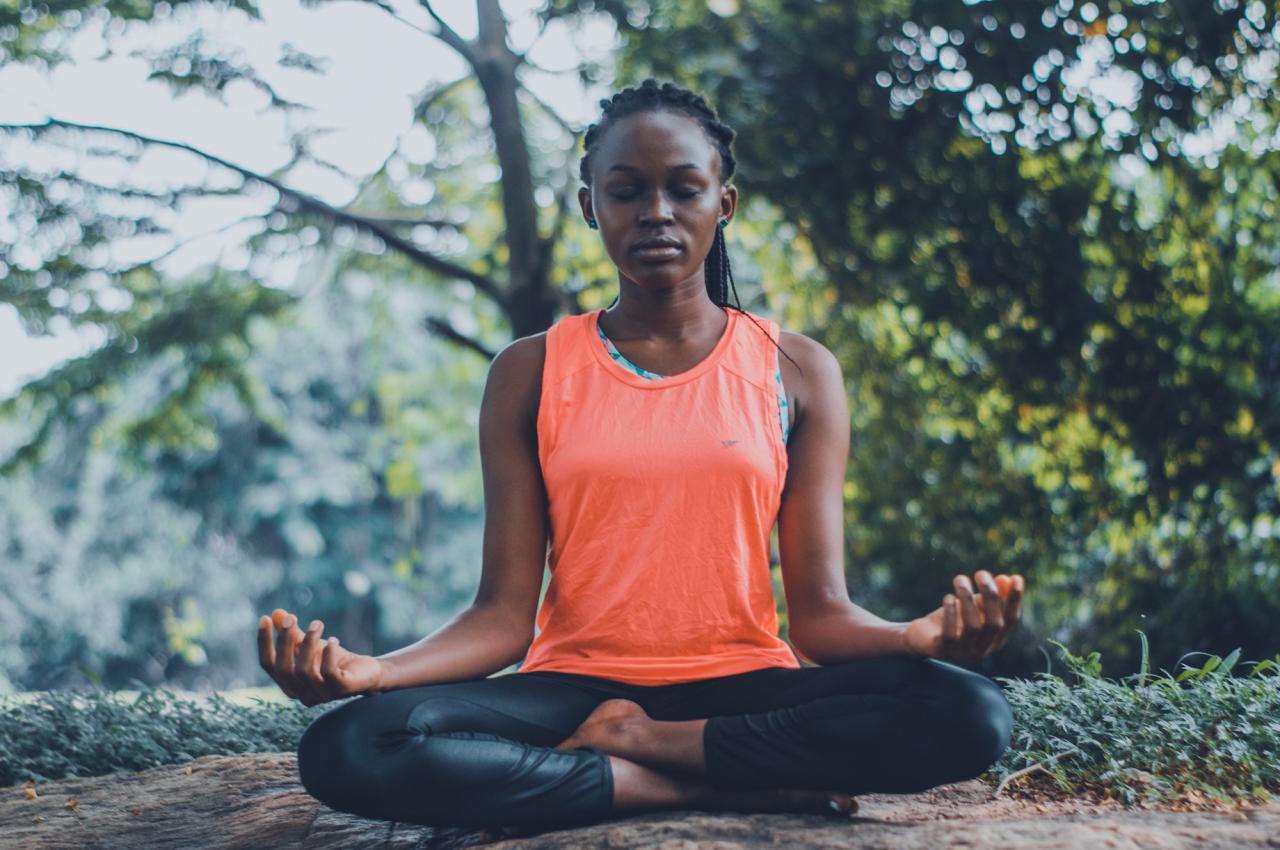
Incorporating how to meditate for deep breathing into your daily life can significantly improve your physical and mental health over time. By practicing regularly and overcoming common challenges, you can experience profound relaxation, increased mindfulness, and enhanced overall well-being. Embrace this calming practice as a valuable tool to foster resilience and inner peace in your everyday routine.