Practicing meditation for mindfulness at work offers a powerful approach to enhancing concentration, reducing stress, and fostering overall well-being within the professional environment. This technique enables individuals to remain present and centered amidst daily demands, leading to a more balanced and productive workday.
By integrating simple mindfulness practices into the work routine, employees can create a tranquil space for mental clarity and resilience. These practices are adaptable to busy schedules and shared environments, making them accessible for everyone seeking to improve their mental health and work performance.
Introduction to Mindfulness Meditation at Work
Mindfulness meditation is a practice rooted in the cultivation of present-moment awareness, enabling individuals to observe their thoughts, feelings, and bodily sensations without judgment. In a professional setting, integrating mindfulness into daily routines fosters a more conscious and attentive approach to work tasks, communication, and decision-making. As workplaces become increasingly dynamic and demanding, mindfulness offers a valuable tool to maintain composure and clarity amidst stressors.
Practicing mindfulness at work is essential for enhancing overall well-being and productivity. It helps employees manage stress more effectively, leading to reduced burnout and improved mental health. Furthermore, mindfulness enhances focus and cognitive flexibility, enabling workers to prioritize tasks efficiently and respond thoughtfully rather than react impulsively. The cumulative benefits of regular practice extend beyond individual performance, positively influencing team dynamics and organizational culture.
Benefits of Practicing Mindfulness at Work
The practice of mindfulness in a professional environment yields multiple tangible and intangible benefits. These include:
- Stress Reduction: Mindfulness helps in lowering cortisol levels, the hormone associated with stress, promoting a calmer and more centered state of mind. Regular practice enables employees to navigate high-pressure situations with greater ease.
- Enhanced Focus and Concentration: By training attention to stay anchored in the present moment, mindfulness reduces distractions and improves the ability to concentrate on complex or routine tasks, leading to higher quality work output.
- Emotional Regulation: Mindfulness fosters awareness of emotional states, which aids in managing reactions and maintaining professionalism, even in challenging situations.
- Improved Decision-Making: A mindful approach allows for clearer thinking and greater objectivity, supporting better judgment and problem-solving skills.
- Better Interpersonal Relations: Increased self-awareness and empathy cultivated through mindfulness enhance communication and teamwork, creating a more harmonious work environment.
How Mindfulness Enhances Productivity and Well-Being
Implementing mindfulness practices at work contributes significantly to both individual productivity and overall organizational health. When employees are mindful, they experience greater mental clarity and reduced mental fatigue, which translates into more efficient task completion and innovative thinking. This heightened awareness also minimizes mistakes and enhances attention to detail.
In terms of well-being, regular mindfulness practice mitigates the negative effects of chronic stress, supporting mental health and resilience. It encourages a balanced approach to work and personal life, fostering sustained motivation and job satisfaction. Companies that integrate mindfulness into their culture often report higher employee engagement, lower absenteeism, and increased overall morale, underscoring its value as a strategic organizational asset.
Setting Up a Mindful Practice at Work
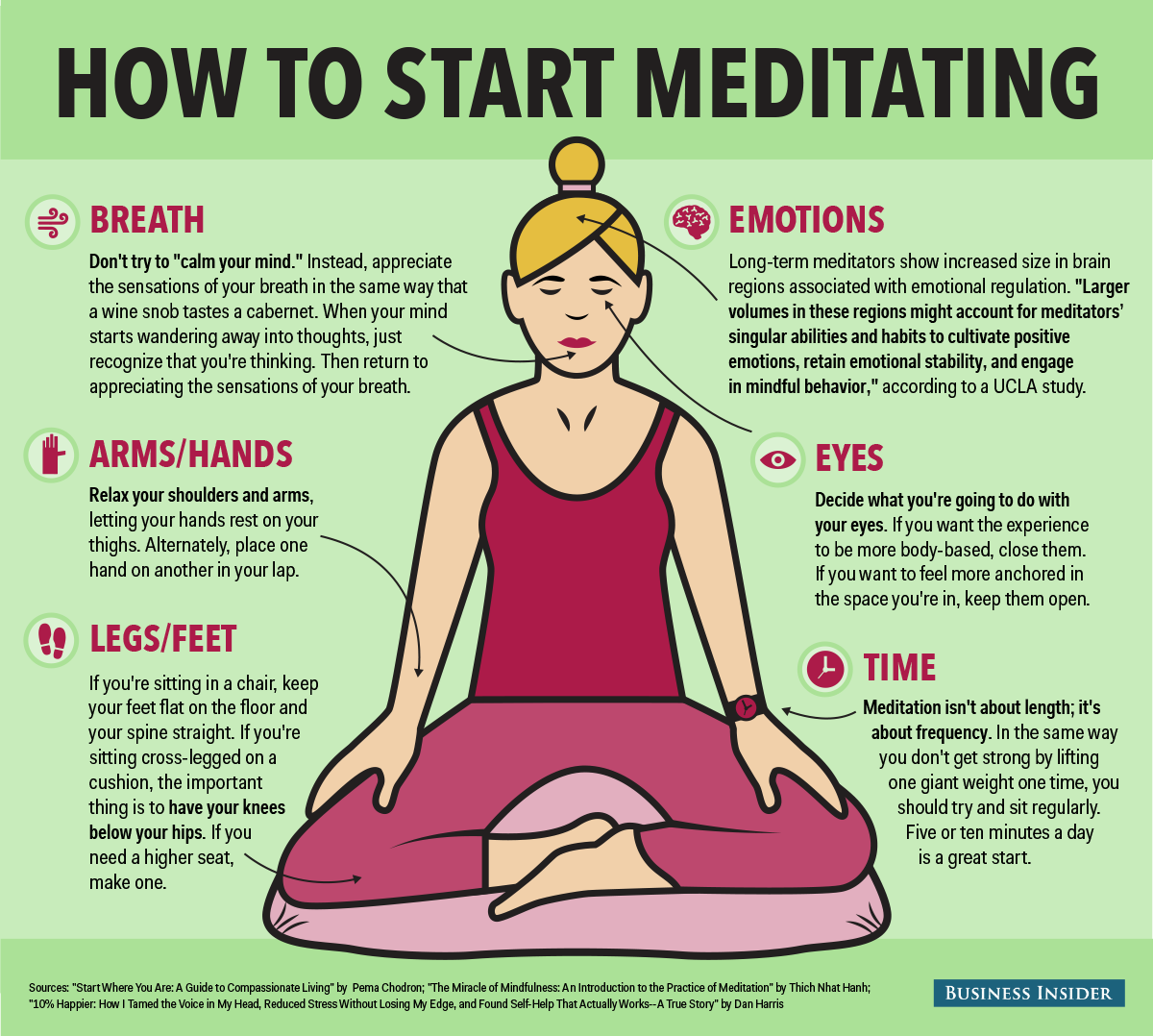
Creating an environment conducive to mindfulness during work hours is essential for cultivating a consistent meditation practice. A well-designed space and routine can significantly enhance your ability to stay present and focused amidst daily tasks. Establishing these routines not only supports mental clarity but also contributes to overall well-being, productivity, and stress reduction in the workplace.Developing a dedicated, quiet, and comfortable space for meditation helps to reinforce your habit and signals to your mind that this is a dedicated time for mindfulness.
A suitable environment minimizes distractions and creates a physical cue for mindfulness practice, making it easier to transition into a state of calm and focus during busy workdays. Additionally, integrating mindfulness routines into your daily schedule ensures consistency and helps in making meditation a natural part of your work life.Choosing appropriate times and durations for meditation sessions depends on your work schedule and workload.
Short, regular sessions can be highly effective and easier to incorporate into busy days. For many professionals, starting with a 3 to 5-minute breathing exercise during a mid-morning break or right after lunch can provide a quick mental reset. As you become more accustomed to the practice, gradually extending sessions to 10 or 15 minutes can deepen your experience without disrupting your workflow.
Creating a Quiet, Comfortable Space for Meditation
Establishing a dedicated space within the workplace that minimizes noise and distractions is a vital step in supporting mindfulness practice. This could be a quiet corner, an unused conference room, or a personal office. Key considerations include:
- Ensuring the area is free from interruptions and noise.
- Keeping the space clean and uncluttered to promote calmness.
- Adding elements like a comfortable chair or cushion, and perhaps a small plant or calming object to enhance comfort and tranquility.
Designating this area as a mindfulness zone through clear signage or personal markers can reinforce its purpose and help colleagues respect your practice time.
Designing a Simple Routine for Daily Integration
Integrating mindfulness seamlessly into daily work activities involves establishing a routine that fits naturally within your schedule. A practical approach includes:
- Scheduling specific times in your calendar for meditation, such as during breaks, before starting work, or after completing a significant task.
- Beginning with brief sessions, such as 3 to 5 minutes, and gradually increasing duration as familiarity grows.
- Utilizing short mindfulness exercises like focused breathing, body scans, or mindful listening during transitions between tasks.
- Pairing meditation with other routines, such as taking deep breaths before meetings or during email breaks, to reinforce habit formation.
This routine fosters consistency and helps embed mindfulness as an integral part of the workday rather than an occasional activity.
Tips for Selecting Suitable Times and Durations for Meditation
Choosing optimal times and durations for meditation sessions enhances their effectiveness and sustainability. Consider the following tips:
- Identify periods during the workday when you typically experience stress or mental fatigue, such as mid-morning or late afternoon, and schedule your practice accordingly.
- Avoid times when your workload is highly demanding or when immediate attention is required, to ensure you can fully engage in the practice without distraction.
- Start with short sessions, around 3-5 minutes, to build the habit without feeling overwhelmed, and increase duration gradually as comfort and routine strengthen.
- Use alarm or reminder tools to prompt your mindfulness sessions, helping establish a consistent schedule and preventing forgetfulness.
- Be flexible and adaptable, recognizing that some days may require shorter sessions; even brief moments of mindfulness can be beneficial.
By thoughtfully selecting times and durations, you create a sustainable rhythm that supports ongoing mindfulness practice and enhances overall work performance and well-being.
Techniques for Meditating for Mindfulness at Work

Implementing mindfulness meditation during a busy workday can significantly enhance focus, reduce stress, and improve overall well-being. Various techniques are adaptable to the constraints of a hectic schedule and shared environments, allowing individuals to cultivate calmness and clarity even amidst work demands.
Understanding and applying different meditation methods can help employees integrate mindfulness seamlessly into their daily routines. Each technique offers unique benefits and can be tailored to fit the specific timeframes and settings of the workplace, fostering a more mindful and resilient workforce.
Breathing Exercises
Breathing exercises are among the most accessible mindfulness techniques, requiring minimal time and no special equipment. They focus on controlling the breath to anchor attention and calm the mind. These exercises can be performed discreetly at desks, in meeting rooms, or during short breaks, making them ideal for busy schedules.
Step-by-step: Find a comfortable seated position, close your eyes if possible, and take a slow, deep breath through the nose, allowing your abdomen to expand. Hold briefly, then exhale slowly through the mouth or nose. Repeat for 1-3 minutes, focusing solely on your breath, noting the sensation of air entering and leaving your body.
Benefits include stress reduction, improved concentration, and enhanced emotional regulation. Regular practice can lead to a more calm and centered approach to work challenges.
Body Scan
The body scan meditation encourages awareness of physical sensations across different parts of the body, promoting relaxation and reducing tension accumulated during work hours. This technique is particularly effective for recognizing areas of stress or discomfort and releasing them consciously.
Step-by-step: Sit comfortably and close your eyes if desired. Begin by bringing your attention to your toes, noticing any sensations without judgment. Slowly move your focus upward, scanning each part of your body—feet, legs, abdomen, chest, arms, neck, and head. If you identify tension, breathe into that area and imagine releasing the tightness as you exhale. Spend about 5-10 minutes on this exercise.
This practice fosters body awareness, reduces physical stress, and enhances overall relaxation, which can translate into improved productivity and well-being.
Mindful Observation
Mindful observation involves paying close attention to objects, sounds, or activities without judgment, cultivating a sense of presence and clarity. This method is particularly adaptable to shared workspaces and can be integrated into routine tasks.
Step-by-step: Choose an object within your environment—such as a pen, a plant, or a computer screen. Focus your attention solely on that item, observing its color, texture, shape, and any other details. If your mind wanders, gently bring your attention back to the object. Practice this for 2-5 minutes, maintaining a non-judgmental attitude towards your observations.
Benefits include enhanced focus, reduced mental clutter, and increased appreciation for the present moment—valuable qualities in a dynamic work environment.
Techniques Table
| Technique | Steps | Duration | Benefits |
|---|---|---|---|
| Breathing Exercises |
|
1-3 minutes | Reduces stress, improves focus, enhances emotional regulation |
| Body Scan |
|
5-10 minutes | Promotes relaxation, reduces physical tension, enhances body awareness |
| Mindful Observation |
|
2-5 minutes | Enhances focus, reduces mental clutter, cultivates present moment awareness |
Adapting these techniques to a busy schedule involves integrating brief sessions during routine activities, such as taking a few deep breaths before a meeting or performing a quick body scan during breaks. In shared work environments, these exercises can be performed quietly at your desk or during designated short breaks, ensuring minimal disruption while still reaping the benefits of mindfulness practice.
Overcoming Challenges and Distractions

Maintaining mindfulness practice in a busy work environment can present various obstacles, from external distractions to internal restlessness. Recognizing these challenges and adopting effective strategies can significantly enhance your ability to stay present and focused during your mindfulness sessions at work. Developing resilience to interruptions ensures that mindfulness remains a helpful tool rather than a source of frustration or neglect.Distractions and interruptions are common in modern workplaces, where constant emails, phone calls, and meetings create a dynamic and often distracting atmosphere.
External noise, open-office layouts, and urgent tasks can divert attention away from your mindfulness practice, making it difficult to sustain concentration. Internal challenges such as wandering thoughts, fatigue, or stress also hinder progress, especially when the mind resists slowing down amidst a hectic schedule. Addressing these obstacles involves cultivating patience, flexibility, and practical adaptations that align with the realities of your working environment.
Strategies for Overcoming Common Obstacles
Implementing specific techniques can help you navigate the typical hurdles faced during mindfulness at work, fostering a more resilient and consistent practice.
- Set Realistic Expectations: Recognize that interruptions are inevitable. Instead of striving for perfect focus, aim for gentle awareness and acceptance of distractions as part of the process.
- Create Short, Manageable Sessions: Practice mindfulness in brief periods, such as 2-5 minutes, which can be easier to fit into a busy schedule and help maintain consistency.
- Designate a Quiet Space: If possible, identify a quiet corner or a designated spot for mindfulness practice, even if it’s a small area or a temporary retreat during breaks.
- Use Visual or Physical Cues: Visual reminders, like a calming image or a specific object, can serve as prompts to bring your focus back when your attention drifts.
- Practice Compassion Towards Yourself: Avoid self-criticism if your mind wanders. Gently acknowledge the distraction and return your focus without judgment.
Maintaining Focus Despite Interruptions or Noise
In environments characterized by noise and frequent interruptions, employing specific methods can help sustain your mindfulness practice and regain composure swiftly.
Gently returning to your breath or bodily sensations acts as an anchor, grounding you amidst chaos.
- Anchor Your Attention: Focus on tangible sensations such as your breath, the feeling of your feet on the ground, or the contact points of your hands. These anchors help redirect attention away from external disturbances.
- Practice Brief Reset Exercises: When interrupted, pause briefly to take a deep breath or a moment of conscious awareness before resuming your practice.
- Implement Noise-Reducing Techniques: Use noise-canceling headphones or listen to calming background sounds or white noise to create a more conducive environment for mindfulness.
- Develop Flexibility in Practice: Recognize that mindfulness isn’t strictly about sitting silently; incorporating movement or stretching can help reset focus when sitting becomes challenging amidst disruptions.
- Employ Mindful Acknowledgment of Disruptions: When interruptions occur, acknowledge them non-judgmentally as part of your practice, which fosters acceptance and reduces frustration.
Guidance on Returning to Practice After Disruptions
Disruptions are natural in a work setting, and returning to mindfulness with a gentle approach enhances resilience and consistency.
- Pause and Breathe: Take a few deep breaths to center yourself, allowing your physiological response to tension or frustration to subside.
- Use a Short Ritual: Develop a simple ritual, such as closing your eyes briefly or placing a hand on your heart, to signal the return to mindfulness.
- Be Patient and Gentle: Avoid rushing or self-criticism. Accept that interruptions are part of the process and that each return to practice strengthens your resilience.
- Re-establish Focus Gradually: Start with a few seconds of mindful breathing or sensation awareness, then extend the duration as your focus stabilizes.
- Reflect on Experience: Briefly acknowledge what caused the distraction and how you responded, fostering awareness and growth in your practice.
Incorporating Mindfulness into Daily Work Tasks
Integrating mindfulness seamlessly into daily work routines can significantly enhance focus, reduce stress, and improve overall productivity. By embedding short, intentional pauses and mindful practices into routine activities, employees can cultivate a calmer, more present work environment. These practices do not require extensive time but can make a meaningful difference in managing work-related challenges and maintaining mental clarity throughout the day.
Fostering mindfulness during routine tasks encourages a moment-to-moment awareness that helps prevent burnout and promotes a balanced approach to work demands. This section explores practical methods to weave mindfulness into your everyday work activities, transforming ordinary moments into opportunities for mental resets and enhanced concentration.
Brief Mindfulness Pauses Between Meetings or Tasks
In a busy workday, transitions between meetings or tasks can lead to mental fatigue and decreased focus. Incorporating brief mindfulness pauses during these moments can serve as effective resets, helping to clear the mind and prepare for the next activity.Consider implementing a practice where, after each meeting, you spend one to two minutes taking deep breaths, observing your surroundings, or focusing on bodily sensations.
These pauses allow you to transition smoothly, reducing residual stress and enhancing alertness. Scheduling these short pauses into your calendar can establish a habitual pattern that encourages mental clarity and emotional resilience. For example, after a lengthy meeting, pause for a moment at your desk, close your eyes if possible, and take a few slow, mindful breaths. This simple act can help you detach from the previous discussion and reset your focus for the upcoming task or meeting.
Infusing Mindfulness into Routine Activities
Routine activities such as responding to emails, taking breaks, or walking between workstations present valuable opportunities to practice mindfulness. Incorporating awareness into these actions fosters a continuous state of presence, reducing stress and increasing efficiency.When replying to emails, focus your attention entirely on the message you are composing. Notice the sensation of typing, the sound of your keyboard, and the content of your communication without rushing.
During breaks, instead of mindlessly scrolling through social media, engage in a brief mindful breathing exercise or observe your surroundings with curiosity. Walking between meetings can be transformed into a mindful activity by paying close attention to the sensation of your feet on the ground, the rhythm of your steps, and the environment around you. These practices cultivate a sustained sense of presence that extends beyond formal meditation sessions into everyday work interactions.
Quick Exercises to Refocus During the Workday
Short, targeted exercises can be highly effective in helping you refocus and reset during busy work hours. These exercises are designed to be quick, practical, and easily incorporated into your routine without significant disruption.One example is the “Body Scan,” where you momentarily shift your attention through different parts of your body, noticing any tension or discomfort, and consciously releasing it.
This helps ground you in the present moment. Another exercise is the “Three Breaths” technique: take three slow, deep breaths, inhaling through the nose and exhaling through the mouth or nose, focusing solely on the breath. This simple practice can quickly reduce stress and improve concentration.A third example involves a “Mindful Observation,” where you choose an object within your workspace and observe it in detail for a minute.
Notice its color, shape, texture, and any other sensory details, fostering mindfulness and mental clarity. These brief exercises can be performed at your desk, during a quick break, or even while waiting for a file to load, providing accessible tools to enhance focus and emotional regulation throughout the day.
Measuring the Impact of Mindfulness Meditation
Evaluating the effectiveness of mindfulness meditation at work is essential to understand its benefits and to tailor practices that best support employees’ well-being and productivity. Implementing systematic measurement approaches helps organizations and individuals recognize progress, identify areas for improvement, and sustain long-term mindfulness practices.
By tracking specific indicators and documenting experiences, practitioners can gain valuable insights into how mindfulness influences stress levels, focus, and overall mental health. This process fosters a culture of continuous improvement and reinforces the value of mindfulness as a vital component of a healthy workplace environment.
Approaches to Track Improvements
Effective measurement strategies incorporate both quantitative and qualitative methods to capture a comprehensive picture of progress. Quantitative data may include self-assessment scales, biometric measurements, or productivity metrics, while qualitative feedback involves personal reflections, journal entries, and observational insights. Combining these approaches allows for a nuanced understanding of how mindfulness practices influence individual and team performance over time.
Indicators Demonstrating Successful Mindfulness Integration
Recognizing tangible signs of successful mindfulness integration enables individuals and organizations to confirm the positive impact of their efforts. The following indicators are commonly used to evaluate progress:
- Reduction in perceived stress levels: Participants report feeling more relaxed and less overwhelmed during work hours.
- Enhanced concentration and focus: Notable improvement in attention span and ability to stay present during tasks.
- Improved emotional regulation: Greater resilience to work-related challenges and decreased reactivity.
- Increased overall well-being: Higher scores on wellness questionnaires and positive feedback from colleagues.
- Decreased absenteeism and presenteeism: Fewer days missed or reduced productivity due to stress-related issues.
Suggestions for Journaling and Logging Experiences
Maintaining a dedicated journal or digital log helps practitioners monitor their progress systematically. Regularly recording thoughts, feelings, and observations provides a reflective space to recognize patterns and growth over time. To maximize the benefits of journaling:
- Set aside a few minutes daily or weekly to document experiences related to mindfulness practice.
- Note specific situations where mindfulness helped manage stress or improve focus.
- Reflect on emotional responses and any shifts in attitude or behavior during work tasks.
- Use prompts such as “Today, I noticed…” or “I felt more present when…” to guide entries.
- Review journal entries periodically to identify progress, recurring challenges, and areas for further development.
“Consistent reflection through journaling not only tracks progress but also deepens mindfulness awareness, fostering sustained mental clarity and emotional balance.”
Additional Resources and Support

Practicing mindfulness at work is a valuable journey that can be enriched through various external resources and community support. Leveraging the right tools, reading materials, and collaborative efforts can significantly enhance your mindfulness initiatives, making them more sustainable and impactful within the workplace environment.Providing access to a wide range of apps, guided meditations, and online programs can make mindfulness practices more accessible and tailored to individual preferences.
Equally important is fostering a culture where colleagues and management are encouraged to participate, promoting collective well-being and productivity.
Apps, Guided Meditations, and Online Programs for Workplace Mindfulness
Numerous digital tools are designed to support mindfulness practice in professional settings. These resources offer flexibility, allowing employees to engage in brief sessions during breaks or integrate longer practices into their routines.
- Headspace: Offers structured meditation courses tailored for stress reduction, focus, and resilience, with specific programs aimed at workplace challenges.
- Calm: Provides guided meditations, breathing exercises, and sleep stories, suitable for quick stress relief or deep relaxation during work hours.
- Insight Timer: Features a vast library of free guided meditations, music tracks, and talks by meditation experts, enabling personalized practice routines.
- 10% Happier: Focuses on practical mindfulness techniques, making it ideal for busy professionals seeking straightforward guidance.
These platforms often include features such as reminders, progress tracking, and community support, which can motivate consistent practice. Many also offer workplace-specific modules to address common stressors and improve overall mental well-being.
Recommended Reading Materials and Workshops
Expanding knowledge through literature and in-person or virtual workshops can deepen understanding and commitment to mindfulness practices. These resources provide comprehensive insights, scientific backing, and practical tips.
- “The Miracle of Mindfulness” by Thich Nhat Hanh: A foundational book that introduces simple yet profound mindfulness techniques applicable in daily work routines.
- “Wherever You Go, There You Are” by Jon Kabat-Zinn: Offers practical guidance and reflections on integrating mindfulness into everyday life, including professional settings.
- “Mindfulness for Beginners” by Jon Kabat-Zinn: Provides an accessible overview for those new to mindfulness practices, emphasizing practical exercises.
- Workshops and Seminars: Many organizations and mindfulness institutes offer tailored workshops, either in-person or online, focusing on workplace mindfulness, stress management, and emotional resilience. These sessions often include experiential exercises, group discussions, and personalized strategies.
Encouraging participation in these educational opportunities can foster a supportive environment where mindfulness is valued and integrated seamlessly into organizational culture.
Encouraging Colleagues and Management to Participate
Building a culture of mindfulness requires proactive engagement from both peers and leadership. Creating awareness about the benefits and providing accessible resources are key strategies.
- Sharing Success Stories: Highlighting individuals or teams who have benefited from mindfulness practices can inspire others and demonstrate tangible results in stress reduction and productivity.
- Organizing Group Sessions: Facilitating collective meditation sessions or mindfulness workshops can foster camaraderie and normalize mindfulness practice within the workplace.
- Leadership Endorsement: Encouraging management to participate and publicly support mindfulness initiatives helps legitimize these practices and encourages broader adoption.
- Providing Incentives: Recognition programs or wellness incentives can motivate employees to engage actively in mindfulness activities.
- Embedding in Organizational Policies: Including mindfulness and mental health support in corporate wellness policies emphasizes the importance of these initiatives and ensures sustained commitment.
By cultivating an environment that values mental well-being and providing the necessary tools and encouragement, organizations can foster a resilient, focused, and mindful workforce conducive to both individual growth and collective success.
Last Point

Incorporating mindful meditation into your workday can lead to profound benefits, including improved focus, reduced stress, and enhanced overall well-being. With consistent effort and practical techniques, mindfulness can become a valuable part of your professional life, fostering a healthier and more productive work environment.