Discovering how to meditate for productivity can transform your daily routine by unlocking greater mental clarity and focus. Incorporating meditation into your schedule may seem challenging at first, but the profound benefits are well worth the effort. Whether you’re seeking to reduce stress, improve decision-making, or boost overall efficiency, understanding effective meditation practices offers a pathway to achieving these goals seamlessly.
This guide explores practical techniques, preparation strategies, and ways to integrate meditation into busy schedules, all supported by scientific insights and expert advice. Embarking on this journey can help you foster sustained mental clarity and elevate your productivity levels to new heights.
Introduction to Meditation for Productivity
Meditation is a practice rooted in focusing the mind to achieve mental clarity and emotional calmness. Traditionally associated with spiritual traditions, it has gained widespread acceptance in modern contexts as a tool to enhance cognitive function and overall well-being. When integrated into daily routines, meditation can serve as a powerful catalyst for increasing productivity by helping individuals manage stress, improve concentration, and foster a more intentional approach to tasks.
Scientific research supports the numerous benefits of meditation related to mental performance. Studies have demonstrated that regular meditation can lead to increased gray matter density in regions of the brain associated with attention and sensory processing. It also enhances neural plasticity, facilitating better focus and quicker decision-making. Furthermore, meditation has been linked to reductions in cortisol levels, which are associated with stress, thereby enabling clearer thinking and sustained attention during demanding work periods.
Common Misconceptions about Meditation and Productivity
Despite its proven benefits, there are several misconceptions that can hinder individuals from embracing meditation as a productivity tool. One prevalent misconception is that meditation requires hours of daily practice to be effective. In reality, even short sessions of 5 to 10 minutes can produce noticeable improvements in focus and mental clarity. Another misconception suggests that meditation is only for spiritual or religious individuals; however, it is a secular practice accessible to anyone seeking mental enhancement and stress reduction.
Some believe that meditation involves emptying the mind completely, but in practice, it often entails observing thoughts without judgment or attachment. Additionally, there is a misconception that meditation is a time-consuming activity that distracts from work, whereas it actually offers a strategic break that rejuvenates the mind for more efficient task execution. Addressing these misconceptions can encourage broader adoption of meditation practices aimed at boosting productivity in personal and professional settings.
Preparing for Effective Meditation Sessions
Creating an optimal environment and establishing proper pre-meditation routines are essential steps toward enhancing focus and reaping the full benefits of meditation for productivity. Well-prepared sessions facilitate deeper concentration, reduce distractions, and help cultivate a consistent practice that aligns with your goals.
By paying attention to your environment, selecting suitable tools, and organizing your pre-meditation routine, you set a strong foundation that enables you to enter a calm and focused state more effortlessly. This preparation not only improves the quality of each session but also encourages a sustainable meditation habit that integrates seamlessly into your daily workflow.
Creating a Conducive Environment for Meditation
Building a dedicated, tranquil space is fundamental to effective meditation. Your environment should be free from distractions, clutter, and noise, allowing you to focus inward without interruptions. Optimal settings are often quiet, with minimal visual stimuli, and can be enhanced with natural elements or calming decor to promote relaxation.
Consider the following aspects when designing your meditation space:
- Location: Select a quiet corner away from high-traffic areas or electronic devices that may emit noise or light.
- Lighting: Use soft, natural light or dimmable lamps to create a soothing ambiance. Avoid harsh fluorescent lights that can cause discomfort.
- Seating: Choose a comfortable seat or cushion that supports an upright posture, which aids in alertness and prevents fatigue during longer sessions.
- Decor and Aromas: Incorporate calming elements such as plants, calming artwork, or essential oils like lavender or chamomile to promote tranquility.
Maintaining a clean, organized space minimizes mental clutter and signals to your brain that it is time to focus inward. Over time, your designated space becomes a mental cue, helping you transition smoothly into meditation mode.
Selecting Appropriate Meditation Tools or Aids
Utilizing meditation aids can enhance focus and create a more immersive experience. While not essential, these tools can serve as anchors, helping to establish routines and deepen your practice.
Popular aids and their benefits include:
| Tool | Description and Benefits |
|---|---|
| Meditation Cushions or Benches | Provide comfort and proper posture, reducing physical discomfort during extended sessions and supporting sustained concentration. |
| Timer or Meditation Apps | Assist in managing session durations without distraction, often offering gentle sounds or vibrations to mark the end of a session. |
| Incense or Essential Oils | Enhance the sensory environment with calming fragrances, helping to signal the beginning of meditation and deepen relaxation. |
| Music or Nature Sounds | Serve as auditory anchors that mask background noise, promoting focus and a sense of serenity. |
Choosing tools that resonate with your personal preferences and comfort levels can significantly improve your consistency and engagement with meditation sessions.
Pre-Meditation Checklist to Maximize Focus
Implementing a routine checklist before each meditation session ensures that nothing is overlooked, allowing you to transition smoothly into a focused state. A well-structured checklist minimizes mental clutter and prepares your mind for effective practice.
Sample Pre-Meditation Checklist:
- Find and set up your designated meditation space.
- Choose a comfortable seat or cushion and adjust your posture.
- Turn off or silence electronic devices to prevent interruptions.
- Engage in a few minutes of light stretching or breathing exercises to release tension.
- Select and prepare any meditation aids you plan to use (e.g., timer, aromatherapy).
- Set an intention or specific goal for this session to focus your mind.
- Take a few deep breaths, grounding yourself in the present moment.
By following this pre-meditation routine, you create a mental and physical environment conducive to deep focus and relaxation, setting the stage for a productive meditation session that enhances your overall efficiency and well-being.
Techniques of Meditation to Boost Productivity

Implementing the right meditation technique can serve as a powerful tool for enhancing productivity by improving focus, reducing stress, and sharpening decision-making abilities. Different styles of meditation offer unique benefits tailored to specific mental and emotional needs. Understanding these techniques enables individuals to select and practice the most effective method aligned with their goals.
Below is a comparative overview of popular meditation styles, their specific advantages, and step-by-step procedures to incorporate them into daily routines. This knowledge will help individuals leverage meditation as a practical strategy for achieving greater productivity in both personal and professional contexts.
Comparison of Meditation Styles
| Meditation Style | Primary Focus | Specific Benefits for Productivity |
|---|---|---|
| Mindfulness Meditation | Maintaining present-moment awareness | Enhances concentration by training attention; reduces stress through acceptance; improves decision-making by fostering clarity |
| Guided Meditation | Following narrated instructions often with visualizations | Reduces stress effectively and promotes relaxation; increases focus by guiding attention; supports mental reset during busy schedules |
| Transcendental Meditation (TM) | Repeating a mantra to settle into a state of deep rest | Improves focus and mental clarity; reduces anxiety; enhances decision-making by calming the mind |
| Body Scan Meditation | Progressively focusing attention on different parts of the body | Relieves physical and mental tension; increases awareness of bodily states, aiding stress management; sharpens mind-body connection for better focus |
| Breath Awareness Meditation | Focusing solely on the breath cycles | Develops sustained attention; lowers stress levels; supports emotional regulation critical for decision-making |
Step-by-Step Procedures for Meditation Techniques
Practicing each meditation style with consistency enhances their effectiveness in boosting productivity. Below are detailed procedures for each method, designed to be simple yet impactful for daily practice.
Mindfulness Meditation
- Find a quiet, comfortable space where you can sit undisturbed.
- Set a timer for 10-20 minutes to maintain a disciplined practice session.
- Close your eyes gently or soften your gaze downward.
- Focus your attention on your breath, noting the sensation of inhaling and exhaling.
- When your mind wanders, gently redirect your focus back to your breath without judgment.
- Gradually bring your awareness back to the surroundings at the end of the session.
Guided Meditation
- Choose a quiet environment and sit comfortably with your back straight.
- Use a trusted guided meditation recording or app that suits your goals.
- Follow the narrated instructions carefully, allowing your mind to engage with the visualization or focus points.
- Maintain a relaxed posture and breathe naturally throughout the session.
- After completing the session, take a moment to notice how you feel and gradually transition back to your daily activities.
Transcendental Meditation (TM)
- Learn TM from a certified instructor to ensure correct technique and practice.
- Pick a comfortable seated position in a quiet environment.
- Close your eyes and silently repeat your assigned mantra in your mind.
- Allow thoughts to come and go without attachment, gently returning to your mantra when distracted.
- Practice twice daily for about 20 minutes each session.
- End the session by gradually becoming aware of your surroundings before opening your eyes.
Body Scan Meditation
- Lie down or sit comfortably, ensuring your body is supported and relaxed.
- Close your eyes and take a few deep breaths to settle in.
- Focus your attention sequentially on different parts of your body, starting from your toes and moving upward.
- Observe sensations, tension, or discomfort without attempting to change them.
- If your mind drifts, gently bring it back to the body part you are focusing on.
- Conclude with a full-body awareness, then slowly open your eyes and stretch if needed.
Breath Awareness Meditation
- Sit comfortably in a quiet space, with your back straight but relaxed.
- Close your eyes and begin to pay close attention to your breathing pattern.
- Inhale slowly through your nose, feeling the air fill your lungs.
- Exhale gently through your mouth or nose, noticing the release of tension.
- If your mind wanders, acknowledge the distraction and gently return focus to your breath.
- Practice for 10-15 minutes, gradually increasing duration as you become more experienced.
Consistent practice of these meditation techniques enhances mental clarity, emotional resilience, and focus, thereby substantially improving productivity levels over time.
Incorporating Meditation into Daily Routines
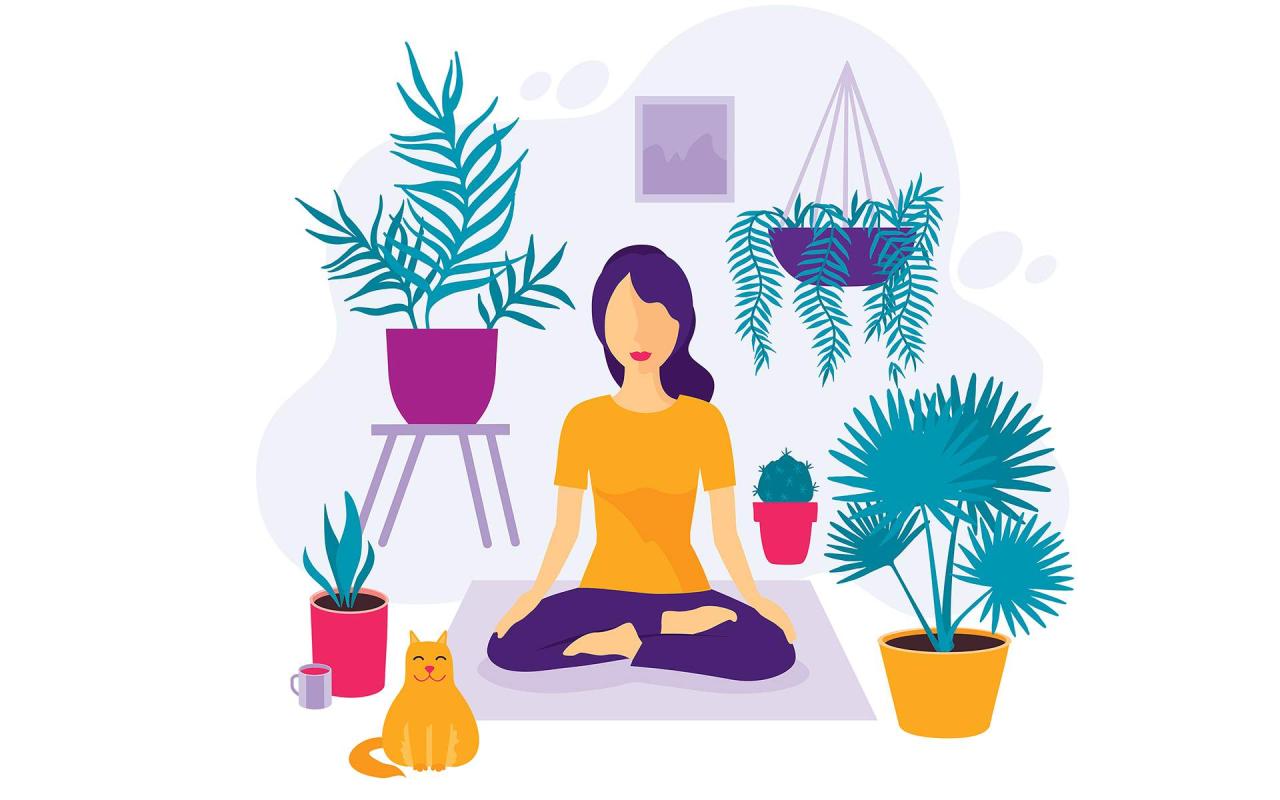
Integrating meditation into a busy schedule is a practical approach to enhance productivity and mental clarity throughout the day. Establishing consistent short meditation sessions can help reduce stress, improve focus, and foster a sense of calm amid hectic routines. By thoughtfully embedding these moments into daily activities, individuals can experience sustained mental benefits without feeling overwhelmed or adding significant time commitments to their schedules.To effectively incorporate meditation into daily routines, it is essential to identify optimal times that align with work or study commitments.
Short, targeted sessions can be seamlessly integrated during breaks, transitions, or specific intervals where mental reset is most beneficial. Consistency is key; even brief daily moments dedicated to meditation can cumulatively lead to notable improvements in productivity and overall well-being.
Methods to Integrate Short Meditation Sessions
Adopting simple and flexible strategies allows for the smooth inclusion of meditation within a busy schedule. Here are effective methods to embed short meditation practices:
- Set specific times during the day, such as morning, mid-morning break, lunch hour, or late afternoon, to dedicate to brief meditation sessions.
- Use technology by setting reminders or alarms with meditation prompts to foster consistency and mindfulness cues throughout the day.
- Allocate 5-10 minutes for focused breathing or mindfulness exercises during transitions between tasks or meetings to clear mental clutter.
- Designate a quiet space at the workplace or study area where you can retreat briefly without interruptions for meditation.
Implementing these methods ensures that meditation becomes a natural and manageable part of daily routines, promoting sustained productivity and mental resilience.
Optimal Times for Meditation During a Busy Day
Strategic timing enhances the effectiveness of meditation and helps in maintaining mental clarity during demanding periods. Some of the most advantageous moments include:
- Morning: Starting the day with meditation sets a positive tone, increases focus, and establishes mental readiness for upcoming tasks.
- Mid-morning break: A short session refreshes focus and alleviates any residual stress from initial work tasks.
- Lunch hour: A midday meditation can serve as a mental reset, preventing fatigue and increasing afternoon productivity.
- Pre- or post-meetings: Brief meditation before or after important meetings reduces anxiety and enhances clarity of thought.
- End of workday: Concluding with meditation helps in detaching from work pressures and promoting relaxation for personal time.
Choosing times that align with natural energy peaks and breaks in daily routines ensures meditation remains sustainable and impactful.
Sample Weekly Meditation Routine for Productivity
Monday: 7:30 AM — 5-minute breathing meditation to start the day with focus.
Tuesday: 10:30 AM — 5-minute mindful stretching and breathing during mid-morning break.
Wednesday: 12:30 PM — 10-minute mindful eating and relaxation during lunch.
Thursday: 3:00 PM — 5-minute body scan meditation to reset energy levels.
Friday: 5:30 PM — 10-minute guided meditation to unwind after work.
This routine demonstrates how short, targeted meditation sessions can be integrated into various points of the day across a typical workweek, fostering continuous mental clarity and productivity enhancement.
Measuring the Impact of Meditation on Productivity
Evaluating the effectiveness of meditation in enhancing productivity is essential for understanding its benefits and making informed adjustments to your routine. By systematically tracking changes in focus, energy levels, and efficiency, individuals can gauge their progress over time and refine their meditation practices to maximize results. Accurate measurement not only sustains motivation but also provides tangible evidence of the value meditation adds to daily work and personal tasks.To effectively assess the impact of meditation on productivity, it is important to employ a combination of self-assessment tools and objective data collection methods.
These strategies help capture nuanced changes in mental clarity, energy, and work output, enabling a comprehensive view of your progress. Regular evaluation fosters continuous improvement and encourages consistency in meditation practices.
Tracking Improvements in Focus, Energy, and Efficiency
Consistent monitoring of these key indicators provides insights into how meditation influences your daily functioning. Improvements in focus can be observed through reduced distractions and increased ability to concentrate on complex tasks. Enhanced energy levels are reflected in feeling more alert and less fatigued during work hours, while increased efficiency manifests as completing tasks more quickly and with higher quality.Tools such as daily logs or digital tracking apps are effective in recording these aspects.
For example, noting specific instances where focus improved or energy surged after meditation sessions can help identify patterns and optimal timing for practice. Additionally, self-reporting scales and periodic evaluations can quantify subjective experiences, providing measurable data to support your observations.
Tools and Journal Formats for Recording Sessions and Productivity
Maintaining a dedicated journal or utilizing specialized apps can streamline the process of tracking meditation and productivity metrics. A structured journal format should include sections for date, duration of meditation, meditation technique employed, perceived mental state before and after the session, and specific productivity outcomes experienced.A simple yet effective journal entry might encompass:
- Meditation Session: Duration, technique, and any notable experiences.
- Focus Level: Rated on a scale from 1 to 10 before and after meditation.
- Energy Levels: Described qualitatively or rated numerically.
- Work Output: Tasks completed, quality assessments, or time taken to complete specific projects.
Digital tools such as habit-tracking apps or productivity platforms can also be customized to include these parameters, providing visual graphs and summaries that facilitate easy analysis over time.
Analyzing Progress and Adjusting Meditation Practices
Regular review of recorded data allows for the identification of trends and the effectiveness of different techniques. If focus and energy levels show consistent improvement, it indicates that the current meditation approach is beneficial. Conversely, stagnation or decline may signal the need for adjustments, such as changing meditation duration, exploring new techniques, or increasing session frequency.Employing a systematic approach to analysis involves:
- Comparing baseline data with periodic assessments to quantify improvements.
- Identifying specific techniques or times of day that correlate with better outcomes.
- Adjusting meditation routines accordingly, perhaps incorporating mindfulness during work breaks or increasing the duration of sessions for sustained benefits.
Flexibility in practice ensures that meditation remains a productive tool tailored to individual needs, fostering continuous growth in focus, energy, and overall work efficiency.
Common Challenges and Solutions
Practicing meditation to enhance productivity can sometimes present obstacles that hinder progress. Recognizing these challenges early on allows individuals to implement effective strategies, ensuring consistent and fruitful meditation sessions. Addressing common issues such as distractions, restless minds, or limited time can significantly improve the quality and benefits of meditation practices aimed at boosting productivity.Meditation for productivity requires focus, discipline, and adaptability.
Although obstacles may arise, developing practical solutions can help maintain momentum and achieve desired outcomes. By understanding typical challenges and employing targeted solutions, practitioners can cultivate a sustainable meditation routine that seamlessly integrates into daily life and yields significant productivity gains.
Common Obstacles in Meditation for Productivity
Many individuals encounter specific difficulties when incorporating meditation into their routines, especially when the goal is to enhance productivity. These obstacles often stem from internal distractions, external environment factors, or time constraints. Recognizing these common issues enables practitioners to approach meditation with informed strategies for overcoming them, leading to more consistent and effective sessions.
Strategies and Tips to Overcome Distractions and Maintain Consistency
Maintaining focus during meditation and establishing a regular practice are essential for achieving productivity benefits. Distractions, whether external (noise, interruptions) or internal (wandering thoughts, restlessness), are frequent hurdles. Implementing practical strategies can help maintain concentration and foster consistency, transforming meditation into a reliable productivity tool.
- Designate a Dedicated Space: Establish a quiet, comfortable area exclusively for meditation to minimize external disturbances and signal to your mind that it’s time to focus.
- Set Specific Times: Consistency is key; schedule meditation sessions at the same time each day to build a habit that aligns with your daily routine.
- Use Guided Meditations: Audio or app-based guidance can help keep you anchored, especially when distractions are prevalent.
- Start with Short Sessions: Begin with manageable durations, such as five to ten minutes, gradually increasing as comfort and focus improve.
- Limit External Interruptions: Turn off notifications, inform colleagues or family members of your meditation time, and create a distraction-free environment.
- Practice Mindfulness Throughout the Day: Incorporate brief mindfulness exercises during work breaks to reinforce focus and reduce internal distractions.
Troubleshooting Methods for Common Issues
Practitioners may encounter specific challenges that require targeted solutions. Below are troubleshooting tips for frequently reported issues such as a restless mind and limited time:
Restless Mind: When thoughts continually intrude, attempting to suppress them can increase agitation. Instead, acknowledge each thought without judgment and gently redirect your focus to your breath or chosen point of focus.
Limited Time: For busy schedules, even brief meditation sessions can be beneficial. Prioritize quality over duration by practicing mindful breathing or quick grounding exercises during short breaks or transitions.
- For Persistent Distractions: Use noise-canceling headphones or find a quieter environment to enhance concentration.
- When Feeling Sleepy or Drowsy: Switch to more invigorating meditation techniques, such as walking meditation or focused attention practices, to maintain alertness.
- In Case of Inconsistent Routine: Use reminders or alarms and track progress to reinforce commitment and identify patterns that disrupt consistency.
- Handling Restlessness: Incorporate gentle stretching or body scan techniques before meditation to release tension and calm the mind.
Advanced Meditation Strategies for Enhanced Productivity

Building upon foundational meditation practices, advanced strategies are designed to deepen mental clarity, enhance focus, and sustain productivity over extended periods. These techniques enable individuals to harness their mental faculties more effectively, ensuring that their meditation practice translates into tangible improvements in work performance and overall efficiency.
Implementing sophisticated meditation methods such as visualization and specialized breathing exercises can significantly elevate one’s capacity for sustained concentration and mental resilience. These practices foster a heightened state of awareness, allowing practitioners to approach complex tasks with increased calmness and clarity. Additionally, refining meditation techniques over time helps in cultivating a more profound sense of inner stability, which is essential for maintaining high levels of productivity amidst daily challenges.
Visualization Techniques Tailored for Productivity
Visualization involves creating vivid mental images of desired outcomes or processes, effectively programming the subconscious mind to achieve specific goals. For productivity enhancement, visualization can be used to simulate successful work sessions, visualize handling challenging tasks with ease, or mentally rehearse effective time management strategies. Regular practice of visualization helps in reinforcing positive habits, boosting confidence, and reducing anxiety associated with complex projects.
Practitioners are encouraged to dedicate a few minutes daily to imagine detailed scenarios of completing their tasks successfully, feeling the sense of achievement and mastery. This mental rehearsal primes the brain for actual performance, aligning subconscious motivations with conscious efforts, leading to improved focus and task execution.
Breathing Exercises for Sustained Mental Clarity
Deep, intentional breathing exercises serve as powerful tools for regulating the nervous system, reducing stress, and enhancing cognitive function. For productivity, breathing techniques such as diaphragmatic breathing, box breathing, or alternate nostril breathing can be tailored to increase alertness and mental sharpness during work sessions or before tackling high-concentration tasks.
These exercises promote oxygen flow to the brain, improve focus, and help manage emotional responses, thereby reducing mental fatigue. Incorporating rhythmic breathing practices into daily routines or prior to important meetings can foster a calm yet alert state, optimizing mental performance throughout the day.
Methods to Deepen Meditation Practice for Sustained Mental Clarity
Deepening meditation involves progressively increasing the duration and complexity of sessions, utilizing advanced techniques to enhance mental clarity and emotional stability. This can include practices such as focused attention on subtle sensations, mantra repetition with increased concentration, or incorporating mindfulness during everyday activities to cultivate continuous awareness.
Practitioners should aim to extend meditation periods gradually, integrating sensory awareness or analytical meditation to explore deeper levels of consciousness. Such efforts lead to a more resilient mental state, greater emotional regulation, and a sustained capacity for high productivity levels even under stress. Regularly engaging in advanced meditation fosters mental fortitude, enabling individuals to maintain clarity in complex or demanding work environments.
Comparison of Beginner vs. Advanced Meditation Approaches for Productivity
| Aspect | Beginner Meditation | Advanced Meditation |
|---|---|---|
| Focus Technique | Breathing awareness or simple body scans | Visualization and analytical focus, sensory exploration |
| Session Duration | 5-10 minutes | 20-60 minutes, with incremental increases |
| Intensity | Basic presence of mind, relaxation | Deep concentration, mental rehearsal, emotional regulation |
| Goals for Productivity | Enhance calmness and basic focus | Boost sustained attention, mental resilience, and goal achievement |
| Practice Complexity | Simple techniques, minimal distractions | Multi-layered methods integrating visualization, breathing, and mindfulness in daily routines |
Ending Remarks

Incorporating meditation into your daily routine offers a powerful means to enhance focus, reduce stress, and optimize your productivity. By understanding various techniques and overcoming common challenges, you can develop a sustainable practice that yields long-term benefits. Embrace these methods with patience and consistency, and watch as your mental clarity and efficiency flourish, transforming your professional and personal life.