Learning how to meditate for confidence offers a transformative approach to enhancing self-belief and overcoming doubts. Through mindful practices, individuals can cultivate a positive self-image and foster inner strength that radiates into various aspects of life. This guide provides insights into effective meditation techniques aimed at boosting confidence, helping you develop a more assured and resilient mindset.
Introduction to Meditation for Confidence
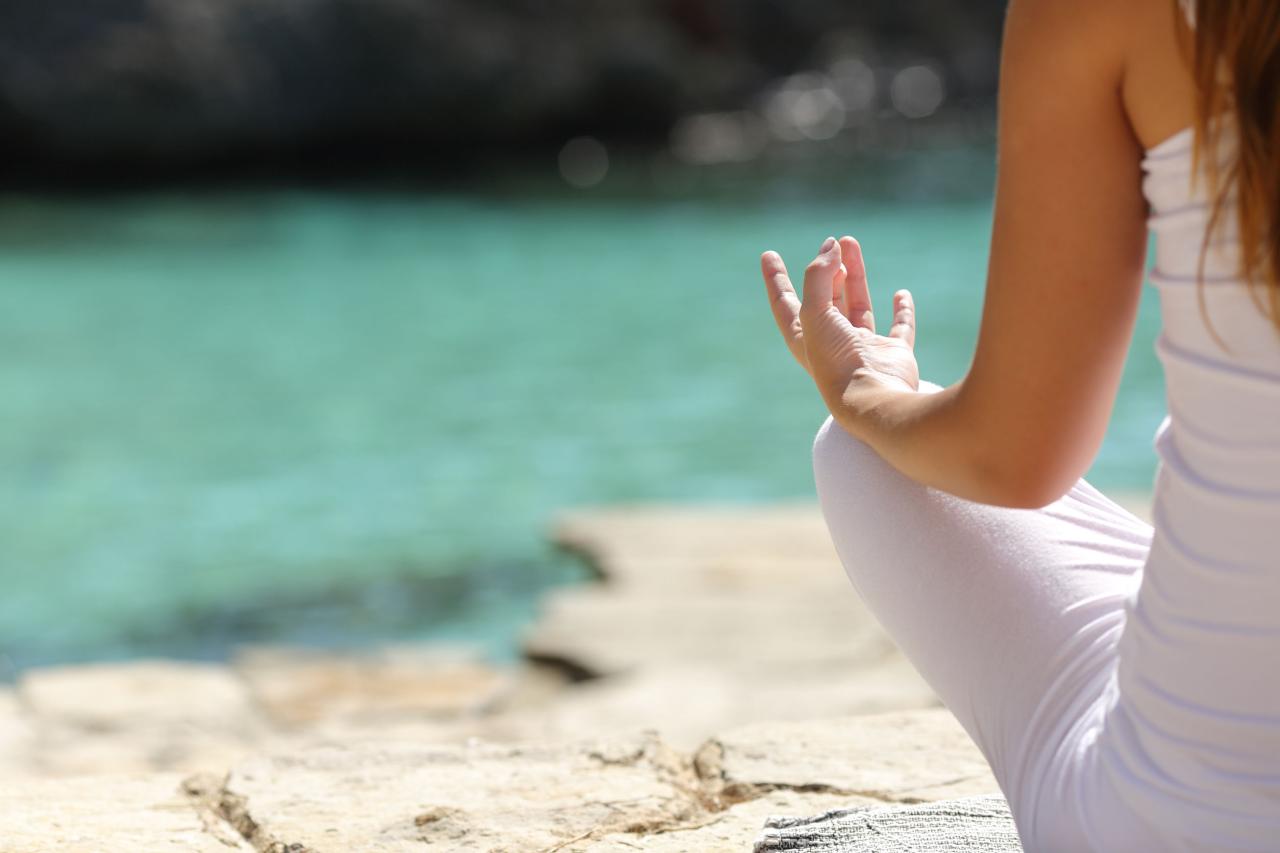
Meditation is a practice rooted in focusing the mind and cultivating a state of heightened awareness and inner calm. When utilized intentionally, meditation can serve as a powerful tool to bolster self-confidence by fostering a deeper understanding of oneself and promoting positive mental states. Through consistent practice, individuals can develop a resilient sense of self-worth that withstands external pressures and internal doubts.
In today’s fast-paced world, cultivating confidence has become essential for personal growth, professional success, and overall well-being. Mindfulness practices, especially meditation, offer a structured approach to overcoming self-doubt, negative self-talk, and feelings of inadequacy. Engaging in meditation helps reframe negative perceptions about oneself, enabling individuals to build a positive self-image grounded in clarity and acceptance. As a result, meditation becomes an accessible, effective approach for nurturing unwavering confidence from within.
The Role of Meditation in Building Self-Confidence
Meditation influences self-confidence by encouraging a compassionate and non-judgmental view of oneself. It facilitates the recognition of automatic negative thoughts and replaces them with affirming, empowering beliefs. Regular meditation can lead to a greater sense of control over one’s thoughts and emotions, reducing anxiety and fear that often undermine confidence.
Through mindfulness, individuals learn to observe their thoughts without attachment or criticism, which diminishes the impact of self-doubt and enhances resilience. Over time, this mental clarity and emotional stability translate into a more positive self-perception, greater assertiveness, and a willingness to embrace new challenges with confidence. The practice of meditation effectively rewires the brain to prioritize self-acceptance and internal strength, laying a solid foundation for sustained confidence in various aspects of life.
Preparing for Meditation Sessions to Boost Confidence

Effective meditation begins with proper preparation, setting the stage for a focused and enriching practice aimed at enhancing confidence. Creating an environment conducive to relaxation and mental clarity allows individuals to fully engage with their meditation, leading to more impactful results. A well-structured approach to preparation can transform a simple meditation session into a powerful tool for self-assurance and personal growth.
Establishing an optimal environment involves attention to various elements that influence concentration and comfort. By thoughtfully organizing the physical space, selecting appropriate tools, and developing a consistent routine, practitioners can foster a positive mindset that supports confidence-building efforts through meditation.
Creating a Conducive Environment for Meditation
To maximize the benefits of meditation focused on confidence, it is essential to select a physical space that minimizes distractions and promotes tranquility. This space should be quiet, free from interruptions, and ideally dedicated solely to meditation or relaxation practices. Natural lighting or soft, ambient illumination can enhance the calming atmosphere, helping to deepen concentration.
Comfort is equally critical for maintaining focus and preventing physical discomfort during meditation sessions. Using supportive seating such as cushions, mats, or ergonomic chairs helps keep the body relaxed, reducing tension that could interfere with mental clarity. Ensuring the environment is tidy and free of clutter further supports mental clarity, allowing the practitioner to focus inward without external disturbances.
Organizing Essential Tools and Aids
Incorporating specific tools and aids into your meditation routine can significantly enhance your experience and effectiveness. These tools serve as anchors or cues that facilitate a deeper state of relaxation and focus, essential for cultivating confidence through meditation.
- Cushions and seating supports: Provide comfort and proper posture, which are vital for sustained meditation without physical strain.
- Calming music or ambient sounds: Soft instrumental music, nature sounds, or white noise can drown out external disturbances and create a peaceful backdrop for meditation.
- Guided recordings or apps: Offer structured sessions that help maintain focus, especially for beginners or those new to confidence-focused meditation practices.
- Essential oils or incense: Subtle aromas like lavender or sandalwood can promote relaxation and mental openness, conducive to confidence-building.
Developing a Routine Schedule and Duration
Consistency is key to experiencing the full benefits of meditation aimed at boosting confidence. Establishing a regular routine helps reinforce positive mental patterns and creates a habit that becomes an integral part of personal development.
Choosing specific times of day, such as early mornings or late evenings, supports a disciplined approach and ensures that meditation becomes a non-negotiable part of daily life. For beginners, starting with shorter sessions—around 10 to 15 minutes—allows for gradual adaptation and prevents overwhelm. As comfort and confidence grow, sessions can be extended to 20-30 minutes, providing ample time for deeper reflection and affirmation practices.
Maintaining a consistent schedule, such as meditating at the same time each day, enhances mental association and facilitates easier entry into a focused state. Utilizing a calendar or reminder system can help solidify this habit and promote ongoing progress in confidence cultivation through meditation.
Guided Meditation Techniques Focused on Confidence

Guided meditation offers a structured approach to cultivating self-confidence by harnessing visualization, affirmations, and mindful breathing. These techniques assist individuals in reinforcing positive beliefs, reducing self-doubt, and fostering a resilient sense of self-worth. Engaging in regular guided sessions can lead to noticeable improvements in confidence levels, both in personal and professional settings.
Below, we explore a step-by-step meditation session designed to boost confidence, provide a script of affirmations to reinforce self-belief, and compare various guided meditation methods tailored for confidence enhancement.
Step-by-Step Guide to a Confidence-Boosting Meditation Session
This structured approach guides you through posture, breathing, and visualization techniques essential for effective confidence-building meditation. Adopting a consistent practice can significantly elevate your self-assurance over time.
- Find a Comfortable Posture: Sit or lie down in a quiet, comfortable space. Keep your back straight to facilitate deep breathing and alertness. Rest your hands on your lap or knees.
- Settle Your Breathing: Close your eyes gently. Focus on taking slow, deep breaths—inhale through your nose for a count of four, hold for a count of two, then exhale through your mouth for a count of six. Repeat this cycle for several minutes to calm your mind.
- Begin Visualization: Imagine yourself in a situation where you feel confident and successful. Visualize every detail—the environment, your posture, your facial expression, and your actions. Feel the emotions of self-assurance and courage permeate your being.
- Inject Positive Affirmations: As you hold this visualization, silently or softly repeat affirmations such as,
“I am confident and capable,”
“I believe in myself,”
or
“Courage flows through me.”
- Gradually Return and Reflect: After several minutes, slowly bring your awareness back to your surroundings. Take a few deep breaths, stretch gently if needed, and open your eyes, carrying the sense of confidence into your day.
Script of Affirmations for Reinforcing Self-Belief and Courage
Developing a set of tailored affirmations is vital for embedding confidence into your subconscious. Repeating these affirmations during meditation helps reprogram negative self-perceptions and fosters a resilient sense of self-worth.
“I am worthy of success and happiness.”
“Every challenge I face makes me stronger.”
“I trust my abilities and decisions.”
“Courage is my natural state.”
“I deserve to succeed and I embrace my potential.”
For best results, incorporate these affirmations into your daily meditation routine, repeating them slowly and with conviction, ideally during visualization exercises.
Comparison of Guided Meditation Methods for Confidence Enhancement
Different guided meditation approaches cater to varying preferences and learning styles. The following table compares four popular methods, highlighting their features, effectiveness, and suitability for confidence building.
| Method | Description | Unique Features | Best For |
|---|---|---|---|
| Mindfulness-Based Guided Meditation | Focuses on present-moment awareness, observing thoughts without judgment, to reduce anxiety and promote self-acceptance. | Enhances self-awareness, reduces negative thought patterns, and cultivates inner calm. | Individuals seeking to develop acceptance and reduce self-criticism. |
| Visualization Meditation | Uses vivid imagery to imagine successful scenarios, fostering feelings of confidence and achievement. | Builds mental rehearsal skills, strengthens belief in personal abilities. | People aiming to prepare mentally for specific events like interviews or presentations. |
| Affirmation-Focused Guided Meditation | Centers on repeating positive affirmations to reprogram subconscious beliefs about oneself. | Reinforces self-belief and courage through repetitive, affirmative language. | Individuals working to overcome self-doubt and build unwavering confidence. |
| Loving-Kindness (Metta) Meditation | Focuses on cultivating compassion towards oneself and others, fostering emotional resilience. | Promotes self-acceptance, empathy, and a positive self-image. | Those seeking to enhance self-compassion and inner strength. |
Visualization and Affirmation Practices
Visualization and affirmations are powerful tools that can significantly enhance confidence when practiced consistently. These techniques help reframe your mindset, reinforce positive beliefs, and create mental images of success, making them essential components of any meditation routine aimed at boosting confidence. Incorporating these practices into your meditation sessions can transform your self-perception, leading to greater self-assurance in social and personal contexts.When you practice visualization and affirmations, you actively engage your subconscious mind, which plays a crucial role in shaping beliefs and behaviors.
Properly structured visualizations and affirmations can help you overcome self-doubt, reduce anxiety, and foster a resilient sense of confidence. When combined with focused breathing and mindfulness during meditation, these techniques become even more effective, creating a fertile mental environment for growth and self-empowerment.
Visualization of Successful Social Interactions and Achievements
Visualization involves creating vivid mental images of yourself succeeding in specific scenarios, allowing your brain to simulate positive experiences. To maximize this technique:
- Begin by finding a comfortable seated position and closing your eyes, taking several deep breaths to center your mind.
- Imagine yourself in a social setting, such as a meeting, a networking event, or a casual gathering. Visualize yourself speaking confidently, maintaining eye contact, and engaging positively with others.
- Focus on sensory details—notice the sounds, the environment, and your own feelings of calm and self-assurance.
- Picture yourself achieving personal goals, such as delivering a successful presentation, completing a project, or receiving recognition. Visualize the process leading up to the achievement, emphasizing your confident actions and positive reactions from others.
- Feel the emotions associated with success—pride, happiness, and confidence—as if the event has already occurred.
- Repeat the visualization regularly, gradually making the images more detailed and immersive to reinforce the sense of achievement.
Powerful Affirmations for Confidence
Affirmations are positive, present-tense statements that reinforce self-belief and confidence. Repeating affirmations during meditation helps to internalize positive messages and counteract negative self-talk. To maximize their effectiveness:
- Choose affirmations that resonate personally and reflect your desired confidence levels.
- Repeat affirmations slowly and mindfully, emphasizing each word to deepen their impact.
- Combine affirmations with deep breathing to enhance focus and emotional resonance.
- Use a variety of affirmations to cover different aspects of confidence, including social skills, self-worth, and resilience.
Sample Affirmations:
- “I am confident and capable in every situation.”
- “I trust myself to handle any challenge with calm and clarity.”
- “My voice is valuable, and I express myself with ease.”
- “Every day, I grow more confident and self-assured.”
- “I deserve success and believe in my abilities.”
Examples of Visualizations and Affirmations
Here are practical examples to integrate into your meditation practice, designed to foster confidence and positive self-perception:
- Visualization: Envision yourself walking into a room with your head held high, receiving warm smiles and positive greetings. Feel the confidence radiating from your posture and demeanor, imagining the positive interactions flowing smoothly.
- Visualization: See yourself at the end of a successful presentation, receiving applause and nods of approval. Visualize the feeling of accomplishment and pride swelling inside you.
- Affirmation: “I am worthy of respect and admiration.”
- Affirmation: “I approach social situations with confidence and ease.”
- Affirmation: “My self-esteem grows stronger every day.”
- Affirmation: “I am resilient in the face of challenges, and I learn from every experience.”
By integrating these visualization and affirmation practices into your meditation routine, you cultivate a mindset rooted in confidence, resilience, and self-belief, laying a strong foundation for personal growth and success.
Developing a Consistent Meditation Habit
Establishing a regular meditation routine focused on building confidence is essential for long-term success. Consistency enhances the effectiveness of meditation practices, allowing individuals to internalize positive affirmations, visualization techniques, and confidence-building exercises. Developing a sustainable habit requires deliberate planning, motivation, and ongoing commitment to integrate meditation seamlessly into daily life.Creating a reliable meditation routine involves identifying optimal times and environments that foster focus and relaxation.
This consistency not only reinforces the mental and emotional benefits but also nurtures discipline and a sense of achievement as the practice becomes an integral part of everyday life. Over time, this disciplined approach helps reinforce self-assurance and resilience, underpinning personal growth and confidence.
Strategies for Integrating Meditation into Daily Routines
Incorporating meditation into daily life can be achieved with thoughtful planning and commitment. The following strategies facilitate seamless integration into both morning and evening routines:
- Designate Specific Times: Selecting consistent times, such as immediately after waking or before bedtime, creates habitual anchors that make meditation a natural part of the day. For example, dedicating 10 minutes each morning fosters a positive mindset that carries into daily activities.
- Create a Dedicated Space: Establishing a quiet, comfortable area free from distractions enhances focus and signals to the brain that it’s time to meditate. This physical environment can serve as a visual reminder and reinforce routine adherence.
- Use Reminders and Alarms: Setting gentle alarms or notifications ensures consistency, especially during busy periods. These prompts serve as cues to pause and engage in meditation, reinforcing the habit over time.
- Pair Meditation with Existing Habits: Linking meditation with daily activities, such as after brushing teeth or during lunch breaks, leverages existing routines to develop consistency without requiring additional effort.
Methods for Tracking Progress and Maintaining Motivation
Monitoring progress and staying motivated are crucial components of cultivating a sustainable meditation habit focused on confidence. The following approaches support ongoing engagement:
- Journaling: Maintaining a meditation journal allows individuals to record daily experiences, feelings of confidence, and insights gained. Reflecting on progress helps identify patterns and reinforces commitment.
- Use of Meditation Apps: Many apps offer tracking features, reminders, and guided sessions. These tools provide visual progress charts and motivational badges that encourage continued practice.
- Setting Achievable Milestones: Breaking down long-term goals into smaller, measurable steps, such as meditating five days in a row or increasing session duration gradually, fosters a sense of accomplishment.
- Seeking Support and Accountability: Joining meditation groups or sharing goals with friends creates accountability. Social support enhances motivation and provides encouragement during challenging periods.
Procedural for Establishing a Long-term Meditation Habit Focused on Confidence
A systematic approach ensures the development and sustenance of a meditation practice centered on building confidence:
- Define Clear Objectives: Clarify specific confidence goals, such as reducing self-doubt or enhancing assertiveness, which guide the meditation focus.
- Choose Suitable Techniques: Select meditation methods that resonate personally, including visualization and affirmation practices, to reinforce confidence-building themes.
- Develop a Routine Schedule: Commit to designated times and durations, starting with manageable sessions (e.g., 5-10 minutes daily) and gradually increasing as comfort grows.
- Implement Monitoring Systems: Use journals or digital tools to record daily practices, emotional states, and confidence levels, facilitating self-assessment and adjustments.
- Incorporate Flexibility and Patience: Recognize that consistency develops over time; adapt routines as needed while maintaining core commitments to foster resilience and perseverance.
- Celebrate Milestones: Acknowledge progress, such as completing a month of daily practice, to reinforce positive behavior and motivate ongoing engagement.
Overcoming Challenges in Meditation for Confidence
Embarking on a meditation journey to enhance confidence often involves navigating various obstacles that can hinder progress. Recognizing and addressing these challenges is essential to maintain a steady practice and maximize the benefits. While obstacles like distractions, impatience, or emotional barriers are common, applying targeted strategies can help deepen your meditation experience and foster lasting self-assurance.Distractions and impatience are among the most prevalent hurdles faced during meditation sessions.
External noises, intrusive thoughts, or restless feelings can divert focus and diminish the effectiveness of your practice. Emotional barriers such as self-doubt, frustration, or feelings of inadequacy may also surface, making it difficult to remain committed or open to change. Overcoming these challenges requires both mental resilience and practical adjustments to your approach, allowing you to sustain a consistent meditation routine aimed at building confidence.
Strategies to Deepen Focus and Sustain Meditation Practice
Effective techniques to enhance concentration and foster perseverance in meditation involve employing practical tools and mindset shifts. To minimize external distractions, creating a dedicated, quiet space for practice can significantly improve focus. Using background sounds such as gentle nature noises or soft instrumental music can also help block out sudden noises and establish a calming environment.Practicing mindful breathing exercises can serve as anchors, guiding your attention back when scattered thoughts arise.
For example, focusing on the sensation of each inhale and exhale helps anchor your mind in the present moment, reducing the influence of wandering thoughts. Setting realistic expectations, such as starting with shorter sessions and gradually increasing duration, can help manage impatience and build confidence over time.To deepen focus:
- Implement focused breathing techniques, such as diaphragmatic or box breathing, to enhance concentration.
- Use guided meditations that reinforce specific themes related to confidence, keeping your attention engaged.
- Employ gentle reminders or timers to establish a consistent meditation schedule, fostering discipline and habit formation.
Maintaining consistency is crucial; therefore, establishing a daily routine at the same time each day cultivates discipline and signals your mind and body to anticipate meditation as a regular practice. Journaling post-meditation reflections can also reinforce progress, helping you recognize small achievements and stay motivated.
Adapting Meditation Practices for Emotional and Mental Barriers
When emotional or mental barriers arise, adapting your meditation approach ensures continued growth without feeling overwhelmed. Techniques such as Loving-Kindness Meditation (Metta) can cultivate compassion towards oneself, easing feelings of self-doubt or shame that impede confidence-building.In cases of intense emotional distress, shorter, more frequent sessions may be more effective than lengthy practices, allowing for gradual adjustment and emotional processing. Incorporating body-awareness exercises, such as progressive muscle relaxation, can help release physical tension associated with stress or anxiety, making it easier to settle into meditation.For persistent mental barriers like negative thought patterns, cognitive reframing during meditation can be beneficial.
Instead of fighting intrusive thoughts, acknowledge them non-judgmentally and gently redirect focus to affirmations or visualizations related to confidence. If emotional barriers seem overwhelming, seeking support from mental health professionals alongside meditation can provide additional tools to address underlying issues effectively.
Recognizing that obstacles are part of the journey allows you to approach each challenge with patience and compassion, fostering resilience and deeper confidence over time.
Enhancing Confidence through Advanced Meditation Practices
Building upon foundational meditation techniques, advanced practices incorporate deeper mental and emotional engagement to foster a more profound sense of confidence. These methods not only reinforce positive self-perceptions but also cultivate resilience, compassion, and self-awareness, which are essential for enduring confidence in various aspects of life.
Integration of mindfulness, compassion, and self-love meditations offers a comprehensive approach to reinforcing confidence. These practices enable individuals to develop a nurturing inner dialogue, reduce self-criticism, and embrace their authentic selves. By delving into complex visualization exercises and refining meditation techniques, practitioners can elevate their confidence levels more effectively and sustainably.
Integration of Mindfulness, Compassion, and Self-Love Meditations
These advanced meditations focus on cultivating a compassionate relationship with oneself, fostering acceptance, and enhancing emotional resilience. Mindfulness meditation encourages present-moment awareness, allowing individuals to observe their thoughts and feelings without judgment, which reduces anxiety and self-doubt. Compassion meditation involves directing kind and caring thoughts towards oneself and others, nurturing a sense of interconnectedness and self-worth. Self-love practices emphasize affirming personal value, promoting positive self-image, and diminishing negative self-perceptions.
Practicing these meditations regularly can lead to a profound shift in inner dialogue, transforming self-criticism into self-acceptance. For example, engaging in loving-kindness meditation—sending goodwill and positive wishes to oneself—strengthens emotional stability, which underpins confidence. Over time, these integrations foster a resilient mindset capable of facing challenges with assurance and grace.
Advanced Visualization Exercises Targeting Confidence
Complex visualization exercises involve creating vivid, multisensory mental images that simulate successful scenarios and embody confidence. These exercises go beyond simple mental rehearsals, engaging the imagination deeply to reinforce neural pathways associated with self-assured behavior.
Example Exercise: Visualize a specific situation where you need to display confidence, such as delivering a presentation or speaking in a social setting. Imagine yourself entering the scene with a sense of calm and self-assurance. Envision the environment in detail—the colors, sounds, and sensations around you. Picture yourself speaking clearly, maintaining eye contact, and receiving positive reactions from others. Engage all your senses to make this visualization as realistic as possible, reinforcing neural associations with confident behavior.
“The mind responds powerfully to vivid mental imagery, making visualization an essential tool for transforming confidence levels.”
Such exercises can include imagining oneself overcoming obstacles, confidently embracing new opportunities, or achieving personal goals. Repeating these visualizations regularly rewires subconscious beliefs, fostering a robust sense of self-confidence that extends into everyday life.
Comparison of Beginner and Advanced Meditation Techniques for Confidence Building
Below is a comparative overview illustrating the differences between basic and advanced meditation techniques, highlighting their approach, depth, and potential impact on confidence development.
| Aspect | Beginner Techniques | Advanced Techniques |
|---|---|---|
| Focus | Breathing awareness and simple body scans | Deep emotional and mental engagement, complex visualizations |
| Duration | 5-10 minutes per session | 20-30 minutes or more per session |
| Approach | Mindfulness of breath and sensations | Incorporation of compassion, self-love, and detailed visualization |
| Impact | Basic stress reduction, initial confidence boost | Deep-seated confidence, resilience, and emotional balance |
| Complexity | Low; suitable for beginners | High; suitable for experienced practitioners |
Conclusive Thoughts
Incorporating meditation into your daily routine is a powerful step toward sustained confidence and self-assurance. By consistently practicing visualization, affirmations, and mindfulness, you can overcome obstacles and reinforce a positive self-view. Embrace these techniques to unlock your true potential and foster lasting inner confidence.