Understanding how to meditate for relationships offers a valuable pathway to strengthening emotional bonds and fostering deeper understanding among loved ones. Meditation techniques tailored to relationship building can serve as powerful tools for nurturing trust, compassion, and harmony in various types of connections, including romantic, familial, and platonic. By integrating mindful practices into daily life, individuals can cultivate a more empathetic and supportive environment that benefits everyone involved.
This comprehensive guide explores practical steps to prepare for effective meditation, various techniques focused on love and gratitude, and strategies to incorporate these practices into everyday routines. Additionally, it addresses common challenges and provides solutions to maintain enthusiasm and emotional awareness, ensuring sustained growth in relationships through mindful meditation.
Introduction to Meditation for Relationships
Meditation has long been recognized as a powerful tool for fostering personal growth and emotional well-being. When applied to relationships, meditation serves as a means to deepen emotional bonds, improve communication, and cultivate empathy. By dedicating time to mindful reflection, individuals can better understand their own feelings and become more attuned to the needs and perspectives of others, thereby strengthening interpersonal connections.
Engaging in meditation specifically tailored for relationships allows partners, family members, and friends to nurture their bonds in a mindful and intentional manner. This practice not only promotes relaxation but also enhances emotional resilience, patience, and compassion—all essential qualities for healthy and supportive relationships. As a result, meditation becomes an invaluable practice for creating a more harmonious and empathetic environment within various social bonds.
Significance of Meditation in Enhancing Personal Relationships
Meditation plays a vital role in improving the quality of personal relationships by fostering emotional awareness and self-regulation. When individuals meditate regularly, they develop greater mindfulness, which helps them respond to relationship challenges with calmness and clarity rather than reactive impulses. This emotional regulation minimizes conflicts and misunderstandings, paving the way for more constructive interactions.
Moreover, meditation cultivates a deep sense of presence and attentiveness, which are crucial for fostering genuine connections. By being fully present during interactions, individuals can listen more mindfully and respond with greater empathy and compassion. Such qualities are foundational to building trust and intimacy within romantic, familial, and platonic relationships.
Benefits Specific to Romantic, Familial, and Platonic Bonds
Understanding the unique benefits meditation offers to different types of relationships highlights its versatility as a tool for emotional growth and connection.
| Type of Relationship | Specific Benefits of Meditation |
|---|---|
| Romantic Bonds |
|
| Familial Bonds |
|
| Platonic Bonds |
|
“Regular meditation practice cultivates a compassionate heart and an attentive mind—both essential for nurturing healthy relationships in all areas of life.”
Preparing for Meditation Practice
Establishing the right environment and mindset is essential for effective relationship-focused meditation. Proper preparation ensures that your practice becomes a meaningful and transformative experience, fostering emotional healing and deeper connection with your partner or loved ones. Cultivating a calm, open, and receptive state of mind allows you to engage fully with the meditation, enhancing its benefits for your relationship.
Preparation involves both physical arrangements and mental adjustments. Creating a peaceful setting minimizes distractions and invites relaxation. Simultaneously, fostering a mindset of openness and compassion prepares you to connect on a deeper emotional level, allowing the meditation to serve as a bridge toward understanding, forgiveness, and love.
Creating a Conducive Environment for Relationship-Focused Meditation
Designing an environment that promotes tranquility enhances the quality of your meditation session. Choose a space that is quiet, free from interruptions, and comfortable. Dim lighting or natural sunlight can help set a calming atmosphere. Consider using elements such as soft cushions, blankets, or rugs to make the space inviting and cozy. Remove electronic devices or switch them to silent mode to prevent disturbances.
If possible, incorporate calming scents like lavender or chamomile using diffusers or essential oils, which can soothe the mind and body.
Maintaining a consistent practice space helps reinforce a sense of safety and familiarity, encouraging deeper engagement during meditation sessions. If practicing with a partner, decide together on a designated spot that feels neutral and peaceful for both of you, fostering shared intention and connection.
Cultivating a Mindset Open to Emotional Healing and Connection
A receptive and compassionate mindset is fundamental for relationship-centered meditation. Begin by setting a clear intention to foster love, understanding, and healing within the relationship. Practice mindfulness and self-awareness to identify any emotional barriers, such as resentment, fear, or judgment, that may hinder your openness. Incorporate gentle breathing exercises to anchor your attention and calm the nervous system, facilitating emotional regulation.
Adopt a non-judgmental attitude towards your feelings and those of your partner. Remind yourself that emotional healing is a process, and patience is key. Emphasize qualities like empathy, acceptance, and forgiveness, which can deepen connection and promote vulnerability. Throughout your practice, maintain a gentle curiosity about your inner experiences and the dynamics of your relationship, allowing for authentic emotional exchange and growth.
Materials and Tools for Relationship Meditation Practice
Having the right materials can significantly enhance your meditation experience. Below is a list of commonly used items, their purposes, and tips on how to utilize them effectively:
| Item | Purpose | How to Use | Tips |
|---|---|---|---|
| Cushions or Meditation Mat | Provides comfort and proper posture during meditation | Place on a flat, stable surface; sit cross-legged or in a comfortable position | Use supportive cushions to elevate hips, reducing strain on knees and back |
| Calming Music or Nature Sounds | Creates a soothing ambiance to deepen relaxation | Play softly in the background, ensuring it does not distract | Select instrumental or ambient tracks; keep volume low and consistent |
| Guided Meditation Scripts | Offers structured guidance for focused practice | Read aloud or listen to recordings during your session | Choose scripts that emphasize compassion, connection, and emotional healing |
| Essential Oils or Aromatherapy Diffuser | Enhances mood and promotes relaxation | Add a few drops of calming essential oil to the diffuser or directly to a tissue | Opt for scents like lavender, chamomile, or frankincense for stress relief |
Creating the right environment and mindset sets the foundation for meaningful meditation, fostering emotional openness and strengthening relationship bonds.
Techniques for Meditating on Relationships
Practicing meditation focused on relationships enhances emotional connection, empathy, and understanding between partners or loved ones. These techniques help cultivate positive feelings such as love, trust, and compassion, creating a nurturing mental environment that supports healthy interactions and emotional resilience.
By engaging in specific visualization and mindfulness exercises, individuals can deepen their connection with others, release relationship tensions, and foster qualities that promote harmonious relationships. The following methods provide practical approaches to integrate meditation into your relational life, strengthening bonds and promoting emotional well-being.
Focusing on Feelings of Love, Trust, and Compassion
Centering your meditation on these foundational emotions involves intentionally directing your awareness toward uplifting qualities that sustain healthy relationships. Concentrating on feelings of love, trust, and compassion can transform negative or stressful interactions into opportunities for growth and understanding.
During meditation, focus on recalling specific moments when you experienced genuine love and trust. Visualize these moments vividly, paying attention to the emotions and sensations involved. Allow feelings of compassion to naturally arise by silently offering kind thoughts and benevolent intentions toward your partner or loved ones. Repeating affirmations such as
“May we both experience love, trust, and understanding”
can reinforce this focus.
Guided Imagery Exercises to Promote Empathy and Understanding
Guided imagery fosters empathy by encouraging you to visualize your loved ones’ experiences and perspectives. These exercises enable a deeper emotional connection and cultivate understanding beyond words.
Begin by closing your eyes and taking slow, deep breaths. Imagine a loved one, visualizing their face, posture, and expressions. Picture yourself in their position, observing their feelings, challenges, and joys. Imagine the environment they are in and the emotions they might be experiencing. As you deepen this visualization, silently send them compassion and understanding, wishing them well-being and happiness.
This process nurtures empathy and strengthens emotional bonds.
Sequence of Mindfulness Practices for Releasing Relationship Stress
Implementing a series of mindfulness techniques can effectively release tension accumulated within relationships and foster positive energy. These practices help you become aware of negative thought patterns and emotional triggers, allowing for conscious release and renewal.
- Begin with breath awareness—sit comfortably and focus solely on the sensation of your breathing, observing each inhale and exhale to center your mind.
- Practice body scans to identify areas of tension or discomfort. As you notice these sensations, consciously breathe into those regions, imagining stress melting away.
- Engage in loving-kindness meditation, silently repeating phrases such as
“May I be free from stress” and “May my relationships be filled with peace and understanding.”
This promotes emotional release and positive intentions.
- Visualize negative emotions as dark clouds or tangled threads, then imagine these elements dissipating or unraveling as positive energy flows into your being.
Methods for Visualizing Desired Relationship Qualities
Visualization techniques foster the manifestation of qualities such as trust, harmony, and mutual respect within relationships. By vividly imagining these qualities, you reinforce positive intentions and create mental pathways conducive to healthier interactions.
Start by finding a comfortable seated position and closing your eyes. Picture your ideal relationship scenario, emphasizing qualities like open communication, trust, and affection. Visualize sharing joyful moments, effective listening, and mutual support. Incorporate sensory details—how your partner’s smile looks, the warmth of their touch, or the soothing sounds of your shared environment. Repeat affirmations such as
“I cultivate trust and openness in my relationships”
. Regular practice of these visualizations can influence your mindset and behavior positively, aligning your intentions with real-life actions.
Specific Meditation Practices for Relationship Improvement
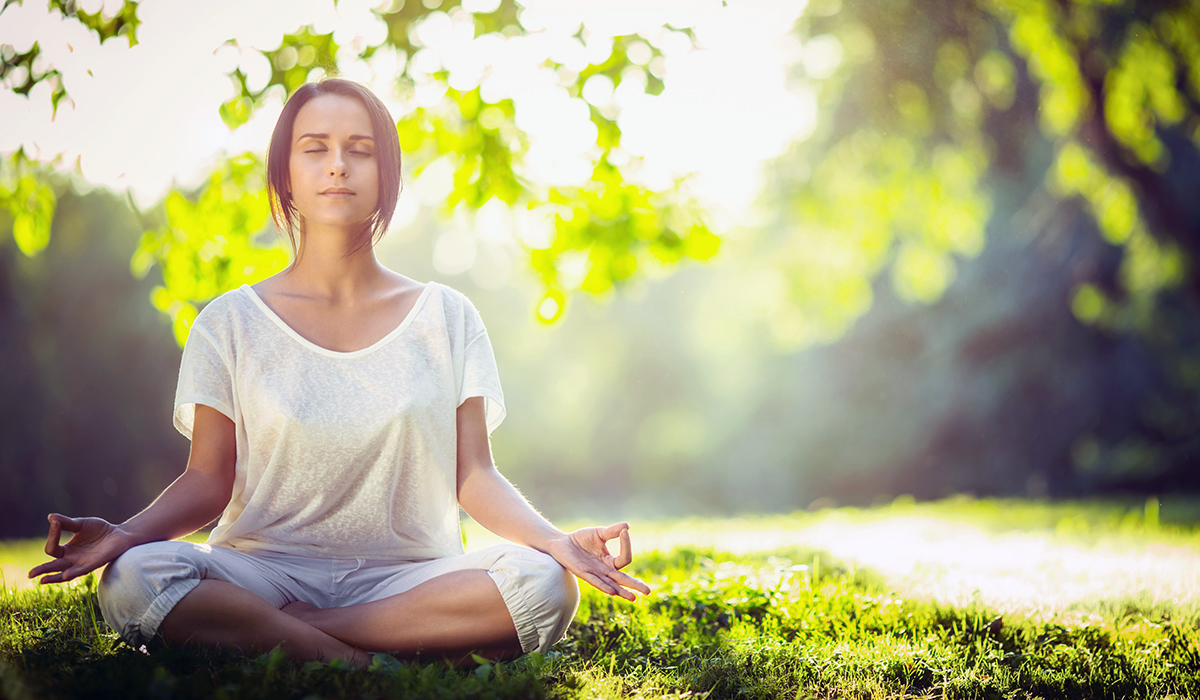
Engaging in targeted meditation techniques can significantly enhance the quality of relationships by fostering understanding, compassion, and emotional resilience. These practices help individuals connect more deeply with loved ones, promote forgiveness, and cultivate a sense of appreciation that strengthens bonds over time.
Implementing specific meditation routines tailored to relationship healing can create a foundation for healthier communication, empathy, and mutual support. Below are detailed practices designed to nurture these qualities and provide a pathway toward more harmonious connections.
Loving-Kindness (Metta) Meditation for Relationship Healing
Metta meditation is a powerful practice focused on cultivating unconditional love and compassion towards oneself and others. When directed towards relationships, it helps dissolve feelings of resentment, fosters forgiveness, and opens pathways for emotional healing.
Follow these step-by-step instructions to incorporate loving-kindness meditation into your relationship improvement efforts:
- Find a quiet and comfortable space. Sit or lie down in a relaxed position, ensuring your posture is upright yet comfortable.
- Close your eyes and take several deep, calming breaths. Focus on the sensation of breathing to center your mind.
- Begin by cultivating loving-kindness towards yourself. Silently repeat phrases such as:
“May I be happy. May I be healthy. May I be safe. May I live with ease.”
- Visualize someone you love or care about. Send thoughts of kindness and well-being to this person using similar phrases:
“May you be happy. May you be healthy. May you be safe. May you live with ease.”
- Expand your focus to include others, including those with whom you have conflicts or difficulties. Repeat the phrases, extending your wishes for happiness and safety to all beings, especially those involved in your relationships.
- Conclude the practice by silently wishing yourself and everyone else continued peace and love, then gradually return to your normal awareness.
This routine can be practiced daily, especially during moments of emotional tension, to foster forgiveness, empathy, and deepened love in relationships.
Gratitude Meditation for Appreciating Loved Ones
Expressing gratitude through meditation reinforces positive feelings and appreciation for loved ones. This practice helps shift focus from conflicts or negativity to acknowledgment of the support, kindness, and presence of those around us.
Structured gratitude meditation involves intentionally focusing on specific qualities or actions of loved ones and expressing heartfelt thanks. This process enhances emotional bonds and nurtures mutual respect.
- Begin in a comfortable seated position in a quiet environment. Close your eyes and take several deep breaths to center yourself.
- Focus your attention on a particular loved one. Visualize their face, recalling specific moments, gestures, or qualities you appreciate.
- Silently or verbally express gratitude. Use phrases such as:
“Thank you for your kindness and support. I appreciate your presence in my life. I am grateful for your understanding and love.”
- Expand your gratitude to include other loved ones or the collective support network. Reflect on their positive influences and the ways they enrich your life.
- Continue this practice for several minutes, immersing yourself in feelings of appreciation and love. Feel these emotions deeply and let them fill your heart.
- End the session with a moment of silent acknowledgment for the importance of these relationships in your life.
Incorporating gratitude meditation regularly can deepen emotional connections and promote a more positive outlook in your interactions with loved ones.
Comparison Chart of Different Meditation Techniques for Relationship Focus
Various meditation practices serve different purposes and offer unique benefits in the context of relationship improvement. The following table summarizes popular techniques, highlighting their focus areas, benefits, and typical durations:
| Technique | Focus Area | Benefits | Duration |
|---|---|---|---|
| Body Scan | Physical sensations and tension release | Reduces stress, enhances body awareness, promotes emotional regulation | 20-30 minutes |
| Breathing Exercises | Breath regulation and calmness | Decreases anxiety, improves focus, fosters emotional stability | 10-15 minutes |
| Visualization | Creating positive mental images | Builds compassion, enhances positive emotions, supports healing | 15-20 minutes |
| Loving-Kindness (Metta) | Developing compassion and love | Reduces negative emotions, increases empathy, promotes forgiveness | 15-20 minutes |
Choosing the appropriate technique depends on your specific relationship goals and personal preferences. Combining different practices can lead to more comprehensive benefits and deeper emotional healing.
Integrating Meditation into Daily Relationship Routines
Maintaining a healthy and harmonious relationship requires consistent effort and mindful interaction. Incorporating meditation into everyday routines can significantly enhance emotional connection, communication, and mutual understanding. Even with busy schedules, establishing short but meaningful meditation practices helps nurture the relationship, promoting patience, empathy, and affection. Making meditation a regular part of daily life creates a foundation for ongoing growth and emotional resilience for both individuals and couples.Integrating meditation into daily routines involves practical strategies that accommodate busy lifestyles while fostering ongoing relationship development.
These approaches can be tailored to fit personal schedules and shared goals, ensuring consistency and meaningful engagement. By thoughtfully embedding mindfulness practices into everyday moments, couples or individuals can sustain the benefits of meditation, leading to stronger bonds and increased relationship satisfaction.
Incorporating Short Meditation Sessions into Busy Schedules
Adapting meditation practices to fit into a hectic lifestyle is essential for consistent practice. Short, focused sessions of 5 to 10 minutes can be highly effective when integrated into daily routines. These brief moments serve as reminders to center oneself, promote emotional balance, and cultivate mindfulness within the context of the relationship.Some practical procedures include:
- Designating specific times during the day, such as immediately after waking or before bedtime, for a quick meditation that centers attention and sets a positive tone or winds down the day.
- Using existing routines—like during a commute, a lunch break, or while waiting in line—to practice mindful breathing or visualization exercises that enhance emotional clarity and patience.
- Creating a dedicated space at home, such as a cozy corner or a specific chair, where both partners can quietly meditate separately or together, reinforcing the habit and association with relationship growth.
To maximize effectiveness, set gentle reminders or alarms, and keep meditation sessions simple and accessible to prevent feeling overwhelmed or discouraged.
Methods for Couples or Groups to Meditate Together
Shared meditation practices can strengthen emotional bonds, improve communication, and foster mutual understanding. Practicing together creates a sense of unity and shared purpose, reinforcing positive relationship dynamics.Some effective methods include:
- Guided Partner Meditation: Sitting facing each other, partners can take turns guiding each other through mindfulness exercises, such as breathing synchronously or focusing on shared intentions.
- Mutual Mindfulness Practice: Engaging in simultaneous silent meditation, maintaining eye contact or simply sitting together in silence, helps establish a sense of presence and connection.
- Affirmation Sharing Sessions: Concluding a shared meditation with affirmations or expressions of appreciation enhances emotional intimacy and reinforces positive interactions.
These practices, when performed regularly, promote empathy, reduce misunderstandings, and deepen trust between partners or group members.
Examples of Affirmations and Explanations for Shared Meditation
During shared meditation sessions, using specific affirmations and explanations can deepen the experience and focus on relationship growth. Clear, heartfelt statements cultivate positive emotions and align intentions.Examples include:
- Affirmation: “We are open to understanding each other with patience and kindness.”
- Affirmation: “Our connection is rooted in mutual respect and love.”
- Explanation: “This practice helps us become aware of our feelings and intentions, creating space for compassion and harmony.”
Encourage each person to personalize affirmations based on their relationship goals, such as fostering trust, reducing conflicts, or enhancing intimacy.
Setting Intentions for Relationship Harmony Before Meditation Sessions
Setting a clear intention prior to meditation helps focus energy and reinforces desired relationship qualities. Intentions serve as guiding principles that shape interactions and emotional responses during daily life.Effective procedures for setting intentions include:
- Beginning with a moment of quiet reflection to identify specific relationship goals, such as increased patience, better communication, or emotional availability.
- Formulating concise, positive statements that encapsulate these goals, for example, “Today, I will listen with an open heart” or “We aim to support each other’s growth.”
- Repeating these intentions silently or aloud before each meditation session to anchor focus and align actions with these aspirations.
- Visualizing the relationship thriving in harmony, imagining scenarios where mutual understanding and love flourish, reinforcing the intention.
Regularly revisiting and refining these intentions ensures ongoing growth and helps maintain a mindful approach to daily relationship interactions.
Overcoming Challenges in Relationship Meditation

Meditation for relationships offers profound benefits, yet practitioners often encounter obstacles that can hinder progress. Recognizing and addressing these challenges is crucial for maintaining a consistent and effective practice. By understanding common hurdles and implementing practical strategies, individuals and couples can deepen their emotional connection and enhance their relationship through meditation.Emotional resistance, distractions, and fluctuating motivation are typical barriers faced during relationship-focused meditation.
Overcoming these challenges requires a combination of self-awareness, patience, and adaptive techniques. Developing resilience against interruptions helps sustain a regular practice, enabling individuals to experience sustained emotional growth and relationship improvement.
Addressing Emotional Resistance and Distraction
Discomfort or resistance often arises when confronting difficult feelings or memories related to the relationship. Similarly, external distractions such as noise, interruptions, or wandering thoughts can disrupt meditation sessions. The following strategies can help mitigate these issues:
To manage emotional resistance:
- Practice self-compassion: Acknowledge difficult feelings without judgment, understanding that resistance is a natural part of growth.
- Use gentle acknowledgment: When confronting uncomfortable emotions, gently observe them rather than suppressing or avoiding them. This fosters acceptance and emotional clarity.
- Gradual exposure: Start with short meditation sessions focusing on positive or neutral relationship aspects, progressively increasing the duration as comfort grows.
To minimize distractions:
- Create a dedicated space: Establish a quiet, comfortable environment where interruptions are minimized.
- Set a routine: Meditate at the same time daily to build consistency and signal to your mind that it’s time for focused practice.
- Use guided meditations: Audio recordings or scripts can help maintain focus and provide structure, especially for beginners.
Maintaining Consistency and Motivation
Sustaining motivation is vital for experiencing the long-term benefits of relationship meditation. Variations in daily life, busy schedules, or waning enthusiasm can challenge regular practice. The following approaches support ongoing commitment:
Strategies to foster consistency include:
- Set realistic goals: Establish achievable meditation durations and frequencies, gradually increasing as habits strengthen.
- Integrate into daily routines: Pair meditation sessions with existing habits, such as after waking or before sleep, to reinforce consistency.
- Track progress: Maintain a journal or use apps to record sessions, providing visual motivation and accountability.
- Join supportive communities: Engaging with groups or partners who share similar goals can boost motivation and provide encouragement.
Motivational techniques include:
- Visualize positive outcomes: Regularly remind oneself of the benefits, such as improved communication and emotional intimacy.
- Acknowledge small wins: Celebrate milestones, like consistent practice for a week or successful emotional awareness during sessions.
- Practice patience: Recognize that development is gradual; persistence yields meaningful improvements over time.
Deepening Emotional Awareness and Managing Difficult Feelings
Developing emotional awareness enhances the effectiveness of relationship meditation by allowing deeper understanding and acceptance of oneself and the partner. Handling difficult feelings requires specific techniques to prevent overwhelm and foster constructive processing.
Techniques for deepening emotional awareness include:
- Body scan meditation: Focus attention sequentially on different parts of the body to identify areas of tension or emotional charge, promoting mindfulness of emotional states.
- Labeling emotions: Internally name feelings as they arise—such as frustration, sadness, or anxiety—to create psychological distance and clarity.
- Mindful breathing: Use breath awareness to anchor attention during intense emotional moments, reducing reactivity and fostering calmness.
Managing difficult feelings during meditation involves:
- Acceptance and non-judgment: Observe challenging emotions without self-criticism, allowing them to pass naturally.
- Use of compassionate imagery: Visualize sending kindness and understanding toward oneself and the partner, fostering emotional healing.
- Seeking professional support: For persistent or overwhelming feelings, consulting a therapist can provide additional tools and guidance.
“Consistency in meditation, combined with compassionate awareness, transforms emotional obstacles into opportunities for growth and stronger connections.”
Epilogue

Incorporating meditation into your relationship practices offers a meaningful way to enhance emotional intimacy and resolve conflicts with clarity and compassion. By consistently applying the techniques discussed, you can create a supportive environment where love, trust, and understanding flourish. Embracing this mindful approach not only benefits individual well-being but also nurtures the foundation of every meaningful relationship in your life.