Embarking on the journey to open the third eye through meditation offers a profound path toward enhanced spiritual awareness and inner clarity. This practice is rooted in ancient traditions and has gained recognition for its ability to foster intuition, insight, and a deeper connection to oneself and the universe. Understanding how to effectively meditate for third eye opening can transform your spiritual experience and lead to personal growth.
This guide provides comprehensive techniques, preparation tips, and supportive practices to facilitate the activation of the third eye. From creating an optimal environment to employing powerful mantras and visualizations, each step is designed to deepen your meditative experience and unlock your inner potential.
Introduction to meditation for third eye opening
The third eye, often referred to as the sixth chakra or the ajna chakra in spiritual traditions, holds profound significance in enhancing intuition, spiritual perception, and inner wisdom. Situated between the eyebrows, this energetic center acts as a gateway to higher consciousness and deeper self-awareness. Recognizing its importance, many practitioners turn to meditation as a means to activate and open the third eye, fostering spiritual growth and expanded perception.
Meditation serves as a powerful tool in facilitating third eye activation by calming the mind, aligning inner energies, and directing focused awareness toward this subtle energy center. Through consistent practice, individuals can experience heightened intuition, clarity of thought, and a greater sense of connection with their inner selves and the universe. The journey of third eye awakening through meditation often leads to a transformative experience, enriching one’s spiritual understanding and personal development.
Benefits of opening the third eye
Opening the third eye brings a multitude of benefits that influence both spiritual and everyday aspects of life. It enhances intuitive abilities, allowing individuals to perceive beyond the physical senses and access higher realms of consciousness. This heightened perception can lead to better decision-making, increased creativity, and a deeper understanding of life’s mysteries.
Furthermore, an active third eye promotes mental clarity, emotional stability, and greater inner peace. It can assist in overcoming mental fog, reduce stress, and foster a sense of interconnectedness with the world. Many who have experienced third eye awakening report a profound sense of spiritual awakening, a clearer perception of their purpose, and an overall enhancement in their quality of life.
The journey toward opening the third eye is often associated with increased consciousness, spiritual insight, and a more harmonious existence.
Preparing for Third Eye Meditation
Embarking on the journey to activate the third eye requires a thoughtful approach to your environment, posture, and mental state. Proper preparation sets the foundation for a deep, focused meditation session that can enhance your intuitive abilities and spiritual awareness. By creating a conducive setting and adopting suitable physical and mental habits, you can facilitate a more effective and enjoyable meditation experience.A well-prepared environment minimizes external distractions and promotes a sense of calm and serenity.
Coupled with correct posture and physical readiness, these elements enable you to enter a meditative state with ease, allowing your mind to relax and your consciousness to expand. Attention to detail in preparation ensures that your efforts are focused and that your energy is directed toward unlocking the potential of your third eye.
Ideal Environment and Setting for Meditation Sessions
Creating an optimal environment is crucial for deep meditation. The space should be quiet and free from interruptions, with minimal noise and visual distractions. Soft, natural lighting or gentle candles can foster a peaceful atmosphere, while a clean, clutter-free area helps promote mental clarity. Incorporating calming elements such as essential oils (like frankincense or sandalwood) or soft background sounds, such as nature noises or ambient music, can further enhance focus and relaxation.It is beneficial to establish a dedicated meditation corner that becomes a personal sanctuary.
Consistency in the location and setup helps condition your mind to associate the space with meditation, making it easier to slip into a focused state. Ensuring good ventilation and a comfortable temperature also contributes to physical ease, preventing discomfort during extended sessions.
Recommended Postures and Physical Preparations to Enhance Focus
Choosing the right posture is vital for maintaining alertness and comfort during meditation. Physical preparedness involves not only adopting the correct posture but also engaging in gentle movements or stretches beforehand to release tension and improve circulation. Proper posture supports the flow of energy and helps prevent fatigue or discomfort that could distract from your practice.The following table illustrates various meditation postures, their descriptions, and benefits:
| Posture | Description | Benefits |
|---|---|---|
| Sitting Cross-Legged (Lotus or Half-Lotus) | Seated with legs crossed, feet resting on opposite thighs (full lotus) or on the floor (half-lotus), with hands resting on knees. | Enhances stability, promotes alertness, and aligns the spine for energetic flow. |
| Sitting on a Chair | Feet flat on the ground, spine straight, back supported, hands resting on thighs or in lap. | Ideal for those with limited flexibility, maintaining comfort while staying alert. |
| Lie Down (Savasana) | Flat on the back with arms by sides, palms facing upward, legs slightly apart. | Useful for deep relaxation and calming the nervous system, especially when fatigue is present. |
| Half-Lotus or Seated with Support | Seated with a cushion or meditation bench, maintaining an upright spine. | Provides comfort and reduces strain, allowing longer meditation sessions. |
Prior to meditation, perform gentle stretches focusing on the spine, neck, and shoulders to prevent stiffness. Keep your back straight to facilitate energy flow and alertness, while relaxing your shoulders to avoid unnecessary tension. Ensure your hands rest comfortably in your lap or on your knees, preferably in mudras such as Gyan Mudra (thumb and index finger touching) to enhance focus and energy alignment.
Tips for Calming the Mind and Reducing External Distractions
A tranquil mind is essential for accessing the deep states necessary for third eye awakening. To achieve this, it is important to employ mental and environmental techniques that promote calmness and reduce disturbances. Establishing a routine can help condition your mind to transition into a meditative state more effortlessly.Begin by practicing deep, diaphragmatic breathing to slow your heart rate and clear mental clutter.
Focus on inhaling slowly through the nose, filling the lungs completely, then exhaling gradually, releasing tension and thoughts. Using guided meditations or mantra repetition can anchor your focus and prevent wandering thoughts. Removing external distractions involves silencing electronic devices and informing others around you of your meditation time to minimize interruptions. Consider using earplugs or noise-canceling headphones if environment noise persists.
Additionally, setting a specific time each day for meditation helps your mind associate that period with calmness, making it easier to transition into a focused state.To enhance concentration, visualize a calming scene or imagine a soft, luminous light at the location of your third eye, which can serve as a mental anchor. Practicing mindfulness throughout the day also cultivates a steady, focused mind, preparing you for deep meditative states during your sessions.
Techniques for activating the third eye through meditation
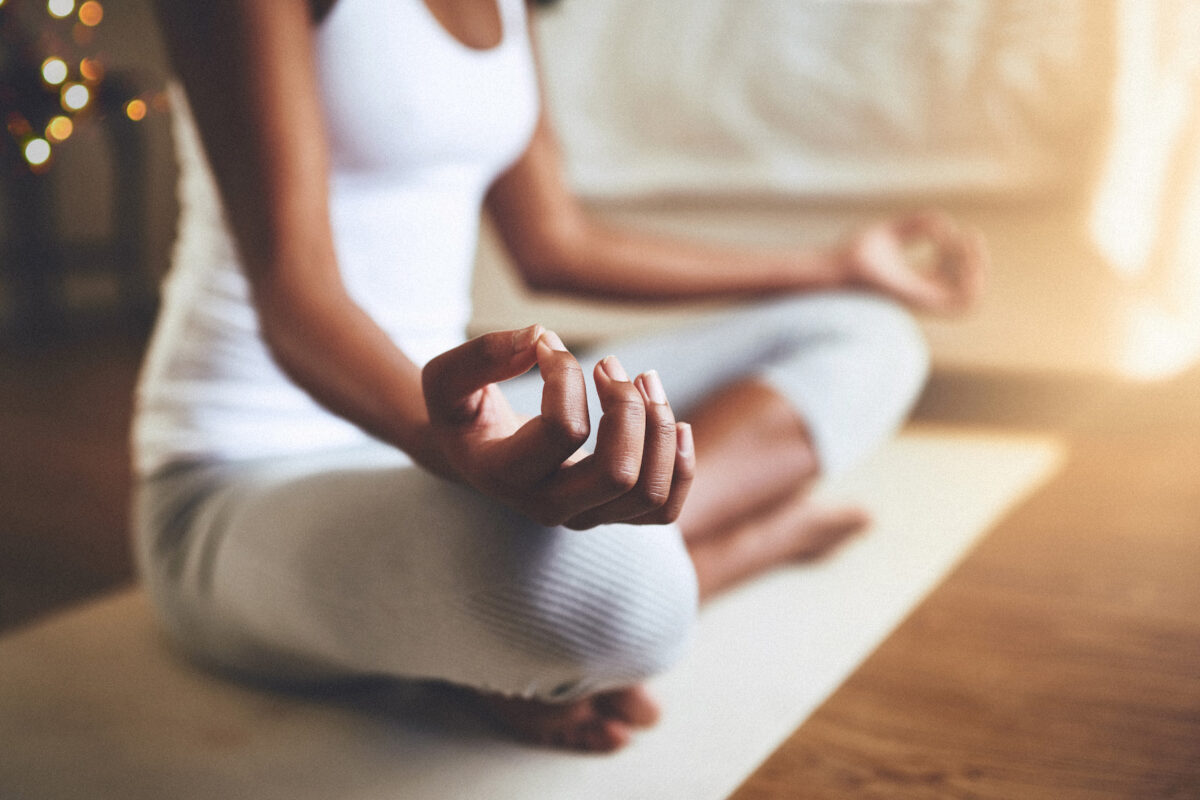
Engaging in specific meditation techniques can effectively stimulate and open the third eye, also known as the sixth chakra or pineal gland. These methods involve targeted breathing exercises, visualization practices, and focused meditative procedures designed to awaken intuitive perception and spiritual insight. Consistent practice of these techniques helps in developing heightened awareness, mental clarity, and a deeper connection to one’s inner self.
Implementing these techniques requires patience, mindfulness, and an understanding of the subtle energies involved. By integrating these practices into your daily routine, you can progressively unlock the potential of your third eye, leading to enhanced perception and spiritual awakening.
Breathing exercises stimulating the third eye area
Breathing exercises serve as foundational practices to activate the third eye by increasing oxygen flow, calming the mind, and stimulating the energy centers around the forehead. Proper breathing techniques help balance the nervous system and facilitate the movement of energy towards the pineal gland.
- Alternate Nostril Breathing (Nadi Shodhana): Sit comfortably, close the right nostril with the thumb, inhale slowly through the left nostril, then close the left nostril with the ring finger, and exhale through the right nostril. Repeat this cycle, focusing on the airflow and the sensation at the forehead center. This technique harmonizes hemispheric activity and stimulates the third eye.
- Deep Focused Breathing with Visualization: Inhale deeply through the nose, imagining the breath drawing energy into the third eye area located at the center of the forehead. Exhale slowly, envisioning the release of tension and blockages. Maintain a gentle, rhythmic breathing pattern to enhance energetic flow.
- Breath of Fire: This rapid, rhythmic breathing energizes the mind and awakens the pineal gland. Sit upright, breathe rapidly through the nose, engaging the diaphragm with each inhale and exhale. Focus mental attention on the forehead region, visualizing energy sparks igniting the third eye.
Visualization methods focused on the pineal gland or sixth eye
Visualization techniques are powerful tools for activating the third eye by focusing mental energy on the pineal gland, often represented as a luminous, indigo-colored eye or a radiant sphere within the forehead. These practices involve creating mental imagery that stimulates the gland, promoting clarity and awakening spiritual insight.
| Visualization Script | Description |
|---|---|
| Radiant Indigo Light | Visualize a deep indigo light emanating from the center of your forehead, growing brighter with each breath. Imagine this light dissolving any darkness or blockages, awakening your sixth sense. |
| Third Eye Lotus | Picture a beautiful lotus flower at the forehead, with petals slowly opening to reveal a luminous, glowing sphere representing your third eye. Focus on the unfolding process to deepen your connection. |
| Golden Light Spiral | Imagine a spiral of golden light rotating gently within the pineal gland area, activating nerve endings and stimulating energetic pathways that enhance intuitive perception. |
Guided meditation procedures emphasizing focus on the forehead center
Guided meditations are structured sessions that direct your attention inward, focusing specifically on the third eye region to facilitate awakening. Such practices often involve spoken instructions, mental imagery, and breathing guidance synchronized to enhance concentration and energetic activation.
- Preparation: Find a quiet, comfortable place. Sit with a straight spine and close your eyes. Take a few deep breaths to settle your mind.
- Focusing Attention: Direct your awareness to the area between your eyebrows. Visualize a bright, pulsating light or a small, radiant orb at this point.
- Breathing Synchronization: Inhale slowly, imagining energy flowing into the third eye. Exhale gently, releasing tension and mental clutter. Maintain this rhythm for several minutes.
- Deepening Visualization: Picture a beam of pure white or indigo light entering the forehead, clearing any blockages, and awakening the pineal gland. Focus on the sensation of energy pulses or tingling in this region.
- Closing the Practice: Gradually bring your awareness back to your surroundings, maintaining the sense of expanded perception. Open your eyes slowly and carry the awareness into your daily life.
Common visualization scripts organized in a responsive, multi-column table
| Visualization Script | Focus and Imagery Details |
|---|---|
| Luminescent Indigo Eye | Imagine a deep indigo, luminous eye at the center of your forehead, slowly opening and radiating energy, symbolizing awakening and insight. |
| Golden Energy Sphere | Visualize a glowing sphere of golden light where the third eye resides, expanding and contracting gently, stimulating intuitive faculties. |
| Celestial Cosmic Portal | Picture a portal or gateway within the forehead, opening to the universe. Visualize moving through this portal to access higher consciousness. |
Mantras and Affirmations for Third Eye Awakening
Utilizing specific mantras and affirmations during meditation can significantly deepen the process of activating and opening the third eye. These powerful tools help focus the mind, amplify intentions, and reinforce spiritual growth by aligning mental energies with higher consciousness. When practiced consistently, they serve as a catalyst for enhanced intuition, clarity, and heightened spiritual insight, guiding practitioners toward a more profound understanding of their inner selves and the universe around them.
Incorporating mantras and affirmations into your meditation routine involves regular repetition, either aloud or silently, to embed their vibrations into your subconscious. This practice not only amplifies your meditative experience but also cultivates a mindset receptive to intuitive messages and spiritual awakening. The following sections Artikel effective mantras and affirmations specifically designed for third eye activation and provide guidance on their integration into your meditation practice.
Powerful Mantras for Third Eye Activation
The vibrational quality of sound plays a crucial role in stimulating the third eye chakra. Certain mantras, when chanted with intention and focus, can facilitate energetic shifts and promote awakening of this spiritual center. These mantras are rooted in ancient traditions and are believed to resonate with the frequency of the third eye, thereby unlocking its potential for perception beyond the physical senses.
- OM: Known as the universal sound, OM harmonizes all chakras and awakens inner consciousness. Repeating OM during meditation can help align your energy with higher vibrations.
- OM NAMAHA SHIVAYA: This mantra honors Lord Shiva, the destroyer of illusions, and aids in dissolving mental fog, enhancing clarity and intuition.
- SO HAM: Meaning ‘I am that,’ this mantra reinforces the unity between individual consciousness and universal consciousness, opening pathways to spiritual insight.
- AHAM PREM: Translates to ‘I am love,’ fostering compassion, self-awareness, and a receptive attitude toward higher knowledge.
Affirmations to Reinforce Intuition and Clarity
Affirmations serve as mental affirmations that reprogram subconscious beliefs, strengthening your ability to perceive beyond ordinary senses. They are particularly effective when repeated consistently during meditation, creating a mental environment conducive to third eye awakening. These statements reaffirm your connection to inner wisdom, promote mental clarity, and foster spiritual insight, guiding your consciousness toward enlightenment.
- I trust my inner vision and intuitive guidance. This affirmation nurtures confidence in your psychic abilities and promotes a receptive mindset.
- My third eye is open and receiving divine insights. Reinforces the physical and energetic activation of the third eye chakra.
- I see clearly beyond the physical realm. Enhances perceptual clarity and encourages a broader perspective.
- Spiritual wisdom flows effortlessly to me. Invites the effortless reception of higher knowledge and understanding.
- My mind is calm, focused, and receptive to universal truths. Promotes mental clarity and a tranquil state necessary for spiritual insight.
Incorporating Mantras and Affirmations into Meditation Routines
To maximize the benefits of these spiritual tools, integrate them seamlessly into your meditation sessions by establishing a consistent routine. Begin by finding a comfortable seated position, closing your eyes, and taking deep, calming breaths. Set an intention for your practice, such as awakening your third eye or enhancing intuitive abilities. Then, follow these steps:
- Choose a mantra or affirmation aligned with your current spiritual goals.
- Begin chanting the mantra aloud or silently, maintaining awareness of its vibrations and meaning.
- Repeat the mantra or affirmation steadily for several minutes, allowing the sound to resonate deeply within your being.
- Visualize a vibrant indigo or violet light emanating from the center of your forehead as you chant, amplifying the energetic activation.
- Conclude the session by sitting quietly for a few moments, absorbing the insights or heightened awareness that may arise.
Regular practice with focused intention creates a powerful energetic environment conducive to third eye awakening and spiritual growth. Remember to remain patient and gentle with yourself as you explore these techniques—consistency and sincerity are key to harnessing their full potential.
“I am open to divine insights. My third eye is awakening, and I perceive the truth beyond illusion.”
Duration and Frequency of Meditation Practices
Maintaining a consistent meditation routine is essential for effectively opening and activating the third eye. Proper planning of session length and frequency helps deepen spiritual awareness, enhances focus, and promotes gradual progress. Beginners and experienced practitioners should tailor their routines to match their current capacity and goals, ensuring sustainability and steady growth.The optimal duration and frequency of meditation sessions vary based on individual experience, schedule, and comfort level.
Establishing a balanced practice schedule fosters discipline and allows the subtle energies associated with the third eye to develop naturally over time.
Recommended Session Lengths for Beginners and Advanced Practitioners
The initial focus for newcomers should be on establishing a regular practice without feeling overwhelmed. Short, focused sessions can yield meaningful benefits and help build confidence.
- Beginners: Start with 5 to 10-minute sessions once or twice daily. This duration allows beginners to acclimate to the meditative process, develop comfort with the technique, and prevent fatigue or frustration.
- Intermediate Practitioners: Gradually increase to 15-20 minutes per session, aiming for two to three times daily. This promotes deeper concentration and facilitates stronger third eye activation.
- Advanced Practitioners: Engage in 30-45 minute sessions, twice daily or more, depending on individual capacity. Longer durations support sustained focus, heightened intuition, and more profound energetic shifts.
Daily and Weekly Meditation Schedules
Consistency enhances the effectiveness of third eye meditation. Establishing a routine with specific times helps embed the practice into daily life, making it more sustainable and impactful.
- Daily Schedule: Allocate specific times each day—preferably morning and evening—to meditate. Morning sessions help set a positive tone and awaken intuitive faculties, while evening practices consolidate energies and reflect on insights gained.
- Weekly Goals: Dedicate at least 4-6 sessions per week for more intensive practice. Incorporate longer sessions during weekends or days off to deepen the experience and allow for more profound energetic shifts.
Signs of Progress and When to Increase Practice Intensity
Monitoring subtle changes in perception and energy helps determine when to adjust your practice. Consistent effort often manifests through noticeable shifts in awareness, intuition, and inner clarity.
- Early signs include increased mental clarity, heightened intuition, and vivid dreams. A sense of expanded consciousness may gradually emerge.
- As these signs become more prominent, practitioners may consider increasing session duration or frequency to deepen the awakening process.
- Signs that suggest readiness for increased practice include more consistent intuitive insights, reduced mental clutter, and a stronger sense of inner peace.
- It is important not to rush. Gradually extend your sessions by 5-minute increments every few weeks, ensuring that energy flow remains balanced and comfortable.
Sample Meditation Tracking Timetable
Maintaining a simple record helps track progress, identify patterns, and stay motivated. A balanced timetable encourages accountability and provides insight into the effectiveness of your routine.
| Date | Session Duration | Number of Sessions | Notes/Insights |
|---|---|---|---|
| 2024-10-01 | 10 minutes | 2 | Feeling more centered; vivid dreams observed |
| 2024-10-02 | 15 minutes | 2 | Enhanced clarity; slight headache after session |
| 2024-10-03 | 20 minutes | 2 | Deepened sense of intuition; energy flow increased |
Consistency and gradual progression are key to unlocking the full potential of the third eye through meditation. Trust your process, listen to your body’s responses, and celebrate each step forward.
Common Challenges and Troubleshooting
Engaging in third eye meditation can sometimes present obstacles that hinder progress or diminish the effectiveness of your practice. Recognizing these common challenges allows practitioners to approach their meditation with patience and informed strategies, ensuring a safe and enriching experience as they work towards awakening their third eye.During meditation, it is natural to encounter mental distractions, feelings of impatience, or physical discomfort.
These issues can disrupt concentration and slow down progress in activating the third eye. Addressing these obstacles with practical solutions helps maintain focus, deepen meditative states, and foster a safe environment for spiritual growth.
Mental Distractions and Restlessness
Mental distractions are among the most frequent challenges faced during meditation sessions. The mind tends to wander, pulling your attention away from the focal point or mantra, which can lead to frustration or diminished concentration. To counteract this, practitioners should develop gentle awareness of their thoughts without judgment, allowing distractions to drift away naturally. Incorporating focused breathing techniques or visualizations can anchor the mind more effectively.
Additionally, establishing a consistent meditation schedule can help train your mind to settle more easily over time.
Impatience and Expectation
Impatience often arises when practitioners expect immediate results from their third eye meditation. This impatience can lead to feelings of discouragement or hurried attempts, reducing the quality of practice. Cultivating patience involves understanding that spiritual awakening is a gradual process that varies for each individual. Setting realistic goals, practicing consistently, and reminding oneself that progress is cumulative can help foster patience.
Remember that every session contributes to your overall growth, even if results are not immediately apparent.
Physical Discomfort and Fatigue
Physical discomfort, such as muscle tension or fatigue, can interfere with meditation. It is essential to maintain a comfortable seated position, supporting the back and neck to prevent strain. If discomfort persists, adjusting the posture or taking short breaks can be beneficial. Ensuring a quiet and comfortable environment minimizes external disturbances, allowing deeper relaxation. Staying hydrated and avoiding heavy meals before meditation also contribute to a more comfortable experience.
Safe Practices and Precautions
Practicing third eye meditation should always be approached with safety and mindfulness. Overexertion, prolonged sessions without breaks, or forcing sensations can lead to mental fatigue or discomfort. It is important to listen to your body and mind, progress gradually, and stop if you experience any adverse effects. Consulting with experienced meditation guides or spiritual practitioners can provide personalized advice, especially if underlying health issues or mental health concerns arise.
Do’s and Don’ts for Effective Practice
Practitioners should adhere to certain guidelines to optimize their third eye meditation experience and ensure safety:
- Do: Meditate in a quiet, comfortable environment free from distractions.
- Do: Maintain a regular meditation schedule to build consistency.
- Do: Focus on gentle awareness and patience, allowing progress to unfold naturally.
- Do: Use calming techniques such as deep breathing or visualization to enhance focus.
- Don’t: Force sensations or rush the process, as this can cause mental and emotional strain.
- Don’t: Meditate immediately after heavy meals or when overly fatigued.
- Don’t: Ignore signs of discomfort—pause and adjust as needed.
- Don’t: Share or seek shortcuts; trust your own pace and experience.
By recognizing potential obstacles and applying these practical solutions, practitioners can foster a safe and productive environment for activating their third eye. Consistency, patience, and mindfulness are key to overcoming challenges and advancing on the spiritual journey.
Additional methods to support third eye opening
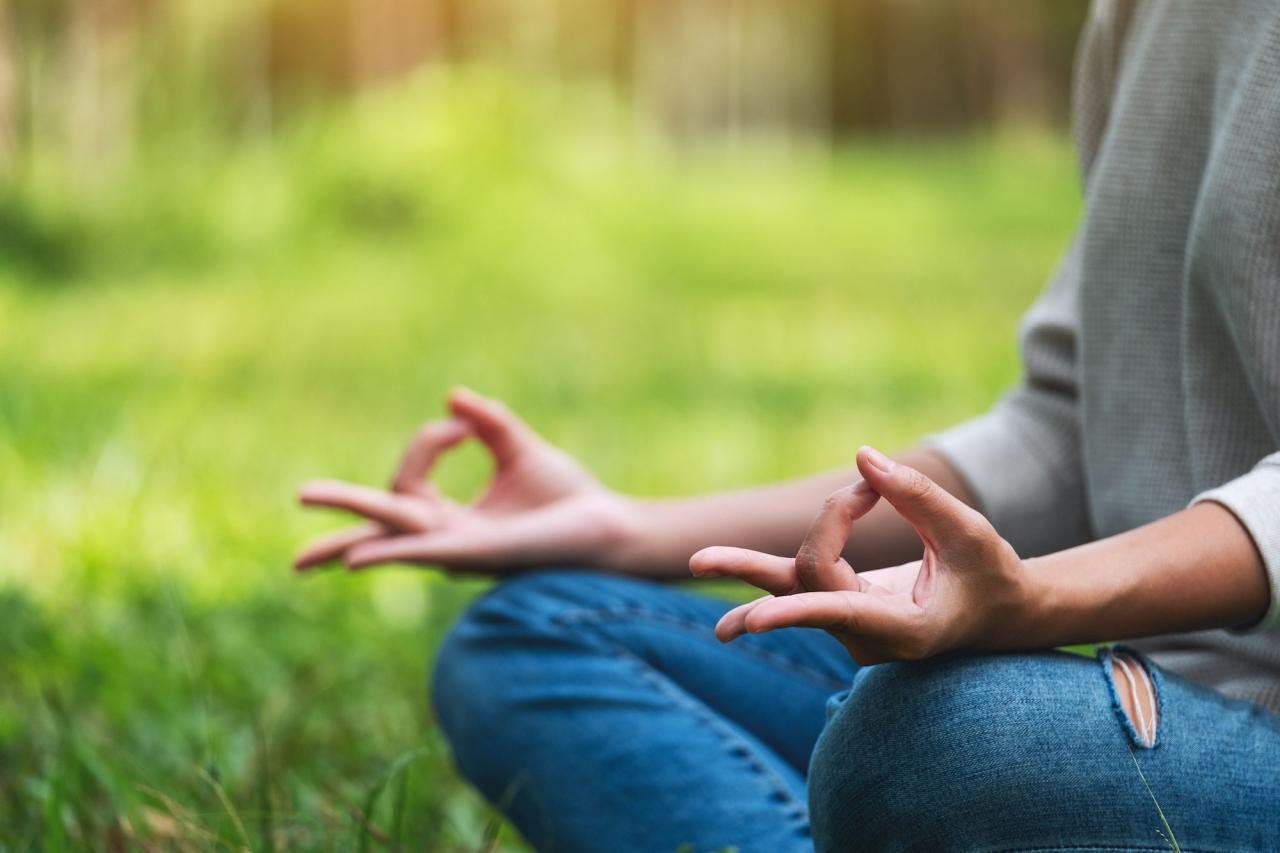
Expanding your spiritual practice beyond meditation can significantly enhance the activation and development of the third eye. Incorporating complementary techniques, mindful lifestyle choices, and sensory aids creates a holistic environment conducive to awakening this powerful center of intuition and insight. These supplementary methods serve to deepen your connection, clear energetic blockages, and reinforce your meditative efforts, leading to more profound experiences and greater clarity.A combination of physical, energetic, and sensory practices can synergize with meditation to accelerate the opening of the third eye.
By nurturing your body, mind, and environment through these additional methods, you cultivate a balanced approach that fosters sustained spiritual growth and intuitive awakening.
Complementary practices: yoga, energy cleansing, and aromatherapy
Integrating yoga, energy cleansing, and aromatherapy into your routine offers multiple pathways to support third eye activation. Certain yoga poses, especially those targeted at the forehead and head, such as Child’s Pose (Balasana), downward dog, and the Lotus position, stimulate the Ajna chakra, stimulating energy flow and mental clarity. Regular practice enhances circulation and balances the energetic centers, preparing the mind for deeper meditative states.Energy cleansing techniques like smudging with sage or palo santo, or practicing aura clearing visualizations, help remove stagnant or negative energies that may obstruct third eye development.
These practices create a purified energetic environment, enabling clearer insight and heightened intuition.Aromatherapy with essential oils such as frankincense, lavender, or sandalwood can promote mental clarity and spiritual receptivity. Diffusing these scents during meditation or applying diluted oils to the forehead activates the pineal gland area and enhances focus, making it easier to access intuitive states.
Role of diet and lifestyle choices in enhancing meditation outcomes
A nutritious diet and mindful lifestyle profoundly influence the health of the pineal gland and the overall energetic system, thereby supporting third eye opening. Minimizing processed foods, refined sugars, and fluoride-rich products reduces calcification of the pineal gland, facilitating its optimal functioning.Consuming foods rich in antioxidants, such as dark leafy greens, berries, nuts, and seeds, helps detoxify the body and clear energetic pathways.
Incorporating omega-3 fatty acids from sources like flaxseeds and walnuts supports brain health and pineal gland activity. Staying well-hydrated ensures proper cellular function and energy flow.Lifestyle choices such as regular physical activity, adequate sleep, and reducing exposure to electromagnetic pollution from devices help maintain energetic balance. Practices like spending time in nature, sunbathing, and grounding barefoot on natural surfaces can further enhance energetic alignment and support spiritual sensitivity.
Visual aids, charts, and symbols used in third eye meditation
Visual aids and symbols serve as powerful tools for focusing and stimulating the third eye. Common visualizations include geometric patterns like the Sri Yantra, which embodies cosmic energy and aids in concentration. Visualizing a radiant indigo or violet light at the center of the forehead acts as a direct stimulus for awakening the Ajna chakra.Charts or diagrams illustrating the location and energetic pathways of the third eye can help practitioners develop a clear mental map, improving focus during meditation.
Mandalas, sacred symbols, or flower of life patterns may be employed as visual anchors to deepen concentration and facilitate energy flow.Using symbols associated with spiritual insight, such as the Om or the Eye of Providence, can serve as focal points that reinforce intentions for awakening and intuition development. Creating personalized visual aids, like drawing or coloring mandalas, can also serve as a meditative activity that aligns the mind and enhances energetic receptivity.
Supportive activities for third eye development
To reinforce third eye activation, engaging in a variety of supportive activities can be highly beneficial. These activities help integrate the energetic shifts into daily life and sustain the momentum of awakening.
- Practicing mindfulness and conscious awareness throughout daily routines to cultivate heightened perception.
- Engaging in journaling to record intuitive insights and subtle perceptions that arise during meditation and daily activities.
- Participating in guided visualization exercises that focus on opening and balancing the third eye chakra.
- Using crystals such as amethyst, lapis lazuli, or clear quartz placed on the forehead to facilitate energy alignment.
- Incorporating sound healing, such as chanting or listening to binaural beats tuned to the third eye frequency (around 852 Hz) to stimulate pineal activity.
- Maintaining a regular practice of gratitude and positive affirmations to elevate vibration and open perceptual channels.
- Practicing breathwork techniques like alternate nostril breathing to balance energies and clear blockages.
- Attending spiritual workshops, retreats, or engaging with community groups focused on awakening consciousness to foster support and shared learning.
By systematically integrating these practices and choices into your lifestyle, you create a supportive environment that nurtures the natural process of third eye awakening, leading to enhanced intuition, clarity, and spiritual insight.
Wrap-Up
In conclusion, consistent practice combined with proper preparation and the right techniques can significantly enhance your journey toward third eye awakening. Embracing these methods can lead to greater intuition, spiritual insight, and a heightened sense of clarity in your daily life. Remember, patience and dedication are key as you explore this transformative process.