Discovering how to meditate for mindfulness in walking offers a transformative approach to cultivating focus, tranquility, and present-moment awareness. This practice seamlessly integrates physical movement with mental clarity, providing a unique pathway to mindfulness that complements traditional seated meditation. By engaging in mindful walking, individuals can enhance their overall well-being, reduce stress, and foster a deeper connection with their environment.
Through understanding the techniques, proper preparation, and strategies to overcome common challenges, practitioners can develop a sustainable and enriching walking meditation routine. This guide explores the historical roots, practical steps, and sensory engagement methods necessary to master mindful walking, making it an accessible and rewarding practice for everyone.
Introduction to Walking Meditation for Mindfulness
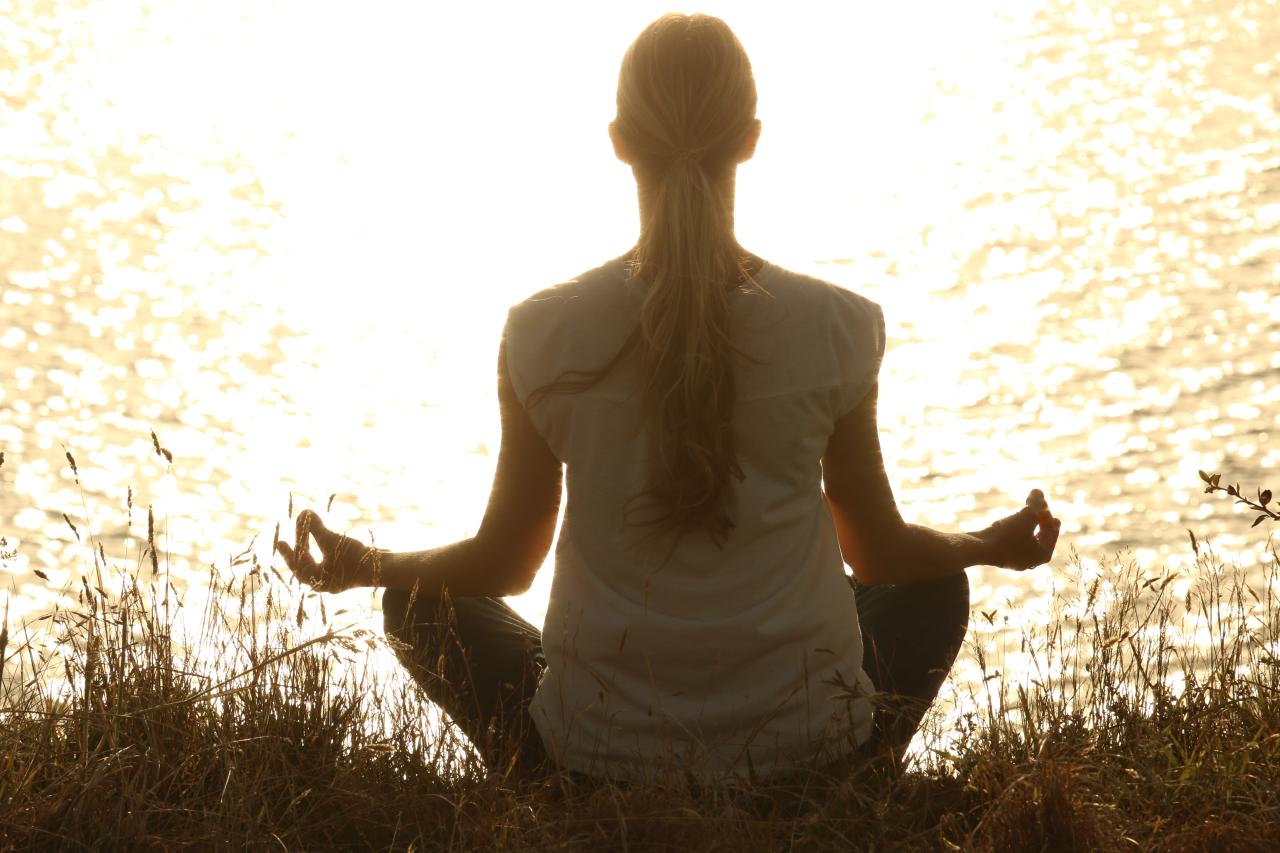
Walking meditation is a mindfulness practice that combines the act of walking with a focused awareness of the present moment. Unlike traditional seated meditation, it involves movement, which can make the practice more accessible and engaging for many individuals. This form of meditation encourages practitioners to cultivate a deep sense of presence and attentiveness as they move through their environment, fostering greater clarity, calmness, and emotional stability.
Practicing mindfulness through walking offers numerous benefits, including reducing stress, enhancing concentration, and improving overall well-being. It allows practitioners to integrate mindfulness into everyday activities, transforming simple movement into a powerful tool for mental clarity and emotional resilience. Walking meditation can be particularly beneficial for those who find sitting still challenging or seek a more dynamic way to develop mindfulness skills.
Differences Between Walking and Sitting Meditation
While both walking and sitting meditation aim to cultivate mindfulness and present-moment awareness, they differ primarily in modality and physical engagement. Sitting meditation typically involves remaining stationary, focusing on breath, bodily sensations, or mental states, which encourages inward reflection and stillness. In contrast, walking meditation involves deliberate movement, requiring attention to the physical sensations of each step, the rhythm of walking, and the environment surrounding the practitioner.
These differences influence the experience and can serve different purposes in a mindfulness practice. Sitting allows for deep introspection and mental clarity, often used for developing concentration and insight. Walking meditation, on the other hand, integrates mindfulness into active movement, making it particularly suited for cultivating awareness during daily activities and promoting a sense of groundedness and connection to one’s surroundings.
Historical and Cultural Contexts of Walking Meditation
Walking meditation has deep roots in various spiritual and cultural traditions worldwide. In Buddhist practice, walking meditation—known as “kinhin” in Zen Buddhism—has been a core component for centuries, serving as a complementary practice to seated meditation. It originated in India and China, where monks and practitioners integrated mindfulness into daily routines, including walking through monasteries or natural settings.
In Japan, Zen practitioners often walk in a slow, deliberate manner along designated paths during meditation retreats, emphasizing mindfulness in movement. Similar practices exist in other traditions, such as the ancient walking meditations of Taoism and certain Christian contemplative practices. The universal appeal of walking meditation lies in its accessibility and its capacity to connect the physical act of walking with spiritual awareness, fostering a holistic approach to mindfulness that spans diverse cultures and spiritual paths.
Preparing for Mindful Walking Practice
Establishing a proper foundation is essential for an effective and fulfilling walking meditation session. Preparation involves choosing an appropriate environment, gathering necessary items, and ensuring both your mind and body are ready to engage fully in the practice. Thoughtful planning enhances focus, comfort, and the overall mindfulness experience, allowing you to cultivate greater awareness with each step.
Preparation creates a setting that minimizes distractions and promotes calmness. It ensures that your physical space supports your intention to walk mindfully, while mental and physical readiness help you to remain present and receptive throughout the practice. Carefully considering these elements will lead to a more meaningful meditation session and foster the development of mindfulness in daily life.
Selection of an Appropriate Location for Walking Meditation
Choosing the right location is fundamental to fostering a tranquil environment conducive to mindfulness. An ideal setting should be quiet, safe, and free from excessive noise or interruptions. Natural surroundings such as parks, gardens, or quiet pathways often provide the most beneficial atmosphere, offering fresh air, natural sounds, and a soothing visual environment that enhances concentration and relaxation.
When selecting a location, consider the following factors:
| Criteria | Considerations |
|---|---|
| Noise level | Avoid areas with high traffic, loud machinery, or frequent disturbances that could disrupt your focus. |
| Safety | Ensure the terrain is even and free from obstacles such as loose stones, roots, or uneven ground to prevent accidents. |
| Size and boundary | Choose a space where you can walk back and forth or in circles comfortably without feeling confined or distracted by external stimuli. |
| Accessibility | Pick a location that you can reach easily and where you feel secure and relaxed, fostering a sense of familiarity and calmness. |
| Natural elements | Prefer areas with trees, water features, or greenery that provide a soothing backdrop and engage the senses in a mindful manner. |
Checklist of Items and Environment Considerations
Preparing the environment and gathering essential items ensures that your walking meditation is seamless and comfortable. This checklist encompasses both physical items and environmental conditions that support mindfulness practice:
- Comfortable clothing: Wear loose, breathable attire suited to the weather to facilitate ease of movement and comfort.
- Footwear: Opt for supportive, non-slip shoes if walking on uneven terrain, or go barefoot on soft surfaces for heightened sensory awareness.
- Water and hydration: Have a bottle of water nearby to stay hydrated, especially during longer sessions.
- Shade or shelter: If practicing outdoors, ensure access to shade or shelter to prevent discomfort from sun or rain.
- Quiet, distraction-free environment: Turn off notifications on electronic devices or leave them behind to maintain focus.
- Timing considerations: Choose a time when external distractions are minimal, such as early morning or late evening.
- Accessibility features: If needed, select accessible paths that accommodate any physical limitations ensuring a safe practice.
Organizing Mental and Physical Readiness
Achieving mental and physical readiness is vital to engage fully in walking meditation. This involves mental preparation to foster calmness and focus, along with physical adjustments to enhance comfort and stability.
To prepare effectively:
- Set a clear intention: Decide to practice mindfulness with an open and non-judgmental attitude, cultivating patience and compassion towards yourself.
- Center yourself: Engage in a brief seated meditation or deep breathing exercise before starting to calm the mind and release tension.
- Stretch gently: Perform light stretches or body scans to loosen muscles, particularly in the legs, hips, and back, which are engaged during walking.
- Ensure proper posture: Maintain an upright but relaxed posture with shoulders back, head aligned with the spine, and arms resting comfortably.
- Manage physical needs: Use the restroom and hydrate beforehand to prevent discomfort or distraction during the practice.
- Practice mental clarity: Minimize lingering thoughts or worries by briefly noting them and consciously returning focus to the present moment.
Remember that both your mental and physical states influence the depth and quality of your meditation. Approaching your practice with patience and mindfulness in preparation sets a strong foundation for the journey inward.
Techniques and Procedures for Mindful Walking
Practicing mindful walking involves intentional awareness of each step, posture, and breath, transforming a simple activity into a profound meditation. The process requires cultivating focus on the present moment, allowing each movement to become a meditation in motion. This practice helps foster calmness, clarity, and a deeper connection with one’s surroundings, making it an accessible and effective method for cultivating mindfulness throughout the day.
By following specific techniques and procedures, individuals can establish a routine that enhances their ability to stay present during walking. These steps serve as a guide to develop consistency, deepen awareness, and integrate mindfulness seamlessly into everyday life.
Step-by-Step Guide for Mindful Walking
Below is a structured routine designed to help practitioners walk mindfully, emphasizing posture, breathing, and focus. This routine can be adapted to different environments and timeframes, from short pauses during a busy day to dedicated sessions in a quiet space.
| Step | Action | Focus Point |
|---|---|---|
| 1 | Stand upright with relaxed shoulders, arms naturally at your sides, and feet hip-width apart. | Body posture; feeling the stability and balance in your stance. |
| 2 | Begin to walk slowly, lifting each foot deliberately, placing it softly on the ground. | Awareness of each step, the sensation of your foot making contact with the surface. |
| 3 | Coordinate your breath with your steps; inhale as you lift your foot, exhale as you place it down. | Breathing rhythm; maintaining a natural, steady breath pattern. |
| 4 | Focus on the movement of your legs, the shifting of your weight, and your balance. | Kinesthetic awareness of movement and muscle engagement. |
| 5 | Pay attention to your surroundings—sounds, sights, and smells—without judgment. | Present-moment awareness of external environment. |
| 6 | Return your attention gently to your breath and steps if your mind wanders. | Mindfulness cultivation; gentle redirection of focus. |
| 7 | Continue walking with this mindful awareness for the duration of your practice. | Consistency in maintaining attention and presence. |
Routine for Maintaining Awareness During Walking
Establishing a simple yet effective routine helps reinforce mindfulness during walking sessions. Regular practice can be integrated into daily activities, such as walking to work, in nature, or within your home or office. The key is consistency and gentle patience as you develop your capacity for present-moment awareness.
Routine Elements: Begin with a few deep breaths, set an intention for mindfulness, walk slowly paying close attention to each step, breath, and sensory input, then conclude with a moment of gratitude or reflection on the experience.
This routine encourages mindfulness as an ongoing practice, fostering a peaceful state of awareness that can be sustained even outside dedicated meditation sessions. Over time, mindful walking becomes a natural part of daily life, helping to reduce stress, sharpen focus, and promote overall well-being.
Common Challenges and Solutions
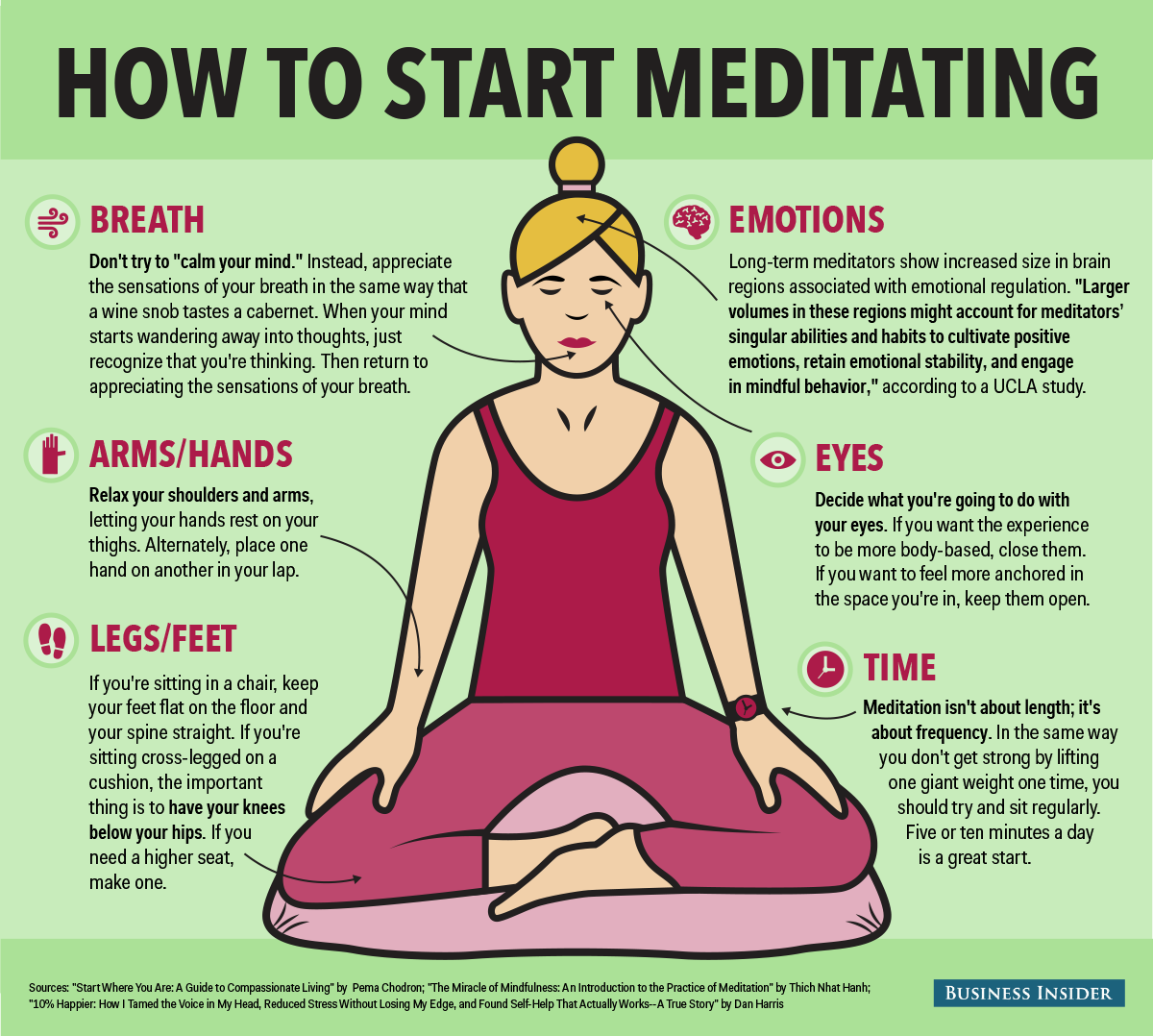
Meditation for mindfulness during walking can sometimes present obstacles that make maintaining focus and presence difficult. Recognizing these common challenges is essential to developing effective strategies that enhance the practice and foster a more consistent and enriching experience.Understanding and addressing these difficulties enables practitioners to remain resilient and committed to their mindfulness journey. Whether encountering a wandering mind, physical discomfort, or environmental distractions, implementing practical solutions can significantly improve the quality of walking meditation.
Wandering Mind and Loss of Focus
A frequent obstacle in walking meditation is the tendency of the mind to drift away from the present moment, often resulting in distraction or daydreaming. This wandering diminishes the mindfulness practice and can lead to frustration or disengagement.To combat this, practitioners can:
- Use gentle mental labels or cues, such as silently saying “lifting,” “moving,” and “placing” to anchor attention to each step.
- Set a specific point of focus, like the sensation of the heel touching the ground or the movement of the legs, to reorient the mind whenever it drifts.
- Incorporate periodic visualizations, such as imagining a peaceful scene, to help bring focus back if the mind becomes excessively restless.
A helpful approach is to recognize when the mind wanders without judgment, then softly redirect attention to the walking process, creating a compassionate and non-judgmental environment for practice.
Physical Discomfort or Fatigue
Discomfort, such as sore muscles, joint pain, or fatigue, can interfere with maintaining a steady and mindful walking rhythm. These physical sensations may lead to distraction or the desire to cease the practice prematurely.Practical solutions include:
- Adjusting walking pace or stride length to reduce strain while maintaining mindful awareness.
- Taking short breaks during walking sessions to stretch or relax tense muscles, then resuming with renewed focus.
- Using awareness of bodily sensations as part of the practice, observing discomfort without resistance, which can turn discomfort into an object of mindfulness.
Descriptive example: If experiencing calf fatigue, focus on the sensation of the muscles stretching and contracting, observing the discomfort as a transient experience rather than a barrier.
Environmental Distractions
External stimuli such as noise, movement, or unfamiliar surroundings can divert attention and challenge concentration during walking meditation.Strategies to address environmental distractions include:
- Choosing a quiet and safe space for practice whenever possible, such as a garden or a park with minimal foot traffic.
- Using the sounds of nature or ambient noise as part of the mindfulness experience, integrating them into your awareness rather than resisting them.
- Inner visualizations or focusing on breath or bodily sensations to maintain a stable anchor amidst external chaos.
Descriptive illustration: When walking in a busy park, focus on the rhythm of your footsteps and the sensation of the wind on your skin, allowing external sounds like distant conversations or birdsong to become part of the mindfulness landscape.
“Challenges in walking meditation are natural; each obstacle is an opportunity to deepen awareness and cultivate patience. Through gentle acceptance and practical strategies, mindfulness can be sustained even in difficult situations.”
Enhancing Practice with Guided Sessions and Visualizations
Incorporating guided meditations and mental visualizations into walking mindfulness practices can significantly deepen the practitioner’s experience. These techniques serve as valuable tools to foster concentration, evoke vivid imagery, and reinforce a state of present-moment awareness. By engaging the mind through guided scripts and mental images, practitioners can navigate common distractions more effectively and cultivate a more profound connection with each step.
Guided sessions provide a structured pathway that directs attention, offering verbal cues and mental scenarios that anchor the practitioner’s focus. Visualizations, on the other hand, harness the power of imagination to create sensory-rich mental landscapes, which serve to augment mindfulness and emotional regulation. When thoughtfully designed, these tools can transform a simple walking practice into a deeply immersive and transformative experience.
Creating Detailed Guided Walking Meditations
Designing effective guided walking meditations involves crafting clear, calming narratives that direct awareness through each stage of the practice. The scripts should evoke sensory details and foster a gentle, steady rhythm of attention. Incorporating pauses allows practitioners to internalize instructions and deepen their focus, while varying the tone and pace of voice can enhance engagement and relaxation. The language used should be gentle, encouraging, and devoid of judgment, fostering an environment of safety and openness.
Such guided meditations typically follow a sequential flow: starting with grounding oneself physically, then gradually shifting attention to the sensation of movement, breath, and environment. Including prompts that invite acknowledgment of thoughts or distractions without attachment supports the development of equanimity and non-reactivity.
Suggestions for Imagery and Mental Visualization
To deepen mindfulness during walking, specific imagery can be employed to anchor attention and evoke a sense of calm and connection. Visualizations involving natural elements are particularly effective, as they resonate with our innate affinity for nature and promote relaxation. Common themes include walking along a peaceful forest trail, a serene beach, or beside a gentle stream. Visualizing the textures, sounds, and scents of these environments enhances sensory engagement and anchors the practice in the present moment.
Other visualization techniques involve imagining the movement of energy through the body, such as a gentle flow of light traveling with each step, or visualizing the ground beneath the feet as a foundation of stability and support. These images help foster a sense of rootedness and stability, enriching the mindfulness experience and reducing mental chatter.
Sample Guided Script for Walking Meditation
“Begin by standing comfortably, aligning your body in a relaxed yet attentive posture. Take a few deep, intentional breaths, feeling the air fill your lungs and gently release tension. As you start to walk slowly, bring your awareness to the sensation of your feet making contact with the ground. Notice the texture beneath your soles—whether soft or firm, cool or warm.
Imagine that with each step, you are walking along a tranquil forest path. Visualize the sunlight filtering through the leaves, dappling the ground with patterns of light and shadow. Hear the subtle rustling of leaves and the distant chirping of birds. Feel the gentle breeze caressing your skin, and breathe in the fresh, earthy scent of the woods.
With each step, synchronize your awareness with the rhythm of your movement. Notice the lifting and placing of each foot, and how your body balances and steadies itself. If your mind begins to wander, gently acknowledge the distraction and guide your focus back to the sensation of walking and the imagery of your peaceful environment. Continue this mindful walk, savoring each moment and sensation.”
By developing detailed scripts like this and integrating vivid imagery, practitioners can facilitate a more engaged and immersive mindfulness practice. Regular use of guided meditations and visualizations not only enhances concentration and relaxation but also cultivates a deeper appreciation for the present moment, fostering overall mental clarity and emotional resilience.
Ultimate Conclusion
Incorporating mindful walking into daily life offers a powerful way to nurture mental clarity and emotional balance. By consistently applying these techniques and maintaining awareness, individuals can experience lasting benefits that extend beyond the meditation sessions. Embrace this journey toward greater mindfulness, and let each step become an opportunity for peace and self-discovery.