Understanding how to meditate for astral projection begins with grasping the fundamental connection between meditation and out-of-body experiences. This practice involves more than just relaxation; it prepares the mind and body to transcend physical limitations and explore new dimensions of consciousness. By cultivating focused awareness and deepening your meditative state, you can set the stage for successful astral travel.
This guide offers comprehensive insights into creating an ideal environment, mastering effective techniques, and recognizing the signs of progress. With consistent practice and proper preparation, anyone can enhance their ability to achieve profound astral experiences through dedicated meditation.
Understanding the Basics of Astral Projection and Meditation
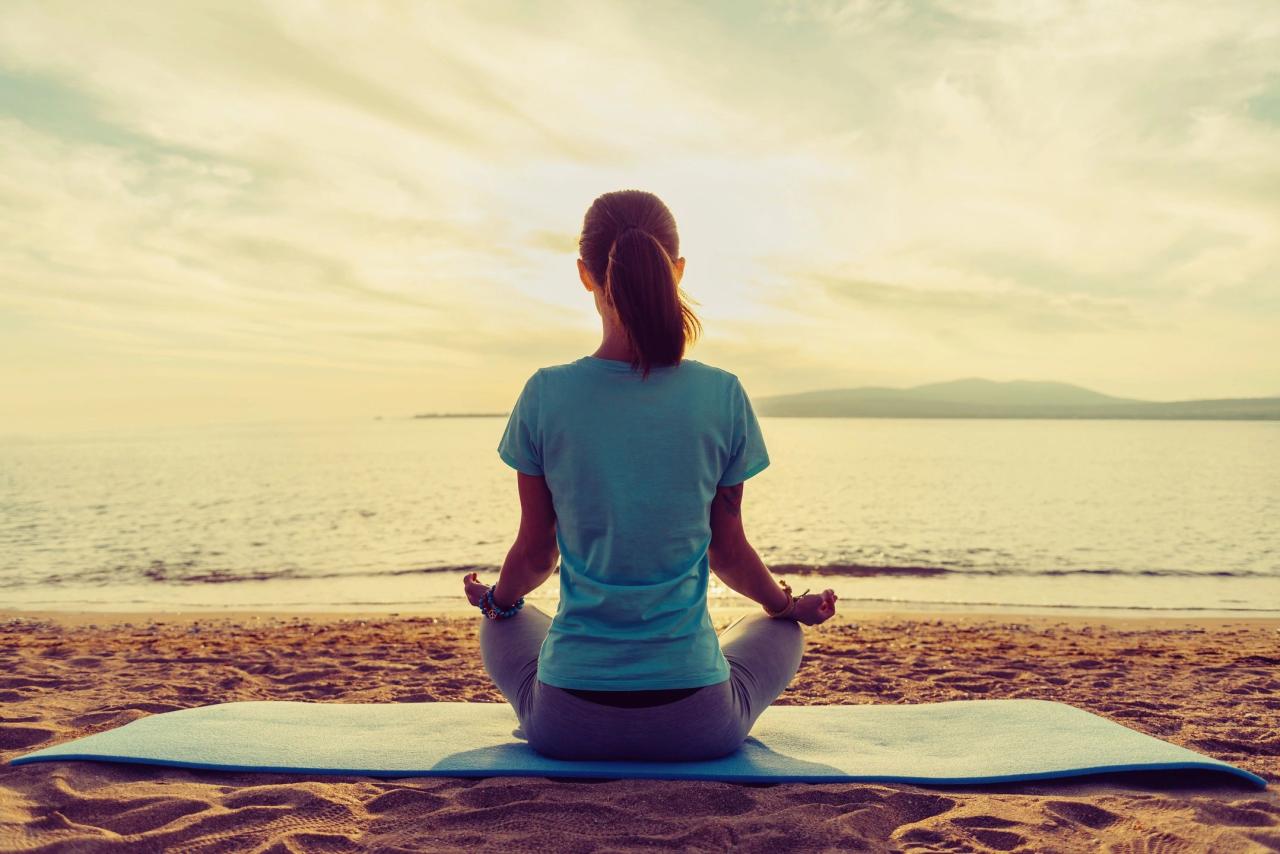
Embarking on a journey toward astral projection begins with a solid understanding of its foundational principles and the pivotal role meditation plays in facilitating out-of-body experiences. Meditation serves as a bridge that connects the conscious mind with the deeper layers of consciousness, setting the stage for successful astral travel. Recognizing the relationship between these practices can significantly enhance one’s ability to achieve and control out-of-body states effectively.
A clear grasp of how meditation supports astral projection involves appreciating its capacity to quiet mental chatter, cultivate focused awareness, and align the body and mind. This preparation helps reduce mental and physical distractions, enabling a smoother transition into the astral realm. Additionally, understanding common misconceptions ensures practitioners approach the process with realistic expectations, fostering a safer and more rewarding experience.
Connection Between Meditation and Astral Projection
Meditation forms the foundational practice that prepares both the mind and body for astral projection. It helps develop the mental clarity and emotional stability necessary for maintaining focus during out-of-body journeys. Regular meditation enhances relaxation, which is essential in reducing resistance and fear—common barriers to successful astral travel.
Through meditation, individuals learn to access altered states of consciousness, where the boundaries between the physical and the spiritual become more permeable. This heightened state of awareness can facilitate the separation of the astral body from the physical form, acting as a gateway to the astral plane. Meditation also fosters a sense of detachment and surrender, qualities important for navigating the astral realm effectively.
Preparing the Mind and Body for Out-of-Body Experiences
Preparation involves cultivating a calm, receptive state through consistent meditation practices. This process includes techniques such as focused breathing, visualization, and mindfulness, which help anchor the practitioner into the present moment. Proper preparation can significantly increase the likelihood of achieving a successful astral projection by reducing anxiety and enhancing concentration.
Practitioners often find that establishing a routine meditation schedule, ideally daily, helps strengthen their ability to access altered states. Creating a tranquil environment free of distractions, maintaining a relaxed posture, and practicing deep breathing are practical steps to prepare the body physically and mentally for the experience.
Common Misconceptions About Astral Projection and Meditation
Numerous misconceptions surround the concepts of astral projection and meditation, which can impede practitioners or lead to unrealistic expectations. It is essential to clarify these misunderstandings to foster a healthy and informed approach.
One prevalent myth is that astral projection is a form of dreaming or hallucination. In reality, it involves a genuine separation of consciousness from the physical body, where the astral body is believed to travel independently. Another misconception is that only highly spiritual or gifted individuals can achieve astral travel; however, with practice and patience, many people can learn to induce these experiences.
Some assume that meditation always guarantees astral projection, but in truth, it primarily cultivates the mental state conducive to such experiences. Successful projection often requires consistent practice, patience, and a clear understanding that results may vary among individuals. Recognizing that the process is natural and accessible can alleviate unnecessary fears or doubts, enabling a more open and effective pursuit of astral travel.
Preparing the Environment for Effective Meditation for Astral Projection
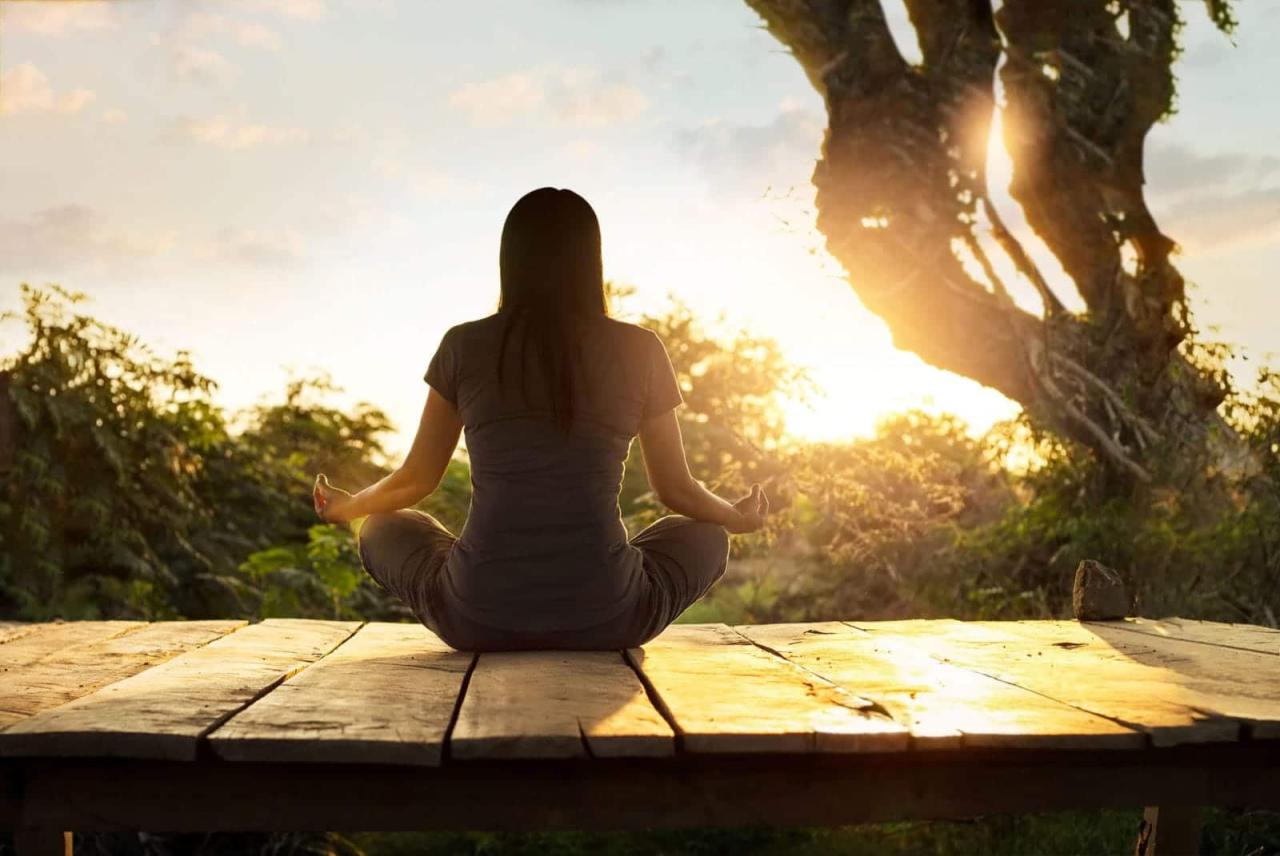
Creating an optimal environment is fundamental to achieving deep states of meditation conducive to astral projection. A well-designed space minimizes distractions, promotes relaxation, and fosters a sense of safety, enabling a more profound connection with altered states of consciousness. Attention to your surroundings not only enhances your meditation experience but also accelerates your journey into the astral realm.
Careful preparation involves selecting a quiet, comfortable area, organizing calming elements, and eliminating external disturbances. This systematic setup allows your mind to focus inwardly, making it easier to reach the heightened states necessary for successful astral projection. The following guide provides detailed steps to establish such an environment, ensuring each meditation session is both effective and enjoyable.
Creating a Comfortable and Quiet Space
Establishing a dedicated space for meditation is essential to foster consistency and deepen your practice. The environment should be free from noise, interruptions, and harsh lighting, which can disrupt concentration and relaxation.
- Choose a secluded area within your home that can be reserved for meditation, such as a quiet corner, a spare room, or a dedicated meditation nook.
- Ensure the space has comfortable seating or lying arrangements. Use a padded cushion, a meditation bench, or a soft mat that supports prolonged sitting or lying down without discomfort.
- Adjust the lighting to be soft and ambient. Dimmer switches or nearby candles can create a calming atmosphere, avoiding harsh overhead lights that may cause strain or distraction.
- Maintain a comfortable temperature, avoiding extremes of heat or cold that can hinder relaxation.
Enhancing the Environment with Calming Items
Adding specific items can significantly enhance the meditative ambiance. These elements encourage tranquility, block external disturbances, and help transition your focus inward.
- Candles: Use unscented or lightly scented candles to provide gentle, flickering light. The visual focus on a candle flame can also serve as a meditation point, aiding concentration.
- Incense: Burn natural incense, such as sandalwood or lavender, to introduce soothing aromas that promote relaxation and mental clarity. Ensure proper ventilation to avoid overpowering scents.
- Calming Music or Nature Sounds: Play soft, instrumental music, binaural beats, or nature sounds like flowing water or birdsong. These auditory elements can mask external noise and deepen meditative states.
- Crystals or Symbols: Incorporate crystals like amethyst or clear quartz, known for their calming energies, or spiritual symbols to reinforce focus and intention.
Eliminating Distractions and Optimizing the Space
Creating an environment free from interruptions is vital to sustain concentration during meditation. This involves both physical and mental preparations to cultivate a space of safety and focus.
- Turn off mobile devices, computers, and other electronics that might emit notifications or distract your attention. If possible, leave devices outside the meditation space or mute them.
- Inform household members of your meditation schedule to minimize interruptions and maintain a tranquil atmosphere.
- Use soundproofing elements or soft background noise to mask external sounds such as traffic, conversations, or household activities.
- Maintain cleanliness and organization in the meditation area to promote a sense of peace and order. clutter-free spaces are less mentally distracting and more inviting for deep relaxation.
- Position your meditation setup in a quiet corner where your back is supported, and you can sit or lie comfortably without feeling exposed or vulnerable.
By thoughtfully preparing your environment with these guidelines, you facilitate a seamless transition into meditative states. This setup not only nurtures relaxation but also cultivates a sense of safety and focus, both of which are crucial for successful astral projection practices.
Techniques and Methods to Achieve Deep Meditation for Astral Projection
Achieving a profound meditative state is essential for successful astral projection, as it allows the practitioner to access altered states of consciousness conducive to out-of-body experiences. Employing effective meditation techniques can help deepen this state, making astral travel more attainable. Understanding and systematically applying these methods will enhance your ability to transcend physical limitations and explore higher planes of consciousness.Deep meditation involves a combination of focused techniques that quiet the mind, relax the body, and induce a state of heightened awareness.
When practiced consistently, these methods facilitate a transition from ordinary waking consciousness to a more receptive, meditative state ideal for astral projection. The key is to progressively deepen your meditation, gradually lowering mental activity while maintaining awareness, until you reach an altered state characterized by intense relaxation, stillness, and heightened sensitivity.
Guided Visualization
Guided visualization is a powerful technique that leverages mental imagery to facilitate deep states of relaxation and focus. This method involves listening to or following a detailed mental script that guides you through vivid scenes or journeys designed to induce astral travel.To practice this technique:
- Begin in a comfortable seated or lying position, ensuring your environment is quiet and free of distractions.
- Close your eyes and take several deep, calming breaths, allowing your body to relax progressively.
- Imagine a peaceful, safe space—such as a serene beach, lush forest, or your favorite tranquil place—visualizing every detail with clarity.
- As you deepen your visualization, imagine yourself gently floating or rising above your physical body, observing the surroundings from a detached perspective.
- Maintain this vivid imagery, focusing on sensations, sounds, and feelings of detachment and expansion.
This technique helps bypass mental clutter and promotes a natural shift into an altered state suitable for astral projection.
Breath Control and Pranayama
Controlling breathing patterns is fundamental to deepening meditation. Breath regulation calms the nervous system, reduces mental chatter, and enhances focus, all crucial for entering an altered consciousness state.Practitioners often employ specific breathing techniques:
- Deep diaphragmatic breathing: Inhale deeply through the nose, expanding the abdomen, then exhale slowly through the mouth or nose, fully releasing air.
- Box breathing: Inhale for four counts, hold for four counts, exhale for four counts, hold again for four counts, then repeat.
- Alternate nostril breathing (Nadi Shodhana): Using fingers to close one nostril at a time, inhale through one nostril, hold, then exhale through the other, balancing energy and calming the mind.
Consistent practice of breath control enhances relaxation, stabilizes the mind, and facilitates the transition into a meditative, trance-like state suitable for astral projection.
Progressive Relaxation and Body Scanning
Systematic relaxation techniques help release physical tension, which can obstruct deep meditation and astral travel. Progressive relaxation involves consciously relaxing each part of the body, starting from the toes and moving upward.To implement this:
- Lie comfortably in a quiet environment, ensuring your body is fully supported and relaxed.
- Begin by focusing on your toes, consciously relaxing the muscles, then gradually move up through the legs, torso, arms, neck, and face.
- Use a mental ‘scan’ to identify areas of tension, breathing into those areas, and visualizing tension melting away with each exhale.
- Complement this with body awareness by observing sensations without judgment, fostering a sense of unity between mind and body.
This technique progressively quiets physical sensations and mental activity, making it easier to enter a deep, receptive meditative state necessary for astral projection.
Adopting Supportive Postures
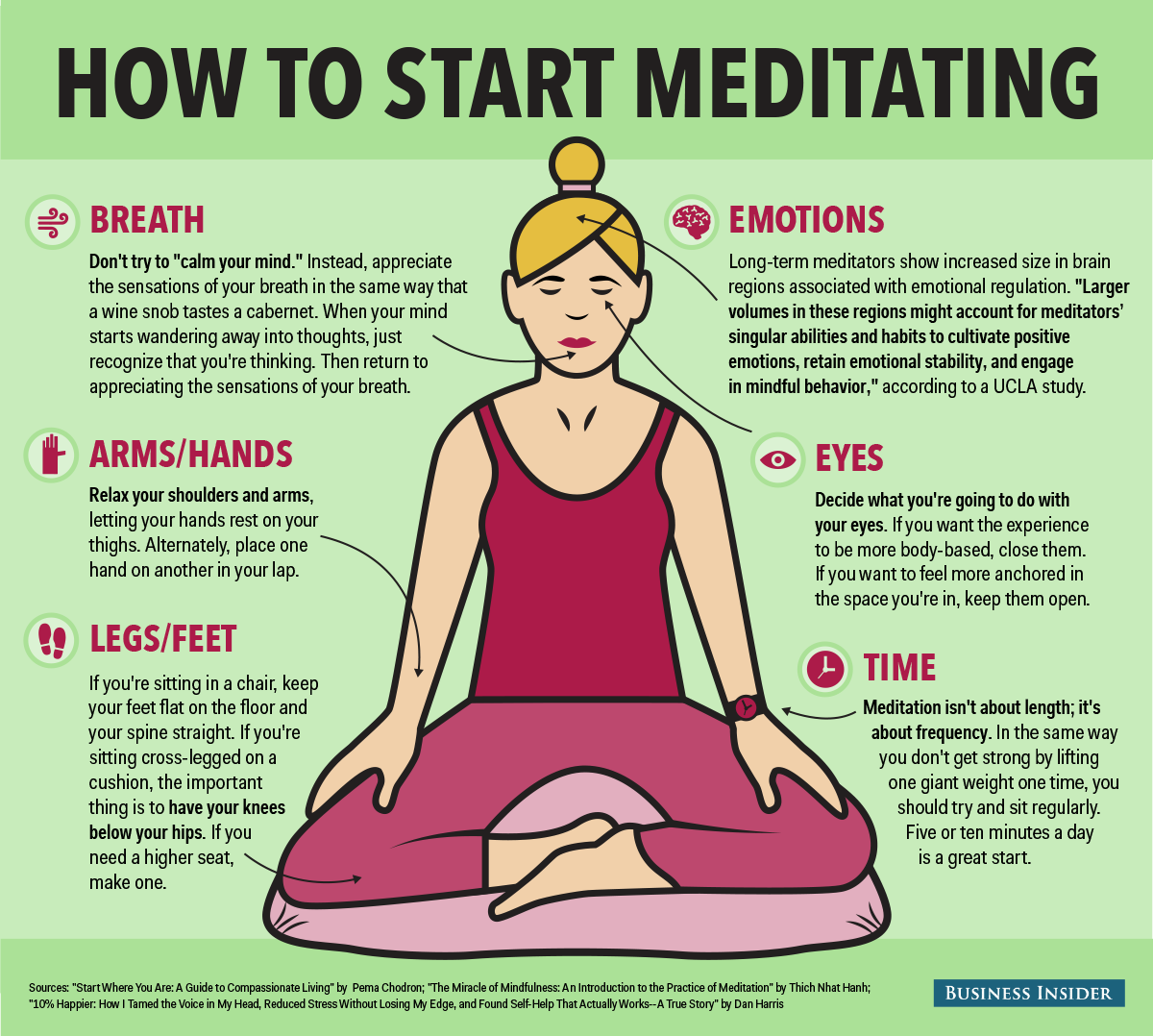
Correct postures can significantly aid in achieving and maintaining deep meditation states. Certain positions promote physical comfort, reduce distractions, and encourage prolonged stillness—elements vital for successful astral travel.Common postures include:
- Sitting cross-legged on a cushion: Provides stability and supports an upright spine, keeping the energy centers aligned.
- Lying flat on your back (savasana): Facilitates complete relaxation and minimizes physical effort, ideal for deep meditative states.
- Half-lotus or full-lotus position: Promotes stability and alertness, especially beneficial for longer meditation sessions.
Ensure your posture maintains spinal alignment, allowing energy to flow freely, and supports sustained stillness without discomfort. Elevated hands on the lap or knees can also enhance focus and balance, aiding in the transition into an altered consciousness state essential for astral projection.
Visualization and Focus Strategies for Out-of-Body Experiences
Mastering the art of visualization and maintaining sharp focus are essential components in achieving out-of-body experiences through astral projection. These strategies serve to deepen your meditative state, strengthen your intent, and facilitate the gentle separation of your astral body from your physical form. By developing effective techniques, practitioners can enhance their ability to enter and sustain the desired state of consciousness necessary for successful astral travel.Effective visualization exercises are central to stimulating the astral body to leave the physical vessel.
These exercises involve creating vivid mental images that engage all senses, thereby fostering a strong sense of presence beyond the physical realm. Additionally, establishing methods to enhance concentration and mental clarity during meditation can significantly improve the chances of successful projection. Reinforcing your intentions through affirmations or mantras further consolidates focus and aligns your subconscious mind with your goal.
Detailed Visualization Exercises to Stimulate the Astral Body
To facilitate the separation of the astral body, engaging in targeted visualization exercises can be highly effective. Begin with imagining a luminous cord extending from your physical body, symbolizing your connection to the astral form. Visualize this cord gently pulling or lengthening, creating a sensation of lightness and movement away from the physical vessel. Imagine yourself slowly rising upward, feeling as if lifted by an invisible force, while your consciousness remains clear and alert.
Incorporating sensory details, such as the feeling of a cool breeze or the sight of shimmering lights, can deepen the immersive experience.Another powerful technique involves visualizing a doorway or portal within your mind’s eye. Picture yourself approaching this portal, feeling its texture, listening to any associated sounds, and sensing the energy emanating from it. Visualize yourself stepping through the doorway, emerging into a different realm where your astral body can freely move.
Repeating these exercises consistently can strengthen your ability to induce the sensation of separation and prepare your mind for actual out-of-body experiences.
Enhancing Concentration and Mental Clarity During Meditation
Maintaining unwavering focus and mental clarity during meditation is crucial for successful astral projection. To improve concentration, practitioners often employ breath control techniques, such as diaphragmatic breathing, which promotes calmness and steadiness of the mind. Focusing on a single point—be it a visual object, a specific sound, or a mantra—serves to eliminate distractions and deepen meditative absorption. It is also beneficial to practice mindfulness regularly, cultivating an awareness of your thoughts and sensations without judgment.
This cultivated awareness helps in identifying and releasing mental clutter that may impede projection. Techniques such as counting breaths or mentally repeating a calming word or phrase can anchor your focus and sustain mental clarity throughout your session.
Using Affirmations and Mantras to Reinforce the Intent of Astral Projection
Affirmations and mantras are powerful tools to reinforce your intention for astral projection and to align your subconscious mind with your conscious desires. Repeating affirmations creates a mental environment conducive to out-of-body experiences by planting the seed of your goal deeply within your subconscious. When used consistently, they help diminish doubts and foster confidence in your ability to project.Effective affirmations should be positive, present tense, and specific.
Examples include:
“I am now capable of leaving my physical body,”
or
“My astral body freely separates and explores new realms.”
Repeating these affirmations aloud or silently during meditation, especially during moments of deep relaxation, can strengthen your focus and resolve. Mantras, such as a sacred sound or phrase that resonates with your intention, serve a similar purpose. The rhythmic repetition of a mantra can induce a trance-like state, further facilitating the separation process by calming your mind and amplifying your focus on the goal of astral travel.
Signs and Indicators of Successful Astral Projection During Meditation
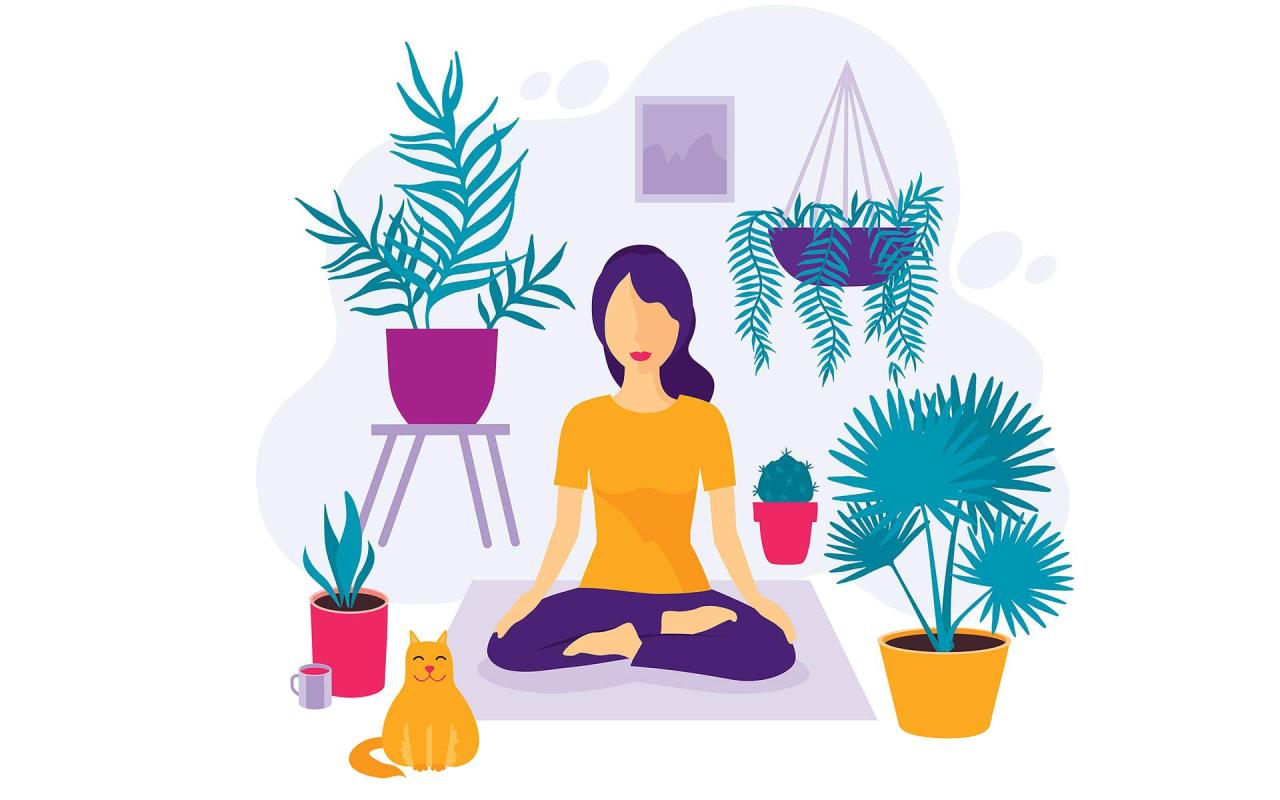
Recognizing the signs of an actual astral projection during meditation is essential for understanding your progress and validating your experiences. While many sensations can occur during deep meditation, certain cues are indicative of achieving an out-of-body state. Differentiating between regular profound meditation experiences and genuine astral travel ensures you remain focused and aware of your achievements, empowering your continued practice.
Awareness of these indicators helps practitioners confirm their progress, refine their techniques, and deepen their understanding of the astral realm. Common sensations and visual cues serve as signposts along your journey toward successful astral projection, provided they are interpreted correctly and distinguishable from typical meditative experiences.
Common Sensations and Visual Cues Indicating Astral Projection
During meditation, specific sensations and visual cues often signal a transition into an actual astral projection. Understanding these can help you recognize when you are experiencing a successful out-of-body experience versus routine meditative phenomena.
- Floating or Rising Sensation: Feeling as if your consciousness is lifting or floating upwards, often accompanied by a sensation of weightlessness.
- Vibrations or Pulsations: Vibratory feelings throughout the body, especially in the head or spine, signaling energy shifts associated with astral travel.
- Visual Distortions or Light Appearances: Seeing flashes of light, geometric patterns, or a shimmering glow, which often precede movement into the astral plane.
- Sudden Feelings of Detachment: Experiencing a sudden sense of separation from the physical body, marked by a distinct feeling of being outside oneself.
- Auditory Phenomena: Hearing faint ringing, buzzing, or high-pitched sounds that often accompany the vibrations and detachment phases.
- Movement Without Physical Effort: The sensation of moving effortlessly, as if gliding or floating through space, without physical force.
Differentiating Between Normal Meditation Experiences and Actual Astral Projection
While many sensations are common in deep meditation, distinguishing authentic astral projection from ordinary meditative states requires careful attention to specific cues. Normal meditation often involves deep relaxation, visualizations, and mental clarity, but astral projection features more distinct and profound indicators that suggest a separation from the physical form.
Key Differentiator: The sensation of physical detachment combined with vibrational phenomena and the perception of traveling or exploring beyond the physical environment signals a genuine astral projection, as opposed to simply being in a deep meditative or hypnagogic state.
Practitioners should observe the context of sensations, the intensity of vibrational feelings, and the clarity of perception. For example, experiencing fleeting glimpses of distant environments, or feeling as if you are floating freely with awareness, indicates a successful projection. In contrast, routine meditative sensations tend to be more subtle and lack the clear sense of detachment or movement.
Signs, Sensations, and Techniques Table
| Signs and Sensations | Description | Associated Techniques | Notes |
|---|---|---|---|
| Vibrations or Pulsations | Intense vibratory feelings throughout the body, especially during the transition phase. | Deep breathing, progressive relaxation, focus on energy centers (chakras) | Often a precursor to separation from the physical body. |
| Feelings of Floating or Rising | Sensation of lifting or ascending, as if leaving the physical body behind. | Visualization of ascending, mental affirmations of departure | Common during the deepening of the projection process. |
| Visual Distortions or Lights | Seeing flashes, geometric patterns, or shimmering lights. | Focused visualization, relaxed gaze, or softening vision | Indicates entering the astral realm or shifting consciousness. |
| Sudden Detachment from the Body | Feeling of separation, as if consciousness is no longer anchored physically. | Body scan meditation, affirmations of departure | Genuine sign of successful projection if accompanied by awareness. |
Last Recap
In summary, mastering the art of meditative astral projection involves careful preparation, refining techniques, and maintaining perseverance. As you develop your skills, you’ll uncover new levels of awareness and expand your consciousness beyond the physical realm. Embrace this journey with patience and curiosity, and your out-of-body explorations will become increasingly vivid and rewarding.