Discovering how to meditate for sound healing opens a pathway to profound relaxation and inner harmony. This practice combines the timeless art of meditation with the therapeutic power of sound, offering a holistic approach to mental and emotional well-being. By understanding the principles and techniques involved, individuals can harness vibrational energy to foster healing and mindfulness in their daily lives.
This guide provides an overview of effective methods, suitable tools, and tips for creating an optimal environment, empowering you to develop a personalized sound healing meditation practice that enhances your overall health and tranquility.
Introduction to Sound Healing Meditation
Sound healing meditation is an ancient practice that leverages the vibrational qualities of sound to promote physical, emotional, and spiritual well-being. Rooted in diverse cultural traditions worldwide, it employs specific sounds, tones, and frequencies to facilitate deep relaxation and inner harmony. By integrating sound with meditation, practitioners can access a heightened state of awareness, reduce stress, and foster a sense of holistic balance.
The principles of sound healing revolve around the idea that sound waves can influence the body’s energy fields, chakras, and nervous system. These vibrations resonate with our cellular structure, encouraging the release of tension and blockages. Historically, civilizations such as the Egyptians, Greeks, and indigenous cultures have utilized rhythmic sounds—like chanting, drumming, and singing bowls—to heal and connect with the divine.
Today, sound healing is recognized as a complementary therapy, supported by scientific studies highlighting its benefits in stress reduction, pain relief, and emotional regulation.
Sound Healing Tools and Techniques
Exploring the various tools and techniques used in sound healing provides insight into how these practices are tailored to individual needs and preferences. Different tools produce distinct vibrations and tonal qualities, making them suitable for diverse healing objectives. Understanding these instruments and methods enhances the depth and effectiveness of sound meditation sessions.
| Sound Healing Tools | Description and Use |
|---|---|
| Singing Bowls | Made from metal or crystal, singing bowls produce rich, resonant tones when struck or circled with a mallet. They are often used to balance chakras and clear energetic blockages. The vibrations can be felt physically and heard auditorily, creating a soothing environment for meditation. |
| Tuning Forks | Metal forks calibrated to specific frequencies, used to stimulate particular energy centers or areas of discomfort. Tuning forks emit pure tones that can be applied directly to the body or held nearby, encouraging cellular resonance and energetic alignment. |
| Didgeridoo and Drums | Traditional instruments that produce deep, rhythmic sounds. These are employed to induce trance-like states and facilitate energetic flow. The primal vibrations can help in releasing emotional tension and connecting individuals to their subconscious. |
| Sound Techniques | Description and Application |
| Vocal Toning | Using the voice to produce sustained sounds or syllables that align with specific frequencies. This technique allows for personal expression and targeted healing, often used in group or individual sessions. |
| Gong Bathing | Involves the use of gongs to produce immersive soundscapes. The layered vibrations encourage deep relaxation, meditation, and mental clarity, often combined with visualizations or breathwork. |
| Nature Sounds and Binaural Beats | Utilize recordings or synthesized sounds that mimic natural environments or incorporate specific frequencies to entrain brainwaves. These tools support meditation by enhancing focus and inducing desired mental states, such as alpha or theta waves. |
Incorporating these tools and techniques into a meditation practice can significantly deepen the experience, promoting relaxation, mental clarity, and energetic balance. The choice of instrument or method often depends on individual preferences, specific healing intentions, and the context of the session.
Preparing for Sound Healing Meditation
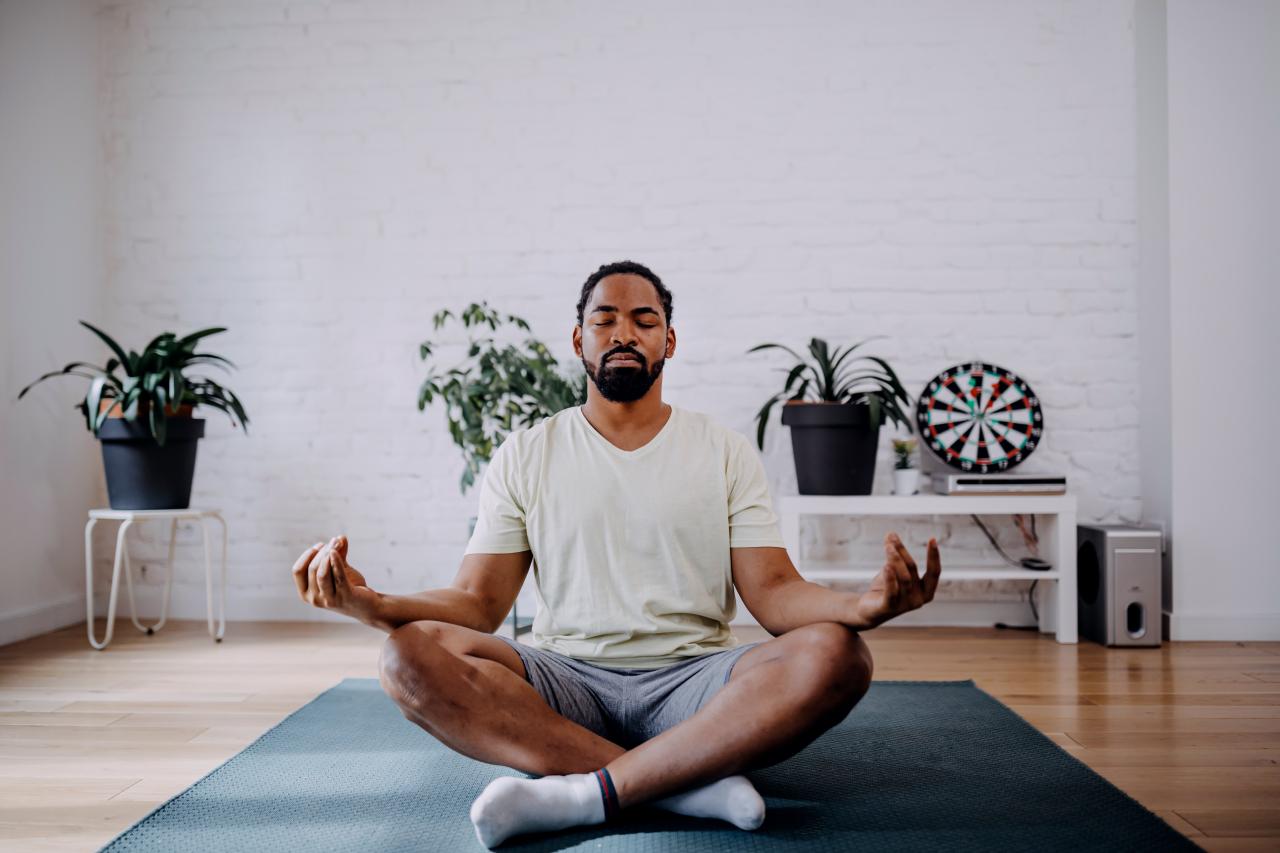
Creating the ideal environment for sound healing meditation is essential to maximize its calming and healing effects. Proper preparation helps to foster a sense of tranquility, focus, and openness, allowing the beneficial vibrations and tones to resonate fully within your being. Thoughtful setup and mindful choices set the foundation for a deeply restorative experience.
Preparation involves organizing your surroundings, selecting appropriate tools, and adopting a comfortable posture with clear intentions. By paying attention to these details, you enable yourself to enter a state of relaxation more effortlessly and deepen your receptivity to the healing sounds.
Creating a Calming Environment
Establishing a peaceful space free from distractions is fundamental to sound healing meditation. The environment should evoke serenity and promote focus, enabling you to fully immerse in the experience without interruptions. Consider the following steps to craft a conducive setting:
- Choose a quiet area where external noise and interruptions are minimized, such as a dedicated corner, a private room, or a garden space.
- Ensure the space is free from clutter, which can distract the mind and hinder relaxation. Use soft furnishings, cushions, or mats to create a cozy atmosphere.
- Adjust lighting to be soft and gentle, using dimmable lights or candles to cultivate a warm, inviting ambiance.
- Incorporate elements of nature, such as plants, stones, or natural fabrics, to enhance the sense of tranquility and connection with the natural world.
- If possible, play ambient sounds or gentle background music that complement the sound healing process without overpowering it.
Maintaining a consistent environment for your practice helps to condition your mind to enter a meditative state more readily, reinforcing the calming effects over time.
Recommended Materials and Instruments
The effectiveness of sound healing meditation is significantly enhanced by the quality and variety of instruments used. Selecting appropriate tools and materials can deepen relaxation and facilitate a richer soundscape. Here are some essential items to consider:
| Material / Instrument | Description and Benefits |
|---|---|
| Crystal Bowls | Made from quartz crystal, these bowls produce pure, resonant tones that promote deep relaxation and energetic balance. |
| Metal Tibetan Singing Bowls | Hand-hammered bowls that emit rich, layered vibrations, ideal for slow, meditative soundscapes. |
| Tuning Forks | Precisely calibrated forks that emit specific frequencies, useful for targeted sound therapy and balancing chakras. |
| Chimes and Bells | Delicately produce clear, bright tones that can gently shift the mind into a meditative state. |
| Gongs | Large gongs create powerful, enveloping vibrations that can deeply relax the nervous system and release tension. |
| Comfortable Mat or Cushions | Supports proper posture and ensures comfort during extended meditation sessions, allowing the focus to remain on sound. |
| Optional Accessories | Eyewear, eye masks, or blankets to enhance comfort and facilitate deeper relaxation. |
Having these materials ready beforehand ensures a seamless flow into your practice, minimizes disruptions, and allows you to fully engage with the sound vibrations.
Choosing a Comfortable Position and Setting Intentions
Adopting the right posture and setting clear intentions can significantly influence the depth and effectiveness of your sound healing meditation. Your physical comfort supports mental tranquility, while purposeful intentions provide focus and enhance the healing process.
- Opt for a position that allows your body to relax completely. Sitting cross-legged on a cushion, lying flat on your back, or reclining in a comfortable chair are optimal choices.
- Ensure your spine is straight to facilitate easy breathing and energy flow, but avoid tension or rigidity in your posture.
- Use supportive props like cushions or bolsters if needed to prevent discomfort during longer sessions.
- Close your eyes or soften your gaze to minimize visual distractions, enabling inward focus.
- Set a clear intention for your session, such as promoting emotional release, achieving energetic balance, or simply cultivating presence.
- Begin with a moment of mindfulness, acknowledging your purpose and inviting openness to the healing sounds.
“A comfortable position combined with a focused intention creates a fertile ground for profound healing and inner peace.”
Regularly refining your posture and clarifying your goals enhances your connection to the practice, allowing you to experience its full benefits over time.
Techniques for Meditating with Sound
Engaging with sound during meditation enhances awareness and deepens relaxation by anchoring the mind to auditory stimuli. Mastering specific techniques allows practitioners to experience the full therapeutic benefits of sound healing, fostering a sense of inner calm and spiritual connection.
Sound meditation involves focusing attention on vibrations produced by instruments such as singing bowls, gongs, chimes, or even the natural sounds of the environment. By consciously directing awareness to these vibrations, individuals can quiet their thoughts, reduce stress, and attain a heightened state of consciousness. Synchronizing this attention with controlled breathing amplifies the calming effects and promotes a more immersive experience.
Focusing Attention on Sound Vibrations
To effectively meditate with sound, it is essential to develop a method of anchoring your awareness to the vibrations created by sound waves. This process involves tuning into the resonance, frequency, and tactile sensations of the sounds to foster a deep sense of presence.
- Choose a Sound Source: Select an instrument or environment that produces clear, sustained vibrations, such as a singing bowl or gongs. Ensure the sound is steady and free of distractions.
- Close Your Eyes and Center Yourself: Begin with a few moments of slow, deep breathing to relax your body and mind, establishing a receptive state.
- Focus Intently on the Sound: Direct your attention to the point where the sound is most prominent, such as the center of a singing bowl or the area around the gongs. Feel the vibrations traveling through the air and into your body.
- Observe the Sensory Experience: Notice the tactile sensations, such as the resonating hum, the vibration of the instrument, and how the sound fills your perception.
- Maintain Gentle Attention: When your mind wanders, gently redirect your focus back to the vibration without judgment, fostering a state of mindfulness.
Synchronizing Breath with Sound for Enhanced Relaxation
Synchronization of breath with sound vibrations enhances the meditative process by aligning physiological rhythms with auditory stimuli. This harmony deepens relaxation, stabilizes the mind, and facilitates a sense of unity with the soundscape.
- Establish a Comfortable Breathing Pattern: Begin by inhaling slowly through the nose for a count of four, filling your lungs completely.
- Exhale in Harmony with the Sound: As the sound sustains or reaches its peak, exhale slowly through the mouth or nose for a count of six to eight, releasing tension.
- Sync Your Breathing to the Sound Rhythm: If the sound has a steady beat or pulse, match your inhalation and exhalation to this rhythm to foster a sense of unity.
- Maintain Mindful Awareness: Focus on the sensation of the breath and the vibratory quality of the sound, allowing both to become integrated in your experience.
- Practice Consistently: Repeating this synchronized breathing during sessions enhances your capacity to enter a profoundly relaxed state over time.
Step-by-Step Guide for a Typical Sound Healing Meditation Session
A structured approach helps to optimize the benefits of sound meditation, providing clarity and consistency to your practice.
- Preparation: Find a quiet, comfortable space where you will not be disturbed. Gather your sound instruments, such as singing bowls or gongs, and sit in a relaxed but upright posture.
- Centering and Grounding: Close your eyes and take several deep breaths, inhaling through the nose and exhaling slowly through the mouth. Visualize roots grounding you to the earth.
- Introduction to Sound: Begin by gently ringing your chosen instrument to introduce sound into your environment. Focus on the initial vibrations and allow your awareness to settle into the experience.
- Deepening Focus: Continue to listen, directing your attention solely to the vibrations, resonance, and tactile sensations. Let the sound become the anchor for your awareness.
- Breath Synchronization: Incorporate slow, deliberate breathing, matching your inhalation and exhalation to the length and rhythm of the sounds. Maintain a gentle, relaxed posture.
- Immerse in the Experience: Allow the sound to permeate your consciousness, observing any thoughts or sensations that arise without attachment or judgment. Stay present in the vibration.
- Concluding the Session: Gradually reduce the volume of sound or cease playing the instruments. Sit in silence for a few moments, savoring the calmness created. Take a few deep breaths before gently opening your eyes and returning to normal awareness.
Types of Sounds and Instruments Used

In sound healing meditation, the selection of instruments and sounds plays a vital role in creating a resonant environment conducive to relaxation and subconscious healing. Different instruments produce unique frequencies and vibrations, each with specific healing properties that can enhance your meditation experience. Understanding the characteristics and qualities of these sounds allows practitioners to tailor their sessions to meet individual needs and desired outcomes.
Various traditional and modern instruments are employed in sound healing practices, ranging from ancient singing bowls to contemporary tuning forks. Additionally, ambient sounds and recordings are often used to create a calming atmosphere, complementing the physical instruments. Exploring these options enables a deeper connection with the healing process and promotes a more immersive meditation session.
Singing Bowls
Singing bowls, also known as Tibetan or crystal bowls, are among the most popular instruments used in sound therapy. They produce a rich, harmonious sound when struck or circled with a mallet. These bowls come in various sizes and materials, each emitting different tonal qualities. Their vibrations can resonate deeply within the body, promoting relaxation, stress reduction, and emotional release.
The sound waves generated by singing bowls are believed to balance the body’s energy centers, or chakras, fostering holistic healing.
Tuning Forks
Tuning forks are precision-engineered metal instruments that emit specific frequencies when struck. They are often used in sound healing for their ability to deliver targeted vibrations to particular parts of the body or energetic fields. The clarity and purity of tuning fork sounds make them effective for balancing energy flows, reducing pain, and enhancing mental clarity. Practitioners typically select tuning forks with frequencies corresponding to the body’s chakras or meridians.
Drums
Drums, including hand drums, frame drums, and shamanic drums, introduce rhythmic and primal sounds into meditation. Their deep, resonant beats can induce trance-like states, stimulate the body’s energy systems, and foster a sense of connection with nature. The steady pulse of a drum can also help synchronize brainwave activity, promoting alpha and theta states associated with relaxation and meditation.
Chimes
Chimes produce delicate, bell-like sounds that are both soothing and uplifting. Their gentle tones are often used to mark transitions within a meditation session or to introduce moments of stillness. Chimes can vary in size and material, affecting their pitch and sustain. Their calming resonance helps clear mental clutter and deepen meditative focus.
Comparative Table of Instruments and Their Healing Properties
| Instrument | Sound Characteristics | Healing Properties | Ideal Use |
|---|---|---|---|
| Singing Bowls | Harmonic, sustained tones with rich overtones | Balances chakras, reduces stress, promotes emotional healing | Deep relaxation, chakra balancing, emotional release |
| Tuning Forks | Pure, precise frequencies with clear tone | Energy balancing, pain relief, mental clarity | Targeted energy work, physical healing, meridian therapy |
| Drums | Deep, resonant beats with rhythmic pulsing | Induces trance states, stimulates energetic flow | Shamanic journeying, grounding, primal healing |
| Chimes | Soft, delicate, bell-like sounds | Clears mental clutter, enhances calmness | Transition moments in meditation, stress reduction |
Ambient Sounds and Recordings
In addition to physical instruments, ambient sounds and recordings can significantly enhance meditation sessions. Nature recordings, such as flowing water, gentle rain, wind through trees, or bird songs, create a tranquil environment that fosters mindfulness and presence. These sounds can be recorded in high quality and looped seamlessly to provide a continuous, immersive experience. Contemporary soundscapes incorporating synthesized tones or binaural beats are also popular for their ability to entrain brainwaves into desired states, such as alpha or theta waves, supporting relaxation and deep meditation.
Developing Personal Sound Healing Practice

Establishing a consistent sound healing routine enables individuals to deepen their connection with vibrational energy and experience the full benefits of meditation. A dedicated practice fosters mindfulness, enhances emotional resilience, and promotes overall well-being. By integrating sound meditation into daily or weekly schedules, practitioners can create a sustainable and meaningful pathway toward inner harmony and self-awareness.Creating a personalized sound healing practice involves not only establishing routine sessions but also cultivating techniques that enhance the depth and effectiveness of each meditation.
Over time, developing a nuanced understanding of sound’s influence on the mind and body encourages a more profound engagement with vibrational energies, leading to more enriching and transformative experiences.
Establishing Consistent Sound Meditation Routines
Consistency is key to embedding sound healing into daily life. Decide on a specific time each day or week when you are least likely to be interrupted or distracted. Morning sessions can invigorate your day with clarity, while evening practices may promote relaxation and restful sleep. Start with short durations, such as 10-15 minutes, and gradually extend the sessions as comfort and familiarity increase.A regular routine can include visualizing sound waves, focusing on the resonance within the body, or simply allowing the sounds to envelop your awareness without resistance.
Utilizing a dedicated space that is quiet and comfortable enhances focus and signals to your subconscious that it is time for mindfulness and healing.
Techniques to Deepen Connection with Sound and Vibrational Energy
To deepen your engagement with sound healing, it is essential to cultivate present-moment awareness and openness to vibrational energy. Incorporate breathwork techniques, such as slow diaphragmatic breathing, to synchronize with the vibrational frequency of the sounds. This synchronization amplifies the body’s receptivity and facilitates a more profound energetic flow.Practicing mindful listening involves attentively observing the qualities of each sound—the pitch, timbre, and rhythm—without judgment or expectation.
Focused attention on how sounds resonate within different parts of the body can enhance bodily awareness and facilitate energy shifts. Visualizing vibrations as radiant energy moving through the body can deepen the sensory experience and foster a stronger bond with sound energy.
Methods for Tracking Progress and Experiences
Maintaining a journal or digital log is an effective way to record observations, insights, and emotional shifts experienced during sound healing practices. Documenting the dates, sounds used, duration, and personal sensations helps identify patterns and preferences that contribute to more effective sessions.In addition to written records, practitioners can utilize recording devices to capture sessions and revisit them later to observe subtle changes over time.
Regular reflection on these recordings can reveal progress in emotional release, mental clarity, or energy alignment. Establishing a routine review—such as weekly or monthly—allows for adjustments in technique or sound selection, fostering continuous growth and deeper understanding of personal responses to vibrational energy.
Integrating Visualization with Sound Meditation
Combining visualization techniques with sound meditation enhances the overall experience by engaging multiple senses and deepening relaxation. Visualization not only complements the vibrational qualities of sound but also fosters a more immersive state of consciousness, enabling practitioners to access healing and restorative energies more effectively. This integration encourages vivid mental imagery that aligns seamlessly with sound vibrations, enriching the meditative journey.
By consciously incorporating visual imagery during sound sessions, individuals can create a personalized and resonant mental landscape. This process involves generating clear, meaningful images that are synchronized with the auditory stimuli, fostering a sense of harmony between the mind and sound. Such practices can deepen relaxation, heighten awareness, and facilitate emotional release or spiritual connection.
Creating Mental Landscapes Synchronized with Sound Vibrations
Developing mental landscapes that are synchronized with sound vibrations involves a mindful process of visualization, where each sound or tone is paired with specific visual elements. The goal is to align the rhythm, pitch, and frequency of sounds with corresponding images or scenes, thereby amplifying the healing effects and enhancing focus.
This practice begins with selecting a calming sound or instrument, such as Tibetan bowls or chimes, and then forming a mental image that complements the sound’s qualities. For example, the gentle ringing of a crystal bowl might evoke the image of sparkling water or shimmering light. As the sound resonates, the visual imagery can be consciously expanded or deepened, creating a cohesive sensory experience that guides the practitioner into a meditative state.
Creating these landscapes also involves paying attention to the emotional tone of the sounds. For instance, low, resonant tones may evoke images of vast landscapes like mountains or oceans, fostering grounding and stability. Conversely, higher, delicate tones may inspire visions of clouds or stars, encouraging a sense of expansiveness and curiosity.
Guided Visualization Scripts Aligned with Sound Healing
Guided visualization scripts serve as structured narratives that direct the practitioner’s imagination in harmony with sound vibrations. These scripts are designed to enhance focus, deepen relaxation, and facilitate specific healing intentions. When aligned with sound healing, they can create a powerful synergy that amplifies the therapeutic benefits.
The scripts typically incorporate descriptions that evoke vivid imagery, synchronized with the specific sounds being played. For example, a script might instruct the listener to imagine a warm, golden light flowing into their body as the sound of a Tibetan bowl resonates softly in the background. The narrative guides the practitioner through a series of visualizations that correspond with the sound’s rhythm and tone, such as visualizing waves of energy moving through the body or a serene landscape unfolding with each tone.
“As the sound of the chimes gently rises and falls, envision a tranquil lake at dawn, with ripples slowly spreading across its surface, carrying away tension and inviting peace.”
Effective guided scripts often include prompts for breathing, sensory awareness, and emotional release, all synchronized with the soundscape. This alignment enhances the meditative state, allowing practitioners to experience a deeper sense of connection, clarity, and healing during their sound meditation sessions.
Common Challenges and Solutions

Sound meditation offers profound benefits, but practitioners may encounter various difficulties along the way. Understanding these common challenges and effective strategies to overcome them can enhance the experience, making the practice more consistent and rewarding. Awareness of potential obstacles allows individuals to adapt their approach, ensuring that sound healing meditation remains accessible and beneficial regardless of circumstances or experience level.Practitioners often face obstacles such as wandering thoughts, external distractions, fatigue, or difficulty maintaining focus.
Addressing these challenges proactively and with patience can significantly improve the overall effectiveness of the meditation session. Below are some typical difficulties encountered and practical solutions to support a resilient and focused practice.
Distraction and Wandering Thoughts
Distractions, whether internal or external, are among the most common challenges in sound meditation. The mind naturally tends to wander, especially when starting out or practicing in noisy environments. This can hinder the depth of relaxation and the intended vibrational experience of sound healing.To manage this, practitioners should establish gentle acknowledgment of distracting thoughts without judgment, allowing them to pass naturally.
Techniques such as subtle mental noting—silently labeling thoughts as “thinking” or “wandering”—can help refocus attention on the sound vibrations. Using a specific sound focus, like a particular instrument or mantra, also anchors the mind, making it easier to maintain concentration.
Maintaining Focus in Noisy Environments
External noise or interruptions can break concentration and diminish the effectiveness of sound healing meditation. Environments such as busy homes, public spaces, or open offices may pose challenges for maintaining a calm, centered state.Creating a dedicated, quiet space for practice, even if brief, can greatly improve focus. Employing noise-canceling devices or playing recorded sounds at a comfortable volume can mask disruptive background noise.
Practicing at times when surroundings are naturally quieter, such as early mornings or late evenings, can also be beneficial. Additionally, gradually acclimating to external sounds during meditation can build resilience and tolerance, enabling practitioners to remain present despite environmental disturbances.
Adapting Practice to Different Environments and Experience Levels
Different settings and varying experience levels necessitate flexible approaches to sound meditation. Beginners may find it challenging to sit still or follow complex sound patterns, while seasoned practitioners might seek deeper states of absorption.For beginners, shorter sessions—around 10 to 15 minutes—are recommended, with a focus on simple sound immersion and gentle breathing. As experience grows, the duration can be gradually increased, and more advanced techniques such as guided visualization with sound or exploring different instruments can be incorporated.
When practicing in less-than-ideal environments, it is helpful to use portable sound tools like small tuning forks or hand-held percussion instruments, allowing for adaptable, on-the-go sessions.
Flexibility and patience are key in sound healing meditation. Adapting to your surroundings and progress ensures sustained engagement and deepening of practice over time.
Overcoming Physical Discomfort
Physical discomfort, such as stiff muscles or restlessness, can divert attention from the meditative process. Maintaining a comfortable seated or lying position is essential to sustain focus and relaxation.Practitioners should choose ergonomic seating, utilize cushions or mats, and take short breaks if needed. Incorporating gentle stretching or mindful movement before starting can also alleviate tension. Small adjustments in posture and environment, such as dim lighting or a quiet space, can foster greater comfort, enabling deeper immersion into sound healing.
Dealing with Emotional Resistance
Sometimes, sound meditation can evoke emotional responses or feelings of resistance, especially when confronting underlying stress or trauma. This can lead to avoidance or discomfort, making it difficult to sustain the practice.Approaching such responses with self-compassion and patience is crucial. If overwhelming emotions arise, taking a moment to breathe deeply or adjusting the sound environment can help restore calm. Seeking guidance from experienced sound healers or mental health professionals may also support navigating complex emotional experiences safely.
Remember, consistent practice, combined with gentle acceptance, can gradually reduce resistance and foster emotional resilience through sound healing.
Enhancing Experience with Additional Techniques
Integrating supplementary practices into sound healing meditation can deepen the experience, promote greater relaxation, and foster a more profound sense of presence. Combining sound with other mindful or embodied techniques enables practitioners to customize their sessions, making them more effective and personally meaningful. This section explores how to effectively blend sound healing with breathwork, mindfulness, affirmations, intentions, and movement, enhancing both mental and physical engagement during meditation.
Integrating Breathwork and Mindfulness Practices
Incorporating breathwork and mindfulness into sound healing sessions can amplify relaxation and heighten awareness. These practices help regulate the nervous system, allowing the individual to enter a state of heightened receptivity to sound vibrations. When combined thoughtfully, breath and mindfulness serve as anchors, grounding the practitioner and fostering a seamless flow between internal awareness and external sound stimuli.
To effectively integrate these techniques, practitioners can start by synchronizing their breath with the sounds or instruments being played. For instance, inhaling slowly during the rise of a gentle tone or exhaling during a sustained note encourages deeper relaxation. Mindfulness can be cultivated by directing attention to the sensations of sound vibrations, noticing how they resonate within the body, and observing thoughts without attachment.
This creates a cohesive meditative space where sound and mindful presence reinforce each other, leading to a more immersive experience.
Incorporating Affirmations and Intentions
Using affirmations and intentions within sound healing sessions centers the practice around specific goals, such as healing, clarity, or emotional release. When integrated thoughtfully, they transform passive listening into an active engagement with personal growth and self-awareness.
Practitioners can begin by setting clear intentions before starting the session, such as “I am open to healing” or “I release tension and embrace peace.” During the session, softly repeating affirmations in sync with sound vibrations can deepen their impact. For example, aligning a gentle chant or affirmation with a recurring tone or mantra creates a resonant field that amplifies the affirmation’s power.
Writing or stating affirmations aloud before or after the session also helps embed the intentions into the subconscious mind, fostering ongoing positive change.
Using Movement or Body Awareness Alongside Sound Meditation
Incorporating gentle movement and body awareness techniques complements sound healing by fostering a deeper connection between mind and body. Movement can facilitate the release of physical tension, stimulate energy flow, and deepen sensory engagement, making the experience more embodied and dynamic.
Practitioners might incorporate slow, mindful movements such as stretching, swaying, or gentle tapping synchronized with the rhythm of the sounds. Body scan meditations, where attention is directed sequentially to different parts of the body, can be enhanced with sound accompaniment—allowing vibrations to resonate through areas of tension or concern. Additionally, integrating movement encourages active participation, helping to break energetic blockages and promote holistic healing.
When combined judiciously, movement and sound create a multidimensional experience that nurtures both physical and emotional well-being.
End of Discussion
Incorporating sound healing meditation into your routine can lead to lasting benefits, including reduced stress, improved emotional balance, and a deeper connection with oneself. With consistent practice and mindful intention, you can unlock the transformative potential of sound vibrations and achieve a state of peaceful harmony.