Understanding how to meditate for mental health is essential for fostering emotional stability and overall well-being. Meditation practices have gained recognition for their ability to reduce stress, alleviate anxiety, and promote mental clarity, making them valuable tools in maintaining psychological health. By incorporating these techniques into daily routines, individuals can experience significant improvements in their mood and resilience against mental health challenges.
This guide explores various meditation methods, preparation tips, step-by-step procedures, and ways to integrate meditation into everyday life. Supported by scientific research and practical advice, it aims to equip you with the knowledge needed to embark on a mindful journey towards better mental health.
Introduction to Meditation for Mental Health
In recent years, meditation has gained recognition as a vital practice for supporting mental health and emotional resilience. Its growing popularity is rooted in its ability to promote relaxation, reduce stress, and enhance overall psychological well-being. Regular engagement in meditation can serve as a powerful tool for managing mental health challenges, fostering a more balanced and mindful approach to everyday life.
Historically, meditation techniques have been utilized for thousands of years across various cultures and spiritual traditions. From the ancient practices of Buddhist mindfulness and Hindu transcendental meditation to modern secular adaptations, these practices aim to cultivate mental clarity, emotional stability, and inner peace. As scientific research continues to explore the neurological and psychological benefits of meditation, it becomes increasingly evident that integrating such practices into daily routines can significantly contribute to mental health maintenance.
The Psychological Benefits of Regular Meditation Practice
Engaging in meditation consistently offers a spectrum of psychological benefits that are supported by extensive scientific studies. These benefits help individuals develop healthier mental habits, improve emotional regulation, and increase resilience against stressors.
Key psychological advantages include:
- Stress Reduction: Meditation activates the body’s relaxation response, decreasing cortisol levels and alleviating feelings of stress and anxiety.
- Enhanced Focus and Concentration: Regular practice improves attention span and cognitive flexibility, which are crucial for daily functioning and productivity.
- Emotional Regulation: Meditation encourages mindfulness, enabling individuals to observe their thoughts and emotions without judgment, leading to better management of mood swings and emotional reactivity.
- Reduction in Anxiety and Depression: Studies have shown consistent meditation can decrease symptoms of anxiety disorders and depression by fostering a sense of calm and self-awareness.
- Improved Sleep Quality: Mindfulness practices help calm the mind before bedtime, leading to more restful sleep and reduced insomnia.
Brief History of Meditation Techniques Used for Mental Health
The origins of meditation are deeply rooted in spiritual and philosophical traditions of ancient civilizations. Over millennia, various approaches have developed, each with distinct techniques aimed at mental clarity and emotional balance.
Some of the most influential meditation practices designed to support mental health include:
- Mindfulness Meditation: Originating from Buddhist traditions, this technique involves paying deliberate attention to the present moment, observing thoughts and sensations without attachment or judgment. It has been extensively adopted in clinical settings to reduce stress and improve mood.
- Transcendental Meditation: Developed in the mid-20th century, this technique uses the silent repetition of a mantra to settle the mind into a state of deep rest, reducing anxiety and enhancing mental clarity.
- Guided Visualization: Often used in therapeutic contexts, this method involves imagining calming scenes or positive outcomes to reduce stress and promote emotional well-being.
- Breath Awareness Meditation: Focusing solely on breathing patterns, this practice helps regulate the nervous system, decrease anxiety, and foster mental calmness.
In recent decades, secular adaptations of traditional practices have gained popularity, making meditation more accessible and tailored to individual mental health needs. Scientific studies continue to validate the efficacy of these techniques, reinforcing their place in holistic mental health strategies.
Types of Meditation Techniques for Mental Health
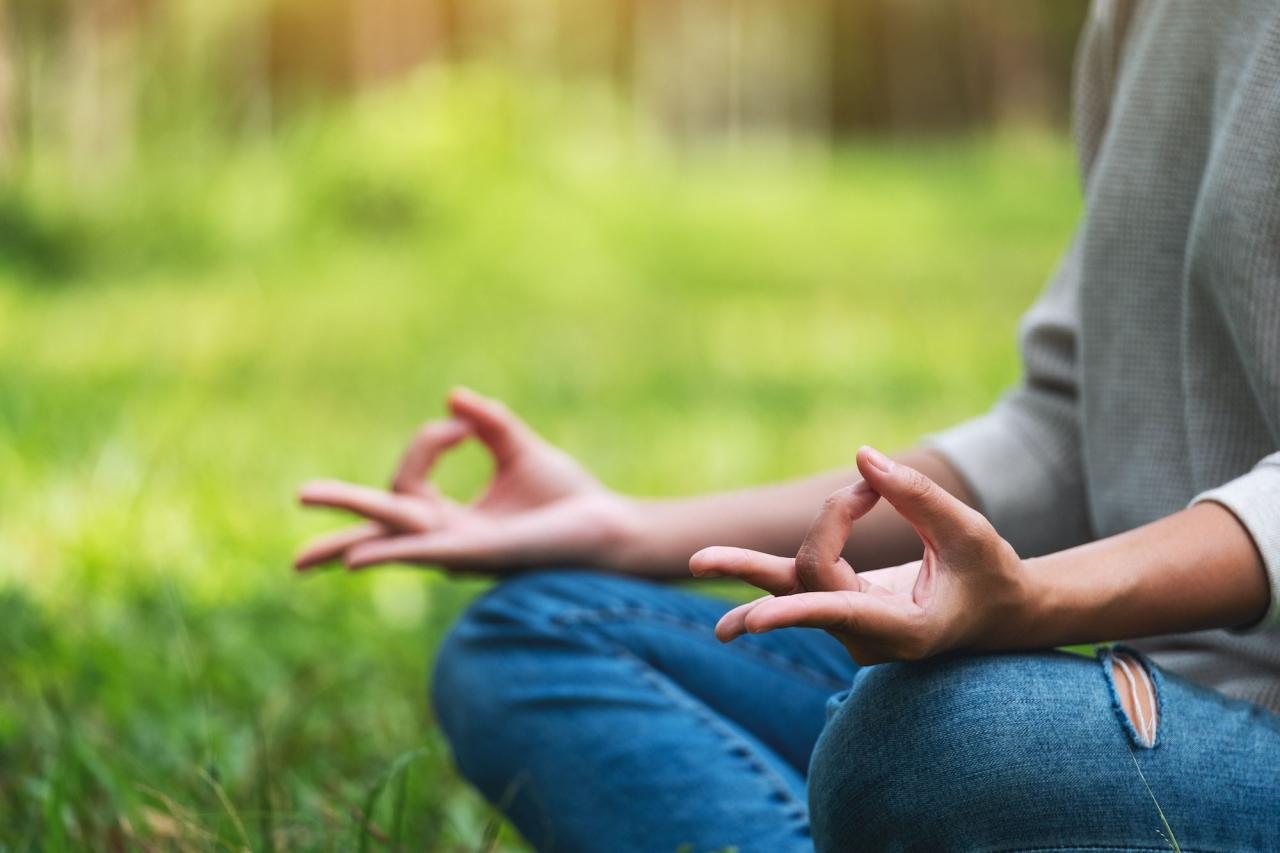
Understanding the various meditation techniques available can significantly enhance the management of mental health conditions. Different methods offer unique benefits, allowing individuals to select approaches that best suit their emotional needs and lifestyles. Exploring these techniques provides a foundation for integrating meditation into everyday routines to foster emotional resilience, reduce stress, and improve overall mental well-being.
Each meditation style employs distinct practices that target specific mental health challenges. From cultivating present-moment awareness to guided emotional processing, these techniques have been supported by scientific research for their positive effects on stress, anxiety, and emotional regulation. Familiarity with these approaches enables individuals to personalize their meditation practice, enhancing its effectiveness and sustainability.
Mindfulness Meditation and Its Effects on Stress Reduction
Mindfulness meditation is one of the most widely practiced techniques for promoting mental health. It involves paying deliberate attention to one’s present moment experience without judgment, fostering a state of awareness that can diminish the impact of stressors.
- This practice encourages individuals to observe their thoughts, emotions, and bodily sensations with acceptance, reducing rumination and internal conflict.
- Regular mindfulness meditation has been shown to lower cortisol levels, thereby decreasing physiological stress responses.
- Research indicates improvements in mood, reductions in anxiety and depression symptoms, and enhanced cognitive flexibility among practitioners.
Guided Meditation Methods for Emotional Regulation
Guided meditation involves listening to a facilitator or pre-recorded audio that directs the participant through a series of visualizations or relaxation techniques. This approach is particularly effective in managing emotional responses and fostering emotional resilience.
- Guided sessions often focus on cultivating compassion, forgiveness, or self-acceptance, which are critical for emotional regulation.
- These meditations help individuals process traumatic or distressing feelings by providing a safe mental space for exploration and release.
- Engaging in guided meditation can improve mood stability and increase resilience to emotional triggers by reinforcing positive thought patterns.
Body Scan and Breathing Exercises for Anxiety Management
Body scan and breathing exercises are practical techniques to alleviate anxiety symptoms by promoting relaxation and awareness of bodily sensations.
- Body Scan: This method involves systematically directing attention to different parts of the body, recognizing tension or discomfort, and consciously releasing it. It enhances interoceptive awareness, which can diminish hyperarousal associated with anxiety.
- Breathing Exercises: Techniques such as diaphragmatic breathing or box breathing focus on controlling breath patterns to regulate the nervous system. Slow, deep breaths activate the parasympathetic nervous system, reducing feelings of panic or agitation.
| Meditation Style | Main Focus | Primary Benefits | Suitable For |
|---|---|---|---|
| Mindfulness Meditation | Present-moment awareness without judgment | Stress reduction, improved mood, cognitive flexibility | Chronic stress, anxiety, depression |
| Guided Meditation | Visualizations and emotional processing | Emotional regulation, trauma processing, self-compassion | Emotional distress, trauma recovery |
| Body Scan | Physical awareness and tension release | Anxiety management, relaxation, bodily awareness | High anxiety, stress-related physical symptoms |
| Breathing Exercises | Regulating respiration and autonomic nervous system | Calming effect, panic attack prevention, emotional balance | Acute anxiety, panic episodes, stress relief |
Preparing for Meditation Practice
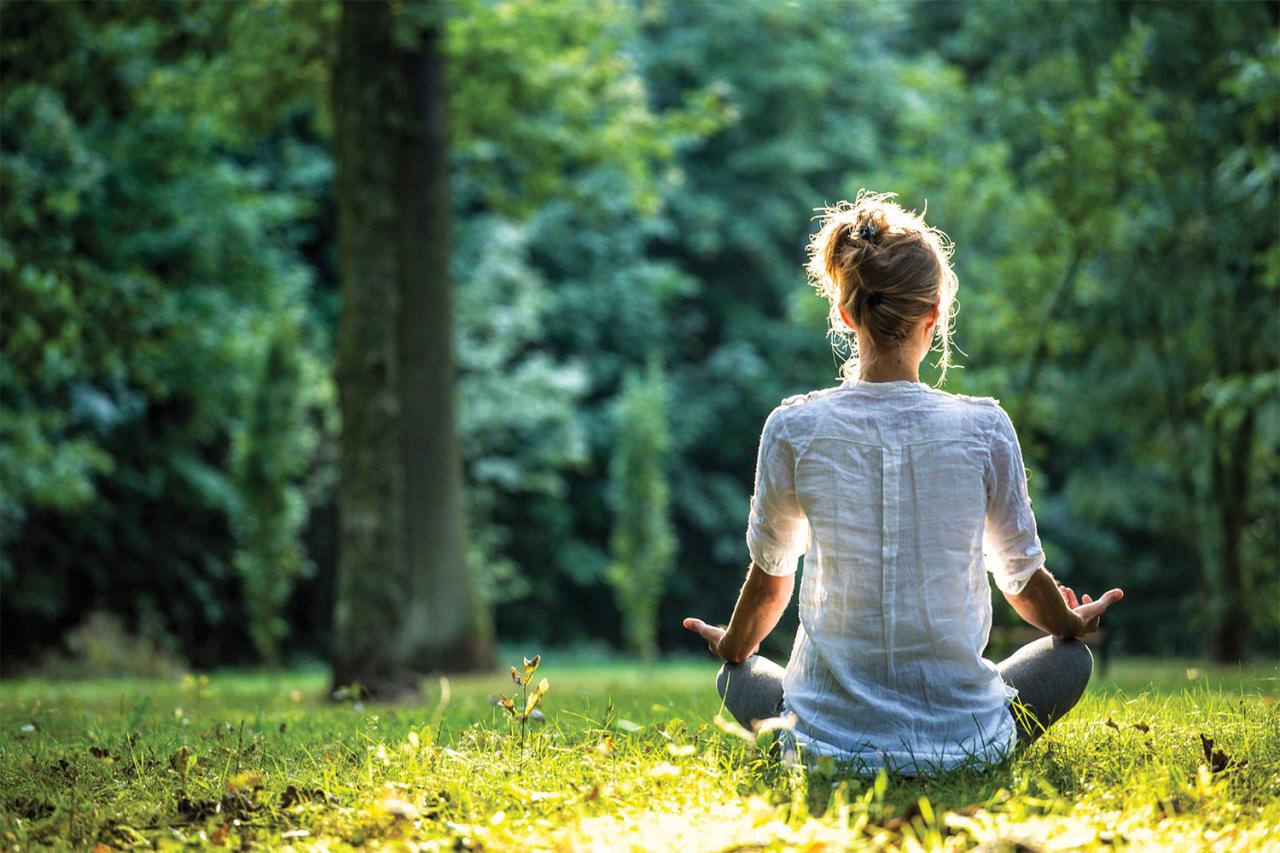
Establishing a suitable environment and routine is essential for effective meditation sessions. Proper preparation helps create a calm, focused, and distraction-free space, enabling you to fully engage in your practice and experience its mental health benefits. Taking deliberate steps to set the stage for meditation can significantly enhance consistency and deepen your mindfulness experience.Creating a conducive environment involves both physical and mental considerations.
A peaceful, quiet space free from interruptions allows the mind to settle more easily. Incorporating elements such as soft lighting, comfortable seating, and minimal clutter can promote relaxation. Additionally, choosing a time of day when you are least likely to be disturbed, whether early morning or late evening, supports regularity.Selecting appropriate tools or props can also facilitate a more comfortable meditation experience.
Items such as meditation cushions, mats, or chairs help maintain proper posture and reduce physical discomfort. Use of timers or soothing background sounds, like gentle music or nature sounds, can assist in pacing the session and maintaining focus. For some practitioners, aromatherapy with calming scents like lavender or chamomile can enhance relaxation.Establishing a consistent routine is vital for integrating meditation into daily life.
Set aside a specific time each day dedicated solely to practice, making it a non-negotiable part of your schedule. Starting with as little as five minutes and gradually increasing duration can build habit and endurance. Using reminders or journaling your progress reinforces commitment and helps track mental health improvements over time.Common obstacles in meditation practice include wandering thoughts, physical discomfort, and external distractions.
To overcome these, acknowledge that thoughts are natural and gently redirect focus back to your breath or chosen point of attention without judgment. Adjust your posture or environment if discomfort persists, and communicate boundaries to others to minimize interruptions. Developing patience and self-compassion ensures that setbacks do not discourage continued effort in your meditation journey.
Evidence and Research on Meditation and Mental Health
Scientific research has increasingly highlighted the positive impact of meditation on mental health, especially in alleviating symptoms of depression and anxiety. Numerous studies have provided empirical evidence demonstrating that regular meditation practice can serve as an effective complementary approach to traditional mental health treatments. Understanding the scientific basis behind this connection can help individuals and healthcare providers make informed decisions about incorporating meditation into mental health management plans.
Research findings suggest that meditation can lead to significant improvements in mood, stress reduction, and overall psychological well-being. However, it is important to recognize that meditation is not a standalone cure but a supportive tool that works best as part of a comprehensive mental health strategy. As with any intervention, individual differences, consistency, and proper technique play crucial roles in achieving optimal results.
Scientific Studies Demonstrating Meditation’s Impact on Depression and Anxiety
This section summarizes key research studies that examine how meditation influences mental health conditions such as depression and anxiety, using methodologies ranging from clinical trials to longitudinal studies.
| Study Name | Methodology | Results | Relevance |
|---|---|---|---|
| Mindfulness-Based Stress Reduction (MBSR) and Depression | Randomized controlled trial with 150 participants diagnosed with mild to moderate depression. Participants engaged in 8-week MBSR program. | Significant reduction in depression scores, with 40% of participants experiencing remission. Improvements persisted at 3-month follow-up. | Highlights the effectiveness of mindfulness meditation in reducing depressive symptoms, supporting its use as a therapeutic adjunct. |
| Transcendental Meditation and Anxiety | Longitudinal study involving 120 individuals with generalized anxiety disorder practicing TM twice daily over 6 months. | Marked decrease in anxiety levels, reduced cortisol levels, and improved sleep quality. | Demonstrates the role of meditation in lowering physiological stress markers and alleviating anxiety symptoms. |
| Mindfulness Meditation and Stress Reduction | Meta-analysis of 24 studies assessing mindfulness meditation effects across various mental health outcomes. | Consistent evidence of reduced perceived stress, depressive symptoms, and anxiety across diverse populations. | Confirms meditation’s broad applicability and benefits for mental health improvement. |
| Yoga and Mental Health | Clinical trial with 100 participants incorporating mindfulness-based yoga sessions for 12 weeks. | Significant reductions in depression and anxiety scores, along with enhanced emotional regulation. | Supports the integration of movement-based meditation practices for holistic mental health care. |
Mental Health Improvements Associated with Regular Meditation
Consistent meditation practice has been linked to a variety of beneficial outcomes for mental health that extend beyond immediate stress relief. These include increased emotional resilience, improved focus, and a greater sense of well-being. Regular practitioners often report feeling calmer, more centered, and better equipped to handle daily stressors. Physiologically, meditation has been associated with decreased activity in the amygdala—the brain region involved in fear and stress responses—and increased connectivity in areas related to emotional regulation.
These changes can contribute to long-term reductions in symptoms of depression and anxiety, enhancing overall quality of life.
Limitations and Considerations in Using Meditation for Mental Health
While research supports meditation as a valuable mental health tool, it is essential to recognize its limitations. Meditation may not be effective for everyone, particularly in cases of severe mental health disorders that require medical or psychological intervention. Additionally, improper practice or unrealistic expectations can lead to frustration or adverse effects, such as increased anxiety or dissociation in some individuals.
It is advisable for individuals with active mental health concerns to consult healthcare professionals before starting meditation, especially if they have experienced trauma or dissociation. Guided meditation sessions led by experienced instructors can help ensure proper technique and maximize benefits. Moreover, meditation should be integrated as part of a comprehensive treatment plan that may include therapy, medication, and lifestyle adjustments for optimal outcomes.
Common Challenges and How to Overcome Them
Meditation can be highly beneficial for mental health, but beginners often encounter specific challenges that may hinder their progress. Recognizing these difficulties and understanding effective strategies to address them is essential for establishing a consistent and rewarding practice. This section explores typical obstacles faced by newcomers and provides practical solutions to navigate them successfully.Understanding the common hurdles in meditation involves acknowledging that initial discomfort, distraction, emotional responses, and technique adjustments are natural parts of the learning process.
Approaching these challenges with patience and adaptability can foster resilience and deepen your practice over time.
Identifying Typical Difficulties Faced by Beginners
- Restlessness and difficulty sitting still for extended periods.
- Frequent mind wandering and loss of focus.
- Emotional reactions such as frustration, anxiety, or sadness surfacing during meditation.
- Feeling physically uncomfortable or experiencing bodily discomfort.
- Difficulty establishing a regular meditation routine due to busy schedules or lack of motivation.
Strategies to Maintain Focus and Avoid Distractions
Maintaining concentration during meditation is a common challenge, especially for beginners. Developing techniques to improve focus and minimize interruptions enhances the effectiveness of practice.
- Start with shorter sessions, gradually increasing duration to build comfort and endurance.
- Choose a quiet, comfortable space free from interruptions and environmental noise.
- Use anchoring objects such as your breath, a mantra, or a visual focus point to center your attention.
- Implement gentle reminders or cues to bring your focus back when your mind wanders, such as silently saying “return” or “focus”.
- Consider guided meditation recordings to help maintain direction and structure.
“Distraction is natural; the goal is gentle return to your focus without self-criticism.”
Mindfulness Practice
Adjusting Meditation Techniques to Suit Individual Needs
Every individual has unique preferences and physical considerations that influence the most suitable meditation approach. Customizing techniques helps in maintaining consistency and comfort.
- For those with physical discomfort, exploring seated or lying-down meditation can alleviate strain.
- If focusing on the breath feels overwhelming, alternative practices like body scan, guided imagery, or loving-kindness meditation may be more accessible.
- Incorporate movement-based meditation, such as walking or gentle yoga, if stillness is challenging.
- Adjust session lengths based on personal capacity; starting with five-minute segments and increasing gradually fosters sustainable practice.
- Experiment with different times of day to identify when your mental state is most receptive to meditation.
“Personalization enhances engagement and deepens the benefits of your meditation practice.”
Expert Insights
Tips for Dealing with Emotional Responses During Meditation
Emotional reactions are common during meditation and can sometimes be intense. Learning to observe and manage these feelings is vital for progress and mental health benefits.
- Acknowledge emotions without judgment, allowing them to surface naturally without suppression or over-identification.
- Practice observing emotions as passing phenomena, similar to clouds moving across the sky, to cultivate detachment and reduce emotional reactivity.
- If emotions become overwhelming, gently bring your focus back to your breath or chosen anchor to ground yourself.
- Utilize loving-kindness or compassion meditation to foster patience and emotional resilience.
- Seek support from mental health professionals if intense emotions persist or interfere with daily functioning.
“Emotional awareness during meditation fosters self-compassion and promotes healing.”Clinical Psychology Expert
Ultimate Conclusion
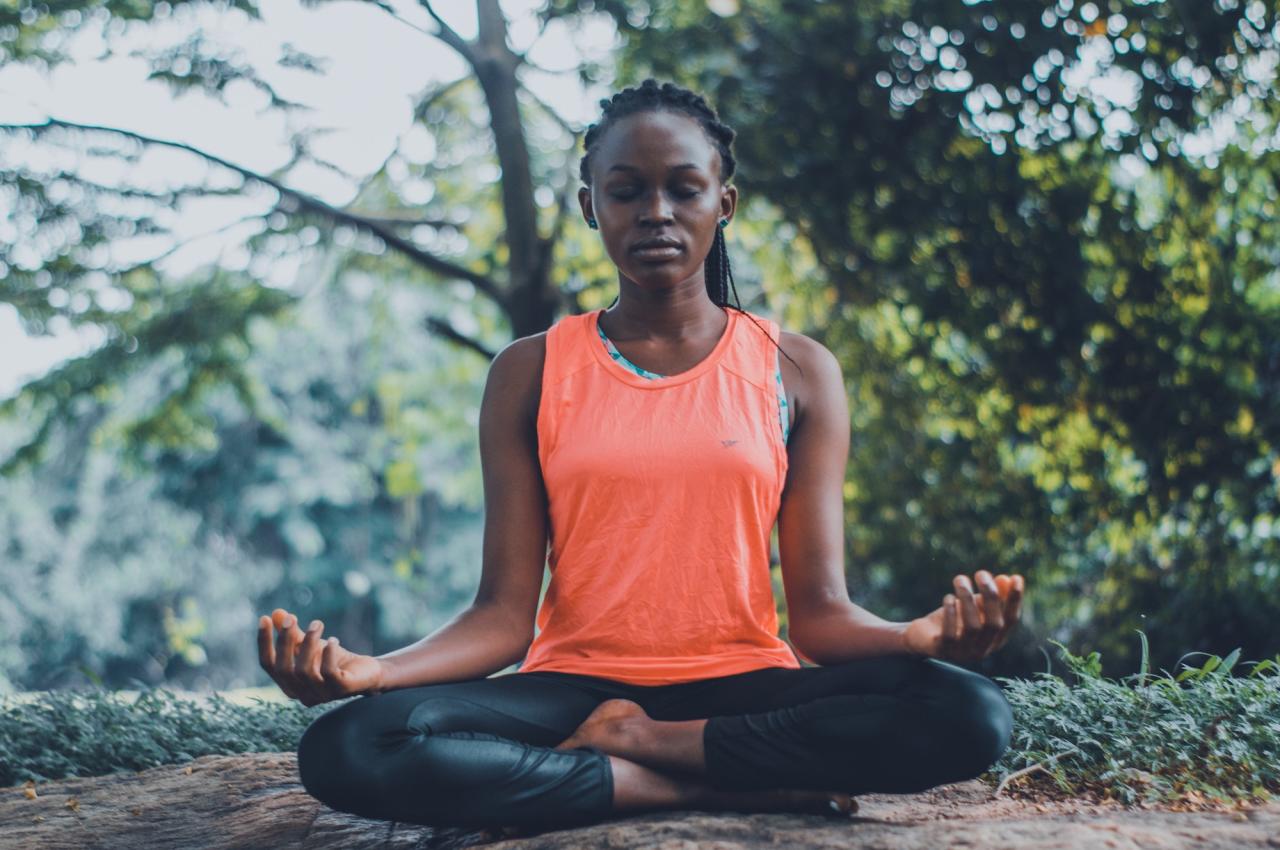
In summary, mastering how to meditate for mental health offers a pathway to emotional balance and resilience. By selecting suitable techniques, establishing consistent routines, and overcoming common challenges, you can harness the profound benefits of meditation. Embrace these practices to enhance your mental well-being and cultivate a calmer, more centered mind.