Learning how to meditate for creativity offers a powerful way to unlock your inner imaginative capabilities and foster innovative thinking. By incorporating meditation practices into your routine, you can enhance mental clarity, stimulate new ideas, and deepen your artistic or problem-solving skills. This approach draws from diverse cultural traditions and modern mindfulness techniques, providing a rich foundation for cultivating creativity through focused mental exercises.
Engaging in dedicated meditation sessions designed for creative enhancement can lead to breakthroughs in your projects and personal expression. Whether you are an artist, writer, or anyone seeking to boost their inventive abilities, understanding effective methods and establishing a conducive environment can make a significant difference in your creative journey.
Introduction to Meditation for Creativity
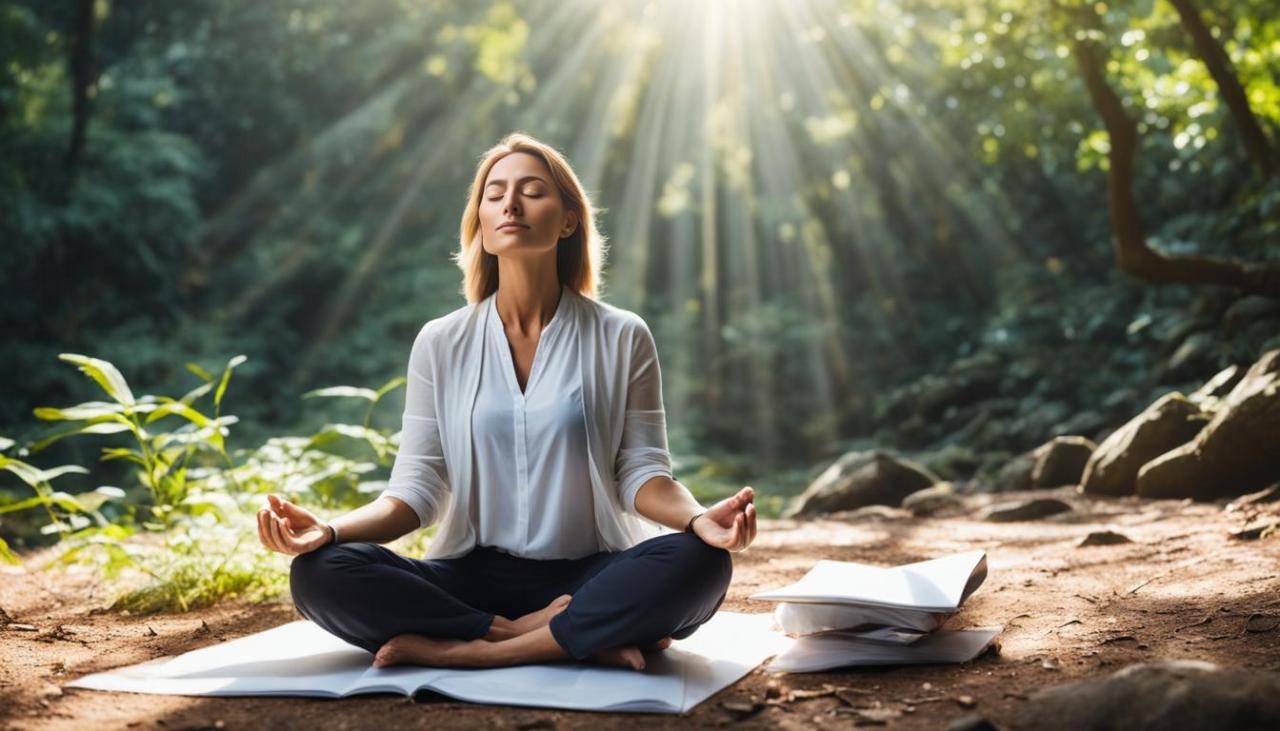
Meditation is a practice rooted in ancient traditions that aims to cultivate mental clarity, focus, and emotional calmness. Over centuries, various cultures have recognized its potential to unlock human potential, including enhancing creative abilities. In recent decades, scientific research has increasingly validated the connection between meditation and improved cognitive functions, specifically those associated with creativity.
Engaging in meditation can serve as a powerful tool to stimulate the creative thinking process. By fostering a state of relaxed awareness, meditation allows the mind to break free from habitual thought patterns, encouraging novel insights and innovative ideas. This mental space created through consistent practice provides an environment where creativity can flourish, unencumbered by stress or mental clutter.
Historical and Cultural Perspectives on Meditation and Creativity
Throughout history, numerous cultures have integrated meditation into their spiritual and philosophical practices, often linking it directly to the enhancement of creative expression. In Ancient India, meditation was part of spiritual disciplines aimed at achieving enlightenment and inner harmony, which many believe contributed to the development of Sanskrit literature, arts, and sciences. Similarly, Zen Buddhism in Japan emphasizes meditation (zazen) as a means to attain heightened awareness, fostering artistic pursuits such as calligraphy, ink painting, and poetry.
In Western traditions, meditation entered mainstream consciousness through spiritual movements and later through scientific inquiry, particularly during the 20th century. The recognition of meditation’s capacity to influence brain activity led to its incorporation into therapeutic and creative development programs. Today, meditation is widely acknowledged as an effective method for stimulating creative processes, supported by both ancient wisdom and modern scientific evidence.
Preparing for Meditation Sessions
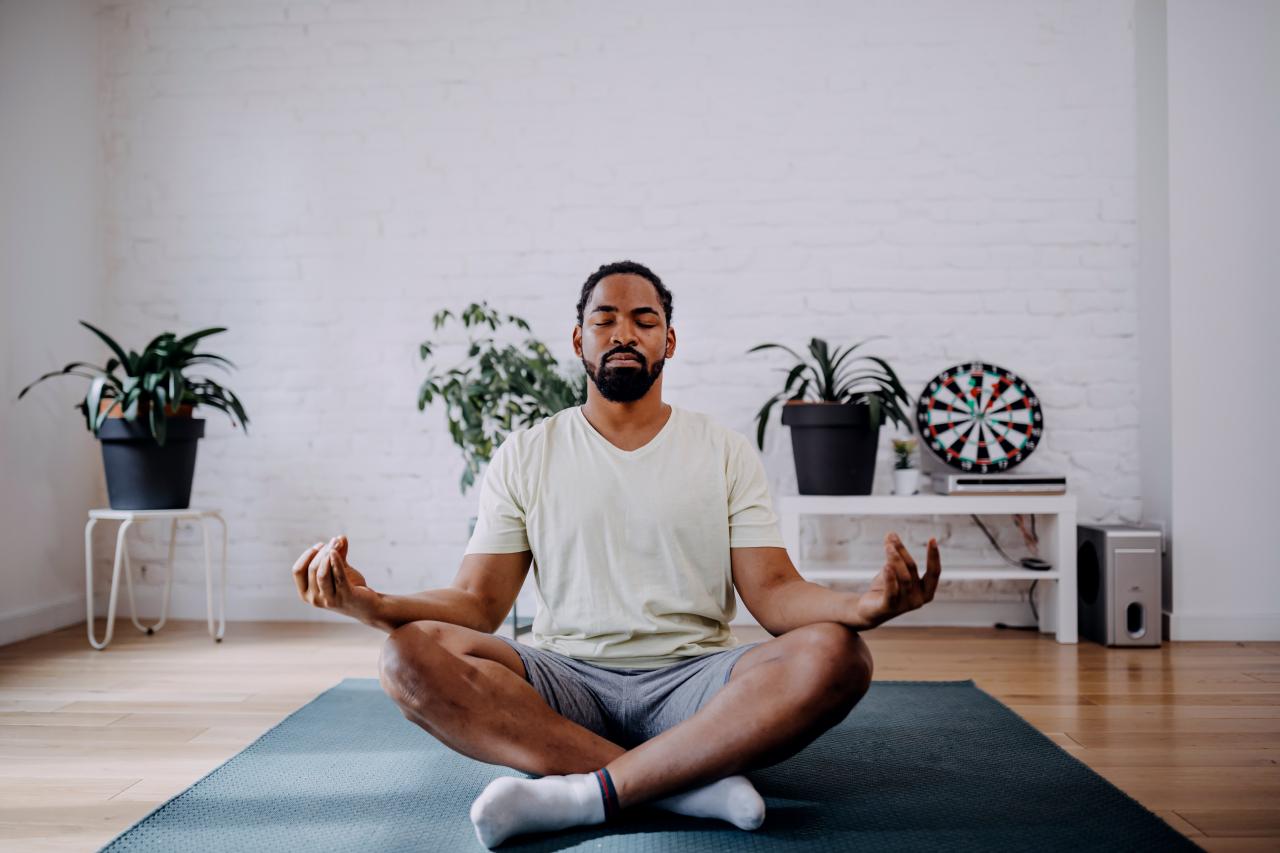
Establishing an optimal environment and routine before beginning a meditation session significantly enhances focus and fosters a receptive mindset for cultivating creativity. Proper preparation helps clear mental clutter, aligns physical comfort, and sets the tone for a productive and insightful practice. By thoughtfully organizing your space and routine, you create a sacred space conducive to deep reflection and innovative thinking.Creating a conducive environment involves both physical arrangements and mental readiness.
It is essential to design a space that minimizes distractions and inspires calmness. Equally important are the tools and materials used, as they can influence the depth of your meditation experience. Additionally, pre-meditation routines serve to center and prepare your mind and body, making your sessions more effective.
Creating a Conducive Environment for Meditation
To optimize your meditation session focused on enhancing creativity, the environment must promote tranquility and concentration. Begin by selecting a quiet and clutter-free area where interruptions are unlikely. Natural light is preferable; however, if natural lighting is unavailable, soft, warm artificial lighting can emulate a calming ambiance. Consider using calming elements such as potted plants, soothing artwork, or elements that evoke a sense of serenity.The placement of meditation materials should promote comfort and accessibility.
A dedicated space with minimal visual distractions helps maintain focus. Using a comfortable cushion or meditation chair ensures physical ease, reducing discomfort that might divert attention. If possible, incorporate ambient sounds, such as gentle nature sounds or ambient music, which can deepen relaxation and foster a creative state of mind.
Recommended Materials and Tools
Selecting appropriate materials enhances comfort and supports the meditative process. Essential tools include:
- Cushions or Meditation Chairs: Providing a comfortable seating arrangement that supports proper posture, reducing physical tension and facilitating longer, focused sessions.
- Calming Lighting: Soft, warm lighting or candles help create a soothing atmosphere, reducing visual distractions and encouraging relaxation.
- Ambient Sounds or Music: Gentle sounds like flowing water, forest sounds, or ambient music can mask background noise and deepen the meditative state.
- Blankets or Shawls: Keeping warm can improve comfort, especially during longer sessions or in cooler environments.
- Decorative Elements: Items such as crystals, spiritual symbols, or artwork that inspire creativity and positive energy.
Pre-Meditation Routines to Maximize Focus
Engaging in specific routines prior to meditation primes the mind and body, making the session more effective for unlocking creativity. These routines serve to relax muscles, regulate breathing, and clear mental space.A typical pre-meditation routine might include:
- Breathing Exercises: Practicing deep diaphragmatic breathing or alternate nostril breathing helps calm the nervous system, increase oxygen flow, and center your awareness.
- Gentle Stretches: Performing light stretches, especially of the neck, shoulders, and back, alleviates physical tension and prepares the body for sitting comfortably.
- Mindful Observation: Spending a few moments observing your surroundings with attention to sensory details—such as noticing the sounds, textures, or scents—anchors your awareness in the present moment.
- Setting an Intention: Clearly defining your purpose for the session—such as fostering creative ideas or overcoming mental blocks—guides your focus and intent during meditation.
- Creating a Ritual: Establishing a consistent routine—like lighting a candle, playing specific ambient sounds, or repeating a mantra—signals your brain that it is time to transition into a focused meditative state.
Implementing these steps ensures that each meditation session is not only comfortable but also effectively geared toward unlocking your creative potential. Thoughtful preparation transforms meditation from a simple practice into a powerful tool for innovation and artistic inspiration.
Techniques for Meditating to Boost Creativity
Enhancing creativity through meditation involves engaging in specific techniques that promote mental clarity, open-mindedness, and innovative thinking. Incorporating these methods into your practice can help unlock new ideas, foster mental flexibility, and cultivate a mindset receptive to inspiration. By mastering various approaches, you can tailor your meditation sessions to suit your creative needs and stimulate your imagination effectively.
Below are several proven techniques designed to elevate creative thinking through meditation. Each method emphasizes different aspects of mental engagement, from visualization to breath control, enabling you to choose the most appropriate approach for your personal growth and artistic pursuits.
Visualization Techniques for Innovation and Clarity
Visualization is a powerful meditation approach that involves creating vivid mental images to stimulate creative thought and mental clarity. This method encourages the mind to explore new possibilities, solve complex problems, and generate innovative ideas by engaging the imagination actively.
During visualization, practitioners often imagine themselves in a serene environment or visualize specific concepts related to their creative projects. This act of mental imagery enhances neural connections associated with imagination and can lead to breakthroughs in artistic or problem-solving endeavors.
- Find a quiet space and sit comfortably with your eyes closed.
- Take deep, calming breaths to center your attention.
- Begin to create a detailed mental image related to your creative goal, such as envisioning a new project or visualizing the solution to a problem.
- Engage all senses: imagine sounds, textures, colors, and smells associated with your visualization.
- Maintain this vivid imagery for several minutes, allowing your subconscious to generate insights and ideas.
- Gently bring your awareness back to your breath before concluding the session.
Guided Meditation for Open Awareness and Idea Generation
Guided meditation sessions that focus on open awareness are designed to quiet the analytical mind and allow new ideas to surface naturally. This approach is particularly effective for creative individuals seeking spontaneity in their thought processes and a free flow of inspiration.
In these sessions, a facilitator or recorded instructions guide your attention to observe thoughts, sensations, and feelings without attachment or judgment. This non-reactive observation fosters mental flexibility and helps uncover novel insights that might be obscured during active thinking.
- Settle into a comfortable seated position and close your eyes.
- Take several deep, slow breaths to relax your body and mind.
- Focus on the present moment, allowing your awareness to expand beyond specific objects or thoughts.
- Observe any arising thoughts or images without trying to control or analyze them, simply noting their presence.
- Allow your mind to wander freely, welcoming unexpected ideas or inspirations that emerge.
- Spend a few minutes in this open state before gradually returning your focus to your breath and ending the session.
Breathing Exercises for Mental Flexibility and Focus
Breathing techniques are foundational tools in meditation that enhance mental clarity, focus, and cognitive flexibility. Proper breathing can calm the nervous system, improve concentration, and open pathways for creative thinking, making them invaluable for anyone seeking to boost their artistic or problem-solving capacities.
Specific exercises, such as diaphragmatic breathing, box breathing, or alternate nostril breathing, help regulate the mind’s activity, reduce stress, and enhance overall mental agility. Regular practice of these exercises can lead to improved adaptability and a more receptive state for innovative ideas.
- Diaphragmatic Breathing:
- Inhale deeply through the nose, filling the abdomen with air.
- Hold the breath for a count of four.
- Exhale slowly through the mouth or nose, releasing all tension.
- Repeat for several minutes, focusing solely on the breath.
- Box Breathing:
- Inhale through the nose for a count of four.
- Hold the breath for four counts.
- Exhale slowly for four counts.
- Pause and hold the breath out for four counts before the next inhale.
- Continue this cycle for 5–10 minutes.
- Alternate Nostril Breathing:
- Close the right nostril with the thumb and inhale slowly through the left nostril.
- Close the left nostril with the ring finger, releasing the right nostril.
- Exhale through the right nostril.
- Inhale through the right nostril, then switch nostrils and exhale through the left.
- Repeat the cycle for several minutes to enhance mental balance and flexibility.
Meditation Techniques Table
| Technique | Purpose | Steps | Duration |
|---|---|---|---|
| Visualization | Foster innovative ideas and mental clarity |
|
10–20 minutes |
| Open Awareness | Enhance idea generation and mental flexibility |
|
10–15 minutes |
| Diaphragmatic Breathing | Improve focus and mental calmness |
|
5–10 minutes |
| Box Breathing | Increase mental resilience and concentration |
|
5–10 minutes |
Incorporating Creative Focus into Meditation
Meditation is a powerful tool not only for relaxation but also for unlocking and enhancing creative potential. By intentionally directing our focus during meditation sessions, we can stimulate inventive thinking, nurture artistic expression, and solve complex problems with greater clarity. Integrating specific creative pursuits into meditation practices helps to cultivate a mindset that is open, imaginative, and receptive to new ideas, ultimately enriching our artistic and cognitive endeavors.To effectively incorporate creative focus into meditation, it is essential to employ targeted methods that align with individual interests such as art, writing, or problem-solving.
This approach transforms meditation from a generic relaxation technique into a dynamic catalyst for creativity. By setting clear intentions, practitioners can channel their mental energy toward specific creative outcomes, making the process more purposeful and impactful. Additionally, utilizing mantras or affirmations tailored to fostering inventive energy can reinforce a creative mindset, encouraging the subconscious to generate innovative ideas even beyond the meditation session.
Methods to Direct Attention Toward Creative Pursuits
Successful incorporation of creativity into meditation begins with selecting a focal point aligned with personal interests. For artists, this might involve visualizing vibrant images or imagining specific art projects in progress. Writers can concentrate on crafting detailed mental scenes or storylines, while problem-solvers might focus on visualizing solutions or innovative concepts. The key is to create a mental environment that mirrors the creative activity, allowing the mind to dive deeply into these pursuits during the session.Practices include visualization techniques where individuals imagine their creative work unfolding in vivid detail.
For instance, an aspiring painter might envision brushstrokes coming to life on a canvas, or a writer might mentally compose paragraphs with clarity and flow. These focused visualizations enhance neural pathways associated with creative tasks, making the transition from meditation to actual work more seamless and inspired.
Setting Intentions to Unlock Creative Potential
Setting explicit intentions prior to meditation establishes a purposeful framework that guides the session toward creative growth. Intentions act as mental anchors, focusing attention on specific goals such as generating new ideas, overcoming artistic blocks, or fostering innovative thinking. Clear and positive affirmations reinforce this focus, aligning the subconscious mind with creative aspirations.Practitioners can formulate intentions like, “I am open to new ideas and inspired solutions,” or “My mind is a fertile ground for creative insights.” Repeating these affirmations during meditation helps to embed the desired mindset, consolidating the intention into subconscious awareness.
Consistently setting such goals over time cultivates a habitual environment conducive to exploration and inventive thinking in both meditation and daily life.
Using Mantra or Affirmation Practices to Stimulate Creative Energy
Mantras and affirmations serve as powerful tools to activate and sustain creative energy during meditation. Repeating specific phrases can help focus the mind while simultaneously embedding positive, inventive beliefs into the subconscious. The rhythmic nature of mantras creates a meditative cadence that clears mental clutter, allowing creative thoughts to surface more easily.Effective affirmations for stimulating creativity include statements such as, “My mind is a wellspring of innovative ideas,” “Creativity flows through me effortlessly,” or “I am open to inspiration from all sources.” When repeated consistently, these affirmations reinforce a mindset of openness, confidence, and inventive potential.
Combining mantra practices with visualization techniques amplifies their effectiveness, fostering an environment where creative insights can flourish naturally.
“Creative energy is unleashed when the mind is calm, focused, and aligned with its deepest intentions.”
Post-Meditation Practices for Enhancing Creativity
Engaging in thoughtful activities after a meditation session can significantly amplify creative insights and inspiration. These practices serve to extend the benefits of meditation, allowing your mind to remain in a receptive and inventive state. Incorporating intentional post-meditation routines enables you to capture, evaluate, and nurture the creative ideas that emerge during your practice, fostering a more consistent and productive creative flow.By consciously dedicating time to reinforce the creative energy sparked during meditation, you create a seamless transition from inner reflection to active creation.
This approach not only sustains the momentum of innovative thought but also integrates meditation insights into your broader daily workflow—making creativity a natural and ongoing part of your routine.
Activities to Prolong Creative Inspiration
Post-meditation time offers an ideal opportunity to engage in activities that help solidify and expand upon your newfound creative insights. Journaling and sketching are particularly effective, as they allow you to document fleeting thoughts, visual ideas, and emotional impressions sparked during meditation. Writing down your experiences can clarify abstract concepts, making them easier to develop further, while sketching can bring visual ideas to life, leading to new artistic or design directions.Other beneficial activities include brainstorming sessions, mood boarding, or composing short poems or free association exercises.
These activities keep your mind in an open, exploratory state, promoting the flow of creative energy cultivated during your meditation session. The key is to choose activities that resonate with your creative pursuits and encourage spontaneous expression.
Integrating Meditation Insights into Daily Creative Workflows
Once you’ve captured your insights, transforming them into actionable ideas is essential. Incorporate meditation-derived inspiration into your daily work by setting aside specific times for reflection and planning. For example, review your journal entries or sketches at the start of your creative day to identify themes or concepts to pursue further.Create a routine where insights are used as a springboard for projects, whether it involves developing new concepts, refining existing work, or exploring novel techniques.
Maintaining a dedicated space—physical or digital—for your creative insights ensures easy access and continual engagement. Over time, this integration fosters a harmonious relationship between inner tranquility and outward productivity, making your creative process more fluid and intuitive.
Evaluating and Reflecting on Creative Ideas
Evaluating ideas generated during meditation involves balancing openness with critical analysis. Take time to review your journal notes or sketches, noting which ideas evoke strong emotional responses or seem most promising. Reflection sessions can involve asking yourself questions such as: Does this idea align with my goals? How might I develop it further? What emotions or insights does it evoke?Keeping a dedicated notebook or digital document for follow-up allows for ongoing refinement.
Setting aside regular intervals—daily, weekly, or after each meditation—encourages a disciplined approach to nurturing your creative concepts. Recognize that some ideas may need incubation or additional exploration before they mature into tangible projects, and maintaining a non-judgmental attitude towards initial thoughts fosters a safe space for experimentation.
Follow-up Exercises to Reinforce Creative Thinking Skills
To sustain and deepen your creative capacity, engaging in targeted exercises regularly can be highly beneficial. These follow-up activities help reinforce the neural pathways associated with innovative thinking and ensure your mind remains agile and receptive.
- Mind Mapping: Create visual diagrams of your ideas to explore connections and potential developments.
- Free Writing: Dedicate 10-15 minutes to unfiltered writing based on your meditation insights, allowing subconscious thoughts to surface.
- Creative Challenges: Set specific tasks, such as designing a piece inspired by your meditation theme or composing a short story from a spontaneous idea.
- Idea Refinement Sessions: Regularly select a few ideas and brainstorm ways to expand or implement them, encouraging iterative development.
- Collaborative Feedback: Share your insights with peers or mentors to gain new perspectives and stimulate further creativity.
These exercises, practiced consistently, cultivate a mindset of continuous creative growth and help solidify meditation’s role as a catalyst for ongoing innovation.
Overcoming Challenges in Meditation for Creativity
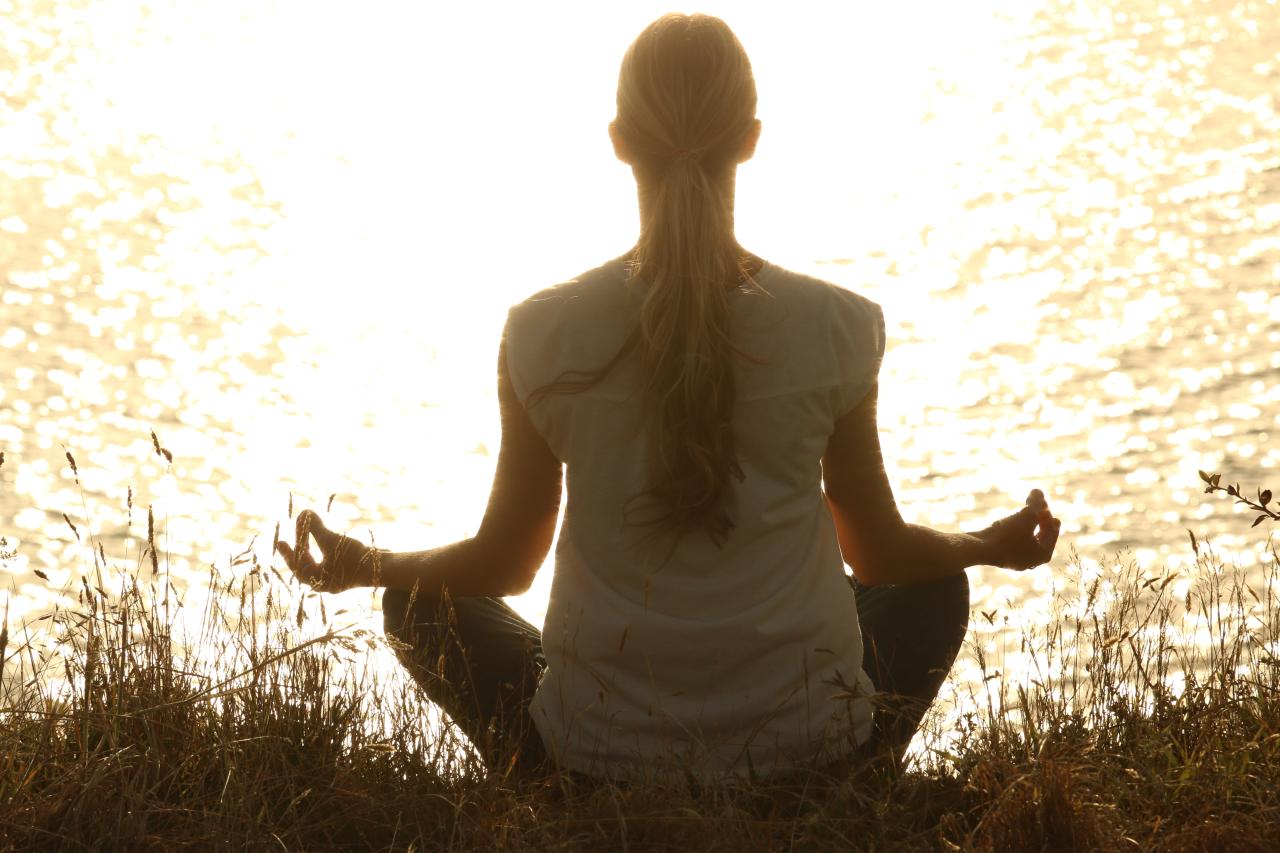
Meditation for creativity offers numerous benefits, yet practitioners often encounter common obstacles that can hinder progress. Recognizing and addressing these challenges is essential for developing a sustainable and fruitful meditation practice aimed at enhancing creative potential. By understanding typical difficulties and implementing effective strategies, individuals can maintain motivation, adapt their routines, and ultimately unlock greater creative insights through meditation.While initial enthusiasm can lead to regular practice, many individuals face hurdles such as distraction, impatience, or mental blocks that diminish the effectiveness of their sessions.
Overcoming these obstacles requires patience, flexibility, and a clear understanding of personal patterns. Embracing adaptability and persistence allows meditation to become a powerful tool for fostering innovation and creative problem-solving over time.
Common Obstacles and Practical Solutions
Distraction and wandering thoughts are among the most prevalent challenges in meditation sessions. External noise, internal chatter, or intrusive thoughts can pull attention away from the intended focus, reducing the quality of the session. To mitigate this, practitioners can:
- Designate a quiet, comfortable space dedicated to meditation, minimizing environmental disruptions.
- Use anchor points such as breathing, a mantra, or visualization to anchor attention when distractions arise.
- Practice gentle acknowledgment of distractions without judgment, allowing thoughts to pass like clouds, and gently bringing focus back.
Impatience and the desire for immediate results often lead to frustration or early abandonment of practice. Cultivating patience involves recognizing that progress in meditation is gradual and nonlinear. Techniques to foster patience include:
- Setting realistic expectations about the pace of development and focusing on consistency rather than perfection.
- Practicing mindfulness during daily activities to reinforce the habit and develop tolerance for mental wandering.
- Celebrating small successes, such as increased focus or moments of clarity, to reinforce motivation.
When feeling uninspired or mentally blocked, it is crucial to adapt or modify meditation techniques. For instance, shifting from a visualization to a mantra-based practice or incorporating gentle movement can reignite engagement. Additionally, taking short breaks, practicing light physical activity, or engaging in creative activities outside meditation can help unblock mental pathways. Recognizing that mental blocks are temporary and part of the natural creative process reduces frustration and encourages perseverance.
Importance of Consistency and Patience
Developing a meditation routine tailored for creativity requires sustained effort over time. Consistency reinforces neural pathways associated with focus, openness, and creative thinking, making it easier to enter a productive meditative state. Patience is vital because the benefits of meditation, especially for creativity, often manifest gradually.Successful practitioners often emphasize that regular, even if brief, sessions yield better results than infrequent, lengthy ones.
Establishing a fixed schedule helps integrate meditation into daily routines, creating a sense of discipline and commitment. Overcoming initial hurdles and maintaining perseverance ensures that meditation becomes an ingrained habit, ultimately enhancing creative capacities.
Maintaining Motivation and Focus Over Time
Long-term engagement with meditation for creativity can be challenging, particularly when progress seems slow. To sustain motivation:
- Set clear, achievable goals related to creative outcomes or personal growth milestones.
- Track progress through journaling or meditation logs to observe subtle improvements and reinforce commitment.
- Vary meditation techniques periodically to prevent monotony and stimulate different aspects of creativity.
- Seek community support—participating in group sessions or online forums can provide encouragement, accountability, and shared insights.
Regularly revisiting personal reasons for practicing meditation and reflecting on breakthroughs or insights gained can reignite enthusiasm. Recognizing that every session, regardless of immediate results, contributes to a cumulative increase in creative potential helps maintain focus and dedication over the long term.
Wrap-Up
In conclusion, mastering how to meditate for creativity can transform your approach to problem-solving and artistic endeavors. Consistent practice, combined with thoughtful techniques and reflective activities, nurtures your creative mind and inspires continuous growth. Embrace meditation as a vital tool to unlock your full creative potential and enjoy the rewarding process of innovation and self-expression.