Discovering effective ways to unwind after a busy day can significantly enhance your sleep quality and overall well-being. Learning how to meditate for relaxation at night offers a peaceful gateway to calm your mind and body, paving the way for restful sleep and renewed energy. This guide explores various meditation techniques, ideal environments, and practical routines to help you establish a soothing nightly practice.
By creating a tranquil space and incorporating appropriate techniques such as guided visualization, breathing exercises, or mindfulness meditation, you can transform your evenings into a sanctuary of serenity. Understanding how to prepare your environment, select suitable tools, and develop a consistent routine ensures that meditation becomes a natural and beneficial part of your nightly ritual, leading to deeper relaxation and improved sleep quality.
Introduction to Meditation for Nighttime Relaxation
Meditation practiced before sleep offers numerous benefits that significantly enhance overall relaxation and well-being. Engaging in mindful practices during the evening can help release accumulated stress, calm an overactive mind, and prepare the body for restful sleep. Regular nighttime meditation not only improves sleep quality but also cultivates a sense of peace that extends into waking hours, contributing to better mental health and emotional stability.
There are various meditation techniques suited for nighttime, each serving different preferences and needs. Techniques such as guided imagery, body scans, and mindful breathing are especially effective in creating a tranquil environment conducive to sleep. Choosing the right method depends on personal comfort and the specific relaxation goals, making it essential to explore different approaches to find what resonates most effectively.
Creating a Calming Environment for Nighttime Meditation
Establishing a serene and inviting environment is crucial for maximizing the benefits of nighttime meditation. A calming space minimizes distractions and helps the mind transition smoothly from daytime activity to restful sleep. Factors such as dim lighting, comfortable temperature, and minimal noise contribute significantly to the effectiveness of the practice. Incorporating soothing elements like gentle essential oils, soft music, or calming visuals can enhance the experience, fostering a peaceful atmosphere that encourages relaxation.
Preparing for Night Meditation
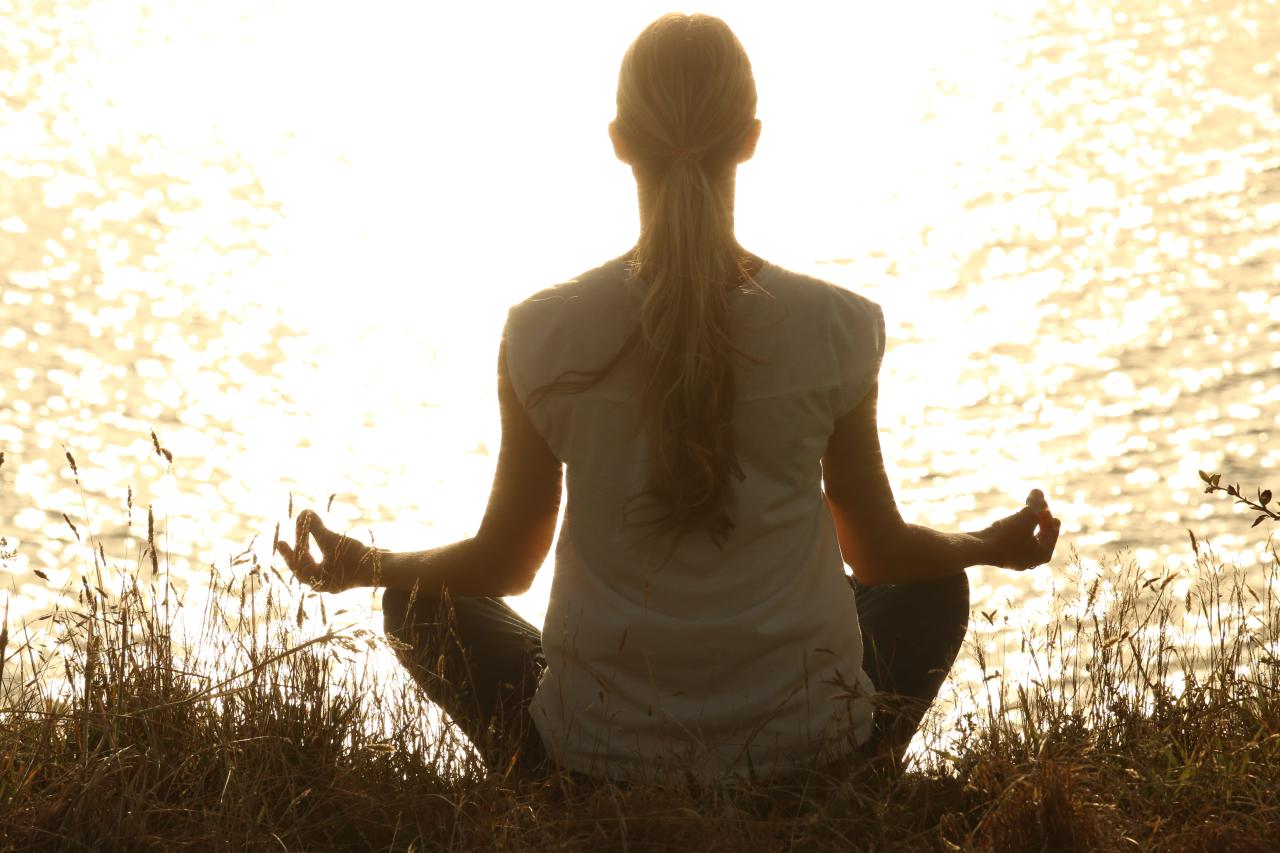
Creating an optimal environment for nighttime meditation is essential for achieving deep relaxation and a calm mind. Proper preparation involves setting up a peaceful space, selecting suitable clothing and accessories, and organizing essential items to foster comfort and focus. Taking these steps ensures that your meditation session is both effective and enjoyable, allowing you to unwind fully before sleep.
By thoughtfully preparing your environment, you eliminate distractions and create a sanctuary that signals to your mind and body that it’s time to relax. Small details, such as lighting, sounds, clothing, and the arrangement of your space, significantly influence the quality of your meditation practice. This section provides detailed guidance on how to establish such an environment for nighttime relaxation.
Setting Up a Comfortable and Quiet Space
Designing a dedicated meditation area that is tranquil and inviting enhances your ability to focus and relax. Start by selecting a quiet corner or room in your home where external noise can be minimized. Ensure the space is free from clutter, which can cause mental distraction, and consider using calming elements such as soft lighting, candles, or ambient sounds to foster serenity.
Adjust the temperature of the room to a comfortable level, ideally slightly cool, to promote restful sleep. Using a meditation cushion or mat can help maintain proper posture, reducing physical discomfort during longer sessions. If privacy is a concern, consider closing curtains or using a room divider, making the space feel more secluded and personal.
Maintaining consistency in your meditation environment helps condition your mind to associate this space with relaxation, making it easier to enter a meditative state over time.
Choosing Appropriate Clothing and Accessories
The right clothing can significantly influence your comfort and relaxation during night meditation. Loose, breathable fabrics such as cotton or linen are ideal, as they prevent constriction and allow your body to relax fully. Avoid tight or restrictive clothing that may cause discomfort or distract you from your practice.
Accessories like a soft blanket can provide warmth during meditation, especially in cooler environments, and help you feel secure. Some practitioners prefer to wear comfortable, layered clothing to adapt to temperature fluctuations. Additionally, consider removing accessories such as jewelry or tight belts that might cause discomfort or noise during movement or adjustment.
Footwear should be avoided within the meditation space to promote grounding and a sense of calm. If you prefer, you can also wear cozy socks to keep your feet warm, enhancing overall comfort before sleep.
Items to Include or Avoid in the Meditation Space
Creating a conducive environment involves careful selection of items that promote tranquility and minimize potential disturbances. Below is a responsive table outlining recommended items to include or avoid in your night meditation space.
| Include | Purpose / Benefit | Avoid | Reason |
|---|---|---|---|
| Soft lighting or candles | Creates a calming ambiance, signals relaxation mode | Bright or flashing lights | Disrupts the meditative state and interferes with melatonin production |
| Quiet environment | Reduces auditory distractions, enhances focus | Loud noises or TV | Breaks concentration and increases stress levels |
| Comfortable cushion or mat | Supports proper posture, reduces physical discomfort | Hard or uneven surfaces | Causes discomfort, leading to difficulty relaxing |
| Essential oils or calming scents | Promotes relaxation, improves sleep quality | Pungent or artificial fragrances | Can cause headaches or allergic reactions |
| Clutter-free space | Minimizes mental distractions, fosters tranquility | Clutter or electronic devices | Creates visual or mental clutter, distracts focus |
Consistently maintaining this environment will help establish a tranquil space that signals your mind to prepare for restful sleep, making nighttime meditation a more effective and enjoyable practice.
Techniques for Meditation at Night
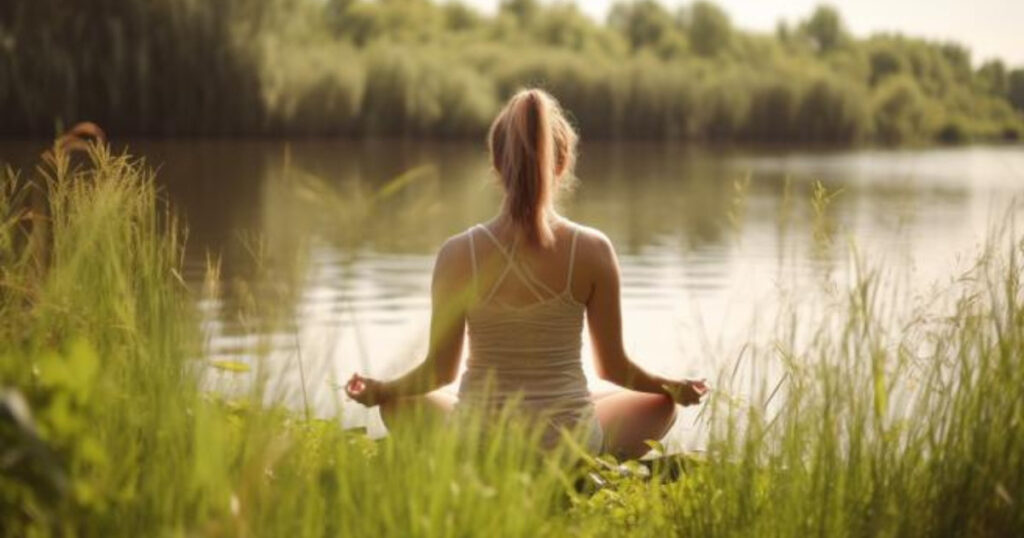
Implementing different meditation techniques before sleep can significantly enhance relaxation, reduce stress, and promote a peaceful transition into restful sleep. Each method offers unique benefits and can be customized to suit individual preferences and needs, making nighttime meditation a versatile tool for achieving tranquility.
Understanding various meditation styles allows practitioners to select the most suitable approach for their nighttime routine. Whether seeking to calm the mind through visualization, focus on breath control, or develop heightened awareness through mindfulness, mastering these techniques can lead to more consistent and effective relaxation practices.
Guided Visualization
Guided visualization involves mentally imagining peaceful and calming scenes to foster relaxation and mental clarity. This technique can be facilitated through recordings, mobile apps, or personal mental imagery, helping the mind shift from daytime worries to tranquility.
- Find a comfortable, quiet space and sit or lie down in a relaxed posture.
- Close your eyes and take a few deep breaths, inhaling slowly through the nose and exhaling gently through the mouth.
- Begin to imagine a serene environment, such as a quiet beach, a lush forest, or a peaceful mountain landscape. Focus on visual details like colors, sounds, and textures.
- Use all your senses to enrich the visualization—feel the breeze, hear the gentle waves, see the sunlight filtering through trees.
- Maintain this scene for 5-10 minutes, allowing any distracting thoughts to drift away and return your focus to the visualization.
“Visualization helps the mind transition from active thinking to peaceful imagery, easing the body into relaxation and preparing it for sleep.”
Breathing Exercises
Breathing exercises are fundamental to calming the nervous system and reducing stress levels before sleep. By controlling the breath pattern, individuals can slow their heart rate and promote a sense of calmness conducive to restful sleep.
Here are some effective breathing techniques for nighttime relaxation:
- Box Breathing: Inhale slowly through the nose for a count of 4, hold the breath for 4 counts, exhale gently through the mouth for 4 counts, and pause for another 4 counts before repeating.
- 4-7-8 Breathing: Inhale quietly through the nose for 4 seconds, hold the breath for 7 seconds, then exhale completely through the mouth for 8 seconds. Repeat this cycle 4-5 times.
- Diaphragmatic Breathing: Place one hand on the chest and the other on the abdomen. Inhale deeply through the nose, allowing the belly to rise while the chest remains still. Exhale slowly through pursed lips, engaging the diaphragm.
“Structured breathing patterns serve as a natural sedative, calming the nervous system and easing the transition into sleep.”
Body Scan Meditation
Body scan meditation involves systematically directing attention to different parts of the body to release tension and promote relaxation. It is particularly effective at helping individuals become aware of physical sensations and fostering a sense of calmness that facilitates sleep.
- Lie comfortably on your back with arms resting by your sides and legs uncrossed.
- Close your eyes and take slow, deep breaths to settle into the practice.
- Begin by focusing on your toes, noticing any sensations or tensions. Visualize releasing any tightness as you exhale.
- Gradually shift your attention upward to your ankles, calves, knees, thighs, pelvis, abdomen, chest, shoulders, arms, neck, and finally your face.
- Spend about 20-30 seconds on each area, consciously relaxing muscles and easing discomfort.
- Finish the scan by bringing awareness to your entire body, feeling the sensation of relaxation settling over you.
“The body scan promotes physical awareness and releases accumulated tension, making it easier for the body to relax and enter restorative sleep.”
Comparison of Nighttime Meditation Techniques
| Technique | Primary Focus | Procedure Complexity | Benefits |
|---|---|---|---|
| Guided Visualization | Imagery and sensory engagement | Moderate; requires mental focus and vivid imagination | Reduces anxiety, enhances positive mood, promotes mental calmness |
| Breathing Exercises | Control of breath patterns to induce relaxation | Simple; easy to learn and perform | Slows heart rate, reduces stress, improves sleep onset |
| Body Scan Meditation | Physical relaxation and awareness | Moderate; involves systematic attention to body parts | Relieves muscular tension, increases bodily awareness, fosters deep relaxation |
| Mindfulness Meditation | Present moment awareness and acceptance | Moderate to challenging; requires sustained attention | Reduces rumination, enhances emotional regulation, promotes tranquility |
Incorporating Relaxation Tools and Accessories

Creating a soothing environment for nighttime meditation often involves the thoughtful use of various tools and accessories designed to promote relaxation and focus. Integrating these elements effectively can significantly enhance the overall experience, helping to ease the mind and body into a state of calmness necessary for restful sleep. When chosen and arranged mindfully, relaxation tools serve not only as aids but also as symbols of tranquility, anchoring your meditation practice and elevating its benefits.A variety of accessories such as calming music, ambient sounds, essential oils, candles, crystals, and comfortable meditation cushions can be incorporated to deepen relaxation.
These tools work synergistically to create an environment that encourages mindfulness, reduces distractions, and nurtures a sense of peace. Proper integration involves understanding each item’s role, how to use it appropriately, and how to personalize the setting to suit individual preferences and needs.
Use of Calming Music, Essential Oils, and Ambient Sounds
Enhancing your nighttime meditation with auditory tools can profoundly influence your relaxation levels. Calming music, nature sounds, or white noise can drown out residual daytime noise and create an atmosphere of serenity. Essential oils, such as lavender, chamomile, or sandalwood, are renowned for their soothing properties and can be diffused or applied topically in diluted form. When used appropriately, these scents can trigger subconscious associations with relaxation, helping to ease tension and promote sleep.Incorporating ambient sounds, whether recorded or naturally occurring, allows individuals to tune into a gentle soundscape that facilitates focus and reduces mental chatter.
Playing these sounds softly in the background can create a cocoon of tranquility, especially when combined with calming music or oils, resulting in a multisensory experience that enhances the effectiveness of your meditation session.
Integrating Objects Like Candles, Crystals, and Meditation Cushions
Physical objects such as candles, crystals, and meditation cushions serve as focal points and comfort enhancers during nighttime meditation. Candles, when safely lit, produce gentle, flickering light that can help set a peaceful mood. Choosing candles with calming scents or unscented candles with a soft glow can deepen the relaxation effect. Crystals, like amethyst or rose quartz, are believed to carry soothing energies and can be placed nearby or held during meditation to promote emotional balance and serenity.A comfortable meditation cushion or mat provides proper support, allowing the practitioner to maintain a relaxed posture for extended periods.
Proper positioning on a cushioned surface helps prevent discomfort, which could distract from the meditative process. Arranging these objects thoughtfully within the meditation space transforms it into a sanctuary of peace, encouraging consistency and ease in nightly practice.
Methods for Personalizing the Environment for Maximum Relaxation
To maximize the benefits of nighttime meditation, personalizing the environment ensures that it resonates with individual preferences and promotes sustained relaxation. Customization can involve a variety of approaches aimed at cultivating a space that feels safe, calming, and inviting:
- Selecting scents and sounds that evoke personal feelings of peace and comfort, such as favorite essential oils or nature recordings
- Using soft lighting options like dimmable lamps or candles to create a gentle glow that signals the body to wind down
- Including personal objects or symbols that foster positive associations, such as photographs or meaningful stones
- Maintaining a clutter-free space to eliminate visual distractions and promote a sense of order and tranquility
- Adjusting temperature and ventilation to ensure the environment is comfortably warm or cool, depending on personal preference
- Incorporating comfortable fabrics and textures, such as plush blankets or soft cushions, to enhance physical comfort during meditation
Personalization transforms a simple meditation space into a dedicated sanctuary, making it easier to establish a consistent night-time routine that deeply relaxes both mind and body.
Additional Tips for Enhancing Night Meditation
Engaging in night meditation can significantly improve your overall relaxation and sleep quality. To maximize the benefits, it is helpful to incorporate additional strategies that support mental clarity, physical well-being, and a calming environment. These tips can help deepen your practice and foster a more peaceful transition into sleep.Maintaining mental clarity and focus during meditation requires deliberate attention and the elimination of distractions.
External factors such as noise, clutter, or intrusive thoughts can impede concentration. Implementing gentle mental techniques, such as focusing on your breath or a specific mantra, can help anchor your awareness and prevent wandering thoughts. Consistent practice and patience are key, as mental clarity often improves over time with regular meditation routines.Hydration, light exposure, and post-meditation habits play vital roles in reinforcing the effects of your night meditation.
Adequate hydration supports overall bodily functions and can prevent dehydration-related discomfort that might interfere with sleep. Exposure to natural light during the day helps regulate your circadian rhythm, promoting better sleep at night. After meditating, engaging in calming activities—such as gentle stretching, reading, or listening to soothing music—can enhance relaxation and prepare your mind and body for restful sleep.
Calming Affirmations and Mantras
Incorporating affirmations or mantras during your night meditation can reinforce feelings of peace and tranquility. Repeating calming phrases helps focus the mind and foster positive mental states, especially as you prepare to drift into sleep. Here are some examples:
- “I release all tension and embrace calm.”
- “Peace flows through my mind and body.”
- “With each breath, I become more relaxed.”
- “I am safe, serene, and ready for restful sleep.”
- “This night brings rest, renewal, and tranquility.”
Using these affirmations gently and consistently during your practice can reinforce a sense of safety and relaxation, making it easier to transition into a peaceful sleep state. Remember that the key to effectiveness lies in genuine intention and mindful repetition, allowing your subconscious mind to absorb these calming messages.
Summary
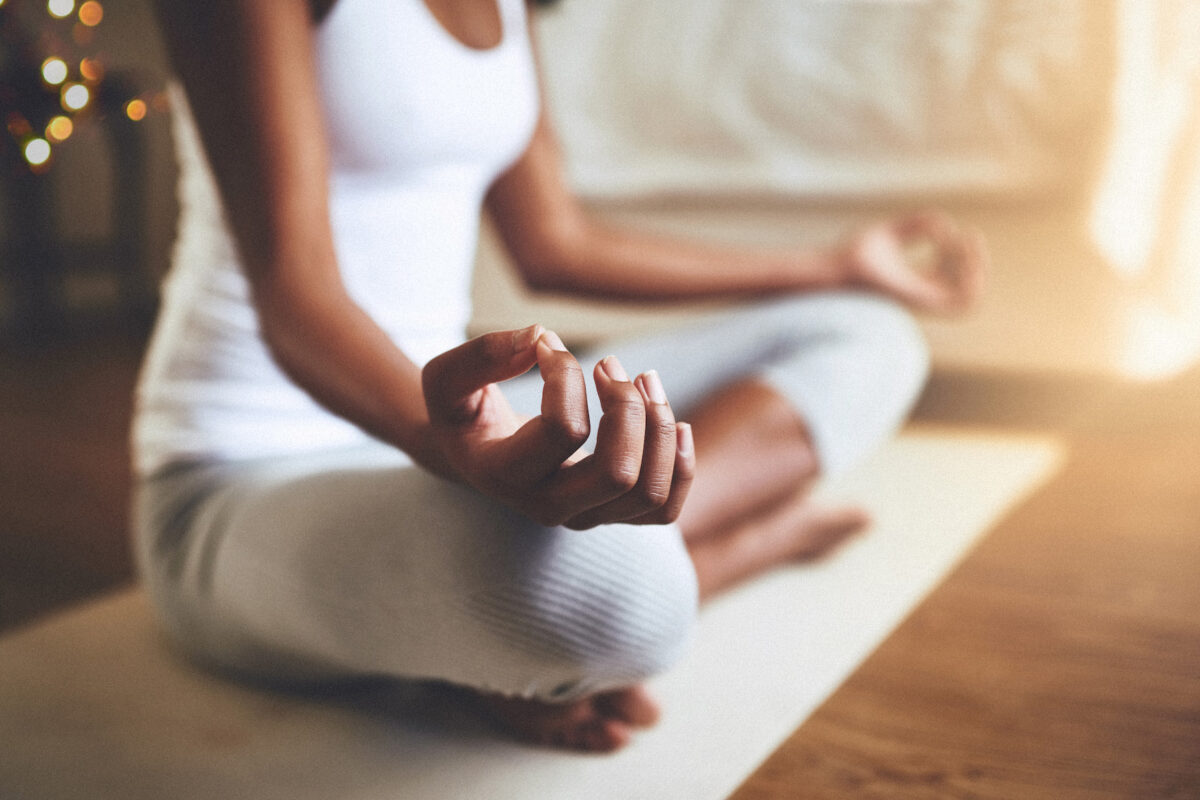
Incorporating meditation into your nightly routine can be a transformative experience, fostering relaxation, mental clarity, and better sleep. With consistent practice and a calming environment, you will gradually notice the positive impact on your overall well-being. Embrace these techniques and make nightly meditation a cherished habit that guides you into a peaceful and restorative night’s sleep.