Learning how to meditate for grounding offers a powerful approach to cultivating stability and serenity amidst life’s uncertainties. Grounding meditation helps individuals reconnect with the present moment, fostering mental clarity and physical well-being. This practice is especially beneficial during times of stress or emotional turbulence, serving as a reliable tool to regain balance and focus.
By engaging in specific techniques that utilize breath awareness, sensory cues, and connection with nature, practitioners can deepen their sense of stability. Understanding how to prepare an ideal environment and incorporate natural elements enhances the effectiveness of grounding practices, making them accessible both indoors and outdoors.
Introduction to Grounding Meditation
Grounding meditation is a mindfulness practice designed to help individuals reconnect with the present moment and establish a sense of stability and security. It focuses on anchoring one’s awareness through sensory experiences, physical sensations, and mental clarity, fostering a balanced state of mind and body. This technique is particularly valuable during times of emotional upheaval, stress, or mental fatigue, as it promotes a feeling of calmness and centeredness.
Understanding the importance of grounding meditation involves recognizing its role in enhancing mental resilience and physical well-being. When feelings of anxiety, overwhelm, or disconnection arise, grounding methods serve as effective tools to restore clarity and composure. Unlike other meditation practices that may emphasize visualization or breath control, grounding meditation emphasizes tangible sensations and environmental cues, creating a practical approach to achieving mindfulness and emotional stability.
Significance of Grounding Meditation for Well-being
Grounding meditation plays a crucial role in supporting mental health by reducing symptoms of anxiety and stress. It encourages the practitioner to focus on immediate sensory inputs, which can divert attention away from ruminative thoughts and emotional distress. Physically, this practice can alleviate feelings of dizziness, fatigue, or disconnection often associated with stress-related conditions or traumatic experiences.
Common Indicators for Practicing Grounding Techniques
Recognizing the need for grounding meditation involves paying attention to specific emotional or physical states that signal a disconnection or heightened stress response. These situations often include:
- Experiencing overwhelming anxiety or panic attacks
- Feeling emotionally detached or numb
- Encountering difficulty concentrating or feeling mentally foggy
- Physical sensations like dizziness, trembling, or muscle tension
- Having intrusive or racing thoughts that disrupt focus
Engaging in grounding meditation during these moments can help restore a sense of control, reduce emotional upheaval, and promote a more balanced state of mind.
Distinguishing Grounding Meditation from Other Practices
While many meditation techniques aim to cultivate mindfulness or promote relaxation, grounding meditation specifically emphasizes anchoring oneself in the present through direct sensory engagement with the environment. This focus on tangible sensations makes it particularly effective for immediate emotional regulation and physical stabilization. Unlike transcendental or mantra-based meditations, grounding methods often involve practical activities such as feeling the texture of objects, listening intently to ambient sounds, or observing one’s surroundings in detail.
This approach can be seamlessly integrated into daily routines, especially during moments of acute stress or disorientation, providing a quick and accessible means to regain composure and stability.
Preparing for Grounding Meditation

Grounding meditation requires a tranquil setting and thoughtful preparation to ensure you can fully immerse yourself in the practice. Creating an environment that fosters calmness and stability lays a strong foundation for effective grounding, helping you connect with the present moment and your inner stability without distractions. Proper preparation involves selecting a suitable space, gathering necessary props, and choosing an optimal time and posture that enhance your comfort and focus during the meditation session.Ensuring your environment is conducive to grounding can significantly improve your experience.
It’s essential to minimize noise, interruptions, and visual clutter, which can detract from your concentration. By intentionally setting up your space, you create a sanctuary where your mind can relax and focus solely on the practice of grounding meditation.
Creating a Calm Environment
Establishing a peaceful ambiance is key to effective grounding meditation. Follow these step-by-step instructions to prepare your space:
- Choose a quiet and private location free from disturbances such as loud noises or frequent interruptions. This could be a corner of your home, a peaceful garden, or a dedicated meditation room.
- Declutter the area to eliminate visual distractions. A tidy space helps your mind settle and focus inwardly.
- Adjust lighting to a soft, warm glow. Natural light is ideal during the daytime, but if practicing in the evening, use dimmable lamps or candles to create a gentle atmosphere.
- Incorporate natural elements such as plants, stones, or a small water feature to deepen your connection with nature and foster a grounding energy.
- Consider adding calming aromas through essential oils or incense, like lavender, sandalwood, or cedar, which can promote relaxation and mental clarity.
Necessary Items or Props
Using specific items can enhance comfort and focus during grounding meditation. These props serve as anchors, helping to sustain your attention and deepen your sense of stability:
While the essentials are minimal, including the following items can significantly improve your practice:
- Cushions or Meditation Pillows: Provide comfortable support for seated postures, especially if sitting on the floor, reducing discomfort and allowing for longer meditation sessions.
- Mats or Blankets: Offer cushioning and warmth, particularly if practicing outdoors or on hard surfaces.
- Natural Elements: Stones, crystals, or small branches can serve as tactile anchors, reinforcing your connection to Earth energy.
- Comfortable Attire: Wear loose, breathable clothing to facilitate relaxation and ease of movement.
Choosing an Ideal Time and Posture
Selecting the right time and posture is vital for a successful grounding practice. It is beneficial to practice when your mind is relatively free from stress and your body is relaxed:
Consider the following tips for optimal timing and posture:
- Practice during moments of tranquility, such as early morning before daily activities, or in the evening as a way to unwind and release tension accumulated throughout the day.
- Avoid immediately after heavy meals; wait at least an hour post-eating to prevent discomfort during meditation.
- Ensure your schedule allows enough time for a relaxed practice without feeling rushed or distracted.
- Adopt an upright but comfortable sitting posture, either cross-legged on a cushion, seated on a chair with feet flat on the ground, or kneeling on a mat. The key is to keep your spine straight to facilitate energy flow and maintain alertness.
- Keep your hands resting gently on your lap or knees, with palms facing upward or downward depending on your preference, to support a relaxed yet attentive posture.
- Maintain a relaxed jaw, soft gaze or closed eyes, and a calm facial expression to foster a meditative state.
By thoughtfully preparing your environment, gathering appropriate props, and choosing the optimal time and posture, you create a solid foundation for your grounding meditation practice. This preparation nurtures a sense of stability and calmness that allows you to deepen your connection with the Earth and your inner self.
Basic Grounding Meditation Techniques
Practicing grounding meditation involves simple yet effective techniques that help anchor your awareness in the present moment. These methods promote a sense of stability, calmness, and connection with your immediate environment, which is especially beneficial during stressful or overwhelming situations. By focusing on your breath, sensations, and sensory experiences, you can cultivate a deeper awareness of your surroundings and inner state.
Incorporating various techniques enhances the grounding process, allowing you to select practices that resonate best with your preferences and needs. Below, we Artikel some fundamental methods along with their procedures and durations, designed to guide you through effective grounding exercises.
Simple Grounding Exercises
The following table presents easy-to-implement grounding techniques, organized to provide clarity on their approach, description, and recommended duration. These methods can be integrated into your daily routine or used whenever you need a quick mental reset.
| Technique Name | Description | Duration |
|---|---|---|
| Focused Breath Awareness | This technique involves directing your attention to the natural rhythm of your breath. By observing each inhale and exhale without trying to control it, you anchor yourself in the present moment. It helps reduce anxiety and cultivates a sense of calm. | 3-5 minutes |
| Body Sensation Scanning | Body scanning entails systematically paying attention to physical sensations from head to toe. Noticing areas of tension or comfort allows you to ground your awareness in bodily sensations, fostering relaxation and presence. | 5-10 minutes |
| Touch and Texture Focus | This exercise emphasizes feeling textures around you, such as holding an object, feeling the fabric of your clothing, or touching surfaces. It stimulates tactile senses and enhances connection to the immediate environment. | 2-4 minutes |
| Five Senses Engagement | Engaging all five senses involves consciously noticing what you see, hear, smell, taste, and feel. This multi-sensory approach anchors your mind by expanding awareness outward, reducing wandering thoughts and grounding you. | 5-7 minutes |
| Visualization of Natural Elements | This method involves imagining yourself in a natural setting, such as a forest or beach, focusing on sensory details like sounds, smells, and sights. Visualization anchors your mind in a peaceful environment, promoting relaxation. | 5 minutes |
Incorporating the Five Senses to Enhance Grounding
Using the five senses in grounding meditation significantly increases effectiveness by immersing your awareness in the present through sensory experiences. This approach facilitates a comprehensive connection to your environment and internal states, making it easier to shift focus away from stressors or racing thoughts.
Sensory grounding involves actively engaging sight, sound, smell, taste, and touch to anchor your consciousness in the here and now. This multi-sensory focus can be particularly helpful during moments of emotional upheaval or mental distraction.
For example, you might take a moment to observe the pattern of light and shadows in the room, listen to the ambient sounds like birds or traffic, notice the scent of coffee or fresh air, savor a piece of peppermint or fruit, or feel the texture of a fabric or a textured object in your hand. Incorporating these elements consistently can deepen your grounding experience and foster a resilient sense of stability regardless of external circumstances.
Guided Grounding Meditation Scripts
Guided meditation scripts serve as a valuable tool to assist individuals in navigating the process of grounding. These scripts provide clear, verbal instructions that foster a sense of stability, safety, and presence, making the meditation accessible to both beginners and experienced practitioners. By following a structured script, users can deepen their connection with the present moment and cultivate a feeling of rootedness in their body and environment.
Well-designed scripts typically encompass distinct stages—relaxation, sensation awareness, visualization, and closing—that guide the practitioner through each phase with gentle prompts. This structure ensures the meditation is comprehensive, supportive, and easy to follow, enhancing the overall effectiveness and comfort of the practice. The language used in these scripts emphasizes reassurance, stability, and a nurturing tone to promote a safe environment for exploration and relaxation.
Sample Guided Grounding Meditation Script
Below is an example of a guided grounding meditation script that takes the practitioner through a calming, stabilizing session. It is designed to be read aloud or recorded for personal use, helping individuals establish a sense of safety and presence.
Begin by finding a comfortable seated position. Close your eyes gently or soften your gaze. Take a deep breath in through your nose, feeling the air fill your lungs. Exhale slowly through your mouth, releasing any tension. Allow your body to settle into a state of calm and safety.
- Relaxation: With each breath, feel your body becoming more relaxed. Notice any areas of tension, and imagine them softening with every exhale. Let your shoulders drop away from your ears, your jaw unclench, and your forehead smooth out. Know that this time is dedicated solely to your well-being.
- Sensation Awareness: Shift your focus to the sensations in your body. Feel your feet firmly grounded on the floor, connecting you to the earth. Notice the contact between your skin and the surface beneath you. Feel the weight of your body supported and stable. If your mind wanders, gently bring your attention back to these physical sensations, reinforcing your sense of presence and safety.
- Visualization: Imagine a strong, protective root extending from the base of your spine or the soles of your feet, growing deep into the earth. Visualize this root anchoring you firmly, drawing up stability, strength, and nourishment from the ground. Feel the energy flowing along this root, creating a sense of solidity and safety within you. Envision any stress or worries draining downward, absorbed by the earth.
- Closing: Slowly bring awareness back to your surroundings. Wiggle your fingers and toes gently, and feel the stability beneath you. Take a few deep breaths, anchoring the sense of groundedness within. When you’re ready, open your eyes, carrying this feeling of stability and presence into the rest of your day.
Throughout the session, maintain a tone that emphasizes safety, stability, and kindness. Use gentle, reassuring language to support the practitioner’s experience of being rooted and at ease. Adapt the script to suit individual needs, adding or modifying stages to enhance comfort and effectiveness.
Incorporating Nature into Grounding Practices
Grounding practices are enhanced significantly when they are connected with the natural environment. Incorporating elements such as trees, water, and earth can deepen the sense of stability, tranquility, and presence during meditation. Engaging with nature not only grounds the mind and body but also fosters a profound appreciation for the environment, enriching the meditative experience and promoting holistic well-being.Integrating natural elements into your grounding meditation can be achieved both indoors and outdoors.
By thoughtfully utilizing natural surroundings or mimicking them within indoor spaces, practitioners can create an immersive environment conducive to grounding. Visualizations and physical interactions with natural elements serve as powerful tools to reinforce feelings of rootedness, calmness, and harmony with the Earth.
Using Natural Surroundings for Grounding
Natural surroundings offer a rich sensory landscape that can anchor your meditation practice in the present moment. The sights, sounds, textures, and smells of nature serve as immediate stimuli that promote mindfulness and emotional stability. For example, the presence of towering trees can symbolize strength and resilience, while the flowing water can evoke a sense of continuous renewal and fluidity.To utilize these natural elements effectively:
- Find a quiet outdoor space such as a park, forest, or garden where you can sit comfortably and safely.
- Position yourself near natural features like trees, rivers, lakes, or open fields to maximize sensory engagement.
- Take time to observe and absorb the environment—note the colors, textures, and sounds around you.
- Engage your senses intentionally, such as feeling the bark of a tree or listening to the sound of water flowing.
- Allow the natural surroundings to serve as a physical reminder of stability and interconnectedness during your meditation.
Visualizing natural elements can deepen the grounding experience when physical access is limited. Imagine roots extending from your feet into the earth, drawing strength and stability from the soil. Envision water cleansing and renewing your energy, or a gentle breeze enveloping you in calmness. These mental images foster a sense of unity with nature, reinforcing your roots and grounding your energy.
Integrating Natural Elements into Indoor or Urban Settings
Even within indoor spaces or urban environments, incorporating natural elements can significantly enhance grounding practices. This is especially useful when outdoor meditation is impractical or weather conditions are unfavorable. By introducing natural objects and imagery into your meditation space, you create an environment that embodies the qualities of the natural world.Methods for integration include:
- Using potted plants or small indoor trees to bring greenery and a sense of vitality into your space. Position them near your meditation area to observe and connect with their growth and resilience.
- Incorporating natural materials such as stones, shells, or wood into your meditation altar or surroundings. These tactile objects can serve as focal points for your attention and grounding.
- Playing recordings of natural sounds, like flowing water, birdsong, or rustling leaves, to evoke the sensory environment of the outdoors.
- Creating visualizations during meditation that involve natural landscapes, such as envisioning yourself seated beneath a majestic tree or beside a tranquil stream.
- Designing your indoor space with colors and textures inspired by nature—earth tones, soft fabrics, and natural light—to promote an organic and calming atmosphere.
Connecting physically or mentally with natural elements facilitates a deeper sense of grounding. For instance, holding a smooth stone or a piece of driftwood can serve as a tangible anchor during meditation, reminding you of Earth’s stability. Similarly, visualizing yourself immersed in a lush forest or beside a peaceful lake can evoke feelings of serenity, safety, and rootedness, vital for effective grounding practices.
Through these practices, the natural world becomes an active participant in your journey toward mindfulness and inner balance.
Techniques for Deepening Grounding Experience

Enhancing your grounding practice can lead to a more profound sense of stability, calmness, and presence. Advanced techniques such as body scans and progressive muscle relaxation serve to deepen your awareness of bodily sensations and promote relaxation at a granular level. Incorporating these methods into your routine can transform a simple grounding session into a powerful tool for emotional regulation and mental clarity.
These approaches encourage a systematic focus on physical sensations, allowing you to release tension and cultivate mindfulness more effectively. When combined with consistent practice, they can significantly improve your capacity to remain centered during stressful or uncertain moments, ensuring that grounding becomes an integral part of your daily life.
Body Scan Technique
The body scan is a systematic process that involves paying close attention to each part of your body, from head to toes, to identify and release tension. This technique enhances bodily awareness and fosters relaxation, grounding you firmly in the present moment.
- Find a quiet and comfortable space where you can sit or lie down without interruption.
- Close your eyes and take several slow, deep breaths, focusing on the sensation of the air entering and leaving your body.
- Begin by directing your attention to your scalp. Notice any sensations, such as tingling, warmth, or tightness.
- Slowly move your focus down to your forehead, eyebrows, eyes, cheeks, and jaw, observing any tension or discomfort.
- Continue to your neck, shoulders, arms, hands, chest, abdomen, back, hips, legs, and feet, pausing briefly at each area to notice sensations and release tension.
- If your mind begins to wander, gently redirect your focus back to the body part you are scanning.
“A body scan cultivates present-moment awareness and releases accumulated physical tension, anchoring you firmly in the now.”
Progressive Muscle Relaxation (PMR)
Progressive muscle relaxation involves tensing and then relaxing specific muscle groups, which helps to reduce physical and mental tension. This technique is especially effective for individuals experiencing high stress or anxiety, as it promotes a deep sense of tranquility and grounding.
- Lie down comfortably in a quiet environment and close your eyes.
- Begin with your feet: tense the muscles in your toes, hold for about five seconds, then release and notice the sensation of relaxation.
- Gradually move upward through your body, tensing and relaxing each group: calves, thighs, abdomen, chest, back, shoulders, arms, hands, neck, and face.
- As you progress, focus on the feeling of tension leaving your muscles, visualizing any stress melting away with each release.
- Throughout the practice, maintain slow, deep breaths to enhance relaxation and deepen your grounding experience.
“Progressive muscle relaxation emphasizes the connection between physical tension and emotional stress, facilitating a more profound state of calm.”
Tips for Incorporating Grounding Practices into Daily Routines
Integrating grounding techniques into daily life strengthens your resilience and promotes ongoing emotional stability. Consistency is key to experiencing lasting benefits, and small, intentional actions can make a significant difference in your overall well-being.
- Set aside specific times during your day, such as morning and evening, for short grounding sessions, even if just for five minutes.
- Use natural cues, like before meals or during breaks, as reminders to practice mindful breathing or body awareness exercises.
- Combine grounding practices with other daily activities, such as walking or stretching, to enhance mindfulness and stability.
- Keep grounding tools, like a small stone or a scented object, readily available to use during moments of stress or transition.
- Develop a habit of mindful breathing during routine tasks, such as commuting or waiting in line, to maintain a continuous state of presence throughout the day.
“Embedding grounding practices into everyday routines transforms mindfulness from a temporary activity into an enduring lifestyle habit, fostering ongoing emotional stability and resilience.”
Troubleshooting Common Challenges
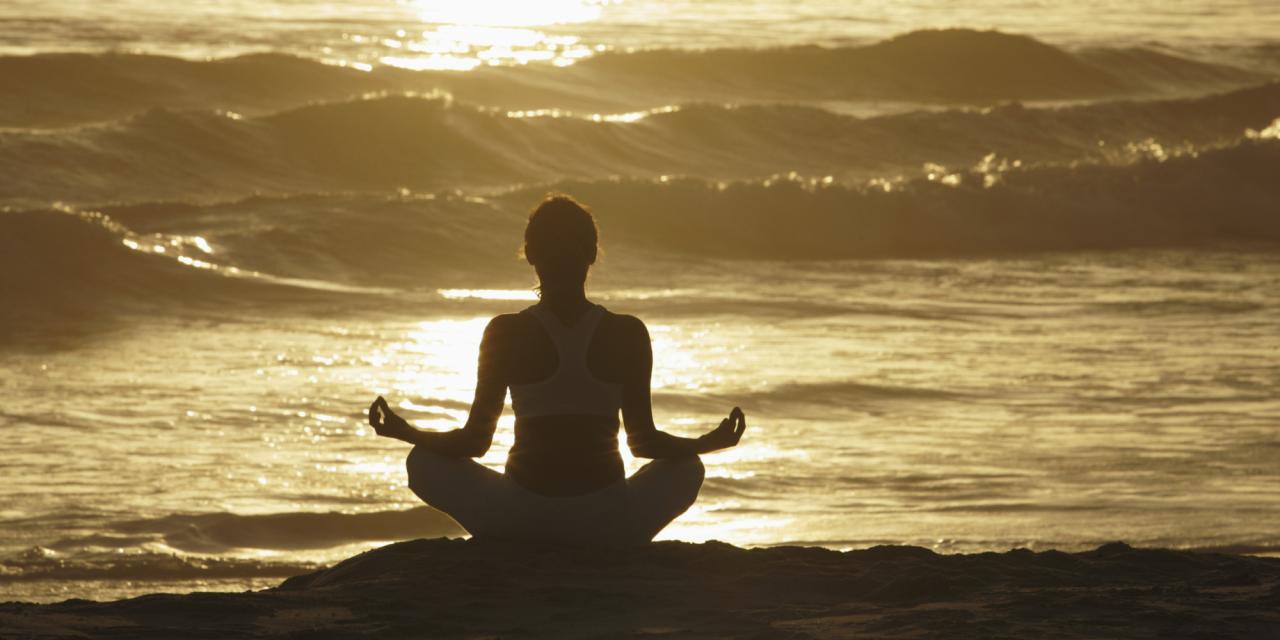
Grounding meditation can be highly beneficial for fostering a sense of stability and inner peace. However, practitioners often encounter various obstacles that may hinder their progress or diminish the effectiveness of their practice. Recognizing these challenges and understanding effective solutions can help maintain consistency and deepen the grounding experience, even when faced with difficulties.The key to overcoming common challenges lies in adopting practical strategies that address specific obstacles.
Whether it is difficulty maintaining focus, managing physical discomfort, or navigating emotional fluctuations, tailored approaches can significantly improve your grounding meditation sessions. This section will explore typical issues faced by practitioners and provide actionable solutions to ensure a smoother, more fulfilling practice.
Difficulty Maintaining Focus and Overcoming Distractions
Distractions and wandering thoughts are among the most common hurdles during grounding meditation. As the mind is naturally prone to distraction, it can be challenging to keep attention rooted in the present moment. External noises, internal chatter, or environmental disturbances often compete for focus, leading to frustration or impatience.To effectively manage distractions, consider the following strategies:
- Establish a Dedicated Practice Space: Choose a quiet, comfortable area free from interruptions. Creating a consistent environment helps your mind associate the space with grounding, making it easier to settle into the practice.
- Use Gentle Anchors: Focus on specific sensory inputs such as the feeling of your feet on the ground, the sensation of your breath, or the sounds around you. When your mind drifts, gently return your attention to these anchors without self-criticism.
- Practice Mindfulness of Distractions: Instead of resisting distractions, acknowledge them without judgment. Recognize that wandering thoughts are natural and use them as opportunities to gently refocus.
- Set a Timer: Using a timer for the meditation session helps prevent the urge to check the clock, allowing you to remain present without preoccupying yourself with the duration.
Managing Emotional or Physical Discomfort During Grounding
Experiencing emotional upheaval or physical discomfort during grounding meditation is common, especially when confronting unresolved feelings or body sensations. Such experiences can be unsettling and may lead to avoidance or abandonment of the practice.To effectively manage discomfort, consider these approaches:
- Practice Gentle Acceptance: Approach emotional or physical discomfort with compassion and curiosity. Recognize that these sensations are temporary and part of the process of grounding and healing.
- Adjust the Practice as Needed: If certain postures or techniques exacerbate discomfort, modify them to suit your current state. For example, sit on a cushion for added comfort or limit the duration of each session until tolerance improves.
- Incorporate Relaxation Techniques: Use breath awareness, progressive muscle relaxation, or gentle stretching to alleviate tension and soothe discomfort before or during meditation.
- Seek Support if Necessary: Persistent emotional distress or physical pain may benefit from guidance by a mental health professional or healthcare provider. Combining grounding practices with professional support can foster a safer, more effective healing process.
Remember that patience, compassion, and flexibility are essential when confronting challenges in grounding meditation. Each obstacle provides an opportunity for growth and deeper self-awareness, ultimately enriching your practice.
Visual and Sensory Aids for Grounding
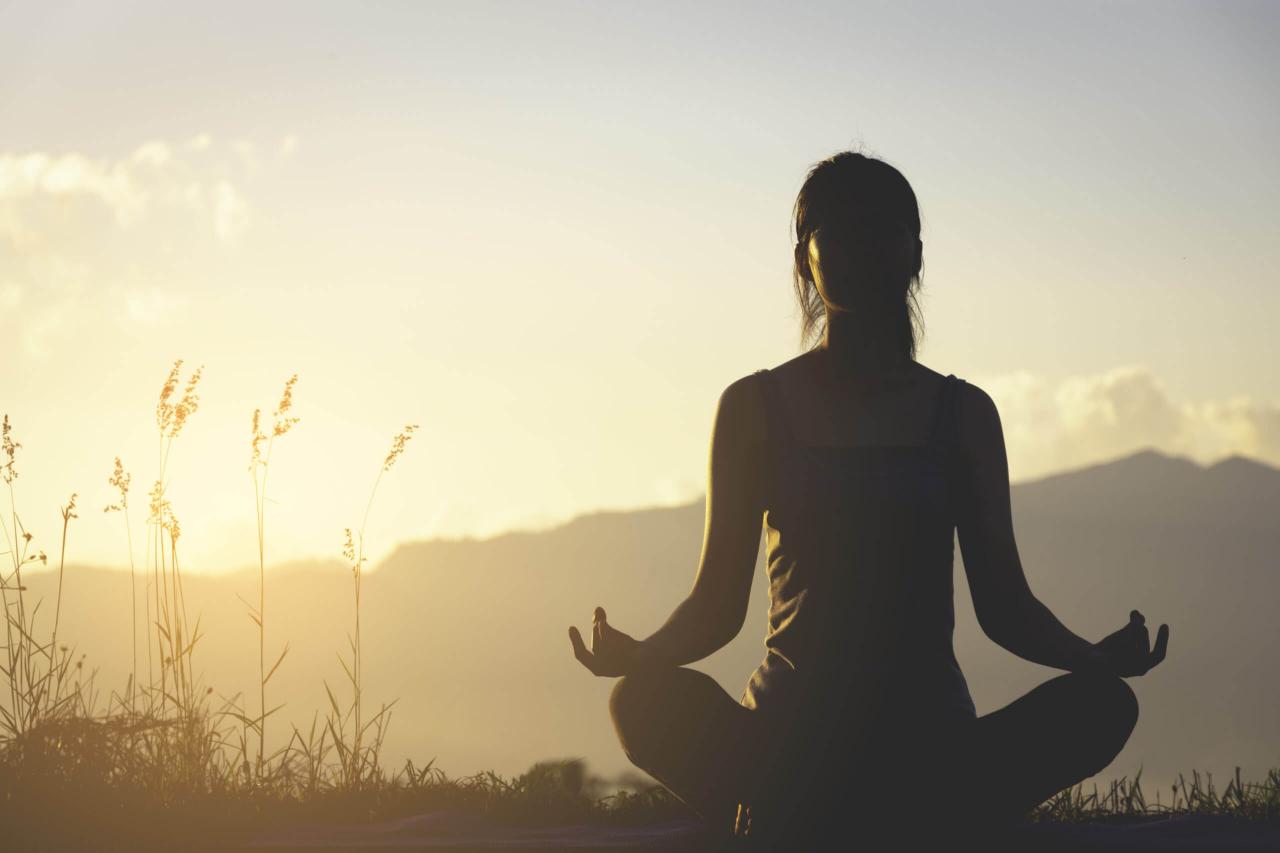
Grounding techniques can be significantly enhanced through the strategic use of visual and sensory aids. These tools serve to anchor the mind and body, helping individuals stay present and stable during meditation or moments of emotional distress. By integrating carefully chosen stimuli into grounding practices, practitioners can deepen their connection to the present moment, making the experience more vivid and effective.Utilizing visual and sensory aids involves creating environments or using objects that stimulate the senses in a calming and stabilizing manner.
These aids are especially beneficial for those who find it helpful to engage multiple senses or who benefit from visual cues to maintain focus. When thoughtfully incorporated, these elements transform a simple grounding practice into a multi-dimensional experience that fosters a sense of security and mindfulness.
Visual Aids for Grounding
Visual stimuli are powerful tools in grounding practices, as they provide immediate, tangible references that can help focus the mind and evoke feelings of stability. Creating or selecting visual aids involves using images, symbols, or patterns that resonate with themes of balance and nature.To enhance the grounding experience visually, practitioners can incorporate items such as:
- Mandalas: Circular designs that symbolize wholeness and unity. Their intricate patterns are mesmerizing and can help focus the mind, encouraging a meditative state. Using printed mandalas or creating personal ones can serve as focal points during practice.
- Natural images: Photographs or illustrations of landscapes like forests, mountains, or waterfalls evoke feelings of tranquility and connection to nature. Displaying these images within the meditation space invites a calming visual anchor that reminds practitioners of the earth’s stability.
- Color therapy: Employing colors associated with grounding, such as earthy browns, deep greens, and calming blues, can influence mood and reinforce a sense of security. Incorporating these colors through artwork, decor, or lighting helps create a soothing environment.
Sensory-rich Environment Design
Designing a sensory-rich environment involves intentionally incorporating tactile, auditory, and olfactory stimuli that promote stability and relaxation. A carefully curated space can significantly amplify the grounding effect by engaging multiple senses in a harmonious manner.Key elements for designing such environments include:
- Tactile stimuli: Incorporate textured objects like soft fabrics, smooth stones, or natural materials such as wood or bamboo. These tactile elements provide grounding sensations that help anchor the practitioner’s awareness to their body.
- Auditory stimuli: Use calming sounds such as gentle flowing water, nature sounds (birdsong, wind rustling leaves), or soft instrumental music. These sounds can be played through speakers or integrated into ambient sound systems, supporting a peaceful atmosphere.
- Olfactory stimuli: Introduce natural scents like lavender, sandalwood, or cedarwood through essential oils, incense, or fresh herbs. Aromas have a direct impact on mood and can evoke feelings of stability and well-being.
Example setups include a space with a soft, textured meditation mat, a small water fountain producing gentle sound, and the subtle scent of lavender filling the air. Such environments create a multisensory experience that anchors the practitioner deeply in the present moment.
“By engaging multiple senses simultaneously, grounding practices become more immersive, fostering a profound sense of connection and stability.”
Incorporating visual and sensory aids into grounding routines encourages a fuller engagement of the senses, leading to a more effective and enriching meditation experience. These tools serve not only as focal points but also as anchors that help sustain calmness and presence amid life’s fluctuations.
Final Thoughts
Incorporating grounding meditation into daily routines can significantly improve overall mental health and resilience. Whether through simple breath exercises or connecting with nature, these practices empower individuals to stay centered and present. Consistent dedication to these techniques can lead to a more balanced, peaceful state of mind, regardless of external circumstances.