Meditation serves as a powerful tool for emotional cleansing, helping individuals release negative energies and foster a sense of inner calm. By cultivating mindful practices, one can effectively transform emotional burdens into positive energy, leading to greater mental clarity and well-being. Understanding the fundamental steps involved in meditation and preparing the right environment are essential for experiencing its full benefits.
This guide provides a comprehensive overview of techniques and strategies to facilitate emotional liberation through meditation. From setting intentions and practicing guided visualizations to maintaining mindfulness and overcoming common challenges, these methods aim to support anyone seeking to release negativity and attain lasting peace of mind.
Introduction to Meditation for Releasing Negativity
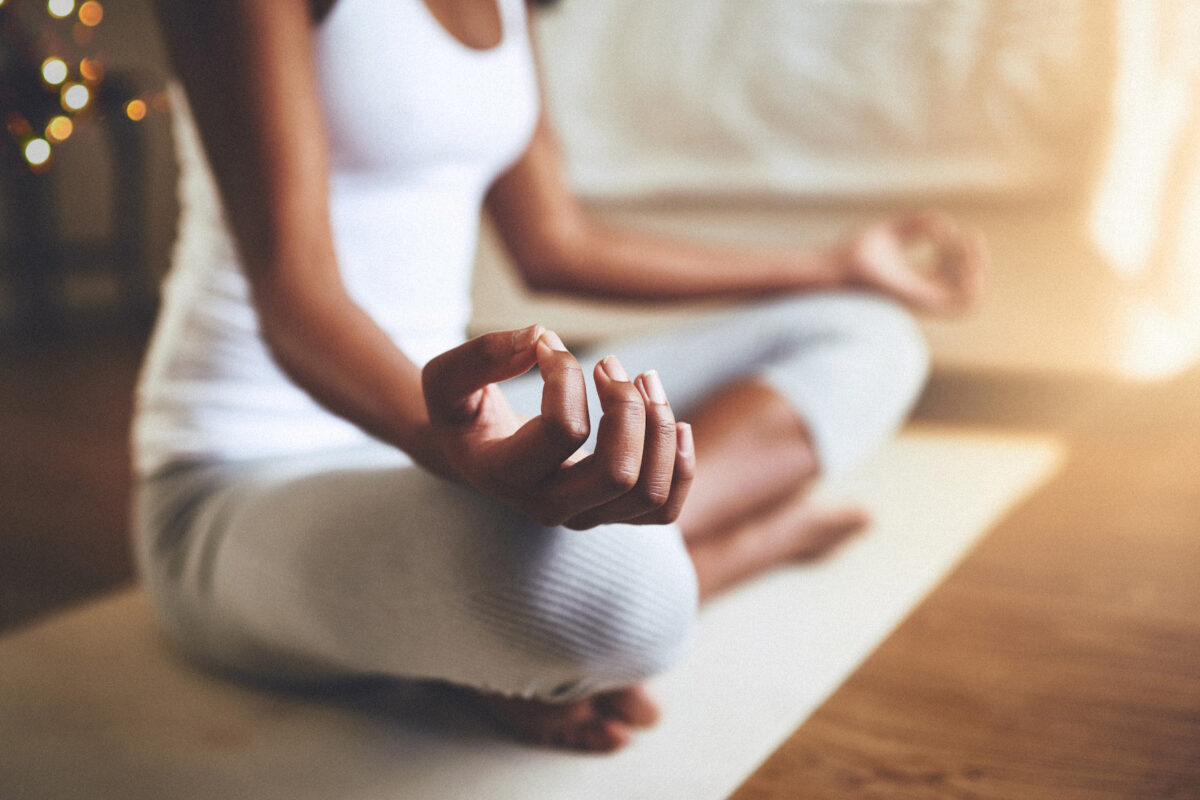
Meditation is a time-honored practice that involves focused attention and mental clarity to achieve a state of calmness and emotional balance. When used intentionally, meditation serves as a powerful tool for emotional cleansing, helping individuals shed accumulated negative thoughts, feelings, and energies that can hinder overall well-being.
By cultivating awareness and mindfulness during meditation, individuals can observe their negative emotions without judgment, allowing these feelings to naturally diminish over time. This process facilitates a shift from mental clutter and emotional turmoil to clarity, peace, and positivity. The role of meditation in releasing negativity is rooted in its ability to transform reactive thoughts into conscious awareness, fostering inner healing.
The Step-by-Step Process of Meditation for Releasing Negative Energy
Understanding the sequential approach to meditation enhances its effectiveness in cleansing negative energy. Each stage is designed to prepare the mind, focus attention, and promote emotional release, ensuring a comprehensive process for emotional detoxification.
- Setting an Intention: Begin by clearly defining the purpose of your meditation session, such as releasing specific negative emotions or energies. This intent acts as a guiding beacon throughout the practice.
- Creating a Calm Environment: Find a quiet, comfortable space free from distractions. Dim lighting or gentle sounds can help in establishing a peaceful atmosphere conducive to deep relaxation.
- Adopting a Comfortable Posture: Sit or lie down in a position that supports relaxation. Keep your back straight to facilitate alertness while remaining relaxed.
- Focusing on the Breath: Close your eyes and take slow, deliberate breaths. Pay attention to the sensation of inhaling and exhaling, anchoring your awareness in the present moment.
- Visualizing Release: Imagine negative energies as dark clouds or heavy burdens within your body. With each exhale, visualize these energies dissolving and leaving your physical and mental space.
- Practicing Mindfulness: Observe your thoughts and feelings without attachment or judgment. Allow any negative emotions to surface, acknowledge them, and then gently let them go.
- Closing the Session: Gradually bring your awareness back to your environment. Express gratitude for this time of self-care and set a positive intention for the rest of your day.
Preparation of Mental State Before Beginning Meditation
Achieving a receptive mental state is crucial for maximizing the benefits of meditation aimed at releasing negativity. When the mind is cluttered with stress, agitation, or distractions, it becomes challenging to attain the deep focus necessary for emotional cleansing.
Prior to meditation, engaging in activities such as gentle stretching, deep breathing exercises, or even a few moments of quiet reflection can help in calming the mind. Ensuring physical comfort and mental clarity creates an optimal environment for meditation to be more effective in releasing negative energies.
Furthermore, maintaining a non-judgmental attitude toward one’s emotions and thoughts fosters an openness that facilitates emotional release. Approaching meditation with patience and consistency gradually transforms mental patterns, making it easier to let go of negativity over time.
Preparing for Meditation to Release Negativity
Creating an optimal environment and establishing proper mental readiness are essential steps in effective meditation for releasing negativity. When these foundational elements are thoughtfully addressed, the meditation session becomes more profound, allowing for a deeper release of emotional burdens and fostering a sense of peace and clarity.
Preparation involves setting up a tranquil space, practicing calming breathing techniques, and consciously setting intentions. These practices help quiet the mind, elevate focus, and create a receptive state conducive to the healing process of letting go of negative emotions.
Ideal Environment Setup for Effective Meditation Sessions
An environment free from distractions significantly enhances meditation efficacy. The space should promote relaxation, serenity, and comfort, facilitating a deep inward focus.
- Quiet and Peaceful Location: Choose a spot away from noise, interruptions, and external stimuli. This could be a corner of a room, a garden, or any place where tranquility is maintained. If external noise is unavoidable, consider using soft background sounds like nature recordings or white noise to mask interruptions.
- Comfortable Seating: Use cushions, mats, or chairs that support a comfortable posture. Proper alignment reduces physical discomfort, allowing the mind to stay focused without distraction.
- Ambient Lighting: Soft, dim lighting or natural sunlight can help create a calming atmosphere. Avoid harsh or bright lights that may cause discomfort or alertness.
- Clutter-Free Space: Clearing away clutter fosters a sense of order and peace, minimizing mental distractions and promoting mindfulness.
- Ambient Elements: Incorporate calming scents like lavender or sandalwood through essential oils or incense, and ensure good airflow for fresh air circulation to enhance relaxation.
Designing a dedicated meditation space that signals the mind to switch into a receptive state encourages consistency and deepens the practice over time.
Breathing Exercises to Calm the Mind Before Meditation
Engaging in specific breathing exercises before meditation helps slow the heart rate, reduce stress hormones, and center the mind. These techniques serve as a bridge to entering a state of heightened awareness and emotional release.
- Deep Belly Breathing: Sit comfortably, place one hand on the chest and the other on the abdomen. Inhale deeply through the nose, allowing the abdomen to expand fully. Exhale slowly through the mouth, ensuring the abdomen contracts. Repeat for 5-10 minutes to promote relaxation and oxygenate the body.
- Box Breathing: Inhale slowly through the nose for a count of four, hold the breath for four counts, exhale gently for four counts, and hold the breath again for four counts. This rhythmic pattern stabilizes the nervous system and fosters mental clarity.
- Alternate Nostril Breathing (Nadi Shodhana): Close the right nostril with the thumb, inhale slowly through the left nostril. Close the left nostril with the ring finger, release the right nostril, and exhale through the right. Inhale through the right, then switch nostrils, and exhale through the left. Continue this pattern for several minutes to balance energies and calm the mind.
Regular practice of these exercises before meditation helps establish a tranquil mental state, making it easier to access emotional depths and release negativity effectively.
Methods to Identify and Set Intentions for Releasing Negativity
Clarity about personal negativity and a conscious intention to release it are crucial for a focused and transformative meditation session. These practices enable individuals to harness their awareness and direct their energy purposefully.
Identify negativity through reflective awareness, recognizing recurring thoughts, emotions, or patterns that cause distress or hinder personal growth. Journaling or mindful observation can assist in gaining insight into these emotional blocks.
- Self-Reflection: Spend a few moments contemplating recent experiences or feelings that evoke discomfort, tension, or sadness. Recognizing these emotions without judgment creates awareness and prepares the mind for release.
- Visualization of Negative Energy: Imagine negative emotions as dark clouds, tangled cords, or heavy weights within the body or mind. Visualizing this imagery helps externalize and acknowledge emotional burdens.
- Setting a Clear Intention: Formulate a positive affirmation or statement that encapsulates the desire to release negativity. For example, “I am open to letting go of all that no longer serves my well-being,” or “I invite peace and positivity to replace my negative emotions.”
- Using a Ritual or Symbol: Write the negativity on paper or visualize tearing away or dissolving it during the meditation. This symbolic act reinforces the commitment to release and transforms abstract intentions into tangible actions.
Consistently establishing clear intentions enhances the focus and effectiveness of meditation sessions, allowing for a more profound emotional cleansing and renewal.
Guided Meditation Techniques Focused on Releasing Negativity
Guided meditation provides a structured and soothing approach to releasing negative energy, enabling individuals to consciously let go of emotional burdens and foster inner peace. By following a step-by-step process, practitioners can deepen their awareness and effectively shift their mental state towards positivity and clarity. This method combines visualization, body awareness, and focused breathing to facilitate emotional cleansing and promote overall well-being.
Implementing guided meditation techniques involves a sequence of deliberate actions designed to help individuals identify, confront, and release negativity. These techniques can be tailored to personal needs, making them versatile tools for stress relief, emotional healing, and fostering resilience. A well-structured guided session ensures a safe and supportive environment for exploration and transformation.
Structured Guided Meditation Session for Releasing Negativity
Creating a clear and organized meditation session ensures that practitioners remain focused and engaged throughout the process. The following structure provides a comprehensive framework:
- Preparation and Centering: Find a quiet, comfortable space where distractions are minimized. Sit or lie down in a relaxed position, closing the eyes gently. Take a few deep breaths to center yourself and set an intention for releasing negativity.
- Breathing Exercise: Focus on slow, deep inhalations and exhalations. Use breath awareness as an anchor to stay present and calm the mind.
- Body Scan for Tension Detection: Systematically bring awareness to different parts of the body, noticing areas of tension or discomfort. Encourage release of tension with each exhale.
- Visualization of Negative Energy Leaving: Imagine negative thoughts and feelings as dark, oppressive clouds or shadows residing within the body. Visualize these energies transforming into light or dissipating as they leave the body.
- Affirmations and Positive Replacements: Incorporate gentle affirmations such as “I release all negativity” or “I am open to positivity and peace.” Reinforce the intention to let go of emotional burdens.
- Closing and Grounding: Gradually bring awareness back to the present moment. Feel the connection to the ground or surroundings. Take a few deep breaths, and gently open the eyes, carrying the sense of release into daily life.
Example Script for Visualizing Negative Energy Leaving the Body
This guided visualization aims to help individuals consciously release accumulated negativity through vivid imagery and focused awareness. The script can be read aloud or silently repeated during meditation:
Begin by taking a deep, calming breath. As you exhale, imagine that all tension and negativity are gathering within your body. Visualize these feelings as dark, swirling clouds or shadows that cling to your skin, muscles, and mind. With each inhale, picture fresh, pure light entering your body, filling you with calm and positivity. As you exhale, see these dark clouds dissolving into the air, drifting away effortlessly. Envision them becoming smaller and smaller until they vanish completely, leaving you feeling lighter, cleaner, and more at peace. Continue this process, focusing on the sensation of negativity leaving your body with each outgoing breath, and the serenity entering with each inhale.
Body Scan Methods to Detect and Relax Areas Holding Tension
The body scan technique is essential for identifying physical manifestations of emotional tension and facilitating relaxation. This method involves systematically directing attention to various parts of the body to recognize areas where tension or discomfort reside, then consciously releasing these sensations.
In a typical body scan, the practitioner begins at the crown of the head and gradually moves downward toward the toes, pausing at each region to assess sensations. When tension or tightness is detected, the individual is encouraged to breathe into that area, visualizing the tension melting away with each exhale. This process not only relieves physical discomfort but also creates awareness of emotional states that may be stored in bodily form, such as shoulders holding stress or the jaw clenching from anxiety.
For example, during a body scan, one might notice tightness around the jaw and neck, often linked to suppressed anger or frustration. By consciously relaxing these muscles and visualizing negativity dissolving, the practitioner effectively releases emotional blocks. Regular practice of body scans enhances sensitivity to bodily cues, enabling more effective emotional release and reducing the persistence of negative energy within.
Mindfulness Practices to Enhance Negativity Release
Incorporating mindfulness practices into daily routines significantly amplifies the effectiveness of releasing negativity. These exercises cultivate heightened awareness of negative thoughts and emotions, enabling individuals to observe their mental landscape objectively. Through consistent practice, one develops a compassionate and accepting attitude towards all experiences, which is essential in mitigating the grip of negativity and fostering emotional resilience.
Mindfulness practices serve as powerful tools to observe, understand, and ultimately transform negative mental patterns. By intentionally cultivating present-moment awareness, individuals can identify recurring thought patterns and emotional responses that contribute to negativity. This heightened awareness creates space for conscious choice, allowing for healthier reactions and the gradual dissolution of adverse thought cycles.
Mindfulness Exercises to Increase Awareness of Negative Thoughts
Building awareness of negative thoughts is a foundational step in releasing negativity. The following exercises help individuals recognize and understand their mental patterns without judgment:
- Thought Observation Practice: Sit quietly and focus on your breathing. As thoughts arise, label them silently (e.g., “thinking,” “worry,” “criticism”). Recognize these thoughts without attaching to them, and gently redirect your focus back to your breath.
- Body Scan Meditation: Progressively bring attention to different parts of the body, noting any tension or discomfort that may be linked to negative emotions. This practice helps in identifying physical manifestations of mental negativity.
- Negative Thought Journaling: Dedicate a few minutes daily to jotting down recurring negative thoughts. Review these entries to identify patterns and triggers, thereby fostering greater awareness of thought tendencies over time.
Integrating Mindfulness into Daily Routines
Embedding mindfulness practices into everyday activities enhances consistency and effectiveness in releasing negativity. This integration encourages a continuous state of awareness that transcends formal meditation sessions:
- Mindful Breathing During Routine Tasks: Practice focused breathing while performing routine activities such as washing dishes, walking, or commuting. Notice the sensations of movement, sound, and touch, anchoring awareness in the present moment.
- Mindful Eating: Pay close attention to the taste, texture, and aroma of each bite during meals. This prevents mindless eating and promotes a calm, centered state that diminishes emotional reactivity.
- Scheduled Mindfulness Breaks: Set alarms or reminders throughout the day to pause and engage in brief mindfulness exercises, such as a few deep breaths or a moment of silent observation, especially during stressful periods.
Techniques to Observe Emotions Without Attachment or Judgment
Observing emotions with a non-judgmental stance is crucial for dissolving negativity. This approach fosters emotional clarity and reduces reactive tendencies that reinforce negative thought patterns:
- Neutral Observation: When an emotion arises, acknowledge it silently without labeling it as good or bad. For example, note “anger” or “sadness” without trying to suppress or escalate it.
- Labeling Emotions: Assign a simple label to each emotion as it occurs (“frustration,” “anxiety”), which helps create psychological distance and reduces the intensity of the feeling.
- Allowing Emotions to Flow: Embrace the transient nature of emotions by observing them as passing phenomena. Visualize emotions as clouds drifting across the sky, acknowledging their presence without clinging to them.
- Practicing Acceptance: Cultivate a mindset of acceptance towards all emotions, understanding that negative feelings are a natural part of human experience. This acceptance diminishes resistance and promotes emotional resilience, facilitating the release process.
“Observing without attachment allows emotions to pass naturally, reducing their power over your mental state and fostering inner peace.”
Visualization Strategies for Emotional Liberation
Effective visualization serves as a powerful tool in the process of releasing negativity. By consciously imagining negative energies as tangible objects and transforming them into positive states, individuals can facilitate emotional cleansing and foster inner peace. These techniques rely on the mind’s capacity to reframe experiences and promote emotional resilience through guided imagery.
Engaging in structured visualization exercises helps reinforce feelings of peace, clarity, and emotional freedom. When practiced regularly, these strategies can diminish the hold of negative thought patterns, enhance self-awareness, and cultivate a sustained sense of well-being.
Visualizing Negative Energy as a Tangible Object
Transforming abstract feelings of negativity into concrete images allows for a more manageable approach to emotional release. By visualizing negative energy as a physical object, individuals can create a clear mental separation between themselves and their emotional burdens, making it easier to release or transform them.
Start by closing your eyes and taking deep, calming breaths. Imagine the negativity as a dark, heavy object—perhaps a thick cloud, a black stone, or a tangled mass of dark threads—residing within or around you. Visualize this object with as much detail as possible, noting its shape, size, and texture. Recognizing negativity as a tangible entity grants you a sense of control over it, empowering you to direct its transformation or release.
Designing Visual Scenarios for Transformation into Positive Energy
Creating vivid mental scenes where negativity evolves into positive energy can significantly enhance emotional liberation. These scenarios serve as a bridge from distress to tranquility, allowing the mind to actively participate in healing.
For example, visualize the dark object you see as a representation of your negative feelings. Envision this object slowly dissolving, shrinking, or transforming into a luminous, vibrant light. Imagine the light spreading warmth and clarity throughout your body, replacing darkness with serenity. Alternatively, see the negative energy being absorbed by a radiant sun, which transforms it into golden rays of positivity that flow into your heart.
Such visualizations reinforce a sense of renewal and empowerment.
Engage all your senses during these scenarios—feel the warmth of the light, see the color change, and imagine the shift in energy as negativity turns into vitality. Repeating these visualizations regularly helps deepen their effectiveness and ingrains a positive outlook.
Steps to Reinforce Feelings of Peace and Clarity through Visualization
Consistent practice of visualization enhances emotional resilience and cultivates a lasting sense of peace. The following steps guide you through a methodical approach to reinforce these feelings:
- Find a Quiet Space: Choose a calm environment where you can sit comfortably without interruptions. Ensure your body is relaxed and your mind is receptive.
- Set an Intention: Clearly state your purpose—releasing negativity and inviting peace. Affirm your intention silently or aloud.
- Visualize the Negative Energy: As described earlier, imagine negative feelings as a tangible object, acknowledging its presence without judgment.
- Transform the Energy: Visualize the object dissolving or transforming into a positive force—such as light, water, or a calming color. Focus on the process of change, feeling the shift internally.
- Absorb Positive Energy: Envision positive energy flowing into your body, filling the space left by the negativity. Feel the warmth, lightness, and clarity replacing prior heaviness.
- Anchoring the Feelings: To reinforce these sensations, imagine anchoring the feelings of peace within your heart or mind, perhaps by visualizing a symbol or reciting a calming phrase.
- Gradual Return: Slowly bring your awareness back to the present moment, carrying the feelings of peace and clarity with you throughout your day.
Repeating visualization exercises with consistency and intention strengthens emotional healing, transforming negativity into a source of growth and serenity.
Techniques to Sustain a Negative Energy-Free State
Maintaining a state of emotional clarity and positivity after engaging in meditation is essential for long-term well-being. Developing consistent habits and strategies can help you preserve the peace and release achieved during your practice, allowing negativity to have less influence over your daily life. By adopting practical techniques and mindful approaches, you can cultivate resilience against emotional setbacks and foster a sustained sense of tranquility.Creating an ongoing routine that incorporates regular meditation sessions, mindfulness practices, and self-awareness activities is fundamental.
These routines serve as anchors that reinforce your commitment to emotional health and help prevent the resurgence of negativity. Additionally, tracking your emotional progress can provide valuable insights, highlighting patterns and areas requiring further attention. Maintaining a peaceful mindset outside of formal meditation sessions involves integrating mindful habits into everyday activities, such as during work, social interactions, or moments of solitude.
This holistic approach ensures that the serenity cultivated during meditation extends into all aspects of life.
Daily and Weekly Meditation Practices for Ongoing Release
Consistent meditation is key to sustaining a negativity-free state. Establishing a daily routine, even for just 10-15 minutes, helps reinforce emotional stability and resilience. Focus on practices that emphasize breath awareness, body scans, or loving-kindness meditation, which are particularly effective in maintaining emotional balance. Weekly longer sessions, such as 30-45 minutes, can deepen your practice, allowing for more profound emotional release and reflection.Incorporate a variety of meditation styles to prevent monotony and address different emotional needs.
For instance, alternating between mindfulness meditation and visualization exercises can enhance your capacity to remain positive. Using guided meditations specifically designed for emotional liberation can anchor your routine and provide fresh perspectives.
Methods to Track Emotional Progress Over Time
Monitoring your emotional journey aids in recognizing growth, understanding triggers, and adjusting your practices accordingly. Keeping a journal dedicated to your meditation experiences allows you to record insights, emotional shifts, and recurring patterns. You may note how certain situations influence your mood or how your responses evolve over weeks or months.Utilize tools such as mood tracking apps or emotional diaries that allow you to quantify your emotional states.
Periodically review these records to identify trends, successes, and areas needing improvement. For example, noticing a decrease in episodes of irritability or anxiety over several weeks indicates progress. Conversely, recognizing persistent challenges can motivate targeted efforts in your meditation or mindfulness practices.
Tips for Maintaining a Peaceful Mindset Outside of Meditation Sessions
Fostering a peaceful mindset in everyday life involves integrating mindfulness into routine activities. Practice being fully present during simple tasks like walking, eating, or listening, which helps anchor your awareness in the moment. Developing a habit of conscious breathing, especially during stressful situations, can significantly reduce emotional reactivity.Creating physical and mental environments conducive to peace is equally important. For example, design a calming space at home where you can retreat for brief moments of mindfulness or reflection.
Limiting exposure to negative media and surrounding yourself with positive influences also supports mental tranquility.Additionally, cultivate self-compassion and patience, acknowledging that emotional regulation is an ongoing process. Regularly affirming your intent to maintain positivity and reminding yourself of your progress reinforces your commitment. Engaging in community or support groups that promote emotional well-being offers encouragement and shared strategies, further strengthening your ability to sustain a negativity-free state throughout your life.
Overcoming Common Challenges in Meditation for Releasing Negativity
Meditation for releasing negativity can be profoundly transformative, yet practitioners often encounter obstacles that hinder their progress. Recognizing these challenges and implementing effective strategies can significantly enhance the experience, making it easier to stay committed and achieve emotional liberation. By addressing these common hurdles, individuals can cultivate a more consistent and fulfilling meditation practice focused on emotional healing and positivity.Understanding these challenges is essential because obstacles such as wandering thoughts, physical discomfort, impatience, and emotional resistance are natural parts of the meditation process.
With appropriate techniques and a compassionate approach, practitioners can navigate these difficulties, ensuring continuous growth and effectiveness in releasing negativity.
Identifying Typical Obstacles Faced During Meditation Sessions
Various challenges may arise during meditation for releasing negativity, each impacting the practitioner’s ability to focus and achieve the desired emotional state. Common obstacles include:
- Restlessness and Distracted Mind: Difficulty maintaining focus due to a busy or wandering mind, often accompanied by intrusive thoughts or mental chatter.
- Physical Discomfort: Discomfort from posture, fatigue, or environmental factors can divert attention away from the meditation process.
- Impatience and Expectation: Feeling frustrated when progress seems slow or when emotional releases do not occur immediately, leading to discouragement.
- Emotional Resistance: Tendency to suppress or avoid confronting certain negative emotions, which can hinder the process of emotional release.
- Lack of Consistency: Irregular practice schedules diminish the benefits and make overcoming challenges more difficult over time.
Strategies to Stay Focused and Committed
Maintaining focus and dedication during meditation requires intentional effort and practical tactics. The following strategies support sustained engagement:
- Establish a Routine: Consistent practice at the same time and place helps condition the mind and body, creating a habit that promotes discipline and ease.
- Create a Conducive Environment: Choose a quiet, comfortable space free from distractions, with soft lighting and calming elements to foster relaxation.
- Use Gentle Reminders: Set gentle alarms or cues to signal meditation time, reducing the tendency to forget or delay sessions.
- Practice Patience and Self-Compassion: Acknowledge that challenges are part of the process, and avoid self-criticism when encountering difficulties. Embrace a compassionate attitude toward yourself.
- Break Down Sessions: Start with shorter periods, gradually increasing duration as comfort and focus improve, preventing overwhelm and frustration.
Modifying Techniques for Personal Comfort and Effectiveness
Adapting meditation practices to one’s unique needs enhances both comfort and results. Customization involves:
- Adjusting Posture: Find a seated position that maintains alertness without causing discomfort. Use cushions or chairs if necessary to support the back and neck.
- Altering Breathing Techniques: Experiment with different breathing patterns, such as deep diaphragmatic breaths or gentle breath awareness, to find what promotes relaxation most effectively.
- Incorporating Movement: For those with physical limitations or restlessness, gentle movements like stretching or walking meditation can serve as alternatives while maintaining focus on emotional release.
- Using Guided Meditations: Select recordings that resonate personally, which can provide structure and encouragement, especially when facing difficulties staying focused.
- Personalizing Visualization Strategies: Tailor visualization exercises to evoke comfort, safety, and emotional clarity, making the process more meaningful and effective.
Addressing and overcoming these common challenges through mindful awareness, adaptable techniques, and compassionate self-practice can significantly improve the efficacy of meditation sessions aimed at releasing negativity. Persistence, patience, and flexibility are key components in transforming obstacles into opportunities for growth and emotional liberation.
Practical Examples and Methods
Implementing diverse practical methods enhances the effectiveness of meditation for releasing negativity. By engaging in various techniques and supplementary activities, individuals can reinforce their emotional cleansing process, leading to a more sustained sense of peace and positivity.
These methods serve to deepen the meditation experience and support ongoing emotional well-being beyond the meditation session itself. Incorporating activities like journaling or nature walks can significantly bolster one’s ability to process and release negative emotions, fostering long-term resilience.
Meditation Styles Suitable for Releasing Negativity
Different meditation styles cater to various preferences and can be particularly effective in releasing negativity. Experimenting with multiple approaches allows individuals to find the most harmonious method for their emotional needs.
- Mantra Meditation: This practice involves repeating a specific word, phrase, or sound to focus the mind and dissolve negative thought patterns. Utilizing positive affirmations like “I am at peace” or ” negativity is leaving my mind” helps in replacing harmful thoughts with empowering ones.
- Breath Awareness Meditation: Focused solely on observing the natural flow of breath, this technique cultivates mindfulness and calms the nervous system. Deep, slow breaths facilitate the release of emotional tension and clear mental clutter associated with negativity.
- Loving-Kindness Meditation (Metta): This method directs loving and compassionate thoughts toward oneself and others. It fosters emotional healing by replacing resentment, anger, or envy with feelings of kindness and acceptance, essential for emotional liberation.
Comparative Features of Meditation Techniques
Understanding the unique features and benefits of various meditation methods assists practitioners in selecting the most suitable technique for negativity release. Below is a responsive table comparing key aspects of popular styles.
| Technique | Focus | Duration | Primary Benefits |
|---|---|---|---|
| Mantra Meditation | Repetition of specific sounds or phrases | 10-30 minutes | Reduces stress, enhances concentration, dissolves mental negativity |
| Breath Awareness | Observing natural breathing patterns | 5-20 minutes | Calms the nervous system, releases emotional tension, improves focus |
| Loving-Kindness (Metta) | Generating feelings of compassion and love | 15-30 minutes | Fosters emotional healing, reduces feelings of resentment and anger |
| Body Scan Meditation | Sequential attention to different body parts | 15-25 minutes | Increases body awareness, relieves tension, releases stored emotional stress |
Supporting Activities for Emotional Cleansing
Post-meditation activities can reinforce the release of negativity and promote ongoing emotional health. These methods extend the benefits achieved during meditation into everyday life, helping to maintain a positive mental state.
- Journaling: Writing about emotional experiences immediately after meditation allows individuals to process lingering feelings of negativity. Reflective journaling can help identify recurring thought patterns, enabling targeted cognitive restructuring and emotional release.
- Nature Walks: Engaging in gentle walks in natural settings, such as parks or forests, complements meditation by grounding individuals and enhancing their connection to the environment. The natural stimuli and fresh air promote relaxation, helping to solidify feelings of emotional liberation and reduce residual negativity.
- Creative Expression: Activities like drawing, painting, or music can serve as outlets for processing complex emotions. Creative expression after meditation provides a safe space for releasing suppressed feelings and cultivating positive emotional states.
- Deep Relaxation Practices: Techniques such as progressive muscle relaxation or gentle yoga can deepen the post-meditation state, further alleviating tension and negative energy trapped within the body and mind.
End of Discussion

In conclusion, mastering meditation for releasing negativity unlocks the path toward emotional freedom and balanced living. Consistent practice combined with mindful awareness allows individuals to sustain a peaceful mindset, ultimately enhancing overall well-being. Embracing these techniques can lead to a more positive outlook and a healthier, more harmonious life.