Learning how to meditate for mindfulness offers a pathway to greater mental clarity, emotional stability, and overall well-being. This practice, rooted in ancient traditions yet highly applicable in modern life, empowers individuals to cultivate a present-focused awareness that can transform daily experiences. By engaging in mindful meditation, you open the door to a more peaceful and centered existence, even amidst life’s inevitable challenges.
This guide provides comprehensive insights into establishing an effective meditation routine, including preparing your environment, mastering basic techniques, integrating mindfulness into daily activities, and overcoming common obstacles. Whether you are a beginner or seeking to deepen your practice, understanding these elements will support your journey toward sustained mindfulness and inner calm.
Introduction to Meditation for Mindfulness
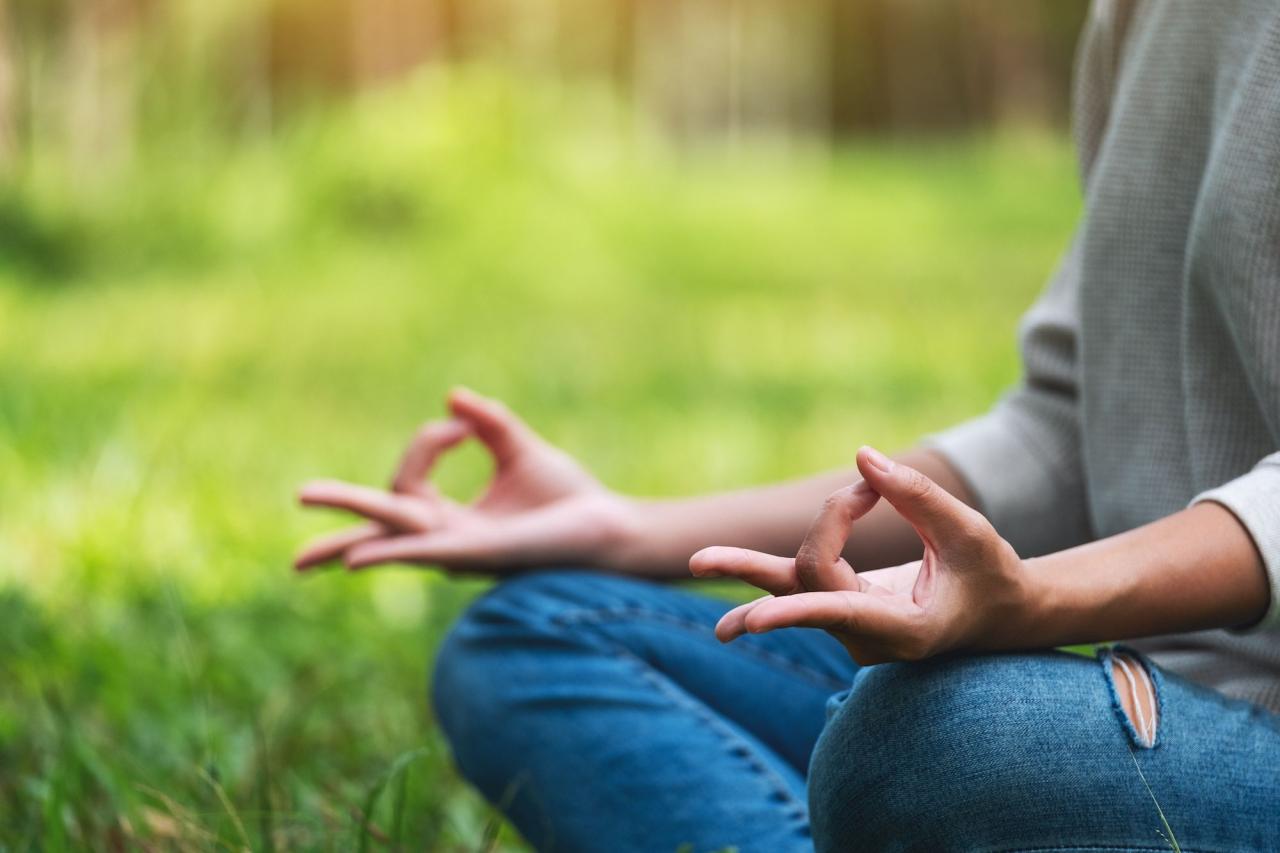
Mindfulness is the practice of cultivating a focused awareness on the present moment, acknowledging thoughts, feelings, and sensations without judgment. It serves as a foundation for many meditation techniques, allowing individuals to develop a deeper understanding of their mental and emotional states. Incorporating mindfulness into meditation practices can lead to a more balanced and centered approach to daily life, fostering greater clarity, emotional resilience, and overall well-being.
Understanding the significance of mindfulness in meditation involves recognizing its role in reducing stress, enhancing concentration, and promoting mental clarity. As a discipline rooted in ancient traditions yet adaptable to modern lifestyles, mindfulness meditation encourages individuals to slow down, observe their experiences, and cultivate a sense of inner peace. Its accessibility and tangible benefits have contributed to its popularity across diverse populations seeking mental health improvement and self-awareness.
Common Misconceptions about Meditation and Mindfulness
Many people hold misconceptions about meditation and mindfulness, which can hinder their willingness or ability to adopt these practices effectively. Clarifying these misconceptions is vital for fostering a realistic understanding of what meditation entails and its potential benefits.
Firstly, a common misconception is that meditation requires complete silence, perfect focus, or emptying the mind entirely. In reality, mindfulness meditation emphasizes observing thoughts and sensations without judgment, allowing the mind to settle naturally rather than forcing it to be silent. Secondly, some believe that meditation is a spiritual or religious practice exclusively; however, it is widely adopted in secular contexts for mental health and stress management without any spiritual connotations.
Additional misconceptions include expecting immediate results or believing that meditation is only for those experiencing severe stress or mental health issues. In truth, meditation offers gradual benefits that accumulate over consistent practice and is suitable for individuals at all stages of life. Recognizing these myths can encourage more people to explore and incorporate mindfulness meditation into their daily routines with realistic expectations and an open mind.
Preparing for Meditation
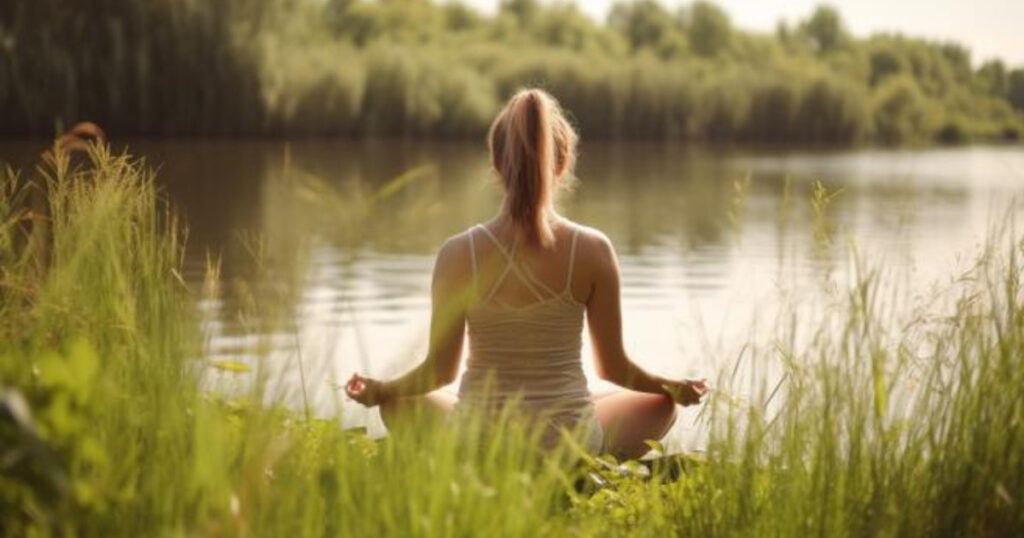
Creating an optimal environment and establishing proper posture are essential steps that significantly influence the effectiveness of your meditation practice. Proper preparation helps in cultivating focus, reducing distractions, and fostering a sense of calm, enabling you to immerse yourself fully in the mindfulness experience.
By paying attention to the details of your meditation setup, you set a foundation for consistency and progress. This preparation involves selecting a suitable space, organizing necessary items, and adopting a comfortable posture that supports sustained attention and relaxation throughout your session.
Creating a Suitable Meditation Environment
Establishing a dedicated, peaceful space enhances concentration and signals your mind that it is time for meditation. The environment should be free from interruptions and sensory distractions, fostering a sense of tranquility and safety.
- Choose a quiet area with minimal noise and external disturbances. If noise cannot be entirely eliminated, consider using noise-canceling headphones or playing soft ambient sounds to mask disruptions.
- Ensure the space is clean and clutter-free, as visual distractions can impede focus and relaxation.
- Opt for a location with soft, natural lighting or dim lighting to create a calming ambiance. Avoid harsh or overly bright lights that may cause discomfort or overstimulation.
- Incorporate elements that promote serenity, such as a plant, a small fountain, or calming artwork, to enhance the mindfulness atmosphere.
Maintaining consistency in your chosen environment builds familiarity, making it easier to transition into a meditative state over time.
Setting a Comfortable Posture and Minimizing Distractions
An effective meditation posture supports physical comfort and mental alertness, enabling longer and more focused sessions. Proper positioning reduces physical discomfort, which can otherwise lead to restlessness or distraction.
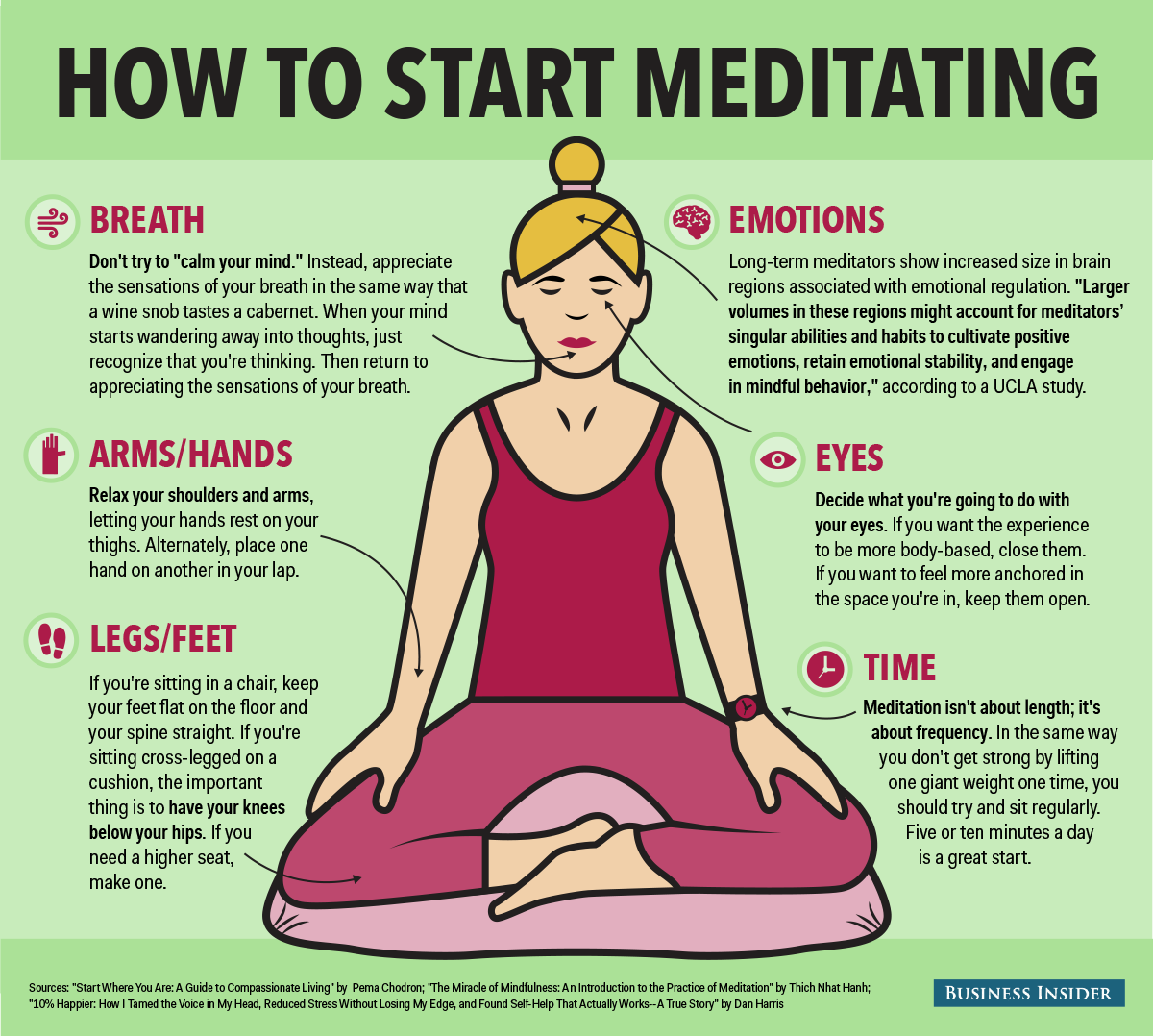
- Sit on a cushion or folded blanket placed on the floor to elevate the hips, promoting an upright yet relaxed spine. You can also sit on a chair with feet flat on the ground if sitting cross-legged is uncomfortable.
- Keep the back straight but not stiff, allowing for natural breathing and alertness. The head should be aligned with the spine, with the chin slightly tucked to elongate the neck.
- Rest your hands comfortably on your lap or knees, with palms facing upwards or downwards, depending on personal comfort or tradition.
- Relax the shoulders away from the ears, and gently close the eyes or keep them softly focused downward to reduce visual distractions.
- Ensure that clothing is loose and comfortable, avoiding tight or restrictive attire that could cause discomfort during extended periods of meditation.
To minimize external distractions, inform others in your environment about your meditation schedule, turn off notifications on devices, and silence phones or other electronic gadgets. Consider creating a “meditation corner” with minimal stimuli, which cues your mind to enter a state of mindfulness when you sit down.
Checklist of Necessary Items or Conditions for Effective Meditation
Having a prepared set of items and conditions can streamline your meditation routine, making it easier to settle into a focused state without interruptions or discomfort.
| Item/Condition | Purpose |
|---|---|
| Comfortable seating (cushion, mat, or chair) | Provides physical support and promotes proper posture |
| Quiet, designated space | Minimizes noise and external distractions |
| Soft lighting or natural light | Creates a calming ambiance and reduces visual strain |
| Timer or meditation app | Helps manage session duration without checking the clock |
| Blanket or shawl | Offers warmth and comfort, especially in cooler environments |
| Optional: Incense or essential oils | Enhances the sensory environment and promotes relaxation |
| Minimal electronic devices | Reduces interruptions and distractions during practice |
Creating the right environment and physical setup is foundational in establishing a consistent meditation practice that fosters clarity, tranquility, and mindfulness.
Basic Techniques for Mindfulness Meditation
Practicing mindfulness meditation involves engaging in specific techniques that help cultivate present-moment awareness and foster a calm, focused mind. These foundational techniques serve as practical tools for beginners and experienced practitioners alike to deepen their mindfulness practice and experience its full benefits.
Below are essential techniques that can be integrated into daily meditation routines to enhance attention, increase physical awareness, and develop a non-judgmental attitude towards thoughts and sensations.
Simple Breathing Exercises to Anchor Attention and Promote Presence
Breathing exercises are among the most accessible and effective methods for grounding attention during meditation. They help anchor the mind to the present moment by focusing on the natural rhythm of breathing, thereby reducing mental clutter and promoting a sense of calm.
To practice a simple breathing exercise:
- Find a comfortable seated position with your back straight but relaxed, ensuring a stable and alert posture.
- Close your eyes gently or soften your gaze downward.
- Begin by taking a few deep breaths, inhaling slowly through your nose, filling your lungs completely.
- Exhale gently through your nose or mouth, releasing tension with each breath.
- Shift your focus to your natural breathing rhythm, observing the sensation of air entering and leaving your nostrils or the rise and fall of your chest and abdomen.
- If your mind wanders, gently redirect your attention back to the breath without judgment, recognizing distraction as a natural part of the process.
“Use your breath as an anchor to stay rooted in the present moment.”
Regular practice of this exercise enhances concentration, reduces stress, and cultivates a state of mindful awareness that can extend beyond meditation sessions into everyday life.
Structured Guide for Body Scan Meditation to Increase Awareness of Physical Sensations
Body scan meditation involves systematically paying attention to different parts of the body, cultivating heightened physical awareness and releasing tension. This technique encourages a gentle, non-judgmental observation of bodily sensations, fostering a deep connection with the body’s experience in the present moment.
- Begin by lying down comfortably on your back or sitting in a relaxed, upright position, ensuring your body is supported.
- Close your eyes if it feels comfortable and take a few deep breaths to settle into the practice.
- Start with your toes, directing your attention there and noticing any sensations such as warmth, coolness, tingling, or pressure.
- Gradually move your focus upward through your feet, ankles, calves, knees, thighs, hips, abdomen, chest, back, shoulders, arms, hands, neck, and finally your head.
- At each area, observe the sensations without attempting to change or judge them. If your mind drifts, gently bring it back to the body part in focus.
- Spend approximately 20-30 seconds on each region, maintaining a calm, curious attitude towards whatever sensations are present.
- Conclude the practice by taking a few deep breaths, becoming aware of your whole body, and slowly bringing your awareness back to the environment.
| Body Part | Typical Sensations to Notice |
|---|---|
| Feet | Temperature, tingling, pressure, contact with the surface |
| Legs | Muscle tension, heaviness, warmth, coolness |
| Abdomen | Breathing rhythm, expansion, contraction, discomfort |
| Shoulders | Tension, tightness, ease, weight |
| Head | Relaxation, sensations in the scalp, facial muscles |
Engaging in body scan meditation regularly helps to identify areas of tension, promote relaxation, and deepen bodily awareness, which contributes to overall mindfulness and well-being.
Focused Attention on Sounds, Sensations, or Thoughts
This technique involves deliberately directing attention to specific sensory experiences, such as sounds, physical sensations, or thoughts, as a means of cultivating clarity and equanimity in the face of mental activity.
Practicing focused attention can be structured as follows:
- Choose a single object of focus, such as a sound in your environment, a particular physical sensation, or a thought that arises naturally.
- Position yourself comfortably, ensuring minimal external distractions.
- Begin by taking a few deep breaths to center yourself and create a receptive state of awareness.
- Direct your attention fully to the chosen object, observing it with openness and curiosity.
- If focusing on sound, listen attentively to the surrounding noises, noting their qualities, duration, and changes.
- When focusing on sensations, notice the texture, temperature, or movement within your body, avoiding judgment or analysis.
- For thoughts, observe their appearance and disappearance without engaging or becoming entangled in them.
- Whenever your attention drifts, gently acknowledge the distraction and redirect it back to the focus object.
- Practice for several minutes, gradually increasing duration as comfort with the technique develops.
This method enhances concentration, reduces reactivity to mental fluctuations, and fosters a balanced perspective towards internal and external experiences.
Guided Meditation Practices
Guided meditation sessions serve as a valuable tool for individuals beginning their mindfulness journey. They provide clear guidance, fostering a focused and relaxed state of awareness, especially for those unfamiliar with meditation techniques. By following a structured script and paying attention to delivery elements, facilitators can create a nurturing environment that enhances the meditator’s experience and encourages consistency.
Effective guided meditation practices involve the development of a well-crafted script, appropriate recording methods, and techniques that promote relaxation and mindfulness. These practices help beginners establish a routine and deepen their understanding of mindfulness principles through accessible and supportive guidance.
Sample Guided Meditation Script Emphasizing Mindfulness and Non-Judgmental Awareness
The following script aims to cultivate present-moment awareness while fostering a compassionate attitude toward one’s thoughts and feelings:
“Begin by finding a comfortable seated position, either on a chair or cross-legged on the floor. Close your eyes gently or soften your gaze, allowing your awareness to settle inward. Take a deep, calming breath in through your nose, and exhale slowly through your mouth. As you breathe naturally, turn your attention to the sensation of the breath entering and leaving your body. Notice the rise and fall of your chest or abdomen with each inhale and exhale. If your mind wanders, acknowledge the distraction without judgment and gently guide your focus back to your breath. Observe your thoughts, emotions, and sensations as they arise, simply noticing them without attachment or aversion. Allow yourself to be present fully in this moment, embracing a gentle, curious awareness of whatever is happening inside and around you.”
This script emphasizes core mindfulness qualities: present-moment focus, open awareness, and a non-judgmental attitude toward experience. It can be adapted to suit different durations or contexts, such as morning meditation or stress relief at work.
Recording or Leading a Guided Meditation Session for Beginners
When preparing to record or lead a guided meditation for newcomers, clarity, tone, and pacing are crucial. The goal is to create a calming atmosphere that invites trust and ease, facilitating a smooth entry into mindfulness practice.
- Preparation: Select a quiet environment free from distractions. Write or adapt a script that is simple, gentle, and encouraging. Practice delivery to ensure comfort with the wording and flow.
- Voice Tone and Pacing: Use a soothing, steady voice with a warm tone. Maintain a slow, deliberate pace, allowing ample pauses after important instructions to give participants time to integrate each step. Avoid rushing, as it can hinder relaxation and comprehension.
- Recording Quality: Use a good-quality microphone to ensure clear audio. Record in a quiet space to avoid background noise. Consider using a soft ambient background music or nature sounds at a low volume to enhance relaxation without overpowering the spoken guidance.
- Guidance Delivery: Speak with clarity, emphasizing key phrases and maintaining a calm rhythm. Incorporate gentle gestures or variations in tone to keep participants engaged and grounded.
- Session Structure: Start with a brief introduction to set intentions, proceed through breathing and body scans, and conclude with a gentle transition back to awareness of surroundings. Keep the session within an appropriate length, typically 10-20 minutes for beginners.
Elements That Enhance the Effectiveness of Guided Sessions
Several elements contribute significantly to the success and impact of guided meditation practices, especially for beginners who may need extra encouragement and clarity.
- Calm and Warm Tone of Voice: A soothing voice promotes relaxation and helps establish trust, making it easier for participants to let go of tension and engage fully in the practice.
- Steady Pace with Pauses: Slow pacing with intentional pauses allows meditators to absorb instructions, settle into each phase of the session, and cultivate mindfulness without feeling rushed.
- Clear and Concise Language: Using simple, direct instructions avoids confusion and supports a smooth flow, especially important for those new to meditation.
- Consistent Structure and Timing: Regularly structured sessions and predictable timing help participants develop routines, fostering a sense of stability and expectation.
- Environmental Considerations: A quiet, comfortable space with minimal interruptions enhances focus and deepens the meditation experience. Background sounds should be gentle and unobtrusive.
- Inclusion of Gentle Reminders: Periodic cues to return attention to the breath or bodily sensations reinforce mindfulness and discourage wandering thoughts.
Incorporating these elements ensures guided meditations are accessible, effective, and inviting, encouraging beginners to cultivate a consistent and enriching mindfulness practice.
Integrating Mindfulness Meditation into Daily Life
Incorporating mindfulness meditation into everyday routines enhances overall well-being and fosters a consistent practice. Even amidst busy schedules, cultivating moments of awareness can significantly improve mental clarity, reduce stress, and promote emotional stability. The key is to find practical ways to embed mindfulness into activities that are already part of daily life, allowing the benefits to become a seamless part of routine habits.
By intentionally integrating short mindfulness practices into various aspects of daily activities, individuals can sustain their meditation journey without feeling overwhelmed or time-constrained. These methods help transition mindfulness from a formal practice to a natural, ongoing state of awareness, enriching both personal and professional aspects of life.
Methods to Incorporate Short Meditation Sessions During Busy Schedules
Efficiently integrating brief meditation sessions into a hectic lifestyle involves intentional planning and mindful use of available moments. Even a few minutes can make a noticeable difference in mental clarity and emotional resilience.
- Scheduled Micro-Meditations: Allocate 2-5 minutes between meetings, during breaks, or after waking up to sit quietly, focusing on breath or bodily sensations.
- Use of Reminders: Set alarms or notifications to prompt short mindfulness pauses during the day, such as before meals or during commutes.
- Incorporate Mindfulness into Routine Tasks: Practice present-moment awareness while performing daily activities like brushing teeth, washing dishes, or folding laundry, by paying full attention to the sensations involved.
- Leverage Technology: Utilize guided meditation apps designed for quick sessions, offering structured yet brief exercises suited for busy schedules.
Examples of Mindful Activities Beyond Seated Meditation
Expanding mindfulness practice beyond traditional seated meditation can enrich daily life and reinforce awareness in diverse contexts. Engaging in mindful activities helps foster a consistent practice that fits into various environments and situations.
- Mindful Walking: Pay attention to each step, the sensation of the ground beneath your feet, and the movements of your body. Focus on the sights, sounds, and smells in your surroundings, cultivating presence during everyday walks.
- Eating Mindfully: Slow down during meals by savoring each bite, noticing textures, flavors, and aromas. This practice promotes gratitude and better digestion while anchoring you in the present moment.
- Deep Breathing Exercises: Incorporate conscious breathing during stressful moments or transitions, such as before important tasks or meetings, to center oneself and reduce tension.
- Chores and Household Tasks: Engage fully in activities like cleaning or gardening, observing sensations, movements, and the environment to foster mindfulness outside formal meditation sessions.
Comparison of Traditional Meditation Practices and Informal Mindfulness Exercises
The following table illustrates the key differences and similarities between structured meditation sessions and informal mindfulness activities, emphasizing their roles in fostering ongoing awareness throughout the day.
| Aspect | Traditional Meditation Practices | Informal Mindfulness Exercises |
|---|---|---|
| Setting | Typically performed in a quiet, dedicated space, seated position | Carried out during daily activities, such as walking, eating, or commuting |
| Duration | Often lasts from 10 to 30 minutes or longer | Brief, usually 1 to 5 minutes per activity |
| Focus | Concentration on breath, body sensations, or a mantra | Present-moment awareness of sensory experiences and actions |
| Purpose | Deepening focus, developing concentration, cultivating calm | Maintaining ongoing mindfulness and integrating awareness into daily life |
| Benefits | Enhanced mental clarity, emotional regulation, and stress reduction | Consistent awareness, improved habit formation, and stress management in real-world settings |
Overcoming Common Challenges
Practicing mindfulness meditation offers numerous benefits, but practitioners often encounter obstacles that can hinder their progress. Being aware of and effectively managing these challenges is essential to establishing a consistent and rewarding meditation routine. By understanding common difficulties, meditators can develop strategies to sustain motivation, manage restless thoughts, and handle emotional reactions, thereby deepening their practice and experiencing its full benefits.Managing challenges during meditation requires both patience and practical techniques.
It is natural for the mind to wander or for physical discomfort to arise during sessions. Additionally, emotional reactions such as anxiety or frustration may surface unexpectedly. Addressing these challenges proactively can foster resilience, deepen awareness, and promote a more comfortable and sustainable meditation practice.
Maintaining Consistency and Motivation
Consistency is crucial for cultivating mindfulness and experiencing its long-term benefits. However, maintaining motivation over time can be difficult, especially when initial enthusiasm wanes or daily routines become busy. Strategies to promote regular practice include setting realistic goals, creating a dedicated meditation space, and integrating meditation into daily routines, such as morning routines or break times at work.Establishing an accountability system, like joining a meditation group or tracking progress with a journal, can enhance commitment.
Celebrating small milestones reinforces positive feelings about practice and sustains motivation. Recognizing that progress may be gradual helps maintain patience and reduces frustration, fostering a sense of achievement and purpose.
Managing Wandering Thoughts and Physical Discomfort
During meditation, it is common for the mind to drift away from focused awareness, and physical discomfort may challenge concentration. It is important to approach these issues with gentle acceptance and practical techniques.To address wandering thoughts, practitioners can use gentle labels such as “thinking” or “wandering” to acknowledge distractions without judgment, then calmly redirect attention back to the breath, body sensations, or chosen point of focus.
Regular practice strengthens the ability to recognize and release distractions over time.Physical discomfort, such as back pain or stiffness, can be mitigated by adjusting posture, using supportive cushions, or choosing comfortable seated positions. Taking short breaks or stretching lightly before meditation can also reduce tension. Remember that some discomfort is normal and part of the process; cultivating patience and compassion towards oneself is key.
Dealing with Emotional Reactions During Sessions
Emotional reactions are a natural aspect of mindfulness practice and can include feelings of sadness, anger, or anxiety surfacing during meditation. Such experiences can be intense yet serve as valuable opportunities for self-awareness and healing.When emotional reactions arise, it is helpful to acknowledge them without judgment, allowing the feelings to fully surface while maintaining a gentle focus on the present moment.
Using phrases like
“Allow the emotion to be there, without trying to suppress or cling to it.”
can foster acceptance.Practitioners should remind themselves that emotional responses are temporary and part of the process of understanding oneself more deeply. If emotions become overwhelming, it is permissible to take a break, practice deep breathing, or shift to a different meditation technique. Cultivating a compassionate attitude towards emotional experiences enhances resilience and deepens mindfulness practice.
Tracking Progress and Deepening Practice
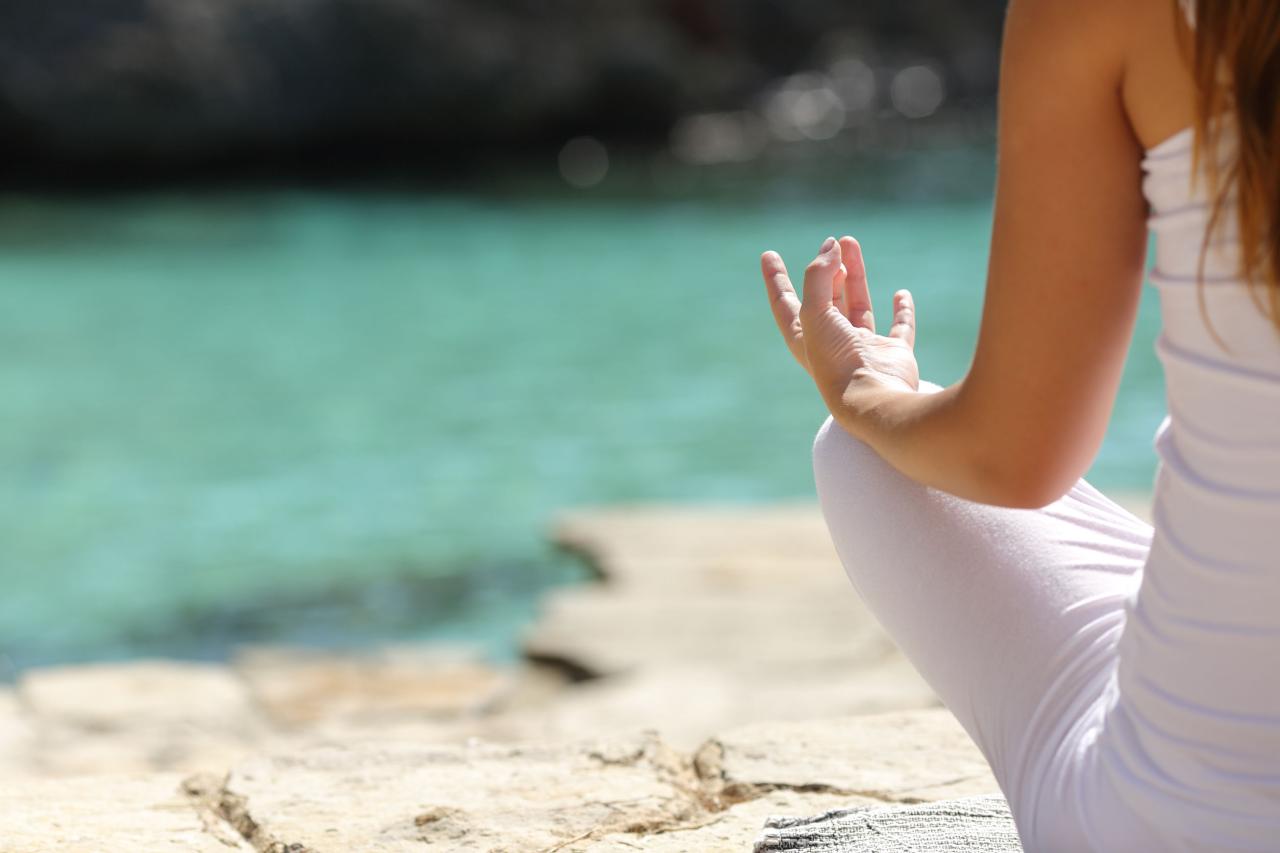
Consistent monitoring and reflection are vital components of a successful mindfulness meditation journey. By tracking your experiences and assessing your growth, you can identify areas of improvement, recognize patterns, and gradually deepen your practice. This process fosters greater self-awareness and encourages sustained progress, transforming meditation from a routine task into a meaningful exploration of inner peace and clarity.
Implementing a structured approach to tracking and evaluation can enhance your mindfulness journey significantly. It allows you to observe subtle shifts in your mental and emotional states over time, provides motivation through visible progress, and helps uncover effective techniques tailored to your unique needs. To facilitate this, maintaining a dedicated journal or log becomes an essential tool for consistent reflection and growth.
Designing a Meditation Journal or Log Template
A simple yet effective journal template can serve as your personal record of meditation experiences. It encourages mindfulness of your progress and creates a habit of reflection. Here is a recommended structure for your meditation journal:
| Section | Description |
|---|---|
| Date & Time | Record the specific date and time when you practiced meditation to identify patterns related to your daily schedule or energy levels. |
| Duration | Note the length of each session, helping to gradually increase your practice time and track consistency. |
| Technique Used | Describe the meditation method or focus, such as breath awareness, body scan, or loving-kindness. |
| Initial State | Briefly describe your mental or emotional condition before starting — feelings of stress, calm, distraction, etc. |
| Experience & Observations | Detail your sensations, thoughts, emotions, and any notable occurrences during the session. |
| Insights & Reflection | Reflect on what you learned, any challenges faced, or progress made, fostering deeper self-awareness. |
| Mood After Meditation | Note changes in mood or mental clarity post-meditation, helping assess immediate effects. |
| Next Steps | Set intentions for your next session, such as trying a new technique or increasing duration. |
Assessing Mindfulness Growth Over Time
Self-reflection is a powerful tool to evaluate your mindfulness development. By periodically reviewing your journal entries, you can identify patterns and measure progress. Look for signs of increased focus, reduced distractions, and more consistent emotional regulation as indicators of growth. Additionally, noticing how your reactions to daily stressors diminish or how your sense of presence becomes more stable provides insight into your evolving mindfulness capacity.
Using specific questions during reflection can enhance this assessment, such as:
- Have I experienced fewer moments of distraction during meditation?
- Do I notice my thoughts wandering less frequently?
- Am I better able to remain present in daily activities?
- How has my emotional response to stress changed over time?
Tracking these subjective experiences alongside your journal entries can highlight meaningful progress that might not be immediately visible. It also encourages a compassionate attitude toward your practice, recognizing that growth often occurs gradually and subtly.
Methods for Exploring Advanced Meditation Techniques
As your foundational practice becomes more comfortable, exploring advanced techniques can deepen your mindfulness and expand your inner awareness. These methods often involve greater focus, longer durations, or novel approaches to meditation. Incorporating these techniques slowly and mindfully ensures a safe and enriching experience.
Some advanced practices include:
- Open Monitoring Meditation: Cultivating a non-reactive awareness of all sensations, thoughts, and feelings as they arise without attachment or judgment, fostering a deep sense of presence.
- Vipassana Meditation: Developing insight into the impermanent, unsatisfactory, and non-self nature of phenomena through sustained observation of bodily sensations and mental states.
- Choiceless Awareness: Practicing a state of pure awareness where attention is openly directed to whatever arises without preference or focus on a particular object.
- Graded Visualization: Using guided imagery to deepen relaxation and focus, often involving detailed mental pictures that evoke sensory experiences.
- Practicing Longer Sessions: Extending meditation periods gradually beyond 30 minutes to foster deeper states of concentration and insight.
When exploring these advanced techniques, it is beneficial to do so under guidance from experienced teachers or through reputable resources. Integrating these practices into your routine can significantly enhance your understanding of mindfulness, promote emotional resilience, and cultivate a more profound sense of inner calm.
Conclusion
Embracing how to meditate for mindfulness can profoundly impact your life by fostering resilience, reducing stress, and enhancing your present-moment awareness. Consistent practice allows you to experience ongoing growth and deeper insights, making mindfulness an integral part of your daily routine. Remember, patience and persistence are key as you cultivate a more mindful and fulfilling life.