Embarking on the journey of how to meditate for inner peace offers a profound pathway to tranquility and self-awareness. Meditation has been cherished across cultures and centuries as a means to attain mental clarity and emotional balance. By adopting effective techniques and establishing a consistent practice, individuals can cultivate a serene mind and a harmonious life. This guide provides essential insights into preparing for meditation, exploring various methods, and integrating practices into daily routines for lasting inner calm.
Introduction to Meditation for Inner Peace
Meditation is a timeless practice rooted in various cultures and spiritual traditions, designed to cultivate a calm and centered mind. Its primary goal is to promote mental clarity, emotional stability, and physical relaxation, ultimately guiding individuals toward a state of inner peace. In today’s fast-paced world, the significance of meditation extends beyond spiritual pursuits, offering tangible benefits for mental health and overall well-being.
Throughout history, meditation practices have been integral to numerous civilizations, from the ancient yogic traditions of India to the contemplative methods in Buddhist monasteries across Asia. These practices emphasize the importance of mindfulness, breathing techniques, and focused attention as tools to transcend stress and attain tranquility. The universal appeal of meditation lies in its accessibility and adaptability, making it a valuable discipline for anyone seeking harmony within themselves.
Historical and Cultural Origins of Meditation Practices Focused on Tranquility
The origins of meditation for inner peace trace back thousands of years, with early references found in ancient texts such as the Vedas and Upanishads in India, dating as far back as 1500 BCE. These texts describe meditative techniques aimed at achieving spiritual enlightenment and mental serenity. In Buddhist traditions, meditation became a central practice for cultivating mindfulness, compassion, and insight, with the seated meditation known as ‘Zazen’ emerging as a core element in Zen Buddhism.
In China, Taoist meditation focused on harmonizing the body’s vital energy, or ‘Qi,’ through breathing exercises and visualization, emphasizing harmony with the universe. Similarly, in the Christian contemplative tradition, prayer and silent reflection have served as forms of meditation to foster inner tranquility. Across cultures, these practices underscore the universal desire to find peace amidst life’s chaos and to connect with a deeper sense of self and universe.
Mental and Physical Benefits of Regular Meditation
Engaging in consistent meditation offers profound benefits that enhance both mental resilience and physical health. Regular practice has been shown to reduce symptoms of stress, anxiety, and depression by calming the nervous system and promoting a state of relaxation. It also improves concentration, emotional regulation, and mental clarity, enabling individuals to navigate daily challenges with greater ease.
From a physical perspective, meditation can contribute to lower blood pressure, improved immune response, and better sleep quality. Studies indicate that meditation influences brain structures associated with emotional regulation and self-awareness, such as increased gray matter density in the prefrontal cortex and hippocampus. These changes support cognitive function, emotional stability, and overall health, making meditation an effective tool for fostering long-term well-being and inner harmony.
Preparing for Meditation Practice
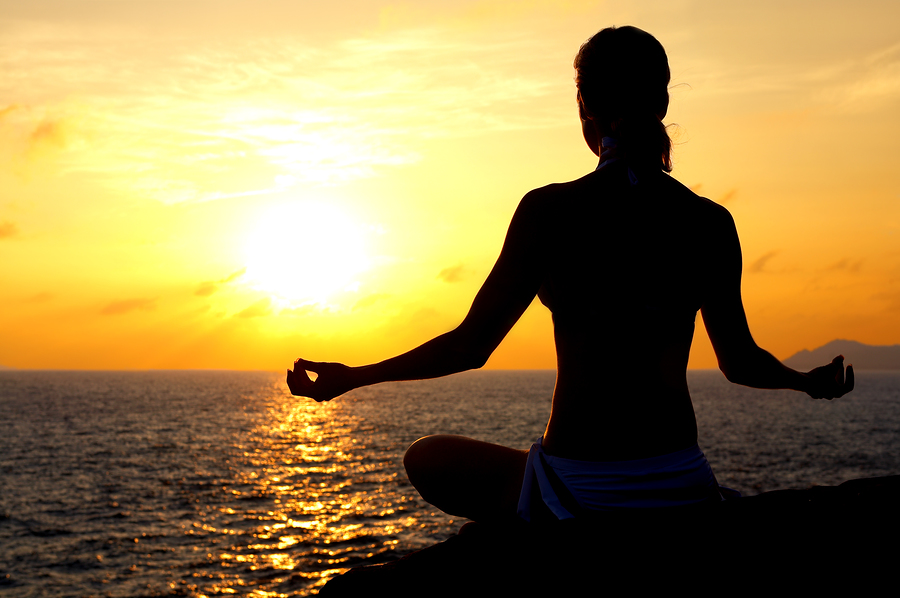
Engaging in meditation requires a mindful approach even before you begin the practice itself. Proper preparation sets the foundation for a more effective and enriching experience, allowing you to cultivate a sense of calm, focus, and openness. Creating an environment conducive to meditation and preparing both your mind and body are essential steps toward achieving inner peace through this timeless practice.A well-organized setup helps eliminate distractions and fosters a peaceful atmosphere.
When your environment is welcoming and free from interruptions, your mind can more easily settle into a meditative state. Additionally, preparing yourself physically and mentally ensures that your body is comfortable and your mind is receptive, enabling a smoother transition into meditation.
Ideal Environment Setup for Effective Meditation Sessions
A quiet, clutter-free, and comfortable space significantly enhances the meditation experience. The environment should be free from external disturbances such as noise, bright lights, or interruptions. It is advisable to dedicate a specific area solely for meditation, which can become a mental cue for relaxation and focus.Natural elements like plants, a small fountain, or calming artwork can contribute to a soothing ambiance.
Ensure the temperature is moderate—neither too hot nor too cold—to prevent discomfort. Soft lighting, such as candles or dim lamps, can create a tranquil atmosphere that promotes relaxation.
Necessary Items or Accessories to Enhance Meditation Comfort and Focus
Having the right items on hand can greatly improve comfort and concentration during meditation sessions. These accessories are designed to support physical ease and mental focus, making it easier to maintain a meditative posture and stay engaged.Consider including the following items:
- Meditation cushion or mat: Provides proper support for sitting comfortably for extended periods.
- Blanket or shawl: Keeps warm and comfortable, especially during longer sessions or in cooler environments.
- Timer or bell: Helps manage session duration without checking the clock frequently, fostering mindfulness of time.
- Essential oils or incense: Aromatic elements such as lavender or sandalwood can enhance relaxation and create a calming ambiance.
- Comfortable clothing: Loose, breathable attire that allows unrestricted movement and breath.
It is also beneficial to keep a journal nearby for reflection or recording insights post-meditation.
Step-by-Step Procedures to Prepare the Mind and Body
Preparing both your mental and physical state before meditation helps to deepen the practice and achieve better results. Follow these steps to set yourself up for success:
- Choose a consistent time and place: Select a specific time daily, preferably when you are least likely to be interrupted, to establish a routine. The same goes for the meditation space, which trains your mind to associate the environment with calmness.
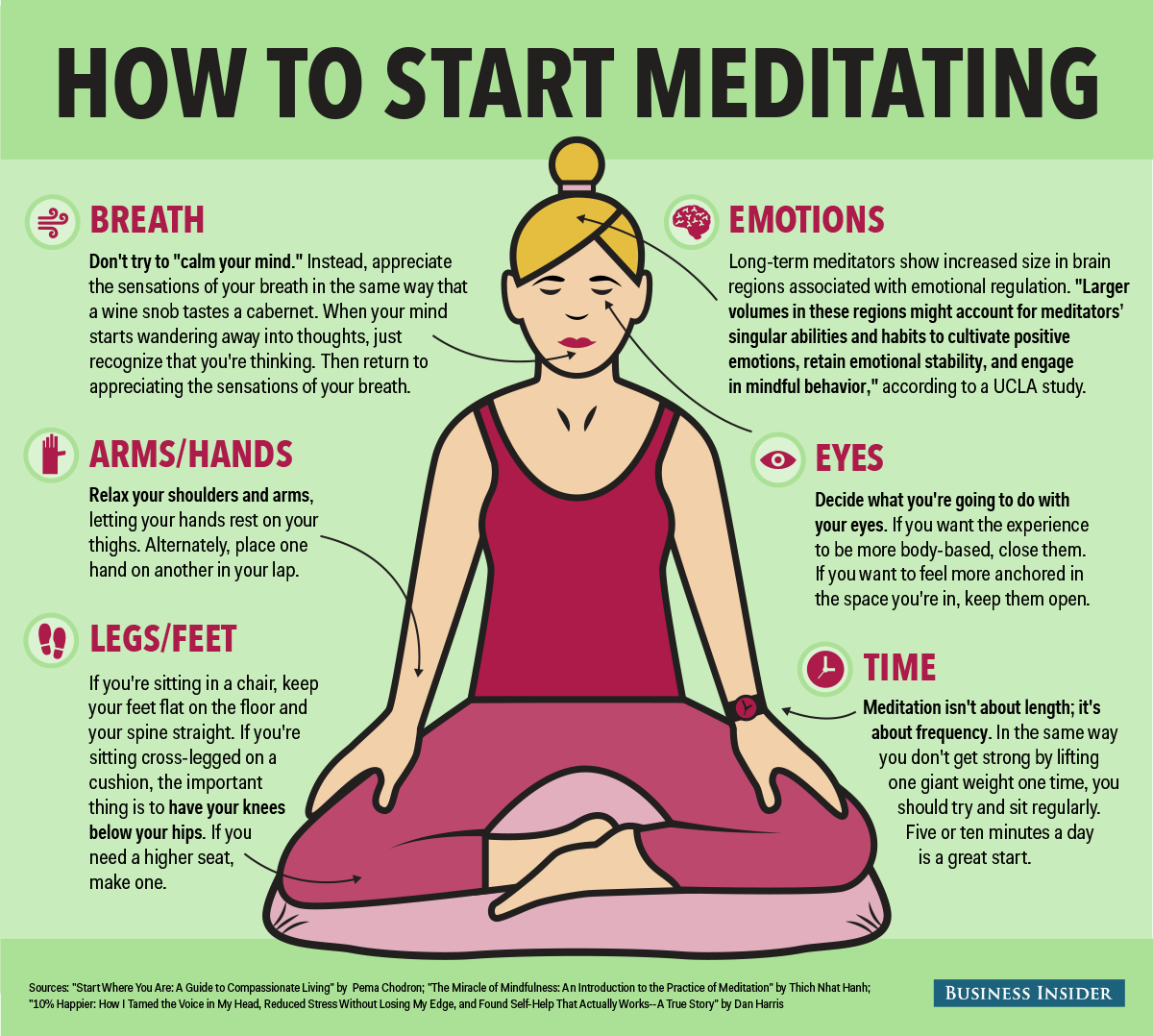
- Ensure physical comfort: Sit in a relaxed but alert posture, whether cross-legged on a cushion, on a chair with feet flat on the ground, or in any position that maintains the spine’s natural curve. Adjust your clothing to avoid discomfort.
- Perform gentle physical movements: Engage in light stretching or yoga to release tension, particularly in the neck, shoulders, and back. This prepares the body to remain still and focused during meditation.
- Practice breath awareness: Take a few deep, slow breaths to center yourself. Focus on the sensation of the breath entering and leaving your body, which helps quiet mental chatter and grounds your awareness.
- Set an intention or affirmation: Clarify your purpose for meditation, such as cultivating inner peace or mindfulness. Repeating a positive affirmation silently can help focus the mind and reinforce your intent.
- Clear physical clutter and mental distractions: Ensure your environment is tidy, and try to leave behind worries or stressful thoughts by acknowledging them and gently redirecting your focus to the present moment.
By following these preparatory steps, you create a conducive space and mindset that facilitate a more profound and tranquil meditation experience, helping you on your journey toward inner peace.
Techniques and Methods of Meditation
Exploring various meditation techniques enriches the practice by allowing individuals to discover methods that resonate with their personal preferences and lifestyles. Each technique offers unique pathways to inner peace, providing diverse tools to cultivate mindfulness, relaxation, and spiritual growth. Understanding these different styles enables practitioners to tailor their meditation routines for maximum effectiveness and sustainability.
Below is a comparison of prominent meditation styles, highlighting their core features, effective practices, and tips for successful implementation. Integrating multiple methods can create a personalized routine that aligns with individual goals and circumstances, fostering a more flexible and enriching meditation experience.
Comparison of Meditation Techniques
| Technique | Description | Effective Practice Tips | Ideal For |
|---|---|---|---|
| Mindfulness Meditation | Focuses on paying deliberate attention to present-moment experiences, including thoughts, sensations, and emotions, without judgment. | Find a quiet space, sit comfortably, and gently direct your attention to your breath or sensory inputs. When the mind wanders, acknowledge it non-judgmentally and return focus. | Reducing stress, enhancing awareness, managing anxiety. |
| Guided Meditation | Led by a narrator or instructor, often through audio or video recordings, guiding practitioners through visualizations or specific relaxation techniques. | Choose recordings from reputable sources, sit or lie down comfortably, and follow the instructions attentively. Consistency enhances benefits. | Beginners, relaxation, visualization, emotional healing. |
| Transcendental Meditation | A mantra-based technique where practitioners silently repeat a specific sound or word to settle the mind into a state of profound rest. | Practice twice daily for 20 minutes, sitting comfortably with eyes closed, silently repeating the mantra. Avoid overthinking and focus on effortless repetition. | Deep relaxation, mental clarity, stress reduction. |
| Breathing Exercises | Involves deliberate control and deepening of breath patterns to calm the nervous system and center the mind. | Engage in slow, diaphragmatic breathing—inhale deeply through the nose, hold briefly, and exhale slowly through the mouth. Maintain awareness of the breath cycle. | Immediate stress relief, enhancing focus, reducing anxiety. |
Practicing Each Technique Effectively
Implementing meditation techniques successfully requires consistency, patience, and mindfulness about the process. Here are some detailed guidance points for each method:
- Mindfulness Meditation: Establish a regular schedule, ideally at the same time each day, to cultivate habit. Use a comfortable seated position, and aim for a non-reactive awareness of experiences, allowing thoughts and sensations to come and go without attachment. Regular practice bolsters resilience to daily stressors and enhances emotional regulation.
- Guided Meditation: Select a quiet, comfortable space free from interruptions. Listen to recordings with headphones if possible, and focus on the guidance rather than external distractions. Engage fully with the visualization or relaxation prompts, and note any insights or feelings that arise during or after the session.
- Transcendental Meditation: Attend a certified TM course if possible, or use authorized recordings. Practice at the same times each day, preferably morning and evening, to reinforce habit. The key is effortless repetition of the mantra, without force or concentration, allowing the mind to settle naturally.
- Breathing Exercises: Sit comfortably with a straight spine, and dedicate a few minutes to slow, deep breaths. Focus on the sensations of the breath entering and leaving the body. When your mind wanders, gently redirect attention back to the breath. Incorporate this technique during stressful moments for quick relief or as a warm-up for other meditation styles.
Integrating Multiple Meditation Methods
Personalized meditation routines often benefit from combining different styles to suit evolving needs and preferences. A balanced approach might include starting with breathing exercises to center oneself, followed by mindfulness meditation for awareness, and ending with guided visualization for emotional release. Alternating techniques prevents monotony and promotes a comprehensive mental and emotional well-being.
“Experimentation with various methods can help identify the most effective combination for individual growth and inner peace.”
Practitioners are encouraged to remain flexible and attentive to how different techniques influence their mental state. Over time, blending methods can deepen the meditation experience, foster resilience, and nurture a sustained sense of inner peace.
Developing a Consistent Meditation Routine
Establishing a regular meditation routine is essential for experiencing the full benefits of inner peace and mental clarity. Consistency not only reinforces discipline but also deepens the meditation practice, making it more effective over time. Creating a daily schedule helps anchor meditation as a dedicated part of your routine, transforming it from a sporadic activity into a sustainable habit that nurtures your well-being.Maintaining a steady meditation practice requires purposeful planning and commitment.
By choosing specific times and durations, you can develop a habit that fits seamlessly into your daily life. Overcoming common challenges such as forgetfulness, fatigue, or lack of motivation is crucial to sustaining this routine. Implementing practical strategies can help you stay on track and make meditation an integral part of your lifestyle.
Strategies to Establish a Daily Meditation Schedule
Establishing a successful meditation routine involves deliberate planning and establishing habits that promote discipline. The following strategies are effective in creating and maintaining a consistent practice:
- Set specific, realistic goals for your daily meditation, such as 10 to 15 minutes, gradually increasing as you become more comfortable.
- Choose a fixed time each day—early morning, during lunch breaks, or before bedtime—that aligns with your daily schedule and energy levels.
- Use reminders or alarms to prompt your meditation session, especially during the initial stages of habit formation.
- Create a dedicated, quiet space free from distractions where you can meditate regularly, reinforcing the routine through association.
- Track your progress by maintaining a journal or using meditation apps that log your sessions, boosting motivation through visual progress indicators.
Optimal Durations and Times of Day for Meditation
The effectiveness of meditation can be enhanced by selecting appropriate durations and times that suit your lifestyle and biological rhythms. While the ideal length varies per individual, consistency remains the key factor for developing discipline.
For beginners, starting with short sessions of 5 to 10 minutes helps in establishing the habit without feeling overwhelming. As you gain experience, gradually extend your sessions to 20 or 30 minutes to deepen your practice and experience greater calming effects.
Timings that align with natural alertness cycles tend to be most beneficial. Early mornings upon waking can set a peaceful tone for the day, creating a sense of calm that carries forward. Alternatively, a late afternoon or early evening session can serve as a mental reset, helping to reduce stress accumulated throughout the day.
“The key to consistency is selecting times when your mind is most receptive and least likely to be interrupted, ensuring a stable practice that becomes a natural part of your daily routine.”
Overcoming Common Challenges in Maintaining Consistency
Building a sustainable meditation practice often encounters obstacles such as lack of time, waning motivation, or external distractions. Addressing these challenges proactively is vital for long-term success.
- Prioritize meditation by scheduling it as an essential appointment within your daily calendar, just like work meetings or meals.
- Start small and set achievable goals to prevent burnout and frustration. Celebrate milestones to reinforce positive reinforcement.
- If motivation wanes, vary your meditation techniques or change your environment to maintain interest and engagement.
- Handle external distractions by informing family members of your meditation schedule or choosing a secluded space where interruptions are minimized.
- Practice patience and self-compassion, recognizing that consistency is a gradual process that requires persistence and flexibility.
Incorporating these strategies into your daily life fosters a disciplined approach that supports the development of a lasting meditation routine, ultimately leading to greater inner peace and emotional resilience.
Deepening Meditation and Achieving Inner Peace
Progressing into advanced meditation practices enables practitioners to cultivate a profound sense of inner calm and stability. As one advances, meditation can transcend basic focusing techniques, leading to heightened awareness, emotional resilience, and a sustained inner peace that persists beyond meditation sessions. Developing this deeper connection requires intentional effort, patience, and structured practice, which ultimately supports a more balanced and harmonious inner state.
Engaging in advanced meditation practices involves refining techniques, exploring new methods, and maintaining consistency. It is a journey of continuous growth that not only enhances inner tranquility but also influences daily life positively, fostering clarity, compassion, and emotional strength.
Progressing from Beginner to Advanced Meditation
To effectively deepen one’s meditation practice, it is essential to have a structured approach that guides progression from initial beginner techniques to more sophisticated practices. This structured development ensures a gradual increase in focus, awareness, and inner calm, reducing frustration and promoting consistent growth.
- Establish a Solid Foundation: Begin with basic mindfulness or breath awareness techniques, practicing regularly to build familiarity and comfort with meditation sessions.
- Increase Duration and Focus: Gradually extend meditation sessions, focusing on maintaining awareness and avoiding distractions to develop deeper concentration.
- Incorporate Visualization and Mantra Techniques: Use guided visualizations or repeating affirmations (mantras) to deepen focus and self-awareness.
- Practice Mindful Observation of Emotions: Observe emotional responses with equanimity, cultivating acceptance and understanding of inner states without judgment.
- Explore Deeper States of Consciousness: Engage in practices like transcendental meditation or guided deep-awareness meditation, aiming to access altered states of consciousness that promote profound peace.
- Integrate Compassion and Loving-Kindness: Develop practices such as Metta meditation to foster unconditional compassion towards oneself and others, nurturing inner harmony.
As practitioners progress, maintaining patience and consistency is vital. Recognizing subtle shifts in mental clarity and emotional stability can serve as indicators of advancement on the spiritual journey.
Measuring and Reflecting on Inner Peace
Tracking changes in inner peace involves both subjective and objective methods that help practitioners appreciate their growth and identify areas for further development. Reflection and measurement are essential for sustaining motivation and understanding how meditation influences overall well-being.
Effective approaches include:
| Method | Description |
|---|---|
| Journaling | Regularly recording feelings, thoughts, and physical sensations experienced during and after meditation sessions helps identify patterns and progress over time. |
| Self-Assessment Scales | Utilizing established tools like the Five Facet Mindfulness Questionnaire (FFMQ) or subjective peace scales can quantify levels of mindfulness and inner calm. |
| Emotional and Behavioral Observations | Noticing changes in daily emotional responses, stress levels, and reactions to challenging situations provides practical insight into inner peace development. |
| Feedback from Others | Receiving observations from trusted friends or mentors about behavioral shifts, such as increased patience or reduced reactivity, can validate internal perceptions. |
“Reflecting on inner peace involves recognizing subtle shifts in mental clarity, emotional stability, and overall sense of harmony, which often become more noticeable with consistent practice.”
Practitioners should set regular intervals for reflection—weekly or monthly—to review journal entries, assess emotional well-being, and celebrate milestones. Appreciating even minor improvements fosters motivation and reinforces dedication to the ongoing meditation journey.
Overcoming Obstacles in Meditation Practice
Meditation can sometimes present challenges, especially when distractions and mental barriers interfere with focus and progress. Recognizing these obstacles and understanding effective strategies to address them is essential for developing a steady and fruitful meditation practice. Addressing common difficulties with patience and practical techniques helps deepen your experience and brings you closer to achieving inner peace.Distractions, whether mental or physical, are natural during meditation sessions.
The key to overcoming them lies in cultivating awareness and employing specific methods to refocus your attention. By understanding common hurdles, you can develop resilience and consistency in your practice, ultimately making meditation a more fulfilling and transformative experience.
Mental and Physical Distractions
During meditation, various distractions can arise, often rooted in the mind or bodily sensations. These include wandering thoughts, external noises, physical discomfort, or restlessness. Recognizing these distractions as normal parts of the process allows practitioners to approach them with patience and clarity.To address mental distractions, adopting mindfulness techniques can be highly effective. When your mind drifts to unrelated thoughts, gently acknowledge their presence without judgment and shift your focus back to your breath, mantra, or chosen point of attention.
For physical distractions like discomfort or restlessness, adjusting your posture slightly or using supportive cushions can alleviate tension and promote relaxation.
“The goal is not to eliminate distractions but to develop the skill of returning your attention with kindness and patience.”
Techniques to Improve Focus and Prevent Wandering Thoughts
Maintaining concentration during meditation requires intentional effort and practice. The following techniques serve to enhance focus and minimize the tendency of the mind to wander:
- Anchor your attention: Use a specific object or sound, such as your breath, a mantra, or a visual point, to serve as a stable anchor for your awareness.
- Set an intention: Before each session, clarify your purpose for meditating, which helps keep your mind centered on your goals.
- Practice mindfulness in daily activities: Incorporate present-moment awareness into everyday tasks to strengthen your overall ability to concentrate.
- Limit external stimuli: Create a quiet, clutter-free environment to reduce potential sources of distraction.
- Use guided meditations: Audio recordings or apps can provide gentle guidance that keeps your focus aligned throughout the session.
Regularly incorporating these methods cultivates a more disciplined and attentive meditation practice, gradually reducing mental wandering over time.
Troubleshooting Common Issues: Impatience and Frustration
Many practitioners encounter feelings of impatience or frustration when progress seems slow or meditation feels difficult. Recognizing these emotional responses and addressing them constructively is vital for sustained practice and inner peace.To manage impatience, remind yourself that meditation is a skill developed over time, much like learning a musical instrument or a new language. Patience and gentle persistence are essential.
If frustration arises, take a step back and focus on self-compassion, understanding that setbacks are a natural part of growth.Practical tips include:
- Shorten your sessions: Begin with brief periods, such as five minutes, and gradually extend as comfort and concentration improve.
- Practice non-judgment: Avoid criticizing yourself for wandering thoughts or feelings of impatience; instead, observe them calmly.
- Use positive affirmations: Repeating phrases like “I am patient” or “Every session is progress” helps reinforce a compassionate mindset.
- Incorporate gentle movement: Gentle stretching or walking meditation can help release physical tension and renew mental focus.
Recognizing that emotional reactions are part of the meditation journey allows practitioners to cultivate resilience and perseverance, ultimately leading to deeper inner peace and harmony in practice.
Supporting Inner Peace Through Lifestyle
Achieving and maintaining inner peace extends beyond meditation practice alone. It involves cultivating a lifestyle that nurtures mental clarity, emotional balance, and physical well-being. Integrating mindful activities, making conscious dietary choices, and creating a serene environment at home can significantly enhance meditation outcomes and foster lasting inner tranquility.A holistic approach to lifestyle supports the ongoing journey toward inner peace by aligning daily habits with the principles of mindfulness and balance.
The following strategies can serve as effective tools in reinforcing the calmness and clarity cultivated through meditation.
Complementary Activities to Enhance Meditation Outcomes
Engaging in activities that promote relaxation, self-awareness, and physical health complements meditation practice and deepens its benefits. Incorporating the following into daily routines can help sustain inner peace:
- Yoga: Practicing gentle yoga postures encourages physical flexibility, reduces stress hormones, and enhances body awareness. Styles such as Hatha, Yin, or restorative yoga are particularly suitable for cultivating calmness and preparing the mind for meditation.
- Journaling: Maintaining a daily journal allows for emotional expression and clarity. Writing about thoughts, feelings, and intentions helps release mental clutter and fosters self-reflection, supporting a deeper connection with your inner self.
- Nature Walks: Spending time in natural settings, such as parks, forests, or beaches, fosters a sense of harmony and grounding. Nature walks can serve as moving meditations, helping to clear the mind and reconnect with the environment.
- Mindful Breathing Exercises: Regularly practicing conscious breathing outside meditation sessions reinforces the ability to access calmness during stressful moments and enhances overall mental resilience.
- Creative Activities: Engaging in art, music, or other creative pursuits nurtures emotional expression and provides a peaceful outlet for self-discovery and relaxation.
Dietary and Sleep Habits Supporting Mental Clarity and Tranquility
Nutrition and sleep are fundamental to mental health and emotional stability. Proper dietary choices and sleep hygiene directly influence one’s capacity for inner peace:
Focusing on a balanced diet rich in whole foods, hydration, and moderation can reduce mental fog and emotional turbulence. Prioritizing foods high in omega-3 fatty acids, antioxidants, and vitamins supports brain function and mood regulation.
Establishing consistent sleep routines ensures restorative rest, which is essential for emotional resilience and mental clarity. Avoiding stimulants like caffeine or electronic screens before bed, maintaining a cool and dark sleeping environment, and going to bed and waking up at regular times foster circadian rhythm stability.
“Quality sleep and nutritious food are the foundation upon which mental clarity and inner peace are built.”
Creating a Peaceful Daily Environment for Meditation
The physical surroundings greatly influence one’s ability to attain and maintain inner calm. Designing a tranquil and inviting space within the home encourages regular meditation and mindfulness practices:
- Decluttering: Removing unnecessary items reduces visual chaos and creates a sense of order. A clean, organized space minimizes distractions and promotes mental clarity.
- Soft Lighting: Using warm, adjustable lighting or candles creates a gentle ambiance conducive to relaxation and introspection.
- Natural Elements: Incorporating plants, stones, or water features introduces calming natural energies and enhances the serenity of the environment.
- Comfortable Seating: Using cushions, mats, or chairs that support relaxed posture encourages longer and more comfortable meditation sessions.
- Quiet Zones: Designating specific areas free from noise and interruptions reinforces a sense of safety and focus, essential for deep meditative states.
Last Recap
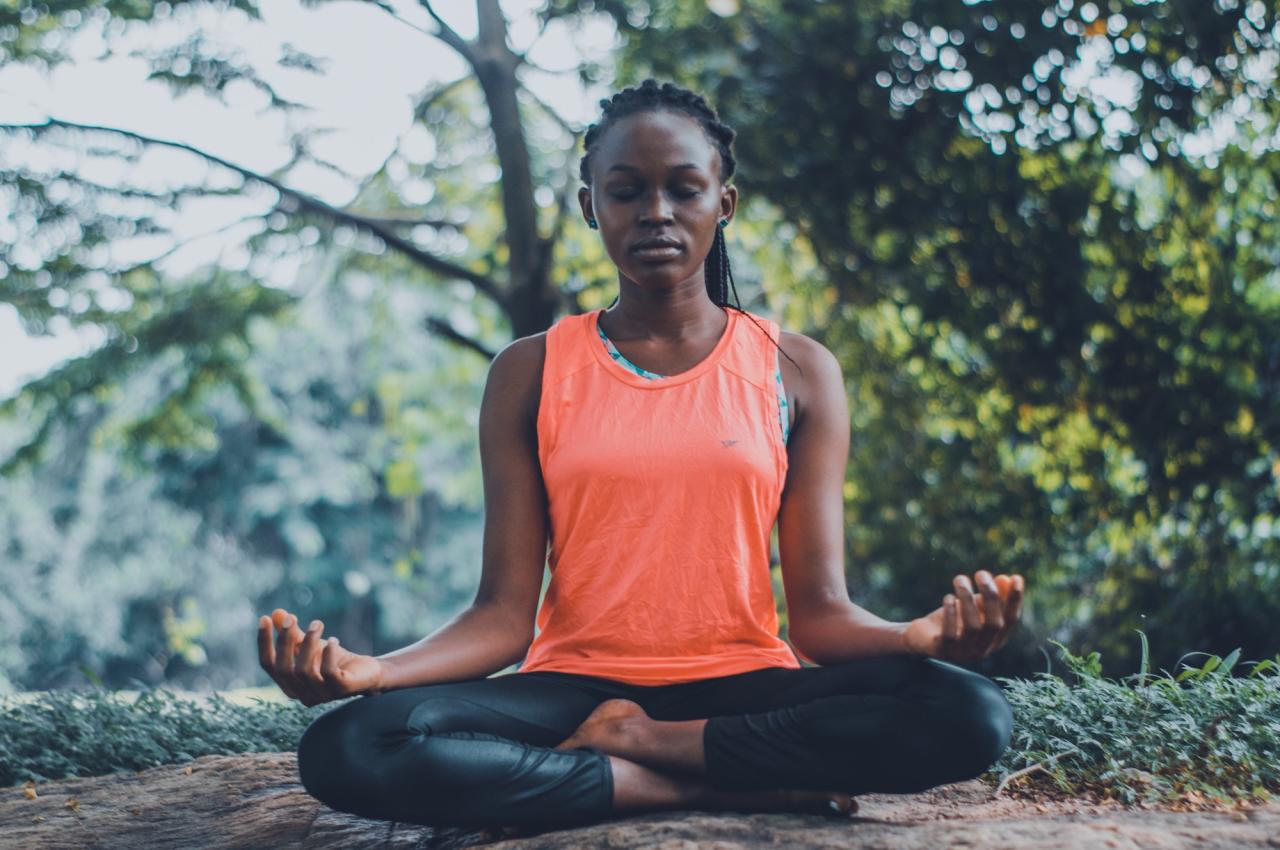
In conclusion, learning how to meditate for inner peace is an empowering process that can significantly enhance your well-being. Through dedicated practice, overcoming obstacles, and supporting your routine with a mindful lifestyle, you can achieve a deep sense of tranquility and resilience. Embrace these techniques and make meditation a vital part of your journey toward inner harmony and lasting peace.