Learning how to meditate for self awareness offers a powerful pathway to understanding oneself more deeply and cultivating inner peace. Meditation serves as a timeless tool across cultures and history, enabling individuals to explore their thoughts, emotions, and physical sensations with clarity and compassion.
By establishing a structured meditation practice focused on mindfulness and self-reflection, you can enhance your self-awareness, improve emotional regulation, and foster personal growth. This guide provides practical steps, techniques, and insights to help you embark on this transformative journey.
Introduction to Meditation for Self-Awareness
Meditation is a timeless practice that involves focusing the mind to achieve mental clarity, emotional stability, and a heightened sense of awareness. Over centuries and across diverse cultures, meditation has been embraced as a powerful tool to foster a deeper understanding of oneself. By dedicating time to inward reflection, individuals can uncover layers of their identity, motivations, and emotions that often remain hidden in daily life.
Practicing meditation specifically for self-awareness offers numerous benefits, including enhanced emotional regulation, increased clarity about personal values, and a stronger connection to one’s authentic self. It serves as a pathway to recognize patterns of thought and behavior, enabling individuals to make more conscious choices. Historically, spiritual traditions such as Buddhism, Hinduism, and Taoism have used meditation as a core method for self-discovery, emphasizing its role in achieving enlightenment and inner peace.
The Role of Meditation in Enhancing Self-Knowledge
Meditation acts as a bridge between the conscious and subconscious mind, allowing individuals to observe their thoughts and feelings without judgment. This non-reactive awareness cultivates a deeper understanding of internal processes, fostering self-compassion and acceptance. As practitioners consistently engage in meditation, they develop a nuanced perception of their emotional states, thought patterns, and habitual responses, leading to greater self-control and resilience.
Moreover, meditation encourages a mindful attitude that promotes living in the present moment. This mindfulness helps individuals recognize triggers and behavioral tendencies, making it easier to implement positive changes. The practice can illuminate underlying beliefs and motivations, which often operate beneath conscious awareness, thus laying the groundwork for authentic self-exploration and growth.
Historical and Cultural Perspectives on Meditation for Self-Discovery
Throughout history, meditation has been integral to spiritual traditions seeking self-discovery. In ancient India, yogis used meditation to attain spiritual enlightenment and self-realization, viewing the practice as a means to understand the true self beyond the ego. Similarly, Buddhist teachings emphasize mindfulness and meditation as paths to insight and liberation from suffering, encouraging practitioners to observe their mind and cultivate compassion.
In Chinese philosophy, Taoist meditation aims to align oneself with the natural flow of the universe, fostering harmony within and outwardly. Indigenous cultures across the globe have employed meditation-like rituals to connect with their inner selves and the environment, often as a way of seeking guidance or healing. This universal presence of meditative practices underscores their fundamental role in fostering self-awareness and spiritual development across diverse cultural landscapes.
Preparing for Meditation
Establishing an optimal environment and routine is essential for effective meditation focused on developing self-awareness. Thoughtful preparation ensures that the mind can settle easily, minimizing distractions and fostering a sustained, mindful practice. Creating a consistent routine further ingrains meditation into daily life, allowing for deeper exploration and insights over time.
By paying attention to your surroundings, the materials you use, and establishing a disciplined schedule, you set a strong foundation for meaningful meditation sessions that enhance your self-awareness journey.
Creating the Ideal Meditation Environment
The environment where meditation takes place plays a crucial role in cultivating a state of calm and focus. A serene, comfortable space reduces external distractions and signals to your mind that it is time to relax and turn inward. The following considerations are recommended for setting up your meditation area:
- Lighting: Use soft, natural or dim lighting to promote relaxation. Avoid harsh or bright lights, which can be stimulating and interfere with your ability to relax.
- Noise Level: Choose a quiet location or use gentle background sounds such as nature recordings or ambient music. Silence or consistent, calming sounds help maintain focus and prevent disruptions.
- Seating Arrangements: Select a comfortable seat that allows for an upright posture, such as a cushion, meditation mat, or chair. The setup should support your back without causing discomfort during extended periods.
Ensuring your environment is free from interruptions and distractions enhances your concentration and deepens your self-awareness during meditation.
Materials and Props for Meditation
Using specific materials or props can aid in maintaining comfort and consistency during meditation. While not mandatory, these tools can improve your overall experience and help establish a routine:
- Cushions and Mats: Provide physical comfort and promote proper posture, reducing strain and fatigue. Meditation cushions, also known as zafus, are popular for supporting the seated position.
- Timer Devices: Use a gentle timer or meditation app to signal the start and end of your session. This prevents the need to check the clock frequently, allowing you to remain focused.
- Optional Items: Incense, candles, or essential oils can create a calming atmosphere but should be used with caution to avoid overpowering scents or potential allergies.
Establishing a Consistent Meditation Routine
Consistency is key to cultivating self-awareness through meditation. Developing a routine helps your mind and body anticipate regular practice, which enhances progress and depth over time. Below is a step-by-step guide to building a sustainable routine:
- Choose a Specific Time: Select a time each day when you are least likely to be interrupted, such as early morning or late evening. Consistency in timing reinforces habit formation.
- Start with Short Sessions: Begin with manageable durations, such as 5-10 minutes, gradually increasing as your comfort and focus improve.
- Prepare the Environment: Set up your meditation space beforehand to eliminate last-minute adjustments and interruptions.
- Use a Ritual: Incorporate simple rituals like lighting a candle or taking a few deep breaths before starting to signal to your mind that meditation is beginning.
- Record Your Practice: Keep a journal or use an app to track your daily sessions. Reflection encourages commitment and allows you to observe your progress and patterns.
Adhering to these steps helps integrate meditation seamlessly into your daily routine, fostering ongoing self-awareness growth and a more mindful approach to life.
Techniques for Cultivating Self-Awareness During Meditation
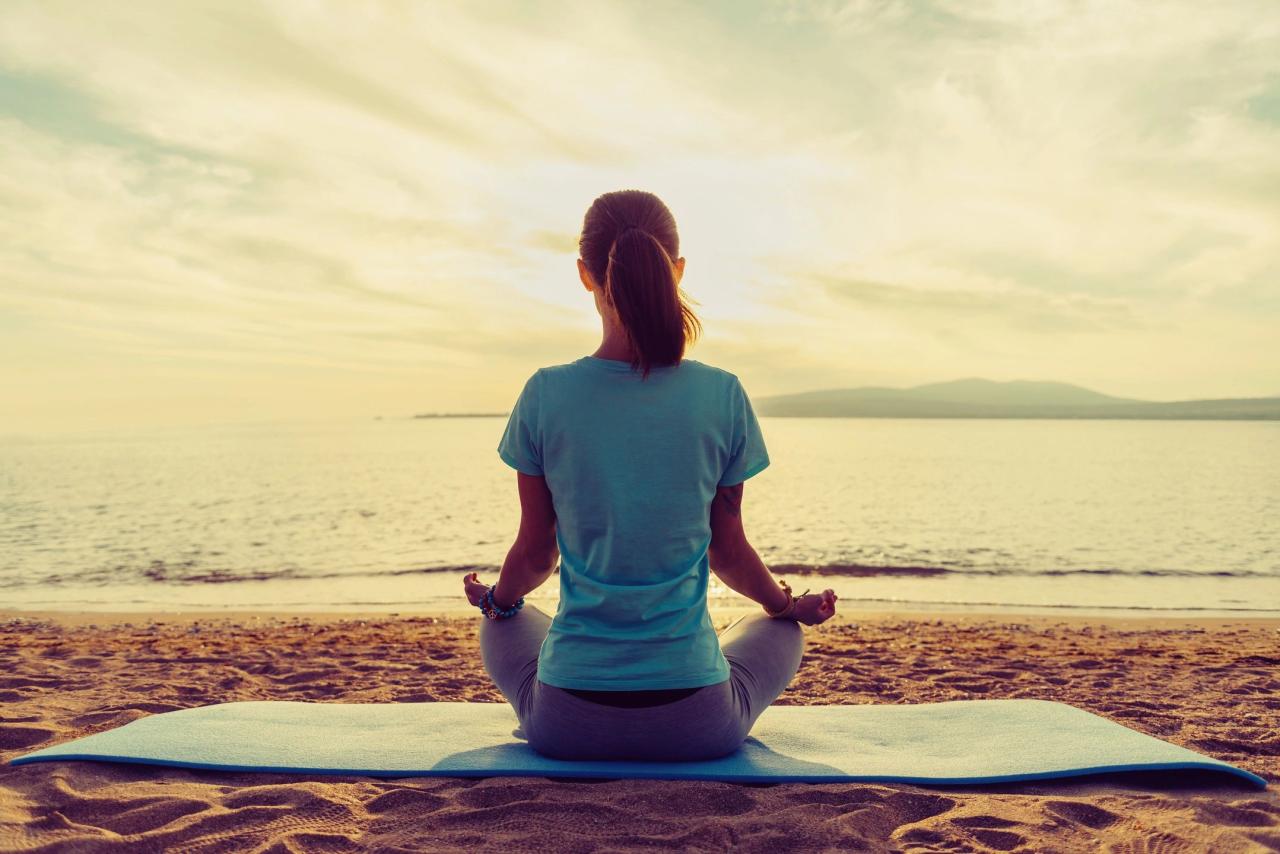
Developing self-awareness through meditation entails engaging in specific practices that foster a deeper understanding of one’s thoughts, feelings, and bodily sensations. These techniques serve as tools to observe internal experiences without judgment, allowing for greater clarity and insight into personal patterns and emotional responses. Incorporating these practices into your meditation routine can significantly enhance your capacity for self-reflection and emotional regulation, leading to a more mindful and aware daily life.
Each technique emphasizes a different aspect of self-awareness, from monitoring thoughts to connecting with physical sensations. Consistent application of these methods encourages a non-reactive stance toward internal experiences, creating space for genuine self-understanding and growth. Below are some of the most effective meditation techniques tailored to cultivate self-awareness in a profound and sustainable manner.
Mindfulness Meditation Focused on Observing Thoughts and Feelings
Mindfulness meditation involves paying close attention to the flow of thoughts and feelings as they arise, with gentle acceptance and without attachment or aversion. This practice helps in recognizing recurring mental patterns and emotional triggers, fostering an objective understanding of internal processes.
During mindfulness meditation, practitioners sit quietly and direct their attention to their current experience. As thoughts, emotions, or sensations emerge, they are acknowledged non-judgmentally and then gently redirected to the present moment. This continuous process of observation cultivates a heightened awareness of mental and emotional states, reducing impulsivity and emotional reactivity over time.
“The primary goal is not to suppress or control thoughts but to observe them with openness and curiosity.”
For example, noticing feelings of frustration during meditation without immediately reacting or labeling them as ‘bad’ helps you recognize emotional responses as transient phenomena, paving the way for better emotional regulation outside meditation sessions.
Breath Awareness Techniques for Deepening Self-Exploration
Breath awareness serves as a foundational practice that anchors your attention internally, encouraging deep self-exploration through the physiological link between breath and emotional state. This technique involves systematically focusing on the sensation of breathing, observing its rhythm, depth, and characteristics.
Practitioners may count breaths, observe the rise and fall of the chest or abdomen, or notice the quality of each inhalation and exhalation. This focus helps in calming the nervous system and cultivating a present-centered awareness, which enhances one’s ability to notice subtle shifts in emotional or mental states during meditation and throughout daily life.
“Your breath is a mirror reflecting your inner emotional landscape.”
For example, noticing that your breathing becomes shallow when feeling anxious can prompt a conscious effort to slow and deepen your breath, fostering emotional regulation and self-awareness in moments of stress.
Body Scan Methods to Connect with Physical Sensations and Emotions
The body scan technique involves systematically directing attention through different parts of the body, from head to toes, to identify and connect with physical sensations. This practice not only increases bodily awareness but also reveals how emotions are stored and expressed physically.
During a body scan, practitioners lie or sit comfortably and bring awareness to each bodily region, observing sensations such as tension, warmth, or tingling. By tuning into these sensations without judgment, individuals can uncover links between emotional states and physical experiences, leading to a more integrated sense of self.
“The body often holds the key to understanding our emotional landscape.”
For instance, noticing tightness in the shoulders during meditation can be an entry point to explore underlying stress or anxiety, facilitating emotional insight and release.
Comparison Table of Meditation Techniques for Self-Awareness
| Technique | Purpose | Key Focus | Duration |
|---|---|---|---|
| Mindfulness Observation | Recognize thought and emotional patterns | Thoughts and feelings as transient and non-judgmental | 10-30 minutes daily |
| Breath Awareness | Deepen self-exploration and emotional regulation | Sensation of breathing, rhythm, and depth | 5-20 minutes, as needed |
| Body Scan | Connect physical sensations with emotional states | Awareness of bodily tensions and sensations | 15-30 minutes |
Developing Mindful Observation
Mastering the skill of mindful observation forms a cornerstone of cultivating self-awareness through meditation. It involves observing one’s internal experiences—thoughts, feelings, sensations—without immediate judgment or reaction. This practice fosters a clearer understanding of one’s mental and emotional patterns, paving the way for greater inner clarity and emotional regulation.
By consistently practicing mindful observation, individuals learn to detach from habitual reactions and develop a compassionate, non-judgmental stance toward their internal states. This approach enhances present-moment awareness, allowing for a deeper connection with oneself and the surrounding environment, ultimately leading to a more balanced and insightful perspective on personal experiences.
Procedures for Identifying and Labeling Internal Experiences Without Judgment
Effective development of mindful observation involves systematic procedures that help practitioners recognize and categorize internal experiences as they arise, without attaching negative or positive labels that could generate bias. This process cultivates a neutral stance, enabling clearer awareness and understanding.
- Pause and Bring Attention Inward: When practicing, gently direct your focus inward, acknowledging the presence of thoughts, sensations, or emotions without trying to suppress or alter them.
- Observe Without Immediate Reaction: Notice the experience objectively. For example, recognize a sensation as “tightness” or a thought as “planning” without immediately reacting or judging it as good or bad.
- Label Internal Experiences: Assign simple, descriptive labels to experiences as they occur. Use neutral terms like “thinking,” “feeling anxious,” “physical discomfort,” or “curiosity” to categorize what is happening internally.
- Maintain a Gentle Attitude: Remind yourself that all experiences are transient and part of the human condition. Approach each experience with curiosity rather than judgment or criticism.
Methods to Enhance Present-Moment Awareness
Fostering sustained present-moment awareness is fundamental in developing mindful observation. Employing specific methods can deepen this awareness and strengthen your meditation practice.
- Body Scan: Systematically focus attention on different parts of the body, noticing sensations, tension, or relaxation without trying to change them. This anchors awareness in physical presence.
- Focused Breathing: Concentrate on the breath, observing each inhalation and exhalation with full attention. When the mind wanders, gently bring your focus back to the breath.
- Use of Sensory Anchors: Engage with sensory experiences such as sounds, smells, or tactile sensations, observing them fully without attachment or aversion.
- Mindful Observation of Daily Activities: Incorporate awareness into routine tasks like eating, walking, or washing dishes, paying full attention to the sensory and cognitive experience during these activities.
Guidelines for Maintaining Focus Amid Distracting Thoughts
Distractions are a natural aspect of meditation; learning how to manage them effectively is essential for sustained mindful observation. The following guidelines assist in maintaining focus without frustration or self-criticism:
- Accept Distractions as Part of Practice: Recognize that wandering thoughts are normal and do not signify failure. View them as opportunities to strengthen your awareness muscle.
- Use Gentle Re-Refocusing: When distracted, gently acknowledge the distraction—label it as “thinking” or “planning”—and softly redirect your attention back to your chosen anchor, such as the breath or bodily sensations.
- Implement Shorter Focus Intervals: Break your meditation into smaller segments, focusing intently for a few moments before gently returning your attention when distracted.
- Practice Compassion and Patience: Be kind to yourself, understanding that developing enduring focus takes time. Consistent practice, patience, and gentle persistence lead to gradual improvement.
“Every distraction is a stepping stone toward deeper awareness.”
Overcoming Common Challenges in Meditation
Meditation is a profound practice that enhances self-awareness and mental clarity. However, practitioners often encounter obstacles such as restlessness, frustration, or wandering thoughts that can hinder their progress. Recognizing and effectively addressing these challenges is essential to cultivating a consistent and rewarding meditation routine. Developing resilience and adaptability in your practice ensures that meditation remains a supportive tool for personal growth over time.Understanding that these challenges are a natural part of the meditation journey allows practitioners to approach them with patience and compassion.
By employing specific strategies and adjusting practices to suit individual needs, meditation can become a more accessible and enriching experience, even amidst difficulties.
Managing Restlessness and Wandering Thoughts
Restlessness and wandering thoughts are common barriers that can disrupt concentration during meditation. Cultivating a calm and focused mind requires deliberate strategies to manage these internal distractions effectively.To address restlessness, it is helpful to start with shorter sessions, gradually increasing duration as comfort and concentration improve. Incorporating gentle physical movements or stretching before meditation can ease physical tension, reducing the likelihood of restless feelings.
Focusing on the breath or a specific anchor point provides a stable point of concentration, helping to bring the mind back whenever it drifts.When thoughts wander, rather than engaging with them or becoming frustrated, practitioners can adopt a non-judgmental attitude by simply observing the thoughts and gently redirecting attention back to the breath or chosen focus. This process, known as mindfulness of thought, strengthens mental discipline over time.
“Every distraction is an opportunity to practice patience and deepen your awareness.”
Practicing acceptance and gentle redirection diminishes the tendency to become entangled in wandering thoughts, fostering a calmer and more resilient meditation practice.
Maintaining Motivation and Consistency
Sustaining motivation and regularity in meditation can be challenging, especially when initial enthusiasm wanes or life becomes demanding. Establishing a sustainable routine requires intentional planning and reflection on personal benefits.Creating a dedicated meditation space, setting specific times each day, and establishing achievable goals can reinforce commitment. Tracking progress through journals or apps can provide motivation by highlighting improvements over time.
Celebrating small milestones helps maintain a positive outlook and reinforces the value of consistent practice.It is also beneficial to remind oneself of the intrinsic benefits of meditation, such as increased self-awareness, emotional balance, and stress reduction. Incorporating variety into meditation techniques—such as guided meditations, body scans, or loving-kindness practices—can prevent monotony and renew interest.
“Consistency is built through patience and small, sustainable actions that align with your lifestyle.”
Practitioners should be flexible and compassionate with themselves, recognizing that setbacks are part of the journey. Adjusting the length, timing, or style of meditation to match personal needs ensures ongoing engagement and growth.
Adjusting Meditation Practices to Individual Needs
Every individual has unique preferences, physical conditions, and mental states that influence how meditation should be approached. Customizing practices enhances comfort, effectiveness, and longevity of the practice.Assessing personal goals and current circumstances guides the selection of suitable techniques. For instance, someone experiencing high stress levels may benefit from brief, focused breathing exercises, while others seeking deeper self-awareness might prefer longer mindfulness sessions or guided visualizations.Flexibility in practice involves modifying postures, durations, and techniques to accommodate physical limitations or preferences.
Using props such as cushions, chairs, or blankets can improve comfort, preventing physical discomfort that distracts from meditation.Regularly evaluating the effectiveness of your approach and being willing to experiment with different styles ensures that your practice remains aligned with evolving needs. Consulting experienced teachers or utilizing reputable meditation resources can provide personalized guidance tailored to individual circumstances.
“Adapting meditation to fit your life and body creates a sustainable and meaningful practice.”
Acknowledging personal differences and embracing flexibility fosters a more resilient and fulfilling meditation journey, empowering you to navigate obstacles with confidence and ease.
Deepening Self-Understanding Through Reflection
Post-meditation reflection serves as a vital tool for transforming fleeting moments of awareness into lasting insights. By consciously engaging in reflective practices, individuals can explore the depths of their inner experiences, uncover patterns, and foster a more profound understanding of themselves. This process not only reinforces the benefits of meditation but also catalyzes ongoing personal growth and emotional resilience.
Engaging in deliberate self-reflection after meditation allows practitioners to integrate insights gained during their practice into everyday life. It encourages mindfulness beyond the meditation cushion, promoting conscious awareness in daily activities, relationships, and decision-making processes. The act of reflection transforms meditation from a temporary state into a continuous journey of self-discovery.
Post-Meditation Journaling to Expand Self-Awareness Insights
Journaling after meditation offers a structured way to articulate and analyze inner experiences. This practice enhances self-awareness by capturing fleeting thoughts, emotions, and sensations that may otherwise be forgotten. Consistent journaling helps identify recurring themes, emotional triggers, and personal strengths, providing clarity and direction for personal development.
Practitioners are encouraged to allocate a few minutes after each meditation session to write freely about what they experienced. This may include observations about physical sensations, emotional states, thoughts that arose, or insights into habits and beliefs. Over time, reviewing journal entries reveals patterns that can inform conscious choices and behavioral change.
Integrating Meditation Insights into Daily Life
Effective integration of meditation insights involves intentional practices that reinforce awareness and mindful responses. This can be achieved by setting daily intentions aligned with reflections, practicing brief mindful pauses throughout the day, or employing affirmations derived from meditation experiences. Such integration ensures that the benefits of meditation extend beyond formal practice and influence overall well-being.
For example, if reflection reveals a tendency toward impatience, one might consciously practice patience during daily interactions or remind oneself of the calm state experienced during meditation. Creating routines that embed mindfulness into daily activities transforms insights into habitual behaviors, fostering a more balanced and self-aware lifestyle.
Reflective Questions for Exploring Personal Beliefs, Habits, and Emotions
To facilitate deeper self-exploration, the following table provides a set of reflective questions designed to probe core aspects of personal beliefs, habits, and emotional responses. Regularly engaging with these questions encourages ongoing internal dialogue and supports a nuanced understanding of oneself.
| Aspect | Reflective Questions |
|---|---|
| Beliefs |
|
| Habits |
|
| Emotions |
|
“Self-awareness is the foundation upon which personal transformation is built. Reflection acts as a mirror reflecting our true nature, guiding us toward authenticity and growth.”
Visual and Descriptive Guides for Meditation Practice
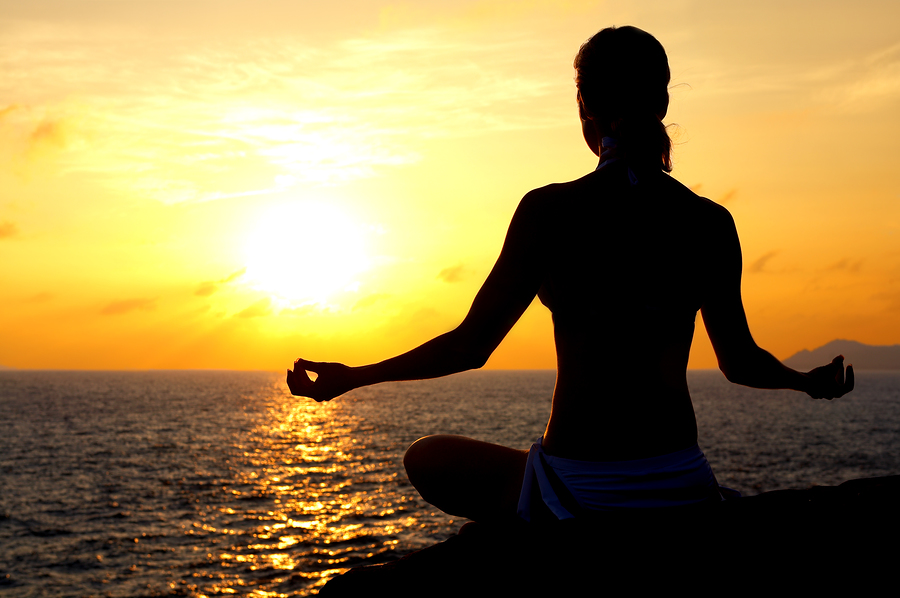
Creating an environment and mental imagery conducive to meditation enhances focus and deepens self-awareness. Utilizing sensory-rich descriptions and visualizations can transform the meditation experience, making it more immersive and personally meaningful. By cultivating vivid internal landscapes and choosing ideal physical settings, practitioners can foster a state of calmness, clarity, and receptivity.
Effective meditation guidance involves not only the physical arrangement of the space but also the mental images that facilitate self-exploration. These visual and descriptive cues serve as anchors, helping the mind to settle, stay present, and explore inner terrains with curiosity and compassion.
Ideal Meditation Settings for Enhanced Focus
The physical environment plays a crucial role in establishing a tranquil space that minimizes distractions and promotes concentration. An ideal setting should be thoughtfully arranged to facilitate a sense of safety, calm, and openness.
- Quiet and Peaceful Atmosphere: Select a location that is free from noise and interruptions. Natural settings such as a quiet garden, a dedicated corner in a room with soundproofing, or a secluded outdoor space are optimal.
- Comfortable Seating: Use a supportive cushion, chair, or mat that allows for a relaxed yet alert posture. Comfort reduces physical discomfort, enabling sustained focus.
- Soft Lighting: Dim or natural lighting helps create a soothing ambiance. Avoid harsh, bright lights that can cause visual strain or distraction.
- Minimal Clutter: Clear the space of unnecessary objects to foster a sense of order and tranquility. A tidy environment encourages mental clarity.
- Aromatherapy and Natural Elements: Incorporating gentle scents like lavender or sandalwood, along with plants or natural materials, can enhance sensory awareness and relaxation.
Imagery and Sensory Experiences in Meditation
Vivid imagery and sensory descriptions deepen the meditative state by engaging the mind’s imagination. By focusing on detailed sensory experiences, practitioners can anchor their attention and cultivate a sense of presence.
Examples of sensory-rich visualizations include imagining a serene lake with still, mirror-like water reflecting the sky, or envisioning a gentle breeze caressing the skin. These mental images evoke calmness and help to dissolve mental chatter.
“Visualize a warm, golden sunlight filtering through leaves, bathing the body in gentle, soothing warmth.”
Beyond visualizations, integrating other senses enriches the meditation experience:
- Auditory: Envision the calming sounds of waves crashing softly on a shore or birds singing in the distance.
- Olfactory: Imagine the scent of blooming jasmine or fresh pine, which can evoke feelings of renewal and tranquility.
- Tactile: Feel the sensation of soft grass beneath bare feet or the warmth of a cozy blanket wrapping around the shoulders.
- Kinesthetic: Experience the gentle rise and fall of the chest with each breath, emphasizing bodily awareness.
Visualization Techniques for Internal Landscapes
Internal landscapes serve as mental terrains that facilitate self-exploration and insight. Visualizing these landscapes allows practitioners to access deeper layers of consciousness and fosters emotional healing.
Common internal landscapes include serene forests, tranquil beaches, or expansive mountain vistas, each representing different states of mind or emotional conditions. The act of imagining these scenes creates a safe space for reflection and growth.
- Forest Pathway: Visualize walking along a quiet forest trail, noticing the textures of tree bark, the scent of leaves, and the dappled sunlight filtering through branches. This landscape symbolizes clarity and rootedness.
- Ocean View: Imagine sitting on a sandy shore, watching the waves gently roll in and out, feeling the cool breeze and listening to the rhythmic sound of water. This symbolizes emotional flow and release.
- Mountain Summit: Envision standing atop a peak, overlooking vast surroundings, embodying perspective, strength, and mindfulness.
Engaging with these mental images during meditation enhances self-awareness by encouraging exploration of inner states, emotional release, and personal insight. Practitioners are encouraged to personalize their internal landscapes, making them vibrant and meaningful to foster a deeper connection with oneself.
Outcome Summary
In conclusion, mastering how to meditate for self awareness can significantly enrich your life by fostering a deeper connection with yourself. Consistent practice, coupled with mindful reflection, empowers you to navigate life’s challenges with greater resilience and insight. Begin your meditation journey today and unlock the profound benefits of self-discovery.