Understanding how to meditate for stress relief offers a valuable pathway toward achieving mental clarity and relaxation in today’s fast-paced world. Meditation serves as a practical tool to ease tension, improve emotional resilience, and foster a sense of inner peace, making it an accessible practice for individuals seeking mental well-being.
This guide explores various meditation techniques, preparation methods, and practical tips to help you incorporate this calming practice into your daily routine. Whether you are a beginner or looking to refine your approach, discovering effective ways to meditate can significantly enhance your stress management strategies and overall quality of life.
Introduction to Meditation for Stress Relief
Meditation is an ancient practice centered around focusing the mind and cultivating a state of heightened awareness and inner calm. Over centuries, it has evolved into a modern method embraced worldwide for enhancing mental health and emotional well-being. In recent years, scientific research has increasingly validated the numerous benefits that meditation offers, particularly in managing stress and promoting relaxation. As a simple yet powerful technique, meditation helps individuals develop a greater sense of balance amidst the chaos of everyday life.
Understanding how meditation functions as a stress-relief tool involves exploring its ability to influence the nervous system and emotional responses. Regular practice can lead to reductions in cortisol levels—the hormone associated with stress—while fostering feelings of peace and clarity. Nevertheless, misconceptions about meditation persist, which may hinder some from experiencing its full benefits. Common false beliefs include the notions that meditation requires complete stillness, that it involves emptying the mind entirely, or that it is only suitable for particular age groups or spiritual traditions.
Clarifying these misconceptions can encourage more people to incorporate meditation into their routines for better mental health and stress management.
Concept and Benefits of Meditation
Meditation involves techniques designed to train attention and awareness, often through focused breathing, visualization, or mindfulness exercises. This mental discipline fosters a state of relaxation, reduces emotional reactivity, and enhances overall mental clarity. The health benefits extend beyond stress relief, contributing to improved sleep quality, increased emotional resilience, and even lowered blood pressure. By consistently practicing meditation, individuals can develop a more adaptive response to stressors, ultimately leading to a more balanced and peaceful life.
How Meditation Alleviates Stress and Promotes Relaxation
Engaging in meditation activates the parasympathetic nervous system, responsible for calming the body after stress responses. It encourages a shift from the fight-or-flight mode to a state of rest and digest, which is essential for physical and mental recovery. During meditation, focused attention reduces the racing thoughts and anxiety that often accompany stressful situations. Additionally, the practice fosters mindfulness, allowing individuals to observe their thoughts and emotions without immediate reaction, thereby decreasing the intensity of stress responses.
The cumulative effect of regular meditation sessions results in an enhanced capacity to handle daily stressors with greater calmness and equanimity.
Common Misconceptions about Meditation
Despite its growing popularity, several misconceptions about meditation can deter individuals from initiating practice or diminish its perceived value. The following points highlight some of the most prevalent misunderstandings:
- Meditation requires complete silence and solitude. While a quiet environment can enhance focus, meditation can be practiced anywhere, including busy settings or even during short breaks throughout the day.
- It involves emptying the mind entirely. Instead of eradicating thoughts, meditation often involves observing thoughts non-judgmentally, allowing them to pass without attachment.
- It is only suitable for spiritual or religious individuals. Meditation is a secular practice proven effective for stress relief, applicable regardless of spiritual beliefs or backgrounds.
- It requires extensive time commitment. Even a few minutes of daily meditation can produce noticeable benefits, making it accessible for busy lifestyles.
Understanding these facts can help dispel myths and encourage a broader adoption of meditation as an effective tool for managing stress and fostering mental well-being.
Types of Meditation Techniques for Stress Reduction
In the pursuit of managing stress effectively, exploring various meditation techniques can provide personalized approaches that resonate with individual preferences and lifestyles. Different styles of meditation offer unique pathways to achieve relaxation, mental clarity, and emotional balance. Understanding their distinctive features, benefits, and optimal contexts can help in selecting the most suitable method for each person’s needs.
Below, we delve into some of the most widely practiced meditation styles for stress relief, highlighting their core characteristics and ideal scenarios for practice.
Mindfulness Meditation
Mindfulness meditation emphasizes present-moment awareness, cultivating a non-judgmental attitude toward one’s thoughts, sensations, and emotions. This technique encourages individuals to observe their internal experiences with openness and curiosity, fostering acceptance and reducing reactive stress responses.
Practicing mindfulness can be particularly effective during daily activities, such as walking, eating, or sitting quietly, making it adaptable to various situations. It is especially beneficial during periods of heightened anxiety or when dealing with overwhelming thoughts, as it promotes a grounded perspective and emotional regulation.
Guided Meditation
Guided meditation involves listening to a facilitator or recording that leads the practitioner through a series of visualizations, breathing exercises, or relaxation techniques. This method provides structure and direction, making it accessible for beginners or those seeking focused mental engagement.
Guided meditation is effective in scenarios where individuals seek external guidance for relaxation, such as during stressful transitions, before sleep, or in environments where motivation for self-led practice might wane. It is also useful for addressing specific issues like anxiety, sleep disturbances, or chronic stress.
Transcendental Meditation
Transcendental Meditation (TM) is a technique that involves silently repeating a specific mantra in a relaxed manner, typically for 20 minutes twice daily. TM aims to transcend ordinary thought processes and reach a state of restful alertness, leading to deep relaxation.
This style is suited for those seeking a structured, disciplined practice with measurable outcomes. It is often practiced in quiet environments and can be particularly effective for reducing chronic stress and lowering blood pressure, especially in individuals with high-stress lifestyles or health concerns.
Body Scan Meditation
Body scan meditation directs attention systematically through different parts of the body, observing sensations, tensions, or discomforts without judgment. This technique fosters a heightened awareness of bodily states, facilitating relaxation and releasing physical tension associated with stress.
Ideal for individuals experiencing physical symptoms of stress, such as muscle tightness or headaches, the body scan can be practiced lying down or sitting comfortably. It is especially beneficial before sleep or during moments when physical stress manifests in the body.
Comparison of Meditation Techniques
| Technique | Features | Benefits | Suitable Contexts |
|---|---|---|---|
| Mindfulness Meditation | Present-moment focus, non-judgmental awareness | Reduces anxiety, improves emotional regulation | Daily life, high-stress periods, commuting |
| Guided Meditation | Led by recordings or instructors, visualizations | Structured, supports beginners, addresses specific issues | Before sleep, during transitional stress, relaxation sessions |
| Transcendental Meditation | Mantra repetition, disciplined routine | Deep relaxation, lowers blood pressure | Chronic stress management, health improvement, daily practice |
| Body Scan Meditation | Systematic attention to body sensations | Relieves physical tension, improves body awareness | Pre-sleep, physical stress relief, during physical discomfort |
Effective Situations for Each Technique
Mindfulness meditation is highly effective when practiced during daily routines, such as during a walk or while eating, to foster ongoing stress management. Guided meditation is particularly useful in moments of acute stress or when seeking structured relaxation, such as before bedtime or during a stressful workday break. Transcendental meditation suits individuals with busy schedules who prefer a disciplined routine to achieve deep mental rest and physical health benefits.
Body scan meditation is optimal when physical tension is prominent, such as after intense physical activity or during episodes of muscular discomfort, making it ideal for integrating into evening routines or rest periods.
Preparing for Meditation Sessions
Establishing an optimal environment and routine for meditation is essential to maximize its stress-relieving benefits. Proper preparation helps eliminate distractions, fosters focus, and creates an atmosphere conducive to relaxation. Taking deliberate steps before starting your meditation can significantly enhance your overall experience and effectiveness.
Effective preparation involves organizing your physical space, gathering necessary items, and choosing appropriate times and durations. These elements work together to create a consistent practice that seamlessly integrates into your daily schedule, making stress reduction a sustainable habit.
Organizing a Calm and Distraction-Free Environment
Creating a tranquil setting is a foundational step in preparing for meditation. A peaceful environment minimizes external interruptions and helps you transition into a state of mindfulness more effortlessly. The goal is to design a space that signals your mind to relax and focus solely on the practice.
- Choose a quiet area free from noise, such as a corner in your living room, bedroom, or a dedicated meditation space.
- Ensure the space is tidy and free of clutter, which can distract your mind during meditation.
- Adjust lighting to a soft, comfortable level—natural light or dim lamps work well to promote relaxation.
- Maintain a comfortable temperature, neither too hot nor too cold, to prevent physical discomfort.
- Consider adding elements like candles, plants, or calming artwork to foster a serene atmosphere.
Consistency in the environment helps condition your mind to associate that space with relaxation and stress relief, enhancing the overall benefits of your meditation practice.
Necessary Items for Meditation
Having the right tools and supplies can facilitate a smoother and more focused meditation session. These items support comfort, timing, and ambience, making it easier to settle into your practice and stay committed over time.
Essential items create a conducive environment that encourages consistency and helps deepen your meditation experience.
- Cushions or mats: Provide comfort and support, helping you maintain proper posture and prolong meditation sessions without physical strain.
- Timer or meditation app: Assists in monitoring session durations without the need to check the clock repeatedly, allowing full immersion in practice.
- Calming music or nature sounds: Optional audio elements can enhance focus and create a tranquil atmosphere, especially for beginners.
- Blanket or shawl: Keeps you warm and comfortable, particularly during longer sessions or in cooler environments.
- Water and tissues: Handy if you experience tears or need hydration after meditation.
Optimal Times and Durations for Meditation
Choosing the right time and length for meditation can significantly influence stress reduction outcomes. Consistency in timing helps establish a routine, while appropriate durations ensure effectiveness without causing fatigue or frustration.
Research suggests that practicing meditation at specific times of day can enhance its calming effects. Early mornings before starting daily activities provide a quiet space for reflection, while evening sessions can help unwind after a hectic day. Midday meditations serve as a mental reset, breaking up periods of stress or concentration.
Typical durations range from 5 to 20 minutes, depending on individual schedules and experience levels. Beginners often start with shorter sessions to build habit and comfort, gradually increasing time as they become more accustomed to the practice. Consistent daily practice, even for brief periods, yields cumulative stress-relief benefits over time.
Step-by-Step Guide to Meditating for Stress Relief
Embarking on a meditation practice for stress relief involves a clear, structured approach that beginners can easily follow. This step-by-step guide aims to provide practical instructions to help newcomers establish a consistent meditation routine, enabling them to experience calmer, more focused mental states amidst daily stressors.
Meditation is a skill that enhances with practice, and understanding each phase—from preparation to completion—ensures a more effective and enjoyable experience. By following these detailed steps, you can cultivate a sense of tranquility and resilience in your life, even during the busiest or most challenging times.
Creating a Conducive Environment
Before beginning your meditation session, select a quiet, comfortable space free from distractions. Dim lighting or natural light can promote relaxation. Ensure that the temperature is comfortable and that you will not be interrupted during your practice. Setting a peaceful environment helps your mind associate the space with calmness and focus.
Adopting the Correct Posture
Proper posture is vital for sustaining comfort and alertness during meditation. Sit in a position that maintains the natural curve of your spine, whether on a cushion on the floor or on a chair with your feet flat on the ground. Keep your shoulders relaxed, your hands resting gently on your lap or knees, and your head aligned with your spine.
Avoid slouching or leaning excessively, as this can cause discomfort or drowsiness.
“A balanced posture enhances breathing and mental clarity, making meditation more effective.”
Breathing Techniques for Relaxation
Focus on gentle, rhythmic breathing to anchor your attention and calm your nervous system. Begin with slow, deep breaths, inhaling through your nose for a count of four, holding briefly, then exhaling through your mouth or nose for a count of six. This pattern activates the parasympathetic nervous system, reducing stress hormones and fostering relaxation. Practice this breathing for several minutes until a sense of calm is achieved.
Focusing the Mind
Selective mental focus serves as the core of meditation. Choose a specific point of attention such as your breath, a mantra, or a calming image. When your mind wanders—which it inevitably will—gently redirect it back to your chosen focus without judgment. This process enhances concentration and trains your mind to remain present, diminishing stress-related thoughts.
Sample Guided Meditation Script for Stress Reduction
Begin by closing your eyes gently and taking a few deep, calming breaths. Allow your attention to settle on your natural breathing rhythm, feeling the air flow in and out. As you inhale, silently think, “I am breathing in calm.” As you exhale, think, “I am releasing tension.”
- Inhale slowly through your nose, filling your lungs completely. Feel the sensation of the air entering your nostrils and expanding your chest and abdomen.
- Pause briefly at the top of your breath, maintaining awareness of the present moment.
- Exhale gently through your mouth or nose, noticing the release of stress and tension as your body relaxes more deeply.
- Repeat this cycle, maintaining a steady rhythm, for at least five to ten minutes.
If your mind begins to drift to stressful thoughts or external distractions, acknowledge their presence without judgment and gently bring your focus back to your breath or your chosen point of attention. Remember, the goal is not to eliminate thoughts but to observe them without attachment, cultivating a calm center amidst mental chatter.
Common Challenges and How to Overcome Them
Engaging in meditation for stress relief can sometimes present obstacles that might hinder consistency and effectiveness. Recognizing these common challenges and implementing practical strategies can help individuals sustain their practice and gain maximum benefits. Overcoming these hurdles often requires patience, self-awareness, and the willingness to adapt techniques to suit personal needs.Many practitioners encounter difficulties such as wandering thoughts, restlessness, or impatience during meditation sessions.
These challenges are natural and part of the learning process. Developing awareness of these obstacles allows individuals to address them constructively, rather than becoming discouraged. The following section explores typical issues and provides effective methods to navigate through them, ensuring a smoother and more rewarding meditation experience.
Wandering Thoughts and Distraction
As meditation aims to cultivate focus and inner calm, a frequent challenge is the mind’s tendency to drift into unrelated thoughts, memories, or worries. This distraction can reduce the quality of the session and often leads to frustration.To mitigate wandering thoughts, practitioners should:
- Practice gentle acknowledgment: Recognize when the mind drifts without self-criticism. Gently bring attention back to the chosen point of focus, such as the breath or a calming phrase.
- Use guided meditation: Following a guided session can provide structure and help maintain focus, especially for beginners.
- Limit session duration initially: Starting with shorter periods, such as 5-10 minutes, reduces the likelihood of mental fatigue and wandering.
- Incorporate visualization: Engaging the imagination with peaceful images can anchor attention, reducing the tendency for distraction.
Understanding that wandering thoughts are natural can alleviate frustration. Consistent practice helps the mind develop greater control over distractions over time.
Restlessness and Physical Discomfort
Physical discomfort or restlessness often hampers deep concentration during meditation. An uncomfortable sitting position, noise, or external disturbances can contribute to this challenge.Strategies to address restlessness include:
- Adjusting posture: Find a comfortable seated position that supports alertness without causing pain. Use cushions or chairs if necessary to maintain alignment and reduce physical tension.
- Creating a conducive environment: Choose a quiet, clutter-free space with minimal disruptions. Using soft background sounds or white noise can also help mask external disturbances.
- Progressive relaxation techniques: Before meditation, perform brief body scans or gentle stretches to release muscle tension.
- Practicing patience: Accept that some discomfort is temporary and focus on breathing to anchor attention during moments of restlessness.
Addressing physical discomfort enhances the overall experience, enabling practitioners to sustain focus and deepen their meditation.
Impatience and Expectation Management
Many individuals expect immediate results from meditation, and impatience can diminish motivation and enjoyment of the practice. When progress seems slow, frustration or discouragement may set in.To foster patience and realistic expectations:
- Set achievable goals: Focus on consistency rather than perfection. Celebrate small milestones, such as completing daily sessions or maintaining focus for a few minutes.
- Maintain a meditation journal: Record experiences, challenges, and progress to recognize gradual improvements and stay motivated.
- Practice loving-kindness meditation: Cultivate self-compassion and patience through specific practices that emphasize kindness towards oneself.
- Remind oneself of the long-term benefits: Understanding that stress relief and mental clarity develop over time reinforces perseverance.
Building patience allows meditation to become a sustainable, lifelong habit, and helps practitioners enjoy its evolving benefits without undue pressure.
Maintaining Consistency and Motivation
Sustaining a meditation routine requires ongoing motivation and discipline. Without consistency, the benefits may be diminished or delayed.Effective approaches to maintain motivation include:
- Establishing a dedicated space and time: Create a specific area and schedule for meditation, making it easier to integrate into daily life.
- Setting realistic goals: Define short-term and long-term objectives to keep focused and motivated.
- Using reminders and cues: Set alarms or visual cues to prompt meditation sessions, especially during busy or stressful periods.
- Joining meditation groups or communities: Connecting with others fosters accountability, shared experiences, and encouragement.
- Tracking progress: Use journals or apps to monitor consistency and reflect on improvements, reinforcing commitment.
By embracing these strategies, individuals can cultivate a sustained meditation practice that adapts to life’s changing circumstances while maintaining enthusiasm for stress relief and mental well-being.
Incorporating Meditation into Daily Life
Integrating meditation into daily routines is essential for maintaining consistent stress relief and fostering a greater sense of calm throughout the day. Establishing a structured approach helps reinforce the habit and ensures that meditation remains a practical and accessible tool amidst busy schedules. Practical integration involves creating designated times for practice, utilizing short meditation sessions during various activities, and leveraging technology to support ongoing engagement.
These strategies make meditation an effortless part of everyday life, promoting sustained mental well-being and resilience against stress.
Organizing a Weekly Routine for Stress Management
Developing a weekly schedule that includes dedicated meditation sessions can significantly enhance stress management. Consistency is key; setting specific days and times for meditation helps establish a routine that becomes second nature. For example, morning meditation sessions can set a positive tone for the day, while evening practices help unwind and release accumulated stress. Incorporate a mix of longer sessions—such as 15-20 minutes—and shorter practices, like five-minute breathing exercises, to fit your daily commitments.
Planning these sessions on a calendar or using scheduling tools ensures accountability and helps integrate meditation seamlessly into your week.
Practical Examples of Short Meditation Practices During Work or Daily Chores
Short meditation practices are highly effective and easy to implement during busy days, especially during work or daily chores. These quick exercises can serve as effective stress relievers and mental resets. Examples include:
Mindful Breathing Breaks: During a work break or while doing household chores, pause for one to two minutes and focus solely on your breath. Inhale deeply through the nose, hold for a count of three, then exhale slowly through the mouth. Repeat this process until you feel centered.
Body Scan During Routine Tasks: While washing dishes or folding laundry, bring your awareness to different parts of your body. Focus on sensations such as the feeling of water on your hands or the texture of fabric, promoting mindfulness and grounding your attention in the present moment.
Mindful Walking: Take a five-minute walk around your home or office, paying close attention to each step—the sensation of your feet touching the ground, the movement of your legs, and the environment around you. This practice can refresh your mind and reduce stress during busy periods.
Using Reminders or Apps to Support Ongoing Practice
Maintaining a meditation habit can be facilitated through the use of reminders and digital applications. These tools serve as gentle prompts to encourage regular practice and help track progress, fostering accountability and motivation.
- Setting daily alarms or calendar alerts at specific times, such as morning or mid-afternoon, ensures that meditation becomes a consistent part of your routine. For example, a reminder at 8:00 AM can prompt a short breathing exercise to start the day positively.
- Utilizing meditation apps—such as Headspace, Calm, or Insight Timer—provides guided sessions, timers, and progress tracking features. These apps often include customizable notifications that remind users to meditate and offer a variety of techniques suited to different stress levels and schedules.
- Creating visual cues around your environment, such as placing a calming object or note on your desk or mirror, can serve as subconscious reminders to pause and meditate during the day.
Implementing these practical strategies ensures that meditation becomes an integral and sustainable aspect of daily life, effectively supporting ongoing stress management and overall well-being.
Additional Resources and Support
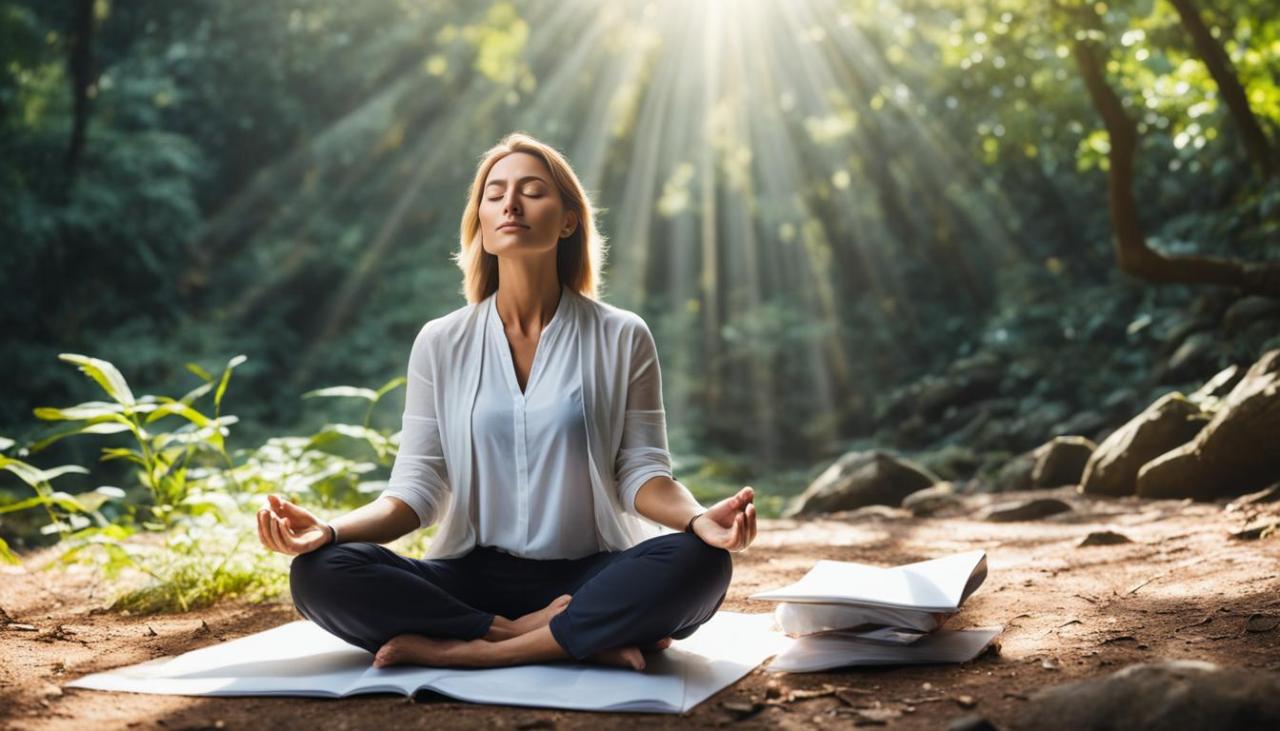
Engaging with supplementary materials and community support can significantly enhance your meditation practice for stress relief. Accessing guided resources, connecting with like-minded individuals, and tracking your progress can foster consistency and deepen your understanding of meditation’s benefits. These tools and communities serve as valuable anchors to sustain your stress management journey over time.To maximize the benefits of meditation for stress reduction, it is advantageous to utilize diverse resources that cater to different learning styles and preferences.
Whether you prefer guided visuals, audio instructions, or community interaction, a variety of platforms and tools are available to support your efforts.
Meditation Guides, Apps, and Videos
A broad array of digital resources offers structured guidance and interactive experiences to facilitate meditation practice. These tools are designed for users at all levels, from beginners to seasoned practitioners, and often include features such as timers, mood tracking, and personalized sessions.
- Meditation Guides: Comprehensive printed and digital books or PDFs authored by experienced meditation teachers provide foundational knowledge and step-by-step instructions. Notable examples include “The Miracle of Mindfulness” by Thich Nhat Hanh and “Meditation for Stress Relief” by Jon Kabat-Zinn.
- Meditation Apps: Smartphone applications like Headspace, Calm, Insight Timer, and 10% Happier offer guided meditations, sleep stories, breathing exercises, and progress tracking. These apps often include beginner programs and themes tailored to stress reduction, making meditation accessible anytime and anywhere.
- Online Videos and Tutorials: Platforms like YouTube host a multitude of meditation videos led by certified instructors. These videos vary in length and style, from quick 5-minute stress-relief sessions to longer deep-dive practices, providing visual and auditory guidance to enhance your experience.
Community Groups and Online Forums
Participating in community groups or online forums creates a sense of shared purpose and accountability. These platforms allow individuals to exchange experiences, seek advice, and celebrate milestones in their meditation journey.
Engaging with others can provide motivation, insights into different techniques, and emotional support, especially during challenging periods of practice. Local meditation centers often host group sessions, workshops, or retreats, offering face-to-face connection and guidance from experienced teachers.
- Local Meditation Groups: Community centers, wellness clubs, and spiritual centers frequently organize meditation sessions, fostering a supportive environment for beginners and experienced practitioners alike.
- Online Forums and Social Media Groups: Platforms such as Reddit (e.g., r/Meditation), Facebook groups, and dedicated meditation forums provide spaces for sharing experiences, asking questions, and gaining encouragement from a global community.
- Virtual Meditation Events: Live-streamed group meditations, webinars, and workshops are often available, enabling participation regardless of geographical location and allowing real-time interaction with instructors and peers.
Tracking Progress and Setting Goals
Establishing measurable objectives and monitoring your meditation journey can enhance motivation and effectiveness. Recognizing your progress and adjusting your goals accordingly ensures sustained engagement and a sense of accomplishment.
Implementing simple tracking methods can help identify patterns, improve consistency, and highlight the positive impacts of meditation on stress levels. Setting achievable, specific goals fosters a sense of purpose and direction in your practice.
- Journaling: Maintain a dedicated meditation journal to record daily sessions, noting duration, techniques used, and personal feelings or stress levels before and after practice. This qualitative data can reveal trends and motivate continued effort.
- Digital Tracking Tools: Many meditation apps include built-in tracking features that visualize your progress over time, allowing you to set targets such as consecutive days of practice or total minutes meditated weekly.
- Goal Setting: Define clear, realistic goals, such as meditating for ten minutes daily or completing a week-long stress reduction challenge. Regularly review and adjust these goals to match evolving needs and achievements.
Research indicates that consistent practice, coupled with goal-oriented tracking, significantly enhances stress reduction outcomes. Celebrating milestones, no matter how small, sustains motivation and reinforces the habit of meditation as an effective stress management tool.
Final Review
Incorporating meditation into your daily routine can lead to profound benefits in managing stress and promoting overall well-being. By understanding different techniques and overcoming common challenges, you can establish a sustainable practice that supports your mental health. Embrace this journey toward tranquility and enjoy a calmer, more balanced life.