Learning how to meditate for loss offers a powerful path toward emotional healing and inner peace during difficult times. This practice helps individuals process grief, accept their emotions, and find solace amidst their sorrow. By integrating specific meditation techniques tailored to coping with loss, one can foster resilience and gradually restore a sense of balance and well-being.
Whether you are new to meditation or seeking targeted methods to manage grief, understanding the fundamentals of loss-specific meditation can significantly enhance your healing journey. This guide provides practical steps, effective techniques, and supportive strategies to incorporate meditation into your daily routine, helping you navigate the emotional landscape of loss with mindfulness and compassion.
Understanding Meditation for Loss
Meditation tailored for loss and grief is a deliberate practice designed to support individuals through the emotional and psychological challenges that accompany loss. Unlike general meditation, which often focuses on relaxation and mindfulness, loss-specific meditation emphasizes acknowledgment, processing, and eventual acceptance of grief. This specialized approach helps individuals cultivate a compassionate awareness of their feelings, fostering healing and resilience during difficult times.
Engaging in meditation for loss can significantly aid in navigating complex emotions such as sadness, anger, guilt, and loneliness. It provides a safe mental space where individuals can explore their feelings without judgment, creating an environment conducive to emotional release and mental clarity. Over time, this practice can lead to greater emotional stability and a renewed sense of inner peace, essential components of the healing journey after experiencing loss.
Psychological and Emotional Benefits of Meditation in Healing
Consistent meditation practice has been shown to offer numerous psychological and emotional benefits that support individuals coping with loss. These benefits include:
- Reduction of Stress and Anxiety: Meditation activates the body’s relaxation response, helping to decrease levels of stress hormones such as cortisol. For those grieving, this can translate into less overwhelming anxiety and a more balanced emotional state.
- Enhancement of Emotional Regulation: Regular meditation fosters greater awareness of emotional responses, enabling individuals to process feelings more effectively and avoid being overwhelmed by intense grief episodes.
- Promotion of Mindfulness and Acceptance: Mindfulness meditation encourages present-moment awareness, helping individuals accept their emotions without suppression or avoidance, which is crucial for genuine healing.
- Facilitation of Emotional Release: Meditation provides a gentle outlet for expressing and releasing suppressed feelings, reducing emotional burdens that can impede recovery.
- Support for Post-Traumatic Growth: Engaging in meditation can help individuals find meaning or develop new perspectives following loss, contributing to personal growth and resilience.
Differences Between General Meditation and Loss-Specific Meditation Techniques
While general meditation practices aim for relaxation, clarity, and mindfulness applicable across various contexts, loss-specific meditation techniques are tailored to address the unique emotional landscape associated with grief. Understanding these distinctions is essential for effective practice:
| Aspect | General Meditation | Loss-Specific Meditation |
|---|---|---|
| Focus | Achieving relaxation, mental clarity, or mindfulness in daily life | Processing grief, acknowledging emotions, fostering acceptance of loss |
| Technique Emphasis | Breath awareness, body scan, visualization for stress relief | Loving-kindness (Metta) meditation, compassionate self-awareness, guided imagery related to healing |
| Approach to Emotions | Observing thoughts and feelings non-judgmentally; detachment | Embracing emotions with kindness; encouraging emotional expression and acceptance |
| Intended Outcome | Relaxation, mental calmness, heightened present-moment awareness | Emotional processing, healing, cultivating self-compassion and resilience |
Loss-specific meditation techniques recognize grief as a natural process, encouraging compassionate acceptance rather than suppression, making them particularly effective for emotional healing after bereavement.
Preparing for Meditation to Heal from Loss

Embarking on meditation during times of grief requires careful preparation to foster an environment of comfort, safety, and mental readiness. Establishing a dedicated space and setting clear intentions can significantly enhance the healing process, allowing for deeper reflection and emotional release. Proper preparation ensures that the meditation sessions become a supportive and nurturing part of your healing journey, helping to navigate the complex emotions associated with loss.
Creating an optimal environment and cultivating a focused mindset are foundational steps in effective meditation for grief. These steps help in reducing distractions, fostering serenity, and aligning your mental state with your healing goals. By thoughtfully preparing, you can transform your meditation practice into a meaningful and restorative experience that encourages emotional resilience and inner peace.
Creating a Quiet, Comfortable Meditation Space
Designing a dedicated area for meditation is essential for cultivating a sense of sanctuary where grief can be acknowledged and processed. The space should evoke calmness and tranquility, free from interruptions and external noise. Consider the following steps:
- Choose a location within your home or outdoor area that is consistently quiet and accessible, such as a corner of a room, a garden nook, or a balcony.
- Ensure the space is free from distractions by turning off electronic devices or notifications that could interrupt your session.
- Arrange comfortable seating or a cushion that supports a relaxed posture, allowing you to sit upright without strain for the duration of your meditation.
- Incorporate elements that promote serenity, such as soft lighting, calming colors, or gentle natural sounds like flowing water or bird songs.
- Maintain cleanliness and organization in the area to foster a sense of order, which can be soothing amid emotional chaos.
This thoughtfully prepared space becomes a sacred refuge, where your mind can settle and your emotional wounds can surface without external disturbances.
Setting Intentions and Mental Readiness
Before beginning each meditation session, establishing clear intentions and mental preparedness is crucial. This step helps focus your mind and aligns your emotional state with your healing goals. Here are effective methods:
- Take a few moments to breathe deeply, inhaling slowly through your nose and exhaling through your mouth, to center yourself and release tension.
- Identify a specific intention for the session, such as seeking compassion, understanding, or emotional release related to your loss.
- Use affirmations to reinforce your purpose, for example, “I am open to healing and accepting my feelings” or “I give myself permission to grieve and heal in my own time.”
- Visualize a peaceful scene or recall a moment of comfort associated with your loved one, fostering a positive emotional connection.
- Set a gentle reminder to remain present and compassionate during the meditation, acknowledging that grief is a natural and necessary part of healing.
This mental preparation primes your mind for a productive and healing meditation session, allowing you to approach your grief with patience and mindfulness.
Checklist of Necessary Items and Environmental Factors
Having the right items and an environment conducive to meditation can greatly improve your experience, especially during emotionally intense times like grief. Use this checklist to ensure your setting is fully prepared:
| Item / Factor | Description |
|---|---|
| Comfortable seating | A cushion, chair, or mat that supports prolonged sitting without discomfort. |
| Lighting | Soft, adjustable lighting or natural light that creates a calming ambiance. |
| Ambient sounds | Gentle sounds such as flowing water, wind, or soft music to foster relaxation. |
| Temperature control | A comfortable room temperature to prevent physical discomfort during meditation. |
| Personal items | Items like a journal for reflections, a blanket for warmth, or a meaningful token for comfort. |
| Minimal distractions | Turning off electronic devices and securing pets or other potential interruptions. |
| Time of day | Choosing a consistent time when you are less likely to be interrupted, such as early morning or late evening. |
Creating a nurturing environment and ensuring mental preparedness are vital steps in making meditation a powerful tool for healing from loss. Each element, from your physical setting to your mental focus, contributes to a supportive space where grief can be gently acknowledged and processed.
Meditation Techniques for Processing Loss

Processing grief through meditation offers a compassionate pathway to accept and ultimately release the emotional weight of loss. By engaging in specific meditation techniques, individuals can cultivate awareness, promote emotional healing, and foster a sense of inner peace amidst sorrow. These practices serve as supportive tools to navigate the complex landscape of grief, helping transform pain into acceptance over time.
Implementing a variety of meditation styles tailored for processing loss allows for personalized approaches that resonate with different emotional needs. Whether through visualization, mindfulness, or loving-kindness practices, each technique encourages a gentle exploration of feelings, leading to emotional release and healing. Combining these methods with mindful breathing and body scans enhances their effectiveness, offering a holistic approach to grief management.
Guided Meditation Procedures for Accepting and Releasing Grief
Structured guided meditations can assist individuals in acknowledging their grief while fostering a sense of compassion and acceptance. The following procedures are designed to gently guide the practitioner through stages of emotional recognition, acceptance, and release:
- Creating a Calm Space: Find a quiet, comfortable environment where you can sit or lie down without interruptions. Set an intention to be gentle with yourself throughout the practice.
- Breathing Awareness: Begin with deep, slow breaths to center your mind and body. Focus on the sensation of air entering and leaving your lungs, allowing any tension to melt away.
- Visualization of Grief: Imagine your grief as a tangible object, such as a dark cloud or heavy stone. Observe its shape, size, and texture without judgment. Acknowledge its presence as a part of your experience.
- Acceptance and Compassion: Offer yourself kindness and patience. Visualize sending warmth and compassion toward this object, recognizing its role in your healing process.
- Releasing the Grief: Gradually imagine the object dissolving or drifting away, symbolizing the release of intense emotional pain. Focus on feelings of relief and lightness as it diminishes.
- Closing the Practice: Return your attention to your breath. Gently bring awareness back to your surroundings, carrying the sense of acceptance and peace into your daily life.
Comparison of Meditation Styles Suitable for Processing Loss
Different meditation styles offer unique approaches to handling grief, each with distinct techniques and benefits. Understanding these styles can help individuals select the most suitable method for their emotional journey.
| Style | Description | Benefits |
|---|---|---|
| Visualization Meditation | Involves creating mental images to represent feelings or desired states, such as releasing grief or inviting healing energies. | Helps process complex emotions, promotes emotional catharsis, and fosters positive imagery for healing. |
| Mindfulness Meditation | Focuses on present-moment awareness, observing thoughts and feelings without judgment, including grief-related sensations. | Encourages non-reactive acknowledgment of grief, reducing emotional overwhelm and increasing acceptance. |
| Loving-Kindness Meditation | Centers on cultivating feelings of compassion and love toward oneself and others, often through repeating affirmations or phrases. | Builds emotional resilience, alleviates feelings of loneliness, and fosters a sense of connection and inner peace. |
Breathing Exercises and Body Scans for Emotional Release
Incorporating specific breathing techniques and body scans into meditation enhances emotional processing by promoting relaxation and awareness of bodily sensations associated with grief.
Deep diaphragmatic breathing involves inhaling slowly through the nose, allowing the abdomen to rise, then exhaling fully through the mouth, releasing tension with each breath.
This technique helps regulate the nervous system, reducing stress and promoting emotional stabilization during difficult moments.
Body scan meditation guides the individual to systematically focus attention on different parts of the body—from the toes to the head—observing sensations without judgment.
As grief often manifests physically through tension or discomfort, body scans facilitate release by bringing awareness to these sensations, encouraging the practitioner to consciously relax tight or tense areas. Combining breath awareness with body scans deepens relaxation, paving the way for emotional cleansing and acceptance.
Incorporating Loss Meditation into Daily Routine
Integrating meditation practices specifically aimed at processing grief into daily life can significantly enhance emotional resilience and foster ongoing healing. Establishing a consistent schedule ensures that individuals remain connected to their inner journey of acceptance and recovery, even amidst life’s busy routines. By dedicating specific times for meditation, individuals create a sacred space for reflection, emotional release, and growth, which becomes a vital component of their ongoing grieving process.
Developing a structured daily routine tailored to different stages of grief helps maintain momentum in healing while allowing flexibility based on personal needs. Whether experiencing acute sorrow or gradual acceptance, incorporating short and longer meditation sessions can support emotional stability. Additionally, tracking emotional progress through journaling or mood assessments encourages mindfulness and allows for adjustments in meditation practices, ensuring they remain relevant and effective over time.
Developing a Daily Schedule for Ongoing Healing
Creating a balanced daily schedule that includes dedicated meditation time can include morning, midday, and evening sessions. Morning meditations aim to set a calm tone for the day, fostering resilience and clarity. Midday practices serve as a reset, helping to manage emotional fluctuations and stress. Evening sessions provide an opportunity to reflect, release lingering grief, and cultivate gratitude for moments of peace.
Starting with brief sessions, such as five to ten minutes, and gradually increasing duration as comfort grows, ensures sustainability and gradual progress.
Examples of Short and Long Meditation Sessions for Different Stages of Grief
For individuals in the initial stages of grief, shorter sessions—around five to ten minutes—can be sufficient to gently introduce emotional awareness and grounding. Techniques such as focused breathing or body scans help manage overwhelming feelings and prevent emotional exhaustion. As healing progresses, longer sessions of 20 to 30 minutes can deepen the processing, incorporating visualization or loving-kindness meditations to foster compassion towards oneself and the lost loved one.
For example, a grieving individual might start with a daily five-minute breathing exercise upon waking, gradually extending to a 15-minute compassion-focused meditation after several weeks. During the later stages of grief, a 20-minute session that involves guided imagery of positive memories or affirmations can reinforce healing and acceptance.
Methods for Tracking Emotional Progress and Adjusting Meditation Practices
Monitoring emotional changes is essential for tailoring meditation practices to meet evolving needs. Keeping a journal to record daily feelings, meditation experiences, and any shifts in mood or outlook offers valuable insights into progress. Utilizing mood charts or emotion scales can provide visual feedback, helping individuals identify patterns and triggers. These tools support informed adjustments, such as increasing meditation duration during times of heightened grief or shifting to more nurturing practices when feelings of sadness intensify.
Regular self-reflection on meditation effectiveness encourages personalized growth. If certain techniques no longer resonate or feel beneficial, exploring alternative methods or adjusting session length can optimize healing. Consulting with a mental health professional or grief counselor can also provide guidance on refining meditation practices and ensuring they align with one’s emotional needs during the ongoing process of grief recovery.
Overcoming Challenges in Meditation for Loss
Meditating during a period of grief can be a profoundly healing practice, but it often comes with its own set of obstacles. Recognizing these common challenges and implementing effective strategies can enhance the ability to maintain a consistent meditation practice, ultimately supporting emotional processing and healing. Understanding how to navigate emotional setbacks and intrusive thoughts ensures that meditation remains a beneficial tool rather than a source of frustration.Often, individuals practicing meditation to cope with loss encounter intrusive thoughts that repeatedly pull their focus away from calming reflections.
Emotional setbacks, such as waves of sadness or anger surfacing unexpectedly, can make it difficult to sustain focus and maintain motivation. Additionally, feelings of discouragement or guilt for not being able to meditate effectively may arise, impeding progress. To overcome these barriers, it is vital to develop patience, compassion, and flexible strategies that accommodate the emotional landscape of grief.
Managing Intrusive Thoughts and Emotional Setbacks
In grief-related meditation, intrusive thoughts, such as memories or worries about the future, can be particularly persistent. Emotional setbacks, including feelings of despair or frustration, may also surface, making meditation more challenging. Addressing these issues is essential for creating a safe and supportive meditation environment.
- Acknowledge and accept: Recognize intrusive thoughts and emotions without judgment. Instead of fighting them, observe them with compassion, understanding that they are natural responses to grief. This approach helps to reduce resistance and fosters a sense of safety during meditation.
- Use gentle mental noting: When thoughts or emotions arise, mentally note them with neutral labels like “thinking” or “feeling.” This practice separates awareness from the content of the thoughts, reducing their power and allowing the mind to return to the meditation focus.
- Incorporate grounding techniques: Deep breathing, body scans, or visualizations help anchor your awareness in the present moment, reducing the impact of distressing thoughts or feelings. For example, focusing on the sensation of the breath or the contact of your feet with the ground can provide stability during emotional upheavals.
Strategies for Maintaining Motivation and Consistency
Sustaining a regular meditation practice amidst grief requires deliberate effort and motivational strategies. Recognizing the importance of small, achievable steps can help prevent burnout and reinforce commitment over time.
- Set realistic goals: Establish manageable meditation sessions, starting with short periods such as five or ten minutes daily. Gradually increase duration as comfort and confidence grow, avoiding feelings of overwhelm.
- Create a dedicated space: Designating a quiet, comfortable area for meditation can foster consistency. A consistent environment signals your mind that it’s time to focus inward, strengthening habitual practice.
- Use reminders and support: Utilize alarms, meditation apps, or accountability partners to remind you of your meditation schedule. Sharing your intention with trusted friends or support groups can also reinforce motivation and provide encouragement during challenging times.
- Practice self-compassion: Understand that grief is unpredictable, and some days will be more challenging than others. Allow yourself grace and avoid self-criticism, which can undermine motivation. Acknowledge every effort as a step toward healing, reinforcing your commitment to the process.
Consistent, gentle practice, combined with patience and compassion, fosters resilience in meditation for grief. Overcoming obstacles with mindful strategies transforms challenges into opportunities for deeper healing and self-awareness.
Enhancing Meditation with Supportive Elements
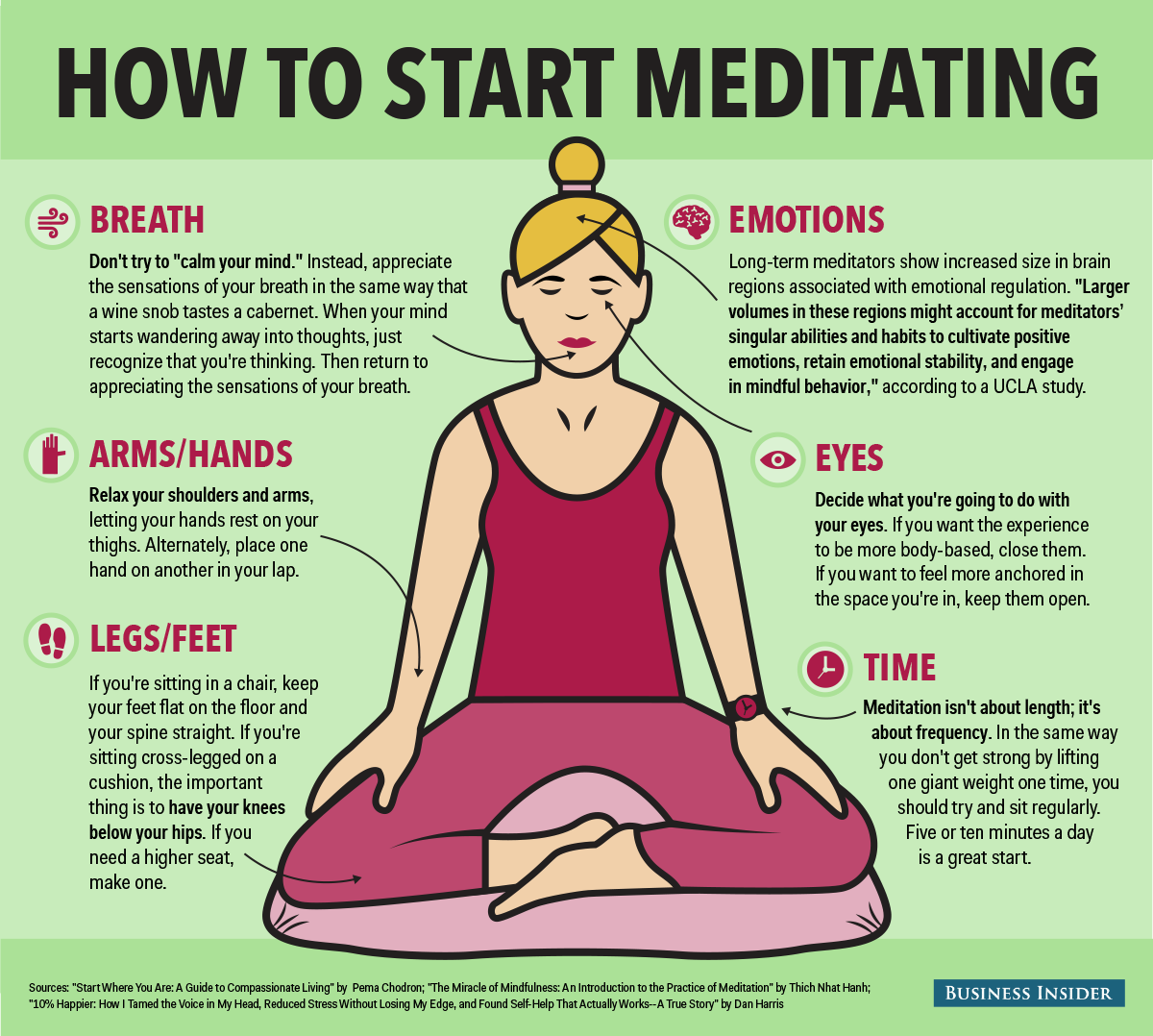
Meditation for processing loss can be profoundly enriched by integrating supportive elements that deepen emotional connection and promote healing. Utilizing sensory stimuli such as music, guided recordings, or nature sounds can create a calming environment, making it easier to focus inward and release grief. Additionally, incorporating visualizations and personalized affirmations can reinforce resilience, cultivate hope, and foster a sense of safety during the healing journey.These supportive elements serve as valuable tools to complement meditation practices, helping individuals navigate complex emotions associated with loss.
When thoughtfully chosen and tailored to personal preferences, they can transform meditation from a routine activity into a deeply restorative experience that promotes emotional equilibrium and recovery.
Using Music, Guided Recordings, and Nature Sounds
Incorporating auditory stimuli into meditation sessions can significantly enhance relaxation and emotional processing. Music, especially instrumental or ambient compositions, can evoke soothing feelings and reduce anxiety related to grief. Guided recordings offer step-by-step instructions that provide structure, reassurance, and focus, guiding individuals through visualizations or affirmations specifically designed for healing from loss. Nature sounds, such as flowing water, birdsong, or rustling leaves, reconnect the practitioner with the natural world, fostering a sense of peace and acceptance.Research indicates that auditory stimuli can influence brain wave activity, promoting states of relaxation like alpha and theta waves, which are conducive to emotional release and insight.
For example, listening to gentle rain during meditation can mimic the calming effect of being in nature, helping to soothe mourning feelings and reduce emotional turbulence.
Visualizations and Imagery for Emotional Healing
Visualizations are powerful tools that facilitate emotional healing by enabling individuals to create mental images that evoke safety, comfort, and hope. Effective visualization techniques can include imagining a safe place where grief feels less overwhelming or picturing a healing light enveloping the heart. These mental images help redirect focus from pain to positive, nurturing scenarios, fostering resilience and emotional release.Personalized imagery can incorporate meaningful symbols or settings that resonate deeply with the individual’s experiences.
For instance, visualizing a loved one’s spirit as a guiding light or a gentle breeze can provide comfort and a sense of ongoing connection. Regular practice of such visualizations can help reframe grief, making it accessible to transformation and acceptance.
Creating Personalized Affirmations for Resilience
Affirmations are positive, empowering statements that reinforce resilience and promote emotional strength during meditation. Crafting personalized affirmations involves focusing on one’s unique journey of healing and resilience. These affirmations serve as mental anchors, encouraging self-compassion and hope amid grief.To create effective affirmations, individuals can use present-tense statements that affirm their capacity to heal and adapt. Examples include:
“I am allowing myself to grieve, and I am also healing.”
or
“Each day, I grow stronger and more open to love again.”
Personalization ensures that affirmations resonate deeply, making them more effective in reinforcing emotional resilience. Repeating these affirmations during meditation can embed positive beliefs, diminish self-critical thoughts, and foster a supportive inner dialogue essential for recovery from loss.
Outcome Summary

In embracing meditation for loss, you open a compassionate space to heal and grow. Consistent practice, combined with personalized techniques and supportive elements, can transform grief into a pathway of resilience and acceptance. Remember that healing is a gradual process, and each meditation session brings you closer to peace and emotional clarity.