Learning how to meditate for calmness offers a pathway to tranquility amidst the chaos of daily life. This practice, rooted in ancient traditions, has gained recognition for its profound ability to foster mental clarity and physical relaxation. Whether you are seeking stress relief or a means to cultivate mindfulness, meditation provides accessible techniques to help you find inner balance.
By understanding various meditation methods and creating a consistent routine, individuals can effectively reduce stress, improve focus, and enhance overall well-being. This guide explores practical steps to prepare, perform, and integrate meditation into your daily schedule, ensuring you can experience the calming benefits no matter how busy life becomes.
Understanding Meditation for Calmness
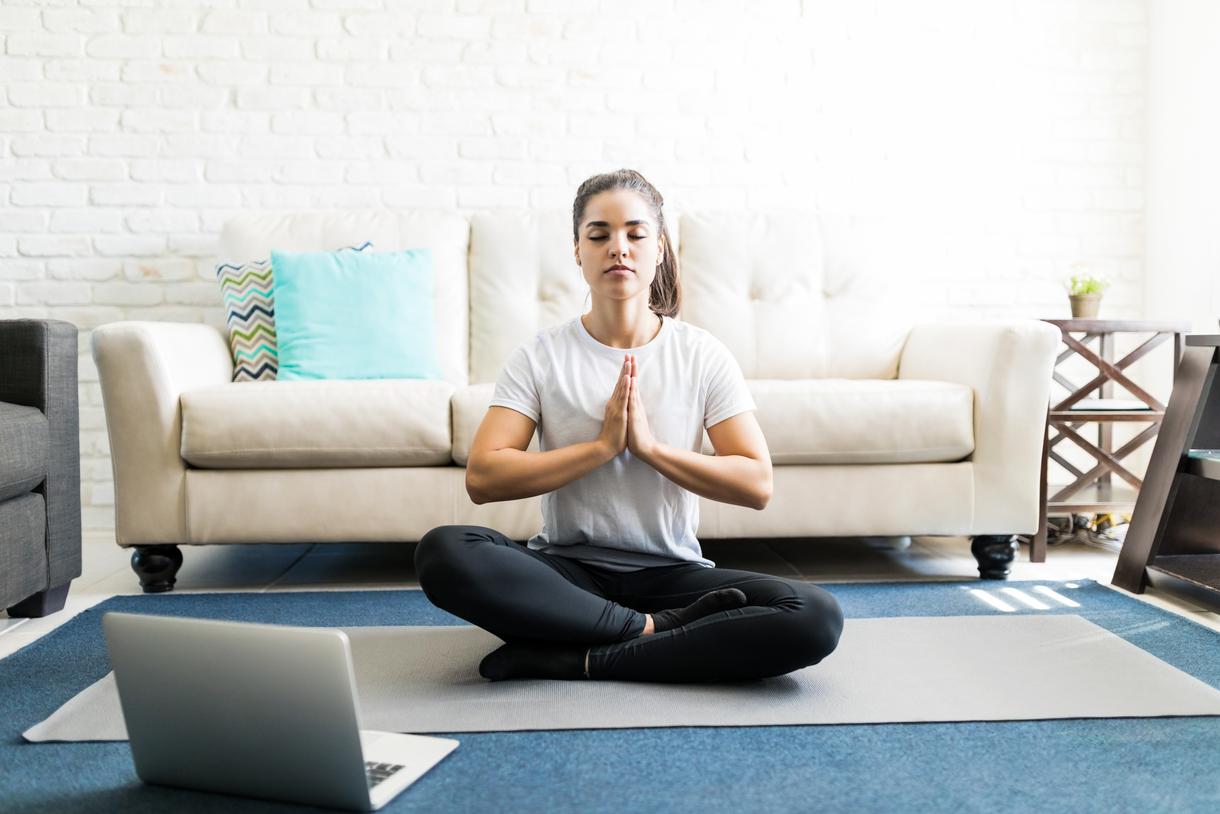
Meditation is a mental practice that involves focusing the mind to achieve a state of relaxation and heightened awareness. Its proven benefits extend beyond mere relaxation, serving as a powerful tool for cultivating calmness amidst the stresses of daily life. This practice has been embraced across cultures and religions for centuries, emphasizing its universal appeal and effectiveness.
Physiologically and psychologically, meditation influences the body and mind in ways that significantly reduce stress. Regular practice can alter brain activity, decrease the production of stress hormones, and promote feelings of tranquility. These effects make meditation an accessible and sustainable approach to managing stress and fostering a sense of calmness in everyday situations.
Physiological and Psychological Effects of Meditation
Understanding how meditation impacts the body and mind is essential to appreciating its role in achieving calmness. Meditation induces relaxation responses that counteract the body’s stress reactions. This leads to measurable physiological changes and psychological benefits that contribute to overall well-being.
Physiological effects include:
- Reduction in heart rate and blood pressure, promoting cardiovascular health.
- Decreased muscle tension, which alleviates physical sensations of stress.
- Enhanced immune system functioning, supporting overall health.
- Modulation of the autonomic nervous system, favoring parasympathetic activation responsible for relaxation.
Psychological benefits encompass:
- Lowered levels of cortisol, the primary stress hormone.
- Decreased symptoms of anxiety and depression.
- Improved emotional regulation and mental clarity.
- Enhanced focus and concentration, contributing to a sense of inner peace.
Comparison Between Meditation and Other Relaxation Techniques
While various relaxation methods aim to reduce stress, meditation offers unique advantages rooted in its structured approach to mental focus and awareness. Comparing meditation with techniques such as deep breathing, progressive muscle relaxation, and visualization illustrates its distinctive qualities and benefits.
Deep breathing exercises primarily involve controlling breath to induce relaxation, often serving as a component within meditation but lacking the broader mental engagement that meditation encourages. Progressive muscle relaxation systematically tenses and releases muscle groups, which can relieve physical tension but may not address mental distractions as effectively as meditation.
Visualization involves imagining calming scenes or scenarios, engaging the imagination to foster relaxation. However, meditation often involves observing thoughts without attachment, promoting a deeper sense of calm that persists beyond the session.
In essence, meditation integrates mental focus, emotional regulation, and physiological benefits simultaneously. Its comprehensive approach can lead to more sustained calmness compared to techniques that target only physical or mental aspects separately. Scientific studies have shown that consistent meditation can result in long-term changes in brain structure and function, supporting its role as an effective method for achieving and maintaining calmness in daily life.
Preparing for Meditation Practice
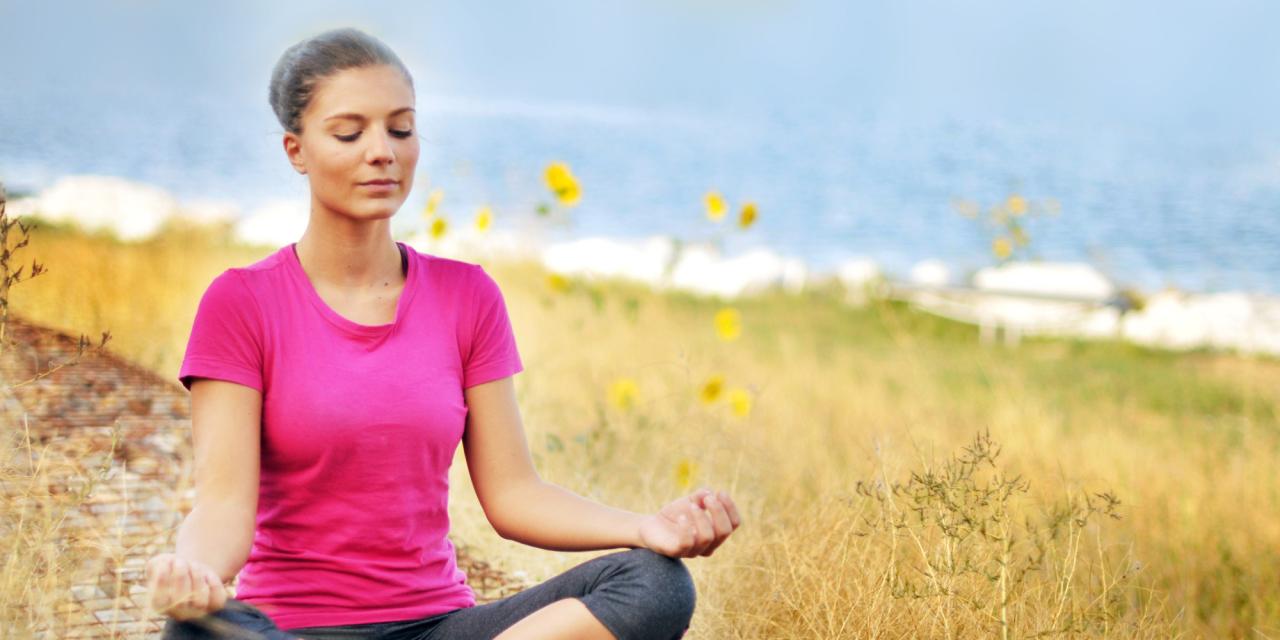
Establishing a tranquil and conducive environment is fundamental to cultivating a calm mind during meditation. Proper preparation helps in minimizing distractions, enhancing focus, and fostering a consistent routine. Taking deliberate steps to set the right space and schedule ensures that each session becomes a peaceful retreat from daily stressors, allowing for deeper relaxation and mindfulness.
Effective meditation preparation involves creating a physical space that promotes serenity, gathering essential items that support your practice, and establishing a routine with a fixed time. These practices help embed meditation into daily life, making it a sustainable habit that consistently nurtures calmness and clarity.
Step-by-Step Guide to Establishing a Calming Environment
- Choose a Quiet, Comfortable Location: Select a space free from noise and interruptions. It could be a corner in your home, a balcony, or a dedicated meditation room. The area should feel personal and inviting, encouraging relaxation.
- Ensure Adequate Lighting: Opt for soft, natural light if possible. If natural light isn’t available, use dim, warm lighting such as lamps or candles to create a soothing atmosphere that signals your mind to unwind.
- Maintain a Clean and Clutter-Free Space: Clear away unnecessary objects to reduce visual distractions. A tidy environment fosters mental clarity and enhances your focus during meditation.
- Introduce Calming Elements: Incorporate items like cushions, mats, or chairs designed for comfort. Consider adding elements that promote tranquility, such as a small water fountain, gentle plant life, or calming artwork.
- Control the Ambient Sound: Silence disruptive noises or introduce gentle background sounds like nature recordings, soft music, or white noise to deepen relaxation without distractions.
- Set Up a Comfortable Seating Arrangement: Use supportive cushions or chairs that allow you to sit upright with a relaxed posture, ensuring physical comfort for extended periods.
Checklist of Essential Items and Conditions
Having the right items and meeting specific conditions can significantly elevate the quality of your meditation sessions. The following checklist ensures that your environment is optimized for calmness:
| Item/Condition | Purpose |
|---|---|
| Cushion or Meditation Mat | Provides comfort and proper posture support |
| Soft Lighting (lamps, candles) | Creates a warm, inviting ambiance |
| Quiet Environment | Minimizes auditory distractions |
| Clutter-Free Space | Enhances mental clarity and focus |
| Natural Elements or Calming Decor | Induces serenity and connection with nature |
| Timer or Alarm Clock | Helps manage session duration without constant checking |
| Background Sounds (optional) | Supports relaxation, e.g., nature sounds or gentle music |
Designing a Routine with Specific Time and Schedule
Consistency is key to reaping the benefits of meditation. Establishing a specific time each day helps in creating a habit that becomes part of your daily rhythm. Selecting a time when the mind is naturally more receptive—such as early morning or late evening—can facilitate easier engagement and deeper calmness.
To develop a sustainable routine:
- Identify a Time Slot: Choose a consistent time that fits seamlessly into your daily schedule, whether it’s right after waking up, during lunch breaks, or before bedtime. Maintaining the same time each day reinforces your habit.
- Set a Reminder: Use alarms or notifications to remind you of your meditation session, especially during the initial stages of establishing the routine.
- Start with Short Sessions: Begin with 5 to 10 minutes daily, gradually increasing the duration as your practice deepens. Consistency is more important than length in the beginning.
- Integrate into Daily Activities: Link meditation with existing routines, such as after brushing your teeth, to anchor the habit firmly in your schedule.
- Create a Pre-Meditation Ritual: Engage in calming activities like deep breathing or gentle stretching before sitting down. This signals your mind to transition into a meditative state.
By carefully planning your environment and routine, meditation becomes a natural, stress-free part of your life. These steps foster a sense of stability and reassurance, supporting your journey toward greater calmness and mindfulness.
Techniques and Methods of Meditation for Calmness
Practicing meditation involves various techniques, each with unique approaches to cultivating calmness and mental clarity. Understanding the different methods enables individuals to select practices that best suit their preferences and lifestyles, thereby enhancing the overall effectiveness of their meditation journey. Below, we explore some of the most widely used meditation techniques aimed at promoting serenity and inner peace.
Each technique offers distinct procedures and focus points, providing flexibility for practitioners to integrate meditation seamlessly into daily routines. Whether seeking immediate relaxation or long-term emotional balance, exploring these methods can help establish a sustainable meditation practice rooted in calmness and mindfulness.
Mindfulness Meditation
Mindfulness meditation emphasizes present-moment awareness without judgment. It involves paying close attention to physical sensations, thoughts, and emotions as they arise, fostering a deep sense of acceptance and calmness. This technique is particularly effective for reducing stress and enhancing emotional regulation.
- Posture: Sit comfortably with your back straight, either on a chair or cross-legged on the floor, ensuring a relaxed yet alert position.
- Duration: Start with 5-10 minutes daily, gradually increasing as comfort develops.
- Focus Points: Direct attention to your breath, bodily sensations, or external sounds, gently returning focus whenever the mind wanders.
Focused Breathing
Focused breathing involves concentrating solely on the process of breathing, using it as an anchor to cultivate calmness and mental clarity. This method is accessible and can be practiced almost anywhere, making it an ideal quick relaxation technique.
- Posture: Sit or lie down in a comfortable position with a straight spine to facilitate effortless breathing.
- Duration: Practice for 5-15 minutes, focusing on deep, slow inhalations and exhalations.
- Focus Points: Pay attention to the sensation of the breath entering and leaving the nostrils, the rise and fall of the chest, or the expansion and contraction of the abdomen.
Visualization Meditation
Visualization meditation uses mental imagery to evoke feelings of peace and tranquility. It employs the power of imagination to create calming scenes or scenarios, which can be particularly effective for reducing anxiety and fostering positive emotions.
- Posture: Sit comfortably with closed eyes or softly focused gaze.
- Duration: Engage in visualization for 10-20 minutes, or as desired.
- Focus Points: Imagine a serene landscape, such as a quiet beach or lush forest, paying attention to sensory details like sounds, scents, and textures to deepen the experience.
Body Scan Meditation
The body scan technique involves systematically directing attention through different parts of the body, promoting relaxation and awareness of physical sensations. This method is highly effective in releasing tension and grounding the mind in the present moment.
- Posture: Lie flat on your back with arms relaxed at your sides or sit comfortably with a straight spine.
- Duration: Typically takes 15-30 minutes, depending on individual preference.
- Focus Points: Sequentially focus on each body part, beginning with the toes and moving upward, noticing sensations like warmth, tension, or relaxation without judgment.
Comparison of Meditation Techniques
The table below highlights the key differences and benefits of each meditation method, assisting practitioners in selecting the most suitable practice for their specific needs:
| Technique | Posture | Duration | Focus Point | Primary Benefit |
|---|---|---|---|---|
| Mindfulness Meditation | Sitting comfortably with upright back | 5-20 minutes | Present-moment awareness of sensations and thoughts | Reduces stress, improves emotional regulation, enhances awareness |
| Focused Breathing | Sitting or lying down, relaxed posture | 5-15 minutes | Breathing patterns and sensations | Quick stress relief, promotes relaxation, stabilizes mood |
| Visualization Meditation | Sitting comfortably, eyes closed or softly focused | 10-20 minutes | Imaginary serene scenes | Reduces anxiety, fosters positive emotions, enhances mental imagery skills |
| Body Scan Meditation | Lie down or sit with straight spine | 15-30 minutes | Physical sensations in body parts | Relieves physical tension, improves body awareness, calms the nervous system |
Breathing Exercises to Enhance Calmness
Effective breathing exercises are fundamental tools in cultivating a sense of calmness and mental clarity. They serve to regulate the nervous system, reduce stress, and promote relaxation, making them ideal practices to complement meditation routines. Mastering these techniques can help individuals access a state of tranquility quickly and efficiently, even amidst a busy or stressful day.
Below are some of the most widely practiced breathing exercises, each with unique steps and benefits designed to deepen relaxation and foster mindfulness.
Diaphragmatic Breathing (Belly Breathing)
This technique emphasizes deep, diaphragmatic breaths that engage the lower lungs and abdominal muscles, encouraging full oxygen exchange and activating the body’s relaxation response. It is especially effective in reducing anxiety and promoting a calm mental state.
- Sit or lie down in a comfortable position, ensuring your back is straight.
- Place one hand on your chest and the other on your abdomen, just below the rib cage.
- Inhale slowly through your nose, directing the air into your belly so that it expands outward, causing the hand on your abdomen to rise.
- Ensure the chest remains relatively still during inhalation.
- Pause briefly at the top of the inhale.
- Exhale gently through pursed lips, allowing your abdomen to fall inward as you release the breath.
- Repeat this cycle for several minutes, maintaining a steady, relaxed pace.
“Diaphragmatic breathing effectively reduces cortisol levels, promoting a state of peaceful calmness.”
4-7-8 Breathing Technique
This rhythmic breathing pattern is designed to calm the nervous system, reduce anxiety, and improve sleep quality. It involves controlled inhalation, a brief hold, and slow exhalation, which together help regulate emotions and foster relaxation.
- Begin by exhaling completely through your mouth, making a soft whooshing sound.
- Close your mouth and inhale quietly through your nose for a count of four.
- Hold your breath for a count of seven.
- Exhale slowly and fully through your mouth for a count of eight, making the same soft whooshing sound.
- This completes one cycle; repeat the process for four complete breaths initially, gradually increasing as comfort allows.
“The 4-7-8 technique promotes parasympathetic activation, helping the mind and body transition into a state of calmness.”
Box Breathing (Square Breathing)
This method involves inhaling, holding, exhaling, and pausing in equal counts, forming a “box” of breath. It enhances focus, reduces stress, and stabilizes emotions, making it a popular technique among athletes, military personnel, and mindfulness practitioners.
- Inhale gently through your nose for a count of four.
- Hold your breath for the same four-count duration.
- Exhale slowly and completely through your mouth or nose for four counts.
- Pause and hold your breath again for four counts before starting the next cycle.
- Repeat this pattern for several minutes, maintaining a smooth, controlled rhythm.
| Technique | Steps | Benefits | Duration |
|---|---|---|---|
| Diaphragmatic Breathing |
|
Reduces stress hormones, improves oxygenation, promotes relaxation | 5-10 minutes |
| 4-7-8 Technique |
|
Calms nervous system, improves sleep, reduces anxiety | 5-10 minutes |
| Box Breathing |
|
Enhances focus, stabilizes emotions, reduces stress | 5-15 minutes |
Common Challenges and Solutions in Meditation for Calmness
As practitioners embark on their journey toward achieving calmness through meditation, they often encounter common hurdles that can hinder progress. Recognizing these difficulties and understanding effective strategies to overcome them is essential for cultivating a consistent and rewarding meditation practice. Many individuals face issues such as restlessness, distraction, and impatience, especially when starting out or during periods of increased stress.
Addressing these challenges with patience and practical solutions can significantly enhance one’s ability to attain a peaceful and centered state of mind.
By developing awareness of typical obstacles and adopting tailored approaches, meditators can maintain motivation, deepen their practice, and steadily progress toward greater calmness. This section explores these common challenges in detail and provides actionable strategies to navigate them successfully, fostering a sustainable meditation routine that becomes an integral part of daily life.
Restlessness and Agitation
Many beginners and even experienced meditators occasionally feel restless or physically uncomfortable during their practice. This may manifest as an inability to sit still, fidgeting, or a general sense of agitation. Restlessness often stems from an overactive mind or accumulated tension in the body, which can make it difficult to settle into a calm state.
To counteract restlessness, it is helpful to start with shorter sessions and gradually increase duration. Employing gentle stretching or light movements before meditation can release excess energy. Incorporating body scans or progressive muscle relaxation techniques helps in releasing physical tension, thereby calming the nervous system. When restless thoughts arise, acknowledging them without judgment and gently redirecting attention to the breath or a chosen point of focus can help anchor the mind and reduce agitation.
“Patience and persistence are key; restlessness diminishes as the mind learns to settle.” – Meditation Expert
Distraction and Wandering Focus
Distraction is a prevalent challenge, especially with modern distractions such as smartphones, noise, or intrusive thoughts. When the mind wanders frequently, it can cause frustration and diminish the sense of calmness sought through meditation. Recognizing that distraction is natural and part of the process is important for cultivating a non-judgmental attitude towards oneself.
Strategies to manage distraction include establishing a dedicated meditation environment that minimizes external stimuli and setting specific times for practice to build consistency. When attention drifts, gently acknowledge the distraction—such as a thought, sound, or sensation—and then redirect focus back to the breath, mantra, or visual point. Using a gentle mental note, like “thinking” or “wandering,” can help detach from the distraction without self-criticism.
Practicing mindfulness outside formal sessions also strengthens the ability to stay present during meditation.
Impatience and Expectations
Impatience often arises when practitioners expect immediate results or become frustrated with perceived lack of progress. This impatience can undermine motivation and lead to skipping sessions or abandoning the practice altogether. It is vital to understand that meditation is a gradual process that requires time and consistent effort.
To address impatience, setting realistic goals and acknowledging small improvements can foster a sense of achievement. Maintaining a meditation journal helps track progress and reinforces commitment. Embracing a compassionate attitude towards oneself and recognizing that calmness develops over time, rather than instantly, cultivates patience. Reminding oneself of the broader benefits, such as increased resilience and emotional stability, can sustain motivation during challenging periods.
Strategies to Stay Motivated and Committed
Remaining dedicated to meditation practice is essential for long-term benefits. Incorporating motivational techniques helps sustain enthusiasm and integrate meditation into daily life effectively. Here are some effective tips:
- Set Clear Intentions: Define personal goals for meditation, such as reducing stress or enhancing focus, and revisit these intentions regularly to reinforce purpose.
- Create a Consistent Routine: Practice at the same time each day to develop a habit, whether early morning, lunch break, or evening.
- Start with Manageable Sessions: Begin with brief periods, such as 5-10 minutes, and gradually increase duration to avoid feeling overwhelmed.
- Use Guided Meditations: Leverage recordings or apps to provide structure and encouragement, especially during challenging phases.
- Join a Meditation Community: Engage with local or online groups for support, accountability, and shared experiences.
- Celebrate Small Wins: Acknowledge consistent practice and subtle improvements, fostering a positive feedback loop.
- Practice Self-Compassion: Be gentle during setbacks, understanding that perfection is not the goal, and persistence is key.
By implementing these strategies and approaching meditation with patience and kindness, practitioners can overcome common challenges and cultivate a calm, centered mind that benefits all aspects of life.
Measuring and Enhancing the Effectiveness of Meditation
Achieving a state of calmness through meditation is a gradual process that benefits from consistent evaluation and intentional practice adjustments. Monitoring progress allows practitioners to recognize improvements and identify areas requiring focus. By systematically tracking outcomes and adopting strategies to deepen practice, individuals can foster a more profound sense of tranquility and resilience against stress.Understanding the effectiveness of meditation involves both qualitative and quantitative methods.
Regular reflection, coupled with structured feedback tools, helps in assessing emotional stability, mental clarity, and overall well-being. Furthermore, progressive techniques and mindful adjustments can significantly enhance the tranquil benefits derived from meditation over time.
Methods to Track Progress in Achieving Calmness through Meditation
Tracking progress in meditation can be accomplished through various approaches that provide insights into emotional and mental states. These methods ensure that practitioners remain motivated and can tailor their practice to optimize results.
Implementing consistent self-assessment practices can illuminate tangible changes in calmness levels. For example, maintaining a meditation journal allows individuals to record daily experiences, noting moments of increased serenity, distractions faced, and emotional shifts. Over time, these entries reveal patterns of improvement or identify recurring challenges that need addressing.
Using objective feedback tools can also be highly effective. Examples include standardized questionnaires such as the Perceived Stress Scale (PSS) or the State-Trait Anxiety Inventory (STAI), which quantify stress and anxiety levels before and after meditation sessions. These tools provide measurable data that reflect the impact of meditation on mental health.
Furthermore, integrating biofeedback devices, such as heart rate monitors and skin conductance sensors, enables real-time tracking of physiological markers associated with calmness. These devices give immediate insights into the body’s relaxation responses, allowing practitioners to fine-tune their techniques for better outcomes.
Ways to Deepen Practice for Greater Tranquility
To enhance the tranquil effects of meditation, practitioners should gradually explore more advanced techniques and extend their practice duration. Deepening meditation fosters a stronger connection to inner calmness and resilience against daily stressors.
Practitioners can start by increasing the duration of their sessions incrementally, such as adding five-minute intervals weekly until reaching longer periods like 30 or 45 minutes. Longer sessions often allow deeper states of relaxation and heightened awareness.
Incorporating more sophisticated techniques, such as guided visualization, body scans, or loving-kindness meditation, can promote deeper tranquility. These practices cultivate a compassionate and comprehensive awareness of the body and mind, leading to an enriched meditative experience.
Engaging in mindful integration throughout the day—by pausing periodically to observe breath or sensations—also deepens the meditation’s effects. Developing this continuous mindful awareness enhances the ability to sustain calmness beyond formal sessions.
Using Journaling and Feedback Tools to Reflect on Outcomes
Reflective practices such as journaling and digital feedback tools serve as vital resources for evaluating progress and refining meditation routines.
Journaling provides a private space for practitioners to document their emotional states, physical sensations, and mental clarity following each session. Over time, this record reveals patterns, improvements in stress management, and areas where techniques may need adjustment. For example, noticing fewer feelings of agitation after consistent practice can reinforce motivation and guide future focus areas.
Feedback tools like mobile applications or online surveys offer structured formats to rate perceived calmness, sleep quality, or overall mood. Many apps utilize visual analog scales or checklists to quantify subjective experiences, making it easier to monitor subtle changes over weeks or months.
Biofeedback devices and wearable technology provide real-time physiological data, illustrating how meditation influences heart rates or skin conductance. Reviewing these metrics regularly helps practitioners understand their body’s relaxation responses and encourages targeted adjustments to enhance tranquility.
Combining these reflective methods with periodic reviews can foster a comprehensive understanding of meditation’s benefits, motivating ongoing commitment and facilitating tailored improvements to achieve greater calmness over time.
Last Word
Incorporating meditation into your life is a valuable journey toward achieving lasting calmness and mental clarity. With dedication and the right techniques, you can overcome common challenges and deepen your practice over time. Embrace this transformative process to cultivate serenity and resilience in all aspects of your life.