Understanding how to meditate for burnout is essential for restoring balance and promoting mental well-being. Burnout, characterized by physical exhaustion and emotional drain, can significantly impact daily life and overall health. Incorporating meditation practices offers a powerful way to alleviate stress, renew energy, and foster resilience. By exploring suitable techniques and creating a consistent routine, individuals can effectively address burnout and regain a sense of calm and control.
Understanding Burnout and Meditation

Burnout is a state of emotional, mental, and physical exhaustion caused by prolonged or chronic stress, often linked to work-related pressures or personal life challenges. Its pervasive effects impact both body and mind, leading to decreased productivity, feelings of cynicism, and a diminished sense of accomplishment. Recognizing these effects is essential in managing and alleviating burnout effectively. Meditation emerges as a valuable tool in this context, offering a structured approach to calming the mind and reducing physiological stress responses.
Different types of meditation cater to various needs, making it crucial to understand their distinct features and benefits for burnout relief.
Physiological and Psychological Effects of Burnout
Burnout exerts a profound influence on the body’s physiological systems as well as on psychological well-being. Chronic stress associated with burnout activates the body’s stress response, leading to increased production of hormones such as cortisol and adrenaline. Elevated levels of these hormones can cause a range of health issues, including hypertension, weakened immune function, sleep disturbances, and gastrointestinal problems. Over time, persistent high stress levels can also contribute to cardiovascular disease and metabolic disorders.
Psychologically, burnout manifests through feelings of overwhelming fatigue, emotional depletion, and reduced motivation. Individuals may experience heightened anxiety, depression, irritability, and a sense of detachment from work or personal pursuits. Cognitive functions such as concentration, decision-making, and memory can also decline, further compounding stress and impairing daily functioning.
Meditation as a Tool for Alleviating Burnout Symptoms
Meditation acts as a practical intervention to counteract the physiological and psychological toll of burnout. By encouraging focused attention and mindful awareness, meditation helps regulate the stress response, lowering cortisol levels and promoting relaxation. Regular practice fosters a state of calmness, enhances emotional resilience, and improves mental clarity, which are vital for recovery from burnout. Moreover, meditation can improve sleep quality, reduce anxiety, and cultivate a sense of presence and balance, ultimately supporting overall well-being.
Incorporating meditation into daily routines provides a strategic approach to managing burnout, enabling individuals to build resilience and restore their mental and physical health. The consistent practice of meditation reinforces stress-management skills, making it an accessible and effective method for long-term relief.
Types of Meditation Suited for Burnout Relief
Different meditation techniques serve various preferences and needs, but some are particularly advantageous for alleviating burnout symptoms. Understanding their characteristics helps in selecting the most suitable approach.
| Type of Meditation | Description | Benefits for Burnout Relief |
|---|---|---|
| Mindfulness Meditation | Focuses on paying attention to the present moment non-judgmentally, often through breath awareness or body scans. | Reduces rumination, enhances emotional regulation, and fosters acceptance, decreasing feelings of overwhelm. |
| Guided Meditation | Involves listening to a facilitator or recording that guides visualization or relaxation exercises. | Provides structured relaxation, making it easier for beginners to enter a calm state and release stress. |
| Progressive Muscle Relaxation | Involves tensing and relaxing muscle groups sequentially to promote physical relaxation. | Alleviates physical tension associated with burnout and reduces overall stress levels. |
| Transcendental Meditation | Uses silent mantras repeated in the mind to settle the mind into a state of deep rest. | Enhances mental clarity and reduces anxiety, contributing to emotional resilience. |
| Loving-Kindness Meditation | Focuses on cultivating feelings of compassion and goodwill towards oneself and others. | Improves emotional health, reduces self-criticism, and fosters positive social connections. |
Choosing the right meditation technique depends on individual preferences and specific burnout symptoms. Consistent practice and patience are vital in experiencing its full benefits.
Preparing for Meditation to Combat Burnout
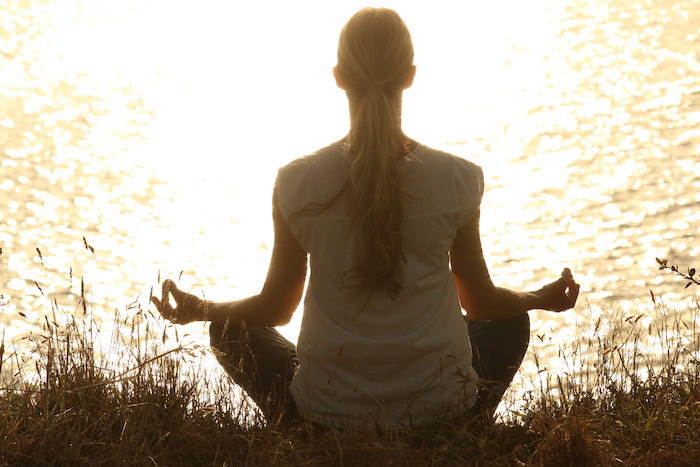
Establishing an optimal environment and routine for meditation is essential in addressing burnout effectively. Proper preparation ensures that your practice is focused, calming, and sustainable, enabling you to harness the full benefits of meditation in restoring mental and emotional well-being.
Thoughtful preparation involves choosing the right space, gathering necessary materials, and integrating meditation into your daily schedule. These steps help create a habit that becomes an accessible and reliable source of relief during stressful times, fostering resilience against burnout symptoms.
Creating a Conducive Meditation Environment
A peaceful and comfortable space sets the foundation for a successful meditation practice. Minimizing distractions and creating an atmosphere of tranquility can significantly enhance focus and relaxation, making it easier to let go of stress and cultivate mindfulness.
To establish such an environment:
- Choose a quiet area free from noise and interruptions. Ideally, this space should be separate from work or high-traffic zones in your home.
- Ensure the temperature is comfortable, neither too hot nor too cold, to promote physical ease during meditation.
- Use soft lighting or natural light to create a calming ambiance. Avoid harsh or bright artificial lights that may hinder relaxation.
- Incorporate elements that promote serenity, such as plants, calming artwork, or soft textiles.
- Designate this space solely for meditation to condition your mind to associate it with relaxation and mindfulness practices.
Checklist of Necessary Items and Conditions
Having the right tools and conditions prepared can enhance your meditation experience, making it more effective and enjoyable. A well-curated environment minimizes distractions and allows you to fully immerse in your practice.
| Item/Condition | Description |
|---|---|
| Comfortable Seating | A cushion, chair, or mat that supports a relaxed yet alert posture, reducing physical discomfort during meditation. |
| Timer or Bell | A gentle timer or chime to mark the duration of your session without the need to check the clock repeatedly. |
| Silence or Soft Background Sound | Natural sounds, ambient music, or white noise can help mask external distractions and facilitate focus. |
| Essential Oils or Aromatherapy | Lavender, chamomile, or other calming scents can enhance relaxation when used safely in the environment. |
| Clothing | Wear loose, comfortable attire that does not restrict movement or breathing. |
Additional considerations include turning off electronic devices or placing them on silent mode to prevent interruptions. Maintaining a clutter-free space can also foster mental clarity and a sense of calm.
Designing a Daily Routine Incorporating Meditation
Consistency is key in combating burnout through meditation. Integrating a well-structured routine helps develop discipline and ensures regular practice, which reinforces stress management and emotional resilience.
When designing your routine:
- Identify a specific time each day that you can dedicate to meditation, ideally during a period of low activity or when stress levels are highest.
- Start with brief sessions, such as 5-10 minutes, gradually increasing duration as your comfort and familiarity grow.
- Pair meditation with other self-care activities, like stretching or mindful breathing, to deepen the relaxation experience.
- Create a pre-meditation ritual, such as sipping herbal tea or taking a few deep breaths, to signal your mind that it is time to focus inward.
- Use guided meditations or mindfulness apps initially to establish a steady practice and learn various techniques suited for burnout recovery.
Maintaining a daily journal to reflect on your feelings before and after each session can also provide insight into your progress and motivate continued practice. Remember, consistency and patience are essential as meditation gradually restores your mental and emotional balance, helping you overcome burnout with resilience and clarity.
Meditation Techniques for Burnout Relief
Burnout can significantly impact mental, emotional, and physical well-being, often leading to feelings of exhaustion, cynicism, and reduced productivity. Incorporating specific meditation techniques into daily routines offers a practical approach to alleviating these symptoms. These practices help restore balance, foster mindfulness, and promote a sense of calm essential for recovery from burnout.
By utilizing targeted meditation methods, individuals can develop resilience against stress, improve their emotional regulation, and create a sustainable pathway toward mental rejuvenation. The following techniques—mindfulness meditation, body scan meditation, and visualization—are particularly effective tools for managing and reducing burnout symptoms when practiced consistently, either guided or unguided.
Mindfulness Meditation Focused on Breath Awareness
Mindfulness meditation centered on breath awareness is one of the most accessible and effective techniques for burnout relief. It encourages individuals to focus their attention on the present moment by observing their breath, fostering a state of mental clarity and calmness. This practice helps detach from stressful thoughts and reduces feelings of overwhelm.
During breath-focused mindfulness, practitioners are advised to sit comfortably, close their eyes if desired, and direct their attention to the natural rhythm of their inhalations and exhalations. When the mind wanders—which it naturally will—gentle redirection back to the breath maintains concentration. Regular practice can lead to decreased cortisol levels, improved emotional regulation, and a greater sense of control over stress responses.
“Breath awareness anchors your attention in the present, allowing stress to dissipate and clarity to emerge.”
Body Scan Meditation for Releasing Tension
The body scan meditation is an effective method for identifying and releasing physical tension accumulated from burnout. It involves systematically directing attention through different parts of the body, fostering awareness of sensations, and encouraging relaxation.
Practitioners typically begin at the toes, gradually moving upward, noticing areas of tightness or discomfort. Once identified, intentional relaxation or visualization of tension melting away can be employed. This technique not only alleviates muscle tightness but also enhances mind-body connection, which is often compromised under stress. Regularly practicing body scan meditation can help break the cycle of physical stress responses that perpetuate burnout symptoms.
“Releasing physical tension clears the path for mental and emotional renewal.”
Visualization Methods for Mental Rejuvenation and Stress Reduction
Visualization techniques involve creating vivid mental images designed to evoke relaxation, positivity, and renewal. These practices can serve as powerful mental escapes that foster rejuvenation, especially during moments of acute stress or fatigue.
For example, imagining oneself in a peaceful natural setting—a serene beach or lush forest—can induce a calming response, lowering heart rate and reducing anxiety. Alternatively, visualizing a successful resolution to a stressful situation can enhance confidence and emotional resilience. These methods are particularly useful for cultivating a hopeful outlook and replenishing mental energy when experiencing burnout.
Guided Versus Unguided Meditation Practices
There are two primary approaches to meditation: guided and unguided. Each offers unique benefits suited to different preferences and circumstances.
- Guided Meditation: Involves listening to an instructor, recording, or app that provides step-by-step instructions. This approach offers structure, especially helpful for beginners or those needing extra support. Guided sessions often include visualizations, affirmations, and prompts that help maintain focus and deepen the practice. They are particularly effective for reducing feelings of confusion or distraction during meditation, making them ideal for managing burnout when motivation wanes.
- Unguided Meditation: Involves self-directed practice without external prompts. This method fosters independence, allowing practitioners to customize their sessions based on current needs or preferences. Unguided meditation enhances self-awareness and can be seamlessly integrated into daily routines, making it easier to sustain over time. It is especially beneficial for experienced meditators seeking flexibility and deeper internal focus.
Both techniques can be integrated into burnout management routines, with guided sessions offering structure for beginners and unguided practices providing freedom for seasoned practitioners to tailor their experience. Combining these approaches optimizes the benefits, fostering resilience and mental clarity essential for overcoming burnout.
Structuring Meditation Sessions for Effective Burnout Management
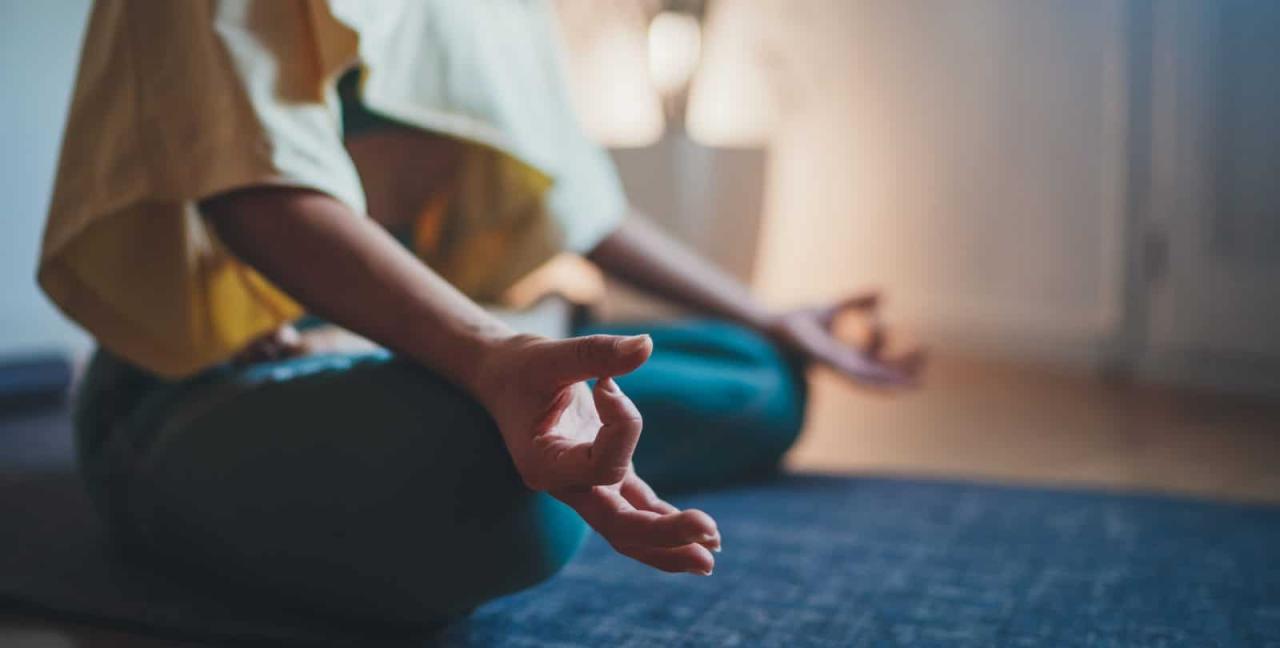
Managing burnout requires a consistent and thoughtfully organized meditation practice. Structuring your sessions effectively enables you to maximize relaxation, restore mental clarity, and build resilience against stress. Developing a weekly schedule tailored to your unique needs can significantly enhance your recovery process, making meditation an integral part of your self-care regimen. Proper organization of session durations—from brief breathing exercises to more extended mindful practices—helps accommodate busy schedules while ensuring comprehensive relief.
Additionally, implementing strategies to stay consistent and overcoming common obstacles can sustain long-term benefits and foster a more balanced, healthier lifestyle.
Creating a well-structured meditation plan involves balancing different session lengths and content to suit your daily routine and energy levels. Short, focused exercises can provide quick stress relief during hectic days, while longer sessions deepen mindfulness and aid in emotional regulation. Consistency is key; therefore, establishing specific times and environments for meditation can promote habit formation. Recognizing and addressing obstacles such as forgetfulness, restlessness, or fatigue ensures sustained engagement and effectiveness of your practice.
An organized approach ultimately empowers you to systematically combat burnout and cultivate ongoing mental wellness.
Sample Weekly Meditation Schedule for Burnout Recovery
This schedule offers a balanced approach, combining brief breathing exercises, mindfulness practices, and longer meditation sessions. It aims to address varying energy levels and commitments throughout the week, fostering resilience and relaxation.
| Day | Session Type | Duration | Focus/Notes |
|---|---|---|---|
| Monday | Breathing Exercise | 5-7 minutes | Deep diaphragmatic breathing to initiate relaxation after work or morning wake-up. |
| Tuesday | Mindful Meditation | 10-15 minutes | Focus on present moment awareness, acknowledging thoughts without judgment. |
| Wednesday | Progressive Relaxation | 15-20 minutes | Tension-release technique targeting muscles from head to toes, ideal for midweek stress relief. |
| Thursday | Breathing Exercise | 5 minutes | Quick stress reduction during lunch or breaks, especially during busy days. |
| Friday | Longer Mindfulness Session | 20-30 minutes | Deeper focus on sensations, thoughts, and feelings, preparing for weekend relaxation. |
| Saturday | Guided Meditation | 15-20 minutes | Utilize audio recordings focusing on compassion or self-care themes. |
| Sunday | Reflection and Restorative Practice | 20-30 minutes | Reflect on the week’s progress and practice gentle, restorative meditation or body scan. |
Adapting this schedule to your personal circumstances and energy levels encourages ongoing engagement. Incorporating variety prevents monotony and addresses different aspects of burnout, such as emotional exhaustion and physical fatigue. Maintaining this routine involves consistency, which can be supported by setting reminders, creating a dedicated meditation space, and integrating mindfulness into daily activities outside formal sessions.
Tips for Maintaining Consistency and Overcoming Common Obstacles
Staying committed to a meditation routine amidst the challenges of burnout requires strategic planning and mindset adjustments. The following tips can help you sustain your practice and navigate typical hurdles effectively:
- Set Realistic Goals: Begin with manageable session durations and gradually increase as comfort and familiarity grow. Recognize that consistency matters more than intensity.
- Designate a Specific Space and Time: Establishing a dedicated, quiet area for meditation at a consistent time daily reinforces habit formation and minimizes distractions.
- Use Reminders and Support: Utilize alarms, app notifications, or accountability partners to foster regular practice and motivate ongoing commitment.
- Address Restlessness and Restorative Fatigue: If difficulty concentrating arises, shift to shorter, focused breathing exercises or gentle stretching before meditation. If fatigue impedes practice, consider scheduling shorter sessions during times when energy levels are higher.
- Embrace Flexibility and Compassion: Recognize that some days may be more challenging than others. Adapt your practice as needed, and practice self-compassion if consistency wanes temporarily.
- Reflect and Adjust: Keep a meditation journal to track progress, note obstacles, and identify patterns. Use insights gained to modify your schedule or techniques accordingly.
“Consistency in meditation does not mean perfection, but persistence. Small, regular efforts accumulate into significant stress relief and emotional resilience.”
Implementing these strategies ensures your meditation routine remains a supportive tool in your burnout recovery process. Patience and adaptability are essential, as establishing lasting habits involves gradual progress and self-awareness. Over time, a structured and flexible approach will help embed meditation into your lifestyle, fostering long-term mental and emotional well-being.
Incorporating Additional Relaxation Techniques with Meditation
Integrating various relaxation methods alongside meditation can significantly enhance its effectiveness in relieving burnout. Combining physical activities, sensory stimuli, and mindful practices creates a comprehensive approach to restoring mental and physical well-being. These techniques not only deepen relaxation but also help to address the multifaceted nature of burnout, offering individuals a broader toolkit for stress management and emotional resilience.
By blending meditation with gentle physical movements, sensory experiences, and mindful routines, individuals can cultivate a more profound sense of calm and balance. This holistic approach can be particularly effective for those experiencing chronic stress, as it targets different sensory and physical pathways that contribute to overall relaxation and mental clarity.
Methods to Combine Meditation with Gentle Physical Activities
Engaging in gentle physical activities such as yoga, stretching, or tai chi before or after meditation can amplify relaxation effects significantly. These activities help to release muscle tension, improve circulation, and promote body awareness, which complements the mental focus cultivated during meditation. The key is to choose movements that are slow, deliberate, and non-strenuous, aligning with the calming intention of burnout relief.
- Yoga: Incorporating poses that emphasize grounding and gentle stretching can prepare the body for meditation by calming the nervous system. Poses like Child’s Pose, Cat-Cow, and Legs-Up-the-Wall are particularly effective in reducing stress and fostering mindfulness.
- Stretching: Performing simple stretching routines focusing on neck, shoulders, and back can alleviate physical tension accumulated from prolonged periods of stress or sedentary activities. Stretching can be seamlessly integrated into meditation sessions or used as a warm-up or cool-down activity.
- Tai Chi or Qigong: These gentle martial arts combine slow, deliberate movements with breath control, fostering a meditative state while promoting physical relaxation and energy flow.
Use of Calming Sounds, Aromatherapy, and Visual Aids
Sensory enhancement techniques can deepen the meditation experience, making relaxation sessions more immersive and effective. Utilizing calming sounds, aromatherapy, and visual aids can help create a peaceful environment conducive to stress reduction and burnout management.
“Sensory inputs can significantly influence the body’s relaxation response, making meditation more accessible and enjoyable.”
Examples include the following:
- Calming sounds: Playing gentle nature sounds, such as flowing water, bird songs, or ambient music, can help drown out distracting noises and promote a tranquil state. Using sound machines or apps that offer white noise or binaural beats can also be effective in enhancing focus and relaxation.
- Aromatherapy: Diffusing essential oils like lavender, chamomile, or bergamot during meditation can evoke calming effects, reduce anxiety, and improve mood. Aromatherapy enhances the sensory dimension of meditation, making it more soothing and engaging.
- Visual aids: Visual elements such as peaceful imagery, candles, or screens displaying serene landscapes can facilitate mental escape from stressors. Soft lighting and minimal visual distractions support a meditative atmosphere, helping individuals to focus inward more effectively.
Integrating Mindful Eating and Walking into a Holistic Burnout Relief Plan
Expanding the scope of relaxation techniques to include mindful eating and walking fosters a comprehensive approach to burnout relief. These practices encourage presence and awareness throughout daily routines, reducing stress and promoting mental clarity beyond formal meditation sessions.
Mindful eating involves paying close attention to the sensory experience of eating—taste, smell, texture, and appearance—while consciously acknowledging hunger and fullness cues. This practice not only enhances enjoyment of meals but also prevents emotional or mindless eating, which can exacerbate stress and fatigue.
Mindful walking entails slow, deliberate movement with full awareness of each step, breath, and sensory input from the environment. Practicing mindful walking in natural settings or quiet indoor spaces helps combat sedentary habits, refreshes the mind, and fosters a sense of connectedness and calmness.
Both techniques can be integrated into daily routines, serving as additional tools to manage stress levels, improve emotional resilience, and support overall burnout recovery. When combined with structured meditation, these practices contribute to a balanced, mindful lifestyle aimed at long-term well-being.
Monitoring Progress and Adjusting Meditation Practices

Maintaining awareness of your mental and physical well-being throughout your meditation journey is essential for effective burnout management. Tracking your progress enables you to recognize improvements, identify persistent challenges, and make informed adjustments to your meditation routine. As burnout symptoms can vary in intensity and manifestation, tailoring your practices over time ensures they remain beneficial and aligned with your evolving needs.
Adjusting meditation techniques based on your personal experiences ensures sustained relief and prevents stagnation. Recognizing signs that indicate a need for change or professional intervention is crucial for comprehensive burnout management. This ongoing evaluation fosters resilience and promotes a healthier, more balanced state of mind.
Tracking Mental and Physical Improvements
Effective monitoring involves both subjective and objective assessments of your well-being. Keeping a dedicated journal or using digital apps to record daily or weekly reflections can help you observe patterns over time. Key indicators include reductions in feelings of anxiety, irritability, or fatigue, as well as improvements in concentration, emotional stability, and physical symptoms such as muscle tension or sleep quality.
Quantitative measures can include tracking sleep duration and quality, heart rate variability, or stress levels through wearable devices. Regular self-assessment questionnaires, such as mood scales or burnout inventories, can provide structured insights into your progress. Comparing entries over weeks or months helps identify areas of improvement and signals when adjustments are necessary.
Modifying Meditation Techniques for Individual Needs
As burnout levels fluctuate, the meditation practices that initially proved effective might require adaptation. For individuals experiencing heightened stress or exhaustion, shorter, more focused sessions—such as 5-10 minutes of breath awareness—may be more sustainable initially. Conversely, those seeking deeper relaxation may benefit from longer, guided meditations incorporating visualization or body scans.
It is essential to remain flexible in technique selection, incorporating different styles such as mindfulness, loving-kindness, or transcendental meditation based on personal response. For example, if you notice your mind remains restless during sitting meditation, transitioning to walking meditation can help maintain engagement while reducing fatigue. Periodically experimenting with new approaches ensures your practice stays relevant and effective.
Signs Indicating the Need for Professional Support
While meditation can significantly alleviate burnout symptoms, certain signs suggest that professional intervention might be necessary alongside your practice. Persistent feelings of despair, hopelessness, or suicidal thoughts indicate underlying mental health concerns requiring specialized care. Additionally, if burnout symptoms worsen despite regular meditation, or if physical health issues such as chronic fatigue or panic attacks arise, consulting healthcare professionals is advised.
Recognize that meditation complements but does not replace professional treatment for mental health conditions. Signs like ongoing sleep disturbances, significant mood swings, or social withdrawal should prompt discussions with mental health practitioners.
Monitoring your symptoms closely and maintaining open communication with healthcare providers ensures a comprehensive approach to recovery. Adjustments to your meditation routine, combined with professional support when necessary, can foster resilience and promote long-term well-being.
Outcome Summary
In summary, mastering how to meditate for burnout provides a sustainable approach to managing stress and restoring vitality. Through careful preparation, the use of diverse meditation techniques, and ongoing adjustments, individuals can develop a personalized practice that supports recovery and overall wellness. Embracing these practices can lead to a more balanced, peaceful life, free from the persistent weight of burnout.