How to meditate for better sleep offers a natural and effective approach to improving your nightly rest. By integrating meditation into your evening routine, you can foster a calming environment that prepares your mind and body for restorative sleep. This guide explores various techniques, preparation steps, and tips to help you achieve a peaceful transition into sleep, addressing common misconceptions and tailored solutions for individual needs.
Introduction to Meditation for Better Sleep
Meditation has long been recognized as an effective practice for fostering relaxation, reducing stress, and promoting mental clarity. In recent years, its benefits have extended to improving sleep quality, making it a valuable tool for those struggling with insomnia or restless nights. By cultivating mindfulness and calming the mind, meditation can help create an ideal mental state conducive to restful sleep.
Understanding the various meditation techniques suitable for sleep enhancement enables individuals to select methods that align with their preferences and lifestyle. While some may prefer guided meditation sessions, others might find simple breathing exercises more effective. Recognizing common misconceptions about meditation and sleep is essential to dispelling myths that might hinder individuals from embracing this beneficial practice.
Benefits of Meditation for Sleep Quality
Meditation offers multiple advantages that contribute directly to better sleep health:
- Reduces Stress and Anxiety: Meditation helps lower cortisol levels, which are often elevated in individuals experiencing sleep disturbances caused by stress.
- Enhances Relaxation Response: Regular practice activates the parasympathetic nervous system, promoting a state of calmness that facilitates falling asleep.
- Improves Sleep Onset and Duration: Mindfulness meditation can decrease the time it takes to fall asleep and extend overall sleep duration.
- Alleviates Sleep Disorders: For some individuals, meditation has shown promise in managing symptoms of insomnia and improving sleep architecture.
Common Meditation Techniques Suitable for Sleep Enhancement
There are several meditation methods that are particularly effective for preparing the mind and body for sleep. Each technique offers unique approaches to achieving relaxation and mental clarity:
- Mindfulness Meditation: Focuses on paying attention to the present moment without judgment, helping to calm racing thoughts that often interfere with sleep. Practicing mindful breathing or body scans before bed can ease the transition into sleep.
- Guided Meditation: Involves listening to recorded instructions that guide individuals through relaxation exercises, visualization, or calming narratives tailored for bedtime routines. This method provides structure and support for beginners.
- Progressive Muscle Relaxation: Entails systematically tensing and relaxing muscle groups throughout the body, which can diminish physical tension and promote sleepiness.
- Deep Breathing Exercises: Techniques such as diaphragmatic or abdominal breathing slow the heartbeat and relax the nervous system, making it easier to drift into sleep.
Misconceptions About Meditation and Sleep
Despite the growing popularity of meditation for sleep improvement, several misconceptions persist that may discourage individuals from trying it:
- Myth: Meditation requires hours of practice each day. In reality, even a few minutes of focused meditation before bed can be beneficial, and consistency is more important than duration.
- Myth: Meditation is only effective if performed in a quiet, perfect environment. While a calm environment can enhance the experience, individuals can practice meditation in everyday settings, including their bedrooms or quiet corners at work.
- Myth: Meditation can make you sleepy during the day. While meditation promotes relaxation, it does not cause drowsiness or impair alertness when practiced appropriately; its goal is to foster calmness that supports restful sleep at night.
- Myth: Meditation is a quick fix for sleep problems. Consistent practice over time yields the best results, and it should complement other healthy sleep habits for maximum effectiveness.
By understanding these aspects of meditation, individuals can approach their sleep routines with realistic expectations and a clearer knowledge of how to incorporate meditation effectively into their nightly rituals.
Preparing for Meditation to Enhance Sleep
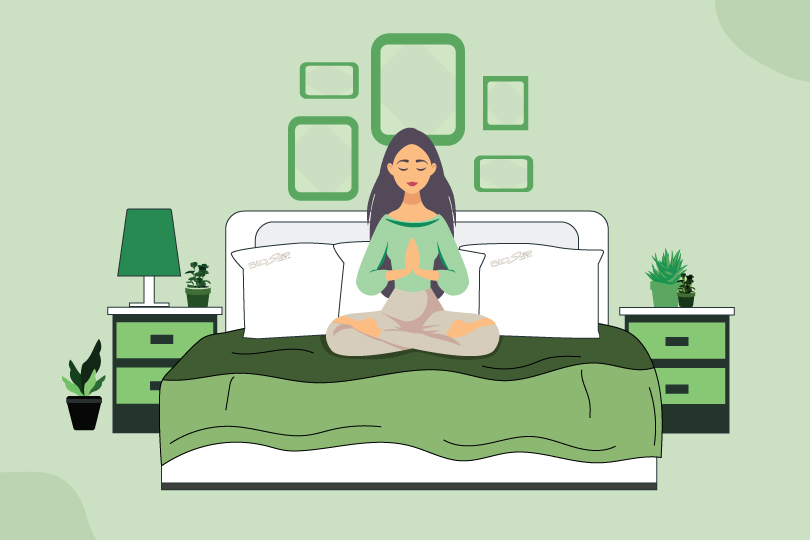
Creating the right environment and establishing consistent routines are essential steps to maximize the benefits of meditation for sleep. Proper preparation helps signal the body and mind that it is time to relax and transition into restful sleep, making meditation more effective and easier to incorporate into nightly habits.
By thoughtfully preparing your space and routine, you can cultivate a peaceful atmosphere that promotes relaxation, reduces stress, and fosters a smoother transition into sleep. This preparation involves optimizing your environment, establishing calming pre-sleep habits, and selecting appropriate times for meditation, all of which contribute significantly to better sleep quality.
Creating an Optimal Meditation Environment in the Bedroom
The environment in which you meditate plays a crucial role in facilitating relaxation and focus. An ideal space should evoke tranquility and minimize distractions, allowing you to fully immerse yourself in the practice. Proper environmental setup can include eliminating noise, controlling lighting, and choosing comfortable surroundings.
- Minimize Noise and Distractions: Use soft background sounds such as gentle music, nature sounds, or white noise machines to mask disruptive noises. Ensuring your bedroom is free from electronic disturbances like smartphones or televisions can significantly enhance concentration and relaxation.
- Control Lighting: Dim or use soft lighting to create a calming ambiance. Consider using blackout curtains or an eye mask to block out external light that can interfere with your meditative state and sleep onset.
- Comfortable Seating and Temperature: Use a supportive cushion or a comfortable chair if sitting upright. Maintain a moderate room temperature, typically between 18-22°C (64-72°F), as comfort in temperature improves relaxation and reduces sleep disturbances.
- Declutter and Personalize: Keep the space tidy and free of clutter to promote mental clarity. Personalize the environment with calming scents such as lavender or chamomile, which are known to induce relaxation.
Establishing a Calming Pre-Sleep Routine Including Meditation
Integrating meditation into your pre-sleep routine helps signal to your body that it is time to wind down. Consistency in routine reinforces relaxation responses and enhances sleep quality over time. The routine should be calming, predictable, and free of stimulating activities.
- Set a Regular Time: Choose a specific time each evening, ideally 30 to 60 minutes before bed, to practice meditation. Consistency helps establish a biological rhythm that promotes quicker sleep onset.
- Incorporate Relaxing Activities: Combine meditation with other calming activities such as gentle stretching, deep breathing exercises, or reading a book in a dimly lit room. Avoid screens or bright lights at least half an hour before meditation to prevent interference with melatonin production.
- Create a Ritual: Develop a sequence of actions, like dimming lights, preparing your meditation space, and setting intentions for relaxation. Rituals enhance mental readiness and reinforce the association between these activities and sleep.
- Use Guided Meditations: Select guided meditation recordings specifically designed for sleep enhancement. Listening to these recordings can provide structure and support, especially for beginners.
Selecting Appropriate Meditation Times Before Sleep
Choosing the right time for meditation prior to sleep is vital to maximize its effectiveness. The goal is to meditate sufficiently long to unwind without feeling groggy or distracted when it’s time to sleep.
- Optimal Timing: Aim to meditate approximately 20 to 30 minutes before your scheduled bedtime. This window allows your body to transition from active to restful states gradually.
- Consider Personal Rhythms: Pay attention to your natural energy peaks and dips. For some, early evening is ideal; others may prefer late-night sessions if they tend to be more relaxed during that period.
- Avoid Immediate Post-Meal Meditation: Wait at least an hour after eating before meditating to prevent discomfort and promote digestion, which can interfere with relaxation and sleep initiation.
- Consistency and Flexibility: While establishing a regular meditation time is beneficial, remain flexible to accommodate changes in your schedule. Consistent practice at similar times enhances your body’s expectation of relaxation progressively.
Techniques for Meditation to Promote Better Sleep

Implementing effective meditation techniques can significantly enhance sleep quality by calming the mind and relaxing the body before bedtime. Different styles of meditation offer various approaches to reducing stress and fostering tranquility. Understanding these techniques and their step-by-step procedures can empower individuals to select the most suitable method to improve their sleep experience.
Below, we compare popular meditation styles such as Mindfulness Meditation, Body Scan Meditation, and Guided Imagery. Each technique has unique features and specific procedures that can be tailored to individual preferences and needs, making them versatile tools for achieving restful sleep.
Comparison of Meditation Styles for Sleep Enhancement
| Feature | Mindfulness Meditation | Body Scan Meditation | Guided Imagery |
|---|---|---|---|
| Focus | Present-moment awareness, observing thoughts and sensations without judgment. | Progressively relaxing different parts of the body to release tension. | Visualizing peaceful and calming scenarios to induce relaxation. |
| Ideal For | Reducing mental chatter and cultivating acceptance. | Releasing physical tension and deepening bodily awareness. | Engaging the imagination to foster tranquility and ease the mind. |
| Duration | 10-20 minutes | 15-30 minutes | 10-20 minutes |
| Suitability | Beginners and experienced meditators alike, especially those prone to racing thoughts. | Individuals with muscular tension, stress, or physical discomfort. | People who find visualization soothing and enjoy imaginative scenarios. |
Step-by-Step Procedures for Meditation Techniques
Each meditation style follows a specific sequence designed to optimize relaxation and prepare the body for sleep. Here are detailed procedures for each method:
Mindfulness Meditation for Sleep
- Find a comfortable seated or lying position in a quiet, dimly lit space.
- Close your eyes gently, and take a few deep breaths, inhaling slowly through the nose and exhaling through the mouth.
- Begin to notice your breath without trying to control it, observing the rise and fall of your chest or abdomen.
- Allow your attention to rest on your breathing, gently bringing your focus back whenever your mind wanders to thoughts, sensations, or sounds.
- If thoughts become intrusive, acknowledge them without judgment and return your focus to your breath.
- Continue this practice for 10-15 minutes, gradually easing into a state of calmness conducive to sleep.
Body Scan Meditation for Sleep
- Lie down on your back in bed, making sure your body is fully supported and comfortable.
- Close your eyes and take several deep breaths to settle into the present moment.
- Begin by directing your attention to your toes, noticing any sensations or tension.
- Slowly move your awareness upward through your body—feet, calves, thighs, hips, abdomen, chest, shoulders, arms, neck, and head.
- At each body part, observe sensations, warmth, or tightness, and consciously release any tension you find.
- If your mind drifts, gently bring it back to the part of the body you are currently focusing on.
- Complete the scan by the time you reach your head, fostering a profound sense of relaxation throughout your body.
Guided Imagery for Sleep
- Lie comfortably in your bed, ensuring a quiet environment that minimizes distractions.
- Close your eyes and take a few deep, calming breaths.
- Begin by imagining a peaceful scene, such as a beach at sunset, a serene meadow, or a quiet forest.
- Engage all your senses—visualize the colors, hear the sounds, feel the textures, and smell the fragrances of this tranquil place.
- Allow yourself to become immersed in this visualization, feeling the peace and safety of your surroundings.
- Use a calming script or explanation, such as: “Imagine a gentle breeze softly swaying the trees around you. You feel completely safe and relaxed. With each breath, you sink deeper into comfort and sleep.”
- Continue this guided imagery for 10-20 minutes, letting your mind drift into relaxation and sleep readiness.
“Guided imagery can transform your bedtime routine into a peaceful journey, easing the transition from wakefulness to restful sleep.”
Breathing Exercises to Facilitate Sleep Through Meditation
Incorporating specific breathing exercises into your nightly meditation routine can significantly enhance your ability to relax and transition into restful sleep. These techniques help calm the nervous system, reduce stress, and create a peaceful mental state conducive to falling asleep more quickly and deeply. By focusing on intentional breathing patterns, you can train your body to relax and prepare for a restorative night’s sleep.
Different breathing exercises target various aspects of relaxation, from slowing the heart rate to calming racing thoughts. Implementing these exercises regularly before bed can foster a sense of tranquility and help establish a consistent sleep routine. Below are some effective breathing patterns and guidelines for integrating them into your nightly meditation practice.
Diaphragmatic (Belly) Breathing
Diaphragmatic breathing, also known as belly breathing, emphasizes deep inhales that engage the diaphragm fully. This technique promotes slower breathing, lowers blood pressure, and activates the parasympathetic nervous system, which is responsible for relaxation. It is particularly effective for reducing anxiety and preparing the body for sleep.
To practice diaphragmatic breathing, sit or lie down in a comfortable position. Place one hand on your chest and the other on your abdomen. Inhale slowly through your nose, allowing your diaphragm to expand and your abdomen to rise. Exhale gently through your mouth or nose, feeling your abdomen fall. Repeat this pattern for several minutes, maintaining a relaxed rhythm.
4-7-8 Breathing Technique
The 4-7-8 breathing pattern is a simple yet powerful exercise designed to calm the nervous system rapidly. It involves inhaling for four seconds, holding the breath for seven seconds, and exhaling slowly for eight seconds. This cycle helps reduce anxiety, lower heart rate, and facilitate a smooth transition into sleep.
To perform this exercise, find a comfortable position and close your eyes. Inhale quietly through your nose for a count of four. Hold your breath for a count of seven, then exhale completely through your mouth for a count of eight, making a gentle whooshing sound. Repeat the cycle three to four times or until a sense of calm is achieved.
Breathing Exercises Comparison Table
| Exercise | Technique | Duration | Benefits |
|---|---|---|---|
| Diaphragmatic Breathing | Deep belly breaths engaging the diaphragm; inhale through nose, expand abdomen, exhale slowly | 5-10 minutes | Reduces stress, lowers blood pressure, activates relaxation response |
| 4-7-8 Breathing | Inhale for 4 seconds, hold for 7 seconds, exhale for 8 seconds | 3-4 cycles or until calm | Calms nervous system, reduces anxiety, promotes sleep onset |
| Box Breathing | Inhale for 4 seconds, hold for 4 seconds, exhale for 4 seconds, hold for 4 seconds | 5-10 minutes | Enhances focus, relaxes mind and body, stabilizes breathing |
| Alternate Nostril Breathing | Close right nostril, inhale through left; close left nostril, exhale through right; repeat | 5-10 minutes | Balances nervous system, relieves stress, improves mental clarity |
Incorporating Breathing Exercises into a Nightly Routine
To maximize the benefits of breathing exercises for sleep, it is essential to integrate them thoughtfully into your nightly meditation routine. Consistency and a calm environment are key factors in establishing an effective practice. The following steps can help you incorporate these exercises seamlessly:
- Designate a quiet, comfortable space for your meditation to minimize distractions and enhance focus.
- Set aside 5 to 15 minutes before bedtime solely for your breathing practice, ideally at the same time each night to build a habit.
- Begin with gentle stretches or a few moments of mindfulness to transition into a relaxed state.
- Select a breathing exercise suited to your needs—such as diaphragmatic or 4-7-8 breathing—and focus on slow, deliberate breaths.
- Use a timer or a guided audio to maintain consistency and ensure you complete the intended duration.
- As you breathe, pay attention to sensations and avoid forcing your breath; allow it to flow naturally and comfortably.
- Finish your session with a moment of silence or a brief body scan to deepen the relaxation response before lying down to sleep.
By integrating these breathing exercises into your nightly routine, you create a structured approach that signals to your body that it is time to unwind and prepare for restful sleep. Over time, this practice can lead to improved sleep quality, reduced insomnia symptoms, and a more peaceful transition into night.
Incorporating Mindfulness into Sleep Meditation
Introducing mindfulness into your sleep meditation practice can significantly enhance your ability to relax, reduce stress, and transition smoothly into restful sleep. Cultivating awareness during meditation helps anchor your attention to the present moment, minimizing intrusive thoughts and mental chatter that often hinder sleep onset. When mindfulness becomes an integral part of your routine, it not only aids in sleep quality but also fosters a deeper sense of calm and mental clarity that extends beyond bedtime.
By engaging in mindful awareness practices, individuals can develop a gentle, non-judgmental attitude towards their thoughts and sensations, allowing sleep to arrive more effortlessly. These techniques encourage patience, acceptance, and focused attention, which are essential for overcoming common sleep disturbances such as anxiety or racing thoughts. Integrating mindfulness into sleep meditation transforms it from a passive relaxation technique into an active process of gentle observation, promoting a more restful and restorative sleep cycle.
Mindfulness Practices to Ease the Transition into Sleep
Implementing specific mindfulness exercises during bedtime can help ease the transition from wakefulness to sleep. These practices focus on anchoring attention to sensory experiences, bodily sensations, and breathing patterns, fostering a state of calm readiness for sleep.
- Body Scan Meditation: Systematically bring awareness to different parts of the body, starting from the toes and moving upward. Notice sensations, tension, or relaxation without judgment, allowing any tension to melt away as you focus on each area. This practice helps release physical tension accumulated throughout the day and promotes relaxation.
- Breath Awareness: Focus solely on the natural rhythm of your breath. Observe the inhalation and exhalation, noticing the rise and fall of your abdomen or the sensation at the nostrils. When your mind wanders, gently bring your attention back to your breath, cultivating a calm and centered state conducive to sleep.
- Sensory Grounding: Pay close attention to the sensory inputs around you—such as the feeling of your sheets, the sounds in your environment, or the temperature of your skin. Describing these sensations mentally or aloud can deepen your presence and reduce distracting thoughts.
- Mindful Observation of Thoughts: Instead of engaging with wandering thoughts, acknowledge them as passing clouds. Visualize each thought as an object floating by, gently returning focus to your breath or body sensations, fostering a non-reactive awareness that facilitates sleep readiness.
Effective Mindfulness Focus Points to Reduce Sleep Disturbances
Focusing attention on specific aspects of your experience can alleviate common sleep disturbances such as anxiety, racing mind, or physical discomfort. These mindfulness points serve as anchors to stabilize your awareness and promote tranquility before sleep.
- Heartbeat Focus: Concentrate on your heartbeat, feeling the rhythm and subtle variations. This can create a calming effect and shift attention away from stressful thoughts.
- Temperature Awareness: Notice the sensation of temperature on different parts of your body—warmth from blankets or coolness from the air. Focusing on these physical sensations grounds awareness and eases mental agitation.
- Sound Observation: Pay attention to ambient sounds, such as distant traffic, the hum of appliances, or nature sounds. Describing these sounds internally enhances present-moment awareness and diminishes intrusive noise-related disturbances.
- Relaxation Cueing: Use specific cues, like the feeling of relaxation spreading through your muscles or the softening of your jaw, as focal points. Repeating these cues mentally reinforces a state of calmness conducive to sleep.
- Imagery and Visualization: Imagine a peaceful scene, such as a quiet beach or a serene forest, and immerse yourself in the details. This visualization technique can distract from anxious thoughts and foster a tranquil mindset.
“Mindfulness is the gentle practice of paying attention with openness, curiosity, and acceptance, creating a foundation for restful sleep and mental clarity.”
Creating a Consistent Meditation Routine for Sleep Improvement
Establishing a consistent meditation routine is fundamental to experiencing its full benefits for enhancing sleep quality. When practiced regularly, meditation can help regulate the sleep cycle, reduce stress, and promote a sense of calm that prepares the mind and body for restful sleep. Developing a structured schedule ensures that meditation becomes an integral part of your nightly routine rather than an occasional practice, leading to more predictable and improved sleep patterns.
Consistency not only reinforces positive habits but also allows for better tracking of progress and facilitates adjustments tailored to individual needs. A well-maintained routine fosters discipline, creating a peaceful transition from wakefulness to sleep, and helps establish a natural circadian rhythm aligned with your meditation practices.
Establishing and Maintaining a Regular Meditation Schedule
To create an effective meditation routine, select specific times during the day that fit seamlessly into your daily schedule. Typically, meditating shortly before bedtime is most beneficial for sleep enhancement, as it signals to your body that it is time to unwind. Consistency in timing helps your body anticipate relaxation, making it easier to fall asleep naturally.
Start with manageable sessions, such as 10-15 minutes each evening, and gradually extend as comfort and familiarity grow. Incorporate gentle reminders or alarms to reinforce the habit, and consider integrating meditation into your evening rituals alongside other calming activities like reading or light stretching.
Techniques for Tracking Progress and Adjusting Practices
Monitoring your meditation practice and sleep quality allows for informed adjustments over time. Keep a dedicated journal or digital log where you record the frequency, duration, and type of meditation practiced each day. Note subjective observations such as ease of falling asleep, sleep duration, and overall sleep quality.
Utilize sleep tracking devices or mobile apps to gather objective data on sleep patterns. Periodically evaluate this information to identify trends and determine whether your routine is effectively supporting your sleep goals. If sleep quality plateaus or declines, consider modifying meditation techniques, adjusting timing, or increasing session length.
Examples of Daily or Weekly Meditation Plans for Better Sleep
Implementing a structured plan helps maintain consistency and provides clear guidance. Here are examples tailored for different lifestyles:
- Daily Evening Routine: Meditate for 15 minutes each night, focusing on deep breathing and mindfulness, starting 30 minutes before bedtime. Follow with calming activities such as reading or listening to soothing music.
- Weekly Extended Sessions: Dedicate one longer session of 30-40 minutes on weekends, incorporating guided meditations or body scans to deepen relaxation and reinforce sleep readiness.
- Alternating Techniques: Rotate between breathing exercises, body scans, and mindfulness meditation throughout the week to prevent habituation and engage different relaxation pathways.
By maintaining a consistent schedule, tracking your progress, and customizing your practice, you create a sustainable routine that significantly enhances your sleep quality over time.
Addressing Common Challenges in Sleep Meditation

Engaging in meditation to improve sleep can sometimes present obstacles, especially for individuals experiencing sleep anxiety, restless thoughts, or specific health conditions. Recognizing these challenges and implementing tailored strategies can significantly enhance the effectiveness of your sleep meditation practice. By understanding common difficulties and solutions, you can foster a more conducive environment for restful sleep and create a sustainable meditation routine that adapts to your unique needs.
Sleep-related challenges such as racing thoughts, anxiety about sleep itself, or physical limitations can interfere with the ability to relax fully during meditation. Addressing these issues directly is essential for establishing a consistent and beneficial practice. It is equally important to adapt meditation techniques for individuals with special needs or medical conditions, ensuring accessibility and comfort. Furthermore, regularly evaluating and refining meditation practices allows for ongoing improvements aligned with personal progress and changing circumstances.
Strategies to Overcome Sleep Anxiety and Restless Thoughts During Meditation
Incorporating specific techniques to manage anxiety and restless thoughts is vital for maintaining focus and relaxation during sleep meditation. These strategies help create a mental environment conducive to transition into restful sleep, reducing the likelihood of rumination and worry that can perpetuate insomnia.
- Progressive Relaxation: Focus on systematically tensing and relaxing muscle groups, which directs attention away from anxious thoughts and promotes physical relaxation. Starting from the toes and moving upward can be particularly effective.
- Guided Imagery: Visualize calming scenes, such as a quiet beach or a peaceful forest. Engaging the imagination in this way distracts the mind from worries and fosters a sense of tranquility.
- Acceptance and Non-Judgment: Cultivate an attitude of observing restless thoughts without attachment or judgment. Acknowledge their presence and gently redirect focus to breath or bodily sensations, fostering a sense of acceptance that diminishes anxiety.
- Use of Mantras: Repeating calming phrases or words can anchor the mind and reduce the impact of intrusive thoughts, creating a mental anchor for relaxation.
Modifying Meditation Practices for Individuals with Special Needs or Conditions
Adapting meditation techniques ensures inclusivity and effectiveness for individuals with physical, cognitive, or health-related conditions. Customization considers specific limitations and preferences, making meditation a viable sleep aid for everyone.
Individuals with mobility issues may find seated or lying-down practices more comfortable, while those with cognitive impairments might benefit from simplified instructions and shorter sessions.
- Physical Modifications: Use of supportive cushions, chairs, or lying positions that accommodate mobility or comfort needs, ensuring physical ease during practice.
- Guided Practices for Cognitive Limitations: Employ simple, clear instructions with visual or auditory cues, allowing individuals with cognitive challenges to follow and engage without frustration.
- Shorter Duration and Frequency: For those with limited attention spans or fatigue issues, shorter meditation sessions (5-10 minutes) performed multiple times daily can be more effective than longer sessions.
- Incorporation of Assistive Devices: Use of calming tools such as soft music, nature sounds, or aromatherapy can enhance the meditation experience for individuals with sensory sensitivities.
Evaluating and Refining Meditation Practices to Enhance Sleep Quality
Continuous assessment of meditation effectiveness facilitates tailored adjustments that optimize sleep outcomes. Recognizing progress and understanding persistent challenges enable practitioners to refine techniques strategically.
Methods for evaluation include keeping a sleep journal to track sleep patterns, noting changes in sleep onset, duration, and quality. Reflecting on meditation sessions helps identify which techniques resonate best or require modification. Additionally, consulting with healthcare providers or sleep specialists can provide insights into underlying issues and recommend suitable adaptations.
- Regular Self-Assessment: Maintain a sleep diary to document patterns, noting feelings of relaxation or restlessness post-meditation and any correlations with sleep quality.
- Feedback and Adjustment: Experiment with different techniques, durations, and times of day to discover what yields the best results. Adjust based on observations and personal comfort.
- Professional Guidance: Seek input from sleep therapists or meditation instructors who can offer personalized strategies and monitor progress over time.
- Incorporating Technology: Use sleep tracking devices or apps that analyze sleep stages and patterns, providing objective data to inform practice modifications.
Outcome Summary
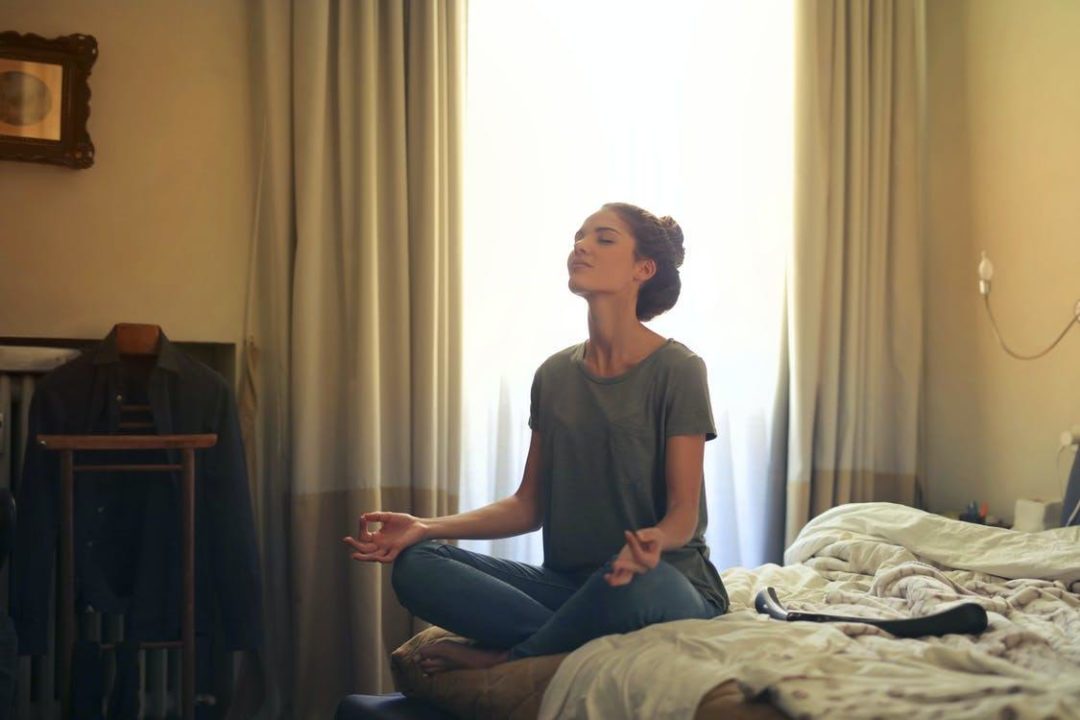
Incorporating meditation into your nightly routine can significantly enhance the quality of your sleep. By establishing consistent practices, optimizing your environment, and embracing mindfulness and breathing exercises, you set the foundation for more restful nights. Remember, patience and regularity are key to experiencing the full benefits of meditation for better sleep, leading to improved well-being and daily vitality.