Discovering how to meditate for the throat chakra offers a profound pathway to improve self-expression, clarity, and authentic communication. The throat chakra, known as Vishuddha in Sanskrit, plays a vital role in our ability to convey thoughts and feelings effectively, influencing personal and professional relationships. Regular meditation focused on this energy center can help eliminate blockages and restore balance, leading to increased confidence and truthful expression.
Embracing these practices can transform your overall well-being by fostering inner harmony and authentic dialogue.
This guide provides a comprehensive overview of techniques and tips to activate and align your throat chakra through meditation, incorporating breathing exercises, visualization, sound therapy, and mindful routines tailored to promote clarity and self-expression.
Introduction to Throat Chakra Meditation
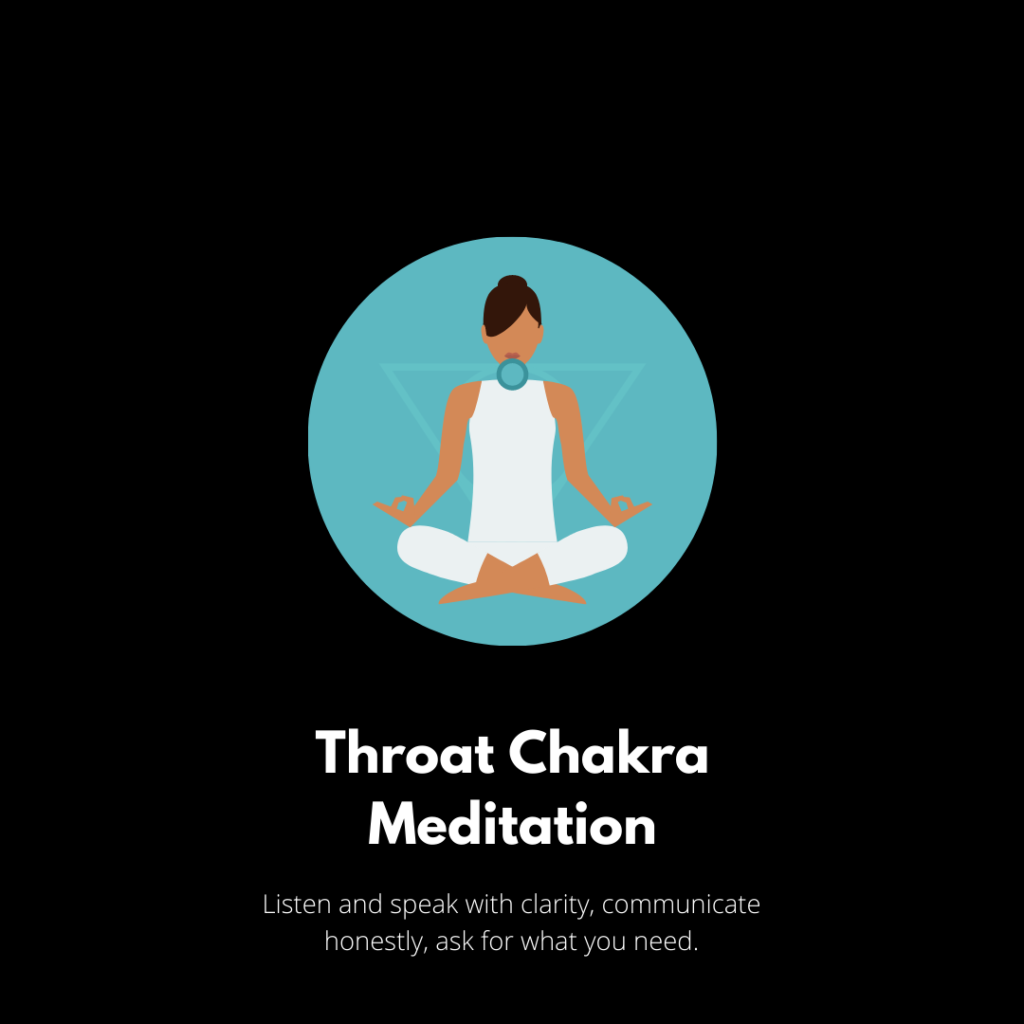
The throat chakra, also known as Vishuddha in Sanskrit, serves as a vital center for communication, self-expression, and authentic dialogue. Its health and balance significantly influence our ability to convey thoughts clearly, listen attentively, and express ourselves confidently. An imbalanced throat chakra may manifest as difficulties in speaking, fear of expressing oneself, or feelings of being unheard, which can impact both personal relationships and professional interactions.
Therefore, nurturing this energy center through meditation can lead to profound improvements in overall well-being and interpersonal connections.
Throat chakra meditation involves focusing attention on the throat area to activate, clear, and harmonize this energy center. It leverages visualization, breathwork, and affirmations to facilitate energetic flow and release blockages. Regular practice encourages a more authentic voice, increased self-confidence, and emotional clarity, enabling individuals to communicate with honesty and compassion. The foundational principle of this meditation is to create a safe mental space where expression is unencumbered, fostering growth in both personal and social spheres.
Benefits of Practicing Throat Chakra Meditation
Engaging in consistent throat chakra meditation offers numerous advantages that contribute to a balanced and healthy energetic system. Understanding these benefits can motivate individuals to incorporate this practice into their daily routine.
- Enhanced Communication Skills: Regular meditation helps in overcoming fears related to speaking, improving clarity, and fostering honest dialogue.
- Emotional Release and Clarity: Facilitates the release of emotional blockages stored in the throat area, leading to greater emotional transparency and inner peace.
- Confidence and Self-Expression: Strengthens the sense of authenticity, enabling one to express opinions and feelings without hesitation or self-doubt.
- Improved Listening Abilities: Encourages active listening by cultivating openness and attentiveness during conversations, which enhances relational dynamics.
- Physical Benefits: Can alleviate throat-related issues such as sore throats, laryngitis, or vocal tension, supporting overall respiratory and vocal health.
“A balanced throat chakra empowers you to speak your truth with confidence, fostering genuine connections and emotional integrity.”
Practicing throat chakra meditation consistently not only nurtures this vital energy center but also contributes to holistic well-being, enriching both inner harmony and external relationships. By centering your awareness on the throat region through focused meditation, you create a pathway for honest expression, active listening, and personal growth.
Understanding the Throat Chakra
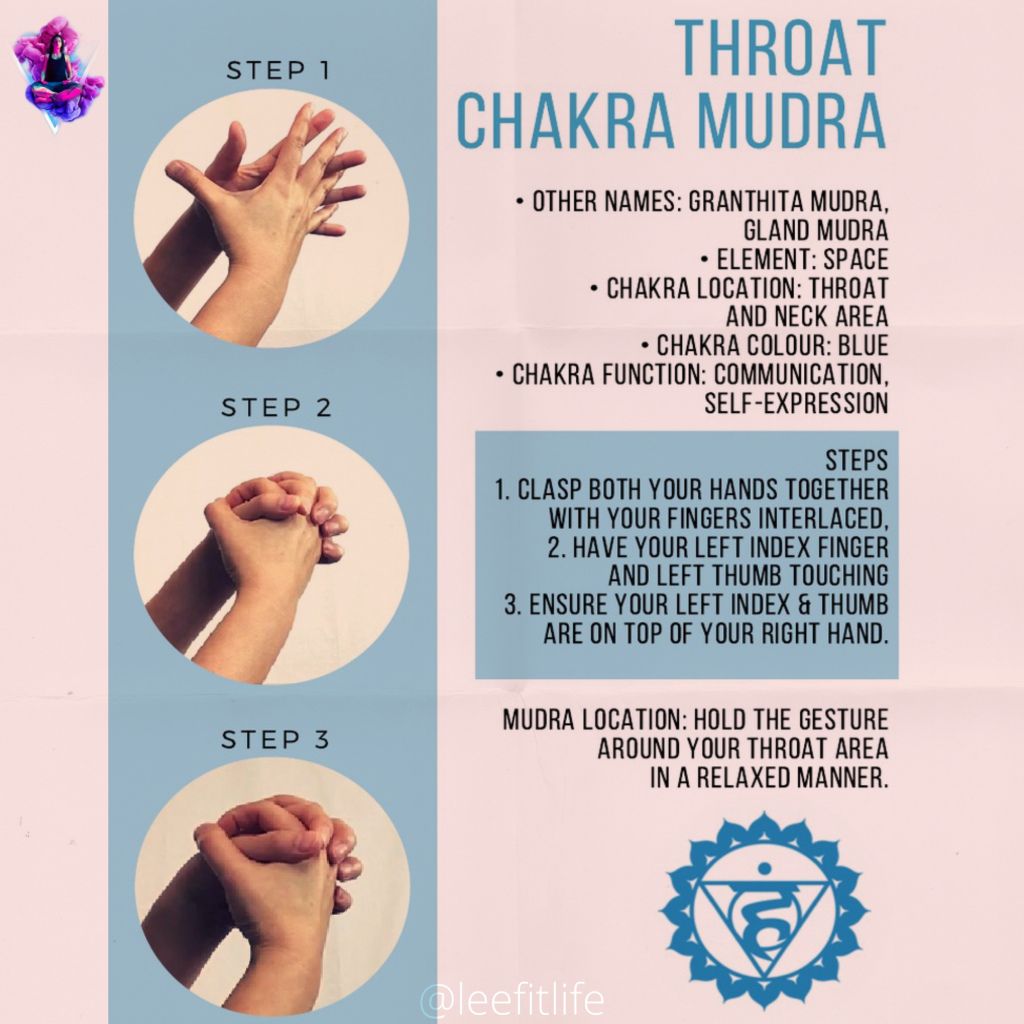
The throat chakra, known as Vishuddha in Sanskrit, is a vital energy center located at the throat region. It serves as the bridge between our inner thoughts and outward expression, influencing how we communicate, share our truths, and listen to others. Recognizing its significance helps us understand the importance of maintaining its balance for overall well-being and authentic self-expression.
This chakra is often associated with the color blue, symbolizing clarity, calmness, and truth. Its symbolism reflects the power of voice and communication—both verbal and non-verbal. When the throat chakra is balanced, it enables us to express ourselves openly and confidently, fostering genuine connections with others and allowing our inner voice to be heard clearly.
Location, Color, and Symbolism of the Throat Chakra
The throat chakra is situated at the center of the neck, precisely at the level of the thyroid gland. It is represented visually by a six-pointed blue lotus flower, often depicted with a downward-pointing triangle within the symbol, signifying the flow of energy between the body and the universe. The blue hue of this chakra embodies tranquility, communication, and truth, aligning with its role in facilitating honest and effective expression.
Common Imbalances or Blockages
Imbalances in the throat chakra can manifest in various physical, emotional, and mental symptoms. These blockages hinder the free flow of energy, leading to difficulties in communication and self-expression. Recognizing these signs enables individuals to address and restore balance effectively.
Physical symptoms of a blocked or imbalanced throat chakra may include:
- Sore throat or frequent throat infections
- Thyroid issues or swelling in the neck region
- Hoarseness or chronic cough
- Jaw tension or TMJ disorders
- Voice loss or difficulty articulating thoughts
Emotional and mental indicators include:
- Fear of speaking or expressing oneself
- Difficulty in articulating thoughts or feelings
- Fear of judgment or criticism
- Difficulty listening or being receptive to others
- Honesty issues or insincerity
Energy Flow and Its Influence on Communication and Expression
The energy of the throat chakra flows upwards and downwards through the neck region, creating a vibrant stream of vitality that governs our capacity for truthful communication. When this energy flows freely, individuals often experience a sense of clarity, confidence, and openness in their interactions. It facilitates authentic expression, allowing emotions, ideas, and truths to be conveyed effectively.
“A balanced throat chakra enables us to speak our truth with confidence and listen with genuine interest, fostering harmony in our relationships.”
Conversely, blockages can cause the energy to stagnate, resulting in feelings of suppression, misunderstanding, or miscommunication. This stagnation affects not only speech but also overall self-expression, creativity, and the ability to connect with others on a deeper level. Visualizing this energy as a flowing blue light can help in understanding its role: a smooth, oscillating stream that enhances clarity, authenticity, and heartfelt communication.
Preparing for Throat Chakra Meditation
Engaging in a successful throat chakra meditation requires creating an environment that nurtures relaxation, mindfulness, and openness. Proper preparation allows your mind and body to fully benefit from the practice, fostering clarity and harmony within the throat chakra. By setting the stage thoughtfully, you enhance your ability to connect deeply with the energy center and facilitate healing and self-expression.Establishing a calm and inviting space minimizes distractions and encourages a focused meditation session.
This preparatory phase involves selecting an environment that promotes tranquility and comfort, as well as gathering tools that can enhance your experience. Additionally, setting clear intentions prior to your meditation fosters a purposeful mindset, aligning your energy and attention with your goals for the practice.
Creating a Calming Environment
Creating a serene setting is fundamental to effective throat chakra meditation. A peaceful environment helps quiet the mind, reduce external disturbances, and deepen your meditative state. To achieve this, choose a quiet space where you are unlikely to be interrupted, such as a dedicated corner in your home, a private outdoor spot, or a tranquil room.Dim lighting or natural sunlight can significantly influence your mood and focus.
You may opt for low-wattage candles or soft lamps to create a gentle ambiance. Consider incorporating elements from nature, such as fresh flowers, potted plants, or a small indoor fountain, to promote a sense of harmony.Minimize noise by turning off electronic devices or using soothing background sounds. Soft instrumental music or nature sounds can further enhance the environment, helping you drift into a relaxed state more easily.
Recommended Items and Tools
Utilizing specific tools during meditation can deepen your connection with the throat chakra and elevate your practice. Here are some recommended items:
- Candles: Unscented or lightly scented candles, preferably made from natural wax, create a warm, calming atmosphere. The flickering flame can aid in concentration and serve as a focal point.
- Singing Bowls: A Tibetan or crystal singing bowl tuned to the frequency associated with the throat chakra (approximately 741 Hz) can be played gently to induce a meditative state and resonate with the chakra’s energy.
- Essential Oils: Aromatherapy with essential oils such as eucalyptus, peppermint, or frankincense can invigorate or soothe the throat area. Use a diffuser or apply diluted oils to pulse points to enhance the sensory experience.
- Incense or Smudging Bundles: Burning sage, palo santo, or other sacred herbs can cleanse the space of negative energies, creating a pure environment for your practice.
- Comfortable Seating: A meditation cushion, chair, or blanket ensures physical comfort, which supports maintaining stillness and focus throughout the session.
Setting Intentions for Your Practice
Prior to beginning your meditation, establishing clear intentions helps channel your energy and focus. Intentions serve as a guiding purpose, aligning your mindset with the healing and expressive qualities of the throat chakra. Reflect on what aspect of your communication or self-expression you wish to improve or strengthen.Write down your intentions on a small card or simply state them silently in your mind.
For example, you might focus on cultivating truthful communication, enhancing your listening skills, or releasing fears related to speaking your truth. Visualize these intentions as already being fulfilled, creating a positive and receptive state of mind.Some practitioners find it helpful to incorporate affirmations, such as “I speak my truth with clarity and confidence” or “My voice is an authentic expression of who I am.” Repeating these affirmations during your preparation phase reinforces your focus and encourages a receptive attitude during the meditation itself.
Step-by-Step Guided Meditation for Throat Chakra
Embarking on a guided meditation session focused on the throat chakra involves a series of deliberate steps designed to activate and balance this vital energy center. A structured approach ensures that practitioners can deepen their awareness, foster clear communication, and express their authentic selves with confidence. The following procedure offers detailed guidance to facilitate an effective and calming meditation experience.
This step-by-step process combines breathing techniques, visualization practices, and affirmations to enhance the meditative process. Incorporating these elements thoughtfully can help in releasing blockages and promoting harmony within the throat chakra, ultimately supporting better self-expression and emotional clarity.
Guided Meditation Procedure
| Step | Tools Needed | Tips | Additional Notes |
|---|---|---|---|
| Preparation and Centering | Comfortable chair or cushion, quiet space | Ensure a quiet environment with minimal distractions. Sit upright with a straight spine to facilitate energy flow. | Begin with a few gentle stretches if needed to relax the neck and shoulders. |
| Deep Breathing Exercise | None | Inhale slowly through the nose, filling the lungs completely; exhale gently through the mouth or nose. Focus on the breath flowing in and out. | Use diaphragmatic breathing to deepen relaxation. |
| Visualization of Blue Light | Optional: visualization guide or descriptive imagery | Imagine a vibrant blue light emanating from the throat area, expanding with each breath. Feel this light cleansing and energizing the chakra. | Picture the light as clear, luminous, and soothing, fostering a sense of calm and clarity. |
| Chanting or Affirmations | None or soft background music | Repeat affirmations softly or silently, such as “I speak my truth” or “My voice is clear and authentic.” | Focus on the vibration of the words, feeling their resonance in your throat area. |
| Focus and Deepening the Meditation | None | Maintain gentle attention on the throat area and the sensations of breathing. If your mind wanders, gently redirect it back to your visualization and affirmations. | Use mental notes or gentle touch to remind yourself to stay present. |
| Closing the Session | Optional: a bell or chime | Gradually bring awareness back to the surroundings, deepen the breath, and express gratitude for the practice. | Stretch lightly and remain seated for a moment before resuming daily activities. |
For optimal results, practice this guided meditation daily or several times a week, gradually enhancing your ability to communicate with authenticity and confidence.
Maintaining focus throughout the session can be supported by gently acknowledging distractions without judgment and returning attention to the visualization and affirmations. Deepening the experience involves prolonging the visualization, increasing awareness of bodily sensations, and integrating positive intentions into daily communication efforts.
Specific Techniques and Practices

Activating and balancing the throat chakra can be effectively achieved through various specialized techniques. These practices are designed to stimulate energy flow, promote self-expression, and enhance clarity in communication. Incorporating these methods into your meditation routine can deepen your connection to this vital energy center and facilitate healing and growth.
Each technique targets different aspects of the throat chakra, whether through sound, visualization, affirmations, or physical movements. Combining these practices can lead to more comprehensive benefits, fostering a sense of openness, authenticity, and confidence in your personal expression and communication skills.
Chanting, Humming, and Sound Therapy
Sound has a profound influence on energy centers and can be used as a powerful tool to activate the throat chakra. Chanting, humming, and sound therapy work by resonating with the vibrational frequencies of the chakra, promoting energetic balance and clearing blockages.
- Chanting Mantras: Recite specific mantras such as “Ham” or “Vam” that correspond to the throat chakra. These sounds vibrate directly within the area, stimulating energy flow.
- Humming: Inhale deeply and hum softly on exhalation, focusing the vibration in the throat region. Repeat for several minutes to enhance resonance and clear energetic stagnation.
- Sound Therapy Sessions: Use tuning forks, singing bowls, or recorded sound baths centered around the frequency associated with the throat chakra (typically around 342 Hz). These sounds help re-tune the chakra’s vibrational energy.
Regular engagement with sound practices can dissolve energetic blockages, elevate the frequency of the throat chakra, and improve self-expression and communication skills.
Color Visualization, Affirmations, and Mantra Recitations
Visualization, affirmations, and mantra recitations are mental and verbal practices that reinforce positive energies associated with the throat chakra. They serve to enhance awareness and cultivate a sustained energetic shift.
- Color Visualization: Imagine a vibrant blue light at the throat area, expanding and brightening with each breath. Visualizing this color helps activate and purify the chakra’s energy, fostering clarity and truthfulness.
- Affirmations: Repeat affirmations such as “I express myself clearly and confidently,” or “My voice is heard and respected.” These statements reinforce positive communication traits and boost self-trust.
- Mantra Recitations: Chant mantras like “Hum” or “Ham” aloud or silently, focusing on the vibrations and their effects on the throat chakra. Consistent recitation can deepen energetic activation and align the chakra’s flow.
Consistent practice of visualization and verbal affirmations cultivates a sense of authenticity, improves communication, and supports emotional healing within the throat chakra.
Physical Movements and Postures
Physical practices aimed at supporting the throat chakra involve movements and postures that open, stretch, and strengthen the neck, shoulders, and jaw areas. These actions facilitate energy flow and release tension that may hinder chakra balance.
- Neck and Shoulder Rolls: Gently roll your neck and shoulders to release physical tension, which can obstruct energy flow to the throat area.
- Jaw Exercises: Open and close the jaw slowly, or perform gentle side-to-side movements to relax jaw muscles. Tension in the jaw can block authentic expression.
- Throat Stretches: Perform gentle stretches like tilting the head back slightly or extending the neck forward to promote openness and vitality in the throat region.
- Posture Alignment: Maintain an upright, relaxed posture during meditation and daily activities. Proper alignment encourages energetic balance and allows free flow through the throat chakra.
Incorporating physical movements and postures into your practice enhances energetic circulation, alleviates physical and emotional blockages, and supports expressive freedom.
Incorporating Breathwork and Visualization
Engaging in specific breathing exercises and visualization techniques can significantly enhance the effectiveness of your throat chakra meditation. These practices help deepen your connection to the energy center, promote emotional clarity, and facilitate truthful self-expression. By integrating mindful breathwork and vivid imagery into your meditation, you create a powerful tool for balancing and opening the throat chakra, fostering authentic communication and inner harmony.Breathwork and visualization are essential components that complement meditative focus, allowing you to actively direct energy to the throat area.
These techniques can be tailored to individual needs, whether seeking to release tension, boost confidence, or cultivate clarity. When practiced consistently, they serve as valuable aids in maintaining the vibrancy and openness of your throat chakra.
Breathing Exercises for Throat Chakra Opening
Effective breathwork exercises facilitate the flow of prana or life energy through the throat chakra, helping to clear stagnation and promote energetic balance. Here are key techniques specifically suited for this purpose:
- Ujjayi Breath (Victorious Breath): This diaphragmatic breathing technique involves constricting the back of the throat slightly to create a gentle hissing sound during inhalation and exhalation. It enhances focus, calms the nervous system, and stimulates the throat area.
Inhale deeply through your nose, constricting the throat slightly to produce a soft hissing sound. Exhale slowly, maintaining the same constriction, allowing energy to flow smoothly through the throat region.
- Alternate Nostril Breathing (Nadi Shodhana): This balancing practice harmonizes energy channels, calming the mind and opening the throat chakra. It involves inhaling through one nostril while closing the other, then switching sides during exhalation.
Use your thumb and ring finger to alternately close each nostril, inhaling and exhaling slowly and evenly to promote clarity and energetic balance.
- Feathered Breathing: Inhale deeply, imagining drawing in a soothing blue light, and then exhale slowly, visualizing releasing tension and negativity. This technique emphasizes smooth, controlled breaths to foster openness.
As you breathe, envision a gentle blue light entering your throat, filling it with clarity. With each exhale, imagine releasing any blockages, making space for truthful expression.
Visualization Techniques for Throat Chakra Activation
Visualization enhances the effectiveness of breathwork by engaging the mind’s eye to evoke powerful imagery that stimulates the throat chakra. These mental images reinforce intentions of clarity, truthfulness, and self-expression, creating a multisensory experience that supports energetic flow.Visualization allows practitioners to represent abstract ideas like clarity and communication through vivid, symbolic imagery. By consistently integrating these visualizations into meditation, individuals can cultivate a sense of empowerment and authenticity.
Imagery of Blue Light and Clarity
A common and potent visualization involves imagining a radiant blue light enveloping the throat area. This imagery symbolizes purity, communication, and truth, resonating deeply with the throat chakra’s vibrational frequency.Visualize the blue light as a luminous sphere, pulsating gently with your breath. With each inhale, imagine this sphere expanding and intensifying, filling your entire throat with calming energy. During exhalation, see the light radiating outward, carrying your truthful intentions into the world.
Sample Script for Guided Visualization
Use this script to guide your mental imagery during meditation:
“As I breathe deeply, I see a beautiful, clear blue light at the center of my throat. With each inhale, this light grows brighter, more vibrant, and expands outward, filling every corner of my throat and neck with luminous energy. I feel a sense of openness and clarity forming within me. During the exhale, I release any doubts, fears, or tension, watching the blue light radiate outward and dissolve any blockages. I am aligned with my truth, and my voice is free and authentic.”
Seamless Integration into Meditation Practice
To incorporate visualizations seamlessly, begin your meditation with focused breathwork to calm the mind and prepare the energetic channels. Once centered, introduce the visualization by gradually imagining the blue light or related imagery, synchronizing it with your breath.Maintain awareness of your breath and imagery throughout the session, allowing the visualizations to deepen naturally. When concluding, gently fade the imagery while grounding yourself, ensuring that the energetic benefits persist beyond the meditation.Incorporating these techniques regularly will strengthen your connection to the throat chakra, fostering honest communication, self-expression, and emotional release.
Consistent practice creates a foundation of clarity and confidence that can extend into daily life, enriching your relationships and personal growth.
Enhancing Meditation with Sound and Mantras
Integrating sound and mantras into your throat chakra meditation can deepen your experience, amplify energetic shifts, and promote clearer communication and self-expression. Specific vibrations and spoken affirmations help activate the throat chakra more effectively, aligning your energetic field with your intentions for authenticity and clarity. By consciously using sound, you can transcend mental barriers, release blockages, and foster a sense of harmony within your vocal energy centers.
Utilizing sound and mantras involves not only repeating specific words or phrases but also tuning into their vibrational qualities. When combined with focused breathwork and visualization, these practices can significantly enhance your meditation, fostering a profound connection with the throat chakra’s qualities of expression, truth, and communication. Below, we explore key techniques, examples, pronunciation guidelines, and a comparative table of sounds and their effects.
Throat Chakra Affirmations and Mantras
Affirmations and mantras tailored to the throat chakra are powerful tools for fostering clarity, self-expression, and authenticity. Repeating these affirmations during meditation helps imprint positive intentions and energetically clear any blockages in the throat area. It is important to pronounce these words clearly and with intention to maximize their vibrational impact.
Sample throat chakra affirmations:
“I speak my truth with clarity.”
“My voice is heard and valued.”
“I express myself freely and authentically.”
“I communicate with confidence and compassion.”
“My words are aligned with my highest good.”
When pronouncing mantras, focus on their phonetic accuracy, as correct pronunciation enhances resonance and energetic effectiveness. Take your time to articulate each syllable consciously, feeling the vibration move through your throat and chest. Incorporating these affirmations and mantras into your meditation sessions can create a powerful vibrational shift, unlocking your ability to communicate with authenticity and confidence.
Pronunciation and Integration of Mantras
Proper pronunciation of mantras is essential for their effectiveness. Each sound has a specific vibrational frequency that interacts with the energy of the throat chakra. To incorporate mantras into your meditation:
- Begin by taking deep, calming breaths to center yourself.
- Close your eyes and focus on the area of the throat.
- Silently or softly vocalize the chosen mantra, paying close attention to each syllable.
- Feel the vibration traveling through your throat, neck, and chest as you repeat the sound.
- Maintain this practice for several minutes, allowing the vibrations to resonate and clear blockages.
Repeat the mantra as often as feels comfortable, maintaining a steady and mindful rhythm. You can silently recite during meditation or softly chant aloud, depending on your preference and setting. Consistent practice enhances vibrational alignment and encourages openness in communication and self-expression.
Comparison of Sounds and Mantras for the Throat Chakra
| Sound/Mantra | Pronunciation | Effects and Benefits |
|---|---|---|
| HAM (हं) | /huhm/ | Resonates directly with the throat chakra, promoting communication, self-expression, and releasing fear of speaking. |
| “I speak my truth” | N/A (affirmation) | Builds confidence, encourages honesty, and aligns speech with personal authenticity. |
| “Om” (ओं) | /ohm/ | Universal sound that harmonizes all chakras, helps in grounding energy, and facilitates inner peace and clarity. |
| VAS (वस्) | /vuhs/ | Activates the throat area, enhancing vocalization, self-expression, and clarity of thought. |
| “Speak with clarity” | N/A (affirmation) | Encourages precise and honest communication, reduces misunderstandings, and fosters authenticity. |
Incorporating these sounds and affirmations into your meditation routine can significantly deepen your connection with the throat chakra. Regular practice can lead to more authentic self-expression, improved communication skills, and a greater sense of inner harmony.
Creating a Consistent Practice Routine
Establishing a regular meditation routine focused on the throat chakra is essential for experiencing meaningful progress and integrating the practice into daily life. Consistency helps strengthen the energetic pathways associated with self-expression, communication, and inner clarity, fostering a deeper connection to your authentic voice over time. Developing a disciplined approach not only supports spiritual growth but also enhances overall well-being and confidence in daily interactions.Maintaining a steady schedule allows you to observe subtle shifts in your communication skills, self-assurance, and emotional balance.
Regular practice also helps embed the meditation into your lifestyle, making it a natural and rewarding habit. While establishing discipline, it is equally important to remain flexible and compassionate with yourself, recognizing that consistency is a gradual process built on patience and commitment.
Establishing Daily or Weekly Meditation Schedules
Creating a realistic and sustainable timetable is crucial for long-term success. Consider your daily commitments and select specific times that are likely to be free from interruptions, such as early mornings, lunch breaks, or evening hours before sleep. Starting with just 5 to 10 minutes per session can be effective, gradually increasing the duration as your routine becomes ingrained. For those with busier schedules, incorporating shorter sessions multiple times a day can be equally beneficial.To reinforce commitment, set reminders or alarms, and create a dedicated meditation space that is calm and free from distractions.
Consistency over time fosters a sense of discipline, making meditation a natural part of your daily rhythm. For weekly routines, designate specific days for longer sessions or themed practices, such as incorporating sound or visualization techniques.
Tracking Progress and Recognizing Improvements
Monitoring your journey provides motivation and insights into how your throat chakra meditation impacts your life. Keeping a journal or digital log helps you record your experiences, noting subtle shifts in your ability to express yourself clearly, confidence levels, or emotional releases. Documenting these changes over weeks or months reveals patterns and encourages persistence.Pay attention to practical signs of progress such as increased ease in communicating your needs, reduced fear of speaking up, or enhanced listening skills.
Feedback from trusted friends or colleagues who notice your improved confidence can serve as external validation of your growth. Regular reflection on your experiences sustains motivation and highlights the transformative effects of dedicated practice.
Overcoming Challenges and Maintaining Motivation
Common obstacles include busy schedules, waning enthusiasm, or feelings of stagnation. Address these by setting achievable goals, such as committing to a specific number of sessions per week, and celebrating small victories along the way. Incorporate variety into your practice to keep it engaging, such as adding sound healing, chanting, or movement elements.Developing a supportive community or accountability partner can provide encouragement and shared motivation.
Remember that setbacks are normal; patience and gentle self-compassion are key to overcoming frustrations. Revisit your initial intentions and recognize the benefits you have already experienced to renew your dedication.
Integrating Throat Chakra Meditation into Daily Activities
To deepen the effects of your practice, incorporate simple mindfulness and vocal exercises into routine activities:
- Perform breathing and visualization techniques during breaks at work to maintain energetic flow.
- Use affirmations or mantras related to truthfulness and clarity while commuting or doing household chores.
- Engage in spontaneous vocal expressions, such as humming or singing, to activate throat energy throughout the day.
- Practice mindful listening in conversations, consciously aiming to understand and connect more deeply.
- Set intentions before meetings or important interactions to foster confident and authentic communication.
Embedding these practices into daily life ensures that the work done during meditation sessions continues to influence your overall sense of self-expression and inner truth.
Additional Resources and Support
Engaging with supplementary materials and community practices can significantly enhance your throat chakra meditation journey. These resources offer varied approaches, deepen your understanding, and provide ongoing support to maintain a balanced and energized throat chakra. Exploring a range of tools ensures that your practice remains inspiring, accessible, and effective over time.A well-rounded approach to throat chakra healing often combines meditation with other holistic modalities.
Accessing reputable reading materials, guided recordings, and engaging with supportive communities can foster a more profound and sustained healing experience.
Recommended Reading Materials, Guided Recordings, and Apps
The availability of diverse resources allows practitioners to deepen their knowledge and sustain motivation through accessible and engaging tools:
- Books: Titles such as “The Chakras” by C. W. Leadbeater or “Wheels of Life” by Anodea Judith offer comprehensive insights into chakra theories, including practical exercises tailored for the throat chakra.
- Guided Meditation Recordings: Audio tracks available on platforms like Insight Timer, Calm, or Gaia are designed specifically to activate and balance the throat chakra, often incorporating affirmations, visualization, and sound therapy.
- Mobile Applications: Apps such as Chakra Meditations, Mindfulness, or specific throat chakra-focused programs provide structured daily practices, progress tracking, and customizable sessions suitable for all levels.
These resources foster accessibility, allowing practitioners to meditate anytime and anywhere, thus integrating chakra work into busy lifestyles.
Community and Group Practices
Participating in community or group practices fosters shared energy, accountability, and collective healing. These group settings can range from local meditation circles to online forums and workshops:
- Local Meditation Groups: Join community centers or wellness centers that host regular chakra meditation sessions, providing real-time guidance and peer support.
- Online Communities: Platforms like Facebook groups, dedicated forums, or social media pages enable connection with individuals globally who are committed to chakra work, sharing experiences, tips, and encouragement.
- Workshops and Retreats: Attending chakra-focused retreats or workshops offers immersive experiences, often combining meditation with other holistic therapies, allowing for deeper insight and transformation.
Engaging in these group practices often amplifies individual efforts through collective energy, fostering motivation and a sense of belonging.
Holistic Approaches Complementing Meditation
Integrating meditation with other holistic modalities enhances the overall effectiveness of throat chakra healing. These approaches address the physical, emotional, and energetic dimensions of well-being:
- Yoga: Specific yoga poses such as Fish Pose (Matsyasana), Shoulderstand (Sarvangasana), and Fish Pose stimulate the throat area, release tension, and promote energetic flow, complementing meditation practices.
- Energy Healing: Techniques like Reiki, Pranic Healing, or crystal healing can clear blockages and reinforce energetic balance in the throat chakra, supporting meditative efforts through physical and energetic alignment.
- Voice and Sound Therapy: Chanting, singing, or toning exercises activate the throat area directly, facilitating emotional release and self-expression, which synergize with meditation sessions.
Combining these modalities creates a comprehensive approach that nurtures the throat chakra on multiple levels, promoting holistic healing and balanced communication.
Final Thoughts
Incorporating regular meditation for the throat chakra can significantly enhance your communication skills and emotional honesty. Through consistent practice, you will notice improved confidence, clarity in speech, and a greater sense of inner truth. Remember that patience and dedication are key to unlocking the full potential of this energy center. Embrace these tools and techniques to foster authentic connection and personal growth in your daily life.