Mastering how to meditate for concentration can significantly enhance mental focus and clarity, serving as a valuable tool for achieving better productivity and inner calm. Incorporating meditation into daily routines offers a simple yet effective way to sharpen the mind amidst busy schedules and mental clutter.
This comprehensive guide explores practical methods, preparation tips, breathing exercises, and strategies to maintain consistency, empowering you to deepen your meditation practice and improve your concentration skills effectively.
Introduction to Meditation for Concentration

Meditation has long been recognized as a powerful tool for enhancing mental focus and clarity. In an age where distractions are abundant and attention spans are often limited, cultivating concentration through meditation offers a practical and effective approach to improving cognitive function. Regular practice helps individuals develop the ability to sustain attention on a task, reduce mental fatigue, and foster a calmer state of mind that is conducive to learning and productivity.
Integrating meditation into daily routines can significantly benefit those seeking to sharpen their focus, whether for academic pursuits, professional responsibilities, or personal development. Consistent meditation practice not only boosts concentration but also enhances overall mental resilience and emotional stability. As many practitioners discover, even a few minutes of mindful meditation each day can lead to noticeable improvements in their ability to stay attentive and manage stress effectively.
Benefits of Meditation for Daily Concentration
Adopting meditation as part of daily life offers numerous advantages that directly impact concentration and mental performance. These benefits include:
- Enhanced attention span, enabling sustained focus on complex tasks or projects
- Improved cognitive flexibility, allowing easier transitions between different activities
- Reduction in mental clutter, leading to clearer thinking and decision-making
- Decreased stress and anxiety levels, which often interfere with concentration
- Strengthening of neural pathways associated with attention and executive function
Research indicates that even brief meditation sessions, lasting as little as ten minutes, can produce measurable improvements in attention and working memory. For example, students who incorporate mindfulness meditation into their study routines report better concentration during lectures and exams, while professionals experience increased productivity and focus during demanding work periods.
Common Misconceptions about Meditation Practices
Despite its growing popularity, several misconceptions about meditation persist, which can hinder its adoption or lead to unrealistic expectations. Clarifying these myths is essential for effective practice:
“Meditation is merely about clearing the mind of all thoughts.”
In reality, meditation involves observing thoughts without attachment or judgment, rather than forcing a completely empty mind. It is a skill that develops over time, emphasizing awareness and acceptance rather than suppression.
“You need a special environment or extensive time to meditate effectively.”
Effective meditation can be practiced anywhere and for short durations, making it accessible to busy individuals. Even a few minutes in a quiet corner or during a break at work can yield benefits.
“Meditation is only for spiritual or religious purposes.”
This misconception overlooks the scientific and psychological advantages of meditation, which are applicable regardless of personal beliefs. Meditation is a secular practice that supports mental health, focus, and overall well-being.
Preparing for Meditation
Creating an optimal environment and establishing clear intentions are fundamental steps to ensure a successful meditation session focused on concentration. Proper preparation helps eliminate distractions, fosters a sense of calm, and primes the mind for deeper focus, yielding more effective and fulfilling meditation experiences.
By thoughtfully setting the stage and clarifying goals, practitioners can significantly enhance their ability to maintain attention and cultivate a tranquil mental state during meditation. The following guidelines Artikel essential steps to prepare effectively for each session.
Creating an Optimal Meditation Environment
Establishing a dedicated space that minimizes external disturbances is crucial for achieving mental clarity and sustained concentration. The environment should be quiet, comfortable, and free from interruptions, allowing the practitioner to fully immerse in the practice.
- Choose a quiet location, away from household noise, traffic, or other sources of disturbance. If necessary, use curtains or soundproofing techniques to reduce ambient noise.
- Ensure the space has comfortable temperature and lighting. Soft, natural light or dim, warm lighting fosters relaxation without causing sleepiness.
- Designate a specific corner or area solely for meditation to condition the mind to associate this space with calm and focus.
- Avoid clutter in the meditation space, as visual distractions can hinder concentration. Keep the area tidy and simple.
Maintaining a consistent environment for meditation enhances familiarity and helps the mind associate the space with a focused state, making it easier to enter meditation with minimal preparation over time.
Selecting Appropriate Meditation Tools or Props
Using specific tools or props can support comfort and stability during meditation, especially for longer sessions. The right equipment alleviates physical discomfort and promotes better posture, which in turn aids concentration.
Consider the following options to enhance your practice:
- Cushion or Meditation Mat: Provides a comfortable seat that supports an upright posture, reducing strain on the back and legs. Cushions can be tailored in height according to individual flexibility.
- Chair: An alternative for those with mobility issues or discomfort sitting on the floor. Ensure the chair allows feet to rest flat on the floor and supports an erect posture.
- Timer: Helps manage session duration without the need to check clocks repeatedly, allowing the practitioner to focus entirely on meditation. Use soft alarms to avoid startle responses at the end.
- Blanket or Shawl: Keeps the body warm and comfortable, especially in cooler environments, preventing discomfort that could distract from focus.
Using supportive props not only enhances comfort but also signals to your mind that it’s time to enter a focused state, reinforcing the meditation routine.
Setting Intentions or Goals Before Meditation
Clarifying your purpose and intentions prior to each session anchors your practice and fosters a sense of direction. Well-defined goals help maintain motivation and bring clarity to your concentration efforts.
Steps to effectively set intentions include:
- Identify a specific focus for the session, such as cultivating calmness, sharpening attention, or observing thoughts without attachment.
- Formulate a simple, affirmative statement or affirmation that encapsulates your goal. For example, “Today, I aim to observe my breath with gentle awareness.”
- Take a few moments before beginning to breathe deeply and repeat your intention mentally, establishing a mental anchor for the practice.
- Maintain your intention throughout the meditation, gently redirecting your focus to it whenever your mind wanders.
Setting a clear and achievable goal at the outset of each session elevates mindfulness and concentration, providing a sense of purpose that sustains your effort during challenging moments.
Techniques for Meditation to Improve Concentration

Enhancing concentration through meditation involves practicing specific techniques tailored to focus the mind and cultivate mental clarity. Each method offers unique benefits and can be adapted to individual preferences and lifestyles. Understanding the distinct features of these techniques helps practitioners choose the most effective approach for their goals.
The following section Artikels various meditation methods designed to boost your ability to concentrate, compares guided and silent practices, and provides practical, step-by-step instructions to incorporate them into your routine.
Different Meditation Techniques for Focus Enhancement
| Technique | Key Features | Ideal For | Duration |
|---|---|---|---|
| Focused Attention Meditation | Gently directs attention toward a specific object, such as a candle flame, a visual object, or a sound. | Developing sustained attention and minimizing distractions. | 10-20 minutes per session |
| Breath Awareness Meditation | Centers on observing the natural flow of breath, noting inhalations and exhalations without controlling them. | Reducing mental clutter and promoting relaxation. | 10-30 minutes, daily |
| Mantra Repetition | Involves silently or aloud repeating a word, phrase, or sound to anchor the mind. | Enhancing focus and cultivating mental stability. | 15-20 minutes; can be longer for advanced practitioners |
Each technique serves to train the mind to maintain focus for extended periods, ultimately improving overall concentration. Selecting a method that resonates personally can lead to more consistent and effective practice.
Comparison of Guided and Silent Meditation Approaches
In the realm of meditation for concentration, practitioners often choose between guided sessions and silent practice. Both approaches have unique advantages that cater to different learning styles and goals.
Guided meditation: Involves listening to a recorded or live instructor who leads you through the meditation process, often including visualizations, instructions, and prompts. It provides structure and support, especially for beginners or those who prefer external guidance.
Silent meditation: Entails practicing without external input, relying solely on your inner awareness. It encourages deeper self-reliance and introspection, which can foster stronger concentration skills over time.
Guided meditation is particularly beneficial when starting out, as it helps establish routines and clarifies the technique. Conversely, silent meditation offers a quiet space for internal focus, making it ideal for experienced practitioners seeking to deepen their concentration and awareness.
Step-by-Step Guide for Practicing Each Technique Effectively
Focused Attention Meditation
- Choose a focal point, such as a candle flame, a visual object, or a specific sound.
- Sit comfortably with a straight spine and relaxed shoulders.
- Close your eyes or soften your gaze on your chosen object.
- Begin to gently direct your attention toward the object, noticing its details without judgment.
- If your mind wanders, gently bring your focus back to the object without frustration.
- Maintain this practice for the desired duration, gradually increasing as your concentration improves.
Breath Awareness Meditation
- Find a quiet, comfortable place to sit, ensuring your back is straight and relaxed.
- Close your eyes softly or keep a gentle gaze downward.
- Begin to observe your natural breathing pattern, paying attention to the sensation of the breath entering and leaving your nostrils or the rise and fall of your chest or abdomen.
- If your mind drifts to other thoughts, acknowledge them without attachment and return your focus to your breath.
- Practice for 10 to 30 minutes, gradually extending the duration as you become more accustomed to maintaining focus on your breath.
Mantra Repetition
- Select a calming, meaningful word or phrase, such as “peace” or “calm.”
- Sit comfortably with your back straight and shoulders relaxed.
- Close your eyes and take a few deep breaths to settle into the practice.
- Begin silently repeating your mantra at a steady pace, aligning it with your breathing if desired.
- If your attention wavers, gently bring it back to repeating the mantra without self-criticism.
- Continue for the planned duration, aiming for consistency daily to develop stronger concentration skills.
Regular practice of these techniques, whether guided or silent, can significantly enhance your ability to sustain attention, reduce mental distractions, and cultivate a focused mind. Integrating them into your daily routine establishes a foundation for improved concentration in various aspects of life.
Breathing Exercises to Boost Concentration

Effective breathing techniques serve as powerful tools to enhance mental clarity, focus, and overall calmness during meditation sessions. Incorporating specific breathing exercises can significantly improve concentration, making meditation more productive and fulfilling. These methods help regulate the nervous system, reduce stress, and sharpen mental acuity.
By consciously controlling breath patterns, practitioners can establish a state of deep relaxation and heightened awareness. This not only cultivates a focused mind but also stabilizes emotions, allowing for a more profound meditation experience. Below are some of the most effective breathing exercises that can be seamlessly integrated into meditation routines to boost concentration.
Diaphragmatic Breathing
Diaphragmatic breathing, also known as deep belly breathing, encourages full oxygen exchange and promotes relaxation. It involves engaging the diaphragm fully, which enhances lung capacity and reduces rapid, shallow breathing often associated with anxiety or stress.
- Find a comfortable seated or lying position, ensuring the spine is straight.
- Place one hand on your chest and the other on your abdomen, just below the ribcage.
- Inhale slowly through your nose, directing the breath deep into your abdomen so that the hand on your stomach rises while the chest remains relatively still.
- Pause briefly at the top of the inhalation.
- Exhale slowly and completely through your mouth or nose, feeling the abdomen fall and the hand beneath it lower.
- Repeat this cycle for 5-10 minutes, focusing attention on the sensation of the breath and the movement of the diaphragm.
Integrating diaphragmatic breathing into meditation can help anchor the mind to the present moment, fostering concentration and calming the nervous system.
Box Breathing
Box breathing, also called four-square breathing, is a structured technique that involves equal counts for inhalation, retention, exhalation, and retention again. It creates a rhythmic pattern that stabilizes mental focus and induces a sense of control and tranquility.
- Begin by inhaling slowly through your nose for a count of four.
- Hold your breath at the top of the inhalation for a count of four.
- Exhale gradually through your mouth or nose for a count of four.
- Pause and hold your breath at the bottom for a count of four.
- Repeat the cycle for several minutes, maintaining an even and steady pace.
This technique is particularly effective during periods of mental fatigue or stress, as it resets focus and reduces anxiety. When integrated into meditation, box breathing enhances mental clarity and concentration by promoting a balanced nervous system response.
Alternate Nostril Breathing
Alternate nostril breathing, or Nadi Shodhana, is a yogic practice that balances the left and right hemispheres of the brain. It is renowned for calming the mind, improving focus, and fostering emotional stability.
- Sit comfortably with the spine upright and shoulders relaxed.
- Use your right thumb to gently close your right nostril.
- Inhale slowly and deeply through the left nostril.
- Close the left nostril with your right ring finger, releasing the right nostril.
- Exhale slowly through the right nostril.
- Inhale through the right nostril, then close it off with your thumb.
- Open the left nostril and exhale through it.
- This completes one cycle. Continue alternating nostrils for 5-10 minutes.
Practicing alternate nostril breathing during meditation can significantly enhance mental focus by harmonizing the flow of energy within the nervous system, leading to increased calmness and clarity.
Integrating Breathing Exercises into Meditation Sessions
To maximize the benefits of these breathing techniques, they should be integrated thoughtfully into meditation routines. Begin by choosing a method suited to your current state—diaphragmatic breathing for relaxation, box breathing for focus, or alternate nostril breathing for balance.
Set aside a few minutes at the start or midpoint of your meditation session to practice the selected breathing exercise. Focus entirely on the breath patterns, paying attention to sensations and the rhythm of your breathing. Avoid forcing the breath; instead, aim for gentle, smooth, and controlled movements.
As you become more familiar with these techniques, you can extend the duration or incorporate them into longer sessions, gradually building your capacity for sustained concentration and mental calmness. Regular practice of breathing exercises helps develop a resilient focus that supports deeper meditation and enhances overall mindfulness.
Impact of Breathing Techniques on Mental Focus and Calmness
By consciously manipulating breathing patterns, practitioners influence the autonomic nervous system, which regulates stress responses and relaxation. Slow, deliberate breathing activates the parasympathetic branch, promoting calmness, reducing heart rate, and lowering cortisol levels.
The physiological effects of these techniques translate directly into improved mental focus. When the body is relaxed and stress levels are minimized, cognitive functions such as attention, memory, and problem-solving are enhanced. Additionally, rhythmic breathing fosters mindfulness, anchoring the mind in the present moment and reducing distractions.
Research indicates that regular practice of breathing exercises leads to increased alpha brainwave activity, associated with states of relaxed alertness. This state is ideal for meditation, as it combines mental clarity with emotional stability, thereby significantly boosting concentration skills over time.
Tips for Maintaining Consistency and Progress
Maintaining a regular meditation practice focused on improving concentration requires dedication, planning, and self-awareness. Establishing consistent routines and tracking progress can significantly enhance your ability to sustain this beneficial habit over time. This section provides practical tips to help you stay committed and monitor your development effectively.Consistent meditation habits foster neural pathways associated with focus and mental clarity. Without regular practice, the benefits of meditation may diminish, and maintaining concentration can become more challenging.
Implementing strategies to reinforce consistency ensures that meditation remains a sustainable part of your daily routine, leading to steadily improved attention span and mental resilience.
Establishing Daily Routines and Schedules
Consistency in meditation practice is rooted in integrating it seamlessly into daily life. Creating a structured routine minimizes the chances of neglecting practice due to busy schedules or distractions.
- Designate a specific time each day for meditation, such as early morning or before bedtime, to establish a habitual habit.
- Start with short sessions, for example, 5-10 minutes, and gradually increase duration as comfort and discipline grow.
- Choose a quiet, comfortable space that is dedicated solely to meditation, reinforcing the habit’s importance.
- Use reminders or alarms to cue your meditation time, helping to reinforce consistency, especially during busy days.
Implementing these steps cements meditation as a daily ritual, making it a natural part of your routine rather than an occasional activity.
Tracking Improvement in Concentration
Monitoring your progress is vital for motivation and identifying areas needing adjustment. Keeping track of your concentration levels over time helps you recognize subtle improvements and sustain your commitment.
Effective methods for tracking include:
- Maintaining a meditation journal where you record session durations, experiences, and perceived focus levels after each session.
- Using mobile applications designed for meditation that feature built-in progress tracking, reminders, and analytics.
- Setting measurable goals, such as holding focus for a specific period, and recording your success rates over days or weeks.
- Engaging in periodic self-assessment exercises, such as noting how quickly your mind drifts during meditation or how long you can sustain concentration on a chosen object or mantra.
Regularly reviewing this data reveals patterns, boosts motivation, and informs adjustments to your practice to enhance concentration further.
Addressing Challenges and Building Resilience
Maintaining a consistent meditation practice involves overcoming various challenges. Common obstacles include waning motivation, external distractions, physical discomfort, or mental fatigue.
- Identify specific challenges early and develop proactive strategies, such as adjusting meditation times to when mental energy is highest.
- Practice patience and self-compassion, recognizing that fluctuations in focus are natural and part of the progress process.
- Implement short mindfulness breaks during the day to reinforce concentration without feeling overwhelmed by longer sessions.
- Seek external support or accountability partners, such as meditation groups or online communities, to encourage persistence and share experiences.
- Adjust your environment by eliminating noise, reducing interruptions, and ensuring comfort to minimize external distractions.
By adopting resilience strategies and understanding that setbacks are temporary, you cultivate a sustainable meditation practice that continues to support your concentration development over time.
Common Obstacles and Solutions in Meditation Practice
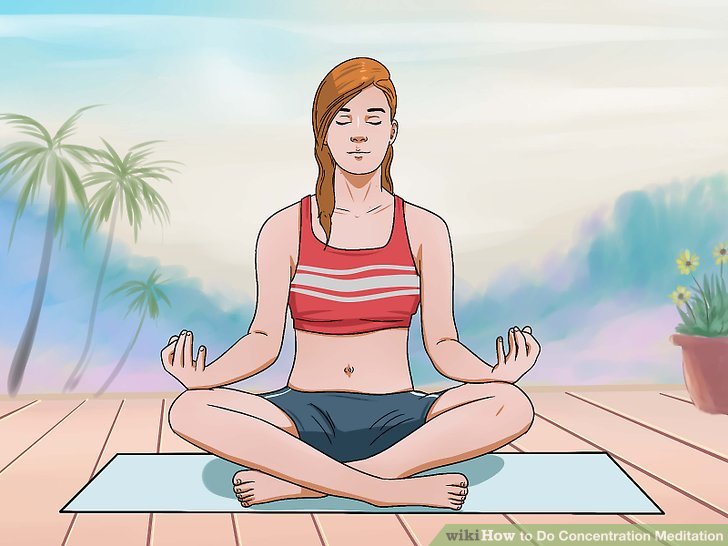
Meditation for concentration can be highly beneficial, yet it often presents challenges that may hinder progress. Recognizing common obstacles is essential to developing effective strategies for overcoming them. By understanding these issues and implementing practical solutions, practitioners can maintain focus, deepen their practice, and experience the full benefits of meditation.Distractions and mental wandering are among the most frequent difficulties faced during meditation sessions.
Physical discomfort and restlessness also commonly interfere with concentration, especially for beginners. Addressing these obstacles with mindful approaches can significantly improve the quality and consistency of meditation practice.
Distractions and Mental Wandering
Distractions often manifest as intrusive thoughts, external noises, or visual stimuli that divert attention away from the focal point of meditation. Mental wandering, where the mind drifts uncontrollably, can diminish the depth of concentration and cause frustration.To manage these challenges, practitioners should:
- Accept that distractions are natural and part of the meditation process, reducing feelings of frustration.
- Gently acknowledge wandering thoughts without judgment, then softly redirect focus back to the breath or chosen object of meditation.
- Use anchor points such as the sensation of the breath, a mantra, or a visual object to maintain steady attention.
- Schedule meditation at times and environments with minimal external disturbances to foster better concentration.
Practicing patience and consistency helps the mind gradually develop greater focus and resilience against distractions.
Addressing Physical Discomfort and Restlessness
Physical discomfort, including aches, stiffness, or restlessness, can significantly impair the ability to meditate effectively. Particularly for those sitting for extended periods or in unsuitable environments, these sensations can lead to frustration or the temptation to abandon practice.Practical strategies include:
- Choosing a comfortable seated position that supports proper alignment, such as using cushions or chairs as needed.
- Engaging in gentle stretching before meditation to release muscle tension and promote relaxation.
- Practicing body scan techniques, which involve systematically bringing awareness to different parts of the body, to alleviate discomfort.
- Taking short breaks during meditation to adjust posture or stretch, especially during longer sessions.
- Utilizing mindful breathing exercises to calm the nervous system, reducing restlessness and fostering a sense of calm.
Creating an environment conducive to comfort and practicing patience with physical sensations help sustain meditation sessions without undue distraction or discomfort.
Enhancing Meditation with Supporting Techniques
Meditation for concentration can be significantly enriched by integrating supporting techniques that deepen focus and promote mental clarity. These supplementary practices serve to complement traditional meditation routines, making the experience more effective and sustainable over time. Incorporating mindful exercises, visualization, affirmations, and other concentration-boosting activities can transform meditation into a more dynamic and engaging process, fostering greater mental resilience and clarity.Supporting techniques act as catalysts that strengthen the primary meditation practice.
They help in anchoring attention, reducing distractions, and cultivating a state of heightened awareness. When used thoughtfully, these methods can accelerate progress and make meditation sessions more enjoyable and rewarding, encouraging consistent practice and long-term benefits.
Role of Mindfulness Exercises Alongside Meditation
Mindfulness exercises involve deliberately paying attention to the present moment without judgment. When integrated with meditation, they enhance the ability to maintain focused awareness throughout daily activities and formal practice sessions. These exercises foster a non-reactive awareness of thoughts, sensations, and emotions, which helps in developing a stable mental state conducive to concentration.Implementing brief mindfulness practices during the day, such as mindful eating, walking, or listening, can extend the benefits of meditation beyond dedicated sessions.
This continuous cultivation of present-moment awareness reduces mental clutter and improves overall focus, making it easier to sustain attention during meditation and in everyday tasks.
Incorporating Visualization and Affirmations to Deepen Focus
Visualization involves creating vivid mental images of serene environments, goals, or personal aspirations to enhance concentration and motivation during meditation. For example, visualizing a peaceful forest or a calm ocean can serve as an anchor for the mind, helping to settle wandering thoughts and increase mental clarity.Affirmations are positive, present-tense statements that reinforce focus and confidence in one’s meditation practice.
Repeating phrases such as “I am focused” or “My mind is clear” can reinforce a state of concentration and diminish self-doubt or distraction. These practices engage the creative and affirming capacities of the mind, making meditation more engaging and effective at cultivating sustained attention.
Combining Meditation with Other Concentration-Boosting Activities
Integrating meditation with activities that enhance focus can create a holistic approach to improving concentration. For instance, engaging in activities like yoga or tai chi before meditation can prepare the body and mind, promoting relaxation and mental readiness. Similarly, activities such as puzzle solving, reading, or memory exercises can serve as practical training tools that complement meditation sessions.Structured routines that alternate between physical movement and seated meditation can help release physical tension and mental fatigue, leading to improved concentration during practice.
Additionally, practicing attentiveness during daily chores—such as mindful cleaning or gardening—can reinforce the skills developed during formal meditation sessions, creating a seamless flow of concentration-enhancing activities throughout the day.
End of Discussion
By understanding and applying these meditation techniques, you can cultivate sustained focus and mental resilience, leading to a more peaceful and productive life. Regular practice not only sharpens concentration but also fosters overall well-being and emotional balance.