Learning how to meditate for anxiety offers a powerful pathway to achieving greater mental clarity and emotional stability. Regular meditation practices can significantly reduce stress levels, enhance overall well-being, and foster a sense of tranquility amidst daily challenges. By understanding effective techniques and establishing consistent routines, individuals can harness the benefits of meditation to manage anxiety more effectively.
Introduction to Meditation for Anxiety
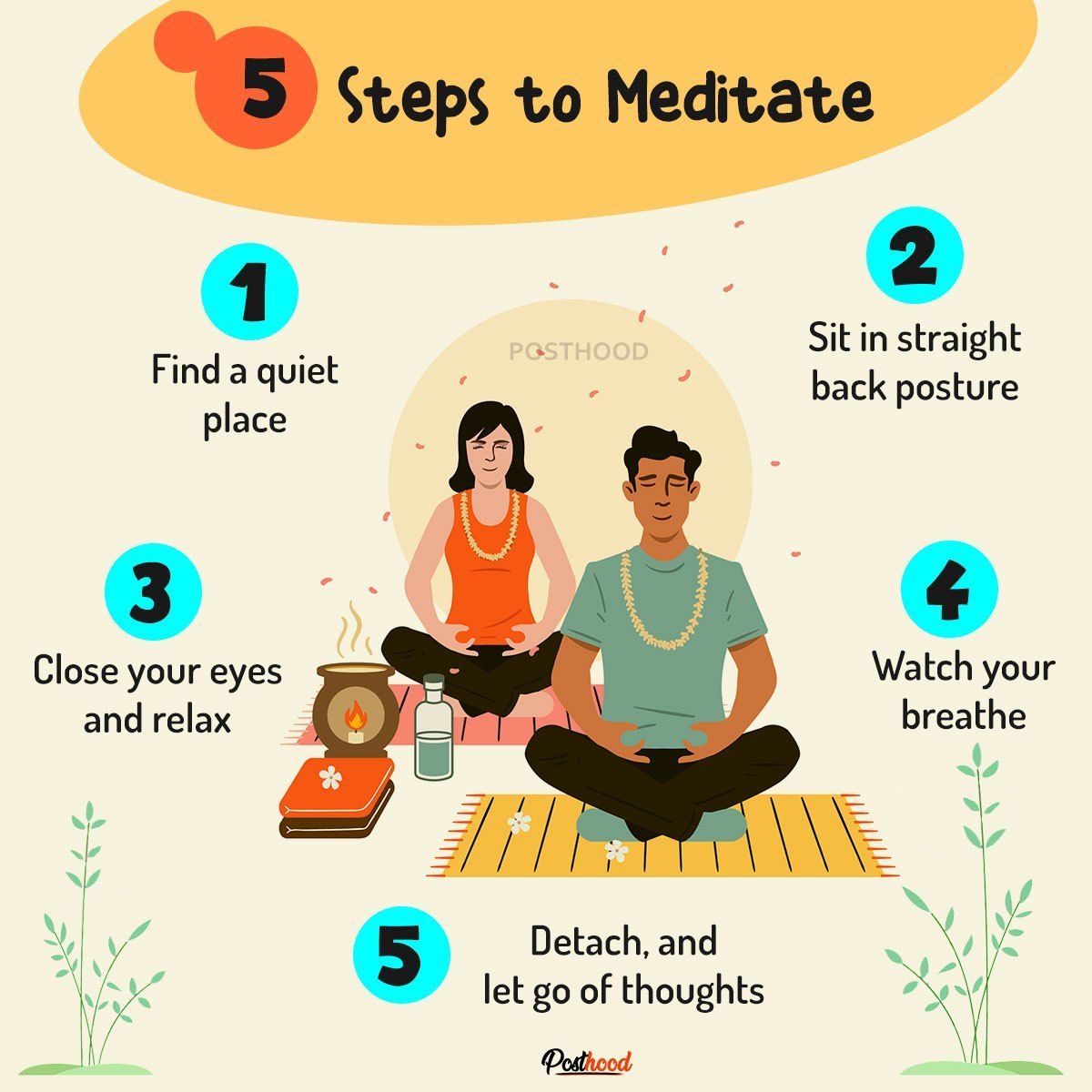
Meditation has emerged as a highly effective technique for managing anxiety, offering a natural and accessible way to soothe the mind and body. Its growing popularity stems from its capacity to promote mental clarity, emotional stability, and physical relaxation, making it a vital component of holistic mental health practices.
Engaging in regular meditation practice can lead to profound benefits, including reduced stress levels, enhanced emotional resilience, and improved overall well-being. As individuals incorporate meditation into their daily routines, they often experience a noticeable decrease in feelings of worry, nervousness, and panic, fostering a calmer and more balanced state of mind.
Significance of Meditation in Managing Anxiety
Meditation plays a crucial role in addressing anxiety by helping individuals develop greater awareness and control over their thoughts and emotional responses. When practiced consistently, it enables the mind to detach from racing thoughts and intrusive worries, which are common triggers of anxiety episodes. This mental detachment fosters a sense of calm and stability, even in stressful situations.
Furthermore, meditation encourages the activation of the parasympathetic nervous system—the body’s natural relaxation response—leading to lowered heart rate, decreased blood pressure, and reduced cortisol levels. These physiological changes contribute to a sense of tranquility, making meditation an effective tool to combat the physical symptoms of anxiety.
General Benefits of Practicing Meditation Regularly
Consistent meditation practice yields a multitude of benefits that extend beyond anxiety relief. Regular practitioners often report increased focus, better emotional regulation, and enhanced resilience to daily stressors. It also promotes better sleep quality, which is frequently disrupted in individuals experiencing anxiety.
Scientifically, meditation has been shown to induce neuroplastic changes in the brain, strengthening areas associated with positive emotions and cognitive control. These adaptations help individuals develop healthier thought patterns and emotional responses over time, contributing to a more optimistic outlook and improved mental health.
Impact of Meditation on Mental Health and Stress
Understanding the impact of meditation on mental health reveals its capacity to serve as a preventative and supportive measure for anxiety and related conditions. By fostering mindfulness and present-moment awareness, meditation helps break the cycle of ruminative thinking that often exacerbates anxiety symptoms.
Research indicates that mindfulness meditation can significantly decrease symptoms of anxiety and depression, often comparable to the effects of medication when practiced regularly. Its influence on stress regulation stems from its ability to rewire neural pathways, promote emotional balance, and instill a sense of inner peace, making it a valuable practice for mental health maintenance.
Foundations of Meditation Techniques for Anxiety
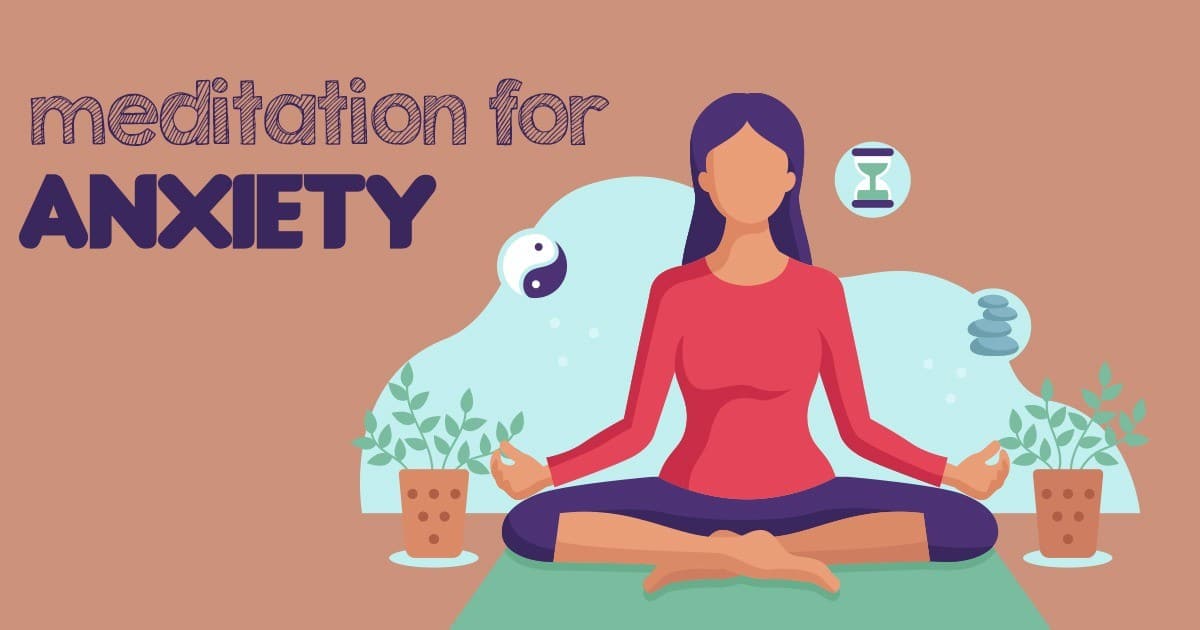
Establishing a solid foundation is essential for effective meditation aimed at alleviating anxiety. This involves creating a peaceful environment, adopting appropriate postures, and following a structured routine. These elements work together to foster a sense of calm and focus, making meditation more accessible and beneficial for managing anxiety symptoms.
Implementing these fundamental practices helps individuals develop a consistent meditation habit, enhances their ability to relax deeply, and cultivates mindfulness. Over time, these techniques can significantly reduce feelings of stress and promote emotional resilience.
Setting Up a Calming Meditation Space
A designated meditation space should evoke tranquility and minimize distractions. Begin by choosing a quiet area, away from high traffic or noise sources. Dim lighting or natural light can enhance relaxation, while soft textures like cushions or rugs create physical comfort. Incorporate calming elements such as candles, plants, or soothing scents like lavender or chamomile to promote serenity.
Ensuring the space is clean and clutter-free helps foster mental clarity. Personalizing it with objects that evoke positive feelings, such as meaningful stones or artwork, can deepen your connection to the practice. Consistently using the same space helps condition the mind for meditation, making it easier to slip into a relaxed state.
Common Meditation Postures for Reducing Anxiety
Choosing a comfortable posture is vital for prolonged meditation sessions, especially when managing anxiety. The posture should support alertness while promoting relaxation. Below are some of the most effective positions:
- Sitting Cross-Legged: Sitting on a cushion or chair with feet crossed comfortably, keeping the back straight but relaxed.
- Seated on a Chair: Feet flat on the ground, hands resting on thighs, with the back supported and spine upright.
- lying down: Lying on your back with arms resting loosely by your sides, suitable for those who find sitting uncomfortable, but caution against falling asleep.
- Half-Lotus or Lotus: For experienced meditators, these postures help sustain alertness and deepen focus.
Regardless of the posture chosen, maintaining a straight spine facilitates better breathing and reduces physical tension. Relax the shoulders, keep the hands resting comfortably, and close the eyes or soften gaze to minimize visual distractions.
Organizing a Basic Meditation Routine with Timing Suggestions
Consistency is key to experiencing the benefits of meditation for anxiety. Establishing a simple, daily routine helps embed the practice into your lifestyle. Here is a recommended structure for beginners:
- Preparation (2-3 minutes): Find your designated space, settle into your posture, and take a few slow, deep breaths to transition into a calm state.
- Core Meditation (10-15 minutes): Focus on your chosen technique, such as mindful breathing or guided imagery. Use a timer to keep track without needing to check your watch repeatedly.
- Closing (2-3 minutes): Gently bring awareness back to your surroundings, stretch lightly if needed, and take a few deep breaths before concluding.
Adjust the timing based on your schedule and comfort. As you become more experienced, gradually increase meditation duration to deepen your practice. Regularity is more important than length; even five-minute sessions, when practiced daily, can significantly reduce anxiety over time.
Comparison of Different Meditation Styles
To better understand which meditation approach may suit your needs, consider the following comparison table outlining common styles used for anxiety management:
| Style of Meditation | Description | Core Technique | Ideal For |
|---|---|---|---|
| Mindfulness Meditation | Focuses on present-moment awareness, observing thoughts and sensations without judgment. | Breathing, bodily sensations, or surrounding sounds. | Individuals seeking to cultivate acceptance and reduce rumination. |
| Guided Meditation | Involves listening to a recorded or live guide leading you through visualizations or relaxation exercises. | Listening to verbal guidance, imagery, and narrative prompts. | Beginners or those who prefer external support to maintain focus. |
| Breathing Focus Meditation | Centers attention on the breath to promote calmness and reduce physiological arousal. | Deep, diaphragmatic breathing, counting breaths or noting inhalation/exhalation. | Individuals experiencing acute anxiety or panic episodes. |
Each style has unique benefits, and selecting the most suitable approach depends on personal preferences and specific anxiety triggers. Combining techniques over time can also enhance overall effectiveness.
Guided Meditation Practices
Guided meditation offers a structured approach to managing anxiety by providing clear instructions and supportive visualizations. Engaging in these practices regularly can help cultivate a sense of calm, enhance emotional resilience, and reduce the intensity of anxious episodes. Through guided sessions, individuals can learn to redirect their focus, observe their thoughts without judgment, and foster a compassionate attitude toward themselves.
This section explores effective methods for conducting guided meditations specifically aimed at alleviating anxiety, including detailed scripts, visualization techniques, and the integration of affirmations to strengthen positive mental patterns.
Guided meditation practices are especially beneficial for those experiencing anxiety because they provide a mental roadmap that encourages relaxation and mindfulness. Using verbal cues, imagery, and affirmations, practitioners can systematically reduce physiological and psychological symptoms associated with anxiety, such as rapid heartbeat, racing thoughts, and pervasive worry. These practices can be adapted for different environments and durations, making them accessible for beginners and seasoned meditators alike.
Detailed Script for Anxiety Relief
To facilitate a calming and effective meditation session, a detailed script is essential. The script guides the practitioner through breathing techniques, body awareness, visualization, and affirmation, creating a comprehensive experience that targets anxiety reduction.
Begin with a gentle introduction, inviting the individual to find a comfortable seated or lying position in a quiet space. Encourage closing the eyes and taking slow, deep breaths. The script then leads the practitioner to focus on breathing, relax each muscle group, and gradually shift attention toward calming visual imagery and positive affirmations. The tone should be soothing, steady, and reassuring to foster a sense of safety and tranquility.
Use of Visualizations and Their Effects
Visualizations are powerful tools within guided meditation that help redirect focus from anxious thoughts to serene images, thereby calming the mind and body. When utilizing visualizations, it is important to create vivid, positive mental images that evoke feelings of safety, peace, and stability.
Common visualizations include imagining a peaceful natural setting such as a quiet beach, a tranquil forest, or a gentle flowing stream. These images stimulate the parasympathetic nervous system, promoting relaxation and reducing stress hormones like cortisol. The visualization process enhances mindfulness, lowers heart rate, and alleviates feelings of overwhelm. Over time, consistent visualization practice can build a mental sanctuary that individuals can access during moments of heightened anxiety, reinforcing a sense of control and calmness.
Incorporating Affirmations into Meditation Sessions
Affirmations are positive statements that reinforce self-acceptance, confidence, and calmness. When integrated into meditation, affirmations serve to reprogram negative thought patterns associated with anxiety and foster resilience.
To effectively incorporate affirmations, choose statements that resonate personally and evoke a sense of reassurance. Repeat these affirmations silently or aloud during the meditation, ideally during moments of stillness or after visualization exercises. Consistent use of affirmations can help establish a mental framework that supports emotional regulation and promotes a positive outlook. Examples include “I am safe and in control,” “With each breath, I release tension,” and “I am capable of handling whatever comes my way.”
“As I breathe in, I draw in peace. As I breathe out, I release tension and worry. I am grounded, calm, and present in this moment.”
Breathing Exercises to Complement Meditation
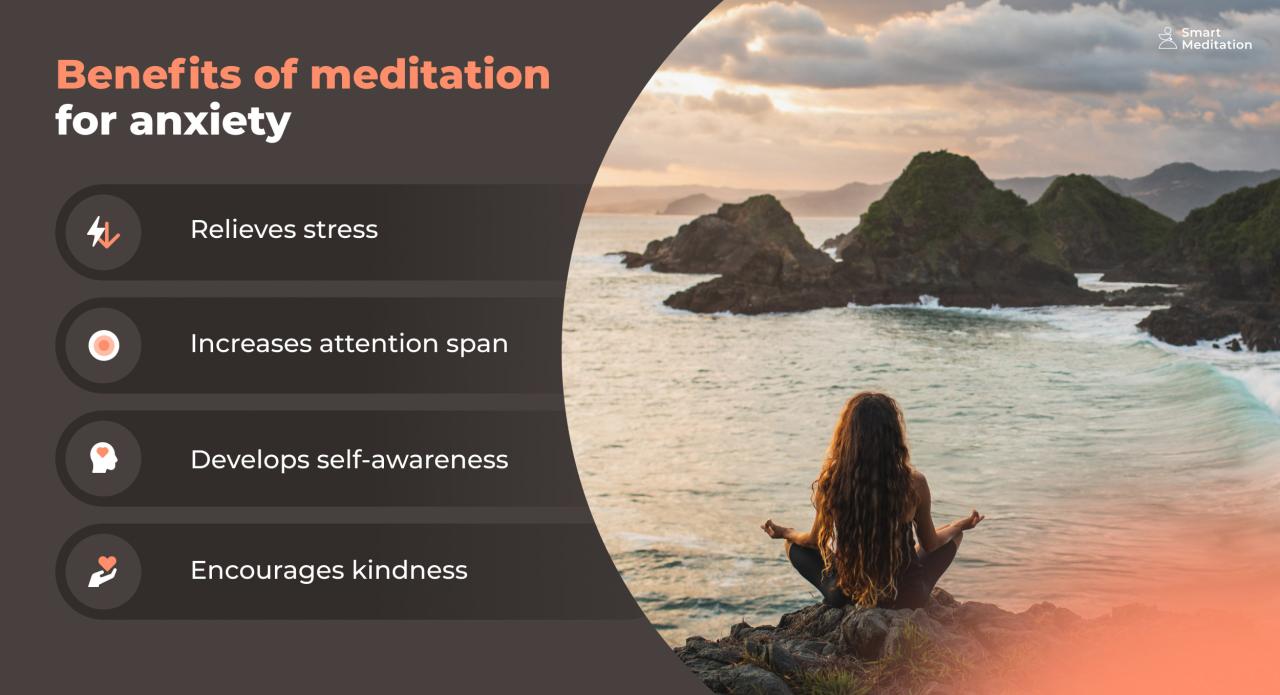
Incorporating specific breathing techniques into your meditation routine can significantly enhance its effectiveness in managing anxiety. Controlled breathing helps regulate the nervous system, reduce stress hormones, and promote a sense of calm and centeredness. These exercises are accessible, easy to perform, and can be integrated seamlessly into your daily practice, offering immediate relief during moments of heightened anxiety.
Understanding and practicing various breathing techniques allows individuals to tailor their approach based on personal preference and situational needs. Whether during meditation sessions or in daily stressful moments, these techniques serve as powerful tools to cultivate tranquility and emotional stability.
Diaphragmatic Breathing
Diaphragmatic, or belly breathing, involves deep inhalations that engage the diaphragm fully, promoting more efficient oxygen exchange and activating the body’s relaxation response. This technique is particularly effective in reducing anxiety by calming the sympathetic nervous system.
- Find a comfortable sitting or lying position, ensuring your back is straight.
- Place one hand on your chest and the other on your abdomen, just below the rib cage.
- Inhale slowly through your nose, directing the air toward your abdomen so that the hand on your stomach rises while the hand on your chest remains still.
- Pause briefly at the top of the breath.
- Exhale slowly and completely through your mouth or nose, allowing the abdomen to fall naturally.
- Repeat this cycle for 5 to 10 minutes, focusing on maintaining a steady, relaxed rhythm.
Box Breathing
Box breathing is a structured technique that emphasizes equal counts for inhaling, holding, exhaling, and holding again. Its rhythmic pattern helps to ground the mind, improve focus, and diminish feelings of anxiety by controlling the breath and activating the parasympathetic nervous system.
- Begin in a comfortable seated position with your back straight.
- Inhale slowly through your nose for a count of four.
- Hold your breath for the same four counts.
- Exhale smoothly through your mouth or nose for four counts.
- Pause and hold your breath at the bottom of the exhale for four counts.
- Repeat this cycle for several minutes, maintaining a calm and steady pace.
Step-by-Step Guide for Practicing Deep Breathing Exercises
Deep breathing exercises are simple yet profoundly effective in calming the nervous system and alleviating anxiety symptoms. Follow this structured approach to maximize benefits:
- Choose a quiet and comfortable environment free from distractions.
- Assume a relaxed posture, either sitting with your feet flat on the ground or lying flat on your back.
- Close your eyes if comfortable, and bring your attention to your breath.
- Start with diaphragmatic breathing, inhaling slowly through your nose for a count of four, feeling your abdomen expand.
- Pause briefly at the top of the inhale, then exhale slowly for a count of six through your mouth, ensuring a complete release of stale air.
- Continue this pattern, adjusting the inhale and exhale durations as needed to promote relaxation.
- Incorporate visualizations or affirmations if helpful, such as imagining a wave gently washing over you with each breath.
- Practice for 5 to 10 minutes daily, gradually increasing duration as comfort improves.
Physiological Effects of Controlled Breathing on Anxiety Reduction
Controlled breathing exercises influence the body’s physiology in ways that mitigate anxiety. By consciously regulating the breath, individuals activate the parasympathetic nervous system—the body’s natural relaxation response. This activation results in a gradual decrease in heart rate, blood pressure, and muscle tension, which are commonly elevated during anxiety episodes.
Deep, slow breathing enhances vagal tone and promotes the release of neurotransmitters such as gamma-aminobutyric acid (GABA), which help calm hyperactive neural pathways associated with anxiety.
Additionally, controlled breathing stabilizes blood oxygen levels, reduces the production of stress hormones like cortisol, and fosters a sense of safety and control. These physiological changes create a feedback loop, reinforcing feelings of calm and resilience against future anxiety-provoking situations.
Breathing Techniques and Their Benefits
| Breathing Technique | Benefits |
|---|---|
| Diaphragmatic Breathing | Reduces heart rate and blood pressure; enhances oxygen exchange; promotes relaxation |
| Box Breathing | Improves focus; stabilizes emotions; decreases sympathetic nervous activity |
| 4-7-8 Breathing | Facilitates sleep; reduces anxiety; calms the nervous system |
| Alternate Nostril Breathing | Balances energy channels; relieves stress; enhances mental clarity |
Establishing a Consistent Meditation Routine
Maintaining a regular meditation practice is essential for managing anxiety effectively. Developing a daily routine helps create a sense of stability and reinforces the calming benefits of meditation. When meditation becomes a consistent part of your day, it can significantly reduce feelings of stress and promote emotional resilience over time. Establishing such habits requires intentional planning, patience, and perseverance, especially amidst busy schedules or fluctuating motivation levels.A well-structured routine not only cultivates discipline but also enhances the depth and effectiveness of your meditation sessions.
By integrating meditation into your everyday life, you foster a supportive environment where calming techniques become second nature. The following strategies will assist in building and sustaining a reliable meditation practice tailored to your lifestyle and needs.
Methods to Develop and Maintain a Daily Meditation Habit
Adopting a daily meditation routine begins with setting clear intentions and creating an environment conducive to relaxation. Start by choosing a specific time each day—whether morning, lunch break, or evening—that aligns with your daily schedule. Consistency is key; practicing at the same time each day helps establish a habit.Create a dedicated meditation space, free from distractions, where you can sit comfortably and focus.
Using reminders such as alarms, calendar notifications, or visual cues can reinforce your commitment. Incorporate small, manageable sessions initially—perhaps five minutes—and gradually increase duration as your practice becomes more ingrained.To foster commitment, consider pairing meditation with existing routines, such as after brushing your teeth or before bedtime. Tracking your progress can serve as a motivational tool, providing visual evidence of your consistency and encouraging persistence through challenging days.
Tips for Overcoming Common Obstacles like Distraction or Impatience
Distractions and impatience are common hurdles when establishing a meditation routine. Managing these challenges involves adopting practical approaches that enhance focus and foster patience.Designate a quiet, comfortable space where external noise is minimized. Using gentle background sounds, like soft music or nature sounds, can help drown out distractions. If your mind frequently wanders, acknowledge the distraction without judgment and gently redirect your attention back to your breath or mantra.Practicing patience is crucial, especially in the initial stages.
Remind yourself that progress in meditation is gradual and that experiencing wandering thoughts is normal. Incorporating mindfulness into daily activities beyond meditation can also improve your ability to stay present during sessions.Remember, consistency outweighs duration; even brief sessions are beneficial, and over time, your focus and tolerance for sitting quietly will improve. Celebrate small victories to maintain motivation and avoid frustration.
Procedures for Tracking Progress and Setting Achievable Goals
Monitoring your meditation journey helps maintain motivation and provides insight into your habits. Establishing measurable and realistic goals makes the practice more rewarding and sustainable.Use a dedicated meditation journal or digital app to log daily sessions, noting the duration, time of day, and any observations about your mental state. Reflecting on these entries can reveal patterns, such as times when meditation feels easier or more challenging.Set specific, achievable goals, like meditating for five minutes daily for the first week, then gradually increasing to ten or fifteen minutes over subsequent weeks.
Quarterly or monthly check-ins can help reevaluate goals and adjust routines accordingly.Incorporate milestone rewards—such as a relaxing weekend retreat or a new meditation cushion—to celebrate consistency and progress. Sharing your goals with a meditation partner or support group can also foster accountability and encouragement.
Examples of Meditation Schedules for Busy Lifestyles
Balancing meditation with a hectic schedule requires flexibility and creative planning. The following examples illustrate how even the busiest individuals can incorporate meditation into their daily routines:
- Morning Boost: 5-10 minutes immediately after waking up, focusing on breath awareness or a quick body scan to start the day calmly.
- Lunch Break Recharge: 5-minute mindfulness session at your workplace or home during lunch, using guided meditations on a smartphone app.
- Commute Meditation: During a train or bus ride, practice deep breathing or listen to guided meditations via headphones, turning travel time into a calming experience.
- Evening Reflection: 10 minutes before bed, engage in gentle breathing exercises or a body relaxation meditation to unwind and prepare for restful sleep.
- Split Sessions: Break longer sessions into two or three shorter periods—such as three 5-minute meditations—spread across the day to fit into tight schedules.
Adapting meditation times to personal routines ensures consistency, enabling even the busiest individuals to experience the mental health benefits of regular practice.
Enhancing Meditation with Additional Relaxation Techniques
While meditation alone offers significant benefits for reducing anxiety, integrating additional relaxation techniques can deepen the calming effect and promote a more comprehensive sense of well-being. These complementary practices help to target physical tension and mental clutter, creating a harmonious environment for relaxation and mental clarity. By combining meditation with methods such as body scan, progressive muscle relaxation, aromatherapy, calming music, imagery, and visualization, individuals can enhance their overall anxiety management strategy and cultivate a more resilient state of calm.
Implementing these techniques alongside meditation allows for a multi-layered approach to relaxation, addressing both the mind and body. This synergy not only intensifies the benefits but also provides varied tools to adapt to different situations, preferences, and levels of anxiety. The integration of these supplementary techniques encourages a personalized meditation practice that can be tailored to individual needs for maximum effectiveness.
Body Scan and Progressive Muscle Relaxation
Both body scan and progressive muscle relaxation are powerful techniques that focus on physical awareness and tension release. Incorporating these methods into meditation routines can significantly reduce bodily stress and promote a sense of physical liberation from anxiety.
- Body Scan: This technique involves systematically directing attention to different parts of the body, noting sensations without judgment. It helps individuals become aware of areas where tension is stored and facilitates releasing it consciously, resulting in a profound sense of relaxation.
- Progressive Muscle Relaxation (PMR): PMR involves tensing and then relaxing muscle groups sequentially throughout the body. This process heightens awareness of muscle tension and encourages the relaxation response, which can ease anxiety symptoms effectively.
Both methods can be seamlessly integrated into meditation sessions by starting with a body scan to cultivate mindfulness of bodily sensations, followed by PMR to deepen muscular relaxation. Regular practice enhances body awareness and reduces the physical manifestations of anxiety, fostering a calmer mental state.
Aromatherapy and Calming Music
Using sensory stimuli like aromatherapy and calming music can augment meditation by creating an environment conducive to relaxation. These techniques stimulate the senses in a gentle manner, helping to anchor focus and elevate the meditative experience.
- Aromatherapy: Essential oils such as lavender, chamomile, and bergamot are known for their calming properties. Diffusing these oils in the meditation space or applying diluted versions to pulse points can promote relaxation and reduce stress levels.
- Calming Music: Soft, slow-tempo music without lyrics can serve as an auditory backdrop that distracts from intrusive thoughts and encourages a peaceful mental state. Nature sounds or ambient music are popular choices for meditation sessions.
Combining aromatherapy and music with meditation involves selecting scents and sounds that personally resonate and enhance the sense of tranquility. These elements can be adjusted based on individual preferences or specific anxiety triggers, making the practice more engaging and effective.
Imagery and Visualization for Deep Relaxation
Visualization techniques involve creating vivid mental images that evoke feelings of safety, serenity, and relaxation. These practices can deepen meditation by engaging the imagination and fostering a sense of control over one’s emotional state.
- Guided Imagery: This involves imagining specific peaceful scenes, such as a quiet beach, a lush forest, or a serene mountain landscape. The detailed focus on sensory elements like sight, sound, and smell helps divert attention from anxiety-provoking thoughts.
- Visualization of Relaxation: Visualizing a warm, golden light enveloping the body or imagining oneself releasing stress into the environment can enhance feelings of calmness and emotional release.
Practitioners can incorporate visualization into meditation sessions by dedicating a few minutes to mentally constructing these images, paying close attention to sensory details to make the experience more immersive. This technique not only relaxes the mind but also strengthens mental resilience against stressors.
Comparison Table of Supplementary Relaxation Techniques
| Technique | Primary Effect | Additional Benefits | Typical Use Cases |
|---|---|---|---|
| Body Scan | Physical awareness and tension release | Enhances mindfulness, reduces bodily stress, improves posture awareness | Deepening meditation, managing physical tension |
| Progressive Muscle Relaxation | Muscle tension reduction, relaxation | Reduces somatic symptoms of anxiety, improves sleep quality | Post-meditation wind-down, stress management |
| Aromatherapy | Olfactory stimulation for relaxation | Alleviates feelings of stress and anxiety, improves mood | Creating a calming environment, enhancing meditation ambiance |
| Calming Music | Auditory focus and distraction from intrusive thoughts | Reduces mental chatter, promotes rhythmic breathing, improves mood | Background during meditation, stress relief sessions |
| Imagery and Visualization | Engages the imagination for emotional regulation | Fosters a sense of safety, enhances emotional resilience | Deepening meditation, preparing for sleep, stress management |
Practical Tips for Beginners
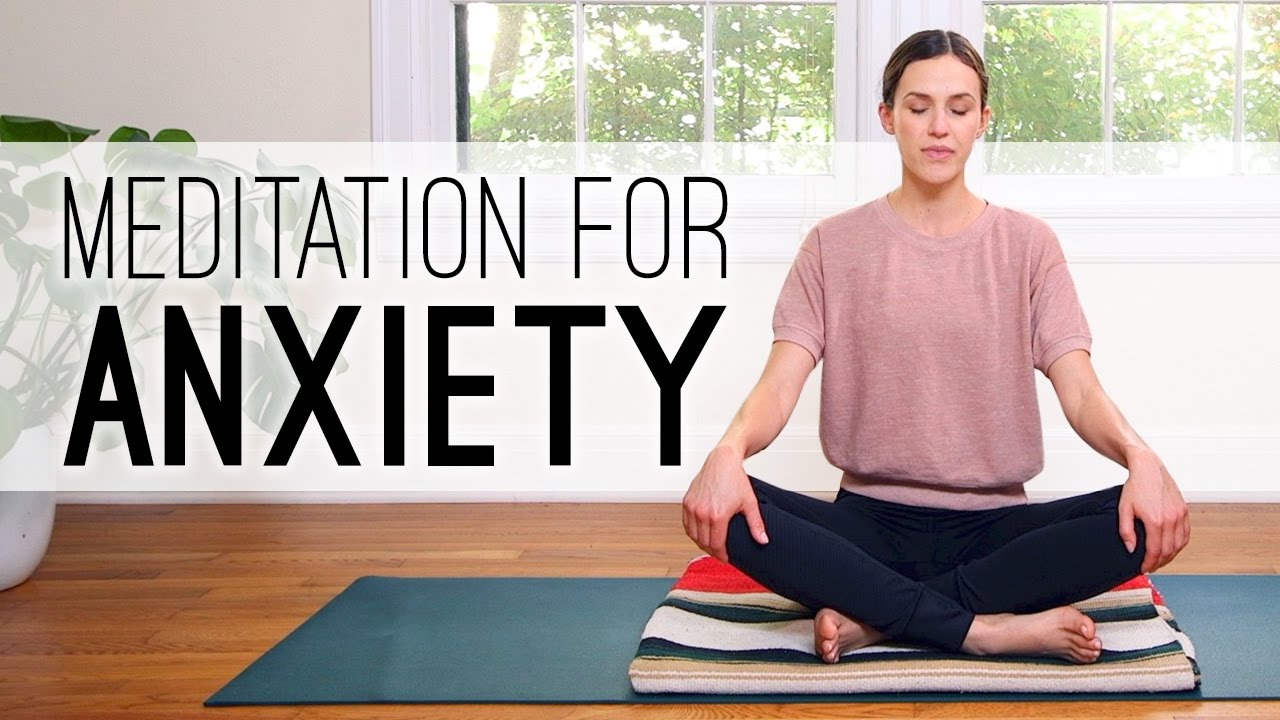
Starting a meditation practice aimed at managing anxiety can be a transformative step toward greater emotional well-being. For newcomers, the journey often begins with a mix of curiosity and uncertainty. Implementing practical strategies can make this initial phase more approachable and sustainable, paving the way for lasting benefits and a more relaxed experience with meditation.Developing a successful meditation routine as a beginner involves understanding common challenges and adopting adaptable approaches that honor your unique comfort levels.
It is essential to recognize that meditation is a skill that improves over time, with consistency and patience serving as key ingredients. Embracing a gentle attitude toward your practice allows you to progress without feeling overwhelmed or discouraged.
Guidelines for First Meditation Sessions
For those new to meditation, creating a structured yet flexible approach enhances the likelihood of establishing a sustainable routine. Begin by setting aside a dedicated time and quiet space where interruptions are minimized. Start with short sessions, such as five to ten minutes, gradually increasing the duration as comfort develops. Sit in a comfortable position, ensuring your back is straight but relaxed, and focus on your breathing or a chosen point of attention.
During these sessions, it is natural for your mind to wander; gently redirect your focus without judgment or frustration. Consistency is more important than duration initially, so aim for daily practice to build familiarity and confidence.
Addressing Common Challenges and Strategies
Novice meditators often encounter hurdles such as restlessness, difficulty concentrating, or feelings of impatience. Recognizing these challenges as normal can reduce frustration. To mitigate restlessness, incorporate brief physical stretches before or after meditation to release tension. If concentration wavers, gently bring your focus back to your breath or mantra without self-criticism. For feelings of impatience, remember that meditation is a gradual process—celebrate small successes and avoid setting unrealistic expectations.
Establishing a supportive environment, such as playing soft background music or using calming scents, can also help ease discomfort.
Adapting Meditation Practices to Personal Comfort
Personal comfort is vital for maintaining a consistent meditation practice. Adjust your posture, sitting position, or environment as needed to feel more at ease. For instance, if sitting cross-legged causes discomfort, use a chair or cushion to support your posture. If focusing on breath feels overwhelming, incorporate alternative anchors like bodily sensations or visualizations. Additionally, be flexible with session timing; some may prefer early mornings to start the day peacefully, while others find evening sessions more relaxing.
Tailoring your practice ensures it remains accessible and enjoyable, fostering long-term adherence.
Beginner-Friendly Meditation Tools and Resources
Numerous tools and resources are designed to support beginners in their meditation journey. Utilizing these can provide guidance, structure, and motivation, making early experiences more approachable:
- Meditation Apps: Apps like Headspace, Calm, Insight Timer, and Smothie offer guided meditations tailored for beginners, along with timers and progress tracking features.
- Audio Recordings and Guided Sessions: Free or paid recordings on platforms like YouTube or meditation websites can walk you through introductory practices step-by-step.
- Breathing and Relaxation Tools: Devices such as handheld fans, essential oils, or calming music playlists can enhance the sensory experience and foster relaxation.
- Books and Online Courses: Literature on meditation techniques and online courses provide foundational knowledge and structured tutorials suited for beginners.
- Community Groups: Local meditation groups or online forums offer social support, shared experiences, and motivation to stay committed.
By integrating these practical tips and resources into your routine, beginners can cultivate a comfortable, enjoyable meditation practice that effectively supports anxiety management and emotional resilience.
Closure
In conclusion, mastering how to meditate for anxiety provides a valuable tool for fostering resilience and inner peace. Incorporating meditation into daily life can lead to lasting improvements in mental health, helping you navigate life’s stresses with confidence and calmness. Embracing this practice opens the door to a more balanced and relaxed state of mind, enriching your overall quality of life.