Discover effective strategies on how to meditate for athletes to unlock mental resilience and optimize athletic performance. Meditation has become an essential tool for athletes seeking to improve focus, reduce stress, and accelerate recovery. By incorporating tailored meditation techniques into training routines, athletes can achieve a competitive edge while maintaining mental clarity and emotional balance.
Introduction to Meditation for Athletes
In the realm of competitive sports, mental resilience and clarity are as vital as physical strength. Meditation has emerged as a powerful tool for athletes seeking to optimize their performance, enhance focus, and maintain emotional balance amidst high-pressure situations. By integrating meditation into their routines, athletes can tap into a deeper level of self-awareness and mental discipline, which directly translates to improved athletic outcomes.
Beyond boosting performance, meditation offers a host of psychological and physiological benefits tailored specifically for athletes. It helps in reducing pre-competition anxiety, managing stress from injuries or setbacks, and accelerating recovery by promoting relaxation and reducing cortisol levels. As awareness of these benefits grows, more athletes are adopting meditation techniques to gain a competitive edge and foster long-term mental resilience.
Benefits of Meditation for Athletic Performance and Mental Resilience
Understanding how meditation impacts athletic performance involves recognizing its role in fostering mental focus, emotional regulation, and physical recovery. Regular practice can lead to measurable improvements in various aspects of athletic achievement:
- Enhanced Focus and Concentration: Meditation trains the mind to stay present, reducing distractions during competitions and training sessions. This heightened awareness helps athletes execute precise movements and strategies with greater consistency.
- Stress Reduction and Anxiety Management: High-level sports often involve immense pressure. Meditation techniques such as mindfulness and deep breathing calm the nervous system, decreasing performance anxiety and allowing athletes to perform at their best under pressure.
- Accelerated Recovery and Injury Prevention: Meditation fosters relaxation, which can lower cortisol levels and promote faster physical recovery. It also aids in mental acceptance and resilience during injury rehabilitation processes.
- Improved Sleep Quality: Adequate rest is crucial for athletic performance. Meditation can improve sleep patterns by calming the mind, leading to more restorative sleep and better overall health.
Common Meditation Techniques Suitable for Athletes
Numerous meditation styles can be adapted to fit into an athlete’s busy schedule, each offering distinct benefits for mental clarity and physical health. Selecting the appropriate technique depends on individual preferences and specific goals:
- Mindfulness Meditation: Involves paying deliberate attention to the present moment, often through breath awareness or body scans. This practice enhances focus and reduces mental clutter, making it ideal before competitions or training sessions.
- Breath-Centered Meditation: Focuses on deep, diaphragmatic breathing to induce relaxation. Athletes use this technique during warm-ups or cooldowns to manage anxiety and enhance concentration.
Involves imagining successful performance scenarios, helping to build confidence and mental preparedness. Visualization is particularly effective in mental rehearsal for athletes preparing for major events. - Progressive Muscle Relaxation: Entails systematically tensing and relaxing muscle groups, releasing physical tension and fostering mental calmness. This method supports recovery and injury management.
By incorporating these techniques into their routines, athletes can cultivate a calm, focused mind that complements their physical training, ultimately leading to superior performance and enhanced well-being.
Preparing for Meditation Practice
Establishing an optimal environment and routine for meditation is essential for athletes seeking to enhance focus, reduce stress, and improve overall performance. Proper preparation creates a conducive space that supports mental clarity and physical relaxation, enabling athletes to fully benefit from each session. This stage involves thoughtful selection of the environment, timing, and necessary props to facilitate a seamless meditation experience.
By diligently preparing, athletes can cultivate consistency and deepen their meditation practice, integrating it effectively into their training regimen. Attention to detail during the preparation phase ensures that each session is both effective and enjoyable, fostering a sustainable mindfulness practice that complements athletic pursuits.
Creating an Ideal Meditation Environment
Designing a dedicated and tranquil space is fundamental for effective meditation practice. The environment should minimize external distractions and promote a sense of calm. Consider the following steps:
- Choose a quiet, private location where interruptions are unlikely, such as a spare room, corner of a gym, or outdoor space with minimal noise.
- Ensure the area is clean and uncluttered to promote mental clarity and reduce visual distractions.
- Control lighting to foster relaxation—soft, natural light or dimmed artificial lighting can help create a peaceful ambiance.
- Incorporate elements that evoke tranquility, such as plants, calming artwork, or soft textiles, to enhance the sensory experience.
Optimal Timing for Meditation Sessions
Selecting the right time of day can significantly influence the effectiveness of meditation. For athletes, aligning sessions with natural energy cycles and training schedules maximizes benefits. Consider these guidelines:
- Morning hours, shortly after waking, are ideal for setting a mindful tone for the day, helping to cultivate focus and mental resilience before training or competitive events.
- Post-training sessions can aid in recovery by calming the nervous system and reducing stress accumulated during physical exertion.
- Midday breaks serve as a recharge, especially during intense training periods, providing mental clarity and renewed focus.
- Consistency is key; establishing a routine at the same time each day fosters habit formation and facilitates long-term integration of meditation.
Timing meditation sessions around natural energy peaks and training schedules enhances mental alertness and physical recovery, contributing to overall athletic performance.
Necessary Equipment and Props
While meditation primarily relies on mental focus, certain tools can support comfort and concentration, making the practice more accessible and effective. The following items are recommended:
- Comfortable Seating: A meditation cushion, bench, or chair that supports an upright posture without causing discomfort during extended periods.
- Blanket or Shawl: To maintain warmth and comfort, especially in cooler environments, preventing physical distractions from discomfort.
- Timer or Meditation App: A reliable timer or guided meditation app helps manage session length and provides structure, particularly useful for beginners.
- Calming Aromatherapy: Essential oils like lavender or chamomile can promote relaxation when used safely in a well-ventilated space.
- Mat or Soft Surface: For outdoor or alternative settings, a yoga mat or soft surface ensures comfort and stability.
Incorporating these props thoughtfully can enhance focus and comfort, enabling athletes to fully immerse themselves in their meditation practice and derive maximum benefit from each session.
Types of Meditation Techniques for Athletes
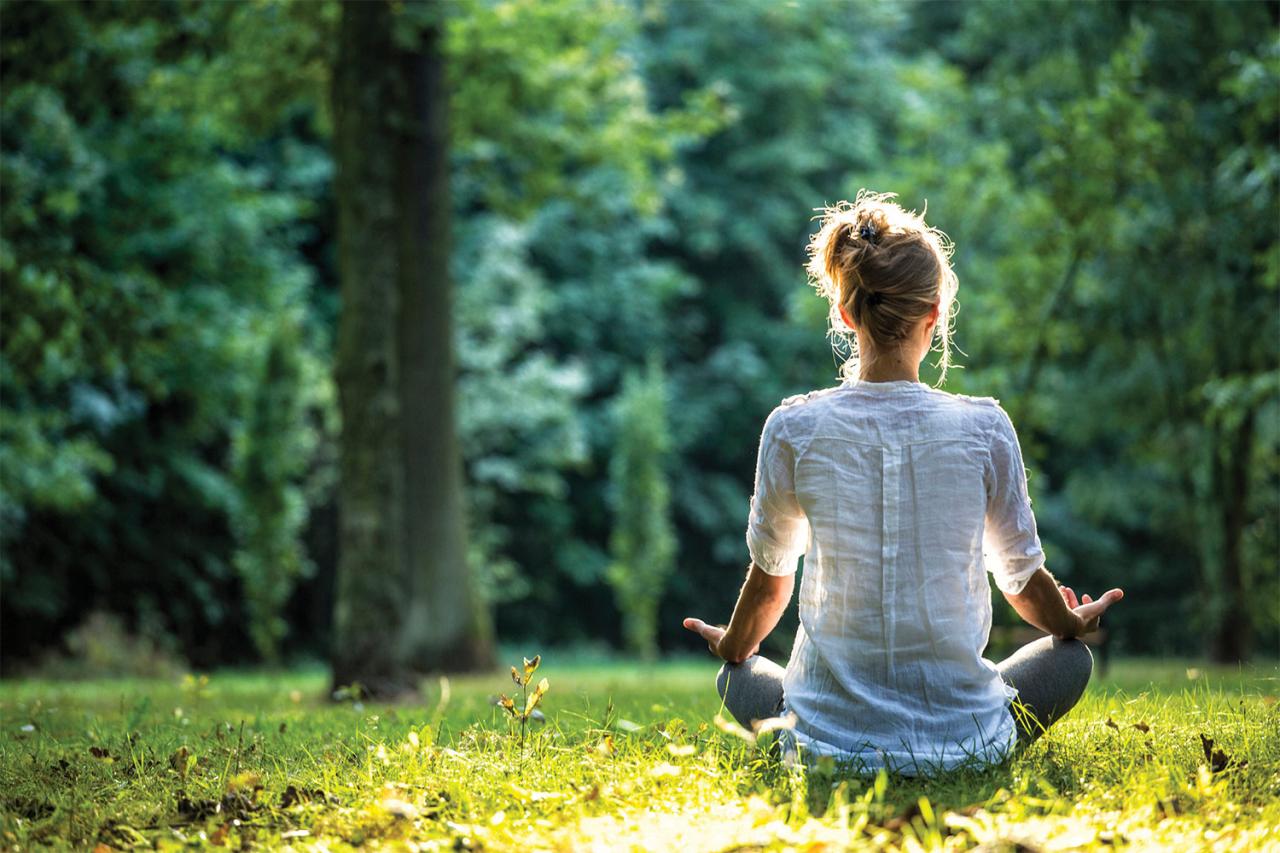
Engaging in different meditation techniques allows athletes to customize their mental training to suit their specific needs, whether it is enhancing focus, reducing stress, or improving overall performance. Each method offers unique benefits and can be integrated into training routines to optimize physical and mental resilience.
Understanding and practicing various meditation styles enables athletes to identify which approach resonates most with their goals, lifestyle, and personality. Below, we explore four prominent meditation techniques suitable for athletes: mindfulness meditation, guided visualization, transcendental meditation, and body scan practices. Each method has distinct core purposes, durations, and recommended scenarios for optimal effectiveness.
Mindfulness Meditation
Mindfulness meditation emphasizes present-moment awareness and non-judgmental observation of thoughts, sensations, and emotions. It is particularly effective for athletes seeking to enhance concentration, emotional regulation, and stress management. Regular practice can lead to improved focus during competitions and greater resilience in high-pressure situations.
To perform mindfulness meditation:
- Find a comfortable seated position with an upright but relaxed posture.
- Close your eyes or soften your gaze toward the ground.
- Focus on your breath, noticing the sensation of air entering and leaving your nostrils or the rise and fall of your abdomen.
- When your mind drifts to thoughts or external distractions, gently redirect your attention back to your breath without judgment.
- Practice for a duration ranging from 5 to 20 minutes depending on your experience level and schedule.
Guided Visualization
Guided visualization involves imagining detailed scenarios or achievements to enhance motivation, confidence, and mental preparedness. This technique helps athletes mentally rehearse performance, visualize successful outcomes, and reduce pre-competition anxiety.
Steps to practice guided visualization:
- Sit or lie in a quiet, comfortable space where you won’t be disturbed.
- Close your eyes and take several deep breaths to relax.
- Mentally create a vivid scene related to your sport or a specific performance goal—visualize the environment, your movements, sounds, and sensations.
- Engage all senses to make the imagery as realistic as possible, reinforcing positive feelings and confidence.
- Spend 10 to 15 minutes immersed in this mental rehearsal, incorporating positive affirmations as needed.
Transcendental Meditation
Transcendental Meditation (TM) involves silently repeating a specific mantra provided by a trained instructor, aiming to settle the mind into a state of deep rest and alertness. It is beneficial for athletes seeking a straightforward, effortless method to reduce stress and improve mental clarity.
How to perform Transcendental Meditation:
- Sit comfortably with eyes closed in a quiet environment.
- Begin silently repeating your assigned mantra, allowing it to settle naturally into your awareness.
- Whenever your mind wanders, gently return to the mantra without self-criticism.
- Practice twice daily for about 20 minutes each session to experience maximum benefits.
Consistent practice of TM can lead to decreased anxiety, improved focus, and enhanced recovery in athletes.
Body Scan Practices
Body scan meditation involves systematically directing attention through different parts of the body to release tension and heighten body awareness. It is particularly useful for injury recovery, injury prevention, and promoting relaxation after intense training sessions.
Steps to perform a body scan:
- Lie down in a comfortable position with your arms relaxed at your sides.
- Close your eyes and take a few deep breaths to center yourself.
- Begin by focusing your attention on your toes, noticing any sensations or tension.
- Gradually move your awareness upward through your feet, ankles, calves, knees, thighs, hips, abdomen, chest, arms, neck, and head.
- At each body part, observe sensations without judgment, gently releasing tension as you exhale.
- Spend approximately 10 to 20 minutes completing the scan for a comprehensive relaxation experience.
Comparison Table of Meditation Techniques for Athletes
| Technique Name | Core Purpose | Duration | Recommended Athlete Scenarios |
|---|---|---|---|
| Mindfulness Meditation | Enhances focus, emotional regulation, and stress management | 5-20 minutes | Pre-competition preparation, daily mental training |
| Guided Visualization | Boosts motivation, confidence, and mental rehearsal | 10-15 minutes | Pre-performance routines, goal setting, anxiety reduction |
| Transcendental Meditation | Reduces stress, promotes mental clarity, deep relaxation | 20 minutes twice daily | Stress management, focus enhancement, recovery phases |
| Body Scan Practices | Relieves tension, increases body awareness, aids recovery | 10-20 minutes | Post-training relaxation, injury recovery, tension release |
Developing a Consistent Meditation Routine
Establishing a regular meditation practice is essential for athletes aiming to maximize mental clarity, reduce stress, and improve overall performance. Consistency ensures that meditation becomes a natural part of your training regimen, leading to sustained benefits over time. Creating a structured routine helps solidify this habit and enhances the positive impact meditation can have on both athletic and personal life.A well-structured routine involves integrating meditation seamlessly into daily schedules, tracking progress, and maintaining motivation.
This consistency supports mental resilience, improves focus, and fosters a sense of discipline that complements physical training. By developing a routine tailored to individual needs and schedules, athletes can experience the full benefits of meditation as a reliable tool for performance enhancement and mental well-being.
Integrating Meditation into Daily Training Schedules
To incorporate meditation effectively, athletes should identify optimal times within their training and daily routines that align with their energy levels and commitments. Consistent scheduling minimizes the likelihood of skipping sessions and helps establish meditation as a non-negotiable part of daily life.
- Schedule meditation sessions either before training to promote focus and calmness or after workouts to aid recovery and mental relaxation.
- Allocate specific durations, such as 10-15 minutes for beginners, and gradually increase as comfort and familiarity grow.
- Choose a quiet, comfortable space that minimizes distractions to enhance concentration during each session.
- Use reminders or alarms to reinforce the routine and ensure consistency, especially during busy periods.
For example, a typical weekly schedule might include a 10-minute mindfulness meditation every morning upon waking, a 15-minute guided visualization session before training, and a 10-minute body scan meditation in the evening to unwind.
Sample Weekly Meditation Schedule for Athletes
Implementing a varied yet consistent weekly schedule can help maintain motivation and prevent monotony. Below is an example of a balanced approach designed to support different aspects of mental training:
| Day | Type of Meditation | Duration | Notes |
|---|---|---|---|
| Monday | Mindfulness Meditation | 10 minutes | Focus on breath awareness upon waking |
| Tuesday | Guided Visualization | 15 minutes | Visualize successful performance scenarios |
| Wednesday | Body Scan | 10 minutes | Relax muscles and promote recovery |
| Thursday | Mindfulness Meditation | 10 minutes | Practice during lunch break |
| Friday | Focused Attention Meditation | 15 minutes | Concentrate on a specific object or sensation |
| Saturday | Loving-kindness Meditation | 10 minutes | Enhance positive emotions and resilience |
| Sunday | Reflective Meditation | 15 minutes | Review achievements and set intentions for the week |
Tracking Progress and Maintaining Motivation
Consistency in meditation is reinforced by tracking progress and recognizing improvements over time. Establishing a system for monitoring helps athletes stay motivated and identify which practices yield the best results.
- Use a meditation journal or digital app to log each session’s duration, type, and subjective experience.
- Set short-term goals, such as completing five consecutive days of meditation, and celebrate milestones to maintain enthusiasm.
- Periodically review journal entries to observe patterns, noting shifts in focus, mood, or stress levels related to meditation practice.
- Incorporate feedback from training performance and mental clarity to adjust meditation techniques and durations, ensuring continuous growth.
- Engage with peer groups or coaches who support meditation practices, sharing progress and encouraging accountability.
A step-by-step plan for tracking progress could include:
- Starting with a manageable routine, such as 10 minutes daily.
- Logging each session with notes on concentration, emotional state, and physical sensations.
- Assessing progress weekly to identify improvements or challenges.
- Adjusting the schedule or techniques based on insights gained.
- Recognizing physical and mental benefits, such as reduced anxiety or improved focus during competitions, to reinforce motivation.
Maintaining motivation involves reminding oneself of the tangible benefits meditation offers, such as enhanced performance, reduced pre-competition anxiety, and improved recovery. Creating a visual chart or progress tracker can serve as a motivational tool, reinforcing commitment and fostering a sense of achievement as consistency builds over time.
Overcoming Common Challenges in Meditation for Athletes
Meditation offers numerous benefits for athletes, including enhanced focus, reduced stress, and improved recovery. However, integrating meditation into a busy training schedule can present certain obstacles. Recognizing and addressing these challenges is vital for developing a consistent and effective meditation practice that supports athletic performance and overall well-being. By understanding common hurdles and applying practical solutions, athletes can cultivate a sustainable meditation routine that complements their athletic goals.Effective meditation requires mental discipline, physical comfort, and time management.
Athletes often encounter specific challenges such as limited time availability, mental distractions during practice, and physical discomfort that hampers concentration. Overcoming these obstacles involves tailored strategies that make meditation more accessible and enjoyable, ensuring that athletes can maintain their practice even amidst demanding schedules and physical fatigue.
Addressing Time Constraints
Time scarcity is a prevalent obstacle for athletes balancing training, competitions, and personal life. To integrate meditation successfully, it’s essential to optimize available time without compromising other priorities. Short, focused sessions—ranging from 5 to 10 minutes—can be highly effective when practiced consistently.
- Schedule meditation during routine activities, such as before training, after workouts, or during breaks to create a habitual practice.
- Utilize guided meditation apps or audio recordings designed for quick sessions, making it easier to focus and stay engaged.
- Set a timer to ensure discipline and prevent meditation from extending beyond the allotted time, maintaining consistency within a busy schedule.
Consistency is key; even brief daily sessions contribute significantly to mental clarity and stress reduction over time.
Managing Mental Distractions
Distractions often diminish meditation effectiveness, especially for athletes whose minds are frequently engaged with training goals, upcoming competitions, or personal concerns. Developing techniques to enhance focus is crucial.
- Use focused breathing exercises to anchor attention, such as counting breaths or paying close attention to the sensation of air entering and leaving the nostrils.
- Implement visualization techniques to create a calming mental image, which can serve as a focal point during meditation.
- Practice gently redirecting attention back to the breath or chosen focal point whenever the mind wanders, without self-judgment.
- Limit external stimuli by choosing a quiet, comfortable environment that minimizes interruptions.
Regular practice trains mental resilience, enabling athletes to maintain concentration even amidst external or internal distractions.
Alleviating Physical Discomfort
Physical discomfort—such as muscle fatigue, soreness, or rigidity—can interfere with meditation, especially in seated positions. Addressing these issues ensures a more comfortable and sustainable practice.
- Adopt comfortable postures, including sitting on cushions, chairs, or lying down if seated cross-legged is uncomfortable.
- Perform gentle stretching before meditation to release tension and improve flexibility.
- Adjust the environment for physical comfort, ensuring proper support and temperature regulation.
- Take short breaks between physical training and meditation to allow the body to recover and relax.
If persistent discomfort occurs, consult a healthcare professional to rule out underlying issues and seek tailored advice.
Maintaining Focus and Consistency
Sustaining motivation and focus over time can be challenging, especially during periods of high stress or intense training. Establishing habits and mental strategies enhances persistence.
- Set realistic, achievable goals for meditation, such as daily sessions or specific techniques to master.
- Create a dedicated meditation space that signals the beginning of the practice and promotes relaxation.
- Keep a meditation journal to track progress, notice benefits, and reinforce commitment.
- Incorporate mindfulness into daily routines beyond formal sessions, such as during stretching or warm-ups, to deepen the practice.
- Seek social support or accountability partners, such as teammates or coaches, to foster a shared commitment to mental wellness.
Remember that consistency builds momentum, and even on challenging days, returning to the practice helps reinforce its positive effects over time.
Enhancing Athletic Performance through Meditation
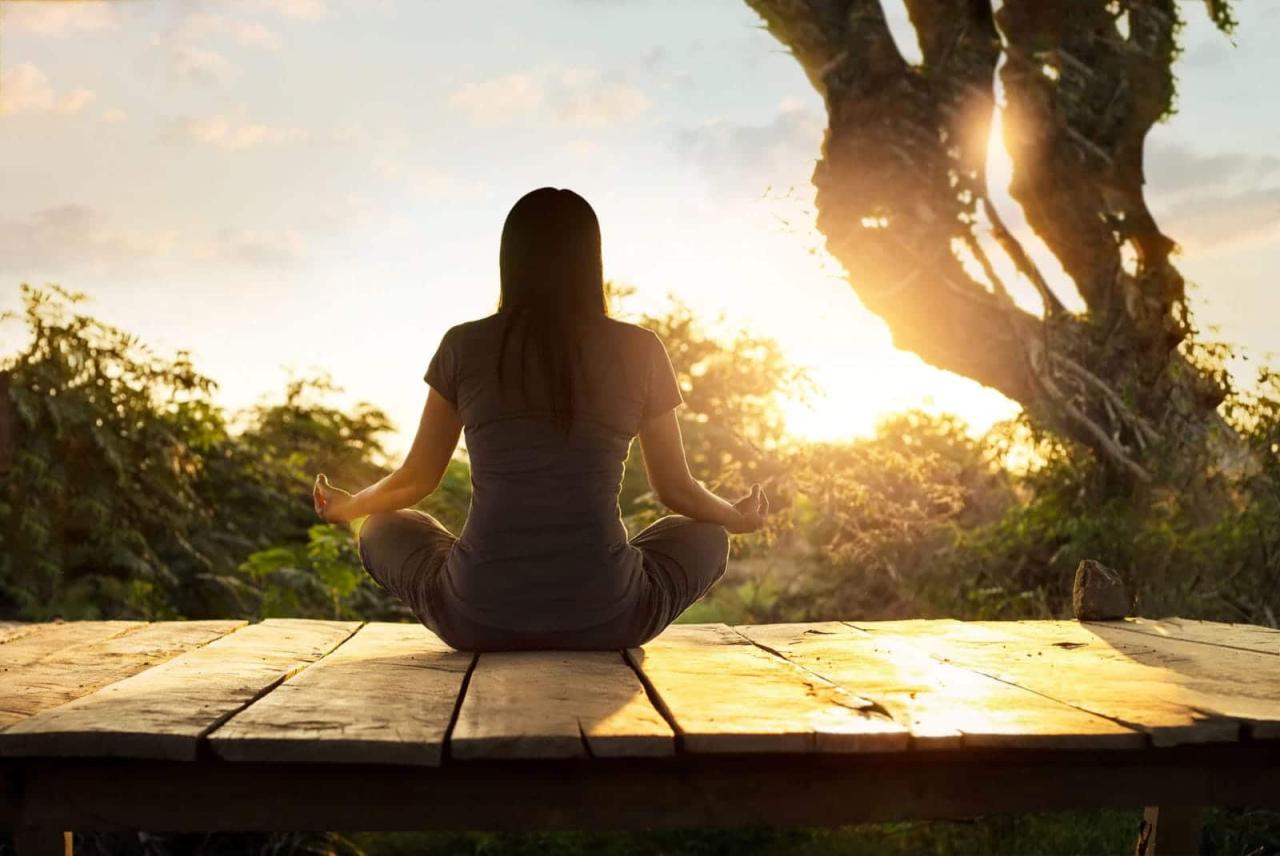
Implementing meditation as a regular part of an athlete’s training regimen can lead to significant improvements in mental clarity, emotional resilience, and overall performance. By cultivating a focused and calm mind, athletes are better equipped to handle the pressures of competition, maintain concentration during critical moments, and recover more quickly from setbacks. Meditation also plays a crucial role in reducing pre-competition anxiety and boosting self-confidence, empowering athletes to perform at their peak.
Scientific research and anecdotal evidence from professional athletes underscore the transformative impact of meditation on athletic success. Numerous high-performing athletes have integrated mindfulness and meditation into their routines, reporting enhanced focus, sustained motivation, and improved stress management. These practices not only sharpen mental acuity but also foster a resilient mindset essential for high-stakes competitions.
Mental Clarity and Focus Enhancement
Meditation trains the mind to stay present and attentive, which translates directly to improved focus during training and competitions. Techniques such as focused breathing or visualization help athletes clear mental distractions, allowing them to concentrate fully on their performance. Enhanced mental clarity results in more precise movements, quicker decision-making, and better adaptability in dynamic sports environments.
Reducing Anxiety and Building Confidence
Pre-competition anxiety can impair performance by causing muscle tension, racing thoughts, and self-doubt. Meditation helps athletes manage these stress responses by activating the parasympathetic nervous system, which promotes relaxation. Guided imagery and mindfulness exercises foster a sense of calm and control, enabling athletes to approach competitions with confidence and composure.
Exercises to Prepare the Mind for Peak Performance
Specific mental exercises can be incorporated into training to prime athletes for optimal performance. These exercises focus on cultivating mental resilience, visualization, and emotional regulation:
- Pre-Performance Visualization: Athletes vividly imagine executing their skills flawlessly, experiencing the sensations and emotions associated with success. This mental rehearsal enhances readiness and reduces performance anxiety.
- Focused Breathing Exercises: Deep, diaphragmatic breathing techniques help control physiological responses to stress, lower heart rate, and increase oxygen flow, fostering calmness and mental clarity.
- Body Scan Meditation: This practice involves systematically relaxing each part of the body, releasing tension that could interfere with physical performance and sharpening body awareness.
- Mindfulness of Movement: During training, athletes focus fully on each movement, sensations, and breathing, reinforcing present-moment awareness and precision under pressure.
Integrating these exercises into daily routines cultivates a resilient, focused, and confident mindset that directly correlates with improved athletic outcomes. Consistent mental training through meditation can help athletes maintain their peak state not just during competitions but throughout their entire athletic journey.
Incorporating Breathing Exercises and Mindfulness into Training
Integrating breathing techniques and mindfulness practices into athletic training enhances focus, reduces stress, and improves overall performance. These tools can be seamlessly embedded into daily routines, warm-ups, or cool-down periods, providing athletes with mental clarity and physical relaxation that complement their physical training. Consistent application fosters resilience under pressure and sharpens concentration during competition.Effective incorporation of breathing exercises and mindfulness supports athletes in maintaining composure, managing anxiety, and optimizing their physiological responses to stressors.
This holistic approach not only benefits mental health but also translates into tangible improvements on the field or in the gym.
Procedures for Breath Control Exercises
Breath control exercises serve as foundational practices to regulate physiological states, increase lung capacity, and promote mental calmness. Here are structured procedures that athletes can adopt to complement their training routines:
- Diaphragmatic Breathing (Belly Breathing): Sit or lie in a comfortable position. Place one hand on the chest and the other on the abdomen. Inhale deeply through the nose, ensuring the diaphragm expands and the abdomen rises. Exhale slowly through the mouth, releasing all air. Repeat for 5–10 minutes to enhance lung capacity and promote relaxation.
- Box Breathing (Square Breathing): Inhale through the nose for a count of four. Hold the breath for four counts. Exhale slowly through the mouth for four counts. Hold the breath out for another four counts before repeating the cycle. This exercise helps in cultivating focus and reducing anxiety, especially before competition.
- Alternate Nostril Breathing (Nadi Shodhana): Use the right thumb to close the right nostril. Inhale slowly through the left nostril. Close the left nostril with the ring finger, open the right nostril, and exhale through the right nostril. Repeat by alternating nostrils for several minutes. This technique balances the nervous system and improves concentration.
Mindfulness Practices for Athletic Training
Mindfulness practices foster present-moment awareness, which enhances focus during training phases and competitions. They can be incorporated before, during, and after activity to maintain mental clarity, reduce distractions, and promote recovery.
- Pre-Activity Mindfulness: Engage in a brief session of focused breathing or body scan meditation to center attention. For example, athletes can focus on their breath for 2-3 minutes, observing each inhale and exhale without judgment, to transition into a state of readiness.
- During Training or Competition: Maintain awareness of sensory inputs such as breath, muscle tension, or surroundings. Athletes can employ moment-to-moment mindfulness by periodically checking in with their body or breath, which helps in managing stress and maintaining optimal performance under pressure.
- Post-Activity Reflection: Practice a short mindful reflection or gratitude exercise to acknowledge effort, release tension, and facilitate recovery. This can involve slow breathing combined with conscious acknowledgment of achievements and sensations in the body.
Table of Breathing Techniques, Purposes, and Step-by-Step Procedures
This table summarizes different breathing techniques suitable for athletes, outlining their primary purposes and detailed steps to ensure effective practice.
| Technique | Purpose | Step-by-Step Procedure |
|---|---|---|
| Diaphragmatic Breathing | Enhances lung capacity, promotes relaxation |
|
| Box Breathing | Improves focus, reduces stress |
|
| Alternate Nostril Breathing | Balances nervous system, enhances concentration |
|
Visualizations and Mental Rehearsal Techniques
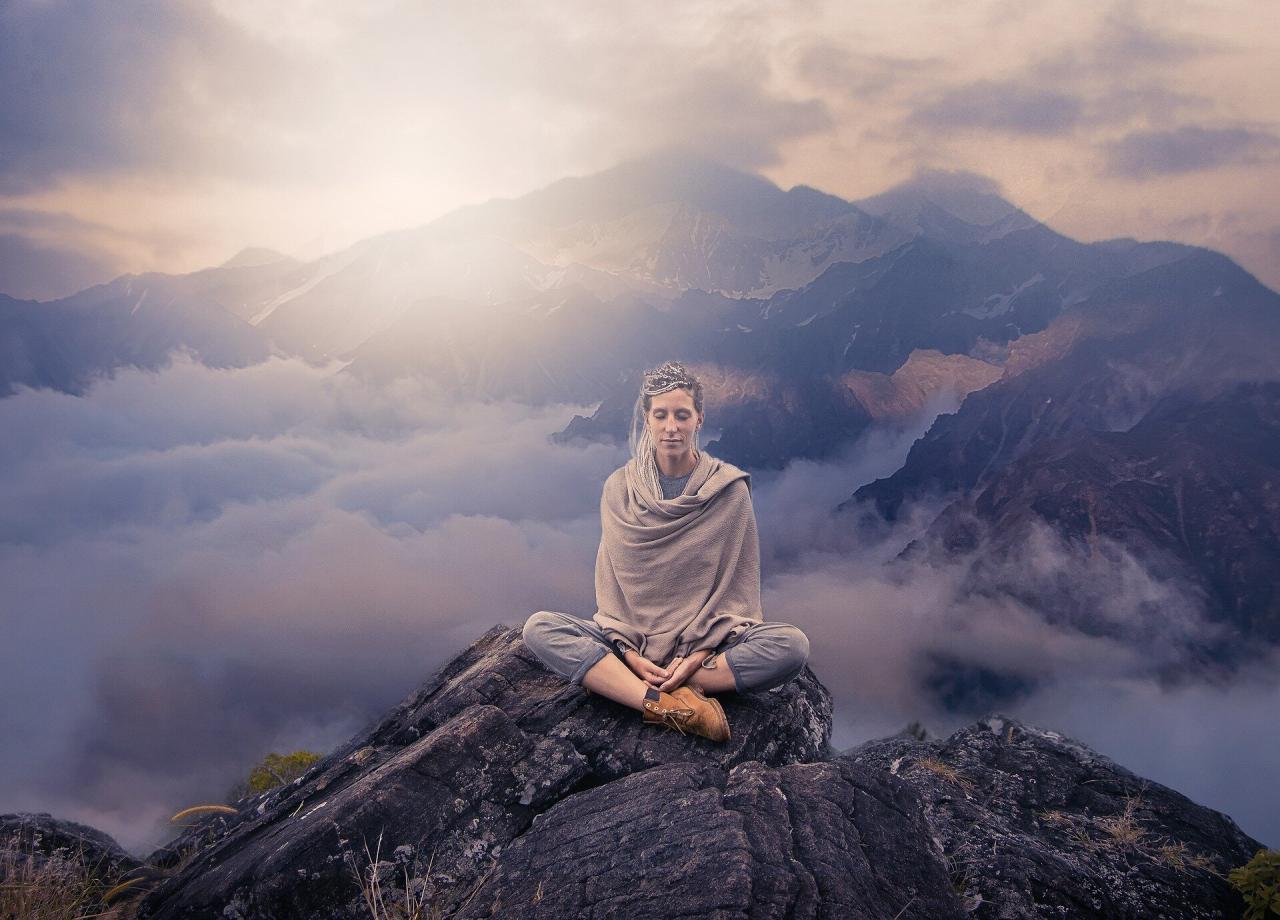
Visualization and mental rehearsal are powerful tools that athletes can utilize to enhance their performance by mentally practicing skills and scenarios. These techniques help in reducing anxiety, building confidence, and preparing the mind for competition or training. When integrated effectively into an athlete’s routine, visualizations can serve as a bridge between mental readiness and physical execution, fostering a comprehensive approach to peak performance.
Guided visualizations involve creating detailed mental images of successful performances, which stimulate neural pathways similar to actual physical practice. These mental exercises can improve focus, reinforce technique, and promote a sense of calm under pressure. By repeatedly imagining ideal performance scenarios, athletes can develop a resilient mental attitude that translates into tangible gains on the field or court.
Structuring Effective Visualization Sessions for Specific Sports
Designing targeted visualization sessions requires attention to the specific demands of the sport, the athlete’s current skill level, and their mental state. A structured approach ensures that visualization is purposeful, consistent, and impactful. The following guidelines assist athletes in creating efficient mental rehearsal routines tailored to their needs:
- Define Clear Objectives: Establish specific goals for each session, such as perfecting a particular skill, managing nerves before competition, or visualizing a successful game scenario.
- Choose a Relaxed Environment: Practice in a quiet, comfortable space free from distractions to facilitate deeper concentration and immersion in imagery.
- Focus on Sensory Details: Incorporate all five senses into mental images—visualize the environment, sounds, tactile sensations, smells, and even tastes associated with performance scenarios. This richness enhances realism and neural engagement.
- Develop Step-by-Step Scenarios: Break down complex skills or sequences into manageable parts, then mentally rehearse each step sequentially. For example, a gymnast might visualize the entry, execution, and landing of a routine in order.
- Use Positive Outcomes: Emphasize successful execution and positive feelings during visualization to reinforce confidence and reduce performance anxiety.
- Repeat Consistently: Conduct sessions regularly—preferably daily—to build familiarity and reinforce neural pathways associated with optimal performance.
For example, a basketball player might visualize themselves making perfect free throws in high-pressure situations, imagining the precise motion, the swish of the net, and the feeling of confidence, thereby mentally conditioning themselves for similar success during actual games.
Creating Vivid Mental Images of Successful Performance Scenarios
Vivid visualizations involve constructing highly detailed and lifelike mental images that evoke the same emotional and physiological responses as real performance. The clarity and intensity of these images significantly influence their effectiveness. To craft such images:
- Engage Multiple Senses: Imagine not just the visual aspects, but also the sounds, tactile sensations, smells, and emotional states associated with success. For instance, a golfer visualizing a perfect shot might feel the grip of the club, hear the ball striking the sweet spot, and experience the exhilaration of sinking a putt.
- Use Descriptive Language: Create rich, descriptive mental narratives that detail every step, movement, and environmental factor. The more detailed the imagery, the stronger the neural activation.
- Incorporate Emotions: Embed feelings of confidence, calmness, and determination into the visualization. Emotions play a crucial role in cementing these mental images and translating them into behavioral outcomes.
- Rehearse Under Different Conditions: Visualize scenarios under various conditions—adverse weather, loud crowds, or tight scores—to prepare mentally for challenges and maintain composure.
- Utilize Personal Success Memories: Recall moments of personal achievement and incorporate those feelings into new visualizations, strengthening self-belief and motivation.
Effective visualization sessions should be tailored to the athlete’s specific sport, performance goals, and mental preferences. Regular practice with vivid, emotionally charged imagery can lead to improved technique, heightened confidence, and a more resilient mental state, ultimately contributing to superior athletic performance.
Summary
In summary, mastering how to meditate for athletes offers numerous benefits, from heightened concentration to better stress management, ultimately supporting peak performance. Consistent practice, proper preparation, and adopting suitable techniques can lead to lasting improvements in both mental and physical aspects of athletic endeavors. Embracing meditation as part of your training regimen paves the way for sustained success and well-being.