Discovering how to meditate for balance offers a pathway to harmonize your mental, emotional, and physical well-being. This practice can serve as a vital tool in managing daily stresses, enhancing focus, and fostering a sense of tranquility amidst life’s busy rhythms.
Through understanding effective meditation techniques, proper preparation, and consistent routines, individuals can cultivate lasting inner stability. Exploring breathing exercises, mindfulness, and guided imagery further supports the journey toward achieving equilibrium and overall wellness.
Introduction to Meditation for Balance
Meditation is a time-honored practice that involves focused attention and mindfulness to cultivate mental clarity, emotional stability, and physical calmness. It serves as a powerful tool to harmonize the body and mind, fostering a state of equilibrium amid the stresses and demands of modern life. By dedicating a few moments each day to meditative practices, individuals can develop a greater sense of inner peace and resilience.
Achieving balance in life entails aligning one’s mental, emotional, and physical facets to promote overall well-being. When these elements are in harmony, a person experiences reduced stress, enhanced concentration, and improved health. Meditation plays a crucial role in this process by helping to regulate emotions, decrease anxiety, and restore bodily functions disrupted by everyday tension. The cumulative benefits of meditating for balance extend beyond individual health, positively influencing relationships and daily productivity.
The Role of Meditation in Enhancing Mental and Physical Equilibrium
Meditation is fundamentally about fostering awareness and acceptance of the present moment. This awareness helps to identify and release mental clutter and physical tension, creating a sense of stability and calm. Regular practice encourages the development of a balanced nervous system, which is vital for managing stress responses and maintaining emotional resilience. Additionally, meditation influences physiological processes such as heart rate, blood pressure, and cortisol levels, promoting a state of physical harmony.
Benefits of Meditating for Balance
Engaging in meditation specifically aimed at achieving balance offers numerous advantages that contribute to a more centered and healthier lifestyle. These benefits include:
- Reduction in Stress and Anxiety: Meditation activates the parasympathetic nervous system, calming the nervous system and reducing stress hormones.
- Improved Emotional Regulation: Regular practice fosters greater awareness of emotional triggers, enabling more balanced responses rather than impulsive reactions.
- Enhanced Focus and Clarity: Meditation cultivates mindfulness, which sharpens concentration and decision-making skills essential for daily functioning.
- Physical Health Benefits: It can lower blood pressure, improve sleep quality, and bolster immune response, contributing to overall physical health.
- Greater Self-Awareness: Developing a deeper understanding of oneself helps in recognizing personal needs and maintaining emotional equilibrium.
Through consistent meditation dedicated to balance, individuals can develop a resilient mental state and a robust physical foundation, leading to a more harmonious and fulfilling life.
Preparing for Meditation Practice
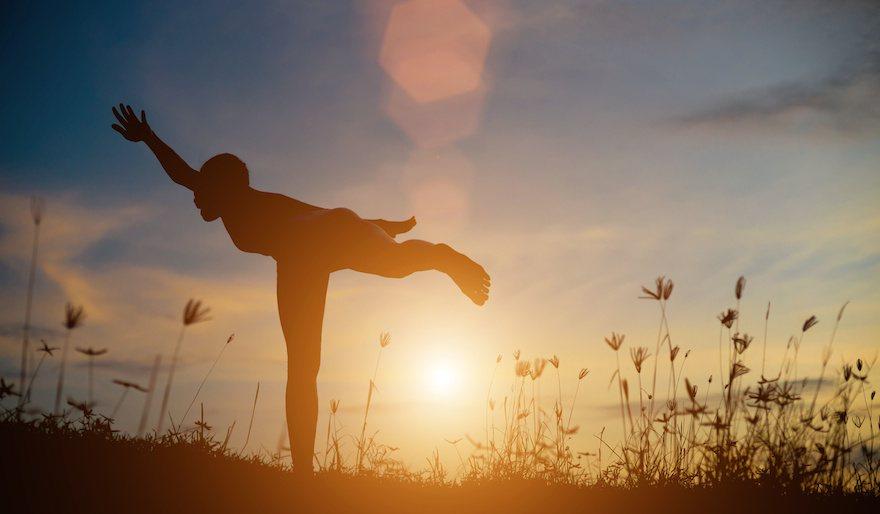
Establishing an optimal environment and setting clear intentions are essential steps to ensure a successful and meaningful meditation session focused on achieving balance. Proper preparation helps cultivate a calm mindset, minimizes distractions, and enhances the overall effectiveness of your practice. By paying attention to your surroundings and mindset, you create a foundation that supports inner peace and mental clarity.
Preparation involves creating a tranquil space, selecting appropriate tools, and consciously setting a purpose for each session. These elements work together to foster a sense of safety and focus, allowing meditation to become a natural and enriching part of your routine. Incorporate mindful practices into your preparation to deepen your experience and reinforce your dedication to cultivating balance through meditation.
Steps to Prepare for Meditation
| Item/Method | Description | Purpose | Additional Tips |
|---|---|---|---|
| Creating a Calm Environment | Choose a quiet space away from noise, interruptions, and distractions. This could be a corner of a room dedicated to meditation or a peaceful outdoor setting. | Facilitates concentration, reduces external disturbances, and promotes relaxation. | Use natural light or soft ambient lighting; keep the space tidy and free of clutter to foster a sense of serenity. |
| Using Supportive Items | Gather cushions, mats, or meditation benches that provide comfort and proper posture support during practice. Optional items include eye masks, candles, or calming essential oils. | Enhances comfort, encourages proper alignment, and creates a sensory environment conducive to relaxation. | Ensure items are easily accessible and clean; experiment with different supports to find what suits your body best. |
| Lighting and Ambience | Adjust lighting to a soft, warm glow, or use candles or dimmable lamps. Incorporate gentle sounds or silence as preferred. | Sets a peaceful tone, reduces visual distractions, and helps transition into a meditative state. | Avoid harsh or bright lights; consider background nature sounds or calming music if it enhances your focus. |
| Setting an Intention | Before starting, take a moment to define your purpose—such as seeking inner balance, mindfulness, or stress relief. This can be a simple verbal affirmation or a mental note. | Provides direction and focus for your session, aligning your mind with your desired outcome. | Use a brief phrase like “I seek balance” or “I am present” to reinforce your intent throughout the practice. |
| Practicing Mindfulness Beforehand | Engage in a few minutes of deep breathing or gentle stretching to center yourself and transition smoothly into meditation. | Helps release tension, calms the nervous system, and prepares your mind to focus inward. | Be intentional with each movement or breath, paying full attention to the present moment. |
Effective preparation transforms meditation from a routine task into a nourishing practice that deeply supports emotional and mental balance.
Techniques for Meditating to Achieve Balance
Achieving emotional, mental, and physical balance through meditation involves exploring various techniques that cater to different preferences and objectives. Each method offers unique pathways to cultivate inner harmony, reduce stress, and foster clarity. Understanding and practicing these techniques can empower individuals to integrate meditation into daily life effectively, tailoring their approach to suit personal needs and lifestyle constraints.
Different meditation methods influence the mind and body in distinct ways, promoting balance by nurturing mindfulness, calming the nervous system, or engaging the imagination. Selecting the appropriate technique depends on individual goals, temperament, and the specific aspect of balance one aims to enhance. Below, we explore some prominent meditation techniques, their procedures, benefits, and best practices for effective implementation.
Mindfulness Meditation
Mindfulness meditation involves paying deliberate attention to the present moment without judgment. This technique encourages acceptance of thoughts, feelings, and bodily sensations, helping to build awareness and emotional resilience. Regular practice can significantly reduce anxiety and promote mental clarity, leading to greater emotional equilibrium and physical relaxation.
- Find a comfortable seated position, ensuring your back is straight but relaxed.
- Close your eyes gently or maintain a soft gaze.
- Focus your attention on your breath, noticing the inhalation and exhalation without attempting to control it.
- When your mind wanders, gently redirect your focus back to your breath or the present moment, without self-criticism.
- Practice for 10-20 minutes daily, gradually increasing duration as comfort grows.
Breath-Focused Meditation
This technique centers on consciously regulating and observing the breath to induce calmness and balance. It is particularly effective for calming the nervous system, reducing stress responses, and anchoring the practitioner in a state of tranquility. The simplicity and accessibility of breath-focused meditation make it suitable for beginners and experienced practitioners alike.
- Choose a quiet space and sit comfortably with your spine upright.
- Close your eyes if preferred, or keep a soft gaze downward.
- Inhale slowly through your nose, feeling the air fill your lungs.
- Exhale smoothly through your mouth or nose, releasing tension as you breathe out.
- Pay attention to the sensation of each breath, maintaining a steady rhythm.
- Continue for 10-15 minutes, allowing your breathing to deepen naturally over time.
Guided Imagery Meditation
Guided imagery involves visualizing peaceful and balanced scenarios, engaging the imagination to promote relaxation and emotional harmony. This technique harnesses the mind’s creative power to foster feelings of safety, harmony, and well-being, thus supporting overall balance across emotional, mental, and physical domains.
- Begin by sitting or lying down in a comfortable position in a quiet environment.
- Close your eyes and take a few deep breaths to settle into relaxation.
- Follow a guided narration or your own mental images of a serene place, such as a tranquil forest, beach, or meadow.
- Visualize detailed aspects of the scene, including sights, sounds, smells, and sensations.
- Allow yourself to immerse fully in this environment, noticing any feelings of peace or balance that arise.
- Maintain this visualization for 15-20 minutes, gradually bringing your awareness back before concluding the session.
| Technique | Features | Advantages | Recommended Duration |
|---|---|---|---|
| Mindfulness Meditation | Present-moment awareness without judgment | Enhances emotional resilience, improves focus, reduces stress | 10-20 minutes daily |
| Breath-Focused Meditation | Conscious breathing control and observation | Calms the nervous system, alleviates anxiety, promotes physical relaxation | 10-15 minutes daily |
| Guided Imagery Meditation | Visualization of peaceful scenarios | Reduces stress, fosters emotional healing, stimulates imagination | 15-20 minutes, as preferred |
Each of these meditation techniques influences balance by activating different neural pathways and physiological responses. Mindfulness enhances emotional regulation and mental clarity by fostering acceptance and awareness of the present moment. Breath-focused practices stimulate the parasympathetic nervous system, leading to decreased heart rate and blood pressure, thus promoting physical calmness. Guided imagery engages the imagination to evoke positive emotional states and reduce stress, contributing to overall mental and emotional harmony.
Regular practice of these methods can facilitate a more balanced state, supporting well-being across all aspects of life.
Breathing Exercises to Support Balance
Incorporating specific breathing techniques into your meditation practice can significantly enhance your journey toward inner harmony and physical balance. These exercises are designed to modulate the nervous system, reduce stress, and promote a sense of calm and centeredness. Understanding the physiological effects and proper techniques of these practices allows you to maximize their benefits and foster a state of equilibrium in your body and mind.
Engaging in targeted breathing exercises can help regulate the autonomic nervous system, which controls involuntary bodily functions such as heart rate, digestion, and respiratory rate. By consciously controlling your breath, you activate mechanisms that shift the body from a sympathetic state (associated with stress and alertness) to a parasympathetic state (linked to relaxation and recovery). This shift supports emotional stability, mental clarity, and physical health, contributing to overall balance.
Diaphragmatic Breathing
Diaphragmatic breathing, also known as belly breathing, encourages full oxygen exchange and activates the relaxation response. It is particularly effective in calming the nervous system and reducing tension stored in the body.
Step-by-step procedure:
- Find a comfortable seated or lying position, ensuring your back is straight but relaxed.
- Place one hand on your chest and the other on your abdomen, just below your rib cage.
- Inhale slowly through your nose, directing the breath toward your diaphragm, so your abdomen rises while your chest remains relatively still.
- Exhale gently through your mouth or nose, allowing your abdomen to fall naturally.
- Repeat this process for 5-10 minutes, maintaining a steady, relaxed rhythm.
Benefits include enhanced oxygenation, lowered blood pressure, and reduced cortisol levels. This practice helps stabilize the nervous system by engaging the vagus nerve, leading to a calming effect that promotes emotional and physical balance.
Alternate Nostril Breathing
This technique involves alternating nostrils during inhalation and exhalation, balancing the flow of energy through the body’s channels, known as nadis, and harmonizing the brain hemispheres.
Step-by-step procedure:
- Sit comfortably with your spine straight and shoulders relaxed.
- Use your right thumb to gently close your right nostril.
- Inhale slowly and deeply through the left nostril.
- Close the left nostril with your right ring finger, then release your thumb from the right nostril.
- Exhale slowly through the right nostril.
- Inhale through the right nostril, then close it again with your thumb.
- Exhale through the left nostril, completing one cycle.
- Repeat for 5-10 minutes, maintaining a smooth, gentle breath.
This method enhances parasympathetic activity, reduces anxiety, and promotes mental clarity. The alternating pattern helps balance the nervous system, fostering emotional equilibrium and inner harmony.
Box Breathing (Square Breathing)
Box breathing involves equal-duration inhalations, holds, and exhalations, creating a structured rhythmic pattern that calms the nervous system and improves focus.
Step-by-step procedure:
- Inhale slowly through the nose for a count of four seconds.
- Hold your breath for a four-second pause.
- Exhale gently through your mouth or nose for four seconds.
- Pause and hold your breath again for four seconds before repeating the cycle.
Repeat this cycle for several minutes, focusing on the evenness of each phase. This exercise helps regulate heart rate variability, reduces stress hormones, and promotes a state of calm awareness. The rhythmic nature of box breathing actively engages the parasympathetic nervous system, fostering a deep sense of tranquility and balance.
“Controlled breathing exercises like diaphragmatic, alternate nostril, and box breathing modulate the autonomic nervous system, shifting the body from stress to relaxation states, thereby promoting internal harmony and physical balance.”
Developing a Regular Meditation Routine
Establishing a consistent meditation practice is essential for cultivating a sense of balance and stability in daily life. A well-structured routine helps reinforce mindfulness habits, reduces the likelihood of skipping sessions, and deepens the benefits of meditation over time. By integrating meditation into your daily schedule thoughtfully, you create an environment conducive to ongoing growth and well-being.Consistency in meditation practice not only enhances mental clarity and emotional resilience but also fosters physical health benefits such as reduced stress hormone levels and improved sleep.
Developing a routine tailored to your lifestyle ensures sustainability and allows meditation to become a natural part of your daily rhythm. The process involves selecting optimal times, durations, and strategies to maintain motivation and overcome common obstacles.
Strategies for Establishing Consistent Meditation Habits Focused on Balance
Building a sustainable meditation routine requires clear planning and mindful commitment. Consider the following strategies:
- Set Clear Intentions: Define specific goals for your meditation practice, such as achieving mental clarity or emotional equilibrium. Clear intentions provide motivation and direction.
- Start Small and Progress Gradually: Begin with short sessions of 5 to 10 minutes, gradually increasing duration as comfort and consistency improve. This prevents overwhelm and promotes habit formation.
- Create a Dedicated Space: Designate a quiet, comfortable area reserved for meditation. A consistent environment signals your mind to relax and focus.
- Schedule Meditation at Consistent Times: Choose specific times each day—such as morning upon waking or evening before sleep—to anchor your routine. Consistency reinforces habit formation.
- Use Reminders and Alarms: Utilize calendar alerts or visual cues to prompt your practice, especially in the initial stages.
- Track Progress and Celebrate Milestones: Maintain a meditation journal or use apps to monitor your practice. Recognizing progress boosts motivation.
Ideal Times of Day and Duration for Effective Practice
Selecting the most suitable times and durations depends on individual schedules and energy levels, yet some general principles enhance the effectiveness of your routine:
Morning meditation can set a peaceful tone for the day, promoting mental clarity and emotional balance. Evening sessions help unwind accumulated stress and foster restful sleep. Midday practices serve as a reset, re-centering focus amidst busy schedules.
For duration, starting with 5 to 10 minutes allows beginners to build consistency without feeling overwhelmed. Progressively extending sessions to 15-20 minutes can deepen the experience and bolster benefits. The key is to find a balance that maintains engagement and fits seamlessly into daily routines.
Examples of Weekly Meditation Schedules
Below is a sample schedule illustrating how a balanced weekly meditation routine might look, accommodating different times and durations to maximize benefits:
| Day | Time of Day | Duration | Focus Area |
|---|---|---|---|
| Monday | Early Morning | 10 minutes | Breath Awareness and Intent Setting |
| Tuesday | Midday | 8 minutes | Body Scan for Relaxation |
| Wednesday | Evening | 15 minutes | Mindfulness of Emotions |
| Thursday | Early Morning | 10 minutes | Visualization for Balance |
| Friday | Midday | 8 minutes | Focus on Breath and Calmness |
| Saturday | Afternoon | 20 minutes | Deep Meditation and Reflection |
| Sunday | Morning or Evening | 10 minutes | Gratitude and Centering |
Adjust the schedule based on personal preferences and commitments. The key is regularity and making meditation an integral part of weekly life.
Methods to Overcome Common Challenges Such as Distractions or Impatience
Maintaining a meditation routine can be impeded by various obstacles, including distractions, impatience, or waning motivation. Addressing these challenges proactively ensures sustained practice:
- Managing Distractions: Choose a quiet, clutter-free environment. Use gentle reminders of your intention to stay present, and consider using soothing background sounds or white noise if necessary.
- Dealing with Impatience: Recognize that progress in meditation is gradual. Focus on the process rather than immediate results, and practice patience with yourself. Shorter, consistent sessions are more effective than infrequent, lengthy ones.
- Enhancing Motivation: Incorporate variety by exploring different techniques or guided meditations. Join meditation groups or communities for support and encouragement.
- Handling Restlessness or Boredom: Use mindfulness techniques to observe restless thoughts without judgment. Acknowledge boredom as part of the process and gently bring focus back to your breath or mantra.
- Addressing Time Constraints: Integrate meditation into daily activities, such as mindful breathing during commutes or short pauses during work, to maintain consistency despite busy schedules.
Remaining flexible and compassionate towards oneself during challenges fosters resilience and encourages the development of a lasting meditation practice centered on achieving balance.
Incorporating Mindfulness and Body Awareness

Practicing mindfulness and increasing body awareness are essential components in achieving and maintaining a sense of balance. When we cultivate present-moment focus, we foster a state of calmness and clarity that supports mental and physical harmony. Integrating these practices into daily life enhances the benefits gained from formal meditation sessions, helping to sustain equilibrium throughout the day.Mindfulness involves paying deliberate attention to our thoughts, feelings, bodily sensations, and surroundings without judgment.
This heightened awareness allows us to recognize stressors or tension as they arise, enabling us to respond thoughtfully rather than react impulsively. Body awareness, on the other hand, emphasizes tuning into physical sensations, posture, and movement, which deepens our connection with the body’s signals and promotes alignment between mind and body.
Body Scans and Mindful Movement
Engaging in body scans involves systematically directing attention to different parts of the body, from the toes to the head. This practice helps in identifying areas of tension or discomfort, facilitating relaxation and release. To perform a body scan, find a quiet space, lie down comfortably, and slowly bring awareness to each body segment, observing sensations without trying to change them.
This process promotes a sense of groundedness and physical clarity that enhances overall balance.Mindful movement practices, such as slow walking, stretching, or gentle yoga, integrate attentiveness with physical activity. Moving mindfully encourages a deeper awareness of bodily sensations and fosters coordination, flexibility, and relaxation. These practices can be seamlessly incorporated into daily routines, making balance a continuous state rather than a fleeting achievement.
Methods to Integrate Mindfulness into Daily Activities
Embedding mindfulness into everyday tasks reinforces present-moment awareness outside of designated meditation sessions. Simple practices can be incorporated into routine activities, transforming mundane moments into opportunities for grounding and centering. This approach cultivates resilience, reduces stress, and promotes overall well-being.Some effective methods include:
- Mindful Breathing During Commuting: Paying close attention to each breath while sitting in transit, noting the inhalation and exhalation, can turn a passive activity into a calming exercise that centers the mind.
- Observing Sensations During Eating: Engaging fully with the sensory experience of eating—notice the textures, flavors, and smells—enhances appreciation and promotes mindful nourishment.
- Pausing for Body Checks: Periodically pausing throughout the day to scan the body for tension, then consciously releasing it, supports ongoing physical and mental balance.
- Mindful Listening: Giving full attention to sounds in the environment without judgment fosters presence and reduces mental clutter.
- Incorporating Gentle Movement: Brief stretches or posture adjustments during work or chores maintain physical awareness and prevent stiffness or fatigue.
“Practicing mindfulness in daily life transforms routine actions into opportunities for presence, fostering a resilient sense of balance and well-being.”
- Body Awareness Exercises: Regularly practicing body scans or mindful movement enhances proprioceptive awareness, helping to detect and release tension that may otherwise accumulate unnoticed.
- Habitual Mindful Breathing: Developing the habit of conscious breathing during various activities refocuses attention and anchors the mind in the present moment.
- Physical Posture Observation: Maintaining awareness of posture during daily tasks encourages alignment and reduces physical strain, supporting overall balance.
- Sensory Engagement: Fully immersing in sensory experiences, such as feeling textures or listening attentively, cultivates mindfulness that extends beyond formal practice.
Using Guided Meditation and Visualization
Guided meditation and visualization are powerful tools that can significantly enhance your journey toward achieving mental and emotional balance. By providing gentle direction and vivid imagery, these practices help anchor your focus, reduce stress, and foster a deep sense of harmony within.
Engaging in guided meditation allows individuals to follow structured audio or visual prompts that lead them through calming scenarios and mindful states. Visualization, on the other hand, involves creating detailed mental images that evoke feelings of stability, peace, and equilibrium. Combining these approaches encourages a deepened meditative experience, making it easier to access a balanced and centered mindset.
Creating Personal Visualization Scripts Focused on Harmony and Stability
Designing effective visualization scripts involves crafting scenes that evoke serenity, strength, and equilibrium. Personalization is key, as imagery that resonates deeply with your inner sense of peace enhances the effectiveness of your practice. Here are essential steps to create meaningful visualization scripts:
- Identify themes of balance and harmony that resonate personally, such as flowing water, stable mountains, or gentle breezes.
- Use descriptive language to paint vivid mental images, incorporating sensory details like sounds, textures, and scents.
- Incorporate affirmations that reinforce stability and inner peace, integrating them naturally into the visualization.
- Include gradual progression, starting with simple calming scenes and evolving toward more profound imagery of stability and resilience.
Below are sample scripts and imagery descriptions to guide your visualization practice:
Imagine yourself standing at the edge of a tranquil lake during sunrise. The water is perfectly still, reflecting the soft hues of pink and gold in the sky. You feel the gentle warmth of the sun on your face, and a calming breeze brushes past, carrying the soothing scent of blooming flowers. With each breath, you inhale peace and exhale tension, feeling your mind settle into a state of harmonious balance. As you watch the water’s surface, visualize any worries dissolving into the calm depths, replaced by a profound sense of stability and inner strength.
Visualize a majestic mountain standing firm and unwavering amidst changing weather. Its rugged peaks are covered with a light dusting of snow, symbolizing resilience and endurance. You see yourself standing at the mountain’s base, feeling grounded and secure. The mountain’s solid foundation supports you, reminding you of your own inner stability. Every inhale fills you with strength, and each exhale releases instability and doubt. Feel the energy of the mountain flowing into you, cultivating a deep sense of equilibrium and steadfastness.
Designing Audio or Visual Aids to Enhance Meditation Sessions
Effective audio and visual aids serve as anchors that deepen your meditation experience and maintain focus. When carefully crafted, these tools can evoke the desired emotional responses and reinforce themes of balance and harmony.
- Audio recordings: Utilize soothing sounds such as flowing water, gentle rain, or calming music to create a peaceful environment. Narration should guide the listener through visualization exercises, incorporating pauses for reflection and deep breathing.
- Visual aids: Use imagery that depicts serene landscapes, balanced symbols like the yin-yang, or mandalas that promote focus and tranquility. Projected visuals should be clear and unobtrusive, allowing the practitioner to immerse fully in the scene.
- Integrating multisensory elements: Combine auditory cues with visual stimuli to enhance immersion. For example, pairing a calming voiceover with animated visuals of flowing water or blooming flowers can heighten the sense of peace and stability.
Designing these aids with high-quality sounds and visuals, simplicity, and relevance to your meditation goals ensures a more engaging and effective practice. Regularly updating or customizing these tools keeps your sessions fresh and aligned with your evolving needs for balance and well-being.
Monitoring and Enhancing Meditation Effectiveness
Consistent evaluation of your meditation practice is essential to understanding its impact on your sense of balance and overall well-being. By actively monitoring your progress and effects, you can identify what techniques resonate most with you and make informed adjustments to deepen your practice. This ongoing process not only fosters personal growth but also ensures sustained benefits, helping you maintain equilibrium amidst life’s challenges.
Implementing tracking methods and reflecting on personal experiences enables you to tailor your meditation journey for maximum effectiveness. Adapting your practices based on observations encourages continuous improvement, while structured journaling provides valuable insights. Over time, this approach supports the development of more profound meditation sessions, ultimately leading to a more stable and harmonious state of balance.
Methods to Track Progress and Effects of Meditation on Balance
Effective tracking involves both qualitative and quantitative assessments to capture the nuances of your meditation journey. Regularly noting changes in physical sensations, emotional responses, mental clarity, and overall stability can reveal subtle improvements over time. Using objective measures, such as stress levels or sleep quality, can also complement subjective observations.
- Self-Reflection Journals: Maintaining a daily or weekly journal to record feelings, thoughts, and physical sensations experienced before and after meditation sessions. This helps identify patterns and areas of growth or concern.
- Balance Scales or Checklists: Developing simple scales to rate levels of stress, anxiety, or emotional stability on a daily basis. Tracking these metrics over time highlights tangible progress.
- Physiological Feedback: Utilizing tools like heart rate variability monitors or biofeedback devices can provide real-time data on your body’s response to meditation, offering objective insights into your balance.
Combining these methods enhances your understanding of how meditation influences your physical and mental state, fostering an informed approach to practice adjustments.
Adapting Practices Based on Personal Experiences
Ongoing self-awareness allows you to modify your meditation routines in response to your evolving needs. Recognizing signs of stagnation, fatigue, or diminished effects signals the need for adjustments. Personal experiences serve as valuable feedback, guiding you to refine techniques, change durations, or explore new methods to maintain engagement and effectiveness.
- Alter Technique Variations: If certain practices feel less effective, experiment with different meditation styles such as body scan, loving-kindness, or mindfulness of sounds to find what best supports your balance.
- Adjust Duration and Frequency: Increasing or decreasing meditation duration or frequency based on how your body and mind respond ensures sustainable practice without burnout.
- Incorporate Breaks or Rest Periods: Recognizing when to pause or rest can prevent fatigue and maintain enthusiasm for your meditation routine.
Documenting these adaptations in your journal helps you track which modifications yield positive outcomes, fostering a dynamic and personalized meditation practice.
Organizing Journal or Log Templates
Structured journaling facilitates systematic reflection and tracking of your meditation progress. A well-designed log template enables easy data entry and meaningful analysis. Below is a recommended format for organizing your meditation journal:
| Column | Description |
|---|---|
| Date | The specific day of the meditation session, allowing chronological tracking of progress and patterns over time. |
| Technique Used | Specifies the meditation method employed (e.g., breath awareness, guided visualization, body scan), to analyze which practices are most effective. |
| Observed Effects | Notes physical sensations, emotional states, mental clarity, or balance levels experienced post-meditation, providing qualitative feedback. |
| Adjustments | Records any changes made to the practice (duration, technique, environment) and the rationale behind these modifications. |
Regularly updating this log fosters accountability and offers a clear visual of your journey toward greater balance.
Deepening Meditation Practices for Sustained Balance
As your meditation practice matures, exploring ways to deepen your experience enhances long-term stability and resilience. Progressing gradually allows you to unlock more profound states of relaxation, awareness, and inner harmony.
- Extended Sessions: Increasing meditation duration incrementally helps cultivate deeper states of consciousness and a stronger sense of balance.
- Advanced Techniques: Incorporating practices such as loving-kindness meditation, chakra balancing, or transcendental meditation can expand your capacity for inner harmony.
- Silent Retreats or Extended Periods: Participating in silent retreats or dedicating longer periods for intensive practice can significantly reinforce your skills and insight into maintaining balance.
- Integration into Daily Life: Embedding mindfulness and awareness throughout daily activities ensures that the benefits of meditation permeate various aspects of life, fostering sustained equilibrium.
Consistent effort and openness to exploring new dimensions of meditation support a resilient, balanced state that adapts to life’s evolving demands, promoting overall well-being and inner stability.
Conclusion
Incorporating meditation into your daily life provides a powerful means to nurture balance and resilience. By applying the strategies discussed, you can embark on a sustainable practice that nurtures your mind and body, leading to a more harmonious and fulfilling existence.