Learning how to meditate for body healing offers a powerful approach to enhancing physical health and overall wellness. Meditation, when practiced correctly, can serve as a valuable tool to support the body’s natural healing processes, reduce stress, and promote relaxation. Many individuals are discovering that incorporating specific meditation techniques into their daily routines can lead to significant health benefits, from alleviating chronic pain to boosting immunity.
This guide provides comprehensive insights into effective meditation methods aimed at healing the body, practical tips for preparation, and ways to track your progress. By understanding the science behind meditation’s impact on health and adopting consistent practices, you can unlock a pathway to improved vitality and well-being.
Introduction to Meditation for Body Healing
Meditation has long been recognized as a powerful tool for fostering mental clarity and emotional balance. In recent years, its application for physical healing has gained increasing attention, as scientific studies reveal tangible benefits for various health conditions. When practiced consistently, meditation can support the body’s natural capacity to recover, reduce stress-related ailments, and promote overall wellness.
It is important to clarify common misconceptions surrounding meditation. Some may perceive it as merely relaxation or a religious ritual; however, meditation is a scientifically supported practice that involves focused attention, mindfulness, and controlled breathing techniques. These elements work together to influence physiological processes, such as lowering blood pressure, enhancing immune function, and reducing inflammation. Importantly, meditation is not a substitute for medical treatment but a complementary approach that can enhance the body’s healing potential.
Starting a Meditation Practice for Physical Healing
Establishing a meditation routine specifically aimed at healing requires intentionality and consistency. Initiating this practice involves understanding the foundational steps and creating a conducive environment. It is equally vital to approach meditation with patience, recognizing that benefits accumulate over time rather than immediately. A well-structured practice can significantly influence physical health, providing relief from chronic pain, assisting in recovery from illness, and supporting emotional resilience that is essential for physical healing.
Benefits of Meditation on Physical Health
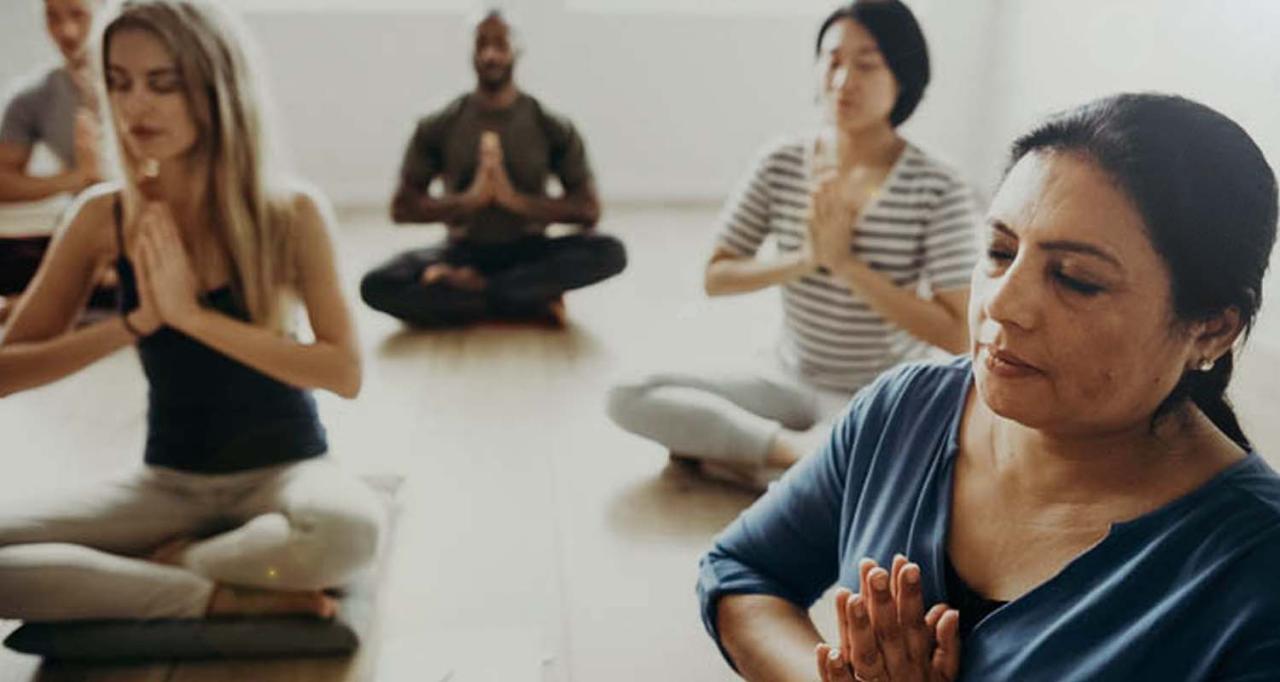
Meditation offers numerous physiological benefits that contribute significantly to overall physical well-being. Regular practice can lead to tangible improvements in bodily functions, making it a valuable complementary approach to conventional healthcare. Understanding how meditation influences various aspects of physical health can motivate individuals to incorporate this practice into their daily routines.
Scientific studies have demonstrated that meditation can positively affect the body’s biological processes. It helps reduce inflammation, strengthen the immune system, and promote relaxation of tense muscles. Additionally, by alleviating stress, meditation can mitigate the impact of chronic conditions and support the body’s natural healing mechanisms. The following sections detail these effects and offer a comparative overview of health conditions improved through meditation.
Physiological Effects of Meditation
Engaging in meditation induces a series of physiological responses that enhance bodily health. These effects include modulation of hormonal levels, reduction of inflammatory markers, and improved cardiovascular function. Meditation activates the parasympathetic nervous system, which is responsible for the body’s rest-and-digest response, thus decreasing stress hormone production and promoting physiological balance.
- Reduction of inflammation: Meditation has been shown to lower levels of pro-inflammatory cytokines, which are linked to chronic inflammatory diseases such as rheumatoid arthritis and cardiovascular conditions.
- Enhanced immune function: Regular meditation practice can increase activity in natural killer cells and improve immune surveillance, making the body more resilient against infections and illnesses.
- Blood pressure regulation: Meditation techniques, particularly mindfulness and deep breathing, have a calming effect that contributes to lower blood pressure and reduced risk of hypertension-related complications.
Stress Alleviation and Its Impact on Bodily Systems
Stress is a major factor influencing numerous health issues, ranging from mental health disorders to cardiovascular diseases. Meditation’s ability to diminish stress levels profoundly benefits the body’s systems, reducing the risk of stress-related illnesses and supporting overall health. Stress reduction through meditation leads to decreased production of cortisol, a hormone associated with inflammation and immune suppression when elevated chronically.
“Calming the mind through meditation not only restores mental clarity but also alleviates the physiological burden of stress, leading to tangible health improvements.”
By fostering relaxation, meditation helps regulate heart rate, improve respiratory function, and restore hormonal balance. These effects collectively help in managing conditions such as anxiety, depression, insulin resistance, and even chronic pain syndromes.
| Health Condition | Supporting Effects of Meditation |
|---|---|
| Chronic Stress | Reduces cortisol levels, enhances relaxation response, and promotes mental calmness |
| High Blood Pressure | Lowered blood pressure through activation of the parasympathetic nervous system |
| Inflammatory Diseases | Decreases pro-inflammatory cytokines and promotes anti-inflammatory responses |
| Immune Disorders | Improves immune cell activity and increases resistance to infections |
| Sleep Disorders | Enhances sleep quality through relaxation and stress reduction, stabilizing circadian rhythms |
Preparing for Meditation Sessions
Engaging in a body healing meditation requires a thoughtful approach to preparation, ensuring that the environment and your mindset are conducive to deep relaxation and effective energy flow. Proper preparation helps to maximize the benefits of your meditation practice, creating an atmosphere where healing can occur more seamlessly. This section provides practical steps to set up your space, adopt suitable postures, and establish clear intentions to enhance your meditation experience.Creating an optimal environment is essential for maintaining focus and fostering tranquility during your session.
A peaceful, clutter-free space free from distractions allows your mind to settle more easily and directs your energy toward healing. Incorporating calming elements such as soft lighting, gentle music, or natural aromas can further enhance the ambiance, making it easier to enter a meditative state. Ensuring a comfortable temperature and minimizing interruptions contributes significantly to your ability to relax fully.Choosing the right posture is vital for sustaining comfort and facilitating effective energy circulation.
The ideal position should support an upright yet relaxed spine, enabling effortless breathing and alertness. Popular postures include sitting cross-legged on a cushion or chair, kneeling with support, or lying down if mobility issues exist. The key is to maintain stability without strain, allowing your body to remain still and relaxed throughout the session.To set a focused and purposeful intention before beginning your meditation, dedicate a few moments to clarify your goals.
This might involve silently affirming your desire for physical healing, releasing specific ailments, or fostering overall well-being. Visualizing the healing energy flowing through your body or repeating a calming phrase can help anchor your attention and deepen your connection to the process. Establishing a clear mental focus ensures your meditation remains aligned with your healing intentions.
Creating a Conducive Environment
Establishing a serene space is foundational for effective meditation. Choose a quiet area where interruptions are minimal, and ensure the environment reflects tranquility. Use elements like soft lighting, perhaps through candles or dimmed lamps, and incorporate natural scents such as lavender or sandalwood to promote relaxation. Keeping the space tidy and free of clutter reduces visual distractions, allowing your mind to settle and focus on the healing process.
Recommended Postures and Positions
Comfortable positioning supports sustained meditation sessions, especially when aiming for physical healing. The primary goal is to attain a posture that promotes alertness while allowing the body to relax deeply.
- Sitting Cross-Legged: Sit on a cushion or mat with legs crossed comfortably, ensuring your back is straight but not stiff. This position encourages stability and open energy channels.
- Sitting on a Chair: Sit upright with feet flat on the ground, back supported but not leaning excessively. Use a cushion if needed to elevate your hips slightly for comfort.
- Kneeling Position: Kneel on a cushion, keeping the back straight and shoulders relaxed. This posture can deepen relaxation if maintained without strain.
- Lying Down: Lie flat on your back with arms resting comfortably by your sides. Use a small pillow under your head if necessary. This position is suitable for deep relaxation but requires vigilance to prevent falling asleep during mindfulness practice.
Each posture should facilitate effortless breathing and maintain spinal alignment, which is essential for the free flow of energy and effective meditation. Adjust your position as needed to avoid discomfort or tension that might detract from your focus.
Setting Intentions and Focus
Preparing your mind before meditation enhances the effectiveness of the healing process. Take a few moments to clearly define your intentions, which act as a guiding purpose throughout your session.
- Close your eyes gently and breathe deeply to center yourself, inhaling slowly through the nose and exhaling through the mouth.
- Silently affirm your healing goals, such as “I am open to healing and releasing pain,” or “My body is restoring its natural balance.”
- Visualize a luminous light or healing energy enveloping your body, targeting areas that require attention, and imagine this energy dissolving discomfort or blockages.
- Repeat a calming phrase or mantra that resonates with your healing intention, like “Peace and health flow through me.”
- Maintain this focus throughout your meditation, gently bringing your attention back whenever your mind wanders away from your intentions.
Clear intentions and focused awareness create a powerful foundation for your meditation, aligning your mental and energetic states toward physical healing. Consistent practice of setting these goals can amplify the benefits and deepen your overall experience.
Techniques and Methods for Healing Meditation
Implementing effective meditation techniques tailored for body healing can significantly enhance the body’s natural capacity to recover and restore health. Different styles of meditation emphasize various aspects of relaxation, visualization, and awareness to target physical ailments and promote overall well-being.
Each method offers unique approaches to focus the mind on healing intentions, stimulate bodily functions, and foster positive energy flow. Selecting the appropriate technique or combining multiple styles can deepen the healing experience and support specific health goals.
Guided Visualization for Healing
Guided visualization involves using imagery and mental pictures to direct the mind towards healing sensations within the body. This technique harnesses the power of imagination to activate the body’s self-healing processes, reduce stress, and alleviate pain.
- Begin by sitting or lying comfortably in a quiet space. Close your eyes and take several deep breaths to center yourself.
- Imagine a warm, healing light or energy flowing into the area of discomfort or illness. Visualize this light gradually expanding, penetrating every cell, tissue, and organ in need of healing.
- Focus on the sensation of healing energy enveloping the affected area, promoting circulation, cell regeneration, and overall recovery.
- Maintain this visualization for several minutes, emphasizing feelings of vitality, health, and restoration.
To enhance this technique, incorporate affirmations or positive visualizations:
Affirmation Example: “With each breath, I increase healing energy within my body.”
Visualization Tip: Picture healing light dissolving pain or inflammation, leaving your body refreshed and renewed.
Body Scan Meditation
The body scan is a systematic approach to cultivating awareness of physical sensations, promoting relaxation, and identifying areas in need of healing. It encourages a gentle, non-judgmental focus on the body’s signals, facilitating release of tension and supporting recovery.
- Lie down comfortably, ensuring your environment is quiet and free from distractions.
- Begin by bringing attention to your toes, observing any sensations, tensions, or discomforts without attempting to change them.
- Slowly move your focus upward through your legs, pelvis, abdomen, chest, arms, shoulders, neck, and head, pausing at each region to observe sensations.
- If you notice areas of tightness or pain, imagine sending warm, healing light to these zones, encouraging relaxation and repair.
- Conclude the session by imagining your entire body enveloped in a healing energy, fostering holistic restoration.
Enhance the body scan with affirmations:
Affirmation Example: “Every part of my body is capable of healing and renewal.”
Visualization Tip: Visualize your breath as a gentle wave of healing energy that flows through your body with each inhale and exhale.
Breath Awareness and Pranayama for Healing
Focusing on breath awareness or practicing specific breathing techniques like pranayama can activate the parasympathetic nervous system, reduce stress, and improve oxygen flow—crucial factors in physical healing. Proper breathing techniques help release tension, increase vitality, and support immune function.
- Sit comfortably with an upright spine, and close your eyes if preferred.
- Begin by taking slow, deep breaths, inhaling through the nose, allowing the abdomen to expand.
- Exhale slowly and completely, releasing any residual tension or negativity.
- Alternate nostril breathing (Nadi Shodhana) can be particularly effective, involving closing one nostril at a time to balance energy and promote equilibrium within the body.
- Practice diaphragmatic breathing, focusing on expanding the diaphragm rather than shallow chest breathing, to maximize oxygen intake and facilitate cellular repair.
Integrate affirmations and positive visualizations during breathwork:
Affirmation Example: “With each breath, I draw in healing energy and release what no longer serves me.”
Visualization Tip: Imagine each inhalation as drawing in fresh, healing air that cleanses and revitalizes your entire body, while exhalation releases toxins and stress.
Incorporating Breathing Exercises
Integrating specific breathing exercises into your meditation routine can significantly enhance the healing process and promote deep relaxation. These techniques help regulate the autonomic nervous system, reduce stress hormones, and improve oxygen flow to tissues, thereby facilitating the body’s natural healing mechanisms. When practiced consistently, breathing exercises become a powerful tool to support physical health, alleviate discomfort, and foster a state of calmness essential for effective meditation.
By consciously adopting various breathing patterns, individuals can optimize their body’s ability to relax, recover, and restore balance. Each technique offers unique benefits, targeting different aspects of physical and mental well-being. Understanding these methods and their advantages allows for a tailored approach to meditation that enhances overall health and accelerates healing processes.
Deep Breathing
Deep breathing, also known as diaphragmatic or abdominal breathing, involves fully engaging the diaphragm to maximize lung capacity and oxygen intake. This technique is fundamental in calming the nervous system and reducing stress, which has a direct positive impact on physical health. Deep breathing encourages relaxation of tense muscles, lowers heart rate, and stabilizes blood pressure, fostering an environment conducive to healing.
To perform deep breathing:
- Find a comfortable seated or lying position, ensuring your back is straight.
- Place one hand on your chest and the other on your abdomen just below the rib cage.
- Inhale slowly through the nose, allowing the air to fill your lungs completely and cause your abdomen to rise while the chest remains relatively still.
- Exhale slowly and fully through the mouth or nose, allowing the abdomen to fall naturally.
- Repeat this cycle for 5 to 10 minutes, focusing on the sensation of breath filling and leaving your body.
Benefits of deep breathing include:
- Enhancement of oxygen delivery to tissues, supporting cellular repair.
- Reduction of cortisol and other stress hormones that impair healing.
- Lowering of blood pressure and heart rate, promoting cardiovascular health.
- Improved mental clarity and emotional stability, reducing anxiety-related physical symptoms.
Diaphragmatic Breathing
Diaphragmatic breathing emphasizes full engagement of the diaphragm to maximize lung efficiency. Often used in therapeutic settings, this technique strengthens the diaphragm muscle and improves respiratory function. It is especially beneficial for individuals experiencing respiratory issues, chronic stress, or fatigue, as it enhances oxygenation and reduces muscular tension.
Procedure for diaphragmatic breathing:
- Lie on your back with knees slightly bent or sit comfortably with your shoulders relaxed.
- Place one hand on your upper chest and the other on your abdomen.
- Inhale slowly through your nose, aiming to expand your abdomen rather than the chest, feeling the hand beneath your hand rise.
- Exhale gently through pursed lips, drawing your belly inwards to expel all air, while keeping the chest still.
- Repeat for several minutes, concentrating on smooth, rhythmic breaths.
Benefits include:
- Increased oxygen supply to vital organs and tissues, aiding healing processes.
- Enhanced lung capacity and respiratory efficiency.
- Decreased feelings of breathlessness and anxiety.
- Reduction in muscular tension around the chest and abdomen.
Alternate Nostril Breathing (Nadi Shodhana)
Alternate nostril breathing is a yogic technique that balances the nervous system and clears energy channels, promoting mental clarity and physical harmony. It is particularly effective in reducing stress, improving lung function, and fostering a calm state ideal for healing meditation. This method harmonizes the left and right hemispheres of the brain and supports autonomic regulation.
Steps for alternate nostril breathing:
- Sit comfortably with your spine upright and shoulders relaxed.
- Use your right thumb to gently close the right nostril.
- Inhale slowly through the left nostril, filling your lungs completely.
- Close the left nostril with your ring finger, release the right nostril, and exhale slowly through the right nostril.
- Inhale through the right nostril, then close it and exhale through the left nostril.
- Repeat this cycle, maintaining smooth, even breaths for 5-10 minutes.
Benefits include:
- Balancing the autonomic nervous system, reducing stress and promoting relaxation.
- Enhancing oxygenation and respiratory efficiency.
- Improving mental focus and emotional stability.
- Supporting cardiovascular health through regulated heart rate and blood pressure.
Duration and Frequency of Practice
Engaging in a consistent meditation routine tailored to physical healing can significantly enhance health benefits and support recovery processes. Establishing appropriate durations and regularity ensures that the practice remains effective and sustainable over time, fostering both physical and mental resilience.Consistent practice is vital for experiencing the full spectrum of healing benefits. While short sessions can offer immediate relief and relaxation, longer and more frequent sessions tend to deepen the healing effects and promote ongoing bodily regeneration.
Balancing duration and frequency according to individual needs and lifestyle is key to achieving optimal results without causing fatigue or burnout.
Recommended Durations for Effective Healing Sessions
The effectiveness of meditation for body healing depends largely on the length of each session and overall weekly commitment. Research indicates that sessions lasting between 20 to 45 minutes are generally effective for promoting physical health, reducing stress-related symptoms, and enhancing overall bodily functions. Shorter sessions, around 10 minutes, can serve as beneficial quick resets during busy days, while longer sessions provide deeper integration and more profound physiological benefits.For individuals new to meditation, starting with 10-15 minute sessions is advisable, gradually increasing duration as comfort and familiarity grow.
Advanced practitioners may find 30-45 minute sessions more conducive to deeper healing effects, especially when combined with breathing techniques and body awareness exercises.
Sample Weekly Schedule for Healing Meditation
A structured weekly routine can facilitate consistency and optimize physical health benefits. Below is a suggested schedule designed to balance practice duration and recovery:
| Day | Duration | Focus |
|---|---|---|
| Monday | 20 minutes | Gentle body scan and breathing exercises to promote circulation |
| Tuesday | 15 minutes | Mindful awareness and muscle relaxation techniques |
| Wednesday | 30 minutes | Deep meditation with visualization to support tissue regeneration |
| Thursday | 20 minutes | Breathing-focused meditation targeting pain relief and inflammation reduction |
| Friday | 25 minutes | Progressive muscle relaxation integrated with gentle movement |
| Saturday | 30 minutes | Extended session emphasizing restorative practices and body awareness |
| Sunday | 15 minutes | Brief mindfulness session for stress alleviation and overall recovery |
“Consistency and gradual progression are fundamental to harnessing the full potential of meditation for physical healing. Regular, incremental increases in practice time reinforce physical adaptations and foster sustained health improvements.”
Gradual progression in session duration helps prevent fatigue and enhances adaptation, ensuring that the body and mind do not become overwhelmed. As confidence and comfort in meditation increase, practitioners can safely extend their sessions, incorporate new techniques, and deepen their focus. Establishing a routine allows the body to anticipate and adapt to the healing process, ultimately creating a sustainable and effective meditation practice for long-term health benefits.
Common Challenges and Solutions
Meditating for body healing can greatly enhance physical well-being, but practitioners often encounter obstacles that may hinder progress. Recognizing these challenges and understanding effective strategies to overcome them is crucial for maintaining a consistent and fruitful practice. This section explores typical difficulties faced during meditation sessions, along with practical solutions to help practitioners stay focused and motivated on their healing journey.Meditation for body healing requires patience, discipline, and adaptability.
Common challenges such as distractions, restlessness, doubts about effectiveness, and inconsistent routines can impede progress. Addressing these issues proactively ensures that meditation remains a beneficial and sustainable part of your health regimen. The following insights offer guidance on navigating these obstacles with confidence.
Distractions and Mind Wandering
Distractions are among the most frequent barriers faced during meditation. External noises, interruptions, or internal thoughts can divert attention away from the practice, reducing its effectiveness. Recognizing the importance of gentle patience and non-judgmental awareness helps in managing these distractions.To minimize external disturbances, choose a quiet, comfortable space dedicated to meditation. Using soft background sounds or white noise can also help sustain focus.
When internal thoughts intrude, acknowledge them without judgment and gently redirect your attention back to your breath or chosen focus point. Consistent practice will strengthen your ability to maintain concentration over time.
Restlessness and Physical Discomfort
Practitioners may experience restlessness or physical discomfort, especially if they are new to meditation or holding specific postures for extended periods. These sensations can distract from the healing process and reduce motivation.Implementing gentle stretching or adjusting your posture can alleviate discomfort. Starting with shorter sessions and gradually increasing duration allows the body to adapt comfortably. Incorporating mindfulness of bodily sensations helps develop greater awareness and acceptance of physical states, reducing restlessness and fostering relaxation.
Doubts and Lack of Immediate Results
Skepticism about meditation’s effectiveness or impatience for quick results can diminish motivation. Healing through meditation is often a gradual process, and immediate outcomes are uncommon.To address doubts, focus on the consistent practice itself rather than immediate results. Keep a journal to track subtle improvements in physical sensations, stress levels, or energy. Reminding oneself that healing is a journey, not a race, encourages patience and perseverance.
Recognizing small progress reinforces commitment and cultivates a positive attitude toward ongoing practice.
Maintaining Motivation and Establishing a Routine
Sustaining motivation over time is essential for experiencing the full benefits of healing meditation. Irregular practice or waning enthusiasm can hinder progress.Set realistic goals and create a dedicated schedule to embed meditation into daily life. Establishing a specific time and quiet space fosters routine and accountability. Incorporating variety in techniques or guided sessions can also keep the practice engaging. Celebrating milestones and acknowledging the physical benefits experienced reinforces motivation and encourages sustained commitment to the healing process.
Enhancing Meditation with Supporting Practices
Engaging in meditation for body healing can be significantly amplified by integrating complementary practices that promote relaxation, flexibility, and holistic well-being. These supporting activities create a more comprehensive approach to restoring health, enabling the body and mind to work synergistically toward healing. When combined thoughtfully with meditation, they foster deeper relaxation, improve energy flow, and enhance overall effectiveness of the healing process.Incorporating practices such as gentle stretching, yoga, or aromatherapy into your meditation routine can elevate your experience and contribute to faster and more sustainable healing outcomes.
These methods not only complement meditation but also address different aspects of physical and mental health, making the journey toward well-being more balanced and effective.
Complementary Practices for Body Healing
Understanding how to effectively combine supportive practices with meditation requires awareness of their individual benefits and how they can be seamlessly integrated into a cohesive routine. Each practice offers unique advantages that, when synchronized, create a holistic healing environment.
Gentle stretching and yoga help release muscular tension, improve circulation, and promote flexibility, which can ease physical discomforts such as stiffness or pain. Aromatherapy, on the other hand, utilizes essential oils to stimulate the limbic system in the brain, fostering relaxation, reducing stress, and enhancing mental clarity during meditation sessions. These practices serve as preparatory steps, setting the body and mind into an optimal state for meditation, or as post-meditation activities to reinforce relaxation and healing.
Procedures for Combining Practices with Meditation
Integrating these supportive practices into meditation sessions involves intentional planning and mindful execution. Establishing a routine that includes preparatory activities enhances the overall effectiveness of the healing process.
- Begin with gentle stretching or yoga poses that target areas of tension or discomfort. Focus on slow, deliberate movements combined with deep breathing to awaken the body and release physical blockages.
- Use aromatherapy by diffusing calming essential oils such as lavender, chamomile, or frankincense in the meditation space. Alternatively, apply diluted oils to pulse points or inhale directly from a tissue to deepen relaxation.
- Proceed to a seated or lying meditation session, maintaining awareness of the breath and bodily sensations. During the meditation, consciously visualize energy flowing freely through the body, supported by the relaxed state fostered by the prior practices.
- Post-meditation, engage in gentle stretches or yoga to sustain the relaxation, or continue with aromatherapy to prolong the calming effects, reinforcing the healing benefits.
Benefits of a Holistic Approach to Body Healing
Adopting a holistic approach that combines meditation with supporting practices addresses the interconnectedness of physical, mental, and emotional health. This integrated method facilitates comprehensive healing, fostering resilience and long-term well-being.
“Holistic healing recognizes that the mind and body are interconnected; nurturing both leads to more effective and sustainable health outcomes.”
Incorporating complementary practices into meditation routines nurtures an environment where the body’s natural healing mechanisms are supported and enhanced. Gentle movement improves blood flow and alleviates stiffness, aromatherapy influences emotional states and stress levels, and the combined focus on body and mind promotes balance and harmony. This multifaceted approach can accelerate recovery from physical ailments, reduce stress-related symptoms, and promote a sense of overall vitality and well-being, making it an essential component of effective body healing strategies.
Tracking and Evaluating Progress

Maintaining awareness of your physical health improvements through meditation is essential for motivating continued practice and making informed adjustments. Regular monitoring allows individuals to recognize tangible benefits, identify areas needing more focus, and refine their meditation routines for optimal healing outcomes. Employing systematic methods to track progress fosters a sense of achievement and encourages consistency in the practice.Effective evaluation involves both subjective and objective measures.
While personal observations of symptom relief are valuable, integrating quantifiable data can provide clearer insights into health improvements over time. This structured approach helps in understanding how meditation impacts specific physical conditions, such as chronic pain, hypertension, or sleep disturbances, enabling practitioners to tailor their techniques accordingly.
Methods to Monitor Physical Health Improvements
Monitoring physical health advancements through meditation can be approached using various practical methods that promote consistency and accuracy. These methods include:
- Symptom Journaling: Keeping a daily or weekly journal to record changes in symptoms such as pain intensity, sleep quality, or energy levels. This personal record helps identify patterns and correlations with meditation sessions.
- Visual Tracking Charts: Creating visual charts or graphs to plot symptom severity or frequency over time. Visual representation makes it easier to observe trends and improvements at a glance.
- Use of Medical Metrics: Regularly recording vital signs or health markers, such as blood pressure, heart rate variability, or cortisol levels, can substantiate subjective reports with measurable data.
- Feedback from Health Professionals: Periodic assessments by healthcare providers can offer professional insights into physical health changes related to meditation practices.
Recording Progress with Journals and Visual Charts
Documenting progress effectively involves establishing a consistent system for tracking changes, which can include both written records and visual aids. A well-maintained journal serves as a personal health log, where practitioners note their daily meditation experience and any immediate physical sensations or symptoms observed. Over weeks or months, these entries reveal trends that indicate progress or areas needing modification.In addition, visual charts enhance understanding by translating data into easy-to-interpret graphics.
For example, a line graph might display fluctuations in blood pressure readings over six months, highlighting gradual reductions attributable to meditation. Color-coded charts can also differentiate between periods of high and low symptom severity, facilitating quick assessments.
Consistent documentation aids in recognizing subtle improvements and supports informed adjustments to meditation techniques, ensuring sustained progress in physical healing.
Adjusting Meditation Practices Based on Progress
As monitoring reveals changes in physical health, it becomes important to adapt meditation routines accordingly. For instance, if symptom relief plateaus, practitioners might increase session duration or incorporate new techniques like body scans or progressive relaxation to deepen healing effects. Conversely, if certain practices lead to discomfort or negligible benefits, modifications such as adjusting breathing exercises or focusing on specific body areas can optimize outcomes.Tracking progress also helps determine the optimal frequency of practice.
For example, someone experiencing significant improvement might reduce session length but increase frequency to maintain gains, while others may need longer sessions less frequently. Flexibility in practice ensures that meditation remains effective and sustainable, aligning with the evolving needs of the individual.Regular reevaluation, supported by documented data, enables a personalized approach to healing meditation, maximizing its physical benefits and fostering ongoing health improvement.
Ending Remarks
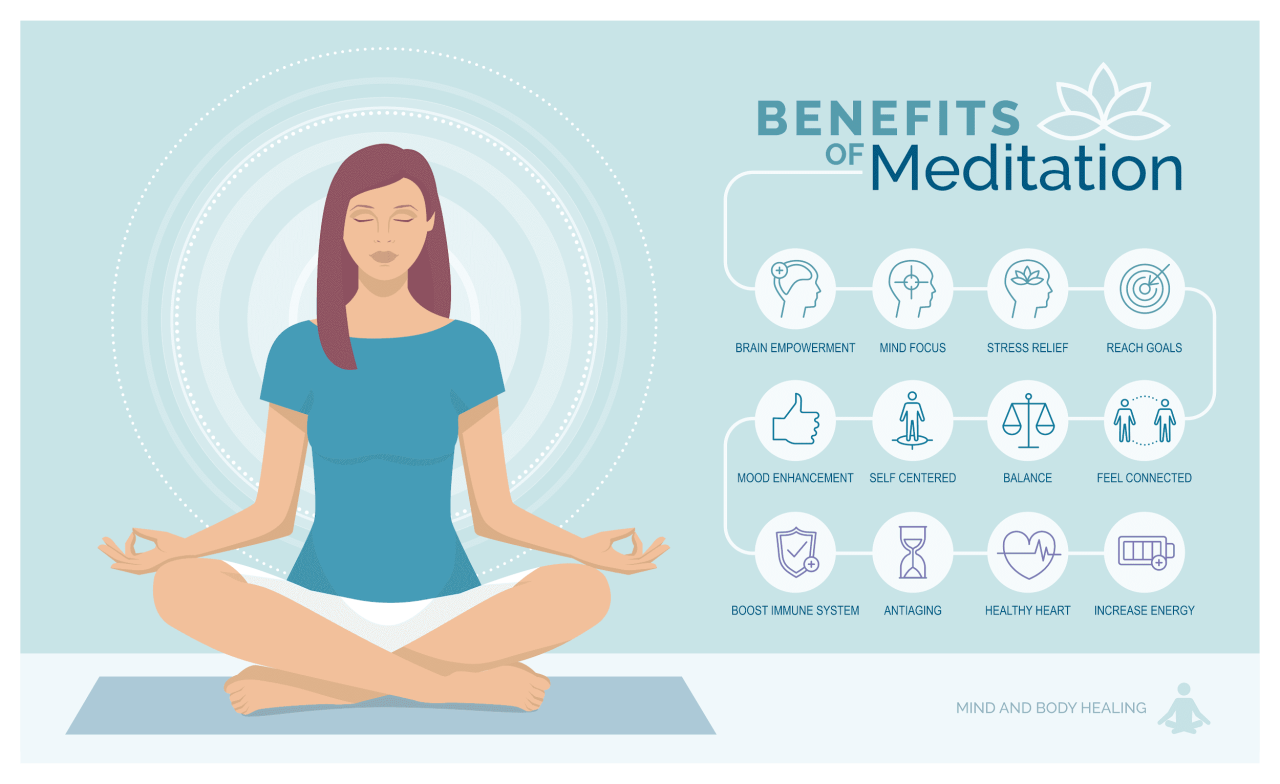
In conclusion, mastering how to meditate for body healing involves more than just relaxation techniques; it encompasses a holistic approach to nurturing the body and mind. Through proper preparation, consistent practice, and integration of supportive routines, individuals can experience meaningful improvements in health and quality of life. Embracing this mindful journey can lead to a healthier, more balanced existence rooted in the power of meditation.