Learning how to meditate for chanting Om opens the door to a profound inner journey, blending ancient spiritual traditions with modern mindfulness practices. This sacred sound, rooted deeply in various spiritual systems, serves as a powerful tool to enhance concentration, promote relaxation, and foster a sense of unity within oneself and with the universe. By incorporating proper techniques and mindful preparation, individuals can transform their meditation experience into a deeply enriching ritual that nurtures both mind and soul.
In this guide, we will explore effective methods for preparing your environment, mastering correct chanting techniques, and integrating breathing exercises to amplify your practice. Whether you are a beginner or seeking to deepen your existing routine, understanding the significance of OM and adopting the right posture and visualization strategies can significantly elevate your meditation sessions, leading to lasting spiritual and mental benefits.
Introduction to chanting OM and meditation
Chanting OM, often regarded as the primordial sound, holds a revered place in various meditation traditions worldwide. This ancient practice serves as a powerful tool to deepen meditative states and foster spiritual awakening. By integrating the sound of OM into meditation routines, practitioners can experience profound mental clarity, emotional balance, and a heightened sense of connection to the universe.
Throughout history, OM has been regarded as the fundamental vibration of creation, symbolizing the essence of the universe itself. Its origins trace back thousands of years, appearing prominently in Hinduism, Buddhism, Jainism, and Sikhism, each attributing unique spiritual significance to the syllable. The vibrational quality of OM is believed to resonate with the energy centers in the body, aligning practitioners with cosmic consciousness and promoting inner harmony.
Significance and origins of chanting OM in meditation practices
OM is considered a sacred sound that encapsulates the universe’s primordial vibration. Its significance is deeply rooted in spiritual philosophies that view sound as a powerful medium for connecting with higher consciousness. In Hindu tradition, OM is often recited at the beginning and end of spiritual chants and prayers, symbolizing the divine energy that sustains all existence. Similarly, in Buddhist practices, OM is used as a mantra to cultivate mindfulness and compassion.
The practice of chanting OM is believed to activate the Ajna (third eye) and Vishuddha (throat) chakras, facilitating spiritual insight and self-awareness. By vocalizing this sacred sound, individuals can attune their mental and energetic states, leading to a sense of unity with the universe. The practice also serves as a meditative anchor, helping to focus the mind and reduce mental chatter.
Benefits of incorporating OM chanting into meditation routines
Integrating OM chanting into meditation offers numerous physical, mental, and spiritual advantages. It enhances concentration by providing a consistent auditory focus, which helps quiet the mind and deepen relaxation. The vibrational aspect of OM can also stimulate the nervous system, promoting stress relief and emotional stability.
Practitioners often report experiencing increased feelings of peace, increased self-awareness, and a stronger sense of interconnectedness with others and the cosmos. Additionally, regular chanting can improve breathing patterns, strengthen vocal cords, and facilitate the release of emotional blockages. The repetitive nature of OM fosters a meditative state that nurtures inner tranquility and spiritual growth.
Scientific studies support these benefits, showing that sound-based meditation can lower cortisol levels, improve heart rate variability, and enhance overall well-being. The universal appeal and accessibility of OM make it an effective, timeless practice suitable for individuals across various spiritual paths and meditation levels.
Preparing for OM Meditation
Creating an optimal environment for OM meditation is essential to deepen your practice and foster a state of inner calm. Proper preparation helps minimize distractions, enhances concentration, and allows you to connect more intimately with the vibrational essence of OM. By setting up a serene space and choosing the right timing, you can cultivate a meditative atmosphere conducive to spiritual growth and inner peace.
Effective preparation involves establishing a dedicated and tranquil environment, selecting a time when your mind is naturally more receptive, and gathering supportive items that reinforce a sacred ambiance. Consistency in your preparation routine can significantly enhance the quality of your meditation sessions, making each experience more profound and nourishing.
Creating a Quiet, Comfortable Meditation Space
Designing a space free from external noise and interruptions is fundamental for focused OM meditation. The area should evoke a sense of sacredness and tranquility, inviting your mind to settle into a state of peaceful awareness. Comfort is equally important; your body should be supported in a relaxed yet alert posture to sustain meditation without physical discomfort.
- Choose a quiet room or corner where external sounds are minimized. Consider using soundproofing methods or soft background music if ambient noise persists.
- Arrange the space to be clutter-free, creating a clean and uncluttered environment that promotes clarity of mind.
- Use comfortable seating such as a meditation cushion, chair, or floor mat to maintain an upright posture that supports alertness while reducing physical strain.
- Ensure proper ventilation and a comfortable temperature to prevent discomfort during prolonged meditation sessions.
Selecting an Appropriate Time and Setting
The effectiveness of OM meditation is heightened when practiced at times when the mind is naturally more receptive, such as early morning or late evening. Consistent timing helps establish a routine, enabling your mind to associate that period with meditation, thereby improving focus and discipline.
Consider the environment’s overall setting to enhance your meditative state. Dimming lights or practicing in a space that feels sacred and personal can deepen your concentration. Avoid practicing immediately after meals or during periods of fatigue to ensure your mind is alert and receptive.
“Choose a time when your mind is naturally calm, and your body is relaxed, to maximize the benefits of OM meditation.”
In addition to timing, select a setting that feels safe and inviting, free from interruptions such as electronic devices or other responsibilities. This dedicated space becomes a refuge where your focus can effortlessly shift inward, fostering a more profound connection with the vibrational sound of OM.
Items Supporting the Meditation Environment
Enhancing your meditation space with specific items can create a sacred atmosphere, making your practice more immersive and enjoyable. These objects serve as anchors that help you enter a meditative state more effortlessly.
| Item | Purpose and Description |
|---|---|
| Cushions or Meditation Mat | Provide ergonomic support and comfort, promoting an upright posture that facilitates focused breathing and vibration awareness. |
| Incense or Aromatherapy | Calms the mind and creates a sensory environment that signals the beginning of meditation, often enhancing spiritual ambiance. |
| Candles | Offer gentle lighting, fostering a sense of warmth and sacredness, aiding concentration and inner calm. |
| Bell or Chime | Can be used to mark the beginning and end of the session, helping to focus attention and signal transitions. |
| Statues or Symbols | Images of deities, spiritual symbols, or nature elements that inspire reverence and connection to higher consciousness. |
| Quiet Environment | Ensures minimal auditory distractions, enabling sustained focus on the mantra and internal vibrations of OM. |
Techniques for Proper OM Chanting
Mastering the correct pronunciation and practice of chanting OM is essential to experience its full vibrational benefits. Proper technique ensures that the chant resonates deeply within the body and mind, facilitating a more profound connection during meditation. Attention to mouth and tongue positioning, synchronized breathing, and choosing appropriate chanting methods enhances the effectiveness of your practice.
In this section, we explore detailed techniques for accurately pronouncing OM, including the positioning of the mouth and tongue, as well as methods to synchronize breath with chanting to amplify its vibrational quality. We will also illustrate different approaches to chanting OM, helping practitioners select the method suitable for their experience level and preferences.
Pronunciation of OM: Mouth and Tongue Positioning
Correct pronunciation of OM involves specific mouth and tongue placements that facilitate the resonant vibrations of the sound. The sound OM is traditionally divided into three phonetic parts: A, U, and M, each corresponding to different energy centers and states of consciousness.
- Open the Mouth Wide for the ‘A’ Sound: Begin by opening your mouth sufficiently to allow a clear, resonant sound. The ‘A’ is pronounced with an open throat and wide mouth, similar to the sound in the word ‘father.’
- Form the ‘U’ Shape for the ‘U’ Sound: Gradually transition into the ‘U’ sound by rounding your lips as if pronouncing ‘oo’ in ‘food.’ Keep your tongue relaxed and positioned near the roof of your mouth, near the back, to help resonate the sound.
- Close the Lips for the ‘M’ Sound: Finally, close your lips gently to produce the ‘M’ sound, which vibrates through the nasal cavity. Ensure that your tongue remains relaxed and that the lips are sealed without excessive tension.
“The correct articulation of OM involves a smooth transition through the three phonetic components, allowing the vibrations to flow seamlessly and resonate within the entire body.”
Breath Synchronization and Vibration Enhancement
Proper synchronization of breath with chanting elevates the vibrational energy of OM and deepens the meditative experience. Breath control not only supports the clarity of pronunciation but also helps in harnessing the pranic energy within.
- Inhalation: Take a slow, deep breath through the nose, filling the lungs fully. Visualize drawing in universal energy or prana, preparing the body and mind for vibration.
- Chanting the ‘A’ Sound: As you exhale slowly, pronounce the ‘A’ sound with a sustained vibration. Focus on feeling the resonance in the chest and throat.
- Transition to ‘U’ and ‘M’: Continue the exhalation, smoothly moving through the ‘U’ and ‘M’ sounds, keeping the airflow steady and controlled. Use the breath to sustain each sound, avoiding rushing or undue tension.
- Completion and Pause: After completing the full chant, pause briefly with an inward breath, feeling the vibrations settle within the body. Repeat as desired, maintaining a gentle, consistent breath flow.
Deep, diaphragmatic breathing during OM chanting helps to synchronize the vibrational energy with the breath, creating a harmonious flow that enhances mental clarity and inner calm.
Methods of Chanting OM: Flowchart Overview
Different techniques of chanting OM cater to varied levels of experience and desired focus. Below is a descriptive overview of common methods, which can be adapted based on individual preference or specific meditation goals.
| Method | Description | Ideal For |
|---|---|---|
| Silent Repetition | Repeating OM silently within the mind, emphasizing internal vibration without vocalization. This method fosters deep concentration and mental silence. | |
| Vocal Chanting Aloud | Chanting OM aloud with full voice, allowing the vibrations to resonate externally and internally. Suitable for group practice or solo sessions aiming for energetic activation. | |
| Using a Mala | Repetition of OM while counting on a mala (prayer beads), typically reciting 108 times. It promotes focus, discipline, and a rhythmic flow of chanting. |
Practitioners can choose their preferred method based on comfort, environment, and meditation objectives. Combining these approaches over time can deepen one’s connection with the sound and its vibrational effects.
Breathing exercises to support OM chanting
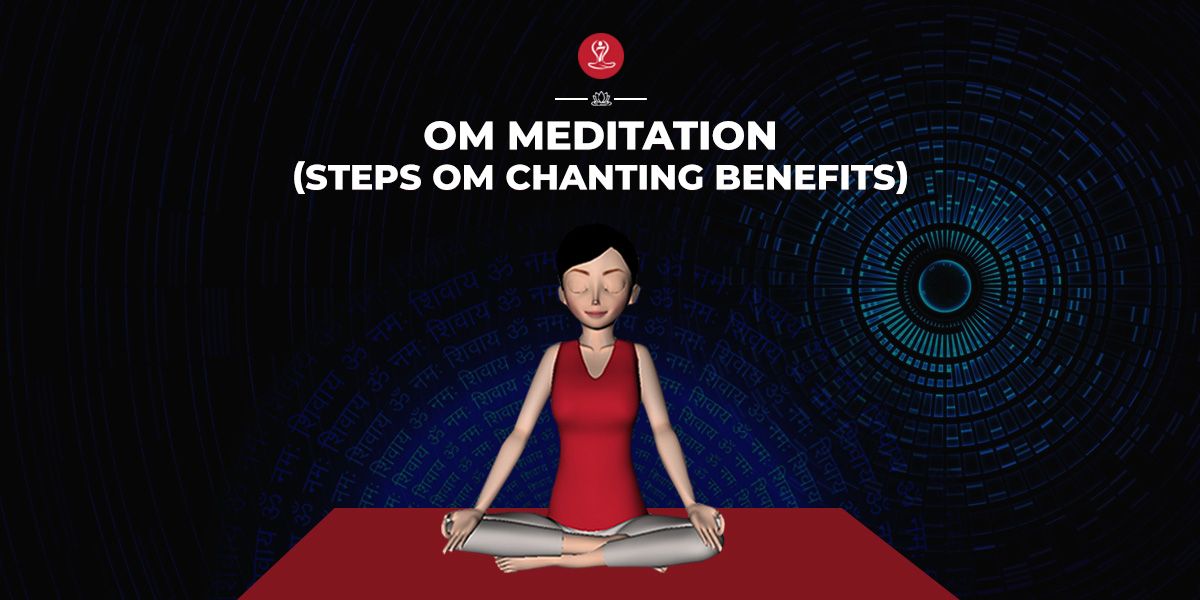
Effective breathing techniques play a vital role in preparing both the mind and body for the practice of OM chanting. Proper breath control enhances vibrational focus, calms the nervous system, and creates a conducive mental state for meditation. Incorporating specific breathing exercises before beginning the chant can deepen the experience and foster greater inner harmony.
These exercises serve as a foundation for establishing rhythmic consistency, increasing lung capacity, and aligning the respiratory system with the vibrational frequency of OM. By consciously controlling breath, practitioners cultivate mindfulness and centeredness, making the chanting more resonant and meaningful.
Breathing techniques that prepare for OM chanting
Two primary breathing techniques are particularly effective for supporting OM chanting: diaphragmatic breathing and alternate nostril breathing. Each technique offers unique benefits in enhancing vibrational focus and promoting mental clarity during meditation.
Implementing these practices systematically ensures a harmonious connection between breath, mind, and sound, thus elevating the quality of the meditation session.
Diaphragmatic breathing
Diaphragmatic breathing, also known as abdominal breathing, emphasizes deep inhalations that expand the diaphragm and fill the lungs completely. This method promotes relaxation, improves oxygen exchange, and stabilizes the nervous system, making it ideal for preparing the body for meditation.
Steps for practicing diaphragmatic breathing:
- Find a comfortable seated position with your back straight and shoulders relaxed.
- Place one hand on your chest and the other on your abdomen, just below the rib cage.
- Inhale slowly through your nose, directing the breath into your abdomen so it rises visibly while your chest remains relatively still.
- Pause briefly at the top of the inhale, feeling the fullness of your lungs and the expansion of your diaphragm.
- Exhale gently through your nose, allowing your abdomen to fall as you release the breath steadily.
- Repeat this cycle for 5 to 10 minutes, maintaining a smooth and even rhythm.
This breathing pattern fosters a calm mental state, reduces anxiety, and sets a steady tone for OM chanting.
Alternate nostril breathing
Alternate nostril breathing, or Nadi Shodhana, is a yogic technique that balances the hemispheres of the brain, clears energy pathways, and enhances vibrational focus. It involves consciously directing breath through one nostril at a time, promoting mental clarity and emotional stability—key qualities for effective OM meditation.
Steps for practicing alternate nostril breathing:
- Sit comfortably with your spine erect and shoulders relaxed.
- Use your right thumb to gently close your right nostril.
- Inhale slowly and deeply through the left nostril.
- Close the left nostril with your right ring finger or pinky, then release the right nostril.
- Exhale smoothly through the right nostril.
- Inhale through the right nostril, then close it again, releasing the left nostril.
- Exhale through the left nostril, completing one round.
- Continue alternating nostrils for 5 to 10 minutes, maintaining a gentle, even breath.
This practice harmonizes the nervous system, refines concentration, and amplifies vibrational resonance during OM chanting sessions.
Integrating breath control into OM meditation
To maximize the benefits of breath exercises, practitioners should incorporate them into their pre-chanting routine. Begin with diaphragmatic breathing to establish a relaxed and centered state, followed by alternate nostril breathing to balance energy channels. Allow a few moments of stillness after completing these exercises, focusing on the sensations of breath and sound, before commencing the OM chant.
Consistent practice of these techniques nurtures a heightened awareness of breath as a vehicle for vibrational energy, ultimately deepening the meditation experience and fostering inner tranquility.
Incorporating Visualization and Intention Setting
Engaging in meditation and chanting OM becomes significantly more powerful when complemented with visualization techniques and clear intention setting. These practices help deepen your focus, foster inner awareness, and align your energy with your spiritual goals. By consciously directing your mental energy before and during your chanting session, you create a sacred space within yourself that enhances the overall experience and benefits of your meditation practice.Visualization and intention setting serve as tools to harness the mind’s creative potential, enabling you to channel your focus toward a specific purpose or desired outcome.
When combined with the vibrational power of OM, these techniques can promote a profound sense of calm, clarity, and spiritual connection. Learning to incorporate these elements effectively can transform your chanting practice into a more immersive and meaningful journey inward.
Visualizing Energy Flow During OM Chanting
Visualizing energy flow during OM chanting involves imagining a vibrant, luminous current moving through your body, aligning with the vibrational frequency of the mantra. As you chant, picture this energy originating at the base of your spine or root chakra, ascending upward through your spinal column, and reaching the crown of your head. This visualization supports the awakening of your energy centers and enhances the flow of life force within.To deepen this process, focus on imagining the energy as a bright, flowing light or a gentle wave that moves harmoniously with your voice.
As you vibrate the OM sound, envisage this energy expanding outward, filling your entire being with radiant light and serenity. This mental imagery not only reinforces concentration but also helps dissolve mental blockages and promotes a sense of interconnectedness with the universe.
Setting Meaningful Intentions Before Meditation
Prior to beginning your OM chanting, establishing a clear and meaningful intention can significantly amplify the effectiveness of your practice. Intentions serve as the guiding purpose behind your meditation, anchoring your focus and aligning your mind with specific spiritual or personal goals.Begin by reflecting on what you wish to cultivate or achieve through your meditation—whether it is inner peace, gratitude, healing, or spiritual growth.
Formulate a concise, positive affirmation or statement that encapsulates this purpose. For example, “I open my heart to universal love,” or “I release all tension and embrace serenity.” Repeating this intention mentally or softly aloud before you start chanting helps set a powerful mental framework that directs your energy and attention during the practice.
Examples of Affirmations and Mantras to Reinforce Focus During Chanting
Using affirmations or specific mantras during OM chanting can serve as anchors for your concentration and reinforce your spiritual intentions. They enhance mental clarity, reduce distractions, and deepen your connection to the vibratory sound.Below are some effective examples:
“I am one with the divine energy.”
“Every vibration brings me closer to peace.”
“I release negativity and embrace positivity.”
“My mind is calm, and my spirit is uplifted.”
“OM is the sound of universal consciousness.”
Incorporate these affirmations into your practice by silently repeating them in harmony with your chanting, or by mentally holding them as intentions. This practice helps to maintain focus, deepen your meditative state, and foster a sense of purpose and spiritual connection throughout your session.
Guided Practices and Duration
Engaging in guided practices provides a supportive and structured environment for beginners to develop confidence and consistency in OM chanting meditation. Establishing a suitable duration for daily practice helps cultivate discipline, deepen concentration, and enhance the meditative experience. Over time, gradually increasing the length of meditation sessions allows practitioners to access more profound states of stillness and awareness, fostering greater spiritual and mental benefits.A well-designed beginner-friendly OM chanting session combines clear guidance, manageable durations, and incremental growth in practice length.
This approach ensures that learners remain motivated, avoid burnout, and experience the gradual evolution of their meditation skills without feeling overwhelmed.
Structured Beginner-Friendly OM Chanting Meditation Session
To facilitate an effective practice, a simple yet comprehensive session structure can be adopted:
- Preparation (5 minutes): Begin by sitting in a comfortable, upright posture in a quiet space. Focus on your breath, setting a gentle intention to be present during the session. Use calming breathing exercises to settle your mind and body.
- Warm-up and Relaxation (5 minutes): Engage in light stretching or gentle breathing techniques to release tension and prepare for chanting. This helps improve vocal clarity and promotes relaxation.
- OM Chanting Practice (10-15 minutes): Follow the guided OM chanting, including proper pronunciation, pitch, and rhythm as previously addressed. Use a mantra repetition method, such as chanting OM aloud or mentally, maintaining awareness of your breath and sound vibrations.
- Cooling-down and Reflection (5 minutes): Conclude with a few moments of silence or mindful observation. Reflect on the sensations experienced during chanting and set a positive intention for the rest of your day.
Overall, this structured session lasts approximately 25-30 minutes, making it accessible for daily practice while providing meaningful benefits.
Suggested Durations and Frequency for Daily Practice
Consistency is key to experiencing the benefits of OM chanting meditation. For beginners, practicing daily is highly recommended to build familiarity and deepen the practice. An ideal starting point involves dedicating around 10 to 15 minutes each day, which is manageable within busy schedules and sufficient to observe initial benefits such as increased calmness, clarity, and mental focus.As practitioners become more comfortable, they can extend their sessions gradually.
For example, increasing practice time by 2-3 minutes weekly allows the mind and body to adapt without feeling overwhelmed. This incremental approach supports sustained motivation and prevents fatigue or frustration.
Methods for Gradually Increasing Meditation Length
Progressive growth in meditation duration can be achieved through mindful adjustments and establishing a flexible routine:
- Set incremental goals: For instance, if starting with 10 minutes, aim to add one minute every few days until reaching 20-30 minutes. Tracking progress helps maintain motivation and provides a sense of achievement.
- Use a timer with gentle cues: Employ a timer that offers soft chimes at each interval, allowing you to focus fully on the practice without concern over time. Gradually, you become comfortable with longer sessions.
- Integrate shorter sessions within the day: Break longer periods into two or three shorter sessions, such as two 10-minute practices. Over time, these can be combined into one extended session.
- Adapt based on comfort and experience: Listen to your body and mind, adjusting the duration as needed. If feelings of fatigue or distraction arise, it may be beneficial to maintain or reduce practice length temporarily before increasing again.
Incorporating these methods supports a sustainable meditation routine that evolves naturally, fostering deeper inner peace and spiritual growth over time.
Common challenges and troubleshooting
Engaging in OM chanting and meditation can sometimes present hurdles that may impede progress or diminish the enjoyment of the practice. Recognizing these common challenges is essential for developing effective strategies to overcome them, maintain consistency, and deepen one’s meditation experience. With patience and mindful adjustments, practitioners can navigate obstacles and cultivate a more fulfilling practice.When beginning to incorporate OM chanting into meditation, learners often encounter issues such as distractions, pronunciation difficulties, or waning motivation.
These challenges are natural and part of the learning process. Addressing them proactively helps to foster resilience and sustained engagement in the practice, leading to greater inner peace and clarity over time.
Distraction and difficulty maintaining focus
Distractions during meditation are among the most frequent obstacles faced by practitioners. External noises, wandering thoughts, or physical discomfort can divert attention from the chanting process. To mitigate these issues, practitioners are encouraged to establish a quiet, comfortable environment and set clear, gentle intentions for their practice. Incorporating focused breathing exercises before chanting can further ground attention and reduce mental chatter.
Consistent practice helps the mind become more accustomed to remaining present, gradually minimizing the tendency to drift away.
Pronunciation difficulties and maintaining correct resonance
Pronouncing OM correctly and resonating with its vibrational quality can be challenging, especially for beginners unfamiliar with the subtle nuances of sound. To improve pronunciation, it is helpful to listen to experienced practitioners or recordings and mimic their tone and pitch. Practicing in front of a mirror can assist in aligning mouth and throat positions. Additionally, paying attention to the physical sensations produced by the chant—such as vibrations in the chest or head—can enhance resonance and deepen the vibrational impact of OM.
Inconsistent practice and waning motivation
Maintaining a regular meditation schedule can be difficult amidst busy routines and fluctuating motivation levels. Setting achievable, specific goals—such as practicing daily for five minutes—can foster consistency. Creating a dedicated space and time for meditation helps reinforce the habit. To sustain motivation, practitioners may track their progress, reflect on personal benefits, or join group sessions for shared inspiration. Remembering that meditation is a gradual journey emphasizes patience and self-compassion, encouraging perseverance even during challenging times.
Strategies for overcoming obstacles
Addressing challenges in OM meditation involves a combination of practical adjustments and mindset shifts. Incorporating short, guided sessions can provide structure and reassurance for beginners. Using gentle reminders or affirmations helps maintain focus and commitment. When distractions arise, softly redirect attention to the sound and vibration of OM, rather than fighting the distraction. Mindfulness and acceptance of fluctuations in concentration foster a non-judgmental attitude, essential for long-term progress.
Balancing consistency and flexibility
Practitioners should aim for consistency but also recognize the importance of flexibility based on personal circumstances. If daily practice becomes overwhelming, reducing session length or frequency temporarily can prevent burnout. Celebrating small successes and acknowledging progress nurtures motivation. Cultivating patience and self-compassion ensures that challenges become opportunities for growth rather than sources of frustration, supporting a sustainable and joyful meditation journey.
Enhancing the Experience with Music and Sound

Integrating music and sound elements into OM chanting sessions can significantly deepen the vibrational resonance and elevate the meditative experience. Carefully selected sounds can help synchronize your mind and body, creating a more profound state of relaxation and spiritual connection. The right auditory environment can transform a simple chant into a multisensory journey that resonates on physical, emotional, and energetic levels.
Using instruments such as singing bowls, drums, or ambient soundscapes introduces a layer of vibrational energy that complements the rhythmic vibrations of OM chanting. These sounds can amplify the meditative benefits, making the practice more immersive and emotionally enriching. When thoughtfully incorporated, sound becomes a powerful tool to facilitate deeper meditative states, enhance focus, and foster a sense of oneness with the universe.
Singing Bowls and Their Role in OM Chanting
Singing bowls are renowned for their pure, resonant tones that produce harmonic overtones, which can amplify the vibrational energy of meditation. When used during OM chanting, their sound resonates with the body’s energy centers, or chakras, promoting balance and calmness. The sustained ringing of a singing bowl can serve as a sonic anchor, helping practitioners maintain focus and deepen their meditative state.
“The harmonious vibrations of singing bowls align the energetic frequencies of the body, fostering relaxation and spiritual harmony.”
During OM chanting sessions, placing a singing bowl near the practitioner or gently striking it after chanting can create a continuous vibrational field. The sound not only enhances concentration but also facilitates a meditative rhythm that sustains and deepens the experience. Different types of bowls, such as crystal or Tibetan, produce unique frequencies that can be selected based on the desired energetic effect or personal preference.
Incorporating Drums and Ambient Sounds
Rhythmic percussion instruments like drums can introduce a primal and grounding element to OM chanting. The steady beat of a drum helps synchronize breathing and vocalization, fostering a sense of unity within the practice. Drumming can also evoke emotional release and energize the practitioner, making the meditation more dynamic and engaging.
“Rhythmic sounds anchor the mind, guiding it into the present moment and expanding awareness.”
Ambient sounds, including nature recordings, Tibetan bells, or synthesized soundscapes, create an immersive auditory environment. These sounds can mask distractions, deepen focus, and evoke feelings of serenity and spaciousness. Integrating ambient soundscapes into OM sessions involves playing them softly in the background, allowing the practitioner to blend their chant with the natural flow of the sounds, enriching the overall experience.
Practical Integration of Musical Instruments into OM Sessions
Effective incorporation of musical instruments requires intentional placement and timing. Instruments should complement the flow of OM chanting without overpowering the voice. For instance, gentle ringing of a singing bowl at the beginning or end of a session can mark transitions, while rhythmic drumming can be used to deepen engagement during the core chanting practice.
- Choose instruments with harmonious and resonant tones that resonate with your personal energy.
- Maintain a mindful balance, ensuring that the sound supports rather than distracts from the chanting.
- Experiment with different instruments to discover which sounds best enhance your meditative state.
It is beneficial to start with simple sound elements and gradually introduce more complex or layered sounds as comfort and familiarity grow. The goal is to create an auditory environment that sustains focus, promotes relaxation, and deepens the vibrational connection with OM.
The Role of Sound in Amplifying Meditation Benefits
Sound acts as a vibrational catalyst, influencing the body’s energy fields and mental state. Specific frequencies can stimulate the chakras, clear energetic blockages, and harmonize the nervous system. When integrated with OM chanting, sound magnifies the practice’s capacity to induce states of deep relaxation, clarity, and spiritual awakening.
“Vibrations generated by sound waves resonate through the body, fostering healing, balance, and heightened awareness.”
Research indicates that sound therapy can reduce stress hormones, improve mood, and enhance overall well-being. The combined use of OM chanting and musical soundscapes can facilitate entrainment of brainwaves into alpha and theta states, which are associated with meditative awareness and subconscious processing. This synergy enhances the depth and duration of meditative benefits, making the practice more impactful and sustainable over time.
Closing Notes
Mastering how to meditate for chanting Om offers a pathway to tranquility, heightened awareness, and spiritual growth. By consistently applying the techniques discussed, you can experience a transformative journey that nurtures your mind, body, and spirit. Remember, patience and dedication are key to unlocking the full potential of this sacred practice, ultimately guiding you towards greater harmony and inner peace.