Learning how to meditate for compassion to self offers a profound path towards nurturing kindness and understanding within oneself. This practice not only fosters emotional resilience but also deepens self-awareness, contributing significantly to overall mental health and inner peace. By integrating specific meditation techniques, individuals can cultivate a more compassionate relationship with their own thoughts and feelings, ultimately leading to a more balanced and fulfilling life.
Through structured meditation practices that emphasize mindfulness, loving-kindness, and self-compassion, practitioners can experience transformative benefits. These include reduced self-criticism, enhanced emotional stability, and a stronger sense of self-acceptance. The following guide provides essential insights and practical methods to develop a consistent self-compassion meditation routine, helping you embed kindness into your daily life.
Introduction to Meditation for Compassion Towards Self

Developing self-compassion through meditation practices holds profound significance in fostering emotional resilience, reducing stress, and cultivating a healthier relationship with oneself. As individuals navigate life’s challenges, the ability to treat oneself with kindness and understanding becomes essential for overall well-being. Meditation serves as a powerful tool to nurture these qualities, enabling individuals to connect deeply with their inner experiences and foster a sense of acceptance and care.
Engaging in meditation focused on compassion for oneself influences emotional health by promoting mindfulness, reducing negative thought patterns, and increasing feelings of warmth and kindness inwardly. This process enhances self-awareness, allowing individuals to recognize and soothe their emotional states with patience and gentle understanding. Over time, consistent practice can lead to a more compassionate mindset, improved self-esteem, and a greater capacity to handle setbacks with resilience and grace.
Benefits of Practicing Meditation for Self-Compassion
The practice of meditation aimed at cultivating self-compassion offers numerous mental, emotional, and physical benefits. These advantages contribute to a more balanced, peaceful, and fulfilling life.
- Enhanced Emotional Resilience: Regular meditation helps individuals develop a more accepting attitude towards their emotional experiences, reducing feelings of shame or self-criticism during difficult times.
- Reduction in Stress and Anxiety: Compassion-focused meditation activates relaxation responses, lowering cortisol levels and easing physiological stress responses. This contributes to a calmer, more centered state of mind.
- Improved Self-Understanding: Meditation facilitates a deeper awareness of personal thoughts and feelings, fostering greater insight into one’s unique emotional landscape and patterns of self-judgment.
- Promotion of Inner Kindness and Acceptance: Consistent practice nurtures a sense of warmth and kindness directed inward, which can extend outward, enhancing relationships and social interactions.
- Support for Overcoming Negative Self-Talk: Meditation practices help in identifying and transforming critical inner dialogues into compassionate and supportive self-statements.
When integrated into daily routines, these benefits collectively lead to a more compassionate internal dialogue, resilience against emotional setbacks, and an overall sense of well-being. The journey toward self-compassion through meditation is a gradual process that cultivates patience, kindness, and mindfulness, ultimately enriching the individual’s emotional and mental health landscape.
Foundations of Meditation for Compassion to Self

Building a solid foundation is essential for cultivating genuine compassion towards oneself through meditation. Understanding key concepts such as mindfulness, loving-kindness, and self-compassion provides clarity and intention to your practice. These principles serve as the guiding pillars that enable deeper emotional awareness, acceptance, and kindness during meditation sessions.
Establishing effective meditation practices involves adopting appropriate postures and creating an environment conducive to inner reflection. When anchored in these foundational principles, practitioners can develop a consistent and meaningful self-compassionate meditation routine that promotes emotional resilience and well-being.
Key Concepts in Meditation for Self-Compassion
To deepen your understanding of meditation for compassion towards oneself, it is important to define the core concepts that underpin this practice:
Mindfulness: The practice of maintaining a moment-by-moment awareness of thoughts, feelings, bodily sensations, and the surrounding environment. It involves observing experiences non-judgmentally, fostering acceptance and clarity.
Loving-kindness: Also known as “metta,” it involves cultivating feelings of goodwill, warmth, and unconditional friendliness towards oneself and others. This practice encourages the development of positive emotional states and empathetic understanding.
Self-compassion: Extending kindness, understanding, and support to oneself during times of suffering, failure, or perceived inadequacies. It involves recognizing one’s struggles without judgment and responding with care rather than criticism.
Principles of Effective Meditation Sessions
Creating a productive environment for meditation emphasizes consistency, comfort, and mental presence. The following principles guide the effective conduct of meditation for self-compassion:
- Maintain a relaxed and upright posture to ensure alertness while promoting physical comfort. Sit with your back straight but not stiff, allowing for steady breathing and ease of focus.
- Choose a quiet, clutter-free environment that minimizes distractions. A calm space helps anchor attention inward and fosters a sense of safety.
- Set a regular schedule, ideally at the same time each day, to reinforce habit formation and deepen the practice over time.
- Start with short sessions, gradually increasing duration as comfort and familiarity with the practice grow.
- Use gentle guidance, such as soft voice or guided recordings if needed, to support concentration and emotional openness.
Essential Tools and Environment Setup for Self-Compassion Meditation
Having the right tools and environment enhances focus, comfort, and consistency in meditation practice. The following table Artikels key items and considerations for establishing an ideal setting:
| Tools | Description |
|---|---|
| Meditation Cushion or Chair | Provides comfortable support, promotes proper posture, and helps maintain alertness during seated meditation. |
| Timer | Assists in tracking meditation duration without the need to check the clock frequently, aiding in maintaining focus. |
| Ambient Lighting | Soft, natural or dim lighting creates a calming atmosphere, reducing sensory distractions. |
| Quiet Space | Minimizes external noise disturbances, supporting sustained attention and inner peace. |
| Decorative Elements | Items such as calming images, plants, or candles can enhance tranquility and create a sacred space conducive to reflection. |
| Environment Setup Tips | Description |
| Limit Distractions | Turn off electronic devices and inform others of your practice time to maintain focus. |
| Comfortable Temperature | Maintain a moderate room temperature to prevent discomfort that could interfere with meditation. |
| Personal Comfort Items | Have a blanket or cushion nearby to adapt to your comfort needs during longer sessions. |
Techniques and Methods to Cultivate Compassion for Self
Developing genuine compassion for oneself is a vital aspect of mindfulness and emotional well-being. Through specific techniques and guided exercises, individuals can foster a kinder, more accepting attitude toward their own experiences, shortcomings, and vulnerabilities. These methods serve to deepen self-awareness and promote inner harmony, ultimately contributing to greater resilience and emotional balance.
By engaging in structured meditation practices, one can gradually reframe negative self-perceptions and nurture feelings of warmth, understanding, and patience. Below are various techniques that can be integrated into daily or regular meditation routines to cultivate self-compassion effectively.
Guided Visualization Exercises for Fostering Self-Kindness
Guided visualizations are powerful tools that help individuals evoke feelings of warmth and kindness toward themselves. These exercises typically involve imagining scenarios or receiving messages of compassion, which can create emotional shifts rooted in empathy and acceptance.
- Preparation: Find a quiet, comfortable space where you won’t be disturbed. Sit or lie down in a relaxed position, closing your eyes gently.
- Breathing Centering: Begin with a few deep, slow breaths to settle your mind and body, focusing on the sensation of air entering and leaving your lungs.
- Visualization of Self-Compassion: Imagine a warm, luminous light emanating from your heart area. Visualize this light expanding to envelop your entire being, radiating warmth, kindness, and understanding.
- Sending Compassion: Picture yourself facing a challenging moment or emotion. Offer yourself words of support, such as “May I be safe,” “May I be healthy,” or “May I find peace,” repeating these phrases silently or aloud.
- Deepening the Experience: Visualize a compassionate figure—perhaps a wise friend or a spiritual guide—offering you words of comfort and encouragement. Feel their kindness uplifting your spirit.
- Closing: Gradually bring your awareness back to the present moment, maintaining the sense of warmth and self-kindness. Take a few deep breaths before opening your eyes.
Organized Meditation Techniques for Cultivating Self-Compassion
Multiple meditation practices target emotional healing and self-love. Selecting the appropriate technique can depend on personal preference, time availability, and specific emotional needs. The following methods are widely recognized for their effectiveness in fostering compassion toward oneself:
- Body Scan Meditation: Focuses on systematically paying attention to physical sensations from head to toe. This practice encourages acknowledgment of bodily feelings, fostering self-awareness and acceptance without judgment.
- Loving-Kindness Meditation (Metta): Involves silently repeating phrases that generate feelings of goodwill, starting with oneself and gradually extending to others. It cultivates a heart-centered approach to self and others.
- Compassionate Imagery: Utilizes visualization to imagine oneself surrounded by an aura of compassion or being in a safe, nurturing environment. This method enhances emotional resilience and self-soothing capacity.
- Self-Compassion Break: A practice where individuals pause during stressful moments to acknowledge their suffering, remind themselves of common humanity, and offer words of kindness and reassurance.
Comparison of Techniques for Cultivating Self-Compassion
Understanding the specific characteristics of each meditation method can assist individuals in choosing the practice best suited to their needs and lifestyle. The table below compares various techniques across key aspects such as duration, focus, and expected outcomes.
| Technique | Typical Duration | Primary Focus | Expected Outcomes |
|---|---|---|---|
| Body Scan Meditation | 10–30 minutes | Physiological awareness and acceptance | Enhanced self-awareness, reduced tension, improved emotional regulation |
| Loving-Kindness Meditation | 10–20 minutes | Developing positive feelings toward oneself and others | Increased feelings of warmth, reduced self-criticism, strengthened emotional resilience |
| Compassionate Imagery | 10–15 minutes | Visualizing compassion and safety | Greater emotional soothing, increased self-acceptance, reduced anxiety |
| Self-Compassion Break | 2–5 minutes | Immediate emotional relief during stress | Quick reassurance, decreased feelings of loneliness and guilt, enhanced resilience |
Developing a Meditation Routine Focused on Self-Compassion
Establishing a consistent meditation routine dedicated to cultivating self-compassion is essential for fostering a nurturing relationship with oneself. Regular practice not only deepens your understanding of personal kindness but also reinforces the emotional resilience needed to navigate life’s challenges with greater ease. By creating a structured approach, you can embed this vital practice into your daily life, making self-compassion an accessible and integral part of your well-being.A well-designed meditation routine serves as a foundation for lasting change, allowing the positive effects of compassion to grow over time.
Consistency, environment, and mindful intention are key elements that support the effectiveness of your practice. Implementing practical procedures and thoughtful tips ensures that your journey toward self-kindness remains sustainable and meaningful.
Establishing a Daily Meditation Schedule
Creating a fixed schedule for your meditation practice helps in establishing a habit that becomes second nature. Choose a specific time each day, ideally when your mind is relatively free from distractions, such as early morning or late evening. Allocate a dedicated timeframe—starting with 5 to 10 minutes—and gradually extend as your comfort with the practice increases. Consistency is more impactful than duration; practicing daily reinforces neural pathways associated with compassion and self-acceptance.To maintain motivation, integrate your meditation session into existing routines, like after brushing your teeth or during a lunch break.
Use reminders or alarms to signal your designated time, and consider pairing your practice with a visual cue such as a meditation altar or a calming object. Remember that flexibility is also important; if a particular time becomes unfeasible, adapt your schedule to ensure the practice continues seamlessly.
Creating a Supportive Environment and Maintaining Consistency
The environment plays a critical role in fostering a conducive space for meditation. Select a quiet, clutter-free area where interruptions are minimized. Dim lighting or natural sunlight can enhance relaxation, while a comfortable cushion or chair supports physical ease. Incorporate elements that evoke tranquility, such as soft music, calming scents, or a small plant, to create an inviting atmosphere that encourages regular practice.To sustain consistency, develop a pre-meditation routine that signals the beginning of your session—such as lighting a candle or setting an intention.
Keep a meditation journal to track your daily practice, noting insights or feelings that arise, which reinforces your commitment. Sharing your intention with a supportive friend or community can also boost accountability and motivation. Remember, patience and gentle persistence are vital; if you miss a day, approach the practice with compassion and resilience, viewing it as a part of your ongoing journey rather than a setback.
Examples of Meditation Scripts and Affirmations for Self-Kindness
Incorporating guided scripts and affirmations into your routine can profoundly enhance your capacity for self-compassion. Here are some examples to embed into your practice:
- Guided Script: “May I be kind to myself in this moment. May I accept myself as I am. May I nurture my inner world with patience and love.”
- Affirmations:
- “I am deserving of love and kindness.”
- “It’s okay to be imperfect. I embrace my humanity.”
- “I nurture myself with compassion and understanding.”
- “I am enough as I am right now.”
- “Self-love is the foundation of my well-being.”
- Self-Compassion Focused Phrase: “May I treat myself with the same kindness I would offer a dear friend.”
- Reassurance Statement: “I acknowledge my struggles and send myself warmth and patience.”
Integrating these scripts and affirmations into your meditation sessions can help reinforce positive self-perceptions and cultivate a deep-seated sense of compassion towards yourself. Use them as mantras or guided reflections, adapting language that resonates personally to enhance their effectiveness.
Overcoming Challenges During Self-Compassion Meditation
Practicing self-compassion through meditation often presents unique challenges that can hinder progress and diminish the effectiveness of the practice. Recognizing and addressing these obstacles is essential for cultivating a consistent and meaningful meditation routine focused on self-kindness. Common issues such as self-criticism, distraction, and emotional discomfort can interfere with your ability to connect with feelings of compassion towards yourself and maintain a steady practice.These challenges are natural and part of the learning process.
With mindful strategies and persistent effort, it is possible to navigate through resistance and deepen your self-compassion meditation practice. Developing awareness of these obstacles, implementing targeted approaches, and tracking your progress can significantly enhance your resilience and motivation.
Identifying Common Obstacles
Self-compassion meditation may evoke uncomfortable feelings or thoughts that hinder your focus or willingness to continue. Typical obstacles include an excessive tendency to self-criticize, frequent distraction or wandering attention, and emotional discomfort such as sadness, vulnerability, or resistance. These issues can cause frustration or feelings of inadequacy, which may discourage ongoing commitment.Understanding these barriers is the first step toward overcoming them.
Recognizing that self-criticism often stems from internalized societal standards or high personal expectations can help in softening this voice. Similarly, acknowledging distractions as a natural aspect of meditation reduces self-judgment and increases patience. Emotional discomfort, while challenging, signals an opportunity for deeper healing and self-awareness.
Strategies to Address and Work Through Resistance
Effectively managing resistance involves several practical approaches designed to foster a compassionate attitude towards oneself and the meditation process. These strategies include:
- Practicing self-awareness with gentle acknowledgment: When resistance or negative thoughts arise, observe them without judgment. Use a compassionate inner voice to validate your experience, such as, “It’s okay to feel uncomfortable right now.”
- Setting realistic expectations: Recognize that meditation is a practice, not a perfection. Allow yourself to be imperfect and understand that challenges are part of growth.
- Using guided meditations or prompts: Guided sessions can help redirect focus and provide reassurance during difficult moments, making the practice feel supportive rather than isolating.
- Implementing compassion-focused techniques: Incorporate specific phrases or visualizations that evoke kindness towards yourself, especially when facing emotional discomfort or self-criticism.
- Creating a safe and comfortable environment: Ensure your meditation space is quiet, cozy, and free from distractions to foster a sense of security and ease during practice.
Methods for Tracking Progress and Maintaining Motivation
Staying motivated in self-compassion meditation requires regular reflection and acknowledgment of growth. Tracking your progress helps you recognize subtle improvements and reinforces commitment. Consider the following methods:
- Maintaining a meditation journal: Record your daily experiences, noting moments of increased self-kindness, breakthroughs, or recurring challenges. Reflecting on these entries can reveal patterns and progress over time.
- Setting achievable goals: Define specific, measurable objectives such as meditating consistently for a certain duration or practicing particular compassion techniques. Celebrate milestones to boost motivation.
- Using prompts or checklists: Create reminders or checklists to acknowledge your efforts, such as “Today, I noticed self-critical thoughts and gently let them go.”
- Seeking support or community: Share experiences with others practicing meditation for self-compassion, which can provide encouragement, accountability, and new perspectives.
- Practicing self-compassion outside of meditation: Apply compassionate attitudes in daily life to reinforce the benefits of your meditation practice, making it more meaningful and motivating.
Enhancing Meditation Practice for Deeper Self-Compassion
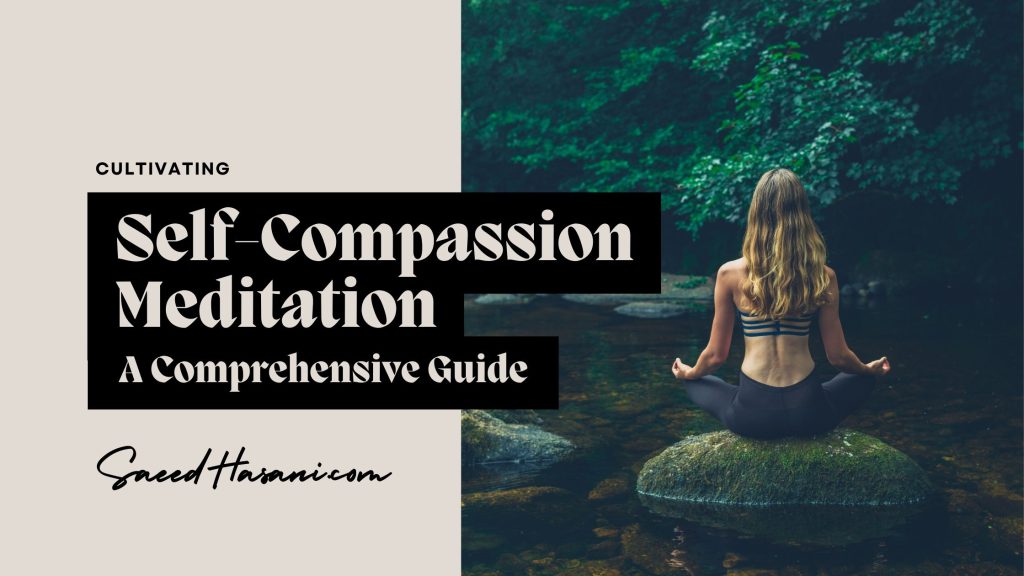
To deepen the effectiveness of self-compassion meditation, it is essential to integrate mindfulness practices with compassionate techniques. This integration helps cultivate a more profound awareness of one’s emotional states while fostering kindness and understanding toward oneself. By refining your approach and personalizing your meditation routines, you can achieve more meaningful and lasting self-compassion experiences.Combining mindfulness with self-compassion techniques allows practitioners to observe their thoughts and feelings without judgment while simultaneously extending kindness and acceptance.
This fusion enhances emotional regulation, reduces self-criticism, and creates a safe mental space for healing and growth. Personalizing meditation practices ensures that each individual can address their unique emotional needs, making the process more relevant and effective.
Integrating Mindfulness with Self-Compassion Techniques
Mindfulness serves as the foundation for developing self-compassion by encouraging present-moment awareness. When combined with compassion-focused exercises, it facilitates a non-judgmental acceptance of personal struggles and vulnerabilities. This integration can be achieved through specific practices such as:
- Mindful acknowledgment of negative self-talk, recognizing it without attachment or judgment.
- Pausing during meditation to observe emotional sensations and responses objectively.
- Using breath awareness to anchor feelings of kindness and calmness when faced with difficult emotions.
- Implementing compassionate phrases or affirmations during mindful moments, such as “I am enough” or “I accept myself as I am.”
This approach fosters a gentle acknowledgment of imperfections while actively cultivating kindness, leading to a more resilient and compassionate inner dialogue.
Personalizing Meditation Practices to Suit Emotional Needs
Recognizing that emotional experiences differ among individuals, customization of meditation routines enhances their relevance and impact. Tailoring practices involves:
- Identifying emotional triggers or recurring issues, such as self-criticism or feelings of inadequacy.
- Incorporating specific visualizations, phrases, or imagery that resonate personally, such as imagining a comforting presence or recalling supportive experiences.
- Adjusting the duration and frequency of meditation sessions based on emotional availability and response.
- Using journaling or reflection post-meditation to track emotional shifts and refine techniques accordingly.
Personalization ensures that meditation addresses the unique aspects of individual emotional landscapes, fostering deeper self-understanding and compassion.
Advanced Compassionate Visualization Exercises
“Visualize a radiant, warm light emanating from your heart, enveloping your entire being with unconditional kindness. Imagine this light growing brighter with each breath, dissolving self-doubt and nurturing self-love. Picture yourself in a safe space where you are embraced with compassion, and allow any negative emotions to be gently transformed into understanding and acceptance. Repeat affirmations such as, ‘I am worthy of love and kindness,’ while immersed in this visual scene. Practice this visualization regularly to deepen your sense of self-compassion and reinforce positive self-perceptions.”
Engaging in these advanced visualization exercises can significantly enhance emotional resilience and self-compassion, especially during moments of vulnerability or difficulty. They serve to rewire inner narratives, replacing criticism with gentle acknowledgment and love, thereby fostering a more compassionate relationship with oneself.
Integrating Self-Compassion Meditation Into Daily Life
Incorporating the insights and practices gained through self-compassion meditation into everyday routines can significantly enhance emotional resilience, foster healthier self-perceptions, and promote overall well-being. The goal is to extend the compassion cultivated during meditation sessions beyond the cushion, allowing it to influence how we respond to life’s daily challenges and interactions.
Effective integration involves mindful awareness, intentional practice, and conscious effort to apply compassionate perspectives in real-world situations. These actions help reinforce the benefits of meditation, making self-compassion an intrinsic part of one’s lifestyle and thought patterns.
Applying Compassion Insights to Everyday Situations
Practicing self-compassion during daily events requires awareness and deliberate choice. Recognizing moments of self-criticism or stress as they occur allows for conscious redirection towards kindness and understanding. For example, when facing a mistake at work, instead of self-judgment, respond with words of encouragement and acknowledgment of human imperfection. This shift not only alleviates immediate emotional distress but also cultivates a supportive internal dialogue over time.
Building a habit of compassionate response enhances resilience, reduces negative self-talk, and encourages healthier coping strategies. It transforms reactive patterns into mindful, constructive reactions rooted in kindness toward oneself.
Examples of Compassionate Self-Talk and Actions
Integrating compassion into daily life can be supported with specific affirmations and actions that reinforce positive self-perception. These practices serve as practical tools to sustain the effects of meditation and foster ongoing self-understanding.
Consider adopting the following affirmations and actions as part of your daily routine:
- Affirmation: “I am deserving of kindness and patience, especially in moments of difficulty.”
- Action: Take a few deep breaths and offer yourself a gentle smile when experiencing self-doubt or criticism.
- Affirmation: “It’s okay to make mistakes; they are opportunities for growth.”
- Action: Write a compassionate note to yourself after a stressful day, acknowledging your efforts and resilience.
- Affirmation: “I nurture my well-being by treating myself with understanding and care.”
- Action: Engage in self-care activities that promote relaxation, such as a walk in nature or a calming mindful moment.
Consistently using such affirmations and actions helps reinforce a compassionate outlook, enabling it to become a natural response to daily life stresses and setbacks. Over time, this practice cultivates a more resilient, kind, and accepting relationship with oneself, aligning seamlessly with the core principles of self-compassion meditation.
Final Wrap-Up

Incorporating meditation for compassion to self into your routine empowers you to foster greater self-love and emotional resilience. As you continue to practice and overcome challenges, you will find it easier to approach yourself with kindness and understanding, enriching your overall well-being. Remember, consistent effort and personalization of your practice are key to unlocking lasting inner peace and compassion.