Learning how to meditate for depression can be a valuable step toward managing emotional challenges and enhancing mental health. Meditation offers a natural and accessible approach to fostering emotional balance, reducing feelings of sadness, and promoting overall wellbeing.
This guide explores various meditation techniques suitable for depression, provides practical steps to begin a consistent practice, and discusses how creating a supportive environment can maximize benefits. Incorporating meditation into daily routines can serve as a powerful tool in your journey toward mental resilience.
Overview of Meditation as a Tool for Managing Depression
Meditation has gained recognition as a valuable complementary approach to managing depression. Its benefits extend beyond mere relaxation, contributing significantly to mental health improvement by fostering emotional resilience and stability. As a non-invasive and accessible practice, meditation offers individuals a practical method to support their mental well-being amidst various treatment options.
Research indicates that regular meditation practice can positively influence mood regulation and promote emotional balance. By cultivating a focused awareness of present-moment experiences, individuals can develop greater insight into their thoughts and feelings, which facilitates healthier emotional responses. This process can be particularly beneficial for those experiencing depression, as it helps break patterns of rumination and negative thought cycles.
Benefits of Meditation for Mental Health Improvement
Meditation contributes to mental health in multiple ways, making it a compelling adjunct to traditional treatments for depression. The following points highlight its core benefits:
- Reduction of Stress and Anxiety: Meditation activates the body’s relaxation response, reducing cortisol levels and alleviating stress, which is often elevated in depression.
- Enhanced Emotional Regulation: Regular practice helps individuals observe their emotions non-judgmentally, fostering better control over mood swings and negative feelings.
- Improved Self-awareness: Meditation encourages introspection, enabling individuals to recognize negative thought patterns and develop healthier cognitive habits.
- Promotion of Mindfulness: Mindfulness meditation cultivates present-moment awareness, diminishing tendencies toward rumination and self-criticism common in depression.
Influence of Meditation on Mood Regulation and Emotional Balance
Meditation influences mood regulation through neurobiological and psychological pathways. Consistent practice has been shown to increase activity in brain regions associated with positive emotional states, such as the prefrontal cortex, while decreasing activity in areas linked to negative emotions, like the amygdala. This neuroplasticity contributes to more balanced emotional responses over time.
Psychologically, meditation fosters acceptance and detachment from distressing thoughts, reducing their impact. The development of mindfulness skills allows individuals to observe their emotional experiences without immediate reaction, leading to greater stability and resilience in the face of life’s challenges.
Comparative Analysis of Meditation Versus Other Depression Treatments
While traditional treatments such as medication and psychotherapy are effective for many individuals, meditation offers unique advantages that can complement these approaches. It is important to understand its role in the broader context of depression management:
| Aspect | Medication | Psychotherapy | Meditation |
|---|---|---|---|
| Mechanism | Biochemical alteration by regulating neurotransmitter levels | Psychological processes and behavioral change through dialogue and techniques | Neuroplasticity and mindfulness practices affecting brain and emotional regulation |
| Onset of Effects | Typically within weeks of starting medication | Varies; often several sessions for noticeable improvement | Gradual; benefits accrue with consistent daily practice over weeks or months |
| Side Effects | Potential side effects related to medication, such as fatigue or gastrointestinal issues | Minimal; depends on therapeutic approach and client engagement | Minimal; primarily requiring time and commitment |
| Accessibility and Cost | Prescription-dependent; costs vary | Variable; depends on therapist availability and session costs | Highly accessible; can be practiced independently at low or no cost |
Integrating meditation with other treatments can enhance overall effectiveness, providing a holistic approach to depression management. It empowers individuals with self-regulation tools, fosters resilience, and can serve as a sustainable practice alongside traditional therapies.
Types of Meditation Suitable for Depression
Understanding the various meditation techniques that can aid in managing depression is essential for developing a personalized and effective practice. Different methods target specific aspects of mental well-being, offering a range of options suited to individual preferences and needs. Choosing the right type of meditation can enhance emotional resilience, reduce feelings of sadness, and foster a sense of inner peace.
Each meditation technique employs distinct approaches to cultivate mindfulness, compassion, and relaxation. Exploring these options allows individuals to identify practices that resonate with them, thereby increasing the likelihood of consistent engagement and beneficial outcomes. The following sections detail some of the most effective meditation styles for depression relief, highlighting their focus areas and suitability.
Mindfulness Meditation
Mindfulness meditation emphasizes paying deliberate attention to the present moment without judgment. This technique encourages individuals to observe their thoughts, emotions, and bodily sensations with acceptance and curiosity. Regular practice of mindfulness has been shown to decrease rumination, a common feature in depression, and improve emotional regulation.
Practitioners often focus on their breathing, sensations in the body, or specific sounds to anchor their attention. When distracting thoughts arise, mindfulness encourages gently redirecting focus without self-criticism. This form of meditation can be practiced sitting quietly, walking, or engaging in mindful eating, making it highly adaptable for different lifestyles.
Guided Visualization
Guided visualization involves imagining calming and positive scenarios, often led by a recorded guide or instructor. This technique helps divert attention away from negative thought patterns and fosters feelings of safety, hope, and relaxation. Visualization can be particularly beneficial for depression, as it promotes positive emotional states and reduces stress.
Practitioners might envision themselves in tranquil natural environments, experiencing feelings of warmth, safety, and contentment. These vivid mental images activate relaxation responses in the body and can be tailored to address specific emotional needs, such as cultivating self-compassion or resilience during challenging times.
Loving-Kindness Meditation
Loving-kindness meditation, also known as Metta, focuses on developing feelings of compassion and goodwill toward oneself and others. This practice is especially helpful for depression, as it fosters emotional warmth, reduces self-criticism, and promotes social connectedness.
Participants typically repeat phrases or affirmations expressing wishes for happiness, health, and peace for themselves and loved ones. Over time, this practice can help counteract feelings of worthlessness or isolation often experienced in depression, nurturing a sense of interconnectedness and emotional support.
Body Scan Meditation
The body scan is a systematic method of bringing awareness to different parts of the body, promoting relaxation and physical awareness. It is effective in reducing tension and calming the nervous system, which can be hyperactive in individuals with depression.
Practitioners lie comfortably and gently direct attention from the toes to the head or vice versa, noticing sensations, tensions, or discomforts without judgment. This practice helps ground individuals in their physical presence, alleviating feelings of disconnection or dissociation often associated with depression.
Comparison Table of Meditation Techniques for Depression
| Method | Focus Area | Suitability for Depression |
|---|---|---|
| Mindfulness Meditation | Pacing attention to the present moment, bodily sensations, thoughts, and emotions | High; reduces rumination, improves emotional regulation, enhances awareness |
| Guided Visualization | Imaginative mental imagery to evoke positive feelings and relaxation | Moderate to high; helps shift focus from negative thoughts to positive scenarios |
| Loving-Kindness Meditation | Developing compassion, emotional warmth, and social connection | High; counters self-criticism, fosters self-compassion and emotional resilience |
| Body Scan Meditation | Awareness of bodily sensations and relaxation | High; alleviates physical tension and promotes grounding |
Integrating multiple meditation styles can provide comprehensive benefits, addressing both emotional and physical aspects of depression.
Practices Tailored for Depression Relief
Many individuals find that combining elements from different meditation techniques enhances their overall well-being. For example, pairing mindfulness with loving-kindness practices can simultaneously cultivate present-moment awareness and emotional positivity. Guided meditations specifically crafted for depression often incorporate gentle instructions emphasizing self-compassion and acceptance.
Some structured programs, such as Mindfulness-Based Cognitive Therapy (MBCT), integrate these techniques into a comprehensive approach designed to prevent relapse and promote emotional stability. Regularly engaging in these tailored practices can build resilience, reduce symptoms, and improve quality of life for those coping with depression.
Step-by-Step Guide to Starting Meditation for Depression

Embarking on a meditation practice tailored for managing depression can be transformative, yet it requires a structured approach to ensure consistency and effectiveness. For beginners, establishing a clear routine helps in building discipline and overcoming initial challenges. This guide offers practical steps to initiate and maintain a meditation practice that aligns with your mental health needs.
Meditation for depression is most effective when integrated into daily life with mindful intention and patience. By following a methodical process, individuals can gradually cultivate a sense of calm, reduce negative thought patterns, and foster emotional resilience. The following steps provide a comprehensive pathway to beginning your meditation journey with confidence and clarity.
Establishing a Meditation Routine
Creating a consistent meditation routine is crucial for experiencing its full benefits. It involves setting aside dedicated time and creating a conducive environment to foster focus and relaxation. Starting with small, manageable sessions allows for gradual adaptation and prevents feelings of overwhelm, especially when dealing with depression symptoms.
Begin by choosing a specific time each day that fits into your schedule, such as early morning or before bedtime. Consistency helps in forming a habit, making it easier to integrate meditation into your daily routine. Additionally, selecting a quiet, comfortable space with minimal distractions enhances focus and deepens the meditation experience. Over time, this routine can become a vital part of your self-care practices, contributing to improved mood and mental clarity.
Recommended Duration, Frequency, and Environment
| Aspect | Recommendation |
|---|---|
| Duration | Start with 5-10 minutes per session, gradually increasing to 20-30 minutes as comfort improves. |
| Frequency | Practice daily, ideally at the same time each day to establish a stable routine. |
| Environment | Choose a quiet, comfortable space with minimal interruptions. You may include calming elements like soft lighting, cushions, or gentle background sounds if preferred. |
Consistent practice enhances neural pathways associated with relaxation and emotional regulation, especially beneficial for individuals coping with depression. Adapting the duration and environment to personal comfort levels encourages sustained engagement and reduces resistance to regular practice.
Tips for Overcoming Common Obstacles
Beginners often encounter challenges such as restlessness and intrusive thoughts that can hinder meditation efforts. Recognizing these obstacles allows for proactive strategies to maintain focus and tranquility during practice.
“Acceptance of wandering thoughts as a natural part of meditation fosters patience and reduces frustration.”
Practicing gentle acknowledgment of thoughts without judgment helps in cultivating mindfulness and reduces emotional reactivity. If restlessness arises, shifting focus gently back to the breath or bodily sensations can anchor attention. Using guided meditations or background sounds can also provide structure and reduce the tendency for the mind to drift. Remember that consistency and self-compassion are key, and setbacks are normal.
Over time, patience and perseverance will build resilience, making meditation a supportive tool in managing depression.
Creating a Supportive Environment for Meditation Practice
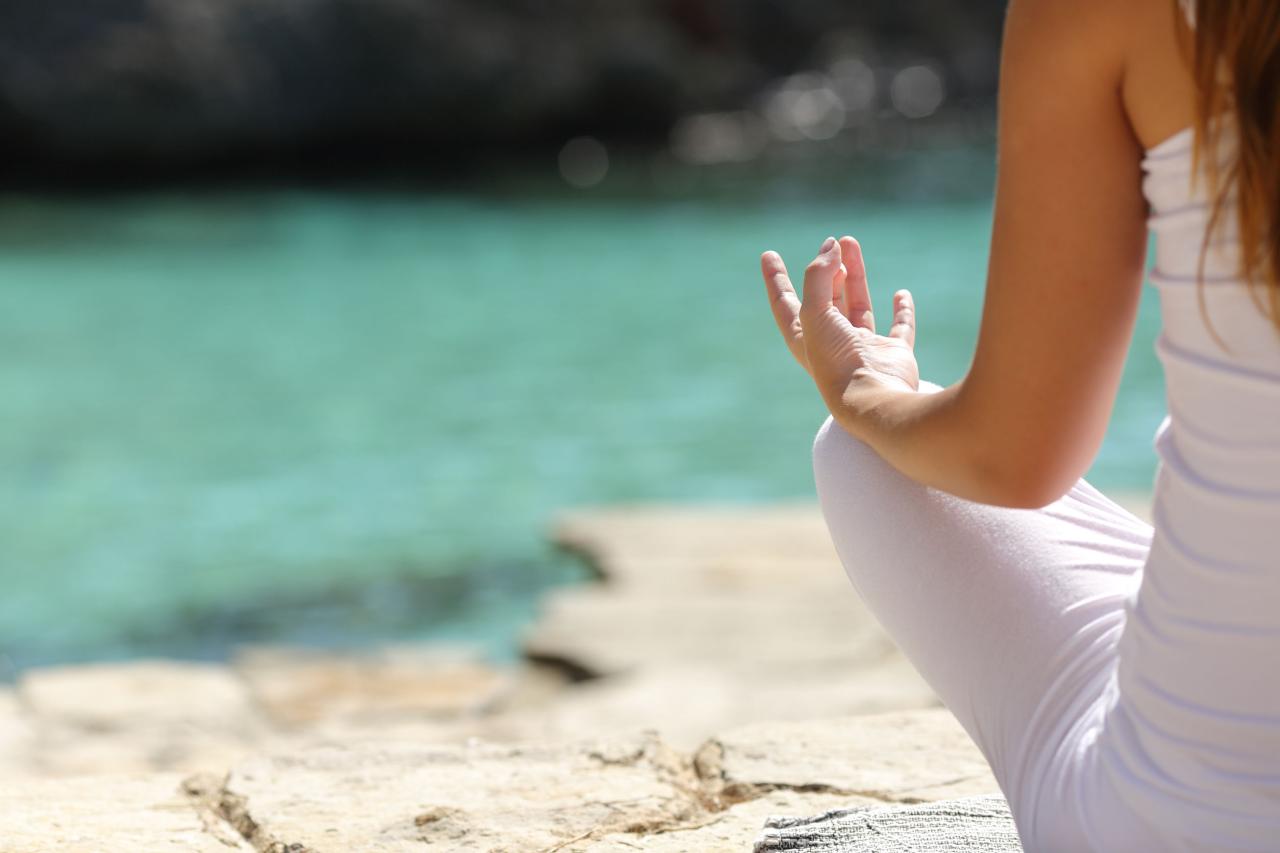
Establishing an environment conducive to meditation is fundamental for fostering focus, relaxation, and consistency in practice. A well-designed space can significantly enhance the experience, reduce distractions, and encourage a sense of tranquility. When practicing meditation, especially for managing depression, cultivating a peaceful setting helps reinforce positive routines and supports emotional well-being.Creating a dedicated, quiet, and clutter-free area allows your mind to settle more easily during meditation.
The surroundings should evoke calmness, free from interruptions or noise that can detract from your focus. This intentional space becomes a refuge where meditation can become an enriching, habitual activity. Carefully selecting and arranging your environment ensures that each session is a step toward mental clarity and emotional stability.
Ideal Settings That Promote Focus and Relaxation
The environment where you meditate should be a sanctuary that encourages serenity and minimizes stress. The ideal meditation space possesses the following qualities:
- Quiet atmosphere with minimal external noise, possibly by choosing a corner away from household activity or using soundproofing measures.
- Soft, diffused lighting that creates a warm and inviting ambiance, avoiding harsh or fluorescent lights that can cause discomfort.
- Natural elements such as plants or flowers to bring a touch of nature indoors, which can promote calmness and grounding.
- Consistent placement of the meditation space helps establish a routine and signals your mind that it is time to relax and focus.
- Comfortable temperature—neither too hot nor too cold—to maintain comfort throughout your practice.
Creating a space that feels safe and welcoming supports sustained engagement and reduces resistance to starting your meditation sessions. When the environment aligns with your needs and preferences, it becomes easier to enter a state of mindfulness and emotional resilience.
Essential Items for a Meditation Space
Having the right tools and accessories enhances the comfort, focus, and consistency of your meditation practice. These essentials serve to create a more effective and enjoyable experience:
- Cushions or Meditation Mats: Provide physical comfort and proper posture support. Cushions help elevate the hips and align the spine, reducing physical discomfort that may distract from meditation.
- Timer or Meditation App: Assists in setting a specific duration for your session, allowing you to focus fully without constantly watching the clock. Many apps offer guided meditations and calming sounds.
- Calming Music or Nature Sounds: Soft background sounds can help drown out distracting noises and foster a tranquil atmosphere. Choose gentle melodies, ambient sounds, or nature recordings that resonate with you.
- Optional Items: Incense, candles, or essential oils can further enhance relaxation and create a sensory environment that promotes mindfulness.
Using these items thoughtfully can deepen your connection to the practice, making each session more inviting and effective. Consistency in environment and tools is key to building a sustainable meditation habit that supports emotional health.
Visual Descriptions of Tranquil Meditation Spaces
A visually appealing meditation space often combines simplicity, natural elements, and personalized touches to foster peace. Imagine a quiet corner in a sunlit room where a soft, plush cushion rests atop a textured, woven mat. Nearby, a small table holds a flickering candle, emitting a gentle, warm glow, complemented by a diffuser releasing calming lavender or eucalyptus scents. The walls might be painted in soothing earthy tones, decorated with minimalistic artwork or serene nature photographs.
A potted plant adds a touch of greenery, contributing to the overall sense of harmony.The space exudes warmth and order, with everything arranged deliberately to evoke comfort and clarity. Soft ambient lighting, perhaps from a nearby window or a dimmable lamp, enhances the atmosphere without overwhelming the senses. This thoughtfully designed environment invites you to settle into your meditation practice, encouraging relaxation and mental stillness essential for managing depression.
Techniques to Enhance Meditation Effectiveness

Engaging in meditation as a tool to manage depression can be significantly amplified by employing specific techniques that deepen focus and promote relaxation. These methods help individuals cultivate a more profound state of mindfulness, making their practice more impactful over time. Incorporating these strategies consistently can lead to improved mental clarity, emotional stability, and resilience against depressive symptoms.Effective meditation techniques involve a combination of controlled breathing, heightened bodily awareness, and refined mental focus.
When practiced intentionally, these approaches facilitate a transition from superficial relaxation to a more engaged and mindful state, which is especially beneficial for those struggling with depression. Developing mastery in these areas can also foster a sense of achievement and motivation to maintain a regular practice.
Breathing Exercises and Body Awareness
Breathing exercises serve as foundational tools to anchor attention and evoke calmness. Techniques like diaphragmatic breathing or slow, rhythmic inhalation and exhalation activate the parasympathetic nervous system, which counters stress responses commonly associated with depression.
- Focus on slow, deep breaths, ensuring the abdomen rises and falls with each inhale and exhale.
- Use guided breathing practices such as box breathing—inhale for four seconds, hold the breath for four seconds, exhale for four seconds, then pause for four seconds before repeating.
- Incorporate body scans where attention systematically moves through different parts of the body, noting sensations without judgment. This enhances bodily awareness and reduces mental wandering.
Engaging fully with bodily sensations during meditation fosters a present-centered awareness that can diminish rumination and negative thought patterns linked to depression. This physical focus often grounds individuals, helping them stay connected to the here and now.
Mental Focus Strategies and Maintaining Practice Consistency
Deepening meditation involves refining mental focus and establishing sustainable habits. Techniques such as visualization, mantra repetition, or focusing on a specific object or sound can enhance concentration.
- Use a simple mantra or word that resonates personally, silently repeating it during meditation to maintain mental alertness.
- Visualize calming images or scenarios, such as a peaceful landscape or a soothing color, to enhance focus and reduce intrusive thoughts.
- Shift attention gently back to the breath or chosen focal point whenever the mind wanders, practicing patience and non-judgmental awareness.
Consistency is crucial for experiencing the full benefits of meditation in managing depression. To foster this, adhere to a fixed schedule—preferably daily—starting with manageable durations, like five to ten minutes, and gradually increasing over time.Methods to sustain and deepen practice include:
- Setting reminders or alarms to establish a routine.
- Creating a dedicated, clutter-free meditation space that signals the brain to settle into practice mode.
- Keeping a journal to track progress, note insights, and reflect on emotional changes.
- Participating in guided meditation sessions or group practices to maintain motivation and receive external support.
Quick Tips to Deepen Meditation During Sessions
To maximize the effectiveness of each meditation session, consider these practical tips that can be applied moment-to-moment:
- Adjust your posture: Sit comfortably with a straight spine to promote alertness while remaining relaxed.
- Use gentle reminders: Periodically remind yourself to return focus to your breath or chosen object when distractions arise.
- Incorporate pauses: Briefly pause between breaths or after a few minutes of meditation to reset your focus.
- Engage in progressive relaxation: Tense and relax muscle groups gradually to deepen physical relaxation and mental calmness.
- Practice mindfulness during daily activities: Extend meditative awareness to routine tasks like walking, eating, or washing dishes.
- Maintain a non-judgmental attitude: Accept wandering thoughts without self-criticism, gently guiding attention back to the focus point.
Implementing these techniques consistently and thoughtfully can significantly enhance meditation outcomes. Over time, practitioners often experience increased emotional stability, reduced symptoms of depression, and a greater sense of inner peace and resilience.
Addressing Challenges and Common Misconceptions
Meditation can be a highly beneficial practice for managing depression, yet many individuals face specific difficulties or hold misconceptions that may hinder their progress. Recognizing these challenges and understanding how to overcome them is essential for establishing an effective meditation routine that supports mental health recovery.Despite its benefits, meditation may sometimes seem daunting or ineffective, especially for those experiencing depression.
Addressing these obstacles with patience and accurate information can lead to a more positive and sustainable practice, ultimately contributing to improved emotional well-being.
Common Difficulties Faced When Meditating with Depression
While meditation offers numerous benefits, individuals with depression often encounter unique challenges that can discourage regular practice or reduce its effectiveness. Understanding these difficulties allows for tailored strategies to navigate them successfully.
Many individuals experiencing depression notice that their thoughts tend to be persistent, negative, or overwhelming during meditation sessions. This mental noise can make it difficult to focus and may lead to frustration or feelings of failure. Additionally, symptoms such as fatigue, low motivation, or feelings of worthlessness can impede establishing a consistent routine. Physical discomfort, like restlessness or tension, might also arise, making sitting still uncomfortable.
Furthermore, some individuals may interpret their inability to “quiet the mind” as a sign of inadequacy, which can reinforce negative self-perceptions. Recognizing these common difficulties helps in adopting compassionate approaches that foster patience and resilience.
Myths About Meditation Hindering Mental Health Benefits
Many misconceptions about meditation can limit its adoption or lead to misconceptions about its effects, particularly among those managing depression.
Common myths include beliefs that meditation requires a blank mind, that it is a spiritual or religious practice incompatible with secular viewpoints, or that it must be practiced perfectly to be beneficial. Others assume meditation can immediately eliminate depressive symptoms or that struggling during meditation indicates a failure.
Believing these myths can create unrealistic expectations or discourage perseverance. It is important to understand that meditation is a skill cultivated over time, often involving moments of distraction or emotional discomfort. These experiences are natural and integral to the process, serving as opportunities for growth rather than signs of failure.
Adapting Meditation Practices for Mental Health Needs
To maximize the benefits of meditation for depression, adaptations may be necessary to accommodate individual mental health needs and challenges.
Strategies include starting with shorter sessions, such as five minutes, and gradually increasing duration as comfort improves. Employing guided meditations specifically designed for depression can provide structure and reassurance, helping individuals stay engaged. Incorporating gentle movement, such as walking meditation or yoga, can also reduce feelings of restlessness and physical tension.
Creating flexible practices that acknowledge and accept difficult thoughts or feelings without judgment, known as mindfulness-based approaches, can foster a sense of safety and self-compassion. Utilizing techniques like focusing on breath or body sensations can ground individuals during emotional overwhelm, providing a tangible anchor amidst turbulent thoughts. Consulting with mental health professionals or meditation teachers trained in trauma-sensitive practices can further tailor routines to individual needs, ensuring practices are both supportive and sustainable.
Integrating Meditation into Daily Life for Depression Management
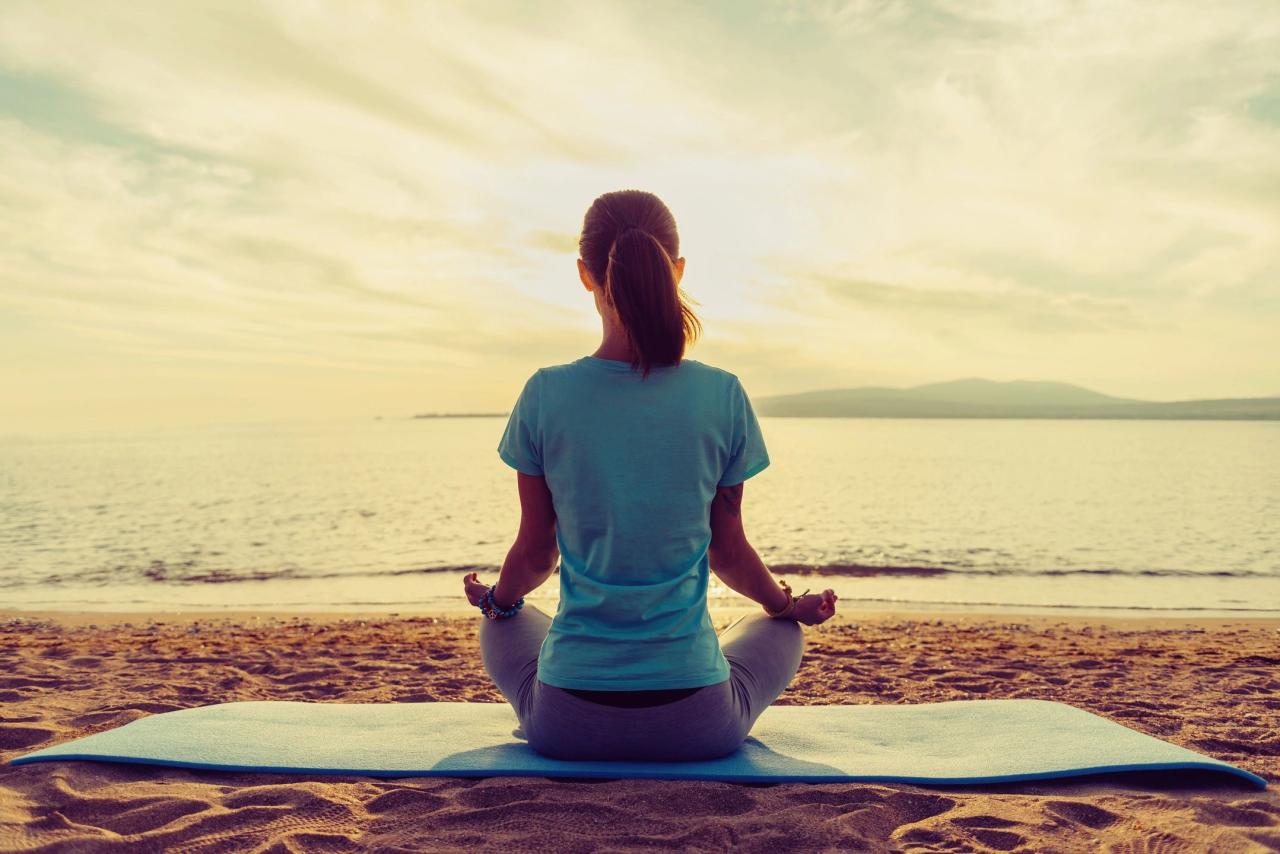
Incorporating meditation into daily routines is a vital step toward managing depression effectively. Consistent practice not only reinforces the calming and grounding effects of meditation but also helps develop resilience against depressive episodes. When meditation becomes a natural part of everyday life, it fosters a sense of stability, mindfulness, and emotional regulation, which are essential for long-term mental health improvement.
Embedding meditation into daily activities requires thoughtful planning and a willingness to adapt practices to fit personal schedules. By establishing simple routines and integrating mindfulness into routine tasks, individuals can create sustainable habits that support depression management without feeling overwhelmed or burdened. The key lies in consistency, flexibility, and intentionality in everyday moments.
Designing a Weekly Meditation Schedule
Creating a structured weekly plan ensures regular meditation practice and helps establish a routine that aligns with daily responsibilities. This schedule should balance different types of meditation techniques, varying session lengths, and times of day to optimize effectiveness and convenience.
- Identify prime times for practice: Early mornings, lunch breaks, or late evenings often serve as optimal windows for meditation. Selecting consistent times enhances habit formation.
- Allocate session durations: For busy schedules, starting with short sessions of 5-10 minutes can be effective. Gradually increasing duration as comfort grows aids in sustaining the practice.
- Mix meditation types: Incorporate mindfulness, breathing exercises, or body scans across different days to prevent monotony and target various aspects of mental well-being.
- Track progress: Use a journal or digital app to record daily sessions, noting what techniques resonate most and mood changes over time.
Example weekly schedule:
| Day | Meditation Type | Duration | Time of Day |
|---|---|---|---|
| Monday | Mindfulness breathing | 10 minutes | Morning |
| Tuesday | Body scan | 8 minutes | Lunch break |
| Wednesday | Loving-kindness meditation | 10 minutes | Evening |
| Thursday | Mindfulness walking | 10 minutes | Morning |
| Friday | Guided visualization | 7 minutes | Late evening |
| Saturday | Self-compassion meditation | 10 minutes | Afternoon |
| Sunday | Open choice | 10 minutes | Morning or evening |
Short, Effective Meditation Routines for Busy Schedules
In today’s fast-paced world, finding time for lengthy meditation sessions can be challenging. Short, focused practices can deliver significant benefits and easily fit into even the most hectic days. The goal is to maximize the impact of brief moments of mindfulness, calming the mind and reducing stress efficiently.
For example, a quick 5-minute breathing exercise before starting work or during a break can help reset focus and promote emotional balance. Similarly, a brief body scan while lying in bed or during a coffee break supports relaxation and self-awareness. These routines are especially helpful for individuals experiencing depression, as they provide accessible tools to manage symptoms throughout the day.
Simple yet effective routines include: taking deep, slow breaths to calm the nervous system, focusing on bodily sensations, or silently repeating a positive affirmation during brief pauses in daily activities.
Incorporating Mindfulness into Daily Activities Beyond Formal Practice
Beyond dedicated meditation sessions, integrating mindfulness into routine activities enhances overall mental well-being and fosters ongoing resilience against depression. Mindfulness in daily life involves consciously bringing attention to the present moment during routine actions, transforming mundane tasks into opportunities for mental clarity and emotional grounding.
Practices include:
- Mindful eating: Paying close attention to the texture, taste, and aroma of each bite encourages savoring and reduces emotional eating habits associated with depression.
- Mindful walking: Noticing each step, the sensation of the ground beneath your feet, and the environment around you fosters grounding and present-moment awareness.
- Mindful chores: Engaging fully in activities like washing dishes or folding laundry by focusing on the physical sensations and movements helps alleviate ruminative thoughts.
- Breath awareness during transitions: Taking a few deep breaths during transitions—such as moving from one task to another—anchors the mind and reduces stress responses.
By intentionally infusing mindfulness into everyday activities, individuals can create a continuous thread of awareness that supports emotional regulation, reduces feelings of overwhelm, and cultivates a more compassionate relationship with oneself, which is especially beneficial for managing depression.
Evidence and Research Supporting Meditation for Depression

Recent scientific studies have increasingly highlighted the positive effects of meditation as a complementary approach to managing depression. A growing body of evidence indicates that consistent meditation practice can significantly reduce depressive symptoms, improve emotional regulation, and enhance overall well-being. This section synthesizes key research findings, illustrating the scientific basis for incorporating meditation into depression treatment plans and exploring the biological and psychological mechanisms that underpin its effectiveness.
Research in this field has employed various methodologies, including randomized controlled trials, neuroimaging studies, and longitudinal analyses. These investigations collectively demonstrate that meditation can bring about meaningful changes in brain structure and function, contributing to the alleviation of depressive states. Furthermore, meditation’s influence on stress hormones and inflammatory markers provides insight into its biological impact, fostering a more comprehensive understanding of how mental practices can support mental health.
Key Research Findings and Statistics
Table: Summary of Recent Studies on Meditation and Depression
Study Design Participants Key Outcomes Significance Mindfulness-Based Cognitive Therapy (MBCT) Trial (2014) Randomized Controlled Trial 150 adults with recurrent depression Reduced relapse rates by 40% over 12 months Highlights preventive benefits of meditation in depression recurrence Neuroimaging Study on Meditation (2018) fMRI and EEG analysis 50 participants practicing mindfulness meditation Increased gray matter density in prefrontal cortex; decreased amygdala activity Suggests neural plasticity associated with emotional regulation Meta-Analysis of Meditation Interventions (2020) Meta-analysis of 25 studies Over 2,000 participants Significant reductions in depressive symptoms (effect size d=0.52) Supports meditation as effective for mild to moderate depression
These findings demonstrate that meditation not only contributes to symptom relief but also induces measurable biological changes. The psychological benefits include enhanced mindfulness, better emotional awareness, and improved stress management—all of which play vital roles in combating depression. The convergence of neurobiological and psychological evidence underscores meditation’s potential as a valuable adjunct therapy for depression, encouraging further integration into mental health strategies.
Last Point
Incorporating meditation into your life can significantly impact your journey with depression, offering a mindful path toward emotional stability and inner peace. Consistent practice, coupled with the right environment and techniques, can make a meaningful difference in managing depressive symptoms effectively.