Practicing meditation for forgiveness offers a profound pathway toward emotional healing and inner peace. This gentle yet powerful technique helps individuals release resentment, cultivate compassion, and foster a sense of closure with past wounds. By integrating specific practices into daily routines, individuals can transform their emotional landscape and nurture a more forgiving heart.
This guide explores effective methods to meditate for forgiveness, including preparation, guided practices, and overcoming common challenges. Emphasizing both psychological and physical benefits, it provides practical steps to deepen forgiveness through meditation, ultimately leading to greater emotional resilience and well-being.
Introduction to Meditation for Forgiveness
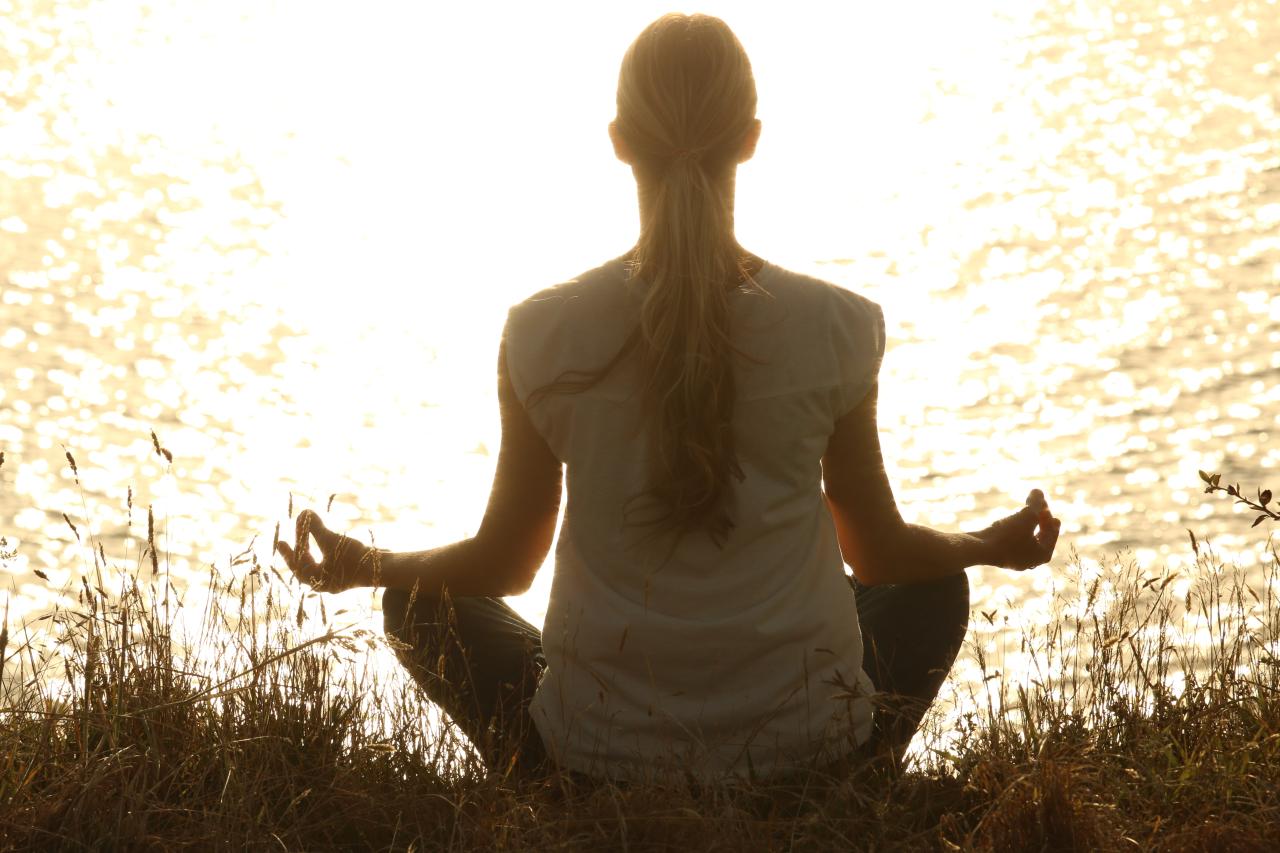
Meditation for forgiveness is a mindfulness practice specifically tailored to cultivate compassion, release resentment, and foster emotional healing. It involves consciously directing one’s attention inward to process feelings of hurt and to develop a mindset of understanding and acceptance toward oneself and others. Engaging in this form of meditation can be a transformative tool for overcoming emotional burdens that hinder personal growth and inner peace.
By dedicating time to forgiveness meditation, individuals create a structured space to confront painful experiences and reframe their perceptions. This process encourages emotional release, reduces stress, and promotes mental clarity. Regular practice not only facilitates a deeper sense of compassion but also strengthens resilience against negative emotions, leading to a more balanced and harmonious life.
Step-by-Step Overview of Facilitation through Meditation
Implementing meditation for forgiveness involves a series of intentional steps designed to deepen emotional understanding and release. These steps guide practitioners from initial awareness to genuine acceptance, making the process accessible regardless of experience level.
- Find a Comfortable Environment: Choose a quiet, distraction-free space where you can sit or lie down comfortably. Maintaining a peaceful setting sets the tone for focused meditation.
- Set a Clear Intention: Before beginning, clarify your purpose—whether it’s forgiving yourself, someone else, or both. This intention anchors your meditation session.
- Focus on Your Breath: Close your eyes and take slow, deep breaths to center your mind. Grounding yourself in breathing helps create a calm mental state conducive to emotional work.
- Visualize the Person or Situation: Gently bring to mind the individual or event related to the feelings of hurt. Allow the image or memory to come into awareness without judgment.
- Practice Compassionate Acceptance: As you breathe, silently repeat affirmations of compassion and understanding. For example, “May I forgive,” “May I release anger,” or “May they find peace.”
- Release Negative Emotions: Visualize these feelings as a tangible object or energy leaving your body with each exhalation. This act symbolizes emotional clearance.
- Conclude with Gratitude: End the session by expressing gratitude for your willingness to forgive and for the healing process. Gently bring your awareness back to the present moment.
This step-by-step approach ensures a gradual, mindful engagement with forgiveness, allowing emotional barriers to dissolve over time.
Psychological and Physical Benefits of Regular Forgiveness Meditation
Consistent practice of forgiveness meditation offers a range of benefits that enhance overall well-being. Psychologically, it assists in reducing feelings of anger, resentment, and bitterness, which are often sources of chronic stress and mental fatigue. Forgiveness practices foster emotional resilience, promote a sense of inner peace, and improve mood stability.
From a physical standpoint, engaging in forgiveness meditation can lower blood pressure, decrease cortisol levels—the stress hormone—and strengthen the immune system. The calming effect on the nervous system contributes to improved sleep quality and reduces the risk of stress-related ailments such as cardiovascular issues. Additionally, practicing forgiveness cultivates healthier relationships by fostering empathy, patience, and understanding, which are vital for social harmony and personal happiness.
Preparing for Forgiveness Meditation
Establishing the right environment and mindset is essential for a fruitful forgiveness meditation session. Proper preparation helps deepen your experience, allowing you to access inner peace and genuine compassion. Creating a conducive setting, gathering the necessary tools, and calming your body and mind are foundational steps to ensure your meditation is effective and meaningful.
A well-prepared space and mental readiness foster a sense of safety and openness, enabling you to explore feelings of forgiveness with patience and sincerity. With thoughtful preparation, you set the stage for a transformative and healing meditation experience that can profoundly impact your emotional well-being and relationships.
Ideal Environment and Mindset
An optimal environment for forgiveness meditation is one that minimizes distractions and promotes tranquility. Find a quiet, comfortable space where interruptions are unlikely. This may be a dedicated corner at home, a serene outdoor spot, or a peaceful room with soft lighting. Ensure the temperature is comfortable and the area is free from noise or external disturbances.
The mindset for forgiveness meditation should be rooted in openness, compassion, and patience. Approach the practice with a non-judgmental attitude, releasing expectations and allowing yourself to experience emotions naturally. Cultivating a sense of safety within yourself encourages honest reflection and emotional healing. Adopting a gentle, accepting outlook prepares you to confront difficult feelings without resistance, facilitating genuine forgiveness.
Materials and Tools
Enhancing your forgiveness meditation can be achieved with the use of simple materials that support focus and relaxation. Consider assembling the following items to enrich your practice:
| Material or Tool | Purpose |
|---|---|
| Comfortable Seating or Cushion | Provides physical comfort, helping you maintain a relaxed posture for extended periods. |
| Soft Lighting or Candles | Creates a calming ambiance, reducing visual distractions and promoting serenity. |
| Blanket or Shawl | Ensures warmth and comfort, especially during seated meditation in cooler environments. |
| Meditation Timer | Assists in managing session duration without the need to check the clock frequently. |
| Journal and Pen | Allows for reflection before or after meditation, capturing insights or emotions that arise. |
| Essential Oils or Incense | Utilized to create a soothing atmosphere through gentle aromatherapy, which can promote relaxation. |
Calming the Mind and Body
Before embarking on forgiveness meditation, it is beneficial to engage in practices that calm the nervous system and prepare your body. Techniques such as deep breathing exercises and gentle stretches are effective in reducing tension and fostering focus.
Deep breathing involves inhaling slowly through the nose for a count of four, holding the breath momentarily, and then exhaling gradually through the mouth for a similar count. This rhythmic breathing activates the parasympathetic nervous system, promoting relaxation and mental clarity. Repeating this process several times helps quiet restless thoughts and establishes a present-centered awareness.
“Gentle stretches for the neck, shoulders, and back help release physical tension accumulated during daily activities, making it easier to sit comfortably and focus inwardly.”
Examples of calming stretches include shoulder rolls, neck tilts, and seated forward bends. These movements loosen tight muscles, improve circulation, and foster a sense of physical ease. Incorporating such preparatory exercises into your routine ensures you approach your forgiveness meditation with an open, receptive mind and a relaxed body, paving the way for a more profound healing experience.
Techniques and Guided Practices

Practicing forgiveness through meditation involves engaging in specific techniques that help release negative emotions and cultivate compassion. These methods can be personalized to fit individual preferences and needs, making the process both effective and meaningful. Guided practices serve as valuable tools to deepen your experience, providing structure and reassurance as you explore the emotional landscape associated with forgiveness.
Employing various meditation techniques allows for targeted approaches to foster forgiveness. Visualization exercises help create mental images that promote empathy and understanding, while affirmation exercises reinforce positive beliefs about forgiveness and healing. Guided meditations often combine these elements to lead practitioners through a transformative journey from resentment to compassion.
Loving-Kindness Meditation
This technique, also known as Metta meditation, encourages the cultivation of unconditional love and compassion toward oneself and others. It involves silently repeating affirmations that extend goodwill, starting with oneself and gradually encompassing others, including those who may have caused hurt. This practice helps dissolve feelings of anger and promotes feelings of connectedness and forgiveness.
Body Scan
The body scan meditation directs attention systematically through different parts of the body, fostering awareness of physical sensations and emotional responses. When focusing on forgiveness, the body scan helps identify areas of tension or resentment stored physically, enabling conscious release. This practice encourages grounding and emotional detoxification, paving the way for forgiveness to take root.
Breathing Focus
Centered breathing exercises involve paying close attention to the breath, using inhalation and exhalation as anchors to calm the mind. When tailored for forgiveness, this practice can include deep breaths paired with intentions to release negative feelings and invite compassion. The rhythmic breathing promotes relaxation and emotional clarity, creating an optimal state for forgiving oneself and others.
Sample Guided Meditation Script for Forgiveness
Begin by finding a quiet, comfortable position. Close your eyes gently and take a few deep breaths, inhaling slowly through your nose, then exhaling softly through your mouth. Allow your body to relax as you settle into the present moment.
Bring to mind someone with whom you are holding resentment or pain. Visualize this person standing before you, and imagine a warm, golden light surrounding both of you. As you breathe in, silently repeat, “May I find peace and let go of resentment.” As you breathe out, think, “May we both be free from suffering.”
Focus on the feelings of anger or hurt, acknowledging them without judgment. Imagine these feelings as dark clouds within your heart. With each breath, visualize these clouds dissolving, replaced by a gentle, compassionate light. Repeat affirmations such as, “I choose forgiveness,” or “I release what no longer serves me.”
Extend this sense of compassion outward, sending loving-kindness to yourself, to the person involved, and to all beings suffering from similar pain. Feel the warmth of forgiveness growing within you, cultivating a sense of peace and emotional liberation.
Slowly bring your awareness back to your breath, feeling the rise and fall of your chest. When you are ready, gently open your eyes, carrying a renewed sense of compassion and readiness to forgive into your daily life.
Overcoming Challenges in Forgiveness Meditation

Forgiveness meditation can be a transformative practice, yet it often presents certain obstacles that practitioners must navigate. Recognizing these challenges and implementing effective strategies can significantly enhance the meditation experience and foster genuine forgiveness. This section explores common difficulties faced during forgiveness meditation and offers practical solutions to overcome them, ensuring a sustained and meaningful practice.While initial engagement in forgiveness meditation may seem straightforward, many individuals encounter emotional resistance, feelings of stagnation, or frustration when attempting to release hurt or resentment.
These obstacles are natural parts of the healing process; acknowledging them with compassion is essential. Developing resilience and patience allows practitioners to persist through setbacks and maintain their commitment to the practice.
Common Obstacles and Strategies to Overcome Them
Practitioners often face specific challenges that can hinder progress in forgiveness meditation. Understanding these hurdles and applying targeted techniques can facilitate deeper emotional healing and consistency in practice.
- Emotional Resistance: When confronting painful memories or feelings of anger, individuals may experience a strong urge to withdraw or avoid the meditation. To manage this, it is helpful to approach these emotions with gentle acceptance, recognizing them as part of the healing journey. Incorporating mindfulness techniques such as observing sensations without judgment can reduce the intensity of resistance.
- Difficult Emotions or Resistance: Feelings of guilt, shame, or persistent resentment can surface during practice, making it challenging to move forward. Techniques such as grounding exercises or focusing on breath can help stabilize emotions. Repeating affirmations like
“I am allowed to feel and release these feelings”
can empower practitioners to continue despite emotional discomfort.
- Slow Progress or Frustration: Progress in forgiveness may appear incremental, leading to impatience or discouragement. Setting realistic expectations and celebrating small victories, such as moments of calm or reduced resentment, can maintain motivation. Keeping a journal to track emotional shifts can also reinforce a sense of achievement.
Techniques for Managing Difficult Emotions During Practice
Handling intense emotions during forgiveness meditation requires specific strategies to prevent overwhelm and promote healing. These techniques foster emotional resilience and support sustained engagement.
- Breathing Exercises: Deep, diaphragmatic breathing helps regulate the nervous system, reducing feelings of anxiety or agitation. Inhale slowly through the nose, hold briefly, then exhale gently through the mouth, focusing on releasing tension with each breath.
- Body Scan and Grounding: Bringing awareness to physical sensations helps anchor the mind and dissipate emotional waves. Noting areas of tension or discomfort and consciously relaxing those parts can create a sense of safety and stability.
- Emotional Labeling: Naming emotions as they arise—such as anger, sadness, or hurt—can diminish their intensity. This practice fosters awareness and detachment, allowing the practitioner to observe emotions without becoming overwhelmed.
- Use of Visualizations: Imagining a safe space or visualizing emotional release, such as watching resentment dissolve like ice melting, can facilitate emotional processing and reduce resistance.
Maintaining Commitment Despite Setbacks
Consistent practice is key to experiencing lasting forgiveness, yet setbacks are common and should be viewed as part of the process. Cultivating perseverance helps practitioners stay engaged even when progress feels slow or difficult.
- Establish a Routine: Setting a regular schedule for meditation creates a habit that becomes a natural part of daily life. Consistency reinforces commitment and reduces the likelihood of abandonment due to initial discomfort.
- Practice Self-Compassion: Recognizing that emotional healing is non-linear fosters patience and kindness towards oneself. Affirmations such as
“It’s okay to have setbacks; I am committed to my growth”
provide reassurance and encouragement.
- Seek Support and Guidance: Joining meditation groups or consulting experienced teachers can offer motivation, new perspectives, and reassurance during challenging times. Sharing experiences creates a sense of community and accountability.
- Reflect on Progress: Regularly reviewing personal growth, whether through journaling or meditative reflection, can rekindle motivation. Acknowledging even small steps forward helps maintain a positive outlook and perseverance.
Enhancing the Meditation Experience with Additional Practices
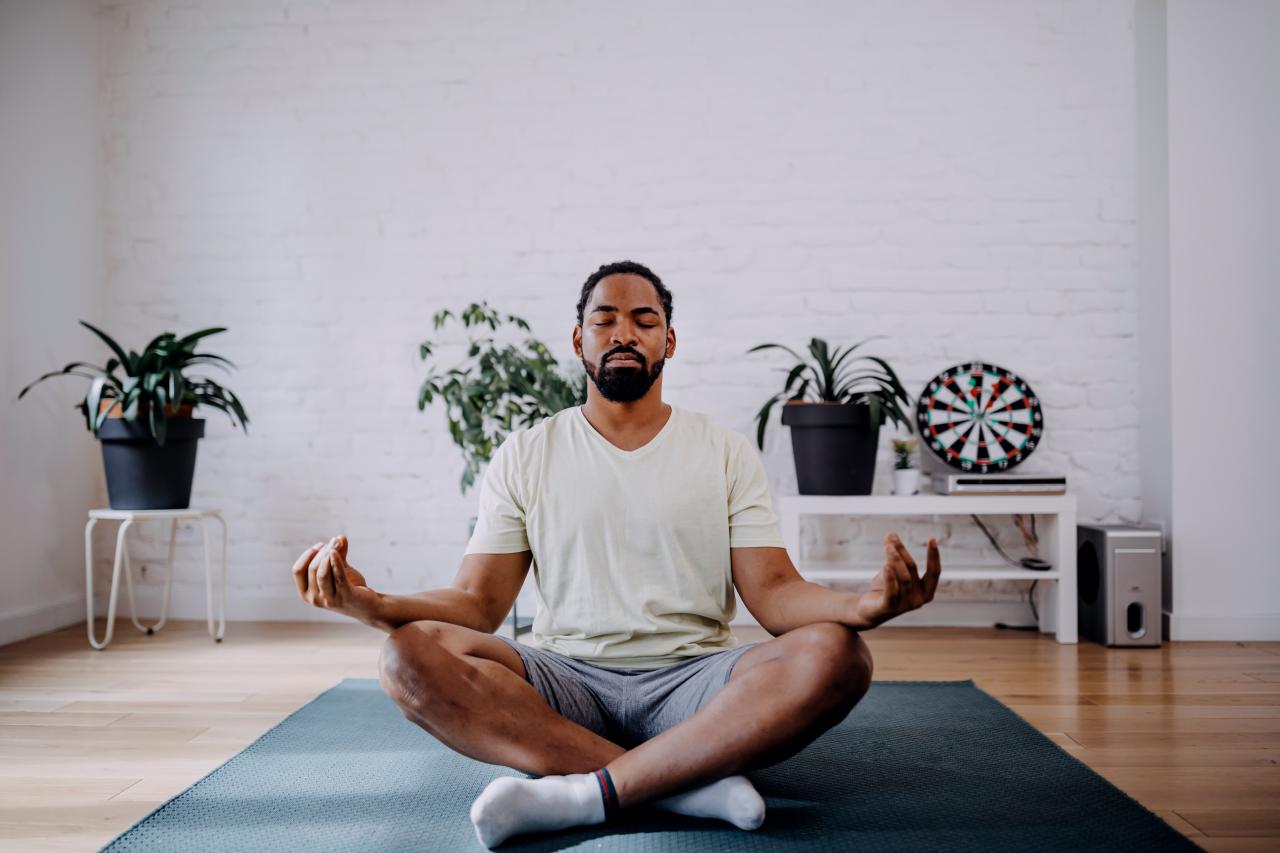
Engaging in forgiveness meditation can be profoundly enriched through complementary activities that deepen emotional release and foster ongoing growth. Incorporating various practices allows individuals to reinforce feelings of compassion, understanding, and acceptance, making the process more sustainable and impactful. By integrating these methods into daily routines, practitioners can cultivate a resilient sense of emotional freedom and inner peace.These supplementary activities serve to reinforce the core intentions of forgiveness meditation, transforming a singular practice into a comprehensive emotional wellness regimen.
They enable individuals to maintain a consistent connection to forgiveness, even amidst life’s inevitable challenges, and support the development of a compassionate mindset that extends beyond formal meditation sessions.
Complementary Activities to Strengthen Forgiveness
To create a more holistic approach to forgiveness, consider engaging in mindfulness exercises, gratitude journaling, and affirmations. These practices reinforce the emotional shifts initiated during meditation and help anchor feelings of compassion and release into everyday life.
- Mindfulness exercises, such as conscious breathing or body scans, cultivate present-moment awareness. This heightened awareness helps individuals recognize and accept emotional reactions associated with forgiveness, reducing impulsive judgments and fostering a compassionate outlook.
- Gratitude journaling involves regularly recording aspects of life or personal qualities for which one feels thankful. This practice shifts focus from grievances to appreciation, complementing forgiveness by fostering a positive emotional state and encouraging forgiveness of oneself and others.
- Affirmations are positive, intentional statements that reinforce forgiving beliefs and attitudes. Repeating affirmations such as “I choose compassion” or “I release resentment” can reprogram subconscious thought patterns, supporting sustained emotional freedom.
Using Symbolic Objects and Visualizations to Deepen Emotional Release
Visualizations and symbolic objects are powerful tools that can intensify the effects of forgiveness meditation by creating tangible representations of emotional release and transformation. These methods help anchor the feelings of forgiveness and facilitate deeper emotional processing.Visualizations might include imagining a bright, warm light enveloping the heart, dissolving feelings of resentment and anger. Alternatively, picturing a symbolic object—such as a flowing river representing the cleansing of emotional burdens—can serve as a focal point to facilitate release.
Holding or visually engaging with meaningful objects, like a smooth stone or a feather, can symbolize letting go of heavy emotions, providing a sensory anchor for emotional shifts.Blockquote>”Using visualizations and symbolic objects enhances emotional processing by offering concrete representations of abstract feelings, enabling a deeper, more profound release.”
Integrating Forgiveness Meditation into Daily Life for Lasting Emotional Freedom
Consistency is key to experiencing the long-term benefits of forgiveness meditation. Integrating brief meditation sessions into daily routines ensures that forgiveness remains an active, ongoing process rather than a one-time event.Strategies for integration include establishing specific times—such as mornings or evenings—for dedicated forgiveness meditation, creating a quiet space that invites focus and serenity. Additionally, incorporating mindfulness throughout daily activities—such as during meals, walks, or moments of pause—helps reinforce the compassionate mindset cultivated during formal meditation.
Setting reminders or using mobile apps with guided forgiveness meditations can support commitment and remind individuals to revisit their intentions regularly.Moreover, maintaining a gratitude journal or engaging in brief visualizations during moments of stress or emotional challenge can serve as quick tools to reconnect with forgiveness principles. This seamless integration promotes emotional resilience, enabling individuals to respond with compassion in everyday interactions and maintain a sense of inner peace even amidst life’s inevitable difficulties.
Outcome Summary
Incorporating meditation for forgiveness into your life can be a transformative journey toward emotional freedom and peace. Through consistent practice and mindful engagement, you can release burdens of resentment and embrace compassion, enriching your overall well-being. Remember, patience and persistence are key as you cultivate a forgiving heart and discover lasting tranquility.