Learning how to meditate for gratitude offers a powerful way to cultivate appreciation and foster emotional resilience. By focusing intentionally on thankfulness, individuals can experience profound psychological benefits such as increased happiness, reduced stress, and a greater sense of inner peace. This practice involves a variety of techniques designed to deepen your connection with positive emotions and bring mindfulness into your daily life.
Whether you are new to meditation or seeking to enrich your existing routine, understanding the fundamental methods and preparing an ideal environment can significantly enhance your experience. From visualization exercises to affirmations, these practices serve to reinforce feelings of gratitude and transform your outlook over time.
Introduction to Meditation for Gratitude
Meditation for gratitude is a mindfulness practice centered on fostering feelings of appreciation and thankfulness. It involves intentionally directing one’s attention toward recognizing and appreciating the positive aspects of life, whether they are simple daily moments or profound blessings. This form of meditation nurtures a mindset of abundance and contentment, helping individuals cultivate a more positive outlook and emotional resilience.
Engaging in meditative practices focused on gratitude offers numerous psychological and emotional benefits. Regularly practicing gratitude meditation can reduce stress levels, enhance overall well-being, and promote a greater sense of inner peace. It can also improve relationships by fostering feelings of empathy and compassion, as individuals become more aware of the kindness and support they receive from others. Furthermore, this practice can help combat negative thought patterns, encouraging a shift toward optimism and emotional stability.
Common Meditation Techniques Centered on Appreciation and Thankfulness
There are several effective techniques used to cultivate gratitude through meditation. These methods are designed to guide individuals in focusing their awareness on aspects of their lives they are thankful for, thereby strengthening feelings of appreciation and contentment.
Understanding these techniques can help practitioners incorporate gratitude meditation into their daily routines, leading to lasting emotional and psychological benefits.
- Gratitude Reflection Meditation: This technique involves silently reflecting on specific moments, people, or things one feels grateful for. Practitioners may sit quietly and mentally list these sources of gratitude, immersing themselves fully in the positive emotions associated with appreciation.
- Loving-Kindness Meditation (Metta): While traditionally aimed at cultivating compassion, this practice can be adapted to include feelings of gratitude towards oneself and others. It encourages sending well-wishes and appreciation outward and inward, fostering a sense of connection and thankfulness.
- Visualization of Gratitude: Here, individuals visualize themselves experiencing moments of gratitude or imagine expressing thanks to someone important in their lives. This mental imagery deepens feelings of appreciation and enhances emotional connection.
“Practicing gratitude meditation regularly can rewire the brain to recognize and focus on positive aspects of life, fostering resilience and emotional stability.”
Incorporating these techniques into a consistent mindfulness routine can significantly improve emotional well-being, cultivate a sense of abundance, and deepen personal relationships. Scientific studies support the efficacy of gratitude meditation in enhancing mental health, including reductions in depression and anxiety symptoms, and increased feelings of happiness and life satisfaction. As individuals develop this habit, they often report feeling more optimistic, compassionate, and emotionally balanced in their daily lives.
Preparing for Gratitude Meditation
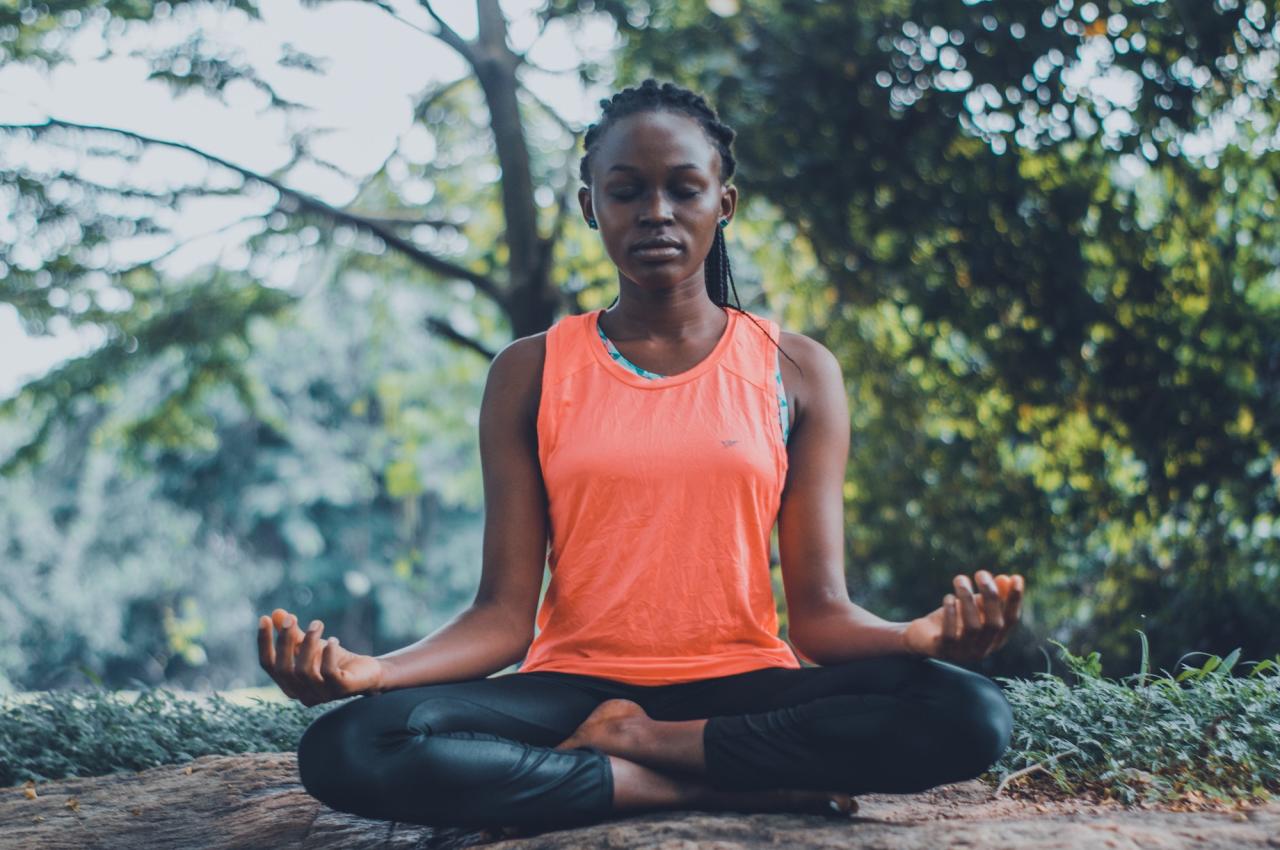
Creating the right environment and mindset is essential for a meaningful and effective gratitude meditation session. Proper preparation helps to cultivate a peaceful atmosphere that enhances your ability to focus inward and genuinely connect with feelings of thankfulness. This stage involves intentional planning and setting the stage to facilitate mindfulness and openness.
By thoughtfully arranging your surroundings and establishing clear intentions, you lay a solid foundation for cultivating gratitude. This preparation minimizes distractions and encourages a calm, receptive state of mind, allowing your meditation practice to deepen and become more impactful.
Creating a Peaceful Environment
Establishing an environment conducive to meditation requires attention to space, lighting, and sensory stimuli. A quiet, clutter-free space minimizes external disturbances that could hinder your focus. Soft lighting, such as natural sunlight or gentle lamps, fosters relaxation and creates a warm atmosphere. If noise is unavoidable, consider using earplugs or calming background sounds to mask disruptive noises. Ensuring your environment is comfortable and free from interruptions supports a sustained state of mindfulness during meditation.
Necessary Materials and Tools
Gathering specific materials and tools can significantly enhance your meditation experience. These items help signal your intention to meditate and create a sense of ritual, deepening your focus on gratitude.
- Cushions or Mats: Provide comfort and proper posture, reducing physical distractions and fatigue.
- Candles or Soft Lighting: Establish a serene ambiance and evoke a calming mood. Scented candles with soothing aromas like lavender or chamomile can further enhance relaxation.
- Calming Music or Nature Sounds: Gentle melodies or nature sounds, such as flowing water or bird songs, can mask ambient noise and foster tranquility.
- Journal or Gratitude List: A dedicated space or paper where you can jot down things you are grateful for before or after meditation.
- Comfortable Clothing: Wear loose, comfortable attire to prevent physical discomfort and support relaxation.
Setting an Intention to Focus on Gratitude
Before beginning your meditation, it is vital to clearly define your focus and set a specific intention related to gratitude. This mental preparation helps direct your attention inward and cultivates a sincere appreciation for the positive aspects of your life.
- Find a quiet moment to pause and breathe slowly, allowing your mind to transition from daily tasks to a state of mindfulness.
- Reflect on what gratitude means to you, considering both small daily blessings and significant life events.
- Speak or silently affirm your intention, such as,
“Today, I open my heart to acknowledge and appreciate the abundance in my life.”
or
“My focus is on cultivating feelings of gratitude for myself and others.”
.
- Visualize positive scenarios, people, or achievements that evoke gratitude, allowing those feelings to grow as you prepare to meditate.
- Take a few deep breaths to embed your intention, ensuring that your mind and body are aligned with your goal of gratitude.
Techniques and Methods for Meditating on Gratitude
Engaging in gratitude meditation involves various techniques that can deepen your awareness of thankfulness and foster a genuine sense of appreciation. Each method offers unique ways to connect with feelings of gratitude, whether through visualization, affirmations, or body awareness. By understanding and practicing these diverse approaches, you can tailor your meditation sessions to suit your personal preferences and deepen your experience of gratitude.
Below, we explore several effective techniques, providing detailed descriptions, recommended durations, and tips for deepening your practice. Incorporating these methods into your routine can help cultivate a more consistent and impactful gratitude meditation practice.
Structured Practice for Gratitude Meditation Sessions
A well-designed gratitude meditation session typically lasts between 10 to 20 minutes, allowing sufficient time to focus, deepen, and reflect. A common structure includes preparation, focused meditation, deepening techniques, and gentle conclusion. Start by finding a comfortable seated or lying position, ensuring your environment is quiet and free from distractions. Begin with a few deep breaths to settle the mind and body.
Then, choose a specific technique to focus on, applying visualization, affirmations, or body awareness. To deepen the practice, visualize loved ones, recall specific moments of thankfulness, or focus on sensory experiences associated with gratitude. Conclude with a few moments of quiet reflection before gently returning to daily activities.
Comparison of Gratitude Meditation Methods
This table provides an overview of popular gratitude meditation techniques, highlighting their core focus, duration, and methods to deepen the practice. Each technique offers distinct ways to cultivate appreciation and can be adapted to individual preferences.
| Method | Core Focus | Typical Duration | Deepening Techniques |
|---|---|---|---|
| Visualization | Imagining positive scenarios, loved ones, or moments of gratitude vividly in the mind. | 10-15 minutes | Visualize loved ones in detail, recall specific moments of gratitude, imagine a gratitude-filled scene in nature. |
| Affirmations | Repeating positive statements related to gratitude to reinforce feelings of thankfulness. | 10-20 minutes | Use personalized affirmations, integrate body sensations, or visualize the affirmation in action. |
| Body Scan | Focusing attention sequentially on different parts of the body to foster relaxation and internal awareness connected with gratitude. | 15-20 minutes | Notice sensations of gratitude in each body part, acknowledge areas of tension with appreciation. |
| Reflective Recall | Recalling specific moments, experiences, or people that evoke gratitude. | 10-15 minutes | Visualize detailed scenarios, include sensory details, and emotionally re-experience the feelings of thankfulness. |
Details for Each Method
Understanding the specific steps and focus points for each technique enhances your ability to practice effectively and deepen your experience of gratitude during meditation sessions.
Visualization
- Duration: 10 to 15 minutes, depending on comfort and experience.
- Focus Points: Create a vivid mental image of a loved one, a joyful moment, or a serene natural scene associated with gratitude.
- Deepening Practice: Enhance visualization by imagining the scene in detail—colors, sounds, scents—and imagine yourself expressing appreciation within the scene. For example, envision yourself thanking a friend who supported you during a challenging time, feeling the warmth of their response.
Affirmations
- Duration: 10 to 20 minutes, repeating affirmations slowly and mindfully.
- Focus Points: Repeat positive statements such as, “I am grateful for the love and support in my life,” or “Thankfulness flows through me.”
- Deepening Practice: Incorporate physical sensations, such as placing a hand on your heart, while affirming, to foster a visceral connection. Visualize the affirmation manifesting in your life, reinforcing genuine feelings of gratitude.
Body Scan
- Duration: 15 to 20 minutes, progressing through each body part systematically.
- Focus Points: As you scan, notice any areas of tension or discomfort, and consciously send gratitude to those areas for their role in your physical well-being.
- Deepening Practice: Acknowledge sensations of gratitude for your body’s resilience, or visualize breathing in gratitude with each inhale, and exhaling any tension or negativity.
Reflective Recall
- Duration: 10 to 15 minutes, allowing ample time for vivid recollections.
- Focus Points: Bring to mind specific moments of kindness, achievements, or support that evoked gratitude.
- Deepening Practice: Engage all senses—visual, auditory, tactile—to relive the experience thoroughly. For example, recall the taste of a meal shared with loved ones or the warmth of a hug, amplifying feelings of thankfulness.
Deepening gratitude meditation involves more than just recalling moments; it requires engaging all senses, feeling the emotions vividly, and visualizing scenarios that reinforce your appreciation, fostering a profound sense of thankfulness that can positively influence your overall well-being.
Guided Gratitude Meditation Scripts
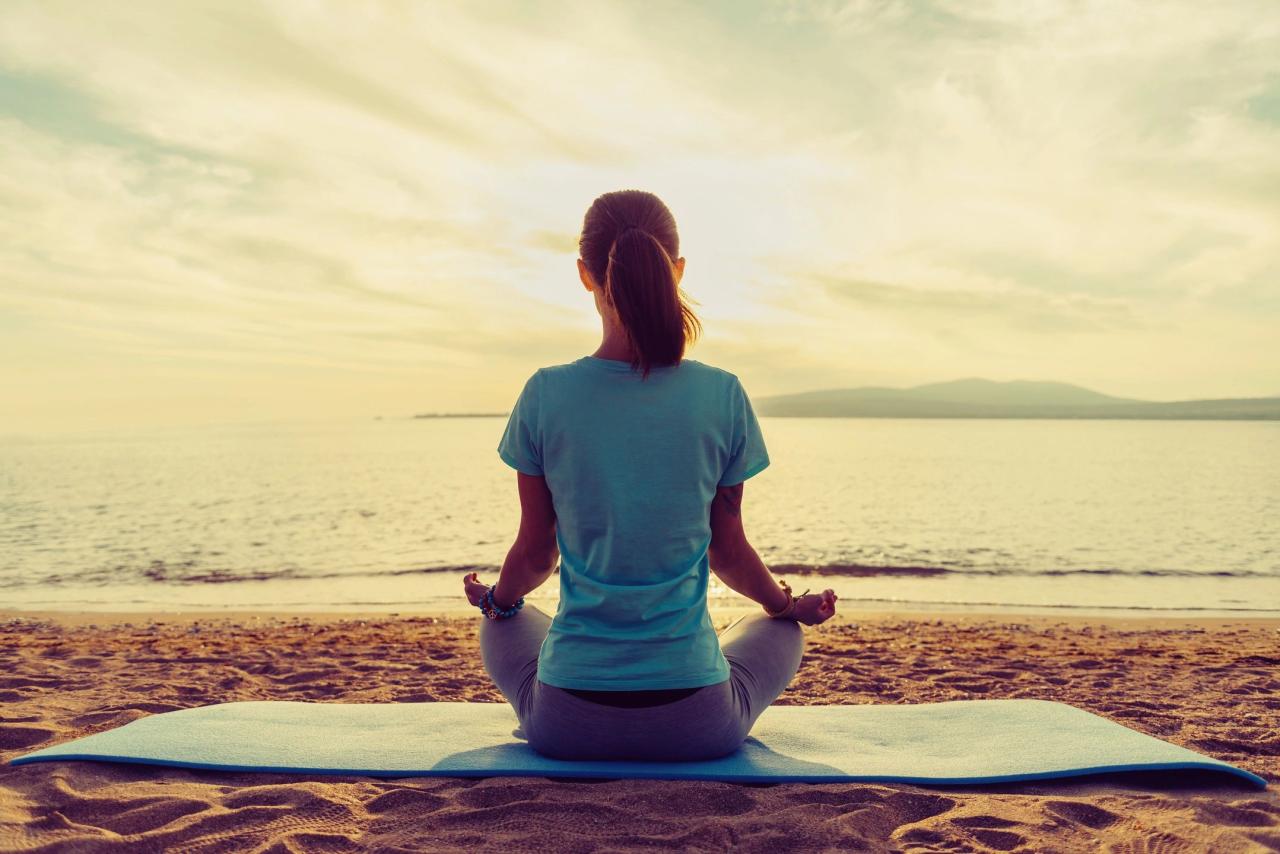
Guided gratitude meditation scripts serve as essential tools to help individuals cultivate a deeper sense of appreciation and mindfulness. These scripts provide a structured pathway, combining soothing narration with visualization and breathing techniques, making meditation accessible and effective for all levels of practitioners. Carefully crafted scripts help ensure consistency in practice, enabling individuals to experience the full benefits of gratitude meditation.
In creating these scripts, personalization plays a pivotal role. Tailoring the guidance to individual experiences, preferences, and specific sources of gratitude enhances engagement and authenticity. Additionally, incorporating clear cues for breathing and visualization ensures a seamless flow, fostering a calm and reflective state conducive to genuine feelings of gratitude.
Sample Guided Gratitude Meditation Scripts
Effective scripts typically begin with a calming introduction that centers the listener, followed by guided instructions that lead them through breathing exercises, visualization, and affirmation of gratitude. These scripts often include prompts to help individuals identify specific aspects of their lives they are grateful for, creating a personalized and meaningful experience.
Below is a sample script illustrating these principles:
“Find a comfortable seated position, allowing your eyes to gently close. Take a deep breath in through your nose, feeling your lungs expand, and slowly exhale through your mouth, releasing tension. As you breathe steadily, bring to mind a moment or aspect of your life for which you feel sincere gratitude. Visualize this experience vividly—see it clearly, feel the warmth or happiness it brings. Repeat quietly to yourself, ‘I am grateful for this moment, this experience, this person, or this blessing.’ As you continue to breathe slowly and deeply, let this gratitude fill your heart, expanding with each breath.”
Personalizing Guided Scripts for Individual Preferences
Personalization of guided scripts enhances the relevance and emotional impact of the meditation. Incorporating an individual’s unique experiences, cultural background, or specific sources of gratitude fosters a stronger connection to the practice. For example, if someone draws gratitude from family, health, or personal achievements, scripts can be tailored to emphasize these aspects.
Practitioners can modify scripts by including specific prompts or imagery that resonate with their personal stories. Such customization might involve recalling a recent act of kindness, a personal milestone, or a meaningful place. This customization deepens the meditation, making the feelings of gratitude more genuine and profound.
Techniques for Incorporating Gratitude Explainings into Spoken Practices
When delivering spoken gratitude meditations, clarity, sincerity, and pacing are paramount. Here are some techniques to effectively incorporate gratitude explanations:
- Use descriptive language: Employ vivid imagery and sensory details to help listeners visualize and emotionally connect with their gratitude sources.
- Pause for reflection: Incorporate pauses after prompts, allowing time for internal reflection and emotional processing.
- Reinforce positive affirmations: Repeat key phrases such as “I am grateful for…” to strengthen the feeling of appreciation.
- Maintain a soothing tone: Use a calm, gentle voice to foster relaxation and openness.
- Encourage personalization: Suggest that listeners think of gratitude items that are meaningful to them, fostering authenticity.
Incorporating these techniques ensures that spoken meditative practices are engaging, heartfelt, and effective in cultivating a genuine sense of gratitude in listeners. By combining descriptive storytelling with pauses and affirmations, practitioners can deepen their emotional connection and experience the transformative power of gratitude meditation.
Incorporating Gratitude Meditation into Daily Routine
Integrating gratitude meditation into your daily schedule can significantly enhance your overall well-being, foster a positive outlook, and cultivate a consistent practice that supports emotional resilience. Establishing a routine ensures that gratitude remains a priority amidst busy lives, allowing its benefits to become a natural and sustained part of your daily experience.A well-structured approach to incorporating gratitude meditation involves setting specific intentions, choosing consistent times, and creating a conducive environment that encourages mindfulness and reflection.
By making it a habitual activity, you reinforce the practice’s importance, making it easier to maintain long-term commitment and reap its full advantages.
Establishing a Consistent Meditation Schedule
Creating a reliable routine is essential for integrating gratitude meditation into daily life. Begin by selecting specific times that align with your natural schedule, such as morning, midday, or evening, to reinforce consistency. Setting a fixed alarm or reminder can serve as a prompt and help you develop a habit.Designate a quiet, comfortable space free from distractions, where you can comfortably sit or lie down.
Keep your meditation space inviting and free of clutter, perhaps with calming elements like soft lighting or calming scents, to facilitate a focused and peaceful environment. Incorporate gratitude into your daily schedule by attaching it to existing routines, such as after waking up, during lunch breaks, or before bedtime, making it easier to remember and prioritize.
Overcoming Common Obstacles in Gratitude Meditation
Distraction and impatience are common challenges faced during meditation. To address these issues, it is helpful to acknowledge that these feelings are natural and part of the process. Implementing specific strategies can enhance focus and patience.Practicing gentle guided meditations can assist in maintaining concentration, especially for beginners. If your mind wanders, gently redirect your focus back to your breath, sensations, or specific gratitude statements without self-criticism.
Incorporating short, manageable sessions initially—beginning with five minutes—can help build endurance and prevent frustration. Additionally, using visual cues or physical reminders, such as placing a gratitude journal nearby, encourages mindfulness and reinforces your commitment.
Optimal Times of Day for Practicing Gratitude Meditation
Choosing the right times to practice gratitude meditation can maximize its positive impact on your day. The early morning, right after waking, provides a serene moment to set a positive tone for the day, fostering an attitude of gratitude that can influence subsequent actions and interactions.Midday sessions serve as a valuable reset, allowing you to pause, reflect on your blessings, and reduce stress accumulated during the day’s activities.
Evening practice, particularly before sleep, can promote relaxation, improve sleep quality, and foster a sense of peace and appreciation as you conclude your day.The reasons for selecting these times include their natural alignment with daily rhythms, their capacity to reinforce positive mental states, and their ability to integrate seamlessly into existing routines without requiring significant additional effort. Consistency at these times can cultivate a habit that becomes an integral part of your life.
Combining Gratitude Meditation with Other Wellness Activities
Enhancing your gratitude practice by integrating it with other wellness activities can amplify benefits and foster a holistic approach to mental and physical health. For instance, pairing gratitude meditation with gentle physical activities such as yoga or tai chi can deepen relaxation and promote mindfulness throughout the body.Engaging in journaling immediately after meditation allows you to record feelings of gratitude, helping to solidify positive emotions and track progress over time.
Listening to calming music or nature sounds during your meditation can create a more immersive experience, fostering a deeper sense of peace and appreciation.Another effective approach involves combining gratitude meditation with breathing exercises, such as diaphragmatic breathing, to enhance relaxation and focus. Incorporating gratitude into morning affirmations or evening reflections can also strengthen your mindset, reinforcing feelings of thankfulness and resilience throughout the day.
Enhancing Gratitude Meditation with Visualizations and Affirmations
Creating Vivid Mental Images that Evoke Feelings of Thankfulness
Developing compelling visualizations requires engaging all the senses to produce clear, detailed mental images that resonate emotionally. These images should be specific, relatable, and emotionally charged to evoke genuine feelings of thankfulness. The process involves focusing on meaningful moments or people in one’s life, and imagining these scenes with as much sensory detail as possible.
Effective visualization techniques include imagining scenes where you feel loved, appreciated, or supported. For example, visualizing a warm embrace from a loved one, the vibrant colors of a flower garden that reminds you of a calming place, or the peaceful setting of a favorite memory. Visualizing interactions that exemplify kindness or moments of personal achievement can also foster gratitude. The key is to immerse yourself fully in these images, engaging sight, sound, smell, touch, and taste when applicable, to deepen emotional connection and evoke feelings of thankfulness.
Designing Positive Affirmations to Reinforce Gratitude
Positive affirmations are concise, present-tense statements that affirm feelings of gratitude and appreciation. Crafting effective affirmations involves choosing language that is uplifting, genuine, and specific to your experiences. These statements serve to reprogram the subconscious mind, reinforcing the emotional state associated with gratitude and promoting a more optimistic outlook.
Examples of affirmations include:
- “I am deeply grateful for the abundance in my life.”
- “Every day, I find new reasons to feel thankful.”
- “I appreciate the love and support I receive from others.”
- “My heart is filled with gratitude for all that I have.”
- “I attract positive experiences through my gratitude.”
When using affirmations during meditation, repeat them slowly and mindfully, allowing their meaning to resonate. Combining affirmations with visualization enhances their effectiveness by anchoring positive beliefs to vivid mental images, deepening the emotional impact.
Methods for Integrating Visualizations and Affirmations into Practice Sessions
Seamless integration of visualizations and affirmations into meditation enhances the overall experience and ensures consistency. A few effective methods include:
- Sequential Approach: Begin with a few moments of deep breathing to center yourself, then transition into visualizing a gratitude-inducing scene. Once immersed, silently or aloud repeat your chosen affirmations, synchronizing the statements with the emotional tone of the visualization.
- Simultaneous Practice: Combine visualization and affirmations by imagining a scene while simultaneously repeating positive statements. For example, visualizing a loved one and affirming, “I am grateful for the love I receive.”
- Focused Reflection: Dedicate specific meditation sessions solely to visualizations or affirmations, then gradually incorporate both into each session, creating a layered, enriching practice.
- Use of Guided Recordings: Utilize guided meditations that incorporate visualizations and affirmations, which can serve as effective tools for developing and maintaining a consistent practice.
To maximize benefits, practice regularly, ideally daily, and set aside dedicated time for this enriched gratitude meditation. Maintain an open mind, and be patient as your mental images and affirmations deepen over time, fostering a sustained sense of gratitude and well-being.
Tracking Progress and Deepening Practice
Maintaining a consistent gratitude meditation practice offers valuable insights into personal growth and emotional well-being. By systematically tracking progress and exploring methods to deepen the practice, individuals can cultivate a more profound and sustained sense of gratitude, leading to significant improvements in overall outlook and mental health. Developing awareness of how gratitude impacts daily life encourages continued commitment and fosters a richer meditation experience.Tracking progress allows practitioners to observe shifts in mood, outlook, and emotional resilience over time.
It also helps identify patterns and triggers that enhance or hinder feelings of gratitude. Deepening the practice involves gradually incorporating advanced techniques and reflective exercises to access deeper layers of gratitude, fostering a more meaningful and transformative experience.
Journaling Insights and Feelings
Creating a dedicated space for journaling after each meditation session helps capture immediate impressions, emotional responses, and insights gained. Reflective journaling serves as both a record of growth and a tool for self-awareness, enabling practitioners to notice subtle changes and recurring themes.
- Encourage noting the emotional tone of each session, such as feelings of bliss, peace, or resistance.
- Describe specific moments or thoughts during meditation that stood out as particularly impactful.
- Record physical sensations, such as relaxation, tension release, or energy shifts, to notice bodily responses associated with gratitude.
- Write about any new realizations or perspectives gained through the practice.
A typical journal entry might include:
“Today’s meditation brought a deep sense of appreciation for simple pleasures, such as the warmth of sunlight. I felt a wave of calm and gratitude washing over me, making me more optimistic about upcoming challenges.”
Tracking Changes in Mood and Outlook
Visual representation of mood and outlook trends over time enhances awareness of the cumulative effects of gratitude meditation. Graphs, charts, or tables can effectively illustrate progress and motivate continued practice.To facilitate this, practitioners may:
- Create a mood chart with daily or weekly entries, rating feelings from ‘very negative’ to ‘very positive’ on a scale of 1-10.
- Use tables to document specific gratitude themes, such as relationships, health, or personal achievements, and note how these evolve over time.
- Include notes on external factors influencing mood, like life events or environmental changes, to understand their impact on gratitude levels.
Examples include a line graph showing an upward trend in overall positivity or a table comparing baseline mood before starting gratitude practice with monthly assessments. Such visual tools provide concrete evidence of progress, fostering motivation and accountability.
Deepening the Practice for Greater Gratitude Experiences
Progressively deepening meditation practice involves integrating advanced techniques that enhance emotional connection and insight. This process encourages moving beyond surface-level gratitude to more profound, transformational experiences.Practitioners can:
- Introduce extended sessions that focus on savoring feelings of gratitude, allowing the emotion to deepen and expand.
- Combine visualization and affirmations within meditation to reinforce feelings of abundance and appreciation.
- Engage in reflective exercises post-meditation, such as contemplating the origins of gratitude or imagining sharing kindness with others.
- Explore gratitude for challenging experiences, viewing obstacles as opportunities for growth and resilience.
- Use mindfulness to recognize subtle signs of gratitude during daily activities outside formal sessions, reinforcing the practice’s depth.
By gradually increasing meditation duration, experimenting with different techniques, and cultivating a mindset of openness and curiosity, individuals can access more profound levels of gratitude. Over time, these practices can lead to an enduring sense of contentment and emotional richness that positively influences all facets of life.
Closure
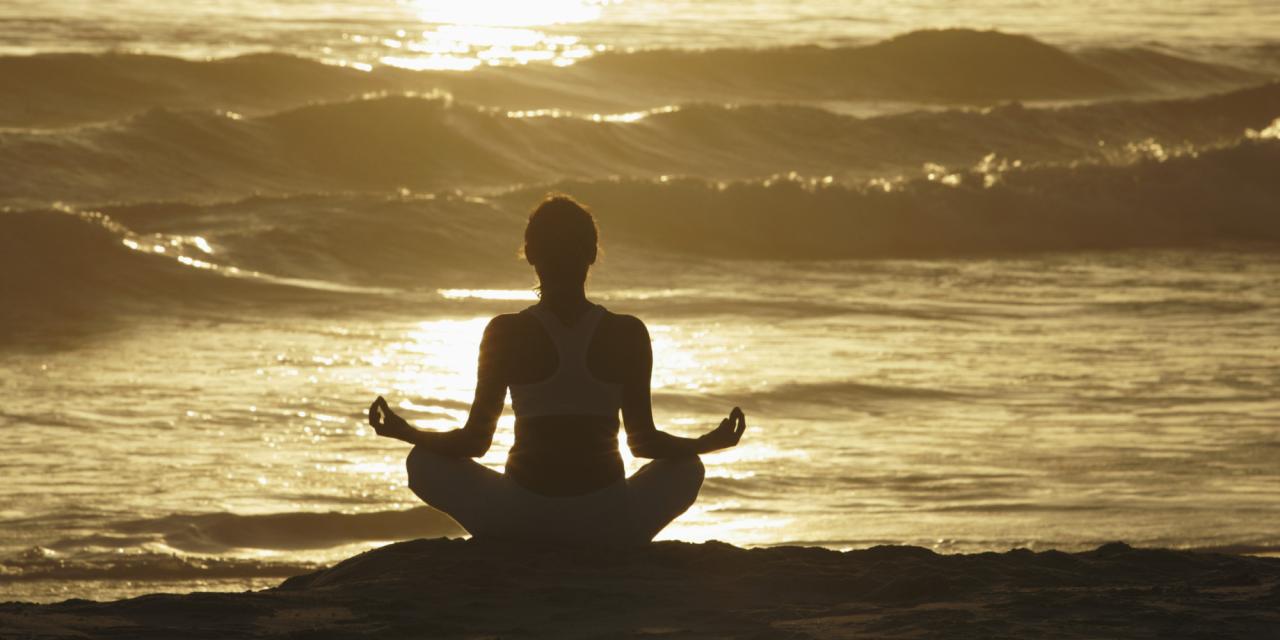
Incorporating gratitude meditation into your daily routine can lead to lasting improvements in mental wellbeing and emotional balance. By consistently practicing these techniques, you’ll cultivate a more appreciative mindset, enabling you to navigate life’s challenges with greater ease and positivity. Embrace these practices as a meaningful step towards a more grateful and fulfilling life.