Learning how to meditate for grief offers a compassionate pathway to navigate emotional pain and foster healing. Meditation can serve as a powerful tool to process loss, alleviate anxiety, and cultivate inner peace during challenging times.
This practice helps individuals manage complex emotions by creating a calm mental space, supporting resilience, and encouraging mindfulness. Incorporating meditation into grief recovery can significantly enhance emotional well-being and foster acceptance.
Understanding the Role of Meditation in Grief Management
Grief is a deeply personal experience that can evoke a wide range of emotions, from sadness and anger to confusion and despair. While these feelings are natural, finding healthy ways to process and heal from loss is essential for emotional well-being. Meditation serves as a valuable tool in this journey, offering a pathway to inner peace, clarity, and acceptance amid challenging times.
Its role in grief management extends beyond mere relaxation, providing tangible benefits that support emotional resilience and mental health.
Meditation can help individuals navigate the complex landscape of grief by fostering mindfulness and emotional regulation. As a practice rooted in focused attention and deep breathing, meditation encourages individuals to observe their thoughts and feelings without judgment. This non-reactive approach allows for the gradual cultivation of acceptance and compassion towards oneself and the situation. Over time, meditation can assist in reducing the intensity of negative emotions and promote a sense of calm and stability, making it easier to confront and process grief.
The Psychological and Physiological Benefits of Meditation During Grief
Engaging in regular meditative practices offers a range of psychological and physiological advantages that can significantly aid in grief recovery. Grief often triggers heightened anxiety, depression, and physical symptoms such as fatigue or muscle tension. Meditation helps mitigate these effects by calming the nervous system and improving emotional regulation.
From a psychological perspective, meditation enhances self-awareness and fosters resilience. It encourages individuals to observe their thoughts and feelings objectively, reducing tendencies towards rumination and negative self-talk that can exacerbate depressive symptoms. Additionally, meditation strengthens coping mechanisms by promoting mindfulness and acceptance, enabling individuals to face their grief with greater patience and self-compassion.
Physiologically, meditation reduces the body’s stress response by lowering cortisol levels, the hormone associated with stress. It also activates the parasympathetic nervous system, responsible for relaxation and recovery. These effects contribute to a decrease in physical symptoms like muscle tension, headaches, and fatigue commonly experienced during intense periods of grief.
Managing Anxiety and Depression Through Meditation
Individuals experiencing grief frequently encounter symptoms of anxiety and depression, which can hinder healing if left unaddressed. Meditation offers practical strategies to manage these symptoms effectively, fostering mental clarity and emotional stability.
Consistent meditation practice can help reduce anxiety by promoting a state of relaxation and present-moment awareness. Techniques such as focused breathing or body scans enable individuals to shift their attention away from worries about the past or future, anchoring them in the present. This process diminishes the cycle of anxious thoughts and fosters a sense of control and calmness.
Regarding depression, meditation encourages self-compassion and acceptance, counteracting tendencies toward self-criticism and hopelessness. Mindfulness meditation helps individuals observe their depressive thoughts without attachment, allowing them to gain perspective and diminish their emotional charge. Research indicates that regular meditation can increase levels of neurotransmitters like serotonin, which are associated with improved mood and emotional regulation.
“Meditation is a gentle yet powerful way to nurture resilience and foster healing in the aftermath of loss. Its capacity to calm the mind and body makes it an invaluable resource for those navigating grief.”
Preparing for Meditation When Grieving

Embarking on meditation during a period of grief requires careful preparation to foster a safe and nurturing environment. Adequate planning helps create a space that supports emotional release, mindfulness, and healing. Recognizing the importance of mental and physical readiness can significantly enhance the effectiveness of your meditation practice during challenging times.
Preparation involves both physical arrangements and mental focus. Establishing an environment free from distractions, setting clear intentions, and cultivating a state of mindfulness beforehand can help you engage more deeply with your meditation session. These steps serve as a foundation for making your practice a comforting and constructive experience amidst emotional distress.
Creating a Calming Environment
Developing a tranquil space is fundamental for meditation during grief. A peaceful environment helps ease feelings of emotional overwhelm and encourages focused relaxation. Consider the following steps to set up your space:
- Choose a quiet location where interruptions are minimal, such as a corner of a room or a peaceful outdoor area.
- Ensure the space is free from clutter, which can distract your mind and hinder relaxation.
- Soft, natural lighting or dimmed lamps create a soothing atmosphere, reducing sensory overload.
- Incorporate elements that promote calmness, such as calming scents like lavender or chamomile, or gentle background sounds like nature recordings or soft instrumental music.
- Use comfortable seating or cushions that support a relaxed posture, enabling you to meditate without physical discomfort.
Maintaining a consistent environment can also help condition your mind to associate the space with relaxation and healing, making it easier to transition into meditation during times of emotional distress.
Setting Intentions and Cultivating Mindfulness
Before beginning your meditation, establishing clear intentions can provide focus and purpose. This step helps anchor your practice in a meaningful context, especially when dealing with grief. Additionally, cultivating mindfulness prepares your mind to accept and observe your emotions without judgment.
- Define Your Purpose: Decide whether your meditation aims to offer comfort, process emotions, or foster acceptance. For example, setting an intention to simply observe your feelings without trying to suppress or alter them can lead to greater emotional clarity.
- Practice Mindful Breathing: Engage in slow, deep breaths, paying close attention to each inhale and exhale. This gentle focus helps ground your awareness in the present moment, reducing feelings of overwhelm.
- Use Affirmations or Mantras: Repeating positive statements such as “I am safe” or “I am allowed to grieve” can reinforce your intention and bring a sense of reassurance.
- Visualize Healing: Imagine a healing light or peaceful scene that embodies comfort and serenity. This visualization can help shift your focus from pain to hope and renewal.
Adopting these practices before meditation primes your mind to remain present and accepting, making your sessions during times of grief more effective and nurturing.
Checklist of Necessary Items and Mental Preparations
Having a prepared set of physical items and mental strategies can streamline your meditation process, ensuring you are ready to engage even during emotionally challenging moments. Below is a comprehensive checklist:
| Physical Items | Purpose |
|---|---|
| Comfortable seating or cushions | Supports relaxed posture for prolonged meditation |
| Blanket or shawl | Provides warmth and comfort, especially if feeling emotionally vulnerable |
| Clock or timer | Helps in setting and adhering to meditation duration without distraction |
| Calming scents or essential oils | Enhances relaxation and creates a soothing atmosphere |
| Soft background sounds or music | Facilitates focus and masks external noise |
| Journal or paper and pen | Allows reflection post-meditation or to jot down feelings |
Mentally, it is vital to acknowledge your emotional state and accept feelings of grief as a natural part of healing. Reminding yourself of the purpose of your practice—whether for solace, clarity, or connection—can reinforce your commitment and patience during each session.
Preparing both your environment and your mindset ensures that your meditation practice during grief becomes a supportive tool for emotional resilience and healing. By establishing these foundational steps, you create a nurturing space where grief can be acknowledged and gently processed.
Techniques and Methods for Meditating Through Grief
Engaging in meditation during times of grief can significantly aid in emotional processing and healing. Different meditation techniques offer unique approaches to confronting and releasing feelings of sadness, loss, and pain. Selecting the appropriate method depends on personal preferences and comfort levels, allowing individuals to find the most effective pathway toward peace and acceptance.
Below, various meditation styles suitable for grief are compared, along with detailed step-by-step procedures. These practices emphasize emotional release, self-compassion, and healing, providing tools to navigate the complex landscape of grief with mindfulness and gentle awareness.
Comparison of Meditation Styles for Grief
| Technique | Description | Primary Focus | Benefits for Grief |
|---|---|---|---|
| Guided Visualization | Uses spoken imagery guided by an instructor or recording to create calming mental scenes. | Emotional release, healing, connecting with inner peace. | Facilitates emotional catharsis by visualizing peaceful or meaningful images, such as a safe place or meeting with loved ones. |
| Breath Awareness | Focuses on conscious observation of breathing patterns without manipulation. | Calming nervous system, grounding, regulating emotions. | Helps soothe distressing feelings and reduces anxiety associated with grief episodes. |
| Loving-Kindness Meditation (Metta) | Involves cultivating feelings of compassion toward oneself and others. | Self-compassion, emotional healing, releasing anger or guilt. | Encourages forgiveness, acceptance, and emotional warmth during mourning. |
| Body Scan | Systematic attention to different parts of the body to identify tension and release it. | Increases bodily awareness, reduces physical tension tied to grief. | Allows emotional energy to be acknowledged and released through physical relaxation. |
Guided Visualization for Emotional Release and Healing
This technique involves imagining a peaceful scene or a supportive environment that can facilitate emotional understanding and release. Visualizing interactions with loved ones or compassionate figures can provide comfort and aid in processing grief.
- Find a comfortable seated or lying position in a quiet space.
- Close your eyes and take several slow, deep breaths, allowing tension to melt away.
- Visualize a serene place, such as a tranquil forest, a beach at sunset, or a cozy room bathed in warm light.
- Imagine loved ones or your inner self visiting this space, offering comfort and understanding.
- Allow feelings of sadness or loss to surface as you observe your emotions without judgment. Visualize releasing these feelings like floating leaves or gentle waves.
- Use calming affirmations, such as:
“I am safe, and I honor my feelings,”
or
“Healing is happening at my own pace.”
- Gradually bring your awareness back to your surroundings, carrying a sense of calm and acceptance.
Breath Awareness for Emotional Regulation
Focusing solely on the breath can help ground individuals experiencing overwhelming grief, creating a space for emotional regulation and release.
- Sit comfortably with your back straight and shoulders relaxed.
- Close your eyes if comfortable, and bring your attention to your breathing.
- Observe the natural rhythm of your inhale and exhale, noticing the rise and fall of your abdomen or chest.
- If your mind wanders, gently redirect your focus back to the breath without judgment.
- As emotions surface, imagine inhaling calmness and exhaling tension or sadness.
- Practice for 5-10 minutes, gradually extending as comfort allows.
- End with a few deep, intentional breaths, setting an intention of compassion and patience towards yourself.
Loving-Kindness Meditation for Compassion and Release
This practice helps cultivate self-compassion and promote forgiveness, easing feelings of guilt or anger that may accompany grief.
- Begin in a comfortable seated position, closing your eyes gently.
- Take a few deep breaths, settling into the present moment.
- Silently repeat phrases such as:
“May I be safe. May I be happy. May I be healthy. May I live with ease.”
- Visualize sending these wishes to yourself, especially during moments of emotional pain.
- Extend the phrases outward, imagining your loved ones and others affected by your loss receive the same goodwill.
- If difficult emotions arise, acknowledge them with compassion and reaffirm your intentions.
- Conclude by radiating feelings of loving-kindness and acceptance, gradually returning to the present.
Body Scan for Physical and Emotional Release
The body scan helps identify areas of tension that often hold emotional pain, allowing for conscious relaxation and emotional processing.
- Lie down comfortably on your back, arms resting gently by your sides.
- Close your eyes and take several deep breaths, grounding yourself in the present moment.
- Begin by focusing on your toes, noticing any sensations or tensions. Imagine sending gentle warmth or relaxation to this area.
- Slowly move your attention upward, through your legs, pelvis, abdomen, chest, back, shoulders, arms, neck, and face.
- As you scan each area, acknowledge any emotional feelings or physical sensations without judgment, allowing them to be present.
- If you encounter tension or emotional distress, breathe into that area and visualize releasing the tightness or pain with each exhale.
- Once the entire body has been scanned, spend a few moments in silent awareness, appreciating the sense of relaxation and emotional release.
Guided Meditation Scripts for Grief Support
Grief can often feel overwhelming and isolating, making it challenging to find moments of peace amidst the emotional turbulence. Guided meditation scripts offer a compassionate and structured way to navigate these difficult feelings. These scripts serve as gentle tools to support individuals in releasing pain, cultivating acceptance, and fostering inner calm. When personalized thoughtfully, guided meditations can become powerful allies in the healing process, providing comfort and resilience during times of profound loss and sorrow.Understanding how to craft and utilize effective scripts is essential for anyone seeking to incorporate meditation into grief management.
Carefully designed guidance helps create a safe mental space where mourners can process their emotions gently and with self-compassion. The following sections provide detailed scripts and visualization techniques aimed at soothing pain and inspiring positive affirmations, tailored specifically for those experiencing grief.
Comfort and Releasing Pain
Creating a meditation script focused on comfort and pain release involves guiding the individual to acknowledge their suffering while gradually letting go of tension, fear, and sadness. Here is a detailed script example:
Begin by inviting the individual to find a comfortable seated or lying position, ensuring their spine is straight yet relaxed. Guide them to close their eyes gently and bring their attention inward. Encourage them to take slow, deep breaths—inhale through the nose, filling the lungs with fresh air, and exhale softly through the mouth, releasing tension. As they settle into this rhythm, prompt them to gently acknowledge their feelings of grief without judgment.
- Visualization of a Peaceful Sky: Guide the participant to imagine a vast, clear sky. Visualize the clouds drifting effortlessly—each representing a particular emotion or memory. Encourage them to observe these clouds without attachment, allowing the feelings of grief to pass by like the clouds, slowly and peacefully. This imagery fosters acceptance and a sense of release.
- Body Scan for Tension Release: Lead a gentle body scan, starting from the crown of the head down to the toes. Guide awareness to areas where pain or tension reside, such as the chest or shoulders. Use calming language to suggest releasing stored grief, imagining it transforming into light and dissipating into the sky.
- Positive Affirmations: Encourage the individual to silently repeat affirmations, such as: “I am allowed to grieve,” “It is okay to feel pain,” “I release what no longer serves me.” Reinforce that feelings of sadness are part of healing, and acceptance is a step toward peace.
Fostering Acceptance and Inner Peace
Guided scripts aimed at fostering acceptance focus on nurturing compassion toward oneself and embracing the process of grieving. These scripts often incorporate imagery of light, warmth, and growth:
Begin with a grounding exercise, such as feeling the sensation of the body making contact with the surface beneath. Invite the individual to visualize a gentle, warm light surrounding them—offering comfort and protection. As they breathe deeply, guide them to imagine this light filling their entire being, soothing pain and welcoming acceptance.
- Imagery of Growth and Healing: Encourage imagining a tender seed within the heart, representing resilience. Visualize this seed slowly sprouting, growing stronger with each breath, symbolizing the ongoing process of healing and acceptance.
- Positive Self-Compassion Statements: Guide the individual to silently affirm: “I am gentle with myself,” “My feelings are valid,” “I am open to healing.” Emphasize that acceptance does not diminish love or memory, but allows peace to grow within.
- Visualization of a Peaceful Place: Describe a serene natural environment—such as a quiet forest, a calm lake, or a peaceful meadow. Invite the participant to imagine themselves in this place, feeling safe, loved, and at peace, fostering a sense of calm and acceptance.
Each guided meditation script can be tailored to the individual’s preferences and emotional state, making it a flexible and compassionate tool in grief support. When delivered with warmth and patience, these scripts can significantly aid those on their journey toward healing and inner peace.
Integrating Meditation into Daily Grief Recovery Practices

Maintaining a consistent meditation practice during grief can offer ongoing support and stability amidst emotional upheaval. Incorporating meditation into everyday routines helps create a sense of normalcy and provides a dedicated space for processing feelings as they arise. As emotional needs evolve, adapting meditation practices ensures continued relevance and effectiveness, fostering resilience and healing over time.Understanding how to seamlessly integrate meditation into daily life can significantly enhance the grief recovery process, making it easier to manage intense emotions while cultivating inner peace and mindfulness.
Establishing Routine and Schedule
Creating a structured schedule for meditation helps embed it into daily life, making it a dependable resource during times of grief. Consistency is key to experiencing long-term benefits, and establishing specific times for practice can reinforce this habit. To do so effectively:
- Designate fixed times each day, such as morning upon waking or evening before bed, to practice meditation routinely.
- Start with short sessions of 5 to 10 minutes, gradually increasing duration as comfort and familiarity grow.
- Pair meditation with existing habits, like after brushing your teeth or during a lunch break, to make it a seamless part of your day.
- Use reminders such as alarms or calendar alerts to establish accountability and reinforce commitment.
- Maintain a dedicated space for meditation that is quiet, comfortable, and free from distractions, fostering a conducive environment for reflection.
Adapting Meditation Practices as Emotional Needs Change
Grief is a dynamic process, and emotional needs can fluctuate significantly over time. As feelings of sadness, anger, or anxiety intensify or diminish, meditation techniques should be adjusted accordingly. Practitioners can consider:
- Incorporating guided meditations that focus on acceptance and compassion when experiencing feelings of self-judgment or guilt.
- Using breathing exercises to manage acute anxiety or panic episodes associated with grief triggers.
- Practicing loving-kindness meditation to foster self-compassion and connection when feelings of loneliness or isolation arise.
- Adjusting session length based on emotional capacity; shorter sessions during overwhelming periods, longer ones when emotional strength is higher.
- Introducing mindfulness practices that involve body scans or sensory awareness to ground oneself during emotional upheaval.
Practical Tips for Maintaining Consistency and Patience
Sustaining a meditation practice during grief requires dedication and understanding that progress may be gradual. These practical tips can support ongoing commitment and patience:
“Be gentle with yourself. Healing is not linear, and consistent practice over time yields the most benefit.”
- Set realistic expectations, recognizing that some days will be more challenging than others.
- Track your meditation sessions in a journal or app to observe patterns and celebrate small successes.
- Allow flexibility in your routine, adapting session lengths or techniques as needed without self-criticism.
- Seek support from meditation groups or grief support communities to share experiences and gain encouragement.
- Prioritize self-compassion, acknowledging that any moment spent in meditation is a positive step toward healing.
Overcoming Challenges in Meditative Practice During Grief

Meditation can be a powerful tool for navigating grief, providing space for healing and emotional balance. However, during times of intense sorrow, practitioners often encounter obstacles that hinder their ability to meditate effectively. Recognizing and addressing these challenges is essential to maintain a consistent and beneficial practice, even amidst emotional turbulence.Grief can evoke a range of physical and mental responses that make meditation difficult.
Restlessness, difficulty concentrating, and emotional overwhelm are common hurdles that may cause frustration or discouragement. Understanding practical strategies to overcome these obstacles allows individuals to sustain their meditation practice and experience its full benefits during difficult times.
Managing Restlessness and Fidgeting
Restlessness often manifests as an inability to sit still or feelings of agitation, which can make meditation sessions feel overwhelming or unproductive. To mitigate this, incorporating gentle movement or adjusting postures can help ground the body and mind.
- Engage in brief, gentle movements such as stretching or seated yoga before meditation to release excess energy.
- Use a comfortable, supportive chair or cushion that encourages relaxation without discomfort.
- Practice mindfulness of bodily sensations, acknowledging restlessness without judgment, and gently guiding attention back to the breath or chosen focal point.
Enhancing Concentration Amid Emotional Overwhelm
Emotional overwhelm can cause the mind to become flooded with thoughts and feelings, making it difficult to concentrate. Techniques that gently anchor the mind can improve focus and prevent overwhelm from escalating.
- Focus on the breath, observing its natural rhythm without attempting to control it, thus creating a stable anchor.
- Utilize guided meditations with calming narratives that direct attention, reducing the tendency to ruminate on painful memories.
- Break longer meditation sessions into shorter, frequent periods to avoid fatigue and sustain engagement.
Restoring Calm and Engagement in Meditation Sessions
When emotions become intense or focus wanes, employing specific tips can help restore calmness and re-engage with meditation practice effectively.
- Practice deep, diaphragmatic breathing: Slow, deliberate breaths activate the parasympathetic nervous system, promoting relaxation and stability.
- Use visualization techniques: Imagine a peaceful place or a comforting light to soothe emotional distress and ease mental agitation.
- Introduce gentle movement: Incorporate mindful walking or stretching during meditation to diffuse tension and re-establish focus.
- Maintain a compassionate attitude: Remind yourself that experiencing difficulty is natural and part of the healing journey, fostering patience and self-compassion.
- Pause and reset: When overwhelmed, take a brief pause, practice a few deep breaths, and gently return to meditation with a softer, more accommodating attitude.
By applying these strategies, individuals can navigate the common obstacles encountered during grief meditation, allowing for a more resilient and compassionate practice that supports emotional recovery and inner peace.
Supporting Others in Grief Through Meditation
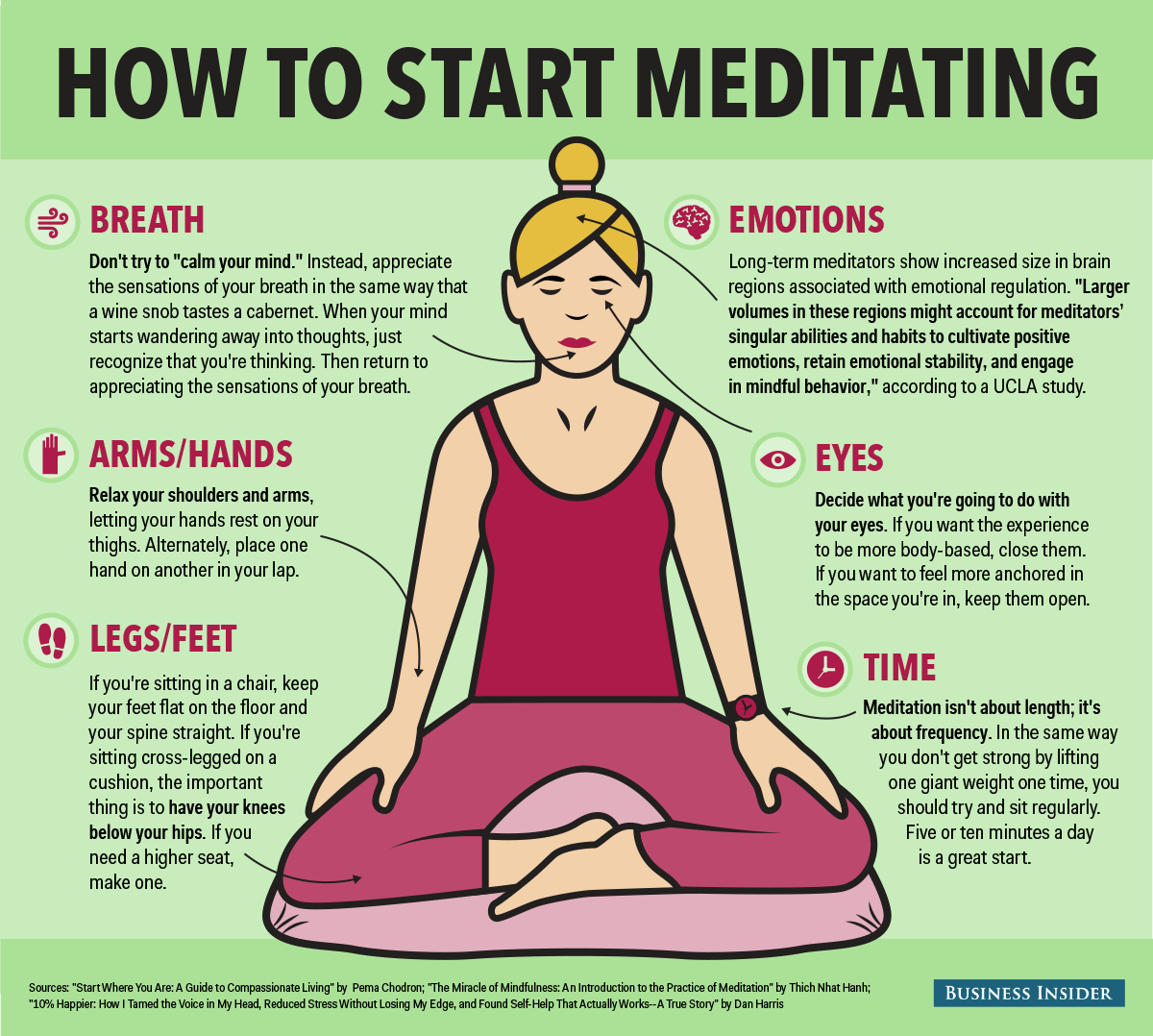
Providing compassionate support to loved ones or clients experiencing grief can significantly aid their healing journey. Meditation offers a gentle, non-intrusive way to help individuals process their emotions, find moments of peace, and reconnect with themselves amidst their sorrow. Guiding others through meditative practices requires sensitivity, patience, and an understanding of their unique emotional states. By fostering a supportive environment, facilitators can empower grieving individuals to access inner resilience and comfort through meditation techniques tailored to their needs.Supporting someone through grief with meditation involves more than just instructing them to sit quietly.
It entails creating a safe space where they feel heard, respected, and unjudged. Facilitators can serve as compassionate guides, gently introducing meditation practices that align with the grieving person’s emotional capacity. Encouraging regular practice can help individuals gradually rebuild stability and foster acceptance of their feelings. The following methods and strategies aim to equip those supporting grieving individuals with practical tools to incorporate meditation effectively into their care approaches.
Guiding Loved Ones or Clients in Meditative Practices for Grief
Effective guidance in meditation for grief begins with establishing trust and understanding the individual’s emotional state. Here are key steps to facilitate this process:
- Assess Readiness: Engage in a compassionate conversation to determine if the person feels open to meditation and identify any physical or emotional limitations.
- Offer Clear Instructions: Provide simple, jargon-free guidance on meditation postures, breathing techniques, and intentions, emphasizing that there is no “right” way to meditate during grief.
- Use Gentle Language: Frame meditation as a supportive tool rather than a solution, encouraging self-compassion and patience.
- Start with Short Sessions: Encourage brief, manageable sessions—often 5 to 10 minutes—to prevent overwhelming the individual.
- Incorporate Personalization: Adapt practices to include visualizations, loving-kindness meditations, or body scans based on the person’s preferences and emotional needs.
Providing ongoing encouragement and reassurance helps grieving individuals feel supported in their journey toward healing.
Creating Supportive Group Meditation Sessions or Online Communities
Group meditation offers shared healing energy and reduces feelings of isolation during grief. Building a community—whether in person or online—can enhance emotional support and foster resilience. When designing such spaces:
Consider the following approaches:
- Establish a Safe Environment: Create clear guidelines that promote confidentiality, respect, and non-judgment to foster trust among participants.
- Structure Consistent Sessions: Regularly scheduled meetings provide stability and a sense of belonging, which is crucial during grief.
- Facilitate Guided Meditations: Use recorded or live guided scripts that focus on compassion, acceptance, and healing to ensure all participants are supported equally.
- Encourage Sharing and Reflection: Allow space for participants to share experiences if they choose, promoting mutual understanding and validation.
- Utilize Digital Platforms: Leverage video conferencing tools, online forums, or social media groups to reach individuals who may be unable to attend in person, ensuring accessibility and ongoing support.
Such communities provide a sense of collective strength, reminding individuals that they are not alone in their grief journey.
Facilitating Compassionate Meditation Environments
Creating an environment conducive to compassionate meditation involves careful planning and mindful implementation:
- Design a Calm Space: Arrange a quiet, comfortable area with soft lighting and soothing decor. For virtual sessions, ensure participants are in a peaceful setting free from distractions.
- Set Clear Intentions: Begin each session by establishing a shared purpose centered around healing, compassion, and self-care.
- Model Gentle Presence: As a facilitator, embody patience, kindness, and non-reactivity, setting the tone for the session.
- Use Supportive Language and Phrases: Incorporate affirmations and compassionate statements throughout the session to foster a nurturing atmosphere.
- Encourage Self-Compassion: Remind participants to approach their experience with kindness, avoiding judgment of difficult emotions or thoughts.
- Provide Post-Meditation Support: Offer optional sharing circles or calming activities afterward to deepen the sense of community and care.
By intentionally cultivating a compassionate environment, facilitators can help grieving individuals feel safe, understood, and supported as they navigate their healing process through meditation.
Wrap-Up
Incorporating meditation into your grief journey provides a gentle yet effective approach to emotional renewal. By consistently practicing and adapting techniques, you can find comfort, release pain, and move toward a state of healing and acceptance. Embrace this mindful path to nurture your well-being during difficult times.