Learning how to meditate for healing offers a profound pathway toward restoring balance and vitality within the body and mind. This ancient practice, rooted in diverse cultural traditions, has evolved into a powerful tool for promoting mental clarity, emotional resilience, and physical health. By understanding the fundamental techniques and creating an optimal environment, individuals can harness meditation to facilitate their healing journey effectively.
Whether seeking relief from physical discomfort or emotional distress, meditation provides accessible methods to focus energy, set healing intentions, and cultivate a deep sense of inner peace. Incorporating these practices into daily routines can lead to transformative health benefits and a more harmonious life.
Introduction to Meditation for Healing
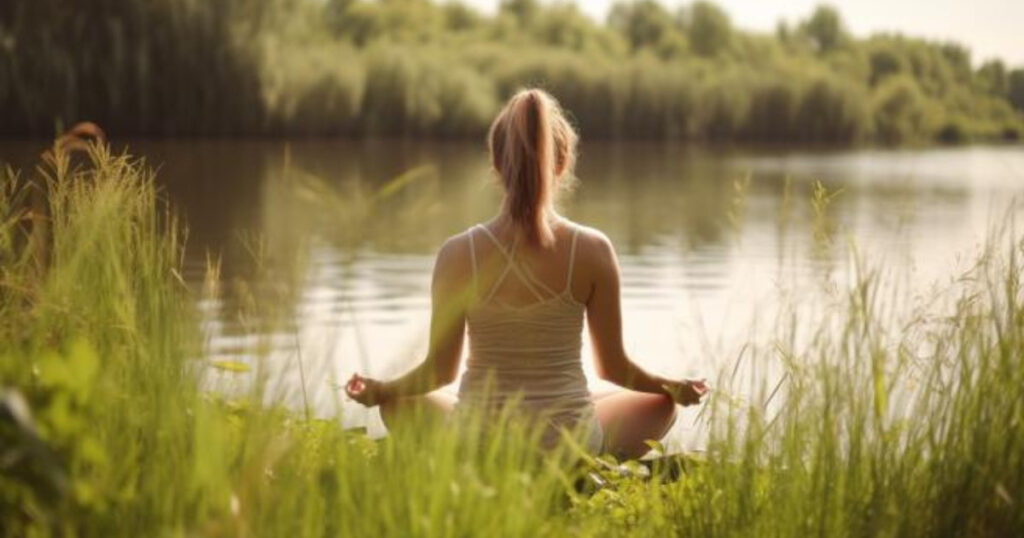
Meditation is a timeless practice that plays a vital role in promoting holistic healing. Rooted in various spiritual and cultural traditions, meditation offers a pathway to restore balance within the mind, body, and emotions. Its significance in healing processes has been recognized across civilizations, from ancient India and China to indigenous practices worldwide, highlighting its universal relevance and effectiveness.
In contemporary times, meditation is increasingly embraced as a complementary approach to conventional medicine, facilitating mental clarity, emotional stability, and physical well-being. Regular practice of meditative techniques can lead to profound benefits, including stress reduction, enhanced immune response, pain management, and emotional resilience. Understanding the foundations and benefits of meditation for healing empowers individuals to harness its potential for improving overall health and quality of life.
Historical and Cultural Origins of Meditation in Healing
The origins of meditation practices focused on healing can be traced back thousands of years, deeply embedded within diverse cultural and spiritual traditions. In ancient India, practices such as Yoga and Ayurveda integrated meditation as a core component for spiritual growth and physical health. The Sanskrit term “Dhyana” refers to deep meditation, emphasizing concentration and mindfulness as tools for health and spiritual awakening.
Similarly, Traditional Chinese Medicine (TCM) incorporates meditation within its holistic approach, emphasizing Qi (life energy) flow and balance through meditative techniques like Tai Chi and Qigong. Indigenous cultures worldwide—such as Native American, African, and Aboriginal communities—also practiced meditation-like rituals aimed at healing and spiritual connection, often involving communal ceremonies, chanting, and movement.
The evolution of meditation into a scientific and therapeutic modality in recent decades has further validated its healing capabilities. Studies now demonstrate that meditative techniques can influence neural pathways, hormonal balance, and immune function, establishing a scientific foundation for its integration into modern healing practices.
Benefits of Meditation in the Healing Process
Meditation fosters mental, emotional, and physical well-being through a range of beneficial effects, making it a powerful tool for holistic healing. Its advantages extend beyond immediate relaxation, contributing to long-term health improvements.
Key benefits include:
- Mental Benefits: Meditation enhances focus, concentration, and mental clarity, reducing symptoms of anxiety and depression. Regular practice fosters a calm and resilient mind capable of managing stress more effectively.
- Emotional Benefits: By cultivating mindfulness and self-awareness, meditation helps individuals process emotions more healthily, alleviating feelings of anger, fear, and sadness. This emotional regulation supports overall psychological stability and resilience.
- Physical Benefits: Meditation activates the parasympathetic nervous system, promoting relaxation and lowering cortisol levels. This physiological response can lead to improved sleep quality, reduced blood pressure, alleviation of chronic pain, and enhanced immune response.
Moreover, meditation can accelerate healing processes by increasing blood flow, reducing inflammation, and fostering a sense of inner peace that supports the body’s natural capacity to recover from illness or injury. Its integrative approach aligns with the body’s innate ability to heal itself when supported by mental focus and emotional balance.
Preparing for Meditation Practices
Effective meditation for healing begins well before the practice itself. Creating the right environment, choosing suitable clothing and postures, and engaging in centering rituals are essential steps that lay the foundation for a successful session. Proper preparation enhances focus, promotes relaxation, and ensures that the mind and body are ready to receive the therapeutic benefits of meditation.
By carefully considering these preparatory elements, practitioners can cultivate an optimal setting that supports deep relaxation and healing, making each session more impactful and sustainable over time.
Ideal Environment and Conditions for Meditation
The environment where meditation takes place significantly influences its effectiveness. A tranquil, clutter-free space minimizes distractions and fosters a sense of peace. Natural light, gentle sounds, or ambient music can be incorporated to enhance the calming atmosphere, but overly stimulating noises should be avoided.
Temperature and ventilation also play vital roles; the space should be comfortably warm or cool, with good airflow to prevent discomfort. Ensuring privacy allows for complete relaxation without concern of interruptions. For many, a dedicated corner or quiet room within their home, or a serene outdoor spot such as a garden or park, can serve as an ideal setting for meditation.
Selecting Appropriate Clothing and Postures
Comfortable clothing is fundamental in facilitating a relaxed and unobstructed meditation session. Loose-fitting, breathable fabrics such as cotton or linen are recommended, as they prevent discomfort and restriction of movement. Avoid tight or restrictive outfits that can cause tension or distraction.
The choice of posture should prioritize spinal alignment and comfort to promote sustained focus and prevent physical discomfort. Common positions include sitting cross-legged on a cushion or chair with feet flat on the ground, or kneeling on a meditation mat. For those with mobility issues or back pain, lying down in a relaxed but alert position can be equally effective.
Optimal postures support an alert yet relaxed state, enabling energy flow and reducing physical tension, which are crucial for healing meditation.
Breathing Exercises and Rituals to Center the Mind
Before beginning meditation, engaging in specific breathing exercises can help calm the nervous system and anchor awareness. These rituals serve as a bridge from daily activity to focused practice, fostering mental clarity and emotional stability.
Deep diaphragmatic breathing, also known as abdominal breathing, involves inhaling slowly through the nose, allowing the abdomen to expand, and then exhaling gently through the mouth or nose. This process promotes relaxation and oxygenates the body effectively. Alternating nostril breathing, or Nadi Shodhana, balances the hemispheres of the brain and stabilizes the mind, making it particularly beneficial for healing practices.
As a simple ritual, practitioners may adopt a routine such as taking three slow, deliberate breaths focusing on the sensation of air filling and leaving the lungs. Visualizing each inhale as filling the body with healing energy, and each exhale as releasing tension and negativity, can further enhance the mental state conducive to meditation.
Techniques and Methods for Healing Meditation
Healing meditation encompasses a diverse array of practices designed to promote physical, emotional, and energetic well-being. The effectiveness of these techniques depends on proper application and understanding of each method’s unique focus. By exploring various approaches, individuals can find the most suitable techniques to facilitate their healing process and cultivate inner balance.
Implementing different meditation techniques involves specific methods that enhance focus, channel energy, and reinforce positive intentions. These practices can be tailored to target particular areas of discomfort or emotional distress, allowing for a personalized approach to healing. Additionally, integrating affirmations and clear intentions can amplify the meditative benefits, fostering a mindset conducive to recovery and renewal.
Guided Visualization
Guided visualization involves mental imagery guided by an instructor or audio recording, directing attention to healing scenarios. This technique uses vivid imagery to invoke feelings of warmth, safety, and renewal, helping to activate the body’s innate healing mechanisms.
- Participants are encouraged to imagine a healing light or energy flowing into their body, specifically targeting areas of pain or discomfort.
- This visualization can include imagining a soothing environment, such as a serene forest or gentle ocean waves, to deepen relaxation.
- The act of visualizing healing energy enhances the body’s response, stimulating immune function and reducing stress-related inflammation.
Body Scan Meditation
The body scan technique involves systematically directing attention to different parts of the body to recognize sensations and release tension. It is especially effective in identifying areas of physical discomfort and consciously directing healing energy toward them.
- Begin by lying down or sitting comfortably, closing the eyes, and taking deep, calming breaths.
- Progressively focus on each body part, from the toes to the head, observing sensations without judgment.
- As discomfort or pain is identified, breathe into the area, imagining healing energy flowing into it, promoting relaxation and recovery.
- This method fosters self-awareness and facilitates the release of stored emotional or physical tension.
Chanting and Vocalization
Chanting involves repeating specific sounds, mantras, or affirmations to activate energetic centers and promote healing. The vibration produced through vocalization can stimulate the body’s energy flow and assist in clearing emotional blockages.
- Use specific healing mantras, such as “Om” or personalized affirmations, repeated rhythmically during meditation.
- The vibrational quality of chanting can resonate with the body’s energy system, encouraging balance and rejuvenation.
- Chanting also enhances focus and helps dissolve mental noise, creating a space for healing intentions to manifest.
Breath Awareness and Pranayama
Focusing on the breath, particularly through conscious breathing exercises, is fundamental for calming the nervous system and directing energy effectively. Techniques like pranayama involve controlled breathing patterns that energize and balance the body’s energy pathways.
- Practitioners focus on slow, deep inhalations and exhalations, bringing awareness to the breath cycle.
- Specific patterns such as alternate nostril breathing can help clear energetic blockages and promote emotional stability.
- During breath awareness, visualizing the breath as a healing light entering the body and releasing tension with each exhale enhances the process.
Focusing Energy on Areas of Pain or Discomfort
Directing healing energy precisely onto areas of pain or discomfort is an integral part of effective healing meditation. This process involves visualization, intention setting, and mindful concentration to channel energy where it is needed most.
“Imagine a warm, radiant light emanating from your hands or heart, flowing directly into the affected area, dissolving tension and promoting renewal.”
Practitioners can place their hands gently over the area of concern or visualize an energetic beam of light. Deep, focused breathing helps to energize this intention, making the healing process more effective. Consistent practice enhances one’s ability to self-heal and develop a stronger connection with their inner energy system.
Incorporating Affirmations and Intention Setting
Integrating affirmations and clear intentions into meditation sessions enhances the focus and amplifies healing outcomes. Positive affirmations reinforce the body’s innate ability to heal and foster a mindset of compassion and resilience.
- Begin by stating affirmations such as “I am healing,” “My body is strong and resilient,” or personalized statements reflecting your healing goals.
- Set a clear intention at the start of each session, focusing on areas of physical or emotional concern.
- Repeat affirmations internally or aloud during meditation, synchronizing the words with breath and visualization for maximum impact.
- With each repetition, deepen the belief in your body’s capacity to heal and restore balance.
Guided Meditation Scripts for Healing
Guided meditation scripts serve as powerful tools to facilitate physical, emotional, and spiritual healing. These scripts provide structured verbal cues that help individuals relax, focus their mind, and visualize healing energy flowing through their body. When practiced regularly, guided meditations can enhance the body’s natural healing processes, reduce stress, and promote overall well-being.
Developing effective guided meditation scripts involves detailed visualization techniques, calming language, and adaptable content to address various healing goals. This section offers comprehensive scripts specifically tailored to physical healing, with suggestions for modifications suited to emotional or spiritual healing purposes. Such scripts can be easily customized to meet individual needs, making meditation a versatile and accessible practice for everyone seeking healing benefits.
Guided Meditation for Physical Healing
Physical healing guided meditations focus on directing energy and attention to specific areas of the body experiencing discomfort or requiring regeneration. The consistent use of visualization and breath control enhances circulation, reduces tension, and stimulates the body’s innate healing abilities.
Below is a detailed script designed to guide individuals through a calming and restorative journey, emphasizing visualization of healing light or energy flowing through the body.
Begin by finding a comfortable seated or lying position. Close your eyes gently, and take a few deep breaths, inhaling slowly through your nose and exhaling through your mouth. As you breathe, allow your body to relax deeper with each exhalation.
Sample Guided Meditation Script for Physical Healing
- Preparation and Relaxation: Sit or lie down in a quiet space. Close your eyes softly. Take a slow, deep breath in, filling your lungs completely. Hold the breath for a moment, then exhale slowly, releasing tension. Repeat this process three times to center yourself and prepare for the meditation.
- Body Scan and Focus: Begin to bring awareness to your body from the crown of your head down to your toes. Notice any areas of discomfort, tension, or pain. Do not judge these sensations; simply acknowledge them.
- Visualization of Healing Light: Imagine a warm, luminous light above your head. Visualize this light as a healing energy that begins to gently cascade down over your scalp, spreading warmth and comfort. As it moves downward, envision the light entering your forehead, soothing any tension or stress stored there.
- Flow of Energy through the Body: Picture this healing light flowing through your face, relaxing your jaw, cheeks, and eyes. As the light continues downward, see it entering your neck, shoulders, and arms, dissolving any stiffness or soreness.
- Targeting Specific Areas: Focus on areas that need healing. Visualize the healing energy penetrating deeply into tissues, muscles, or joints. Imagine a vibrant, healing light or energy flowing directly into these areas, nourishing and regenerating damaged cells.
- Intensification and Affirmations: As the energy flows, silently or softly repeat affirmations such as,
“My body is healing itself now,”
or
“Every cell in my body is renewed and healthy.”
- Completion and Grounding: Visualize the healing light gathering at your heart center, then slowly retreating upward, leaving you feeling refreshed and revitalized. Wiggle your fingers and toes gently, bringing awareness back to the present moment. When ready, open your eyes slowly.
Guided meditation scripts can be adapted for emotional and spiritual healing by incorporating specific visualizations, such as healing emotional wounds or connecting with one’s spiritual source. For emotional healing, scripts may include visualizing a gentle stream washing away pain or embracing feelings of love and acceptance. For spiritual healing, scripts could focus on connecting with divine light or universal energy, fostering inner peace and spiritual growth.
Incorporating Meditation into Daily Healing Routines
Integrating meditation into daily life is a powerful practice that cultivates ongoing healing and emotional balance. Establishing a consistent routine ensures that the benefits of meditation become a natural part of one’s lifestyle, supporting mental, emotional, and physical well-being. Creating a structured schedule, utilizing supportive tools, and overcoming common challenges can significantly enhance the effectiveness and sustainability of your healing meditation practice.Maintaining a daily meditation routine requires intentional planning and commitment.
By dedicating specific times each day, you foster discipline and create a calming anchor amidst busy schedules. This consistency not only deepens your meditative experience but also amplifies its healing effects over time. Incorporating supportive tools can further enrich the environment, making meditation sessions more inviting and effective. Overcoming obstacles such as distractions, fatigue, or lack of motivation is essential to sustain long-term practice and fully reap the benefits of healing meditation.
Organizing a Daily Schedule for Healing Meditation Practices
Establishing a structured daily schedule enhances consistency and maximizes healing benefits. Consider the following guidelines:
- Choose a fixed time each day: Morning meditation can set a positive tone for the day, while evening sessions help release stress accumulated throughout the day. Select a time when your mind is less likely to be preoccupied or distracted.
- Allocate sufficient duration: Beginners may start with 5-10 minutes, gradually increasing to 20-30 minutes as comfort and familiarity grow. Consistency matters more than duration initially.
- Create a dedicated space: Designate a quiet, comfortable area free from interruptions to cultivate a sense of sacredness and focus.
- Incorporate routine elements: Light a candle, play calming music, or use specific scents to signal the beginning and end of your practice, reinforcing the habit.
Regular practice at the same time each day fosters habit formation and helps embed meditation as a natural part of your daily routine.
Tools and Aids to Enhance the Healing Environment
The right tools can significantly elevate the quality and effectiveness of your meditation sessions by creating a serene and supportive environment. When selecting aids, consider their ability to promote relaxation and focus:
- Crystals: Amethyst, rose quartz, and clear quartz are popular for their healing properties. Placing crystals nearby can foster a sense of calm, intuition, and emotional balance.
- Essential oils: Aromatherapy with lavender, frankincense, or sandalwood can deepen relaxation. Use a diffuser or apply diluted oils to pulse points before meditation.
- Music and sounds: Gentle, ambient music, nature sounds, or binaural beats can help mask distractions and facilitate a tranquil mindset. Ensure the volume is soft and non-intrusive.
- Meditation cushions and mats: Providing physical comfort helps maintain proper posture, reducing discomfort and allowing deeper focus.
- Lighting: Soft, dim lighting or candles create a soothing atmosphere conducive to relaxation and introspection.
Creating an environment that appeals to your senses enhances your motivation and ability to meditate regularly, reinforcing the healing process.
Tips for Consistency and Overcoming Obstacles in Maintaining a Meditation Routine
Sustaining a meditation practice over time involves addressing common challenges and implementing strategies to stay committed:
- Set realistic expectations: Start with manageable session lengths and gradually increase as you become more comfortable. Avoid pressuring yourself for immediate perfection.
- Establish cues and reminders: Use alarms, notes, or habitual triggers—such as brushing your teeth—to remind you to meditate each day.
- Be flexible with timing: Life can be unpredictable; adapt your schedule when necessary but aim to maintain daily practice in some form.
- Practice self-compassion: Forgive missed sessions or lapses without judgment. Recognize that consistency builds over time, and setbacks are part of the journey.
- Track your progress: Keep a meditation journal or use apps to monitor your practice, celebrate milestones, and stay motivated.
- Address distractions: Identify common disruptions, such as noise or interruptions, and find ways to minimize them, like using noise-canceling headphones or informing others of your practice time.
- Seek community support: Join meditation groups or online forums to share experiences, gain encouragement, and reinforce your commitment.
By implementing these tips, you can cultivate a resilient and fulfilling meditation routine that promotes ongoing healing and personal growth.
Benefits and Outcomes of Healing Meditation
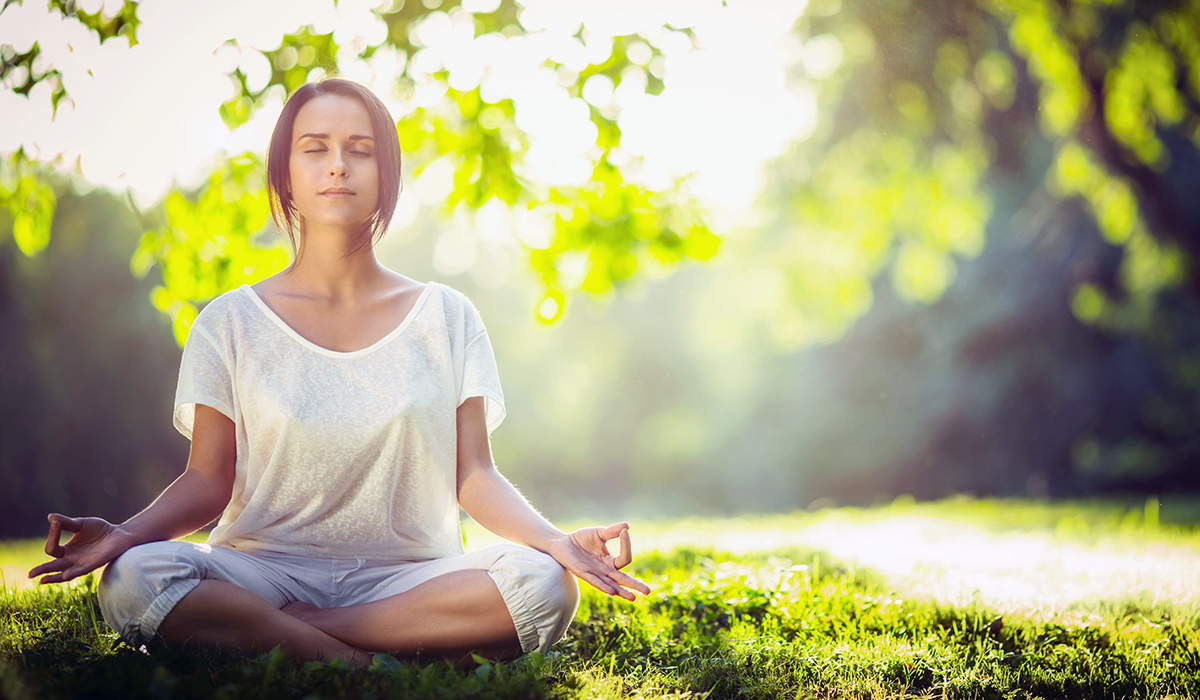
Engaging in regular healing meditation can lead to profound transformations across physical, emotional, and mental domains. As practitioners cultivate consistency, they often experience tangible improvements that contribute to an overall sense of well-being and resilience. Understanding the multifaceted benefits underscores the significance of integrating meditation into daily health routines.
Research and anecdotal evidence highlight that healing meditation not only nurtures inner harmony but also manifests in measurable health outcomes. The following sections explore the specific advantages that consistent practice can deliver, supported by testimonials and case studies that exemplify successful healing journeys.
Physical Health Improvements Linked to Regular Healing Meditation
Consistent meditation practice has been associated with numerous positive effects on physical health. These benefits often emerge through the reduction of stress-related physiological responses and the enhancement of the body’s natural healing mechanisms.
Scientific studies demonstrate that meditation can lower blood pressure, improve immune function, and reduce chronic pain. For example, individuals with hypertension who engaged in daily meditation experienced significant reductions in blood pressure levels over several months. Additionally, meditation can aid in regulating cortisol levels, which are linked to inflammation and various metabolic conditions.
“Regular meditation fosters a state of relaxation that helps balance hormonal and nervous system functions, promoting overall physical health.”
Case studies report that patients recovering from surgeries have experienced faster healing times when incorporating meditation into their recovery routines. Moreover, practitioners often observe improved sleep patterns, leading to better restorative processes essential for physical repair and health maintenance.
Emotional Resilience and Mental Clarity as Results of Ongoing Practice
Healing meditation significantly enhances emotional stability and mental clarity, particularly when practiced consistently over time. This consistency enables individuals to better manage stress, reduce anxiety, and cultivate a more positive outlook on life.
Practitioners often report heightened emotional resilience, allowing them to navigate life’s challenges with greater ease. Meditation helps in activating the parasympathetic nervous system, which fosters a sense of calm and emotional grounding. It also reduces the frequency and intensity of negative thought patterns, contributing to mental clarity.
Long-term meditators have been shown to exhibit increased activity in the prefrontal cortex—the area associated with executive function and emotional regulation—leading to improved decision-making and problem-solving skills. Testimonials from individuals experiencing chronic anxiety note a marked decrease in symptoms after several months of dedicated meditation practice.
| Benefits | Descriptions |
|---|---|
| Stress Reduction | Lower cortisol levels and decreased physiological stress responses, resulting in greater emotional stability. |
| Enhanced Focus | Improved mental clarity and concentration, leading to better productivity and decision-making. |
| Emotional Balance | Greater resilience to emotional upheavals, reduced anxiety and depression symptoms. |
| Positive Outlook | Increased feelings of optimism and well-being, fostering a proactive approach to life’s challenges. |
“Many individuals have experienced transformative healing journeys through disciplined meditation, citing improvements in both physical ailments and emotional health as key outcomes.”
Visual and Aids for Meditation
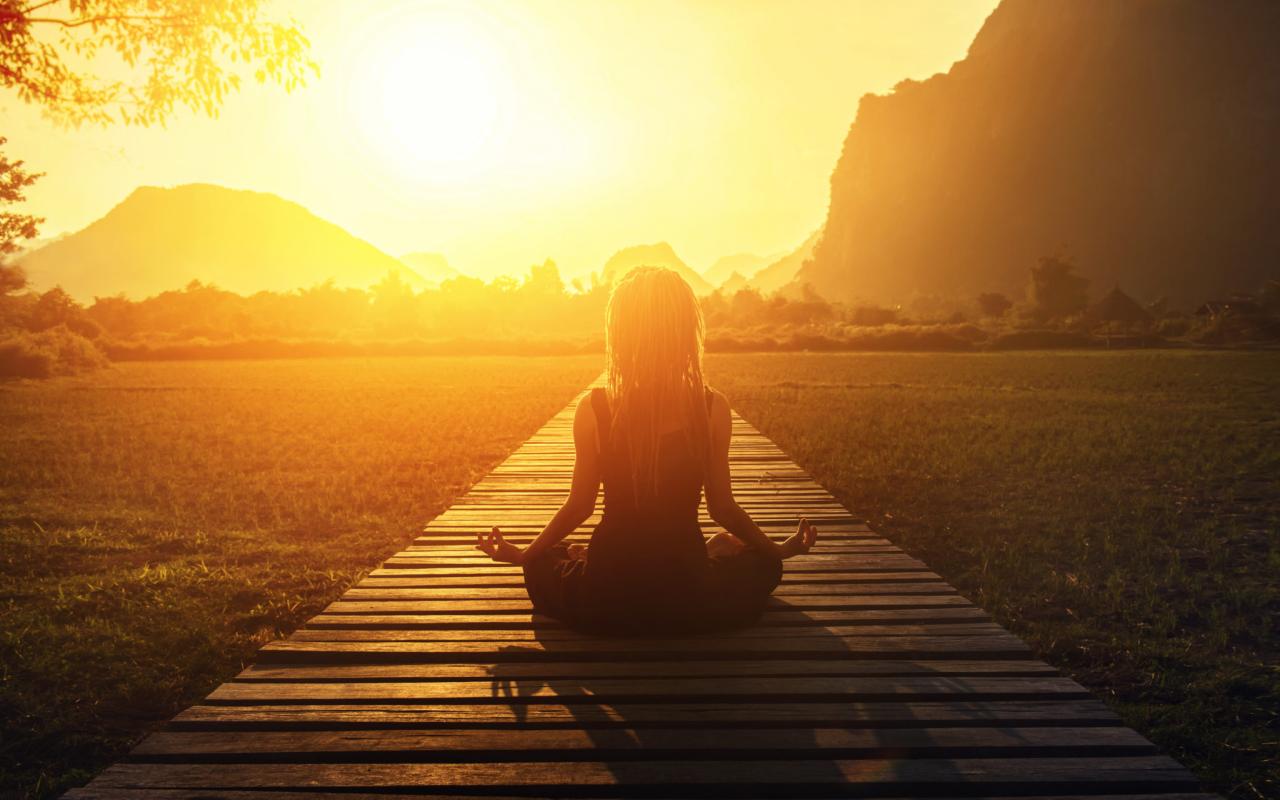
Utilizing visual and auxiliary aids can significantly enhance the depth and effectiveness of meditation sessions aimed at healing. Carefully crafted visualizations, calming environments, and informative diagrams serve as powerful tools to deepen focus, promote relaxation, and facilitate a more profound healing experience. When incorporated thoughtfully, these aids help practitioners maintain concentration, understand energy flows, and create a supportive space conducive to healing practices.
Implementing visual and auxiliary aids involves designing engaging visuals, establishing tranquil settings, and utilizing educational diagrams that clarify meditation postures and energy movement. These elements not only support the practitioner’s engagement but also reinforce the meditative process, making healing meditation more accessible and impactful.
Crafting Visualizations to Deepen Healing Focus
Visualizations are mental images or scenarios that guide the practitioner toward specific healing intentions. Effective visualizations should be vivid, detailed, and emotionally resonant, enabling the mind to engage fully in the healing process. The key is to create mental images that evoke sensations of warmth, light, and energy flow, which stimulate the body’s natural healing mechanisms.
To craft impactful visualizations:
- Identify a clear healing intention, such as restoring vitality or releasing pain.
- Use descriptive language to visualize radiant light entering the body, targeting affected areas with warmth and energy.
- Incorporate sensory details—such as color, texture, and movement—to make the visualization more immersive.
- Imagine energy flowing through meridians or chakras, clearing blockages and revitalizing tissues.
- Maintain a calm, steady focus on the visual image, allowing it to deepen with each breath.
Practitioners can enhance visualization efficacy by incorporating breathwork, affirmations, or gentle movements synchronized with the mental images, fostering a more integrated healing experience.
Creating a Calming Meditation Space in a Home or Clinic
The environment in which meditation occurs plays a vital role in fostering relaxation, focus, and openness to healing. A carefully prepared space minimizes distractions and promotes a sense of safety and serenity. Elements such as lighting, sound, scent, and furnishings can be tailored to create an ideal setting for healing meditation.
Guidelines for designing a calming meditation space include:
- Choosing a quiet, clutter-free area with minimal external disturbances.
- Using soft, adjustable lighting—such as candles or dimmable lamps—to create a warm, inviting atmosphere.
- Incorporating natural elements like plants, stones, or water features to enhance tranquility.
- Utilizing calming sounds such as gentle music, nature sounds, or white noise to deepen relaxation.
- Applying soothing scents like lavender, chamomile, or sandalwood through diffusers or incense to evoke peaceful feelings.
- Providing comfortable seating or mats that promote proper posture and physical ease during meditation.
Consistent use of such spaces helps establish a routine that signals the mind to enter a receptive, healing state, thereby enhancing overall meditation outcomes.
Designing Diagrams and Infographics for Meditation Postures and Energy Flow
Visual representations such as diagrams and infographics serve as valuable educational tools, simplifying complex concepts related to meditation postures and energy flow. Clear illustrations help practitioners adopt correct postures, understand the movement of energy within the body, and maintain alignment for optimal healing benefits.
Design considerations include:
- Depicting common meditation postures with detailed annotations, including hand placements (mudras), spine alignment, and foot positioning. For example, a seated cross-legged posture with a straight back, palms resting on knees, and eyes gently closed or focused downward.
- Using arrows or flow lines to indicate the movement of energy along major meridians or chakras. For instance, illustrating energy rising from the base of the spine (root chakra) to the crown (crown chakra), emphasizing the flow of vital life force.
- Color-coding different energy centers (chakras) to help practitioners visualize their locations and significance.
- Including simplified diagrams that show breath cycles, such as inhalation and exhalation points, to reinforce breathing techniques used during meditation.
Incorporating these visual aids in instructional materials or as posters in meditation spaces can improve understanding and adherence to proper techniques, ultimately enriching the healing meditation experience.
End of Discussion
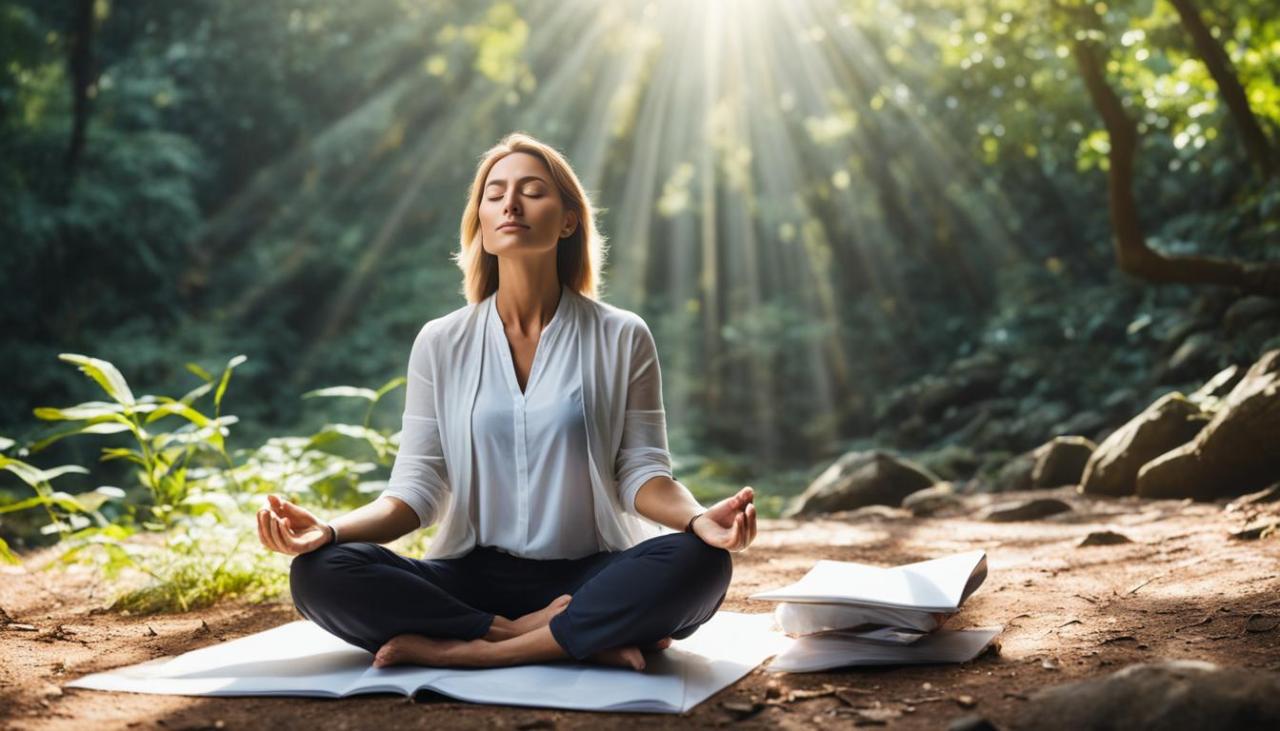
In summary, mastering how to meditate for healing empowers individuals to actively participate in their well-being. Through consistent practice, guided visualizations, and a supportive environment, healing meditation can significantly enhance overall health and emotional stability. Embracing this practice offers a meaningful step toward achieving lasting physical and mental harmony.