Learning how to meditate for high blood pressure offers a natural and effective approach to managing this common health concern. By integrating meditation into your daily routine, you can positively influence your cardiovascular health and reduce the risks associated with hypertension.
This guide explores various meditation techniques suitable for lowering blood pressure, highlights their benefits, and provides practical steps to incorporate them into your lifestyle. Understanding the connection between stress relief and blood pressure regulation empowers you to take proactive steps toward better health.
Introduction to Meditation for High Blood Pressure
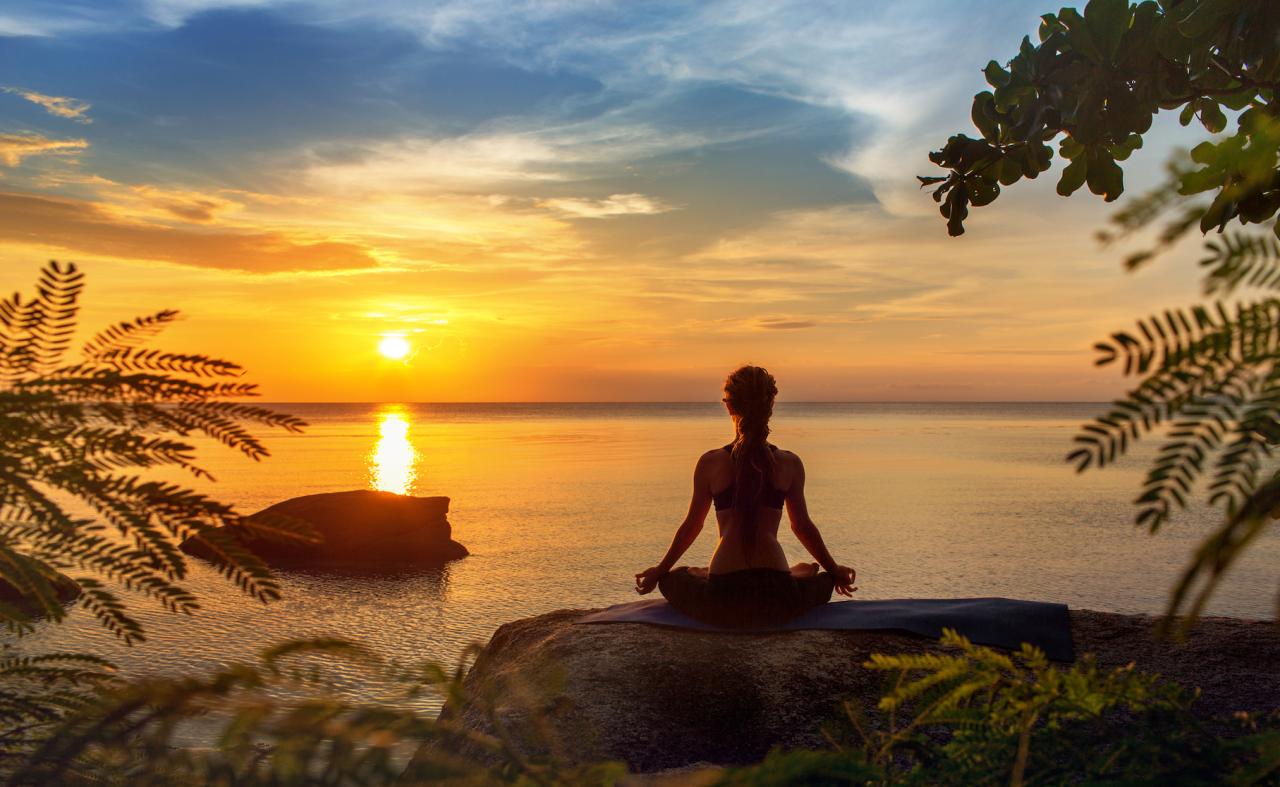
Meditation is increasingly recognized as a complementary approach to managing high blood pressure, also known as hypertension. By cultivating a state of deep relaxation and focused awareness, individuals can positively influence their cardiovascular health and overall well-being. Incorporating meditation into daily routines offers a non-invasive, cost-effective strategy that empowers individuals to take an active role in their health management.
Research indicates that consistent meditation practice can lead to significant reductions in blood pressure levels. This is particularly relevant for those with hypertension, as elevated blood pressure is a major risk factor for cardiovascular diseases such as heart attack and stroke. Meditation influences the body’s stress response, which plays a critical role in blood pressure regulation, thereby supporting cardiovascular health and reducing the risk of related complications.
Benefits of Meditation in Managing High Blood Pressure
Engaging in regular meditation provides several benefits for individuals with hypertension, including stress reduction, improved emotional regulation, and enhanced autonomic nervous system balance. These effects collectively contribute to lower blood pressure levels and a decreased risk of hypertension-related health issues. Meditation also promotes better sleep, which is essential for maintaining healthy blood pressure levels.
Impact of Meditation on Cardiovascular Health
Meditation influences cardiovascular health primarily through its effect on the sympathetic and parasympathetic nervous systems. These systems regulate the body’s stress response and relaxation response, respectively. By activating the parasympathetic system, meditation helps reduce the heart rate and dilate blood vessels, leading to decreased blood pressure. Additionally, meditation can lower cortisol levels, which are associated with stress-induced hypertension.
Scientific Evidence Linking Meditation and Blood Pressure Regulation
Numerous studies have demonstrated the positive impact of meditation on blood pressure control. For example, a systematic review published in the journal Hypertension found that mindfulness meditation could reduce systolic blood pressure by an average of 4-5 mm Hg among hypertensive patients. Similarly, a controlled trial involving Transcendental Meditation practitioners reported an average reduction of 10 mm Hg in systolic blood pressure after three months of consistent practice.
These findings highlight the potential of meditation as an adjunct therapy in hypertension management.
Understanding High Blood Pressure and Stress
High blood pressure, or hypertension, is a common health condition that can be significantly influenced by psychological stress. Recognizing the intricate relationship between stress and blood pressure levels is essential for effective management and prevention of cardiovascular complications. By understanding how stress impacts the body, individuals can adopt healthier coping strategies and lifestyle modifications to maintain optimal blood pressure levels.
Stress triggers a series of physiological responses that can elevate blood pressure temporarily and, over time, contribute to chronic hypertension. These processes involve hormonal changes, nervous system activation, and vascular adjustments that directly influence circulatory health. Identifying typical stressors encountered in daily life helps individuals to address and mitigate their effects, fostering a proactive approach to managing high blood pressure through relaxation and mindfulness practices.
Connection Between Stress and Elevated Blood Pressure
Stress activates the body’s stress response system, primarily involving the sympathetic nervous system and the hypothalamic-pituitary-adrenal (HPA) axis. When faced with a perceived threat or pressure, the body releases stress hormones such as adrenaline and cortisol. These hormones prepare the body for a “fight or flight” reaction, resulting in several physiological changes that can temporarily increase blood pressure. Persistent or chronic stress keeps these responses activated, which can lead to sustained hypertension.
Physiological Processes Involved in Stress-Induced Hypertension
Understanding the body’s response to stress reveals how it influences blood pressure regulation. When stress is perceived, the sympathetic nervous system stimulates the release of catecholamines—mainly adrenaline and noradrenaline. These hormones cause the heart to beat faster and blood vessels to constrict, increasing blood pressure. Simultaneously, stress hormones like cortisol can promote fluid retention and increase vascular resistance, further elevating blood pressure levels.
The combination of increased cardiac output and peripheral vascular resistance results in higher blood pressure readings during stressful periods. Over time, repeated activation of these responses can cause damage to blood vessel walls, impair vascular flexibility, and contribute to the development of chronic hypertension.
“Stress-induced hypertension results from complex hormonal and nervous system interactions that elevate blood pressure temporarily and, if persistent, can lead to long-term health issues.”
Common Stressors Affecting Blood Pressure in Daily Life
Various everyday stressors can impact blood pressure, often acting as triggers for hypertensive episodes or worsening existing conditions. Recognizing these stressors allows individuals to implement coping strategies and reduce their impact on circulatory health.
- Work-related pressures, deadlines, and job insecurity
- Financial concerns, debt, and economic instability
- Personal relationships and familial conflicts
- Health concerns, illness, or caregiving responsibilities
- Major life changes such as moving, loss of loved ones, or divorce
- Environmental factors like noise pollution or overcrowding
- Sleep disturbances and irregular sleep patterns
Understanding these stressors and their physiological effects underscores the importance of stress management techniques, such as meditation, mindfulness, and relaxation exercises, in controlling high blood pressure and promoting overall cardiovascular health.
Types of Meditation Suitable for Lowering Blood Pressure
Integrating meditation into daily routine can be highly effective in managing high blood pressure. Different meditation techniques offer various pathways to reduce stress, promote relaxation, and support cardiovascular health. Selecting the appropriate method depends on individual preferences, experience, and specific health considerations. Understanding the distinct features of each meditation type helps in choosing the most suitable approach to lower blood pressure effectively.
Below, we explore some of the most common meditation techniques suitable for this purpose, highlighting their core characteristics, advantages, and suitability for beginners. This detailed overview aims to guide individuals in adopting the most appropriate method to complement their health management plan.
Mindfulness Meditation
Mindfulness meditation involves paying deliberate, non-judgmental attention to the present moment. It emphasizes awareness of thoughts, sensations, and breathing without trying to change or suppress them. This technique helps cultivate a sense of calm and acceptance, which can significantly reduce stress levels and, consequently, lower blood pressure over time.
Practicing mindfulness often includes observing your breath, bodily sensations, or environmental sounds with full attention. Regular practice enhances emotional regulation and decreases anxiety, both of which contribute to healthier blood pressure levels.
Guided Meditation
Guided meditation involves listening to a trained instructor or a recording that leads participants through a series of visualizations or relaxation exercises. This method is especially useful for beginners who benefit from external guidance to maintain focus and structure during their practice.
Guided sessions often incorporate calming imagery, progressive relaxation, or visualizations designed to evoke tranquility. The immersive nature of guided meditation makes it accessible and engaging, encouraging consistent practice that can help reduce stress-induced blood pressure spikes.
Breathing Exercises
Breathing exercises focus on controlling and slow-regulating breath patterns to induce relaxation. Techniques such as diaphragmatic breathing, box breathing, or the 4-7-8 method are highly effective in calming the nervous system and lowering blood pressure.
These exercises are quick to learn, require no special equipment, and can be practiced anywhere. Regular engagement with breathing techniques helps maintain baseline relaxation levels, reducing the likelihood of hypertension episodes triggered by acute stress.
Body Scan Techniques
Body scan meditation involves systematically directing attention to different parts of the body to release tension and promote relaxation. This technique encourages awareness of physical sensations and helps identify areas of tightness or discomfort that may contribute to stress and elevated blood pressure.
Practicing body scans can improve bodily awareness and foster a state of deep relaxation, making it an effective tool for managing stress and supporting cardiovascular health. It is particularly useful for individuals who find it helpful to connect physical sensations with emotional states.
Comparison of Meditation Techniques for Lowering Blood Pressure
| Feature | Mindfulness Meditation | Guided Meditation | Breathing Exercises | Body Scan Techniques |
|---|---|---|---|---|
| Core Focus | Present-moment awareness without judgment | Visualizations and instructor-led relaxation | Controlling and deepening breath patterns | Focused attention on bodily sensations |
| Ease of Learning | Moderate; requires practice to develop awareness | Easy for beginners; guided format provides structure | Very easy; simple techniques suitable for all levels | Moderate; involves systematic attention to body parts |
| Benefits | Reduces stress, enhances emotional regulation, improves mental clarity | Immediate relaxation, structured guidance, accessible for newcomers | Quick stress relief, improves respiratory function, lowers acute blood pressure | Relieves physical tension, promotes bodily awareness, reduces stress |
| Suitability for Beginners | High; guided sessions recommended initially | Very high; ideal for newcomers to meditation | High; straightforward and easy to incorporate into daily routine | Moderate; best when practiced with guidance or instruction |
Step-by-Step Guide to Meditating for Blood Pressure Control
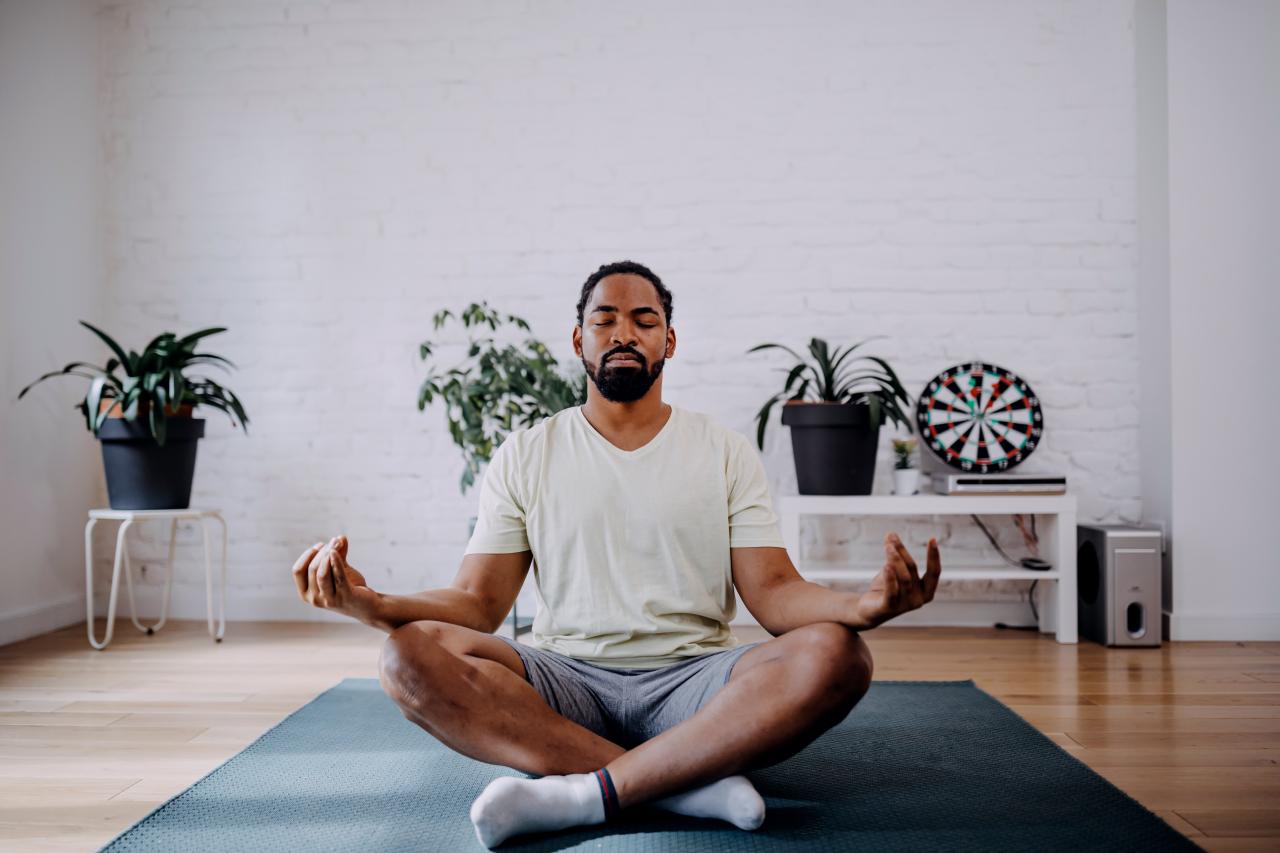
Implementing a structured meditation routine can significantly aid in managing high blood pressure. This guide provides detailed steps to help you establish an effective meditation practice, emphasizing proper posture, environment, and technique to maximize benefits and promote relaxation.
By following these steps consistently, you can develop a calming habit that supports your overall cardiovascular health, reduces stress levels, and contributes to lower blood pressure over time.
Preparing for Your Meditation Session
Creating an optimal environment and adopting correct posture are essential for effective meditation. Select a quiet, comfortable space free from interruptions, and set a specific time each day to establish a routine. Dim lighting or natural light can enhance relaxation, while a quiet, clutter-free space minimizes distractions.
- Choose a comfortable seated position, either on a chair with feet flat on the ground or cross-legged on a cushion. Keep your back straight but relaxed to facilitate deep breathing and alertness.
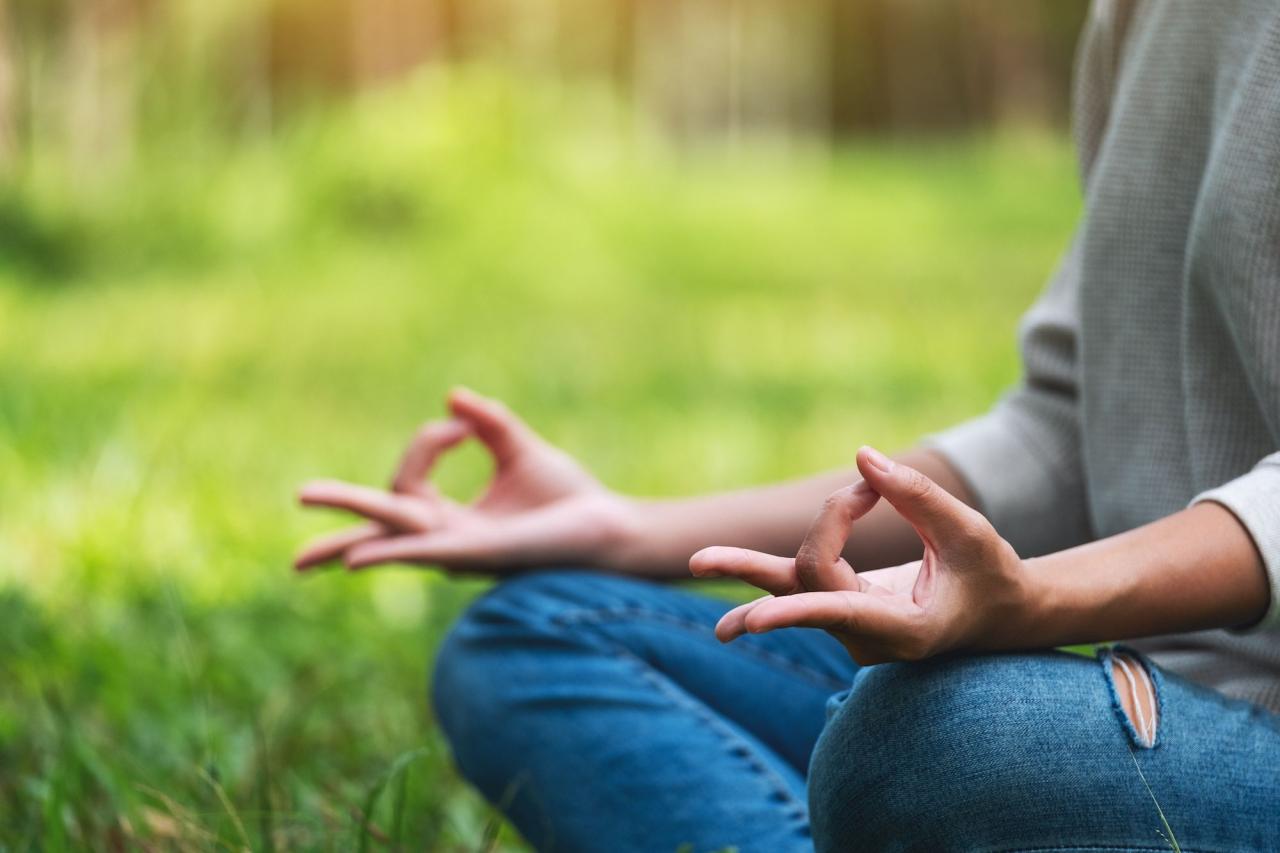
- Ensure your hands rest comfortably on your lap or knees, with palms facing upward or downward based on personal preference, promoting openness and relaxation.
- Set a timer for your desired duration, starting with 10-15 minutes and gradually increasing as you become more accustomed to the practice.
Practicing Breathing and Visualization Techniques
Breathing patterns and visualization methods are core components of meditation for blood pressure management. These techniques help calm the nervous system, reduce stress, and promote a sense of tranquility.
- Deep Diaphragmatic Breathing: Inhale slowly through your nose, allowing your abdomen to expand fully. Hold the breath for a count of four, then exhale gradually through pursed lips or nose for a count of six. Repeat this cycle throughout your session.
- Box Breathing: Inhale deeply for four seconds, hold your breath for four seconds, exhale slowly for four seconds, and pause for four seconds before the next inhale. This rhythmic pattern stabilizes blood pressure and enhances focus.
- Visualization Practice: Imagine a peaceful, calming scene such as a gentle stream or a lush green meadow. Focus your attention on the sensory details—sounds, sights, and smells—to deepen relaxation and distract from stressors.
Sample Meditation Routine
Below is a sample routine designed to guide your meditation practice, incorporating specific time segments, methods, and focus points to ensure a comprehensive approach to blood pressure regulation.
| Time | Method | Focus Points |
|---|---|---|
| 0-3 minutes | Beginning breathing exercise | Deep diaphragmatic breathing, grounding yourself in the present moment |
| 3-8 minutes | Body scan visualization | Progressively relax each body part, paying attention to areas of tension |
| 8-12 minutes | Guided imagery or peaceful scene visualization | Focus on sensory details to deepen relaxation and promote mental calmness |
| 12-15 minutes | Closing breathing and reflection | Slow, controlled breathing, reflecting on feelings of calmness and gratitude |
“Consistency and patience are key to experiencing the full benefits of meditation for blood pressure management. Even brief daily sessions can accumulate positive effects over time.”
Tips for Enhancing Meditation Effectiveness
Engaging in meditation for blood pressure management can be greatly amplified by incorporating specific strategies that deepen the practice and promote consistent benefits. While establishing a routine is fundamental, refining your approach through mindful adjustments can lead to more profound relaxation and cardiovascular health improvements.Consistent and dedicated practice, combined with intentional environment setup and the use of supportive accessories, can significantly elevate the calming effects of meditation.
Implementing these tips can help you maximize the therapeutic potential of your meditation sessions and foster long-term health benefits.
Strategies to Deepen Meditation Practice for Blood Pressure Benefits
Deepening your meditation involves both mental focus and physical comfort, which together foster a more profound state of relaxation. Techniques such as progressive muscle relaxation, visualization, or focusing on specific calming phrases can enhance the depth of your practice.Additionally, gradually increasing meditation duration over time allows your mind and body to adapt more effectively, leading to sustained reductions in stress levels and blood pressure.
Incorporating mindfulness throughout daily activities also extends the benefits beyond formal sessions, creating a continuous sense of calm and stress resilience.
Daily Routines and Consistency Tips
Establishing a daily meditation schedule promotes habit formation and ensures regular calming intervals that support blood pressure control. To optimize consistency:
- Set a specific time each day, such as morning or evening, to create a routine.
- Start with short sessions, around 5-10 minutes, and gradually increase to 20-30 minutes as comfort grows.
- Use reminders or alarms to prompt meditation sessions, integrating them seamlessly into your daily activities.
- Avoid skipping sessions, especially during stressful days, to maintain ongoing stress management habits.
Maintaining regularity not only enhances the physiological benefits but also reinforces mental discipline and mindfulness.
Environments Conducive to Relaxing Meditation Sessions
Creating an environment that fosters tranquility is essential for a successful meditation practice. Consider the following elements to establish a space conducive to relaxation:
- A quiet, clutter-free area free from interruptions and noise.
- Soft lighting, preferably natural or dim, to promote calmness.
- Comfortable seating arrangements such as a meditation cushion, chair, or mat that support proper posture.
- Incorporation of natural elements like plants, water features, or calming artwork to enhance serenity.
- Ensuring good ventilation and a comfortable room temperature to prevent distractions caused by discomfort.
Designing a dedicated space signals the importance of meditation, allowing the mind to associate that environment with relaxation and health benefits.
Role of Meditation Accessories and Soundscapes
Utilizing accessories can significantly improve the quality and effectiveness of meditation sessions. Items such as cushions or bolsters provide physical support, reducing discomfort and aiding in maintaining proper posture over extended periods.Soundscapes, including calming music, nature sounds, or guided meditations, serve as auditory anchors that help focus the mind and drown out external distractions. When choosing soundscapes:
“Consistent, soothing sounds can reinforce relaxation, lower sympathetic nervous system activity, and aid in blood pressure reduction.”
Other accessories, like eye masks or aromatherapy diffusers with relaxing scents, can further enhance the sensory environment, making each session more immersive and effective.
Common Challenges and How to Overcome Them
Maintaining a consistent meditation practice aimed at lowering blood pressure can involve encountering various obstacles. Recognizing these challenges early and understanding effective strategies to address them can significantly enhance the benefits of meditation. This section explores common difficulties faced during meditation sessions and offers practical solutions to help practitioners stay committed and focused.Distractions, difficulty focusing, and irregular practice schedules are among the typical obstacles individuals face when meditating regularly.
These issues can hinder progress, reduce the calming effects of meditation, and potentially diminish its effectiveness in blood pressure management. Understanding the root causes of these challenges enables practitioners to implement targeted solutions and develop resilient meditation habits.
Distraction and Restlessness
Distraction during meditation often stems from an overactive mind, external noise, or environmental interruptions. Restlessness can also arise from physical discomfort or impatience to experience immediate results. To address this, practitioners should create a dedicated, quiet space for meditation, free from interruptions. Incorporating gentle physical stretching before meditation can help release physical tension. Additionally, using guided meditations or focusing on a specific object or breath can anchor attention and reduce wandering thoughts.
Difficulty Focusing or Maintaining Concentration
Maintaining focus over time can be challenging, especially for beginners. A wandering mind is natural; the key is to gently bring attention back without self-criticism. Techniques such as counting breaths, repeating a calming word or phrase (mantra), or visualizing a peaceful scene can improve concentration. Practicing mindfulness regularly enhances mental discipline, gradually increasing the duration and quality of focus during meditation sessions.
Irregular Practice and Time Management
Inconsistent meditation schedules can limit progress and reduce the cumulative benefits on blood pressure. To establish a routine, choose a specific time each day that aligns with personal schedules—such as morning or evening—and set reminders. Shorter, more frequent sessions (e.g., 5-10 minutes daily) may be more sustainable initially. Using meditation apps with alerts or incorporating meditation into daily activities, like waiting periods or breaks, can help maintain consistency.
Overcoming Frustration and Impatience
Expecting immediate results can lead to frustration, especially if blood pressure readings do not improve swiftly. Recognize that meditation is a gradual process that contributes to long-term health benefits. Maintaining patience, employing positive reinforcement, and focusing on the process rather than outcomes can foster perseverance. Celebrating small successes and progress milestones encourages ongoing commitment.
Practical Troubleshooting Tips
To effectively navigate meditation challenges, consider the following tips:
- Establish a Routine: Consistency enhances skill development and deepens relaxation over time.
- Create a Comfortable Environment: Use a quiet, comfortable space with minimal distractions.
- Start with Short Sessions: Begin with brief periods and gradually extend duration as comfort increases.
- Use Guided Meditations: Audio or video guides can provide structure and focus during practice.
- Practice Patience and Self-Compassion: Avoid self-criticism and recognize that obstacles are part of the learning process.
- Incorporate Mindfulness into Daily Life: Practice mindful breathing or awareness during routine activities to reinforce focus.
Summary of Challenges and Remedies
| Challenge | Remedy |
|---|---|
| Distraction and External Noise | Create a dedicated quiet space; use noise-canceling headphones; focus on breath or a mantra to ground attention. |
| Difficulty Focusing | Use guided meditations; count breaths; visualize calming scenes; practice mindfulness regularly. |
| Irregular Practice | Set specific times daily; start with short sessions; employ reminders or meditation apps. |
| Impatience for Results | Maintain patience; focus on the process; celebrate small improvements; remember that benefits accrue over time. |
| Physical Discomfort or Restlessness | Ensure comfortable seating; incorporate gentle stretching; adjust environment for comfort. |
Combining Meditation with Lifestyle Changes
Integrating meditation into a comprehensive lifestyle approach can significantly enhance blood pressure management. While meditation helps reduce stress and promote relaxation, combining it with healthy habits creates a synergistic effect that supports cardiovascular health. Adopting a balanced routine encompassing diet, physical activity, and sleep hygiene amplifies the benefits of meditation and contributes to long-term blood pressure control.
By making mindful adjustments to daily routines and habits, individuals can create an environment conducive to healthier blood pressure levels. This holistic approach addresses multiple facets influencing hypertension and fosters sustainable wellness practices. Implementing these lifestyle modifications alongside regular meditation practice can lead to more stable blood pressure readings and overall improved health outcomes.
Diet, Exercise, and Sleep Hygiene for Blood Pressure Control
Effective blood pressure management requires attention to dietary choices, physical activity, and sleep patterns. These habits work in concert with meditation to promote vascular health, reduce stress hormones, and improve overall well-being. Consistency and mindfulness in adopting these routines are essential for achieving lasting benefits.
- Healthy Foods: Incorporate foods rich in potassium, magnesium, and fiber such as fruits (bananas, berries), vegetables (leafy greens, carrots), whole grains, nuts, seeds, and lean proteins. Limit intake of sodium, processed foods, and saturated fats to reduce strain on the cardiovascular system.
- Regular Exercise: Engage in moderate aerobic activities like brisk walking, cycling, or swimming for at least 150 minutes per week. Incorporate strength training and flexibility exercises to enhance circulation and reduce stress levels.
- Sleep Hygiene: Maintain a consistent sleep schedule, aiming for 7-9 hours of quality sleep per night. Create a calming bedtime routine, minimize screen time before sleep, and ensure the sleeping environment is cool, dark, and quiet to promote restful slumber.
Organized Daily Routine Integrating Meditation and Lifestyle Habits
Implementing a structured daily routine that seamlessly combines meditation with healthy lifestyle practices can optimize blood pressure management. Below is a sample schedule illustrating how to incorporate these habits effectively throughout the day.
| Time of Day | Activity | Details |
|---|---|---|
| 6:30 AM | Morning Meditation | 15-minute mindfulness or breathing meditation to set a calm tone for the day |
| 7:00 AM | Healthy Breakfast | Oatmeal with fruits, nuts, and a glass of water with lemon; avoid high-sodium processed foods |
| 8:00 AM | Physical Activity | 20-minute brisk walk or gentle stretching session |
| 12:30 PM | Balanced Lunch | Salad with leafy greens, lean protein, and whole grains; minimal added salt |
| 2:00 PM | Relaxation Break | Brief mindfulness breathing or quiet reflection to reduce afternoon stress |
| 6:00 PM | Evening Exercise | Light yoga, swimming, or cycling for 30 minutes |
| 7:30 PM | Healthy Dinner | Grilled vegetables, fish or lean poultry, and brown rice or quinoa |
| 9:00 PM | Pre-Bedtime Routine | Relaxation exercises, such as progressive muscle relaxation or gentle meditation for 10-15 minutes |
| 10:00 PM | Sleep | Ensure a cool, dark, and quiet environment for restful sleep |
Adhering to such a routine supports consistent meditation practice while reinforcing healthy habits, collectively contributing to better blood pressure control and overall cardiovascular health.
Precautions and When to Seek Medical Advice
Managing high blood pressure through meditation can be highly beneficial; however, it is crucial to approach this practice with caution and awareness of your individual health needs. Understanding when to seek professional guidance ensures safety and complements your overall treatment plan for hypertension. This section provides essential precautions, safe meditation practices, and identifies scenarios that warrant medical consultation.High blood pressure, or hypertension, can vary significantly in severity and impact, which means that some individuals may need specific considerations when incorporating meditation into their health routine.
Consulting healthcare providers ensures that meditation complements existing treatments and does not inadvertently cause harm. It also helps to identify any underlying conditions that may influence the choice or safety of meditation practices.
Scenarios Requiring Professional Medical Consultation
Certain situations necessitate prompt medical advice before engaging in meditation or other stress-reduction techniques. Individuals experiencing any of the following should consult their healthcare provider:
- Sudden or severe increases in blood pressure readings, especially if systolic readings exceed 180 mm Hg or diastolic exceed 120 mm Hg, which may indicate hypertensive crises requiring urgent care.
- Presence of symptoms such as chest pain, dizziness, fainting, blurred vision, or shortness of breath during or after meditation sessions.
- Existing cardiovascular conditions, including arrhythmias, heart disease, or recent heart attack, that may influence safety during relaxation exercises.
- Pregnancy, especially if hypertension has been diagnosed or if there are related complications.
- Use of medications that may interact with stress reduction practices, or if medication dosages have recently changed.
Guidelines for Safe Meditation Practice for Individuals with High Blood Pressure
To ensure that meditation supports your health safely, adhere to the following practices:
- Start with short, gentle sessions—initially five to ten minutes—and gradually increase duration as comfort and safety permit.
- Choose meditation techniques that emphasize relaxation without leading to straining or holding breath, such as guided imagery or mindfulness breathing exercises.
- Avoid practices that involve intense physical postures or breath control techniques that can cause dizziness or uncomfortable sensations.
- Maintain a comfortable seated or lying position, ensuring good posture and support to prevent strain.
- Monitor blood pressure regularly to observe how meditation affects your readings and adjust accordingly under medical supervision.
- Stop meditation if you experience any adverse symptoms, such as dizziness, chest discomfort, or shortness of breath, and seek medical advice promptly.
Important Safety Tips: Always consult your healthcare provider before beginning meditation, especially if you have high blood pressure. Avoid pushing yourself beyond comfort, and discontinue practice if adverse symptoms occur. Regular monitoring and guided practice can help maximize benefits while minimizing risks.
Warnings and Contraindications
While meditation offers many health benefits, certain individuals should exercise caution or refrain from specific practices:
- Individuals with uncontrolled hypertension or a hypertensive crisis should seek immediate medical attention rather than attempt meditation until stabilized.
- People experiencing severe symptoms such as chest pain, vision changes, or weakness should prioritize urgent medical care over relaxation practices.
- Those with severe cardiovascular disease or recent cardiac events should consult their cardiologist to tailor suitable relaxation techniques.
- Pregnant women with high blood pressure should seek specific medical guidance before practicing meditation to ensure safety for both mother and baby.
- Persons with psychiatric conditions or anxiety disorders should discuss meditation plans with their mental health provider to prevent adverse emotional responses.
Safety First: Meditation can be a powerful tool for managing blood pressure, but it must be practiced responsibly. Recognize your limits, listen to your body, and maintain open communication with your healthcare team to ensure safe and effective use of relaxation techniques.
Conclusive Thoughts
Incorporating meditation into your daily routine can serve as a valuable tool in managing high blood pressure, especially when combined with healthy lifestyle choices. Consistency and mindfulness are key to experiencing long-term benefits, helping you achieve a calmer, healthier life.