Learning how to meditate for kundalini energy offers a profound journey into awakening one’s inner spiritual potential. This practice, rooted in ancient traditions, aims to activate dormant energy within the body, leading to heightened awareness, inner transformation, and spiritual growth. By understanding the foundational principles and techniques, practitioners can effectively harness this powerful energy to enhance their overall well-being and spiritual journey.
This guide covers essential steps from preparing a conducive environment and mastering specific meditation techniques to utilizing mantras and visualizations. It also addresses common challenges and provides practical advice for integrating kundalini meditation into daily life, ensuring a balanced and safe path toward energetic awakening.
Introduction to Kundalini Energy and Meditation
Kundalini energy is a powerful spiritual force believed to reside dormant at the base of the spine. Its awakening is associated with profound spiritual growth, expanded consciousness, and heightened awareness. In many traditions, the process of activating this energy is considered a vital aspect of spiritual development and self-realization.
Meditation serves as a primary method for awakening and harnessing Kundalini energy. Through focused practices, individuals aim to safely activate this latent energy, facilitating its ascent through the chakras and fostering a state of spiritual enlightenment. The journey involves a delicate balance of mental focus, breath control, and energetic awareness, ensuring a harmonious awakening process.
The Significance of Kundalini in Spiritual Practice
Kundalini is often described as a coiled serpent of divine energy lying dormant within every person. Its activation signifies a crossing from ordinary consciousness into higher states of awareness, often accompanied by mystical experiences, increased intuition, and emotional clarity.
In spiritual traditions such as Kundalini Yoga, Tantra, and certain Hindu and Buddhist practices, awakening this energy is considered a transformative event. It can lead to profound insights, physical vitality, and a deep sense of unity with the universe, emphasizing the connection between body, mind, and spirit.
The Benefits of Meditating to Awaken Kundalini
Practicing meditation with the intention of awakening Kundalini offers numerous benefits. These include enhanced mental clarity, emotional stability, and physical health. Additionally, it can help clear energetic blockages and balance the chakras, allowing the energy to flow freely through the spinal energy channel known as the Sushumna.
Regular meditation aimed at Kundalini awakening can lead to elevated states of consciousness, spiritual insights, and a more profound connection to one’s inner self and the universe.
The Relationship Between Meditation and Energy Activation
Meditation acts as a catalyst for the activation and rising of Kundalini energy. It cultivates heightened awareness of subtle energies within the body, enabling practitioners to identify and clear blockages that hinder the energy’s flow. By focusing attention inward, meditation helps to harmonize the nervous system and energetic pathways, creating an environment conducive to safe and efficient energy awakening.
Specific meditation techniques, such as breath control, mantra chanting, visualization, and chakra focus, are employed to stimulate and guide Kundalini upward. This process often involves awakening other energetic centers along the spine, which act as gateways for the energy’s ascent, ultimately leading to spiritual awakening and expanded consciousness.
Preparing for Kundalini Meditation
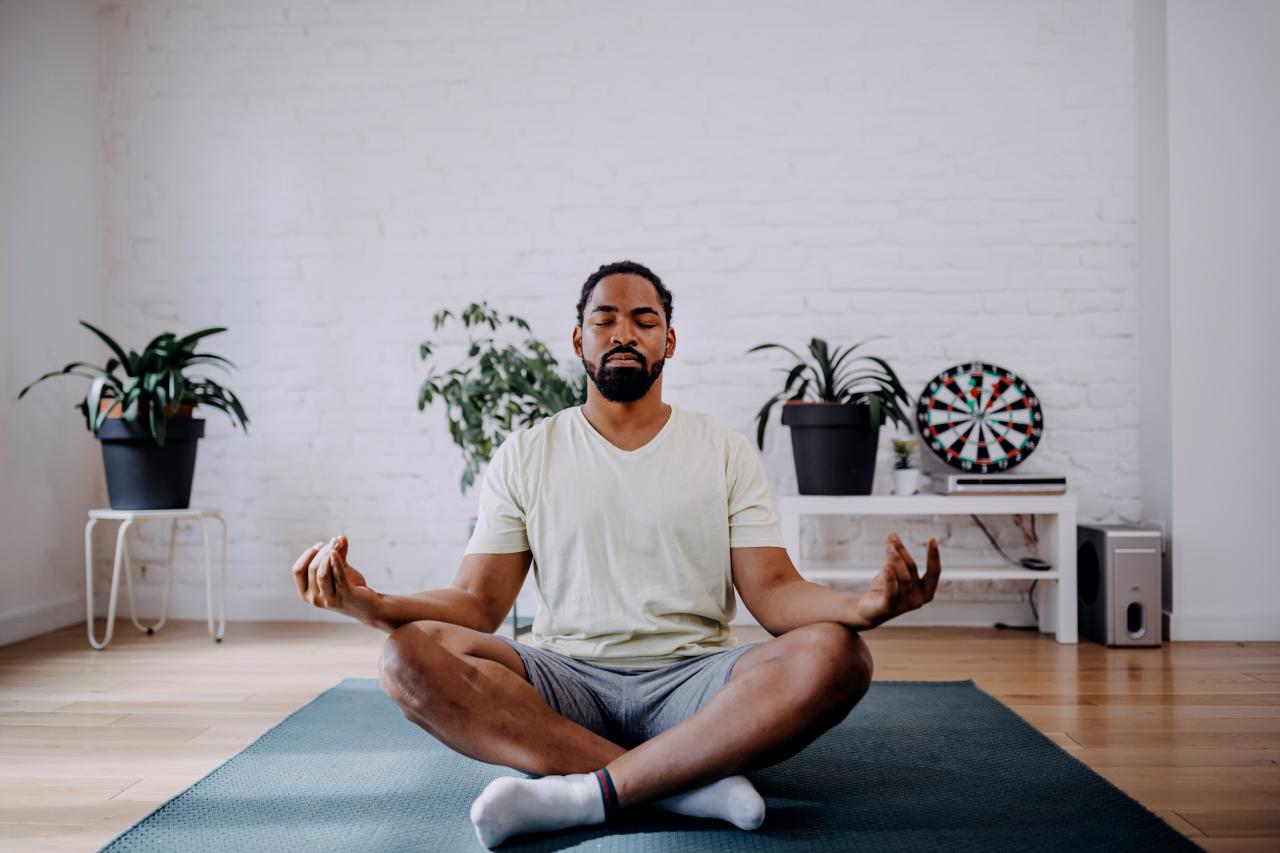
Creating the right environment and establishing proper physical and mental readiness are essential steps in preparing for an effective Kundalini meditation session. Proper preparation not only enhances focus and energy flow but also ensures a safe and harmonious experience as you work with this powerful spiritual energy.
Preparation involves arranging a serene space, calming the mind and body, and gathering necessary tools to support your practice. These foundational steps help in cultivating a receptive state, allowing the Kundalini energy to rise smoothly and consciously during meditation.
Ideal Environment and Physical Setup
An optimal environment fosters deep concentration and relaxation, minimizing distractions that could hinder the flow of energy. The physical setup should promote comfort, stability, and a sense of sacredness, encouraging a meditative mindset.
To establish this environment:
- Select a quiet, clutter-free space where external disturbances are minimal.
- Ensure good ventilation and natural light if possible, or soft ambient lighting to create a calming atmosphere.
- Use a comfortable yoga or meditation mat, cushions, or bolsters to maintain proper posture without strain.
- Incorporate natural elements such as plants, crystals, or incense to enhance spiritual ambiance.
- If desired, add gentle background music or ambient sounds that support relaxation without distracting from the practice.
Step-by-Step Guide to Calming the Mind and Body
Achieving a calm and centered state before meditation prepares your consciousness for the awakening of Kundalini energy. The following steps facilitate mental clarity and physical relaxation:
- Begin with seated or lying down posture, ensuring the spine is straight but relaxed.
- Close your eyes gently and take a few deep breaths to anchor your awareness in the present moment.
- Practice gentle body scans, systematically relaxing each part from head to toe.
- Engage in slow, deliberate breathing to reduce stress and promote mental tranquility.
- Incorporate a brief visualization or affirmation, such as imagining a healing light filling your body, to focus your intention.
- Maintain a gentle awareness of your breath, observing its natural rhythm without controlling it.
This process gradually shifts your focus inward, preparing the mind to accept and guide the rising Kundalini energy smoothly.
Checklist of Necessary Items
Gathering the right tools beforehand ensures a seamless meditation experience. The following items are commonly recommended:
- Yoga or meditation mat for physical comfort and stability.
- Cushions or bolsters to support seated or lying positions.
- Incense or essential oils to create a calming, sacred atmosphere.
- Comfortable clothing that allows free movement and breathing.
- Optional: a meditation bell, singing bowl, or chime to mark the beginning and end of the session.
- Quiet space free from interruptions or disturbances.
Breathing Techniques for Preparation
Different breathing techniques can effectively prepare the body and mind for Kundalini meditation. The following table contrasts some popular methods based on focus, pace, and benefits:
| Technique | Description | Breathing Pattern | Primary Benefits |
|---|---|---|---|
| Deep Diaphragmatic Breathing | Focuses on expanding the diaphragm to increase lung capacity and oxygen intake. | Inhale deeply through the nose, allowing the abdomen to rise; exhale slowly, allowing the abdomen to fall. | Reduces stress, enhances oxygenation, and promotes physical relaxation. |
| Nadi Shodhana (Alternate Nostril Breathing) | Balances the nervous system and clears energetic channels. | Close the right nostril with the thumb, inhale through the left; close the left nostril, exhale through the right; then inhale through the right, close, and exhale through the left, and repeat. | Calms the mind, improves focus, and harmonizes dual energies. |
| Box Breathing | Engages a rhythmic pattern to foster mental stability. | Inhale for 4 counts, hold for 4, exhale for 4, hold again for 4; repeat. | Enhances concentration, reduces anxiety, and stabilizes emotions. |
| Ujjayi Breathing | Creates a gentle constriction in the throat, producing a soft ocean-like sound. | Inhale slowly through the nose, slightly constricting the throat; exhale with the same constriction, maintaining a steady, audible breath. | Increases focus, energizes, and maintains internal heat during meditation. |
“Choosing a breathing technique aligned with your state of mind enhances readiness and supports the flow of Kundalini energy.”
Techniques and Methods for Kundalini Meditation

Practicing Kundalini meditation involves various techniques and methods designed to facilitate the awakening and balanced flow of energy within the subtle body. Choosing appropriate postures, breathing patterns, and focus points enhances the effectiveness of the practice, enabling practitioners to access higher states of consciousness and inner vitality. Mastery of these methods requires patience, consistency, and mindful awareness to ensure safe and meaningful energy activation.
It is essential to understand that each technique targets specific aspects of energy flow and consciousness. Incorporating suitable postures, breath control, and focal points collectively supports the awakening process while maintaining physical comfort and mental clarity. Below, key methods are detailed to assist practitioners in refining their Kundalini meditation practice.
Specific Meditation Postures for Energy Flow
The physical posture during Kundalini meditation significantly influences energy movement, grounding, and alertness. Different postures are conducive to energy flow depending on individual comfort and goals. Practitioners should aim for postures that keep the spine straight to facilitate energy ascent, promote relaxation, and prevent fatigue.
- Sukhasana (Easy Pose): Sitting cross-legged with hands resting on the knees, this posture encourages stability and openness. Use a cushion if needed for comfort, and keep the spine aligned without tension.
- Padmasana (Lotus Pose): A more advanced seated position where each foot is placed on the opposite thigh. It enhances stability and chakra alignment but requires flexibility.
- Seated with a Straight Spine: Sitting on a chair with feet flat on the ground, maintaining an upright spine. Suitable for those with limited flexibility but still effective for energy flow.
- Chair or Wall Supported Postures: Ensuring comfort and reducing strain, especially during longer meditation sessions. Keep the shoulders relaxed and the back straight.
Breathing Techniques for Kundalini Energy Activation
Breath control is fundamental in Kundalini meditation, aiding in energy regulation, detoxification, and heightened awareness. Different breathing methods serve specific purposes, such as awakening dormant energy, balancing chakras, or calming the mind. Below are prominent techniques along with detailed instructions to incorporate into your practice.
- Primal Breath (Sváduh): A deep, rhythmic breathing that energizes the body and clears mental clutter.
- Inhale deeply through the nose into the belly, allowing the diaphragm to expand fully.
- Exhale slowly and completely through the nose, engaging the abdominal muscles to expel all air.
- Maintain a natural, relaxed rhythm, emphasizing full inhalation and exhalation cycles.
- Alternate Nostril Breathing (Nadi Shodhana): Balances the left and right energy channels, harmonizing the nervous system.
- Close the right nostril with the thumb of your right hand.
- Inhale slowly and deeply through the left nostril.
- Close the left nostril with the ring finger, then release the right nostril.
- Exhale through the right nostril.
- Inhale through the right nostril; then switch nostrils and exhale through the left.
- Repeat this cycle for several minutes, maintaining a gentle, steady breath.
- Ujjayi Breath (Victorious Breath): Generates heat and inner focus through controlled, audible breathing.
- Slightly constrict the glottis at the back of the throat to create a soft hissing sound.
- Breathe deeply through the nose, maintaining the constriction.
- Keep the breath steady, slow, and controlled, focusing on the sound and sensation.
Steps:
Steps:
Steps:
Focusing Awareness on Chakras, Especially the Base Chakra
Directing attention to the chakras concentrates energy and awakens dormant centers. The base chakra, located at the pelvic floor, is the foundation for kundalini energy activation. Concentrated focus during meditation helps in clearing blockages and stimulating energy ascent.
- Visualization: Imagine a vibrant red lotus at the base of the spine, with petals opening gently as you breathe and meditate.
- Mantra Chanting: Recite or silently chant a bija mantra associated with the base chakra, such as
“Lam”
. Visualize the sound vibrating within the chakra, cleansing and energizing it.
- Physical Awareness: Gently place your hands over the pelvic region during meditation, feeling the subtle sensations and energy vibrations.
- Breath Focus: Inhale deeply, imagining drawing energy upward from the base chakra, then exhale while visualizing the energy flowing smoothly through the spine toward higher chakras.
Practitioners can incorporate these methods in conjunction with breathing exercises to deepen their connection with the base chakra, facilitating energy awakening and balance.
Comparison of Different Meditation Methods and Their Effects
The table below provides a comparative overview of various Kundalini meditation techniques, highlighting their primary focus, benefits, and suitable applications:
| Method | Primary Focus | Effects | Suitable For |
|---|---|---|---|
| Sukhasana with Breath Awareness | Physical stability and mental calmness | Reduces stress, enhances concentration | |
| Padmasana with Mantra Chanting | Chakra activation and energy focus | Stimulates kundalini awakening, emotional release | |
| Alternate Nostril Breathing with Chakra Visualization | Balance of energy channels and chakra energization | Harmonizes nervous system, clears energy blockages | |
| Ujjayi Breathing with Base Chakra Focus | Inner heat and foundational energy activation | Strengthens grounding, awakens primal energy | |
| Movements combined with Breathing (Kundalini Kriyas) | Physical energy movement and awakening | Increases vitality, clears energetic stagnation |
Choosing the appropriate technique depends on individual needs, physical condition, and spiritual objectives. Integrating these methods into a regular practice fosters gradual and safe kundalini awakening, supporting overall well-being and spiritual growth.
Mantras and Visualizations Used in Kundalini Practice
Kundalini meditation incorporates the use of sacred sounds and mental imagery to facilitate the awakening and balanced movement of spiritual energy within the body. These tools serve to focus the mind, deepen the meditative experience, and activate the dormant energy at the base of the spine. By consciously engaging with specific mantras and visualizations, practitioners create a conducive environment for spiritual growth and energetic alignment.
Mantras and visualizations act as powerful catalysts in Kundalini practice, guiding the practitioner through subtle energetic layers. They help in clearing blockages, awakening dormant energy, and directing it along the spinal channel to achieve higher states of consciousness. Understanding the significance and proper application of these techniques enhances the effectiveness of the meditation and ensures a safe, balanced energetic experience.
Popular Mantras and Their Meanings
Mantras are sacred sounds or phrases repeated during meditation to influence the mind and energy centers. Certain mantras are traditionally used in Kundalini practice to awaken specific chakras and energize the subtle body.
- Sat Nam – “Truth is my identity.” This mantra is used to align oneself with inner truth and spiritual authenticity, fostering clarity and authenticity during practice.
- Ra Ma Da Sa Sa Say So Hung – A healing mantra that invokes universal healing energy, often chanted to promote physical and emotional well-being and to clear energy blockages.
- Adi Mantra (Wahe Guru) – “Wow, Great Spirit.” This mantra helps to connect with divine consciousness, promoting feelings of bliss and divine unity.
- Har Har Har Har Gobinday – A mantra dedicated to awakening inner strength and divine power, facilitating the activation of Kundalini energy.
Visualization Exercises for Kundalini Activation
Visualization is a vital method in Kundalini meditation that involves mental imagery to stimulate and direct energy flow along the spine. These exercises help in anchoring the awakened energy in specific chakras or energy centers, promoting a balanced activation.
- Spinal Light Visualization: Imagine a luminous, radiant thread of light at the base of your spine. Visualize this light slowly rising up through each chakra, activating and energizing each center as it ascends. Feel the energy awakening and moving upward with each breath.
- Golden Sun Visual: Envision a golden sun at the lower belly, radiating warmth and vitality. As you breathe, see this sun expanding, illuminating your entire body, and forming a pathway for energy to ascend smoothly up the spine.
- Chakra Activation Visualization: Focus on each chakra as a vibrant lotus flower. Imagine each lotus opening gradually, releasing petals of colored light, and filling the body with energetic vitality. Move your attention upward from the root chakra to the crown, energizing each center in sequence.
Creating Personal Affirmations for Meditation
Personal affirmations are positive, present-tense statements that reinforce the intention of your Kundalini practice. They serve to cultivate a mindset of openness, confidence, and receptivity to energy awakening, aligning mental focus with energetic goals.
When crafting affirmations, focus on clarity, simplicity, and personal resonance. Use language that affirms your capacity for spiritual growth and energetic balance. Repeating these affirmations during meditation enhances the mental environment, supporting deeper and more sustained energy activation.
Examples of personal affirmations include:
- “I am open to the awakening of my divine energy.”
- “My Kundalini rises freely and gracefully.”
- “I am a conduit for divine energy and love.”
- “Balance and harmony flow through my energy centers.”
Example Guided Visualization Script
“Begin by sitting comfortably with your spine straight and eyes gently closed. Take a few deep breaths, allowing your mind to settle. Visualize a vibrant, pulsating red orb at the base of your spine—the root chakra. See this orb spinning slowly, emitting a warm, red light. As you inhale, imagine a golden energy rising from this orb, awakening the energy above. Picture this energy as a bright, golden serpent coiling around your spine, slowly ascending, energizing each chakra as it moves upward. Feel the surge of vitality and consciousness awakening within you. When you are ready, visualize the energy reaching the crown of your head, transforming into a luminous, white light. Allow this light to fill your entire being, signifying the full awakening of your Kundalini energy.”
Common Challenges and How to Overcome Them
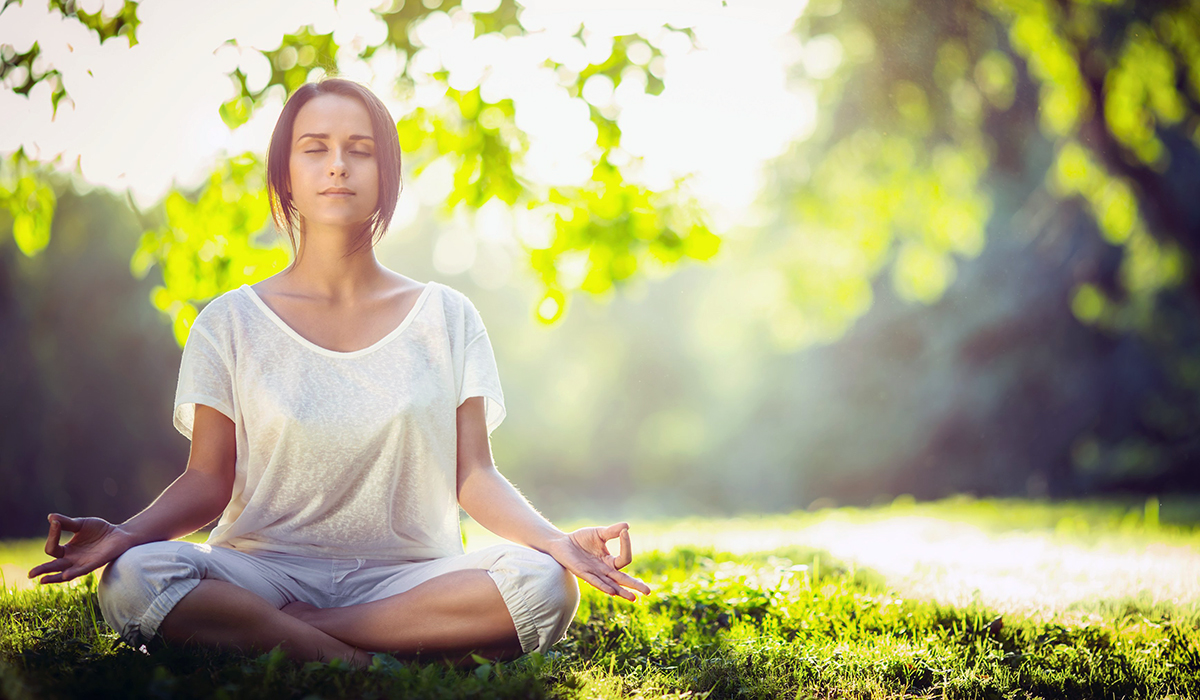
Kundalini meditation can be a profound and transformative practice, but it often presents practitioners with specific physical and mental sensations that may seem unusual or overwhelming at first. Recognizing these experiences as normal and understanding how to manage them effectively is essential for safe and meaningful progress on your spiritual journey. By being aware of potential challenges and employing appropriate techniques, practitioners can cultivate a balanced and secure meditation experience, ensuring steady advancement while maintaining well-being.During Kundalini meditation, practitioners might encounter a range of sensations such as heat or cold waves, involuntary movement, dizziness, or fleeting emotional releases.
Mentally, feelings of fear, anxiety, or excessive excitement can arise, particularly when energy surges unexpectedly. These reactions are typically manifestations of the awakening process and, when handled correctly, can become opportunities for deeper insight and growth. However, unmanaged discomfort or fear can hinder progress or lead to overstimulation.Grounding and stabilizing energy after meditation is a crucial step to ensure that the body and mind return to a balanced state.
Post-meditation practices help assimilate the energetic shifts and prevent potential discomforts like fatigue or disorientation. Techniques such as physical grounding through walking barefoot on natural surfaces, consuming calming herbal teas, or engaging in gentle stretches can assist in harmonizing the energy flow. Additionally, meditation on the root chakra or visualizing roots extending into the earth can reinforce a sense of stability.Practitioners are encouraged to adopt safety tips to facilitate a safe and progressive Kundalini practice:
- Start slowly: Gradually increase meditation duration and intensity to allow your energy system to adapt comfortably.
- Maintain regular self-awareness: Observe your physical and mental states during practice without judgment, adjusting as needed.
- Avoid forcing sensations: Allow experiences to unfold naturally without trying to accelerate or suppress them.
- Practice in a safe environment: Choose a quiet, comfortable space where interruptions are minimized.
- Use grounding techniques: Incorporate physical grounding, such as walking or touching natural objects, after meditation sessions.
- Seek guidance when necessary: Consult experienced teachers or practitioners if intense sensations or fears persist beyond your comfort zone.
By respecting the natural rhythm of Kundalini awakening and employing these strategies, practitioners can navigate challenges effectively, ensuring a harmonious and enriching practice that fosters growth and inner stability.
Integrating Kundalini Meditation into Daily Life

Maintaining a consistent Kundalini meditation practice amidst a busy lifestyle can significantly deepen your spiritual growth and enhance overall well-being. By thoughtfully incorporating meditation into everyday routines, practitioners can experience sustained benefits and foster a more mindful existence. This section explores practical strategies, methods for tracking progress, and supplementary practices that support ongoing development in Kundalini energy activation.Integrating Kundalini meditation into daily life requires intentional planning and adaptability.
Even with a demanding schedule, establishing specific times and environments conducive to meditation can help reinforce your practice. Consistency is key; setting aside as little as 10-15 minutes daily can create meaningful progress over time. Moreover, embedding mindfulness into routine activities—such as mindful breathing during commutes or meditative awareness while performing daily chores—can sustain the flow of Kundalini energy throughout the day.
Strategies for Incorporating Meditation into a Busy Schedule
To effectively integrate meditation into a hectic lifestyle, consider the following approaches:
- Designate specific times in the day, such as early mornings, lunch breaks, or evenings, dedicated solely to meditation to build a habitual routine.
- Utilize brief meditation sessions to maintain consistency; even 5-10 minutes can be beneficial when scheduled regularly.
- Create a dedicated meditation space that minimizes distractions, making it easier to enter a focused state quickly.
- Incorporate mindfulness into daily tasks—practice conscious breathing during commuting, walking, or waiting periods to keep Kundalini energy active.
- Leverage technology by setting reminders or using meditation apps that offer guided sessions aligned with your schedule.
Maintaining Consistency and Deepening Practice Over Time
Consistency in practice cultivates stability and facilitates profound energetic shifts associated with Kundalini awakening. To sustain motivation and deepen your experience:
- Set realistic goals and gradually increase meditation duration as comfort and familiarity grow.
- Maintain a meditation journal to record daily experiences, sensations, and insights, fostering awareness of subtle shifts and progress.
- Participating in group meditations or spiritual communities can provide support, encouragement, and shared learning opportunities.
- Attend workshops, retreats, or advanced courses to explore new techniques and deepen understanding of Kundalini energy.
- Periodically review your practice routine to adapt and refine methods, ensuring alignment with evolving spiritual needs.
Methods for Tracking Progress and Spiritual Experiences
Monitoring your journey helps recognize subtle transformations and validates your efforts:
- Keep a dedicated journal to document physical sensations, emotional states, visions, or insights experienced during or after meditation sessions.
- Use guided recordings with reflective prompts that encourage noting shifts in energy, clarity, or emotional balance.
- Practice regular self-assessment by noting changes in vitality, intuition, or reactions to daily challenges.
- Set specific milestones, such as experiencing spontaneous movement of energy or heightened awareness, and celebrate their occurrence.
- Engage in periodic retreats or extended meditation sessions to observe cumulative growth and deepen your connection with Kundalini energy.
Recommended Supplementary Practices
Complementary practices enhance the efficacy of Kundalini meditation by supporting energetic balance and spiritual evolution:
- Yoga postures (asanas) that target spine flexibility and energy flow, such as Kundalini yoga kriyas, to prepare the body for energetic awakening.
- Journaling to process emotional releases and insights gained through meditation, fostering a deeper understanding of personal growth.
- Breathwork techniques, like pranayama, to refine respiratory control and amplify energetic awareness.
- Chanting or reciting mantras to activate vibrational frequencies that facilitate energy movement and spiritual resonance.
- Physical activities such as tai chi or qigong that promote flow of life force energy within the body, complementing Kundalini awakening.
End of Discussion

Embarking on the practice of how to meditate for kundalini energy can be a transformative experience that unlocks deep inner wisdom and vitality. Consistency, proper preparation, and mindful techniques are key to safely awakening this powerful energy within. As you progress, you’ll discover how this practice can profoundly enhance your spiritual and everyday life, guiding you toward a state of harmony and enlightenment.