Discovering how to meditate for memory can unlock significant improvements in your cognitive abilities and mental clarity. Meditation has been practiced for centuries across various cultures, serving as a powerful tool to enhance mental focus, recall, and overall brain health. Recent scientific studies continue to validate these benefits, showing a clear link between regular meditation and improved memory retention. By integrating effective meditation techniques into your daily routine, you can foster a sharper mind and better cognitive performance in everyday life.
Introduction to Meditation for Memory Enhancement
Meditation has long been recognized as a powerful practice for fostering mental clarity, emotional stability, and cognitive resilience. In recent years, scientific research has increasingly highlighted its potential to enhance memory and improve overall cognitive function. Engaging in regular meditation can lead to measurable benefits, such as increased neuroplasticity, improved attention span, and better information retention, making it a valuable tool for individuals seeking to bolster their mental capabilities.
Throughout history and across diverse cultures, meditation practices have been employed not only for spiritual growth but also for mental discipline and clarity. Ancient traditions from India, China, and Tibet, among others, have developed techniques aimed at calming the mind and sharpening mental faculties. These methods, rooted in centuries of practice, continue to influence modern meditation approaches focused on cognitive enhancement, demonstrating a profound link between mental discipline and clarity of thought.
Scientific Evidence Supporting Meditation’s Role in Memory Retention
Recent scientific studies provide compelling evidence that meditation positively impacts memory processes. Functional magnetic resonance imaging (fMRI) scans reveal that regular meditation can increase gray matter density in brain areas responsible for memory, such as the hippocampus. This structural change correlates with improvements in memory retention and recall ability.
One notable study published in the journal
-Psychological Science* found that participants who engaged in an eight-week mindfulness meditation program exhibited significant enhancements in working memory capacity and executive functioning compared to control groups. Additionally, meditation has been linked to reduced levels of cortisol, a stress hormone that, when elevated, can impair memory formation and retrieval.
Meta-analyses of multiple research projects suggest that consistent meditation practice leads to increased neurogenesis and synaptic connectivity, which are fundamental processes underpinning learning and memory. These findings underscore meditation’s potential as a non-invasive, accessible intervention for cognitive decline prevention and memory improvement across various age groups.
Preparing for Meditation Sessions
Establishing an optimal environment and gathering the necessary tools are essential steps to ensure each meditation session for memory enhancement is effective and conducive to focus. Proper preparation minimizes distractions and creates a tranquil space that nurtures mental clarity and concentration. When these elements are in place, the meditation process becomes more seamless, allowing for deeper engagement and more significant cognitive benefits.
Thoughtful preparation involves not only the physical setup but also organizing aids that support the meditation practice. By creating an environment free from interruptions and equipped with supportive tools, practitioners can enhance their ability to sustain attention and foster a meditative state that optimally benefits memory enhancement efforts.
Optimal Environment Setup
Designing a dedicated meditation space significantly influences the quality of each session. The environment should evoke calmness and reduce external stimuli that could distract the mind. Consider the following factors for an ideal setup:
- Location: Choose a quiet, private area away from high traffic or noise sources within your home or office. A space with minimal foot traffic helps maintain tranquility.
- Lighting: Use soft, natural light whenever possible. Dim lighting or the absence of bright artificial lights can promote relaxation and help transition the mind into a meditative state.
- Temperature and Ventilation: Maintain a comfortable room temperature and ensure proper ventilation. A cool, fresh environment supports sustained focus and prevents discomfort.
- Clutter-Free Space: Keep the area tidy and free from unnecessary objects. Clutter can serve as a visual distraction, impairing concentration.
- Ambiance: Incorporate calming elements such as gentle sounds, soft rugs, or plant life to enhance the sense of serenity.
Necessary Tools and Aids
Utilizing specific tools can facilitate a more structured and effective meditation session. These aids serve as anchors for attention, timing mechanisms, or sources of guided instruction, all contributing to a more focused practice:
- Cushions or Mats: Providing comfort and proper posture, cushions or meditation mats help maintain stability during sitting. Correct posture reduces physical discomfort, allowing better focus on mental processes.
- Timer: A timer ensures that sessions are of consistent duration without the need to monitor a clock constantly. Choose a gentle chime or sound to signal the end of the session, avoiding abrupt interruptions.
- Guided Recordings: Audio guides or meditation recordings can steer users through breathing exercises or visualization techniques. They are particularly useful for beginners or when establishing new routines.
- Comfortable Attire: Wear loose, comfortable clothing that does not constrict movement or breathing, promoting physical ease and mental relaxation.
Step-by-Step Procedure for Creating a Distraction-Free Space
Systematic organization of the meditation environment plays a vital role in ensuring a distraction-free experience. Follow these steps to prepare your space effectively:
- Select a consistent location: Designate a specific area for meditation to build familiarity and reinforce the routine.
- Clear the space: Remove unnecessary objects, clutter, and electronic devices that may generate noise or visual distractions.
- Adjust lighting and temperature: Dim lights or use candles to create a soft glow; set the room to a comfortable temperature that encourages relaxation.
- Arrange seating: Place cushions, mats, or chairs to support comfortable sitting posture. Ensure the seat height allows your feet to rest flat on the ground.
- Set up aids: Position timers, guided recordings, or other tools within easy reach but out of the direct line of sight to prevent visual interruptions.
- Establish a routine: Practice at the same time each day to condition the mind for meditation, making it easier to transition into a focused state quickly.
Creating a consistent, peaceful environment is the foundation of a successful meditation practice, directly impacting its effectiveness in enhancing memory.
Techniques for Meditating to Boost Memory
Enhancing memory through meditation involves engaging in specific practices that stimulate neural pathways responsible for information retention and recall. Different meditation techniques offer unique approaches to fostering mental clarity, focus, and cognitive resilience. Understanding and applying these methods can significantly improve memory function, especially when practiced consistently and with intention.
Each meditation style emphasizes different mental processes, which can be tailored to support memory enhancement. Whether through mindfulness, visualization, or focused attention, these techniques provide practical exercises designed to strengthen memory capabilities and promote overall cognitive health.
Mindfulness Meditation
Mindfulness meditation involves paying deliberate, non-judgmental attention to the present moment. This practice cultivates awareness of thoughts, sensations, and emotions without becoming overwhelmed or distracted. For memory enhancement, mindfulness encourages clearer focus and reduces cognitive clutter, allowing for better encoding of information.
- Begin by sitting comfortably and focusing on your breath, observing each inhale and exhale without trying to control it.
- As thoughts arise, gently acknowledge them without attachment and redirect your attention back to your breath or a chosen anchor.
- Incorporate mindful observation of external stimuli or internal sensations to enhance sensory memory and situational awareness.
- Practice daily for 10-15 minutes to build sustained attention that supports memory retention.
Visualization Meditation
Visualization meditation involves creating vivid mental images to reinforce memory pathways, making information more accessible through sensory-rich imagery. This technique is particularly effective for memorizing complex concepts or sequences by associating them with mental pictures.
- Focus on a specific memory, concept, or piece of information you wish to reinforce.
- Construct a detailed mental image, incorporating colors, sounds, textures, and spatial relationships.
- Use imagination to simulate scenarios where the information plays a role, strengthening neural connections involved in memory retrieval.
- Repeat this process regularly, for example, visualizing a list of items or steps involved in a task, to improve recall ability.
Focused Attention Meditation
Focused attention meditation involves concentrating on a single object, sound, or thought to develop intense mental focus. This technique enhances working memory by training the brain to maintain attention on relevant information while filtering out distractions.
- Select an object or sound, such as a mantra, candle flame, or ticking clock, to serve as your focal point.
- Gently bring your attention to this focal point, observing it with curiosity and without judgment.
- If your mind wanders, acknowledge the distraction and consciously redirect focus back to the chosen object or sound.
- Practicing this method for 10-20 minutes each day can improve your ability to concentrate and retain information more effectively.
| Meditation Style | Primary Focus | Memory Benefits | Ideal For |
|---|---|---|---|
| Mindfulness | Present-moment awareness | Improves sustained attention, reduces distractibility, enhances encoding of information | General cognitive enhancement, stress reduction |
| Visualization | Vivid mental imagery | Strengthens associative memory, aids in memorizing complex data or sequences | Learning new skills, memorizing lists or steps |
| Focused Attention | Intense concentration on a single object or thought | Enhances working memory capacity, improves focus during learning tasks | Attention-intensive tasks, problem-solving |
Guided Meditations Focused on Memory
Guided meditations specifically designed to enhance memory serve as powerful tools to improve recall, strengthen neural connections, and foster mental clarity. These sessions often incorporate visualization, affirmations, and focused breathing to direct attention towards memory processes, making them an effective supplement to cognitive exercises. Whether used independently or alongside other memory techniques, guided meditations offer a structured pathway to deepen mental retention and clarity.
Developing effective guided meditations involves crafting scripts that engage the listener’s imagination while reinforcing positive memory-related affirmations. The tone should be calming and encouraging, helping individuals relax deeply and focus their attention on their internal cognitive processes. Clear, descriptive language guides the listener through mental imagery, fostering a sense of connection with their memory functions, which can lead to improved recall in daily life.
Detailed Scripts for Memory-Enhancing Guided Meditations
Constructing impactful guided meditation scripts requires a combination of calming language, vivid imagery, and affirmations that activate memory circuits. The scripts should be paced slowly, allowing the listener to visualize scenes, repeat affirmations, and immerse themselves fully in the mental exercises. Below are examples and guidelines to develop effective scripts:
Sample Script for Memory Recall Enhancement
“Find a comfortable position, close your eyes gently, and take a deep breath in… feel the air filling your lungs. As you exhale, release any tension or distraction. Picture yourself in a peaceful garden, where each flower and tree represents a different memory. Visualize yourself walking along a path that leads to a beautiful, luminous fountain. As you approach, see the memories you’ve stored flowing into the fountain, each one shimmering with clarity and vitality. Repeat silently: ‘My memory is clear and sharp. I recall all I need with ease.’ Feel the strength of your mind growing stronger with each breath.”
Examples of Mental Imagery and Affirmation Exercises
Effective exercises leverage vivid imagery and positive affirmations to stimulate the brain’s memory pathways. These include:
- Visualizing a Memory Palace: Imagine a familiar place such as your home or a childhood location. Assign specific memories to distinctive objects or rooms within this space. Mentally walk through these rooms, recalling details vividly to reinforce associations.
- Color and Light Imagery: Visualize memories as glowing objects of specific colors, then imagine them flowing into your mind like beams of light, illuminating your thoughts with clarity.
- Affirmation Repetition: Silently or aloud, repeat affirmations like “My memory retains information effortlessly,” or “My mind is sharp and focused.” Repeating these during meditation reinforces positive neural patterns.
Creating Audio or Written Guided Meditation Scripts
To craft effective scripts, focus on clarity, soothing tone, and gradual progression. Begin with a calming introduction to relax the listener, such as guiding them to focus on their breath and bodily sensations. Proceed to visualization exercises, describing scenes with rich detail that engage all senses. Incorporate affirmations intermittently to reinforce confidence in memory abilities. Conclude with gentle reminders for the listener to carry the sense of mental clarity into their daily activities.
For example, a script may include instructions like: “Imagine yourself in a quiet library, surrounded by books filled with your knowledge. Feel the pages and titles, and observe how easily your mind can access the information contained within. Repeat silently: ‘My memory is powerful and reliable.'” Such scripts should be recorded with a calm, clear voice, and can also be adapted into written form for personal practice or guided sessions.
Daily Meditation Routines for Memory Improvement
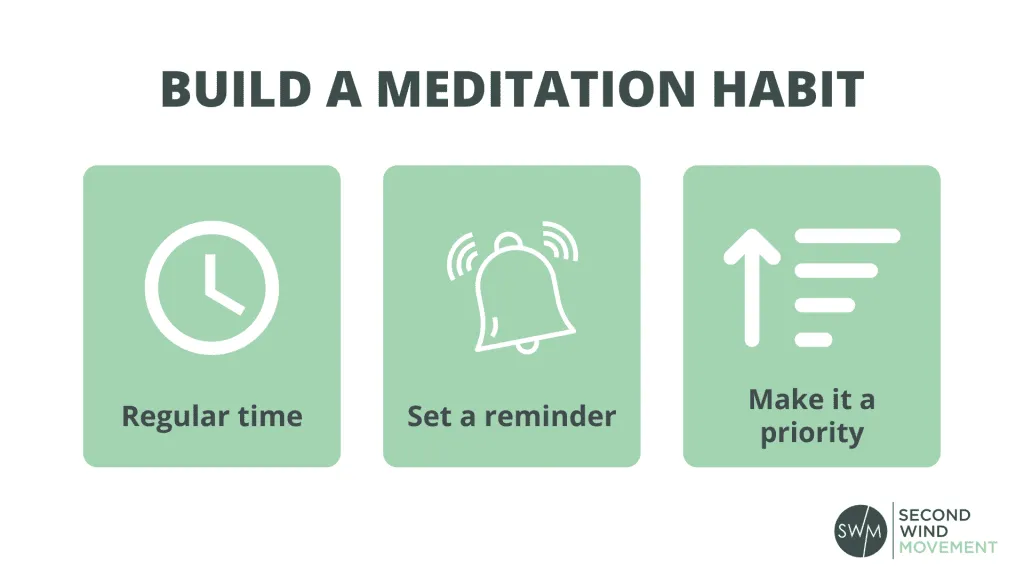
Establishing a consistent daily meditation routine tailored specifically for memory enhancement can significantly boost cognitive performance over time. Regular practice not only consolidates memory but also promotes mental clarity, focus, and overall brain health. Structuring your routine thoughtfully and tracking your progress ensures sustained motivation and measurable results, making meditation an effective long-term strategy for memory improvement.
Developing a disciplined schedule involves selecting specific meditation practices for different times of the day, allowing for targeted mental exercises that reinforce memory functions. Consistent routines can be adapted based on individual progress, preferences, and lifestyle, fostering a sustainable habit that yields tangible benefits.
Weekly Schedule for Meditation Practices Targeting Memory Enhancement
Implementing a weekly plan that allocates dedicated times and specific meditation techniques ensures comprehensive engagement with various aspects of memory improvement. This approach helps in balancing different mental exercises and preventing monotony, thus maintaining motivation. The following example demonstrates how to organize such a routine:
| Day | Morning Session | Afternoon Session | Evening Session |
|---|---|---|---|
| Monday |
|
|
|
| Tuesday |
|
|
|
Tracking Progress and Adjusting Routines
Monitoring your meditation practice and its impact on memory can significantly enhance the effectiveness of your routine. Keeping a dedicated journal or digital log allows you to document session durations, techniques used, and subjective experiences. Over time, this data helps identify which practices yield the most noticeable improvements and where adjustments are needed.
Regular assessment of progress can include noting improvements in memory recall during daily activities, reduced forgetfulness, or enhanced focus during cognitive tasks. Adjustments may involve increasing session durations, trying new techniques, or varying the times of day to optimize benefits.
Adjustments should be data-driven, gradual, and tailored to individual responses. For example, if visualization techniques seem particularly beneficial, incorporating more of these sessions could be advantageous. Conversely, if certain practices feel less effective or cause fatigue, replacing them or reducing their frequency may improve overall outcomes.
Consistency paired with flexibility ensures the routine remains engaging and sustainable, fostering ongoing cognitive benefits and supporting memory health in the long term.
Incorporating Breathing and Mindfulness for Memory
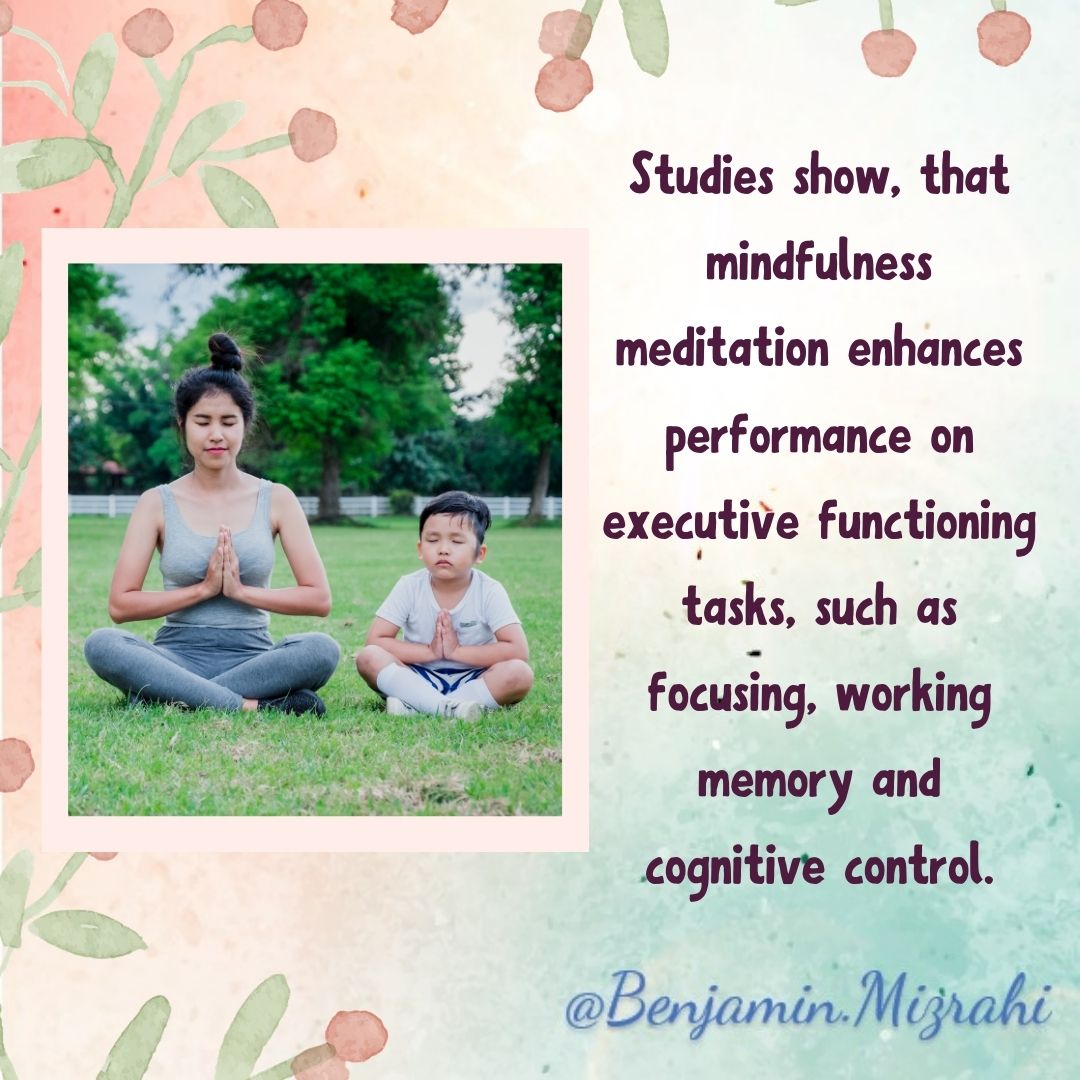
Integrating controlled breathing and mindfulness practices into daily routines can significantly enhance memory function. These techniques foster mental clarity, reduce stress, and improve focus—all factors that contribute to better information retention and recall. By consciously directing attention to the breath and cultivating present-moment awareness, individuals can create a mental environment conducive to learning and memory enhancement.
Research indicates that mindfulness and breathing exercises can positively influence neural pathways associated with memory processing. Regular practice helps regulate the autonomic nervous system, decreasing stress hormones such as cortisol that impair cognitive functions. As a result, incorporating these practices into your daily life can serve as a powerful tool for improving overall cognitive health and memory performance.
Controlled Breathing Exercises and Their Role in Supporting Memory
Controlled breathing exercises help stabilize the nervous system, increase oxygen flow to the brain, and promote a state of calmness and alertness. These physiological benefits are linked to improved cognitive functions, including memory. Enhanced oxygenation supports neuron health and facilitates the transfer of information within the brain, which is essential for encoding and retrieving memories.
- Deep diaphragmatic breathing: Engages the diaphragm to maximize oxygen intake, reducing stress and enhancing mental clarity.
- Alternate nostril breathing: Balances the left and right hemispheres of the brain, fostering increased focus and memory capacity.
- Box breathing: Involves inhaling, holding, exhaling, and pausing for equal counts, promoting sustained attention and emotional regulation.
Step-by-Step Mindfulness Breathing Techniques
Practicing mindfulness breathing involves consciously focusing on the breath, observing sensations without judgment. This practice cultivates present-moment awareness, which is vital for effective memory encoding and retrieval. The following steps provide a simple yet effective method to incorporate mindfulness breathing into your routine:
- Find a comfortable position: Sit or lie down in a quiet space, ensuring your spine is straight to facilitate optimal breathing.
- Close your eyes: This minimizes external distractions and helps focus inward.
- Start with awareness of the breath: Notice the natural inhalation and exhalation without trying to change it.
- Inhale slowly through the nose: Count to four as you breathe in, feeling the abdomen rise.
- Pause briefly: Hold the breath for a count of four, maintaining awareness of the sensations.
- Exhale gently through the mouth or nose: Count to four as the air leaves your lungs, feeling the abdomen fall.
- Repeat: Continue this cycle for 5-10 minutes, maintaining gentle attention on the breath.
During the practice, if your mind wanders, gently redirect your focus back to the sensation of breathing. This gentle redirection enhances mindfulness and mental resilience, which are crucial for memory health.
Methods to Integrate Breath Awareness into Daily Activities for Memory Benefits
Incorporating breath awareness into everyday actions can reinforce cognitive benefits and support memory. These practices are simple to adopt and do not require additional time or equipment, making them accessible and sustainable.
- Mindful walking: Focus on the sensation of each step and synchronize your breath with your stride. For example, inhale for three steps, exhale for three steps, creating a rhythmic pattern that anchors your attention.
- During routine chores: While washing dishes, brushing teeth, or commuting, direct awareness to your breath. Take slow, deep breaths, noticing the inhalation and exhalation, which grounds your mind in the present moment.
- Brief pause before memorization: Before studying or recalling information, pause for a few deep breaths to clear mental clutter and prepare your brain for optimal encoding and retrieval.
- Stressful situations: When feeling overwhelmed, practice quick diaphragmatic breathing—inhale deeply through the nose, hold briefly, then exhale slowly—to calm the nervous system and maintain cognitive focus.
Integrating mindful breathing into daily routines enhances mental clarity, reduces stress-induced cognitive decline, and supports sustained attention—key elements for effective memory function.
Overcoming Common Challenges in Meditation Practice

Maintaining a consistent meditation practice for memory enhancement can present several obstacles that might hinder progress. Recognizing these challenges early enables practitioners to develop effective strategies to stay committed and maximize the benefits of meditation. Addressing issues such as distraction, impatience, and inconsistency is essential for cultivating a sustainable and fruitful meditation routine.Distraction, impatience, and inconsistency are among the most frequently encountered challenges during meditation.
These obstacles can diminish focus, reduce motivation, and ultimately affect the effectiveness of the practice. By implementing targeted strategies, practitioners can navigate these difficulties with greater ease and develop resilience in their meditation journey.
Managing Distraction During Meditation
Distraction often arises from external stimuli or wandering thoughts, which can divert attention away from the meditation focus. It is a natural part of the learning process, but persistent distraction can impede progress if not addressed properly.
- Establish a dedicated, quiet space free of interruptions to create an environment conducive to focus.
- Use gentle reminders, such as soft background sounds or a calming object, to anchor attention and reduce external disruptions.
- Practice gentle acknowledgment of wandering thoughts without judgment, then redirect focus back to the breathing or mantra.
- Incorporate short meditation sessions initially, gradually increasing duration as concentration improves.
Consistent practice in a distraction-minimized setting helps strengthen mental focus, which is crucial for effective memory improvement through meditation.
Overcoming Impatience and Expectation
Impatience can lead to frustration and discourage ongoing practice, especially when immediate results are not evident. Cultivating patience is vital for long-term success in meditation for memory enhancement.
- Recognize that meditation is a gradual process; progress may be subtle and unfold over weeks or months.
- Set realistic, achievable goals that focus on consistency rather than immediate outcomes.
- Practice self-compassion and remind yourself that persistence is key, even during challenging phases.
- Incorporate mindfulness into daily activities to reinforce patience and acceptance outside formal meditation sessions.
“Progress in meditation often occurs silently; patience and regularity are your most valuable tools.”
Addressing Inconsistency and Maintaining Routine
Irregular meditation practice can hinder the development of beneficial neural pathways related to memory. Establishing a consistent routine is fundamental to experiencing tangible improvements.
- Create a specific daily schedule for meditation, preferably at the same time each day to build habit formation.
- Use reminders or alarms to prompt meditation sessions and reinforce routine adherence.
- Start with manageable durations, such as five to ten minutes, and gradually extend as consistency improves.
- Track progress through journaling or meditation apps to increase accountability and motivation.
By integrating meditation seamlessly into daily routines, practitioners foster habit formation, making memory-focused meditation an integral part of their lifestyle.
Enhancing Meditation with Visual Aids and Symbols
Incorporating visual aids and symbols into meditation practices can significantly deepen focus and strengthen memory associations. These visual elements serve as anchors that facilitate mental clarity, improve concentration, and reinforce the retention of information during meditation sessions. By engaging the visual sensory system, practitioners can amplify the effectiveness of their meditation aimed at memory enhancement.
Effective use of visual cues involves selecting or creating symbols that resonate personally and evoke specific mental states conducive to memory improvement. These aids can range from simple geometric shapes to more elaborate images, each designed to support focus and facilitate cognitive associations. When integrated thoughtfully, visual symbols become powerful tools that complement breathing and mindfulness exercises, enriching the overall meditation experience and contributing to long-term memory benefits.
Creating and Selecting Effective Visual Aids
Choosing the right visual aids requires understanding the connection between imagery and cognitive processes. Visual aids should be clear, simple, and capable of capturing the practitioner’s attention without causing distraction. The following considerations can help in selecting or creating effective visual cues:
- Relevance: Select symbols that hold personal significance or that relate directly to memory themes, such as symbols representing knowledge, learning, or mental clarity.
- Clarity: Use high-contrast images or simple geometric shapes to ensure the symbol is easily recognizable and can be focused on without ambiguity.
- Consistency: Incorporate the same visual aids throughout sessions to foster familiarity and reinforce memory associations.
- Customization: Create personalized symbols that reflect individual goals or specific memories one wishes to strengthen, enhancing emotional engagement.
Examples of effective visual aids include simple lotus flowers representing enlightenment, an open book symbolizing knowledge, or concentric circles that evoke focus and centeredness. These symbols should be used as focal points during meditation, either physically held or mentally visualized, to anchor attention and facilitate mental associations.
Imagery That Promotes Memory Retention During Meditation
Imagery plays a vital role in reinforcing memory during meditation by engaging the mind in vivid, emotionally charged, and meaningful visualizations. The use of specific imagery can stimulate neural pathways related to memory and learning, making the retention process more efficient. Here are examples of imagery that can enhance memory during meditation:
- Nature Scenes: Visualize serene landscapes such as lush forests, tranquil lakes, or blooming gardens. These calming images reduce stress, which is beneficial for memory consolidation.
- Symbolic Objects: Imagine objects associated with learning and knowledge, like ancient scrolls, glowing orbs, or interconnected neural networks, to evoke cognitive associations.
- Memory Palaces: Construct vivid mental environments, such as a familiar building or a well-known route, to serve as memory palaces that organize and reinforce information.
- Light and Energy Flows: Visualize streams of light or energy flowing through the brain, cleansing mental fog, and sharpening cognitive function.
“Vivid and emotionally engaging imagery enhances neural connectivity, making memories more durable and retrieval more effortless.”
By integrating such imagery into meditation, practitioners can create strong mental associations, making it easier to recall and retain information outside of meditation sessions. Consistent visualization practice, combined with targeted symbols, helps cultivate a resilient memory system that benefits from both cognitive and emotional reinforcement.
Measuring the Effectiveness of Meditation on Memory
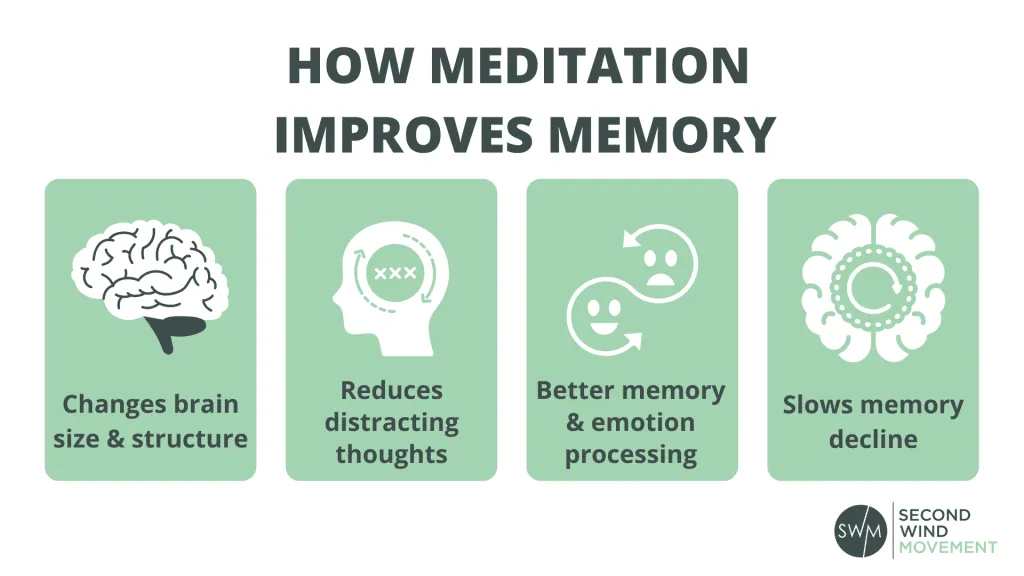
Evaluating the impact of meditation on memory performance is essential to understanding its benefits and refining personal practice routines. Effective measurement methods enable practitioners to track progress over time, identify areas for improvement, and maintain motivation. Establishing clear assessment techniques helps in quantifying improvements and correlating them with meditation habits, ensuring a data-driven approach to cognitive enhancement.
By employing various self-assessment tools and structured tracking procedures, individuals can gain insights into how meditation influences their memory capabilities. Combining subjective observations with objective tests creates a comprehensive overview of progress, fostering a more intentional and informed meditation practice focused on memory enhancement.
Self-Assessment and Tracking Memory Performance Improvements
Implementing consistent self-assessment routines is key to monitoring memory progress. These assessments can be both qualitative and quantitative, providing a balanced view of improvements. Regular observation and note-taking help practitioners recognize patterns and benefits that emerge from sustained meditation practice.
Tracking memory performance involves using various methods such as memory logs, cognitive tests, and journaling. These tools facilitate the documentation of daily, weekly, or monthly changes in memory function, enabling practitioners to discern trends and measure the effectiveness of their meditation routines over time.
- Memory Journals: Writing daily or weekly entries to record instances of memory success, challenges, and subjective improvements. Noting specific situations where memory has improved helps contextualize progress.
- Cognitive Tests: Utilizing standardized memory assessments, such as digit span tests, word list recall, or visual memory tasks, administered periodically to quantify memory capacity.
- Subjective Ratings: Using rating scales to evaluate perceived memory performance, clarity, and recall ability on a daily or weekly basis.
Procedures for Evaluating Meditation’s Impact
Effective evaluation involves a combination of structured testing, consistent recording, and analysis of results. Establishing a routine for assessments ensures that evaluations are comparable over time, providing clarity on the meditation’s influence on memory capabilities.
Key procedures include:
- Baseline Assessment: Conducting initial memory tests before beginning regular meditation practice to establish a reference point.
- Regular Testing Intervals: Performing memory assessments at consistent intervals, such as weekly or monthly, to track changes and trends.
- Reflective Journaling: Keeping detailed journals to record subjective experiences, noting any perceived improvements or challenges related to memory tasks.
- Data Analysis: Comparing test scores over time to identify statistically significant improvements, and correlating these with meditation frequency and type.
The combination of quantitative data and qualitative observations provides a nuanced understanding of meditation’s impact on memory, supporting personalized adjustments for optimal results.
Sample Templates for Recording Progress
Structured templates facilitate consistent data collection and ease of analysis. Below are sample HTML tables designed for recording and tracking memory assessments and meditation practices:
| Date | Type of Meditation Session | Memory Test Conducted | Test Results (e.g., digit span, recall accuracy) | Subjective Memory Rating (1-10) | Notes and Observations |
|---|---|---|---|---|---|
| 2024-04-01 | Mindfulness Meditation | Digit Span Test | 7, 8, 7, 9 | 6 | Noticed improvement in recalling sequences after meditation |
| 2024-04-08 | Focused Attention | Word List Recall | 15/20 words | 7 | Memory felt sharper; more confident during recall tasks |
| 2024-04-15 | Breathing Meditation | Visual Memory Exercise | Memory block completed with minimal errors | 8 | Clearer mental focus contributed to better recall performance |
Consistent use of such templates allows practitioners to visualize progress clearly, identify patterns, and make informed adjustments to their meditation routines for optimal memory enhancement.
Closure

Incorporating meditation into your daily schedule offers a practical and enriching way to bolster your memory and mental agility. Whether through guided sessions, breathing exercises, or visual aids, consistent practice can lead to noticeable improvements over time. Embrace these methods to cultivate a focused, resilient mind capable of retaining information more effectively, ultimately enhancing your overall well-being and cognitive vitality.