Engaging in physical activity with mindfulness can significantly enhance both mental clarity and physical performance. Learning how to meditate for mindfulness in exercise allows individuals to cultivate present-moment awareness, leading to more meaningful and beneficial workouts. This approach not only improves focus but also promotes relaxation and reduces stress, transforming routine fitness sessions into holistic wellness practices.
By integrating mindfulness meditation techniques into various forms of exercise, you can deepen your connection with your body and breath, making your workouts more effective and enjoyable. From preparing your mind beforehand to maintaining awareness during movement, this guide offers practical strategies to incorporate mindfulness seamlessly into your fitness routine.
Introduction to Mindfulness Meditation in Exercise

Integrating mindfulness meditation into exercise routines offers a profound way to enhance physical and mental well-being. Mindfulness meditation involves paying deliberate, non-judgmental attention to the present moment, which can significantly enrich the experience of physical activity. When combined, these practices foster a deeper connection between the body and mind, leading to improved performance, reduced stress, and heightened awareness during movement.
Incorporating mindfulness into exercise routines is more than just a trend; it is a scientifically supported approach that cultivates focus, increases bodily awareness, and promotes emotional regulation. By practicing mindfulness during physical activity, individuals can become more attentive to their breathing, posture, and sensations, which enhances overall exercise effectiveness and safety. This mindful approach encourages a sustained sense of calmness and clarity, often translating into improved motivation and consistency in fitness pursuits.
Understanding the Role of Mindfulness Meditation in Physical Fitness
Mindfulness meditation in exercise emphasizes conscious attention to sensations, breathing patterns, and movement quality. This practice shifts the focus from external goals such as speed or weight to internal experiences, fostering a sense of presence and acceptance. When athletes or casual exercisers maintain mindfulness, they are more likely to detect early signs of fatigue or discomfort, enabling them to adjust their activity and prevent injury.
Research indicates that consistent mindfulness practice during exercise can lead to improved mental resilience, reduced anxiety, and greater enjoyment of physical activity. For example, individuals practicing mindful walking or yoga often report a deeper sense of relaxation and accomplishment. This integration helps break the cycle of automatic movements, encouraging a more deliberate and meaningful engagement with exercise routines.
Benefits of Incorporating Mindfulness into Exercise
The practice of mindfulness during physical activity offers a multitude of benefits that extend beyond physical health. It enhances emotional regulation, reduces stress levels, and cultivates a more positive attitude toward exercise. Additionally, mindfulness can improve body awareness, leading to better technique and injury prevention. The following points highlight the key advantages:
- Enhanced Focus and Concentration: Mindfulness trains the mind to stay present, reducing distractions and improving workout quality.
- Stress Reduction and Relaxation: Focusing on breath and sensations promotes relaxation, counteracting the stress response often associated with intense training.
- Increased Bodily Awareness: Heightened sensitivity to bodily signals helps identify early signs of strain, fatigue, or discomfort, fostering safer exercise practices.
- Improved Emotional Well-being: Regular mindfulness practice has been linked to decreased symptoms of anxiety and depression, supporting mental health.
- Better Performance and Motivation: Attentiveness to the present moment can lead to more mindful movement, improved technique, and sustained motivation over time.
Common Misconceptions about Mindfulness in Physical Fitness
There are several misconceptions surrounding the integration of mindfulness meditation into exercise routines that can hinder its effective practice. Clarifying these misconceptions is essential for accurate understanding and implementation.
- Myth: Mindfulness Means Doing Nothing
- Myth: It Requires Extensive Meditation Experience
- Myth: Mindfulness Slows Down Progress
Contrary to this belief, mindfulness during exercise involves active engagement with the present moment, focusing on sensations, breathing, and movement, rather than passive or inactive states. It is a dynamic process that enhances awareness during physical activity.
While formal meditation can deepen mindfulness, integrating simple mindful awareness techniques into exercise does not require prior meditation experience. Even brief pauses to focus on breath or body sensations can significantly benefit beginners.
Some believe that slowing down to focus on internal experiences may impede physical progress. However, mindfulness often leads to more efficient and sustainable improvements by fostering better technique, reducing injury risk, and enhancing motivation.
Mindfulness is applicable across various physical activities, from running to weightlifting. Its principles enhance focus, safety, and enjoyment regardless of exercise type, making it a versatile tool for fitness enhancement.
Preparing for Mindful Meditation Before Exercise
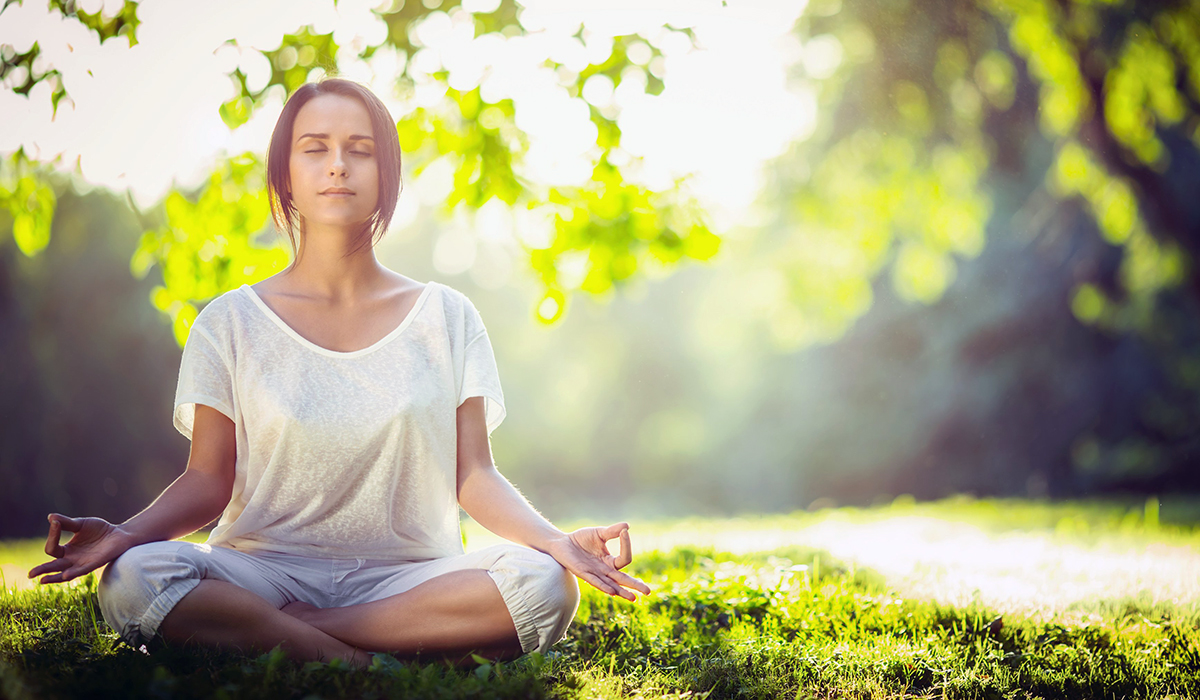
Establishing a mindful approach prior to physical activity can significantly enhance the effectiveness of your workout and promote a sense of calm and focus. Proper preparation ensures that your mind and body are aligned, allowing you to engage fully in your exercise routine with awareness and clarity. This process involves setting an intentional mindset, creating a conducive environment, and practicing simple breathing techniques to ground yourself before movement begins.
By dedicating a few moments to deliberate preparation, you cultivate presence and reduce distractions, making your workout more mindful and fulfilling. This preparatory step not only improves physical performance but also nurtures mental well-being, supporting consistency and long-term benefits of your mindfulness practice.
Step-by-Step Guide to Set a Focused Mindset
- Pause and Center Yourself: Before starting your exercise, take a moment to pause and focus on your current state. Bring your attention inward and acknowledge any thoughts, emotions, or physical sensations without judgment.
- Set an Intention: Clarify your purpose for the session. Whether it’s enhancing strength, improving flexibility, or simply cultivating mindfulness, setting a clear intention guides your focus during exercise.
- Practice Gentle Grounding: Engage in a brief grounding exercise, such as feeling your feet on the floor or the contact of your body with the surface. This helps anchor your awareness in the present moment.
- Visualize a Positive Outcome: Imagine yourself performing the exercise with mindfulness and ease, visualizing success and a sense of calm throughout your session.
- Adopt a Relaxed Posture: Maintain an upright but relaxed stance, with shoulders down and breath flowing smoothly, signaling readiness and openness.
Checklist for Creating a Calm Environment
Creating an environment conducive to mindful meditation during exercise involves eliminating distractions and fostering tranquility. Here is a checklist to help establish such a space:
- Choose a quiet, clutter-free area with minimal external noise.
- Ensure sufficient lighting that is soft and natural if possible.
- Set the temperature to a comfortable level—neither too hot nor too cold.
- Use calming elements such as soft music, natural sounds, or white noise if it helps you focus.
- Remove potential interruptions by turning off notifications on devices or informing others of your meditation time.
- Use a dedicated mat or cushion to provide a physical sense of grounding and comfort.
Simple Breathing Exercise Prior to Workout
Engaging in a brief breathing exercise prior to exercise can help calm the nervous system, improve oxygen flow, and center your attention. The following table Artikels a straightforward breathing practice designed to prepare your mind and body effectively:
| Step | Duration | Tips | Notes |
|---|---|---|---|
| Find a comfortable seated or standing position, upright but relaxed. | 30 seconds | Keep your shoulders relaxed and away from your ears. | Focus on maintaining a straight spine to facilitate deep breathing. |
| Inhale slowly through your nose for a count of 4. | 4 seconds | Fill your lungs from the bottom up, expanding your abdomen. | Maintain a gentle, steady flow of breath. |
| Hold your breath gently for a count of 2. | 2 seconds | Keep your face relaxed; avoid straining. | This brief pause enhances oxygen exchange and focus. |
| Exhale slowly and fully through your nose or mouth for a count of 6. | 6 seconds | Engage your abdominal muscles to expel all air. | Feel the body releasing tension with each exhale. |
| Repeat the cycle 3-5 times. | Approximately 2-3 minutes | Maintain awareness of the breath and body sensations. | Use this time to settle into a calm, focused state before exercise. |
Implementing these preparatory steps can significantly enhance your mindfulness during exercise, fostering a more present, relaxed, and effective workout experience. Consistent practice reinforces a mindful attitude that benefits both physical and mental well-being over time.
Techniques for Mindfulness During Exercise
Maintaining present-moment awareness during physical activity enhances not only the effectiveness of the workout but also deepens the mindfulness experience. Incorporating specific techniques helps cultivate a focused and attentive mindset, transforming routine exercises into opportunities for mental clarity and emotional balance. Whether engaging in cardio, strength training, or flexibility exercises, these methods enable practitioners to stay grounded and fully engaged in the moment.Mindfulness during exercise involves intentionally directing attention to bodily sensations, breath, and the environment, reducing distractions and promoting a sense of calm.
Employing various techniques can vary based on the type of activity, but the core principles remain consistent: cultivating awareness, acceptance, and non-judgmental observation of experiences.
Body Scans and Sensory Observation
A foundational mindfulness technique involves conducting a body scan, where attention is sequentially directed to different parts of the body. During exercise, this helps increase awareness of muscle engagement, tension, and relaxation, fostering a harmonious connection between mind and body. Sensory observation encourages noticing external stimuli—such as sounds, smells, and textures—which can anchor attention and enrich the exercise experience.
- Focus on the sensation of each muscle group working during strength training, such as feeling the contraction of the biceps during curls or the engagement of core muscles during planks.
- Notice the shifting sensations of the feet on the ground or the contact of the hands with equipment in weightlifting, grounding awareness in physical presence.
- Attend to the natural rhythm and sensations of breathing during yoga or stretching, observing the expansion and contraction of the chest and abdomen.
- Pay close attention to external stimuli, such as the sound of footsteps during running, the texture of the yoga mat, or the temperature of the air, to deepen sensory engagement.
Breath Focus and Mental Anchoring
Focusing on breath serves as a powerful anchor for maintaining mindfulness across various exercise forms. By paying deliberate attention to inhalation and exhalation, practitioners can reduce mental chatter and stay centered amid physical exertion. Breath awareness also enhances oxygen flow, supports movement efficiency, and fosters calmness.
“Breathing is the bridge that connects the body and mind, anchoring awareness in the present moment.”
- During running, synchronize steps with inhalation and exhalation, such as inhaling for three steps and exhaling for three steps, to create rhythm and calmness.
- In weightlifting, focus on the breath as you lift and lower weights, such as inhaling on the eccentric phase and exhaling during the exertion to promote stability and mindfulness.
- In yoga, use the breath to guide movement, cultivating a smooth flow that emphasizes each inhalation and exhalation cycle, which enhances concentration and relaxation.
- In high-intensity workouts, take brief, intentional breaths between sets or circuits to reset focus and maintain awareness of bodily sensations and effort levels.
Integrating Mindfulness into Specific Exercise Types
Adapting mindfulness techniques to different workouts ensures that mental presence enhances overall performance and enjoyment. Different exercises offer unique opportunities for mindful engagement, from dynamic cardio to static holds and fluid yoga flows.
- Running: Pay attention to the sensation of feet striking the ground, observe the rhythm of your breathing, and notice environmental stimuli like sounds and scents to remain fully present.
- Weightlifting: Use body scans to focus on muscle engagement, breathe consciously with each lift, and observe physical sensations such as muscle fatigue or tension to stay grounded.
- Yoga: Focus on the flow of movement coordinated with breath, observe sensations in muscles and joints, and notice external stimuli to deepen mindfulness during each pose and transition.
Breathing Exercises to Enhance Mindfulness in Movement

Integrating specific breathing techniques into your exercise routine can significantly elevate your mindfulness, helping you stay focused, present, and in tune with your body’s movements. These breath patterns not only improve oxygen flow but also foster a calm mental state, creating a more effective and enjoyable exercise experience.
Practicing mindful breathing during movement encourages a deeper connection between the mind and body, reducing stress and increasing overall awareness. Below are several proven breathing patterns suited to enhance mindfulness during various forms of exercise, along with detailed guidance on their implementation.
Breathing Techniques for Mindful Movement
Each technique offers unique benefits and can be adapted to different types of physical activity. When practiced regularly, these breathing patterns help to anchor your attention, improve endurance, and cultivate a sense of tranquility even amid vigorous exercise.
| Technique Name | Steps | Benefits | Suitable Exercises |
|---|---|---|---|
| Diaphragmatic Breathing |
|
|
Yoga, Pilates, walking, stretching routines. |
| Box Breathing (Square Breathing) |
|
|
Running, cycling, strength training, high-intensity interval training (HIIT). |
| Alternate Nostril Breathing (Nadi Shodhana) |
|
|
Yoga flows, tai chi, slow martial arts, walking meditations. |
Procedural Guide for Practicing Breathing Techniques During Exercise
Implementing these breathing exercises into your workout requires mindful awareness and deliberate practice. Start by selecting a technique suited to your activity intensity and personal preference. During exercise, focus on maintaining a steady and controlled breath pattern, aligning your breath with your movements for maximum benefit.
For example, during a brisk walk or run, employ diaphragmatic breathing by consciously expanding your belly with each inhalation and relaxing on the exhale. In more intense workouts like weightlifting or cycling, box breathing can provide a calming rhythm to sustain focus and reduce fatigue. For gentle movement practices such as yoga or tai chi, alternate nostril breathing can deepen your sense of balance and presence.
Begin with short sessions, gradually increasing duration as your proficiency and comfort improve. Always prioritize breath awareness over speed or intensity, ensuring your breathing remains smooth, consistent, and natural. This practice not only enhances physical performance but also nurtures mental clarity and emotional stability.
Overcoming Distractions and Maintaining Focus
Maintaining mindfulness during exercise requires consistent attention and presence, yet external and internal distractions can easily divert focus. Developing effective strategies to recognize and manage these distractions is vital for cultivating a deeper mindfulness practice. By employing specific techniques, individuals can enhance their ability to stay engaged with their movement and breath, promoting a more profound sense of awareness and overall well-being during physical activity.Distractions during exercise may originate from the environment, such as noise, interruptions, or uncomfortable surroundings, as well as internal sources like wandering thoughts, physical discomfort, or emotional fluctuations.
Recognizing these distractions early allows practitioners to implement techniques that refocus attention and sustain mindfulness. These methods involve a combination of sensory grounding, visualization, and the use of specific cues or mantras to anchor the mind in the present moment.
Strategies for Identifying and Managing Distractions
Identifying distractions promptly is the first step toward managing them effectively. Paying close attention to the flow of thoughts, sensations, and external stimuli can help practitioners notice when their focus begins to drift. Once identified, several techniques can be employed to regain concentration:
- Grounding Exercises: These involve reconnecting with the physical environment by focusing on sensory input. For example, noticing the texture of the ground beneath your feet or the temperature of the air around you can re-anchor attention.
- Mindfulness Cues: Establishing specific cues, such as gently touching your thumb and forefinger together or placing a hand on your heart, can serve as physical reminders to return to the present moment when distraction arises.
- Use of Mantras or Affirmations: Repeating a calming phrase or word silently, like “present” or “steady,” can help redirect focus away from wandering thoughts or external noise.
- Visualization Techniques: Envisioning a peaceful setting or a calming image can help redirect mental energy and reduce internal distractions. For example, imagining a tranquil lake or a quiet forest can evoke relaxation and focus.
- Structured Breathing Patterns: Returning to a simple breathing exercise, such as deep diaphragmatic breath or counting breaths, provides a steady focal point that can settle the mind amid distractions.
Organizing Focus-Refocusing Techniques
To effectively manage distractions during exercise, integrating these techniques into a mindful routine can be highly beneficial. Creating a mental or physical checklist ensures that if attention wavers, a specific method is readily available to restore focus. For instance, a practitioner might first perform a grounding exercise, then repeat a mantra, and finally visualize a calming scene to regain mindfulness.
Consistent practice of these strategies enhances the ability to sustain attention over time, leading to a more enriching exercise experience rooted in present-moment awareness.
Post-Exercise Mindfulness Practices
Engaging in mindful practices after physical activity enhances recovery, reinforces the benefits of exercise, and deepens your overall mindfulness journey. These practices help to bring awareness to your body and mind, fostering a sense of gratitude and calmness that extends beyond the workout session. Incorporating intentional mindfulness routines post-exercise can also improve your ability to stay present in everyday activities and promote long-term mental well-being.After completing your exercise, dedicating a few minutes to mindful reflection supports body awareness, emotional regulation, and mental clarity.
These practices serve as a bridge between physical exertion and mental relaxation, encouraging a harmonious connection between body and mind. Engaging in thoughtful post-exercise mindfulness can deepen your self-awareness, reduce residual stress, and cultivate a sense of gratitude for your body’s capabilities.
Body Scan and Gratitude Reflection
Performing a body scan or gratitude reflection after exercise involves specific steps designed to enhance mindfulness and promote a sense of well-being:
- Find a comfortable position: Sit or lie down in a quiet environment where you won’t be disturbed. Ensure your body is relaxed and supported.
- Begin with deep breathing: Take several slow, deep breaths, inhaling through your nose and exhaling through your mouth, to center your attention and calm the mind.
- Conduct a body scan: Starting from the top of your head, slowly direct your awareness down through your body. Notice sensations, tension, or areas of comfort without judgment. Pay special attention to muscles engaged during exercise, such as your legs, core, and shoulders.
- Identify areas of gratitude: After the scan, reflect on your body’s resilience and strength. Consider expressing gratitude for your physical capabilities, the effort you put into your workout, and the progress made.
- Wrap up with mindful breathing: Finish with a few moments of mindful breathing, acknowledging your effort and setting positive intentions for the rest of your day.
“A body scan fosters awareness and appreciation of the body’s signals, promoting healing and self-compassion.”
Calming Cool-Down Routine with Mindfulness Elements
Creating a mindful cool-down routine involves deliberate incorporation of relaxation and awareness techniques to transition smoothly from activity to rest. Emphasizing mindfulness during cool-down not only enhances physical recovery but also cultivates mental calmness and clarity. Here are key components:
- Gentle stretching: Engage in slow, deliberate stretches targeting major muscle groups used during exercise, paying attention to the sensation of each movement.
- Mindful breathing: Incorporate deep, diaphragmatic breathing, focusing on the rise and fall of your abdomen, maintaining awareness of each breath cycle.
- Body awareness: Use guided body scans or gentle palpation of muscles to foster awareness and release residual tension.
- Visualization: Imagine a peaceful scene or envision energy flowing anew through your body, helping to reinforce relaxation and mindfulness.
- Set positive intentions: Conclude by mentally affirming your commitment to ongoing mindfulness practice and appreciation for your physical effort.
Designing a mindful cool-down transforms routine recovery into an intentional, calming ritual that supports both body and mind.
Post-Exercise Mindfulness Activities and Their Benefits
Engaging in specific mindfulness activities after exercise can significantly enhance recovery and emotional well-being. These activities foster a deeper connection with your body and mind, leading to various physical, mental, and emotional benefits:
- Gratitude journaling: Writing about what you are grateful for after exercise boosts positive emotions, enhances motivation, and cultivates a sense of contentment.
- Walking meditation: A slow, deliberate walk focusing on each step and breath improves body awareness, reduces stress, and promotes mental clarity.
- Progress reflection: Reviewing your workout achievements fosters self-compassion and motivates continued progress.
- Progressive muscle relaxation: Systematically tensing and relaxing muscle groups post-exercise helps alleviate residual tension and encourages relaxation.
- Mindful hydration and nutrition: Consuming water or nourishing food with full attention encourages mindful consumption, supporting digestion and hydration, and fostering appreciation for nourishing your body.
These activities can lead to enhanced relaxation, improved body awareness, increased emotional resilience, and a greater sense of gratitude for your physical and mental efforts. Regular practice of post-exercise mindfulness also promotes sustainable habits, encouraging a balanced approach to fitness and mental health.
Common Challenges and Solutions in Mindful Exercise
Practicing mindfulness during exercise can significantly enhance physical and mental well-being. However, individuals often encounter various challenges that may hinder their ability to maintain focus and fully experience the benefits of mindful movement. Recognizing these common difficulties and understanding practical solutions can help practitioners develop a more consistent and rewarding mindfulness exercise routine. Addressing obstacles proactively ensures that mindfulness remains a sustainable and integral part of exercise sessions, fostering greater awareness, relaxation, and overall effectiveness.Understanding the typical difficulties faced during mindful exercise allows for the development of tailored strategies that facilitate deeper engagement and resilience against distractions.
By adjusting exercise intensity, modifying techniques, or incorporating guided meditations, individuals can navigate these challenges effectively, creating a supportive environment conducive to mindfulness. The following table summarizes prevalent challenges along with their potential causes and recommended solutions to assist practitioners in overcoming common hurdles.
Challenges of Maintaining Focus During Exercise
Maintaining a steady focus during physical activity can be difficult, especially when the mind tends to wander or become distracted by external stimuli or internal thoughts. This challenge is compounded during high-intensity workouts or when performing complex movements that require significant concentration.
- Potential Causes: Fatigue, overexertion, environmental distractions, or habitual multitasking while exercising can divert attention away from mindfulness. Additionally, a busy or restless mind may find it hard to stay present.
- Recommended Solutions: Incorporate short, frequent pauses to reset focus, reduce exercise intensity temporarily, and establish a quiet, clutter-free environment. Using guided meditations or mindfulness prompts during exercise can also anchor attention. Gradually increasing exercise complexity while maintaining awareness can help build concentration over time.
Difficulty Adjusting Intensity for Mindfulness
Some practitioners experience difficulty balancing exercise intensity with mindful awareness. High-intensity workouts often demand physical exertion that can overshadow mental focus, while very gentle movements might not engage the body enough to cultivate mindfulness.
- Potential Causes: A mismatch between exercise level and individual capacity, or a lack of awareness of how intensity impacts mindfulness, can create challenges.
- Recommended Solutions: Adjust the workout intensity to a moderate level that is challenging yet manageable, allowing for sustained attention. Incorporate slow, controlled movements such as yoga or tai chi, which naturally promote mindfulness. Listening to the body’s signals and taking breaks as needed support a balanced approach.
Modifying Techniques to Enhance Engagement
Practitioners may find that certain mindfulness techniques or exercises do not resonate with them or feel ineffective, leading to decreased motivation and inconsistent practice.
- Potential Causes: Personal preferences, physical limitations, or unfamiliarity with specific techniques can hinder engagement.
- Recommended Solutions: Experiment with different mindfulness practices—such as body scans, breath awareness, or movement-based meditation—to identify what suits individual preferences. Modify techniques to accommodate physical restrictions or comfort levels. Incorporating visualization or affirmations can also make practices more engaging and personalized.
Incorporating Guided Meditations Effectively
Using guided meditations during exercise can be highly beneficial, but some may find it distracting or challenging to follow along, especially in dynamic or noisy environments.
Guided meditations serve as external anchors that can support focus and consistency in mindfulness practice.
- Potential Causes: Distractions in the environment, difficulty following audio instructions, or a preference for silent practice may limit effectiveness.
- Recommended Solutions: Select high-quality recordings with clear, calm instructions suited to the exercise type. Practice in a quiet space when possible, or use headphones for better immersion. Gradually transition from guided sessions to independent mindfulness once familiarity and confidence increase.
Handling External Distractions and Environmental Noise
External stimuli such as noise, movement, or interruptions can pull focus away from mindfulness during exercise sessions.
- Potential Causes: Exercising in public or shared spaces, external noise pollution, or unexpected interruptions.
- Recommended Solutions: Choose quiet, dedicated spaces for practice when possible. Use calming sounds or white noise to mask distractions. Develop mental resilience by practicing acceptance of unavoidable stimuli, viewing them as part of the mindfulness journey. Maintaining a flexible attitude helps sustain practice despite environmental challenges.
Table of Common Challenges, Causes, and Solutions
| Challenge | Potential Causes | Recommended Solutions |
|---|---|---|
| Difficulty maintaining focus during exercise | Fatigue, environmental distractions, wandering thoughts | Shorten sessions, reduce intensity, use guided meditations, create a distraction-free environment |
| Balancing exercise intensity with mindfulness | Mismatch in effort level, physical or mental fatigue | Adjust to moderate intensity, incorporate slow movements, listen to body signals |
| Disengagement from techniques or practices | Personal preferences, physical limitations, unfamiliarity | Experiment with different practices, modify techniques, personalize routines |
| Challenges in following guided meditations | Environmental noise, difficulty following instructions | Select suitable recordings, practice in quieter spaces, use headphones |
| External distractions | Noisy environment, interruptions | Choose quiet locations, use calming sounds, develop acceptance and flexibility |
Incorporating Mindfulness in Different Exercise Environments
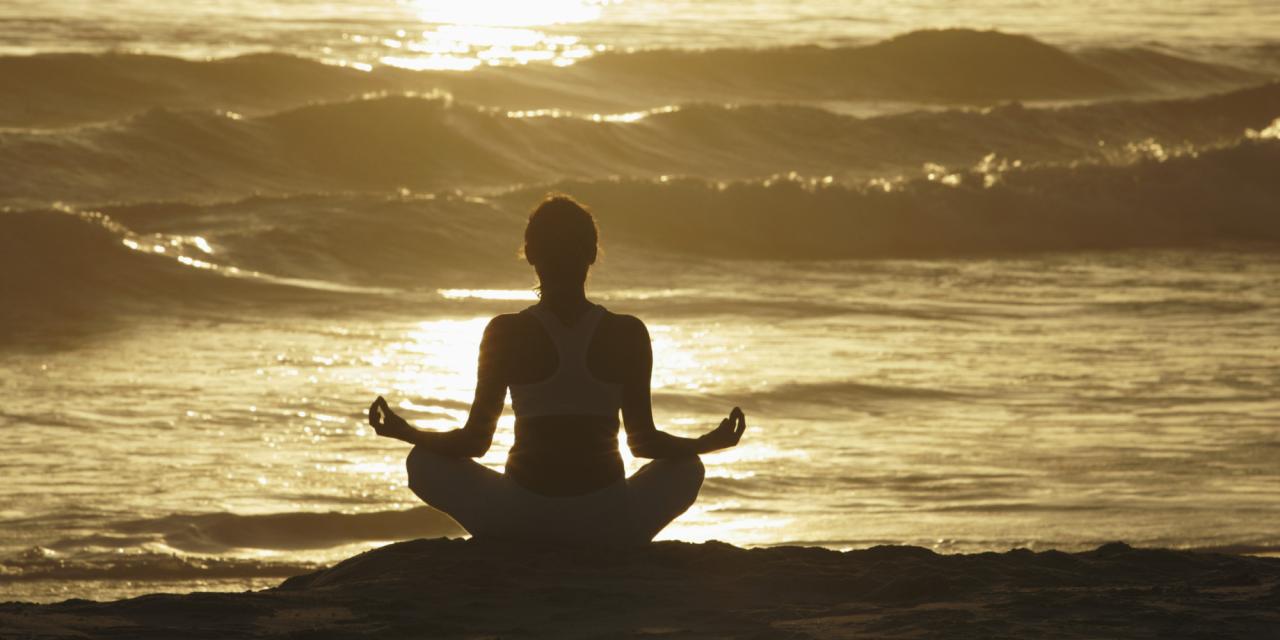
Practicing mindfulness during exercise can be highly effective in enhancing awareness, focus, and overall well-being. However, the environment in which you exercise significantly influences how you can adapt your mindfulness practice. Whether outdoors, in a gym, or at home, tailoring your approach ensures consistency and effectiveness, no matter the setting. Understanding environment-specific cues and tools can help you maintain a mindful state and deepen your connection to your movements and breath throughout your workout.
Adapting Mindfulness Practices for Outdoor Settings
Outdoor exercise environments offer unique opportunities and challenges for mindfulness. The natural surroundings—such as trees, water, or open skies—can serve as powerful cues to anchor your attention and cultivate present-moment awareness. However, outdoor settings also introduce distractions like noise, movement, or weather conditions that require specific adaptation.
Use natural stimuli as focal points
Focus your attention on the sensation of the wind against your skin, the sound of birds, or the feeling of grass beneath your feet. These sensory experiences enhance grounding.
Incorporate environmental cues
The changing sunlight or the presence of wildlife can serve as reminders to bring your attention back to your breath and bodily sensations when your mind wanders.
Prepare for variability
Dress appropriately for weather conditions to ensure comfort and safety, enabling you to sustain mindfulness without physical discomfort distracting you.
Use portable tools
Carry a small meditation cushion or a mindfulness bell—such as a chime or app—to signal transitions or to reinforce mindfulness during pauses.
Implementing Mindfulness in a Gym Environment
Gyms provide a structured, equipment-rich setting that can be effectively integrated with mindfulness practices. The consistent environment and availability of equipment make it easier to incorporate mindful routines into your workout.
Focus on bodily sensations
Pay close attention to how your muscles feel when lifting weights or performing cardio, fostering a deeper connection with movement.
Use equipment as cues
For example, a treadmill’s pace indicator or the sound of weights clanking can serve as anchors to maintain present-moment awareness.
Minimize distractions
Wear noise-canceling headphones with guided mindfulness cues or calming music, and choose times when the gym is less crowded to reduce external distractions.
Establish routine cues
Set specific moments during your workout—such as at the start or end of a set—to take a few deep breaths, grounding your focus.
Creating a Mindful Routine for Home Workouts
Home workouts afford privacy and flexibility, allowing for personalized mindfulness integration. Creating a dedicated space and routine helps reinforce consistency.
Designate a specific area
Use a corner or a dedicated mat as your mindful exercise zone, signaling to your mind that this is the space for focused movement and awareness.
Incorporate cues from your environment
Light a candle or play soft music that signals the start of your mindful session and helps you transition into a focused state.
Use visual or tactile tools
Place a small stone, a feather, or a plant nearby to serve as tactile or visual anchors during your practice.
Establish a regular schedule
Consistency is key; exercising at the same time and following a set sequence reinforces your mindfulness habit regardless of external surroundings.
Adapting mindfulness practices to various environments involves using sensory cues, establishing routines, and utilizing environment-specific tools that anchor attention and foster present-moment awareness throughout your exercise.
Closure
Incorporating mindfulness meditation into your exercise routine can profoundly impact your overall well-being. By consistently practicing focused breathing, managing distractions, and reflecting post-workout, you foster a more mindful approach to fitness that benefits both body and mind. Embracing these techniques helps turn physical activity into a mindful journey, promoting sustained health and mental clarity.