Discovering how to meditate for mindfulness in nature offers a profound opportunity to deepen your connection with the natural world while cultivating mental clarity and emotional balance. Practicing meditation outdoors not only enriches sensory awareness but also fosters a sense of tranquility that is often elusive in everyday life.
This guide provides practical steps, effective techniques, and helpful tips to enhance your outdoor mindfulness practice, enabling you to experience the full restorative benefits of immersing yourself in natural environments.
Understanding Meditation for Mindfulness in Nature
Meditation for mindfulness in natural environments involves intentionally focusing one’s attention on the present moment while immersed in the sights, sounds, textures, and smells of the outdoors. This practice encourages a deep connection with nature, fostering a sense of tranquility and heightened awareness that can significantly enhance mental and emotional well-being.
Engaging in mindfulness meditation outdoors offers unique advantages over indoor practices. Natural settings provide an array of sensory stimuli that can deepen concentration and promote relaxation. The fresh air, natural light, and the gentle rustling of leaves, for example, serve as supportive elements that facilitate a more profound meditative experience, reducing stress and increasing feelings of connectedness with the environment.
Historical and Cultural Contexts Linking Meditation and Nature
Throughout history, various cultures have recognized the inherent link between meditation and nature. In Eastern traditions such as Buddhism and Taoism, natural settings have long been regarded as sacred spaces conducive to spiritual growth and mindfulness. Monks and ascetics often practiced meditation in forests, mountains, and riversides to attain clarity and harmony with the universe.
Similarly, indigenous cultures around the world have incorporated natural elements into their spiritual rituals and meditative practices, emphasizing a symbiotic relationship with the environment. These traditions reflect a universal understanding of nature as a vital component of mindfulness, facilitating a holistic approach to mental and spiritual health.
Preparing for Mindful Meditation Outdoors
Engaging in meditation amidst nature offers a profound opportunity to deepen mindfulness and foster a sense of tranquility. Proper preparation ensures that your outdoor meditation experience is comfortable, effective, and harmonious with the natural environment. Thoughtful planning involves selecting an appropriate setting, gathering necessary materials, and choosing the optimal time to meditate, all of which contribute significantly to the quality of your practice.Choosing the right natural setting is fundamental to establishing a peaceful and undisturbed environment conducive to mindfulness.
The ideal location should be quiet, free from distractions, and comfortable for extended sitting. Factors such as proximity to water bodies like lakes or streams can enhance relaxation through soothing sounds, while shaded areas provide relief from direct sunlight. It is also important to consider the presence of wildlife or other natural activities that might either enrich or interrupt your practice.
Ensuring the area is accessible yet secluded enough to foster concentration can greatly enhance your meditation experience.When selecting a natural setting, take into account essential materials or accessories that support comfort and focus. A sturdy yet comfortable mat or cushion provides insulation from uneven or cold ground surfaces, helping to maintain proper posture during meditation. Lightweight cushions or foldable meditation mats are practical options that can be easily transported.
Additionally, dressing in comfortable, breathable clothing suited to the weather conditions is crucial. Layered attire allows flexibility to adjust for changing temperatures, while items like hats or sunglasses may protect against sun exposure. Bringing along a small towel or blanket can also be beneficial for added comfort or warmth if needed.Timing your outdoor meditation sessions according to weather and natural light patterns enhances both comfort and mindfulness.
Early mornings and late afternoons typically offer cooler temperatures, softer natural lighting, and reduced activity from other people or animals. These times are often ideal for finding solitude and experiencing the calming effects of nature. Monitoring weather forecasts enables you to choose days with clear skies, moderate temperatures, and low wind, ensuring a pleasant experience. It is advisable to avoid times of heavy rain, strong wind, or extreme heat, as these conditions can distract from your practice or compromise comfort.
Selecting a consistent time of day may also help establish a routine, fostering a deeper connection with the natural rhythms of your environment.
Techniques for Meditating in Nature

Practicing mindfulness meditation outdoors offers a unique opportunity to deepen your connection with the natural environment while cultivating present-moment awareness. Employing specific techniques tailored for outdoor settings can enhance your experience, allowing you to fully immerse yourself in the sensory richness of nature and foster a profound sense of calm and clarity.
These techniques are designed to harness the natural elements around you, encouraging a gentle and sustained focus on your sensory perceptions, natural objects, and the environment’s sounds, sights, and textures. Adapting your meditation practice to outdoor settings not only enhances mindfulness but also promotes a sense of unity with the natural world, contributing to overall well-being.
Mindful Breathing amidst Nature
In outdoor environments, conscious breathing becomes an anchor that grounds you in the present moment. Find a comfortable position, ideally sitting or standing in a place where you can observe the surroundings without distraction. Focus your attention on your breath, noticing the inflow and outflow of air as it interacts with the natural air currents. Observe how the breeze, humidity, or temperature influence your breathing patterns.
Use the natural rhythm of your breath to deepen relaxation, allowing your awareness to expand to encompass the sights and sounds of nature around you.
Sensory Awareness Meditation
Sensory awareness is a core practice that involves deliberately engaging each of your senses to connect more fully with your environment. This technique encourages mindfulness by highlighting the details often overlooked in daily life, fostering a profound appreciation for the present moment.
- Sound: Close your eyes if comfortable and listen intently to the sounds of nature—birds singing, leaves rustling, distant water flowing, or insects buzzing. Notice the layers and rhythms without judgment or analysis.
- Sight: Observe the multitude of colors, shapes, and movements around you. Focus on the intricate patterns of leaves, the way light filters through branches, or the subtle shifts in shadow and sunlight.
- Smell: Inhale deeply and identify different scents—fresh earth, flowering plants, damp wood, or the scent of rain on soil. Pay attention to how these smells influence your mood and awareness.
- Touch: Engage tactile sensations by feeling the texture of tree bark, the smoothness of stones, the softness of grass, or the coolness of water. Use these textures as anchors to your current experience.
Guided Sensory Visualization
Design a meditation sequence that emphasizes a gradual progression through sensory engagement. Begin by closing your eyes and taking several deep breaths, grounding yourself in the present. Invite your senses to become active one by one, starting with auditory sensations—listening to the natural symphony around you. Then, shift your focus to visual observations, slowly taking in the surrounding landscape. Next, bring your awareness to your sense of smell, identifying the various natural aromas.
Finally, engage your tactile sense by touching nearby elements like leaves or rocks.
Encourage a slow, deliberate exploration of each sense, maintaining a gentle and curious attitude. This sequence enhances sensory clarity and deepens your mindfulness during outdoor meditation.
Incorporating Natural Elements into Meditation
Enhancing your outdoor meditation by integrating elements of nature can foster a richer and more immersive experience. Natural objects and environmental features serve as tangible anchors, helping to steady your mind and deepen your focus.
- Using Stones: Select a smooth, flat stone to hold or place in front of you. Focus on its temperature, weight, and texture, using it as a physical anchor whenever your mind wanders. Visualize its stability grounding your thoughts.
- Leaves and Plants: Observe the intricate patterns and colors of leaves, or gently touch and feel their textures. You can also use leaves as visual focal points or incorporate their scent into your mindfulness practice.
- Water Elements: If near a stream, pond, or waterfall, listen to the flowing water, observe its movement, or gently splash water on your hands to connect through tactile sensation. The constant flow can symbolize the impermanence of thoughts, encouraging acceptance and release.
“Natural objects serve as anchors that help maintain your focus and deepen your connection with the outdoor environment.”
Incorporating these elements into your meditation routine fosters a multisensory experience that amplifies mindfulness, encourages presence, and nurtures a harmonious relationship with nature.
Enhancing Mindfulness During Nature Meditation
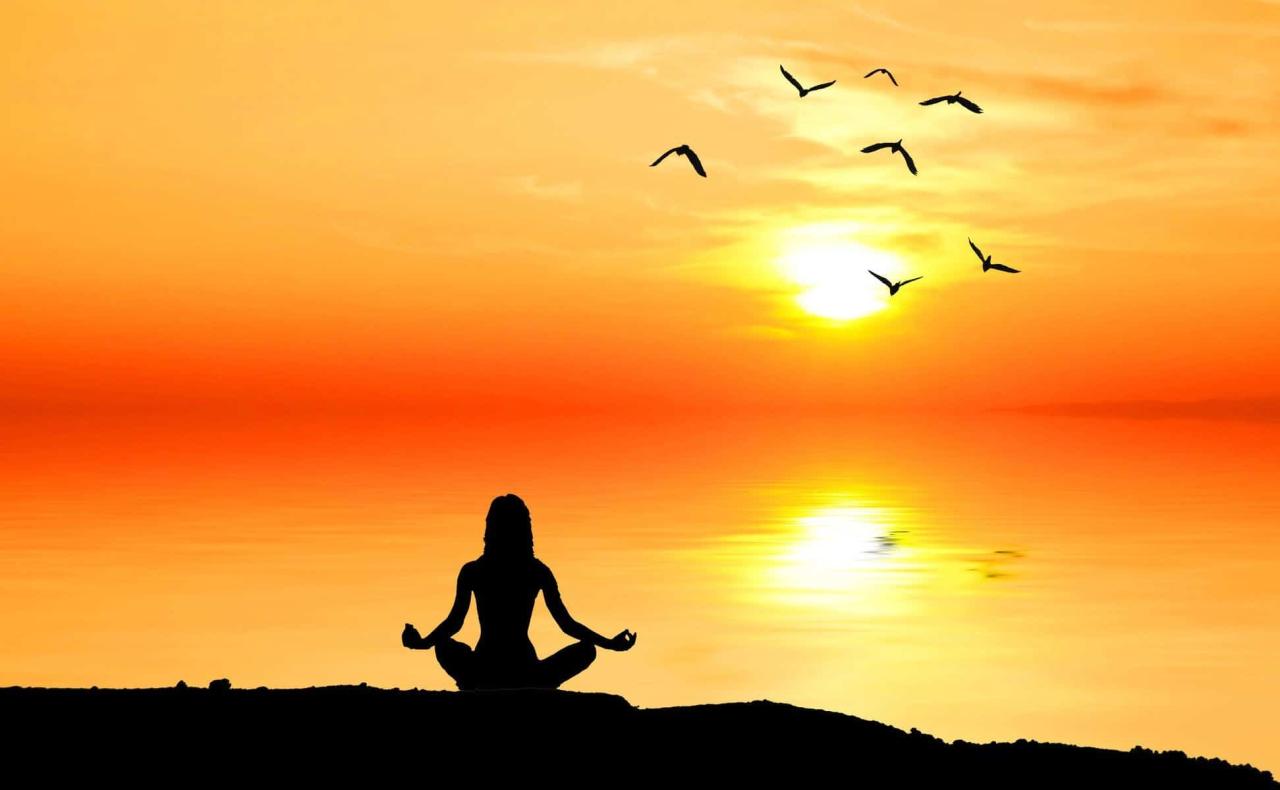
Engaging fully with the natural environment during meditation can deepen your sense of presence and foster a more profound state of mindfulness. By consciously cultivating heightened sensory awareness and aligning your breathing with the natural rhythms around you, you create a harmonious experience that enriches your practice. Incorporating mindful movement further enhances your connection to the environment, making each session more dynamic and immersive.Understanding and applying specific strategies can transform a simple outdoor meditation into a powerful tool for mental clarity and emotional balance.
These techniques not only refine your focus but also cultivate a sustained sense of calm and awareness that extends beyond your meditation session into everyday life.
Strategies for Deepening Sensory Perception and Present-Moment Awareness
Enhancing sensory perception involves intentionally tuning into the sights, sounds, smells, textures, and even tastes of the natural surroundings. These strategies help anchor your consciousness in the present, reducing mental distractions and fostering a sense of unity with nature.
- Focused Observation: Choose a natural element—such as a leaf, a flower, or a bird—and observe it with full attention. Notice its color, texture, shape, and movement without judgment or interpretation. This practice sharpens your sensory acuity and promotes mindfulness.
- Engaging Multiple Senses Simultaneously: Simultaneously attend to various sensory inputs. For instance, listen to the layered sounds of rustling leaves and distant birds, feel the texture of the ground beneath your feet, and smell the fresh air. This holistic awareness deepens your engagement with the present moment.
- Performing Sensory Scanning: Systematically scan your environment from head to toe, noting what you see, hear, feel, and smell. This method helps maintain a grounded presence and prevents wandering thoughts.
Breathing Exercises Synchronizing with Environmental Rhythms
Natural environments offer a rich tapestry of rhythms—such as wind patterns, flowing water, or bird calls—that can be harmonized with your breathing to enhance mindfulness.
Practicing synchronized breathing allows you to attune your inner rhythm with external cues, creating a seamless flow between your body and the environment. This integration cultivates a sense of unity and deepens your meditative experience.
- Nature-Resonant Breath: Inhale slowly as you observe the gentle sway of tree branches or the flow of a stream. Exhale in harmony with these natural movements, matching your breath to their rhythm. For example, breathe in during the rise of a wave or the sway of a branch, and breathe out as it recedes or settles.
- Rhythmic Breathing Based on Environmental Sounds: Use the cadence of distant bird calls or the drip of water as a guide for inhaling and exhaling. For instance, breathe in for a count of four during a long note, then exhale for a similar duration, matching the natural beat.
- Pulse of Nature Meditation: Feel the pulse of your surroundings—such as the heartbeat of a drum-like bird or the rhythmic pattern of falling rain—and synchronize your breathing accordingly. This enhances your sense of connection and mindfulness.
Integrating Mindful Movement into Nature Meditation
Incorporating gentle movements like walking or stretching transforms static meditation into an active mindfulness practice. These movements serve as anchors, helping to maintain attention and foster a deeper awareness of bodily sensations and environmental interactions.
Mindful walking involves deliberate, slow steps, paying close attention to each footfall and the sensations experienced with every movement. Gentle stretching can be synchronized with your breath, allowing your body to relax and open to the surrounding environment.
- Slow Walking Meditation: Walk at a pace that allows you to notice the sensation of your feet touching the ground. Focus on the shifting balance, the movement of muscles, and the sounds of your footsteps blending with nature. Use each step as a reminder to stay present.
- Gentle Stretching: Perform slow, deliberate stretches, such as reaching for the sky or bending forward, in sync with your breath. Feel the stretch and release as you breathe in and out, cultivating a sense of openness and relaxation.
- Incorporating Environment into Movement: Use natural features—like a tree trunk, rock, or patch of grass—as points of focus during movements. For example, lean gently against a tree to stretch or trace the contours of a leaf with your fingertips as part of your mindful practice.
Mindfulness Techniques Table
Below is a table illustrating various mindfulness techniques suitable for outdoor meditation, along with their descriptions and benefits.
| Technique | Description | Benefits |
|---|---|---|
| Focused Senses Observation | Intentionally directs attention to specific sensory experiences, such as sight, sound, or smell, in the environment. | Enhances sensory acuity, reduces mental distractions, and cultivates present-moment awareness. |
| Breath Synchronization with Nature | Aligns inhalation and exhalation with natural rhythms like flowing water, wind, or bird calls. | Deepens connection with surroundings, promotes relaxation, and stabilizes your breathing pattern. |
| Mindful Walking | Walking slowly and attentively, focusing on each step and bodily sensations. | Improves concentration, grounds awareness, and integrates movement into mindfulness practice. |
| Body Scanning | Systematically brings attention to different parts of the body, noticing sensations without judgment. | Relieves tension, enhances bodily awareness, and supports emotional regulation. |
| Gentle Stretching | Performing slow stretches in tune with your breath, mindful of bodily sensations. | Increases flexibility, promotes relaxation, and deepens mind-body connection. |
Overcoming Challenges and Maintaining Consistency
Embarking on outdoor meditation for mindfulness offers numerous benefits, yet it also presents unique challenges that can hinder progress and consistency. Recognizing and addressing these obstacles is essential to cultivating a sustainable practice that enriches one’s mental clarity and emotional resilience over time. Developing strategies to navigate difficulties ensures that mindfulness remains a valuable part of daily life, regardless of external circumstances or environmental changes.Maintaining a regular meditation routine amidst unpredictable outdoor conditions requires patience, adaptability, and perseverance.
Many practitioners encounter interruptions such as weather fluctuations, environmental distractions, or feelings of impatience. By understanding these common hurdles, individuals can implement practical methods to stay committed and deepen their mindfulness journey across various outdoor settings and seasons.
Common Obstacles in Outdoor Meditation and Strategies to Overcome Them
Outdoor meditation can be affected by several factors that challenge concentration and comfort. These include environmental noise, weather variability, physical discomfort, and mental restlessness. Addressing these obstacles involves adopting flexible approaches and creating conducive environments whenever possible.
- Environmental Noise and Distractions: Use natural sounds—such as bird calls or rustling leaves—as a backdrop rather than viewing them as interruptions. Sometimes, incorporating noise-canceling headphones with gentle ambient sounds can help, especially in noisier urban parks or busy natural sites.
- Weather Conditions: Prepare for weather variability by choosing appropriate clothing, such as layered outfits or waterproof gear. Having a backup plan, like moving to a sheltered area during rain or extreme heat, ensures consistency regardless of weather changes.
- Physical Discomfort: Select comfortable seating or mats that support posture and reduce discomfort. Regularly adjusting positions can prevent stiffness, especially during longer sessions.
- Environmental Distractions: Minimize visual distractions by choosing a quiet, less crowded spot. Focus on a fixed point or the natural beauty around you to anchor your attention amidst external stimuli.
Cultivating Patience and Persistence in Practice
Building a consistent outdoor meditation practice demands patience and a gentle approach toward progress. Mindfulness development is a gradual process, and setbacks or fluctuations in motivation are natural.
“Progress in meditation is like tending a garden; patience and regular care eventually yield growth.”
To foster persistence, set realistic goals, such as starting with five-minute sessions and gradually increasing duration. Celebrate small milestones to reinforce commitment and remind oneself of the benefits gained from each practice. Maintaining a positive mindset helps in overcoming initial frustrations and encourages continued effort, even when external conditions are less than ideal.
Tracking Progress and Reflections
Monitoring advancement and reflecting on experiences deepen awareness and highlight personal growth in mindfulness practice.
Keeping a journal dedicated to outdoor meditation sessions allows practitioners to record insights, challenges, and emotional shifts. Writing about the environment, physical sensations, and mental states during each session fosters self-awareness and helps identify patterns or triggers that influence focus. Visual aids, such as charts or mood trackers, can vividly illustrate progress over time and motivate ongoing practice.
| Reflection Tool | Description |
|---|---|
| Journaling | Writing detailed entries about each meditation session, noting environmental conditions, mental clarity, and emotional responses. |
| Progress Charts | Using visual graphs to track duration, frequency, and subjective well-being, providing a clear view of development. |
| Seasonal Adaptation Notes | Documenting how outdoor environments and weather influence practice, enabling adjustments for different seasons. |
Adapting Meditation Practices to Different Outdoor Environments and Seasons
Flexibility in meditation techniques enhances resilience across varying outdoor landscapes and seasonal changes. Each environment has unique qualities that can be leveraged or may require modifications for optimal mindfulness.For example, in a lush park during spring, practitioners might focus on the vibrant colors and blooming flora to deepen sensory awareness. In colder seasons, layering clothing and choosing sheltered spots can maintain comfort, while incorporating breathing exercises to generate warmth and energy.
During windy days, anchoring oneself more firmly to the ground and breathing slowly can help maintain concentration despite external disturbances.In urban settings, integrating awareness of city sounds and sights as part of mindfulness can transform distractions into opportunities for expanded perception. Conversely, in remote natural areas, maximizing immersion by fully engaging all senses fosters a profound connection with nature, enhancing the meditative experience.Adapting practices involves not only modifying techniques but also cultivating an attitude of openness and patience, recognizing that each environment offers a unique context for growth.
Regularly reassessing and fine-tuning approaches according to seasonal and environmental shifts sustains progress and deepens mindfulness practice outdoors.
Additional Resources and Inspiration
Engaging with a variety of external materials and environments can deepen your understanding and practice of mindfulness in nature. These resources serve as valuable tools to inspire, guide, and enhance your outdoor meditation journey, fostering a sustained connection with the natural world while cultivating inner peace and awareness.Exploring curated materials, natural settings, community activities, and visual content can provide diverse perspectives and practical support.
Whether you are a beginner or an experienced practitioner, these resources can help you integrate mindfulness seamlessly into your daily life and outdoor experiences.
Recommended Reading Materials, Guided Recordings, and Apps
Numerous books, recordings, and digital applications are dedicated to outdoor mindfulness and meditation practices. These resources offer structured guidance, educational insights, and immersive experiences that can be accessed anytime, anywhere.
- Books: Titles such as “The Mindful Outdoors” by Jon Kabat-Zinn and “Meditation in Nature” by Thich Nhat Hanh provide comprehensive frameworks and personal anecdotes that encourage a deeper connection with nature while practicing mindfulness.
- Guided Meditation Recordings: Audio and video recordings available on platforms like Insight Timer, Calm, or Headspace feature outdoor-specific meditations. These often include cues to observe natural sounds, sights, and sensations, enhancing environmental awareness.
- Apps: Mobile applications such as “Meditation Oasis” and “MyLife Meditation” include outdoor meditation modules, GPS-enabled location suggestions, and environmental tracking to support ongoing mindfulness practices in various natural settings.
“Choosing resources that resonate with your personal preferences fosters a more engaging and sustainable mindfulness practice.”
Natural Settings Conducive to Meditation
The environment plays a crucial role in shaping the quality of outdoor meditation experiences. Various settings, from bustling urban parks to remote wilderness, offer unique opportunities for mindfulness practice.In urban areas, parks and green spaces provide accessible environments rich with natural elements such as trees, water features, and open sky, creating a tranquil atmosphere amidst city life. These settings are ideal for integrating short, frequent meditation sessions into daily routines.In contrast, remote wilderness locations like mountain trails, lakesides, or forest clearings offer pristine environments free from noise and distraction.
These settings are particularly suited for deeper, immersive meditative experiences that foster a profound sense of connection with nature.Natural settings conducive to meditation include:
- Urban parks with shaded trees, benches, and water features
- Beaches or coastal areas with gentle waves and open horizons
- Forested areas with canopy cover and earthy scents
- Mountain slopes and high-altitude lakes offering silence and expansive views
- Remote wilderness such as national parks, nature reserves, or wilderness trails
Community and Group Activities Promoting Outdoor Mindfulness
Participating in group or community-based outdoor mindfulness activities can enhance motivation, provide social support, and deepen practice.Organized outdoor meditation groups often meet in local parks, botanical gardens, or community centers, offering guided sessions led by experienced instructors. These gatherings encourage shared experiences and foster a sense of belonging within a mindful community.Nature walks combined with mindfulness exercises, such as sensory awareness or mindful breathing, are popular structured activities.
Additionally, community retreats held in natural settings provide immersive experiences that blend meditation, yoga, and environmental appreciation.Local organizations may also host events like mindfulness festivals, ecological conservation projects with mindful practices, or outdoor yoga sessions, all designed to cultivate awareness and respect for the environment while practicing mindfulness.
Creating Visual or Written Content that Captures the Essence of Meditating in Nature
Developing visual or written content that authentically reflects outdoor meditation experiences requires attention to sensory detail, emotional tone, and environmental context.In visual content, capturing the vibrant, tranquil qualities of natural settings involves focusing on natural light, textures, and movements. For example, an image might depict a person sitting peacefully beneath a canopy of trees, with dappled sunlight filtering through leaves, or a close-up of hands resting on a smooth river stone, emphasizing tactile sensations.Writing content should evoke the serenity, vibrancy, and subtle sounds of nature.
Descriptions that incorporate sensory details—such as the rustling leaves, the scent of pine, or the gentle flow of water—help convey the immersive experience. Personal reflections or poetic descriptions can deepen the emotional resonance.Effective content might include:
- Photographs that showcase diverse natural environments with a person engaged in meditation, emphasizing harmony between human and nature
- Videos capturing ambient sounds like bird calls, wind rustling through leaves, or flowing streams to complement visual elements
- Written narratives or poetry that describe the meditative experience, highlighting feelings of calm, awe, and interconnectedness
- Infographics or illustrative guides that depict common outdoor meditation postures, environmental considerations, and mindfulness cues
Creating authentic content that captures the essence of meditating in nature can inspire others to explore and cultivate their own outdoor mindfulness practices, fostering a broader appreciation for the natural world as a sanctuary for mental and spiritual well-being.
Final Thoughts
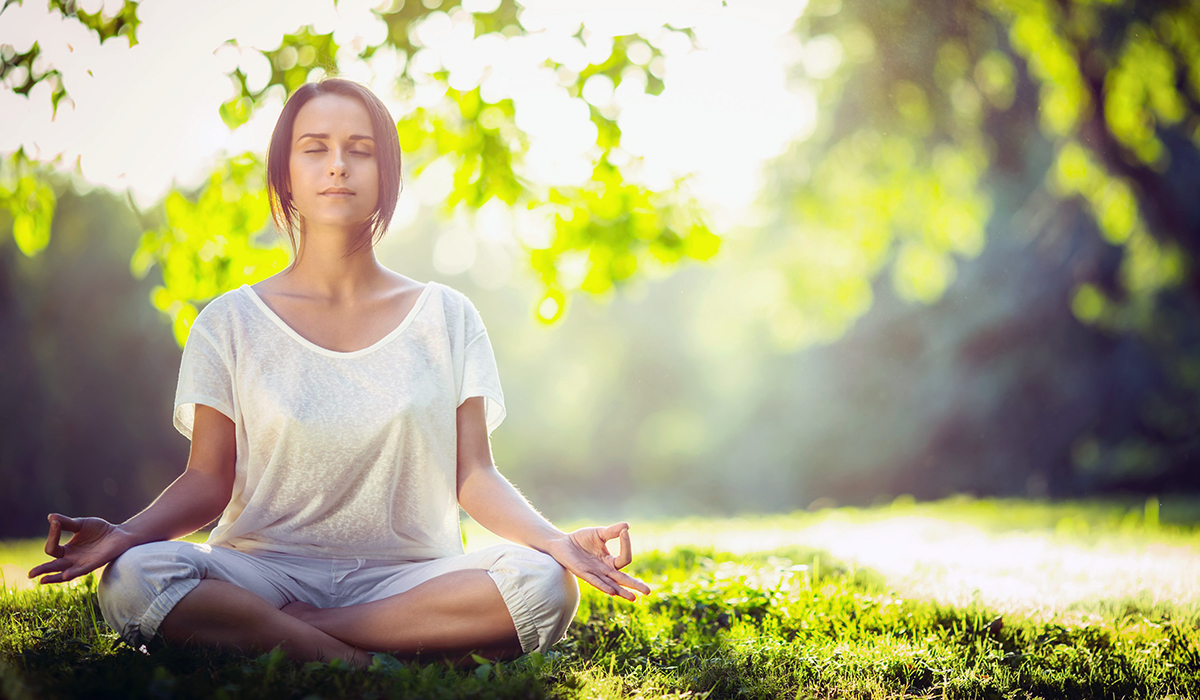
Embracing how to meditate for mindfulness in nature can transform your mental well-being and deepen your appreciation for the world around you. By consistently integrating these practices into your routine, you unlock a path toward greater serenity and self-awareness, ultimately enriching your life and fostering a harmonious relationship with nature.