Embarking on the journey of mindfulness meditation within the shower offers a unique and accessible pathway to cultivate presence and calmness amidst daily routines. Integrating meditation into this familiar activity transforms an ordinary shower into a sanctuary for mental clarity and relaxation, providing an unexpected yet effective method to enhance your mindfulness practice.
This guide explores practical techniques to focus attention on water sensations, breathing, and sounds, while offering tips to manage distractions and deepen your presence. By seamlessly incorporating these practices into your shower routine, you can experience profound benefits that extend beyond the bathroom into your everyday life, fostering greater calm and awareness.
Introduction to Mindfulness Meditation in Shower
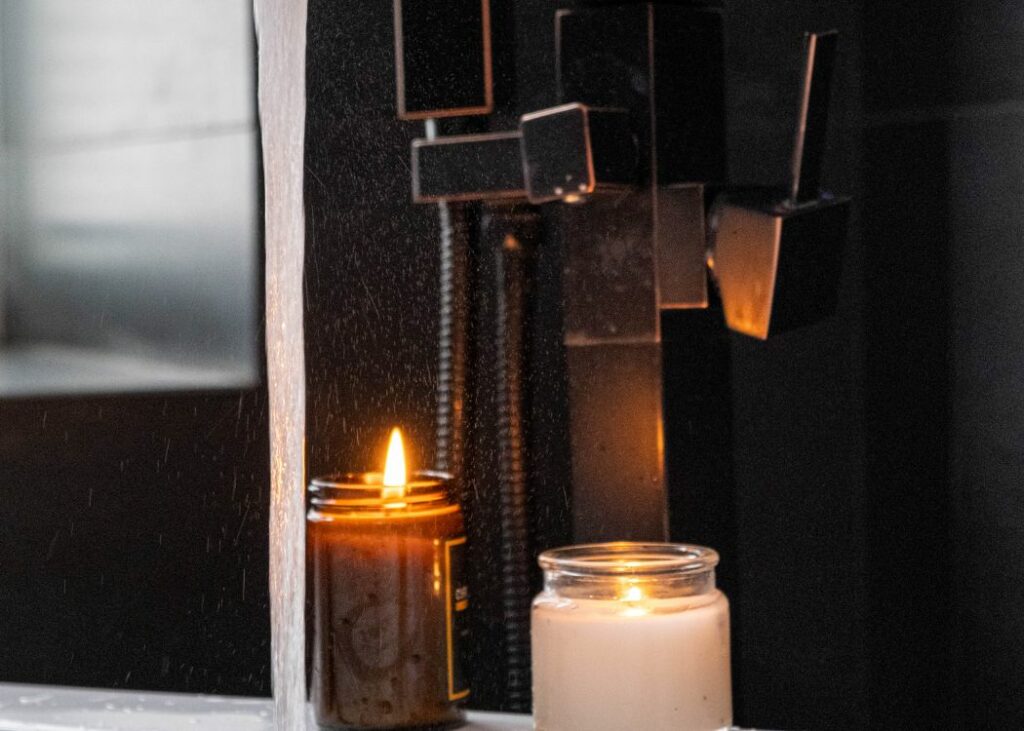
Practicing mindfulness meditation during shower time offers a unique opportunity to incorporate present-moment awareness into a routine activity. This approach transforms a simple daily task into a mindful experience that nurtures mental clarity and emotional calmness. Engaging in meditation within the shower allows individuals to cultivate a sense of tranquility amidst their busy schedules, making it an accessible and practical form of mindfulness practice.
Integrating mindfulness meditation into the shower routine provides numerous benefits, including stress reduction, enhanced sensory awareness, and improved overall well-being. Unlike traditional seated meditation practices that often require a dedicated space and time, shower meditation leverages a familiar environment where individuals can effortlessly cultivate mindfulness while performing an essential daily task. This form of meditation emphasizes moment-to-moment awareness of sensations, sounds, and smells, fostering a deep connection with the present.
Distinct Aspects of Shower Meditation Compared to Traditional Practices
Shower meditation differs from conventional meditation methods primarily in its setting and sensory focus. Traditional meditation often involves sitting quietly in a dedicated space, with attention directed inward through breath or visualization techniques. In contrast, shower meditation emphasizes external sensory experiences, such as the feel of water on the skin, the sound of water cascading, and the scent of soap or shampoo.
This practice encourages a form of active mindfulness, where attention is continuously anchored to the present moment through sensory engagement. The dynamic environment of the shower, with its flowing water and fragrant aromas, provides an immersive backdrop that naturally facilitates focus and awareness. As a result, shower meditation can serve as an effective gateway for those new to mindfulness, helping them develop the habit of staying present in everyday activities.
Incorporating mindfulness into shower routines not only enhances the immediate experience but also contributes to long-term mental health benefits. Regular practice helps reduce automatic reactive tendencies, increases emotional resilience, and promotes a calmer state of mind throughout the entire day.
Preparing for Shower Meditation
Creating an environment conducive to mindfulness during your shower routine is essential for cultivating a focused and calming experience. Proper preparation helps anchor your mind, enhances relaxation, and allows you to fully immerse yourself in the practice of meditation while showering. By intentionally setting the stage before stepping into the shower, you lay the groundwork for a more meaningful and effective mindfulness session.
Preparation involves both adjusting your physical environment and aligning your mental state. Thoughtful choices regarding your shower settings, as well as mental and physical readiness, contribute significantly to the quality of your mindfulness practice. Establishing these elements carefully ensures that your focus remains present and undistracted during the meditative shower experience.
Adjusting Shower Settings for Mindfulness
Optimal shower settings are fundamental in creating a sensory environment that supports mindfulness. The right temperature and water flow not only enhance comfort but also influence your ability to stay present and engaged in the moment.
Consider the following tips for selecting appropriate shower settings:
- Temperature: Choose a temperature that feels pleasantly warm but not scalding. Warm water stimulates relaxation without causing discomfort, helping to soothe tense muscles and calm the mind. If possible, set the water temperature between 37°C and 40°C (98.6°F to 104°F).
- Water Flow: Use a gentle, steady water flow that provides enough pressure to rinse effectively but is not overly forceful. A moderate flow allows you to focus on the sensation of water on your skin, promoting mindfulness rather than distraction.
- Adjustments: Experiment with water pressure and temperature beforehand to find what best enhances your mindfulness experience. Adjust settings gradually to avoid abrupt sensations that might jar your focus.
Organizing Mental and Physical Preparations
Effective shower meditation begins with mental and physical readiness. Preparing your mind and body ensures that you can enter a state of mindfulness seamlessly and maintain it throughout the session.
Use the following checklist to prepare yourself:
- Mental Readiness: Take a few moments to set an intention for your shower meditation. This could be as simple as focusing on breath awareness, body sensations, or cultivating a sense of gratitude. Clear your mind of pressing tasks or worries to create a calm mental space.
- Physical Readiness: Ensure your body is comfortable and clean before entering the shower. Remove any restrictive clothing and tie back long hair if necessary to prevent discomfort. Hydrate well beforehand, as hydration supports physical relaxation.
- Environment Check: Make sure the bathroom is tidy and free from distractions. If possible, dim the lights or open a window to let in natural light or fresh air, fostering a peaceful atmosphere.
- Timing and Duration: Allocate a specific time for your shower meditation, ideally when you are unlikely to be interrupted. Decide on a duration that feels sufficient for your practice, typically between 5 to 15 minutes.
By attentively preparing your environment and mind, you set a firm foundation for an enriching mindfulness shower experience. These steps help you transition smoothly into a state of focused awareness, allowing the soothing properties of water to facilitate deep relaxation and presence.
Techniques for Mindfulness in the Shower
Incorporating mindfulness into your shower routine transforms a routine activity into a moment of calm and self-awareness. Focusing your attention intentionally on the sensory experiences during your shower allows you to cultivate presence, reduce stress, and enhance overall well-being. The following techniques provide practical approaches to deepen your mindfulness practice in this daily ritual.
By engaging with the water, sounds, and breathing consciously, you create a peaceful environment that fosters mental clarity and emotional balance. These methods can be tailored to suit individual preferences, making your shower an oasis of mindfulness and relaxation.
Focusing Awareness on Water Sensation, Temperature, and Sound
Mindfulness during showering begins with deliberate attention to the sensory inputs. Pay close attention to the sensation of water on your skin, the temperature of the water, and the sounds it produces. This process anchors your awareness in the present moment, encouraging a gentle yet focused observation of your environment.
Start by standing under the shower and closing your eyes if comfortable. Feel the water as it hits your skin, noticing the varying sensations—whether it feels warm, cool, or somewhere in between. Observe the flow and how it envelops your body, creating a tactile experience that pulls your attention away from daily worries.
Simultaneously, tune into the sound of the water. Notice the rhythm, pitch, and intensity—the cascading sound of the shower head, the droplets hitting the bathtub or shower floor. This auditory focus helps anchor your mind, making it easier to remain present and centered during the shower.
Adjust your awareness continuously, gently redirecting your focus back to these sensations whenever your mind drifts to other thoughts. This practice enhances sensory perception and cultivates a state of mindful presence that can be carried into everyday life beyond the shower.
Step-by-step Guide for Mindful Breathing While Showering
Integrating conscious breathing into your shower session amplifies the calming effects of mindfulness. The following steps Artikel a simple yet effective method to synchronize your breath with your shower experience, promoting relaxation and mental clarity.
- Start by standing comfortably under the stream of water, with your eyes closed if preferred. Take a few slow, deep breaths to settle into the moment.
- Inhale slowly through your nose, noticing the coolness of the air as it enters your nostrils. Feel your chest and abdomen expand with each breath.
- As you exhale, release the air gradually through your mouth or nose, paying attention to the sound and sensation of the breath leaving your body.
- Synchronize your breath with the water flow—allow your inhale to coincide with the feeling of water on your skin, and your exhale with the sound of water or the release of tension.
- Maintain this gentle, rhythmic breathing, focusing solely on each inhalation and exhalation. If your mind wanders, gently bring your attention back to your breath and the sensations of the shower.
Practicing this mindful breathing regularly during your shower can help reduce stress, improve concentration, and foster a sense of calm that extends beyond the ritual itself.
Comparison Table of Mindfulness Techniques Suitable for Shower Meditation
| Technique | Focus Area | Duration | Benefits |
|---|---|---|---|
| Water Sensation Awareness | Touch and tactile sensation of water on skin | 5-10 minutes or duration of shower | Enhanced sensory perception, grounding, stress relief |
| Sound Focus | Sound of water, droplets, and shower environment | 5-10 minutes or during entire shower | Improved auditory mindfulness, mental clarity |
| Breath Awareness | Slow, rhythmic breathing synchronized with water flow | Throughout the shower, typically 5-15 minutes | Relaxation, emotional regulation, calming nervous system |
| Body Scan | Physical sensations across different body parts | 10 minutes or during shower rinse | Body awareness, release of tension, relaxation |
Example Scripts and Explanations for Guided Shower Meditation
“Feel the water as it gently cascades over your shoulders, warm and soothing. Notice the sensation of droplets on your skin, each one awakening your senses. Take a deep breath, inhaling the fresh, humid air—then exhale slowly, releasing any tension you may carry. Focus on the sound of the water, rhythmic and calming. If your mind drifts, gently bring it back to the sensation of water, your breath, and the present moment.”
Another example involves visualizing the water washing away stress: “As the water flows over you, imagine it carrying away any worries or negative thoughts. With each breath, feel yourself becoming increasingly relaxed and centered, immersed in the calming presence of the shower. Let your awareness rest on the sensations of temperature, sound, and movement, cultivating a peaceful mind.”
These scripts serve as gentle guides to anchor your attention during shower meditation, helping you deepen your practice and cultivate mindfulness effortlessly during a routine activity.
Managing Distractions and Staying Present

Engaging in mindfulness meditation during a shower can be a profoundly calming experience, yet it is natural for the mind to wander or for external distractions to arise. Developing effective strategies to manage these interruptions is essential for cultivating a sustained state of mindfulness. By learning to recognize and gently dismiss distractions, practitioners can deepen their focus and fully immerse themselves in the present moment, transforming an ordinary shower into a mindful retreat.Distractions are an inevitable aspect of any meditation practice, especially in a space like the shower where sensory stimuli are abundant.
The key is to approach these interruptions with gentle awareness rather than frustration, allowing them to pass without attachment. Strategies that help maintain focus include establishing a non-judgmental attitude toward distractions, using specific mindfulness cues, and employing breathing techniques to anchor attention. Common challenges such as impatience, wandering thoughts, or external noises can be effectively managed through consistent practice and mindful acceptance, enabling a more profound and sustained experience of presence.
Identifying and Gently Dismissing Distractions
Distractions during shower meditation often manifest as wandering thoughts, sensations, or external noises. Recognizing these distractions as natural and temporary is the first step toward managing them effectively. When a wandering thought or sensory input arises, acknowledge it without judgment by mentally labeling it as “thinking” or “noise.” This step fosters awareness and detachment, preventing the distraction from escalating.Once identified, gently guide your attention back to the primary focus of your meditation, such as the sensation of water on your skin or the sound of steam.
Use a soft mental note, like “return” or “present,” to reinforce this shift. It is important to avoid self-criticism for wandering thoughts, as this can create additional mental clutter. Instead, approach each distraction with patience and kindness, allowing it to fade naturally as you refocus on your breath or bodily sensations.
Strategies for Deepening Focus and Maintaining Mindfulness
Deepening focus during shower meditation requires intentional effort and consistent application of mindful techniques. Begin by selecting a specific anchor for your attention, such as the temperature of the water, the rhythm of your breathing, or the feeling of soap lathering your skin. Concentrating on these sensory experiences helps to steady the mind and reduce susceptibility to distractions.It is also beneficial to incorporate breathing exercises that promote calmness and concentration.
For example, practicing slow, deep inhales and exhales creates a rhythmic pattern that anchors awareness and facilitates relaxation. To further enhance focus, consider setting an intention before entering the shower, such as “I will remain present with each sensation.” Maintaining a gentle, non-judgmental attitude toward your experiences encourages persistence and deepens your mindfulness over time.
Overcoming Common Challenges and Staying Present
Practitioners often encounter challenges such as impatience, boredom, or external disturbances that threaten to interrupt their mindfulness practice. Recognizing these obstacles allows for effective strategies to address them. For instance, impatience can be mitigated by reminding oneself that meditation is a skill developed over time, and each moment of awareness contributes to greater mindfulness.External noises like loud sounds or interruptions from other household members can be distracting; in such cases, briefly acknowledging the disturbance and returning focus to the sensations in the shower helps maintain presence.
Boredom may arise from a monotonous routine; to combat this, vary your focus points or incorporate gentle body scans to keep the practice engaging. Consistent practice, patience, and an attitude of curiosity and acceptance cultivate resilience against these challenges, ultimately making shower meditation a rewarding and sustainable mindfulness routine.
Incorporating Mindfulness in Shower Routine
Integrating mindfulness into your daily shower routine offers a simple yet powerful way to cultivate presence and reduce stress. By consciously focusing your attention during this routine, you turn an ordinary activity into a moment of meditation that can set a calm tone for the day or help unwind in the evening. Seamlessly embedding mindfulness practices into your shower ensures consistency and makes it easier to sustain your meditation habits over time.Adopting mindfulness in the shower involves deliberately choosing to be present with each aspect of the experience—sensation, sound, and breath—without judgment.
This practice can be adapted to your schedule and preferences, creating a personalized ritual that supports mental clarity and emotional balance.
Ways to Seamlessly Integrate Shower Meditation into Daily Habits
Incorporating mindfulness into your shower routine can be achieved with simple adjustments that require minimal extra effort but yield significant mental health benefits. The key is consistency and intentionality, making the practice a natural extension of your daily habits.
- Set an intention before starting the shower: Begin with a mental note to remain present and attentive throughout the shower. A simple phrase like “I am here” or “Be present” can serve as a reminder.
- Focus on sensory experiences: Pay close attention to the sensations of the water on your skin, the sound of the water hitting different surfaces, and the smell of your shampoo or soap. Engage all your senses mindfully.
- Use breathing as an anchor: Synchronize your breath with the water flow or simply notice the natural rhythm of your inhalation and exhalation to maintain focus.
- Practice body scanning: Gradually bring awareness to each part of your body as the water flows over it, noticing tension or relaxation without trying to change anything.
- End with a moment of gratitude: Conclude your shower by expressing gratitude for the moment of peace and clarity you experienced, reinforcing positive associations with mindfulness.
Sample Routines Combining Shower Meditation with Other Practices
Creating a structured routine that combines shower meditation with other mindfulness or relaxation techniques can enrich the experience and deepen your practice. These routines can be tailored to fit morning or evening preferences and specific needs.
- Morning mindful start: Begin your day with a five-minute mindfulness shower, focusing on breath and sensations. Follow with a short gratitude journaling session or setting intentions for the day.
- Evening relaxation routine: Incorporate a calming shower meditation after work or dinner, emphasizing slow breathing and body awareness. Conclude with gentle stretching or a brief body scan meditation to promote restful sleep.
- Transition ritual: Use your shower as a transitional space between busy moments, such as after a stressful meeting or before engaging in a calming activity like reading or meditation, to reset your mental state.
- Combined mindfulness practices: After showering, spend a few minutes practicing mindful breathing or a visualization exercise, anchoring your calm state before moving into other daily routines.
Variations in Shower Mindfulness Practices
Adjusting your mindfulness shower routine based on the time of day or specific goals can enhance its effectiveness and fit your lifestyle more seamlessly.
- Morning shower practices: Focus on energizing sensations, such as invigorating water temperature or lively breathing patterns, to wake up and set a positive tone for the day.
- Evening shower practices: Emphasize calming techniques, slow breathing, and gentle awareness of tense areas to relax the body and prepare the mind for restful sleep.
- Short vs. extended sessions: Morning routines may be brief, lasting just a few minutes to invigorate, whereas evening routines might extend to ten minutes or more for deeper relaxation.
- Theme-based practices: Incorporate specific themes such as gratitude, compassion, or acceptance during your shower meditation to align with your personal growth goals.
By thoughtfully integrating mindfulness into your shower routine through these varied approaches, you cultivate a habit that naturally promotes presence, reduces stress, and enhances overall well-being. The key lies in maintaining consistency and adapting practices to suit your daily rhythm and personal preferences.
Enhancing Shower Meditation with Additional Mindfulness Elements
Engaging in shower meditation offers a unique opportunity to deepen your mindfulness practice by incorporating additional sensory and mental elements. These enhancements can transform a simple routine into a profound experience of presence, tranquility, and self-awareness. By thoughtfully integrating affirmations, mantras, visualizations, and sensory enrichments, you can tailor your meditation to resonate more deeply with your personal preferences and needs.Incorporating supplementary mindfulness elements into your shower routine not only heightens sensory awareness but also fosters a sense of calm and emotional resilience.
These practices serve as powerful tools to anchor your attention, reinforce positive beliefs, and evoke vivid mental imagery, making each shower an immersive journey into mindfulness.
Use of Affirmations, Mantras, and Visualizations
Introducing affirmations, mantras, or visualizations during shower meditation can significantly enhance focus and emotional well-being. These mental tools function as anchors, guiding your attention back to the present moment whenever distractions arise. For example, repeating a calming affirmation such as “I am peaceful and centered” helps reinforce positive self-perceptions, while a soothing mantra like “Om Shanti” can induce relaxation and mental clarity.Visualizations, on the other hand, involve imagined scenes or symbols that evoke serenity and strength.
Visualizing a gentle waterfall cascading over you, with water washing away stress and negativity, can deepen your sensory immersion. To incorporate these elements effectively, choose phrases or images that resonate personally, and silently repeat or imagine them during your shower. This practice not only cultivates mindfulness but also reinforces emotional balance and resilience.
Enriching the Experience with Scents, Sounds, and Visuals
The sensory environment of your shower can be enriched through carefully selected scents, sounds, and visuals that align with your mindfulness goals. These elements stimulate the senses in a harmonious way, fostering a more immersive and calming experience.
- Scents: Aromas such as lavender, eucalyptus, peppermint, or citrus can enhance relaxation, invigorate your senses, or promote mental clarity. Using natural essential oils in a diffuser or opting for scented shower gels can create a fragrant ambiance that supports your meditation.
- Sounds: Gentle sounds like flowing water, soft instrumental music, or nature sounds such as birdsong or rainfall can serve as a calming auditory backdrop. These sounds help mask distracting noises and deepen your focus.
- Visuals: While in the shower, focusing on visual elements such as the patterns of water droplets, the steam swirling around, or a small, soothing visual aid placed nearby can enhance your mindfulness. Visualizing a peaceful scene, like a serene lake or lush forest, through your mind’s eye can also augment your meditative state.
To customize these elements, consider your preferences and environment. For instance, if you find the scent of lavender particularly soothing, incorporate it into your routine consistently. If natural sounds help you relax, explore different audio recordings or even create a playlist tailored for your shower meditation. Personalization ensures that the practice remains engaging and effective, fostering sustained mindfulness and well-being.
Tracking Progress and Reflecting Post-Shower
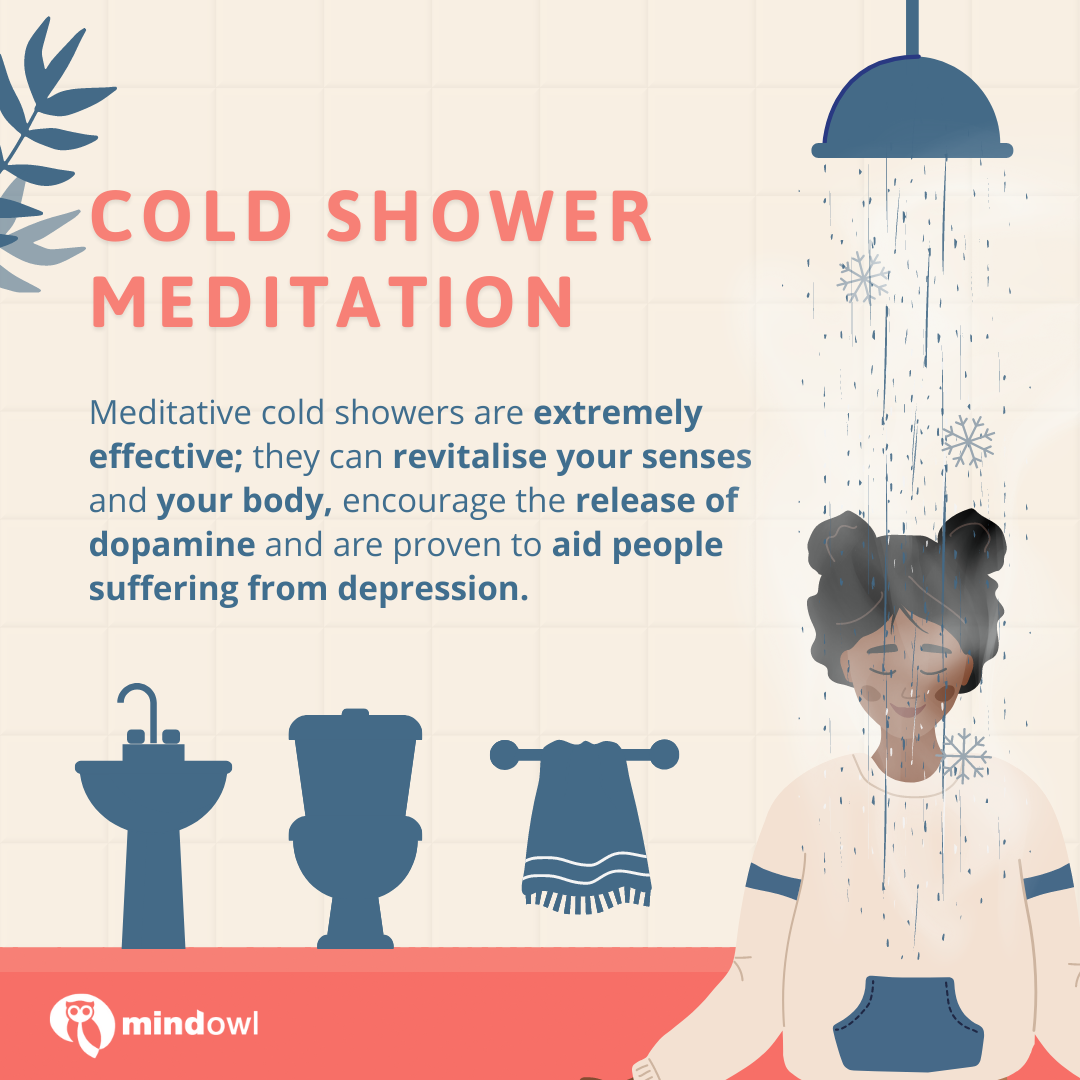
Maintaining a mindfulness practice during shower sessions benefits greatly from intentional reflection and progress tracking. After each session, dedicating a few moments to observe and record your feelings can deepen your awareness and help identify patterns or shifts over time. This process not only reinforces your mindfulness efforts but also fosters a sense of growth and commitment to your routine.Consistent reflection allows you to recognize the subtle changes in your mental state, emotional responses, and physical sensations.
Over time, these insights can inform adjustments to your practice, making it more personalized and effective. By systematically observing your experiences, you cultivate a mindful attitude that extends beyond the shower, influencing your overall well-being and daily mindfulness practices.
Methods to Record Insights or Feelings After Each Session
Effective methods for tracking your shower mindfulness sessions include journaling, digital logs, and verbal reflections. Journaling remains one of the simplest and most accessible techniques; after each shower, write down your sensations, thoughts, and emotional responses. Digital logs or mindfulness apps can also facilitate quick entries, offering prompts to guide your reflections and track progress visually over time.Another valuable approach is verbal reflection, where you silently or aloud acknowledge your experience immediately after the session.
This method encourages immediate awareness and can be recorded later in a journal or app. Using a combination of these methods enhances your ability to notice subtle improvements and recurring themes in your mindfulness journey.
Designing a Reflection Template or Table
A straightforward reflection template helps organize your insights systematically. Below is an example of a simple table structure that you can personalize:
| Date | Emotional State | Physical Sensations | Level of Focus | Notable Insights | Suggestions for Next Session |
|---|---|---|---|---|---|
| 2024-04-27 | Calm, Slightly Anxious | Warm water, relaxed muscles | Moderate, occasionally distracted | Focusing on breath helped reduce anxiety | Try deeper breathing techniques |
| 2024-04-28 | Peaceful, Focused | Light tension in shoulders, relaxed legs | High, very present | Mindfulness increased sense of clarity | Maintain this focus and experiment with body scan |
This table serves as a visual aid to track patterns, emotional shifts, and areas for improvement, fostering ongoing growth in your practice.
Importance of Consistency and Adapting Practices
Consistency in post-shower reflection cultivates a deeper understanding of your mindfulness journey. Regularly engaging in this habit reinforces your awareness and nurtures a mindful attitude throughout the day. It also helps identify which techniques resonate most with you, allowing for tailored adjustments that enhance your experience.Adapting your practice over time is essential as your needs and circumstances evolve. If you find certain techniques less effective, experimenting with new approaches or modifying existing ones keeps your practice fresh and engaging.
For example, if focusing solely on breath becomes monotonous, integrating body scan or gratitude reflections can renew your motivation.By maintaining a flexible yet consistent approach, you develop a sustainable mindfulness routine that continues to support your mental and emotional well-being. Regular reflection and adaptation ensure your practice remains meaningful, effective, and aligned with your personal growth goals.
Final Summary
Incorporating mindfulness into your shower routine is an effortless yet powerful way to nurture mental well-being and presence. By applying the techniques and tips discussed, you can transform a simple daily activity into a meaningful practice that promotes relaxation, focus, and self-awareness. Embrace this simple habit and enjoy the lasting benefits of mindful living.