Learning how to meditate for motivation offers a powerful approach to enhancing your inner drive and focus. Meditation has been practiced for centuries as a tool for mental clarity and emotional resilience, and its benefits extend to boosting motivation levels effectively. By incorporating specific techniques and routines, individuals can harness meditation to energize their mind, set clear goals, and maintain consistent progress towards personal and professional aspirations.
Introduction to Meditation for Motivation
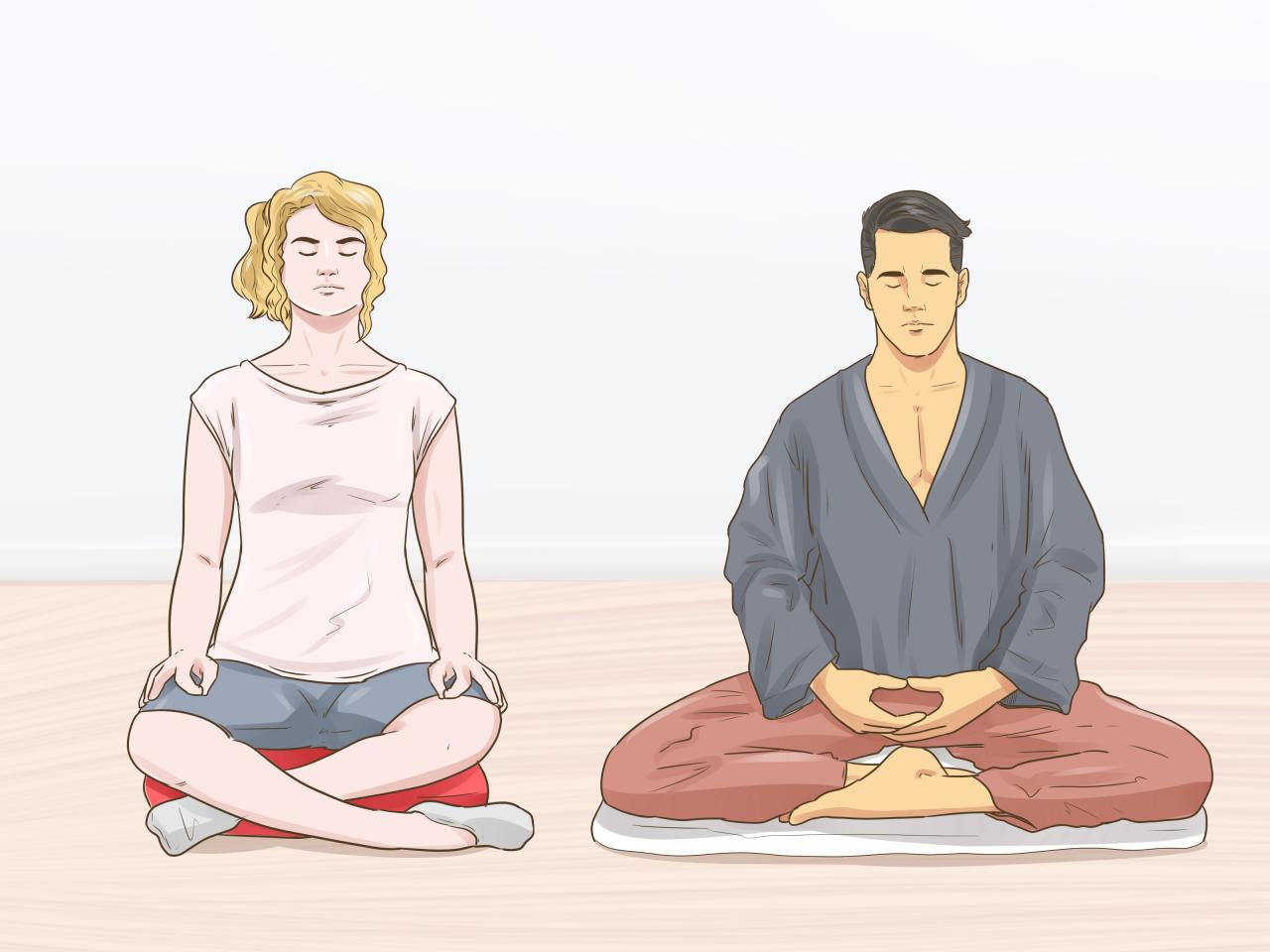
Meditation is a practice that involves focused attention, mental clarity, and achieving a state of relaxed awareness. Historically, meditation has been utilized across diverse cultures and spiritual traditions as a means to cultivate mental discipline, emotional balance, and inner peace. In recent times, its application has expanded into enhancing motivation, where it serves as a tool to foster clarity of purpose, reduce mental fatigue, and ignite a sense of drive towards personal and professional goals.
The connection between meditation and motivation lies in its capacity to stabilize the mind, diminish distractions, and reinforce positive mental states. When practiced regularly, meditation can help individuals align their thoughts and intentions, leading to increased resilience and enthusiasm to pursue their objectives. This mental conditioning enables a person to overcome obstacles with renewed vigor and focus, making meditation an effective strategy for sustaining motivation over time.
Historical Overview of Meditation Practices for Motivation Enhancement
Throughout history, various meditation techniques have been employed to bolster motivation and mental fortitude. Ancient traditions like Buddhist mindfulness meditation emphasized cultivating awareness and mental discipline, which indirectly supported perseverance and goal achievement. Similarly, Stoic philosophers in ancient Greece advocated reflective meditation and visualization as methods to reinforce resolve and emotional resilience.
In Eastern traditions such as Hinduism and Taoism, meditation practices often focus on aligning oneself with universal energy or inner purpose, which inherently drives motivation. Modern adaptations, including mindfulness-based stress reduction (MBSR) and visualization techniques in the 20th century, have been scientifically studied for their effectiveness in improving mental health and motivation. These practices, rooted in centuries-old traditions, continue to evolve and are applied in contemporary settings like corporate environments, sports training, and personal development programs to enhance motivation levels.
Benefits of Meditating to Boost Motivation Levels
Engaging in meditation specifically aimed at increasing motivation offers a multitude of benefits that contribute to overall well-being and goal achievement. The following points highlight the positive impacts of such practices:
- Enhanced focus and concentration enable individuals to prioritize tasks and stay committed to their objectives without succumbing to distractions.
- Reduction in mental clutter fosters clarity of purpose, allowing for more precise goal setting and strategic planning.
- Increased emotional resilience helps in overcoming setbacks and maintaining persistence, which are crucial for long-term motivation.
- Activation of the prefrontal cortex through meditation supports decision-making processes and self-control, reinforcing positive behavioral patterns.
- Promotion of positive mental states, such as optimism and confidence, encourages proactive behaviors towards achieving personal and professional milestones.
Moreover, regular meditation cultivates a sense of inner calm and balance, which diminishes stress and anxiety that often hinder motivation. As a result, individuals are more likely to adopt a proactive attitude and sustain their efforts over time, making meditation a vital component of effective motivation strategies.
Preparing for Meditation Sessions
Engaging in meditation for motivation requires a thoughtful preparation process to ensure each session is focused, effective, and conducive to inner reflection. Creating the right environment and establishing a pre-meditation routine can significantly enhance your ability to center your mind and cultivate motivation. Proper preparation not only minimizes distractions but also signals your brain that it is time to shift into a mindful state, paving the way for a deeper and more rewarding meditation experience.A well-organized setup and routine help to foster consistency and deepen your engagement with meditation practices.
When your surroundings are calm and your mental state is aligned with your intentions, you are more likely to achieve the motivational benefits that meditation offers. This section will guide you through essential steps to prepare for each session, including environment optimization, necessary tools, and routines that prime your mind for success.
Creating a Conducive Environment for Meditation Focused on Motivation
Establishing an environment that fosters concentration and tranquility is fundamental for effective meditation aimed at boosting motivation. The space should be free of clutter, noisy distractions, and interruptions, allowing your mind to settle into a focused state. Natural light is preferable, as it creates a calming atmosphere, but soft, adjustable lighting can also be beneficial if natural light is limited.Incorporate elements that evoke serenity, such as calming scents like lavender or sandalwood, or soothing sounds like gentle nature noises or ambient music.
These sensory cues help signal to your brain that it is time to relax and focus. Ensure your chosen space is comfortable, with a supportive surface for sitting and adequate ventilation. Consistency in your environment helps condition your mind to associate that space with meditation, deepening your focus over time.
Checklist of Necessary Tools and Items
Having the right tools at hand can streamline your meditation session and enhance your focus on motivation. Below is a checklist of commonly used items that support effective meditation practice:
- Cushion or Meditation Mat: Provides comfort and proper posture, reducing physical distractions.
- Timer or Meditation App: Ensures sessions are of consistent duration without the need to check the clock, allowing full immersion.
- Ambient Music or Nature Sounds: Soft background sounds can help drown out extraneous noise and deepen relaxation.
- Essential Oils or Incense: Used sparingly, these can create a calming atmosphere and enhance focus.
- Water or Hydration: Keeps you comfortable and prevents dryness, especially during longer sessions.
Having these items arranged beforehand minimizes interruptions and helps you transition smoothly into your meditation, maintaining a dedicated focus on your motivational goals.
Designing a Pre-Meditation Routine
A consistent pre-meditation routine prepares your mind and body for the upcoming session, maximizing focus and effectiveness. This routine acts as a mental cue, signaling to your subconscious that it is time to engage in meditation with purpose and clarity.Begin by setting a specific time and place for your practice, encouraging regularity. Contemplate or reaffirm your intention for meditation—focusing on enhancing motivation—and mentally review your goals to align your mindset.
Engage in a few gentle stretches or deep breathing exercises to release physical tension and calm the nervous system. Avoid abrupt movements or engaging with screens immediately before meditation, as these can hinder your ability to enter a relaxed state.It is beneficial to dedicate a few minutes solely to this routine, creating a ritual that your mind associates with focused meditation.
This consistency builds mental preparedness and fosters a habit that naturally leads to more fruitful sessions aimed at motivation enhancement.
Techniques for Meditating to Increase Motivation
Implementing effective meditation techniques can significantly boost motivation by energizing the mind, fostering clarity, and aligning mental focus with personal goals. These practices help cultivate a proactive mindset, reduce mental clutter, and reinforce positive intentions, making them vital tools for anyone seeking to enhance their drive and determination.
Below are several proven approaches that can be integrated into your meditation routine to specifically target motivation enhancement, each serving a unique role in cultivating mental vitality and purpose.
Focused Breathing Exercises for Energizing the Mind
Focused breathing exercises are foundational techniques that activate the body’s relaxation response while simultaneously energizing the mind. By consciously controlling breath patterns, individuals can reduce stress, improve mental clarity, and boost alertness—key components for maintaining motivation throughout the day.
- Find a comfortable seated or lying position in a quiet space. Close your eyes gently to minimize external distractions.
- Begin with slow, deep breaths—inhale through the nose for a count of four, feeling the air fill your lungs.
- Hold the breath for a count of four, maintaining awareness of the sensation of fullness.
- Exhale gradually through the mouth or nose for a count of six, releasing tension and clearing mental clutter.
- Pause briefly after exhalation before beginning the next cycle.
- Repeat this cycle for 5-10 minutes, maintaining focus on the rhythm of your breath.
“Deep, intentional breathing energizes the mind while calming the nervous system, creating a perfect foundation for motivation-focused meditation.”
Visualization Practices to Enhance Motivation and Goal-Setting
Visualization is a powerful technique that involves creating vivid mental images of your goals, success scenarios, or desired achievements. This mental rehearsal strengthens neural pathways associated with motivation, making your goals feel more attainable and inspiring persistent action.
Implementing visualization during meditation involves the following steps:
- Begin with a few minutes of calming breath exercises to settle your mind.
- Gently shift your focus to a specific goal or aspiration—such as completing a project, excelling in a skill, or reaching a milestone.
- Construct a detailed mental scene: imagine yourself actively engaging in the task, experiencing the sights, sounds, and feelings associated with success.
- Pay attention to positive emotions like pride, excitement, and confidence that arise during this visualization.
- Maintain this vivid mental image for several minutes, reinforcing your commitment and motivation.
- Conclude by affirming your ability to achieve this goal, integrating the visualization into your ongoing motivation practices.
This practice leverages the brain’s neuroplasticity, making your goals feel more familiar and your motivation more persistent as you repeatedly reinforce these positive mental images.
Affirmations and Mantras for Motivation Boosts
Repeating positive affirmations or mantras during meditation can reprogram subconscious beliefs, boost confidence, and reinforce your commitment to your goals. These statements serve as mental anchors that elevate motivation, especially during challenging moments.
Example affirmations include:
- “I am capable of achieving my goals.”
- “Every step I take brings me closer to success.”
- “I possess the energy and determination to succeed.”
- “Challenges strengthen my resolve.”
- “I am motivated, focused, and driven.”
To incorporate affirmations into your meditation:
- Choose 3-5 affirmations that resonate with your personal goals.
- Repeat each affirmation slowly and mindfully during your meditation session, either aloud or silently.
- Focus on the meaning of each statement, allowing it to sink into your subconscious.
- Use a rhythmic, calming tone to enhance the affirming power of each mantra.
- Repeat this process for 5-10 minutes, integrating the affirmations into your overall meditation routine.
Consistent use of affirmations can foster a resilient, motivated mindset that supports ongoing pursuit of your objectives.
Mindfulness Meditation for Present-Moment Awareness and Drive
Mindfulness meditation encourages a non-judgmental awareness of the present moment, helping to cultivate clarity, reduce mental distractions, and strengthen inner motivation. By staying rooted in the here and now, individuals develop a clearer perspective on their progress and obstacles, fostering a proactive attitude towards their goals.
To practice mindful meditation for motivation:
- Settle into a comfortable posture in a quiet space. Close your eyes or soften your gaze.
- Center your attention on your breath, observing each inhale and exhale without attempting to control it.
- Notice any thoughts, feelings, or sensations that arise, acknowledging them without attachment or judgment.
- Gently return your focus to the breath whenever your mind wanders.
- Maintain this mindful awareness for at least 10 minutes, gradually increasing duration as you become more experienced.
This practice enhances self-awareness, helping you recognize internal motivational states and external obstacles, allowing for more intentional actions aligned with your goals.
Structuring a Meditation Session for Motivation
Designing an effective meditation session tailored to boost motivation requires careful planning of duration, activities, and techniques. A well-structured session helps maintain focus, fosters a sense of progress, and reinforces positive mental states conducive to motivation. Whether practicing for a few minutes or longer periods, structuring each session ensures consistency and maximizes benefits.
Incorporating varied elements such as movement, sound, and intentional breathing can enhance engagement and sustain motivation throughout the practice. Organizing sessions with clear procedures and adaptable durations allows practitioners to integrate meditation seamlessly into daily routines, fostering ongoing inspiration and goal-oriented mindset.
Sample Session Durations and Procedures
Different durations suit varying schedules and experience levels. Here are detailed procedures for sessions lasting 5, 10, and 20 minutes:
- 5-Minute Motivation Meditation:
- Begin with a comfortable seated position, closing your eyes gently.
- Take deep breaths, focusing on each inhalation and exhalation to center your mind.
- Visualize a personal goal or aspiration, imagining yourself successfully achieving it.
- Mentally affirm positive statements like “I am capable” or “I am motivated.”
- Conclude with a few deep breaths, slowly opening your eyes and returning to your day.
- 10-Minute Motivation Meditation:
- Start with a brief body scan, relaxing each part from head to toe.
- Use guided imagery to envision yourself overcoming obstacles related to your goals.
- Incorporate a mantra or affirmation repeated silently or aloud to reinforce motivation.
- If comfortable, include gentle movement like stretching or shifting positions to keep energy flowing.
- Finish with a moment of gratitude for the progress made and confidence in future efforts.
- 20-Minute Motivation Meditation:
- Begin with mindful breathing and a body scan to establish relaxation.
- Engage in focused visualization, imagining detailed scenarios where you accomplish your aims.
- Introduce rhythmic sounds or calming music to deepen concentration.
- Include gentle movement such as slow yoga poses or stretching integrated into the session.
- Repeat affirmations periodically, embedding them into your visualization process.
- End with a period of silent reflection or journaling to consolidate motivation.
Sample Structured Meditation Session for Motivation
Duration: 10 minutes
Procedure:
- Begin with 2 minutes of deep, diaphragmatic breathing to settle the mind.
- Progress to 3 minutes of visualization, picturing yourself successfully completing a current project or goal. Use all senses to make the experience vivid.
- Incorporate 2 minutes of affirmations, silently repeating statements like “I am driven” and “Every step brings me closer.”
- Add 2 minutes of light movement, such as gentle stretches or shifting positions, to maintain energy and focus.
- Conclude with 1 minute of gratitude, acknowledging your efforts and potential.
Incorporating Movement or Sound to Sustain Motivation
Incorporating movement, such as gentle stretching, yoga poses, or even walking meditations, can prevent mental fatigue and keep energy levels high. Movement also helps to ground the mind, making visualization more engaging and tangible. Similarly, using sound—such as ambient music, chimes, or nature sounds—can deepen focus, reinforce positive feelings, and reinforce the meditative state.
For example, rhythmic breathing accompanied by soft background music can anchor attention and create an uplifting atmosphere. Moving in sync with your breath or sound cues can further enhance the connection between body and mind, fostering sustained motivation during longer sessions.
Meditation Techniques Comparison Table
| Technique | Core Method | Effect on Motivation | Ideal Duration |
|---|---|---|---|
| Focused Visualization | Imagining success scenarios with sensory details | Boosts confidence and clarity, reinforcing goal orientation | 10-20 minutes |
| Mantra Repetition | Silent or aloud repeating motivating affirmations | Enhances positive self-talk, sustains focus during challenging moments | 5-15 minutes |
| Movement Meditation | Gentle stretching, yoga, or walking combined with breathing | Reduces mental fatigue, energizes, and maintains engagement | 10-30 minutes |
| Sound-Based Meditation | Listening to calming sounds or binaural beats while meditating | Deepens concentration, elevates mood, and sustains motivation | 10-20 minutes |
Overcoming Challenges in Meditation for Motivation

Engaging in meditation specifically aimed at boosting motivation can sometimes present obstacles that may hinder progress and consistency. Recognizing and addressing these challenges is essential for maintaining a sustainable practice that effectively cultivates motivation. Understanding common difficulties and implementing practical solutions can help practitioners stay committed and reap the full benefits of their meditation sessions.Many individuals encounter mental and emotional barriers such as wandering thoughts, impatience, and self-doubt when practicing meditation for motivation.
These hurdles can diminish focus, reduce motivation to continue, and lead to frustration. By proactively tackling these issues, practitioners can create a more resilient and rewarding meditation routine.
Common Obstacles and Practical Solutions
Practitioners often face persistent mental distractions, physical discomfort, and emotional resistance during meditation. Addressing these common obstacles with targeted strategies can significantly improve the experience and effectiveness of meditation for motivation.
- Mental distractions: The mind naturally drifts to unrelated thoughts, worries, or memories. To manage this, practitioners should gently acknowledge distractions without judgment and redirect focus to the chosen point of concentration, such as the breath or a motivational mantra. Regular practice strengthens the ability to return focus more quickly and effortlessly.
- Impatience and frustration: Expecting immediate results can lead to discouragement. Embracing patience and recognizing that progress develops gradually fosters a healthier attitude toward meditation. Using a timer set for short durations initially can also help build endurance without overwhelm.
- Physical discomfort: Discomfort from posture or environment can distract from practice. Adjusting seating arrangements, using cushions, or practicing in a quiet, comfortable space helps minimize physical discomfort and enhances focus.
- Emotional resistance: Feelings of resistance or skepticism about meditation’s effectiveness may arise. Developing an open-minded attitude and reminding oneself of the long-term benefits can help overcome these barriers.
Strategies to Maintain Consistency and Discipline
Consistency is vital for cultivating motivation through meditation. Establishing routines and using specific strategies can help embed meditation into daily life, turning it into a disciplined habit rather than an occasional activity.
- Create a dedicated meditation space: Designate a quiet, comfortable area reserved for meditation to build a mental association between that space and the practice.
- Set realistic goals: Start with manageable durations, such as five to ten minutes daily, and gradually increase as discipline develops.
- Use reminders and cues: Utilize alarms, sticky notes, or specific times of day to prompt meditation sessions, reinforcing routine adherence.
- Keep a meditation journal: Track progress, note experiences, and reflect on challenges and achievements to foster accountability and motivation.
- Incorporate meditation into daily activities: Pair meditation with existing routines like morning wake-up or evening wind-down to reinforce consistency.
Techniques for Overcoming Mental Distractions and Maintaining Focus
Maintaining focus during meditation for motivation requires intentional techniques that anchor attention and reduce wandering thoughts. These methods enhance concentration and deepen the meditative experience.
- Use focused breathing: Concentrate on the inhalation and exhalation, noting the sensation of air passing through the nostrils or the rise and fall of the chest, creating a steady anchor for attention.
- Employ a mantra or affirmation: Repeating a motivational phrase or word, such as “I am capable” or “Stay motivated,” can help direct mental energy and reduce distractions.
- Visualize motivating scenarios: Imagine successful achievements or vivid scenes that evoke motivation, allowing the mind to focus on positive outcomes.
- Practice mindful awareness: Observe thoughts and sensations without attachment or judgment, gently returning focus to the chosen anchor whenever the mind wanders.
- Break meditation into segments: Use shorter sessions with frequent breaks to maintain high levels of focus and reduce mental fatigue.
Tips to Stay Motivated to Meditate Regularly
Staying motivated over the long term can be challenging, but implementing specific tips can reinforce commitment and make meditation a rewarding part of daily life.
- Set clear intentions: Define specific goals for meditation, such as increasing motivation or reducing stress, to maintain purpose and focus.
- Celebrate progress: Acknowledge small milestones, such as consistent practice for a week or noticing increased focus, to boost motivation.
- Seek support and community: Join meditation groups or forums to share experiences, gain encouragement, and stay accountable.
- Vary meditation techniques: Experiment with different methods, such as guided meditation or silent practice, to keep the routine engaging and prevent boredom.
- Remind oneself of benefits: Reflect regularly on improvements in motivation, energy, and clarity resulting from meditation to reinforce commitment.
Tracking Progress and Outcomes
Maintaining awareness of how meditation influences motivation over time is essential for recognizing progress and identifying areas for improvement. Effective tracking allows individuals to evaluate the impact of their meditation practices systematically, fostering continued commitment and success. By recording specific sessions and motivation levels, practitioners can observe patterns, measure growth, and make informed adjustments to their routines.Accurate documentation of meditation sessions and motivation fluctuations provides valuable insights into personal development.
It helps distinguish effective techniques from less beneficial ones, ensuring that efforts are aligned with desired outcomes. Moreover, structured tracking can boost motivation by visually demonstrating tangible progress, reinforcing the benefits of meditation for motivation enhancement.
Methods for Journaling and Recording Meditation Sessions and Motivation Levels
To effectively monitor progress, practitioners should develop a consistent method for recording their meditation experiences and motivational states. This may include daily journals, digital apps, or dedicated spreadsheets that capture key data points.A comprehensive journal entry might include:
- Date and time of the meditation session
- Duration of the session
- Type of meditation practiced
- Subjective level of motivation before and after the session (e.g., on a scale of 1 to 10)
- Notable experiences or thoughts during meditation
- Perceived changes in motivation over the day or week
Including reflections on emotional or physical states can also enhance understanding of how meditation influences motivation.A dedicated tracking template can streamline this process. For example:
Date: ____________
Session Duration: ____________ minutes
Technique Used: ___________________
Motivation Level Before: _______ / 10
Motivation Level After: _______ / 10
Notes and Observations: _________________________
Template for Tracking Changes in Motivation Over Time
A structured template allows practitioners to visualize trends and evaluate the effectiveness of their meditation routines over extended periods. Such a template might include columns for dates, motivation levels before and after sessions, and notes on specific techniques or external factors influencing motivation.For example:
| Date | Motivation Before | Motivation After | Session Duration | Technique | Comments |
|---|---|---|---|---|---|
| 2024-04-01 | 4 | 7 | 15 min | Guided Visualization | Felt more energized post-session |
| 2024-04-02 | 3 | 6 | 20 min | Breath Awareness | Less distracted than previous days |
Evaluating Effectiveness of Meditation Practices on Motivation
Assessing whether meditation positively impacts motivation requires analyzing recorded data over time. A few key approaches include:
- Comparing pre- and post-meditation motivation scores to identify immediate effects
- Tracking overall trends to understand long-term changes in motivation levels
- Correlating specific meditation techniques with increases or decreases in motivation
- Reviewing qualitative notes for insights into emotional or mental shifts tied to meditation
Data visualization tools such as line charts and bar graphs can significantly aid in this evaluation process. For instance, plotting motivation scores over several weeks can reveal upward trajectories, indicating that meditation is effectively enhancing motivation. Regular review sessions, perhaps weekly or monthly, help maintain focus on progress and inform necessary adjustments in practice routines.
Examples of Visual Charts and Tables to Display Progress
Visual aids are powerful tools for illustrating progress clearly. Common examples include:
- Line Charts: Plotting motivation levels before and after sessions across days or weeks to observe trends.
- Bar Graphs: Comparing average motivation scores for different meditation techniques or durations to identify the most effective practices.
- Progress Tables: Summarizing data such as session dates, motivation scores, and notes in tabular form, enabling quick reference and analysis.
For example, a line chart might display motivation scores on the y-axis with dates on the x-axis, showing an upward trend that indicates increasing motivation. Similarly, tables can be color-coded—green shades for improvements and red for declines—to quickly visualize periods of significant change. Regularly updating these visual representations keeps practitioners motivated and provides clear evidence of their growth through meditation for motivation enhancement.
Integrating Meditation into Daily Motivation Routines
Incorporating meditation into your daily routine can serve as a powerful catalyst for sustained motivation and mental clarity. When meditation becomes a consistent part of your day, it not only enhances focus and emotional resilience but also reinforces your commitment to personal and professional goals. Establishing a seamless integration of meditation into your morning or evening routines ensures that motivation remains a core element of your daily life, fostering a proactive mindset and a sense of inner balance.
Thoughtfully embedding meditation practices into your daily schedule involves creating a habit that aligns with your natural rhythms. By doing so, you cultivate a supportive environment that nurtures your motivation, encourages positive affirmations, and prepares you to face daily challenges with renewed energy and purpose.
Tips for Incorporating Meditation into Morning or Evening Routines
Embedding meditation into your daily schedule requires intentional planning and consistency. Here are effective strategies to seamlessly incorporate meditation into your morning or evening routines:
- Designate a Specific Time: Choose a consistent time each day, such as immediately upon waking or before bedtime, to establish a stable habit.
- Create a Dedicated Space: Set up a quiet, comfortable area free from distractions to enhance focus and relaxation during meditation sessions.
- Start with Short Sessions: Begin with 5-10 minute sessions to build habit formation without feeling overwhelmed, gradually increasing duration as comfort grows.
- Combine with Existing Rituals: Integrate meditation with existing activities, such as brushing your teeth or making morning coffee, to reinforce the habit.
- Use Reminders: Employ alarms or visual cues to remind yourself to meditate at your designated times, ensuring consistency.
Designing a Weekly Schedule Emphasizing Meditation for Motivation
Developing a weekly schedule helps embed meditation into your routine, making it a non-negotiable part of your motivation toolkit. The following sample schedule illustrates how to balance meditation with other motivational activities:
| Day | Meditation Focus | Additional Motivational Activities |
|---|---|---|
| Monday | Morning meditation focused on setting intentions | Goal review and affirmations post-meditation |
| Tuesday | Mid-morning mindfulness session for sustained focus | Visualization of success for upcoming tasks |
| Wednesday | Evening gratitude meditation | Reflect on achievements and update goals |
| Thursday | Morning breath awareness for energy boost | Affirmations of confidence before starting work |
| Friday | Relaxation meditation to unwind from the week | Planning and motivation session for the weekend |
| Saturday | Outdoor meditation with nature focus | Creative visualization for personal growth |
| Sunday | Reflective meditation on the week’s progress | Setting intentions for the upcoming week |
This structured approach ensures that meditation remains a consistent, purposeful activity that directly supports your motivational goals each day of the week.
Complementary Activities to Enhance Meditation Impact
Integrating additional motivational activities alongside meditation can amplify its effects, creating a synergistic approach to staying driven. These activities reinforce positive thinking, focus, and goal orientation, making your meditation practice even more effective:
- Goal Setting: After meditation, spend a few minutes outlining specific, achievable goals for the day or week, utilizing clarity gained during meditation.
- Positive Affirmations: Recite affirmations related to your abilities and aspirations during or after meditation sessions to boost self-confidence and motivation.
- Visualization Exercises: Use mental imagery to vividly picture yourself achieving your goals, reinforcing your commitment and enthusiasm.
- Journaling: Keep a motivation journal where you record insights, progress, and new intentions inspired during meditation.
- Physical Activity: Engage in light exercise, such as stretching or walking, post-meditation to elevate energy levels and reinforce positive habits.
“The mind is everything. What you think you become.” – Buddha
Combining meditation with these activities creates a comprehensive motivation strategy that sustains enthusiasm, enhances focus, and drives consistent progress towards your goals.
Ending Remarks
In conclusion, mastering how to meditate for motivation provides a sustainable and accessible way to elevate your enthusiasm and determination. Consistent practice, combined with thoughtfully structured sessions, can lead to noticeable improvements in motivation and overall well-being. Embracing meditation as part of your daily routine empowers you to stay focused, resilient, and motivated in pursuit of your goals.